Gasket Paper Manufacturer | Engineering Guide

Engineering Guide: Gasket Paper

gasket paper manufacturing

Engineering Insight: The Critical Role of Material Selection in gasket paper Performance

In precision sealing applications, gasket paper is far more than a passive filler. It is a critical engineered interface designed to maintain integrity under thermal cycling, chemical exposure, mechanical load, and dynamic stress. Despite its apparent simplicity, the failure rate of generic or off-the-shelf gasket paper solutions remains high across industrial sectors. This is primarily attributable to improper material selection—a decision that must align with the specific operational environment, not merely dimensional availability.

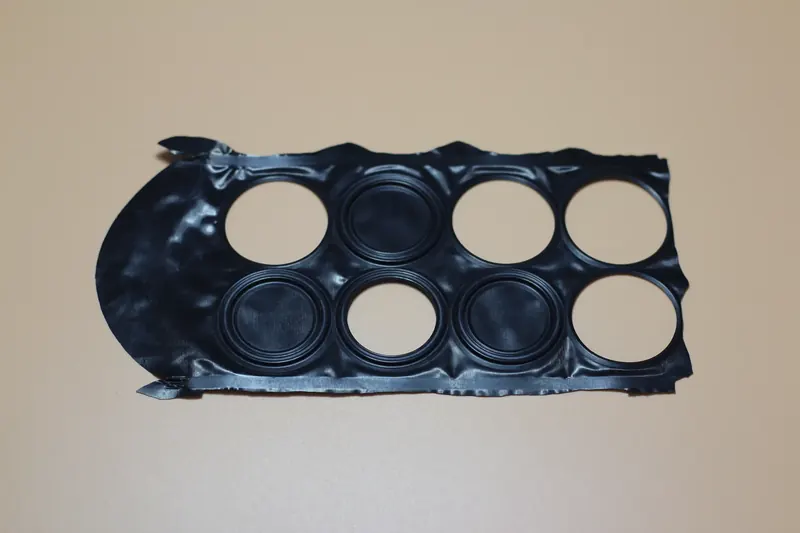
Standard gasket paper products are often formulated for broad compatibility rather than targeted performance. They typically utilize low-cost base materials such as cellulose or recycled fibers bound with generic elastomers. While adequate for non-critical, low-pressure environments, these materials lack the resilience required in demanding applications. For instance, exposure to oils, solvents, or elevated temperatures can cause swelling, embrittlement, or compression set, leading to leakage paths and premature joint failure. Furthermore, inconsistent density and fiber distribution in commodity-grade papers result in non-uniform sealing pressure, compromising long-term reliability.

At Suzhou Baoshida Trading Co., Ltd., we emphasize application-specific formulation. Our engineering-grade gasket papers are compounded with high-purity aramid fibers, nitrile rubber (NBR), or graphite-reinforced composites, depending on the service conditions. These materials offer superior tensile strength, thermal stability, and chemical resistance. For example, NBR-based formulations maintain elasticity across a wide temperature range (–20°C to +130°C) and exhibit excellent resistance to aliphatic hydrocarbons, making them ideal for automotive and hydraulic systems. In contrast, graphite-enhanced variants withstand intermittent exposure to temperatures exceeding 400°C, serving critical roles in exhaust manifolds and industrial boilers.

Compression recovery performance is another key differentiator. High-performance gasket paper must recover elastically after bolt relaxation or thermal cycling. Off-the-shelf materials often exhibit permanent deformation due to insufficient cross-linking or poor fiber matrix integration. Our proprietary curing processes ensure optimal cross-link density and fiber adhesion, enabling recovery rates exceeding 85% after 24 hours under 15 MPa compressive load.

Below is a comparative analysis of common gasket paper materials:

Material Type Temperature Range (°C) Tensile Strength (MPa) Compression Set (% @ 24h, 15 MPa) Chemical Resistance Profile
Cellulose-Based –10 to +100 8–12 35–45 Limited; poor in oils and solvents
NBR-Reinforced –20 to +130 18–24 18–22 Excellent in oils, water, aliphatic fuels
Graphite-Enhanced –20 to +450 (intermittent) 14–18 12–16 High; resistant to acids, steam, hydrocarbons
Aramid-Fiber Composite –40 to +180 26–32 10–14 Exceptional across broad chemical spectrum

Material selection is not a secondary consideration—it is the foundation of sealing integrity. Engineers must evaluate not only chemical exposure and temperature but also flange finish, bolt torque, and service life expectations. At Baoshida, we collaborate with OEMs to develop gasket paper solutions tailored to exacting performance parameters, eliminating the guesswork and reducing total cost of ownership through enhanced durability and reduced downtime.


Material Specifications

gasket paper manufacturing

Gasket Paper Material Specifications for Precision Sealing Applications

Suzhou Baoshida Trading Co., Ltd. provides engineered gasket paper solutions critical for reliable sealing in demanding industrial environments. Our precision rubber-impregnated compressed fiber gasket papers utilize high-performance elastomers formulated to meet stringent OEM requirements. Understanding the core material properties is essential for optimal application performance and longevity. This section details the key specifications of Viton, Nitrile, and Silicone-based gasket papers, highlighting their distinct advantages for specific operational challenges. All materials comply with relevant ASTM F104 and ISO 2230 standards for compressed fiber gasket materials, ensuring dimensional stability and consistent mechanical behavior under compression.

Viton fluorocarbon rubber-impregnated gasket paper delivers exceptional resistance to high temperatures, aggressive chemicals, and fuels. It maintains integrity within a continuous service range of -20°C to +230°C, with short-term excursions up to 300°C. This material exhibits outstanding stability against aromatic and chlorinated hydrocarbons, acids, bases,.jet fuels, and synthetic lubricants. Its low compression set, typically below 25% after 70 hours at 200°C, ensures long-term sealing force retention in critical static applications like chemical processing equipment and aerospace fluid systems. Tensile strength generally exceeds 10 MPa, supporting robust handling during installation.

Nitrile rubber (NBR) impregnated gasket paper offers an optimal balance of petroleum resistance, mechanical strength, and cost-effectiveness for general industrial use. Its operational temperature range spans -40°C to +120°C, extendable to +150°C for limited durations. NBR demonstrates excellent resistance to mineral oils, greases, aliphatic hydrocarbons, water, and hydraulic fluids, making it ideal for automotive engine gaskets, hydraulic manifold seals, and industrial pump covers. Typical tensile strength ranges from 8 to 12 MPa, with compression set values around 30-40% after 22 hours at 100°C. It provides reliable performance in cost-sensitive applications where extreme chemical or thermal exposure is not encountered.

Silicone rubber-impregnated gasket paper excels in extreme temperature applications while maintaining flexibility. It functions reliably from -60°C to +230°C continuously, with brief exposure tolerance up to 260°C. Silicone offers superior resistance to ozone, UV radiation, and weathering, alongside good water and steam resistance. However, it has lower mechanical strength (tensile typically 5-8 MPa) and higher compression set (40-50% after 22 hours at 200°C) compared to Viton or Nitrile. Its primary applications include high-temperature HVAC seals, food and beverage processing equipment requiring FDA compliance, and electrical insulation where thermal stability is paramount but mechanical stress is moderate.

The following table summarizes critical comparative specifications for precision gasket paper formulations:

Material Property Viton (FKM) Gasket Paper Nitrile (NBR) Gasket Paper Silicone (VMQ) Gasket Paper
Continuous Temp Range (°C) -20 to +230 -40 to +120 -60 to +230
Short-Term Max Temp (°C) 300 150 260
Tensile Strength (MPa) ≥ 10 8 – 12 5 – 8
Compression Set (ASTM D395) < 25% @ 200°C/70h 30-40% @ 100°C/22h 40-50% @ 200°C/22h
Key Chemical Resistances Fuels, Acids, Bases, Synthetics Oils, Greases, Water, Aliphatics Ozone, UV, Steam, Water
Primary Industrial Use Chemical, Aerospace, High-Performance Automotive, Hydraulics, General Industry HVAC, Food Processing, Electrical

Suzhou Baoshida Trading Co., Ltd. leverages proprietary rubber compounding expertise to tailor these base formulations for specific OEM sealing requirements. Our engineering team collaborates closely with clients to optimize material selection based on fluid compatibility, thermal profiles, and mechanical load conditions, ensuring the highest level of sealing integrity and service life in your application.


Manufacturing Capabilities

gasket paper manufacturing

Engineering Capability: Precision in Every Seal

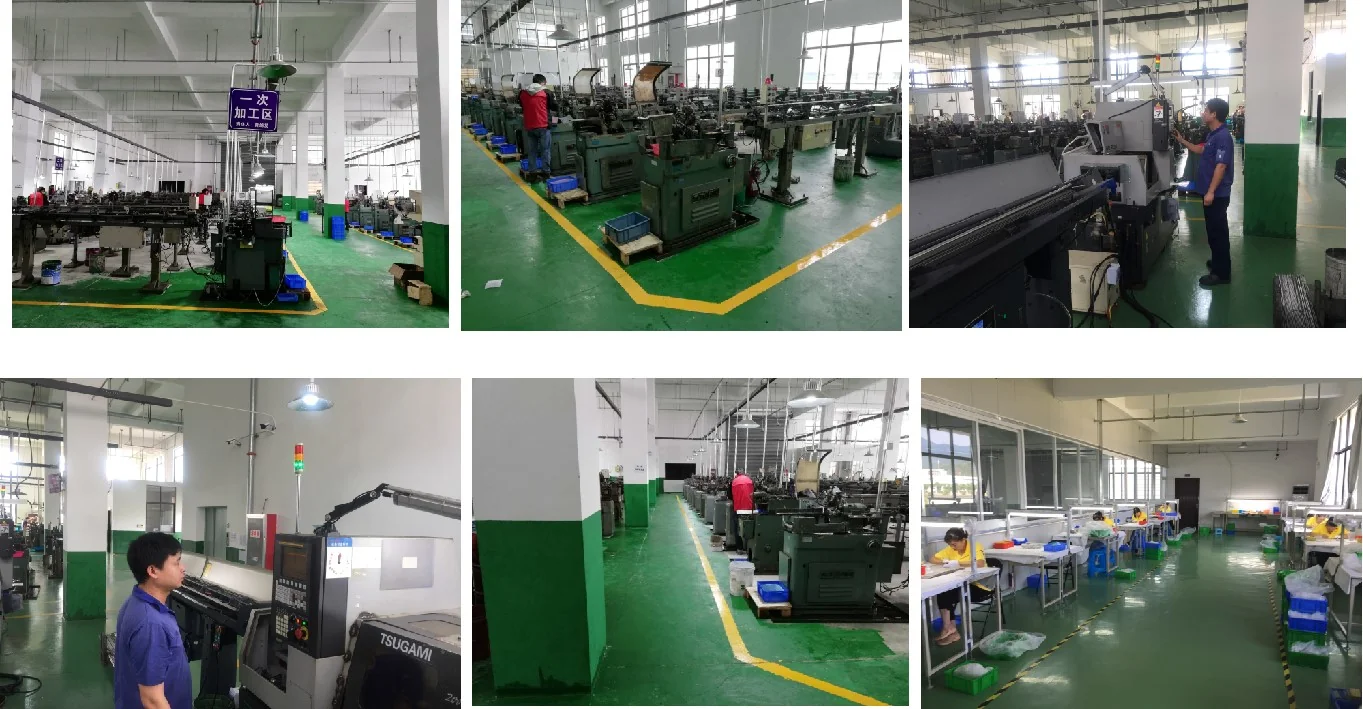
At Suzhou Baoshida Trading Co., Ltd., our engineering capability forms the backbone of our leadership in precision rubber seals. With a dedicated team of five mould engineers and two specialized rubber formula engineers, we deliver technically advanced gasket paper solutions tailored to the exacting demands of industrial OEMs. Our multidisciplinary engineering approach ensures seamless integration of material science, tooling design, and manufacturing precision, enabling us to produce high-performance gasket materials that meet stringent operational requirements across automotive, aerospace, and industrial equipment sectors.

Our two in-house rubber formula engineers possess deep expertise in polymer chemistry and elastomer compounding. They are responsible for developing proprietary rubber blends optimized for thermal stability, compression set resistance, chemical compatibility, and mechanical durability. This formulation proficiency allows us to customize gasket paper compounds to meet specific customer environments—whether resisting engine oils at elevated temperatures or maintaining seal integrity in aggressive chemical processing applications. By controlling the formulation process internally, we ensure batch-to-batch consistency, regulatory compliance (including RoHS and REACH), and rapid prototyping for new material requirements.

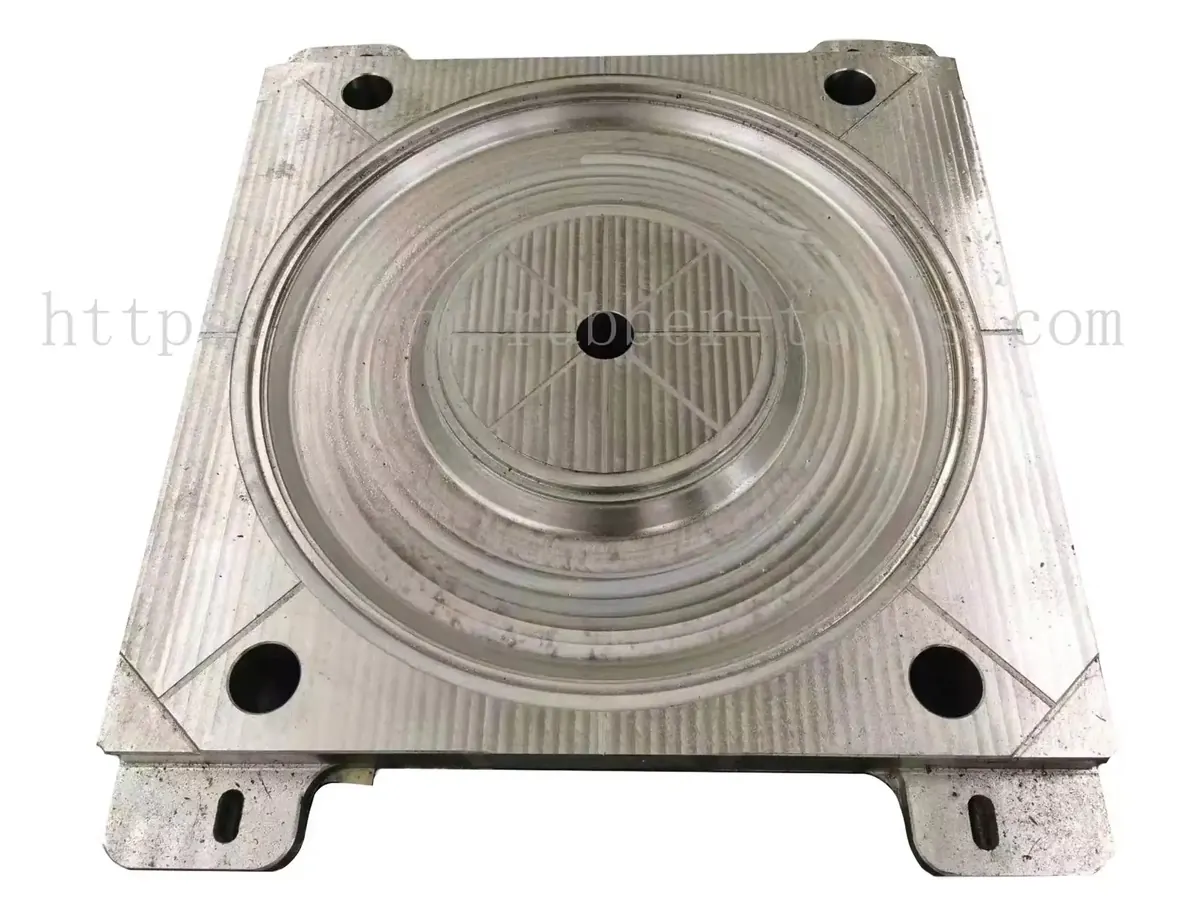
Complementing our material science capabilities are five experienced mould engineers who specialize in precision tooling for gasket production. These engineers utilize advanced CAD/CAM software and finite element analysis (FEA) to design and optimize moulds that achieve tight tolerances, complex geometries, and repeatable part quality. Their expertise spans multi-cavity moulds, insert moulding, and micro-tolerance tooling, enabling high-volume production with minimal variance. The close collaboration between formula and mould engineers ensures that both material behavior and tooling performance are co-optimized, reducing cycle times and enhancing product reliability.

We operate as a full-service OEM partner, offering end-to-end development from concept to mass production. Our OEM capabilities include custom compound development, 3D printing of prototype gaskets, DFM (Design for Manufacturability) analysis, and full-scale production with automated inspection. This vertically integrated engineering model allows us to respond rapidly to technical challenges, reduce time-to-market, and maintain strict confidentiality for proprietary designs.

The following table outlines key technical specifications achievable with our gasket paper manufacturing platform:

Parameter Typical Range Testing Standard
Hardness (Shore A) 40–90 ASTM D2240
Tensile Strength 8–20 MPa ASTM D412
Elongation at Break 150–400% ASTM D412
Compression Set (22 hrs, 70°C) ≤25% ASTM D395
Operating Temperature Range -40°C to +150°C (up to +250°C intermittent) ISO 1817
Thickness Tolerance ±0.05 mm to ±0.2 mm (based on grade) ISO 3302

Our engineering team’s dual focus on material innovation and precision manufacturing ensures that every gasket paper product we deliver meets the highest standards of performance and reliability. As an OEM partner, Suzhou Baoshida provides not just components—but engineered sealing solutions.


Customization Process

gasket paper manufacturing

Gasket Paper Customization Process: Engineering Precision from Concept to Volume Production

Suzhou Baoshida Trading Co., Ltd. executes a rigorously defined customization workflow for gasket paper solutions, ensuring optimal performance in demanding industrial sealing applications. This process begins with comprehensive Drawing Analysis, where our engineering team conducts a cross-functional review of client-provided specifications. Critical parameters assessed include dimensional tolerances per ASME B16.20 or client-specific standards, flange surface finish requirements, operational pressure-temperature profiles, and chemical exposure environments. Finite element analysis (FEA) may be employed to simulate stress distribution under load, identifying potential creep or extrusion risks. This phase establishes the foundational technical requirements dictating material selection and process design.

Subsequent Formulation Development leverages our proprietary rubber compounding expertise. Based on the drawing analysis, we select base polymers and additives to achieve target properties. Key considerations include thermal stability for high-temperature exhaust systems, oil resistance for hydraulic applications, or low-temperature flexibility for cryogenic seals. Our laboratory validates candidate formulations against critical performance metrics, prioritizing compression set resistance, tensile strength, and fluid compatibility. The table below illustrates typical material-property relationships guiding this stage:

Material Type Temperature Range (°C) Key Properties Typical Applications
Nitrile (NBR) -40 to +120 Excellent oil/fuel resistance Automotive fuel systems, hydraulics
EPDM -50 to +150 Superior ozone/weather resistance HVAC, water systems, outdoor seals
Fluorocarbon (FKM) -20 to +230 Extreme chemical/heat resistance Chemical processing, aerospace
Silicone (VMQ) -60 to +200 High flexibility, biocompatibility Medical devices, food processing

Prototyping follows formulation finalization, utilizing precision die-cutting or CNC machining to produce functional samples. Prototypes undergo stringent validation per ISO 3601 standards, including: compression set testing at 25% deflection for 24 hours at maximum operating temperature, torque retention evaluation under cyclic thermal loading, and fluid immersion testing against specified media. Client feedback on prototype performance informs iterative refinements, ensuring the design meets real-world functional demands before tooling commitment.

Transition to Mass Production occurs only after prototype sign-off. Our ISO 9001-certified facility implements statistical process control (SPC) at all stages, from raw material batch traceability to automated vision inspection of cut parts. Continuous monitoring of vulcanization parameters (time, temperature, pressure) guarantees consistent cross-link density. We maintain dual-source agreements for critical raw materials to eliminate supply chain disruption risks. Every production batch undergoes 100% dimensional verification against print tolerances and抽样 testing for physical properties, with full documentation provided for OEM audit compliance. This end-to-end control ensures gasket paper products deliver leak-free service life under the most severe operational conditions.


Contact Engineering Team

gasket paper manufacturing

For industrial manufacturers and OEMs requiring precision-engineered gasket solutions, Suzhou Baoshida Trading Co., Ltd. stands as a trusted partner in the development and supply of high-performance rubber gasket materials. Our expertise lies in delivering custom gasket paper formulations tailored to meet the rigorous demands of automotive, aerospace, energy, and heavy machinery sectors. As a leader in precision rubber seals, we combine advanced material science with strict quality control to ensure every product meets exact dimensional, thermal, and chemical resistance requirements.

Gasket paper is not a generic commodity—it is a critical sealing component that must perform under fluctuating temperatures, pressures, and exposure to aggressive media such as oils, fuels, and industrial fluids. At Suzhou Baoshida, we engineer gasket paper with controlled density, compressibility, and recovery characteristics to prevent leakage, minimize flange damage, and extend service life. Our formulations are available in a range of elastomer bases including NBR, EPDM, silicone, and fluororubber (FKM), each optimized for specific operational environments.

We understand that off-the-shelf solutions often fail to address unique sealing challenges. That is why we offer fully customizable gasket paper in various thicknesses, hardness levels, and sheet sizes, with options for asbestos-free, low-emission, and food-grade compliant materials. Whether you require high-temperature resistance up to 300°C or exceptional resilience in dynamic sealing applications, our technical team works directly with your engineers to develop a solution that integrates seamlessly into your manufacturing process.

The following table outlines standard technical specifications for our most commonly requested gasket paper grades:

Property NBR-Based EPDM-Based Silicone FKM-Based
Hardness (Shore A) 60–80 65–85 50–70 70–80
Thickness Range (mm) 0.5–3.0 0.5–3.0 0.8–2.5 0.5–2.0
Temperature Range (°C) -30 to +120 -40 to +150 -60 to +230 -20 to +300
Tensile Strength (MPa) ≥8 ≥7 ≥6 ≥10
Compressibility (%) 15–25 18–28 20–30 12–20
Fluid Resistance Oil, water, aliphatic hydrocarbons Water, steam, polar solvents General chemicals, ozone Fuels, acids, aromatic hydrocarbons

To initiate a technical consultation or request material samples, contact Mr. Boyce, OEM Manager at Suzhou Baoshida Trading Co., Ltd. Mr. Boyce specializes in supporting global manufacturers with material selection, compliance documentation, and rapid prototyping services. With a background in rubber formulation and industrial sealing dynamics, he ensures every client receives a technically sound and commercially viable solution.

Reach Mr. Boyce directly via email at [email protected]. Include your application details, performance requirements, and preferred material specifications to receive a tailored response within 24 business hours. For time-sensitive projects, we offer expedited formulation adjustments and fast-track production cycles to support your development timelines.

Partner with Suzhou Baoshida to transform your gasket performance through precision engineering and responsive technical collaboration. Your next-generation seal begins with a conversation.


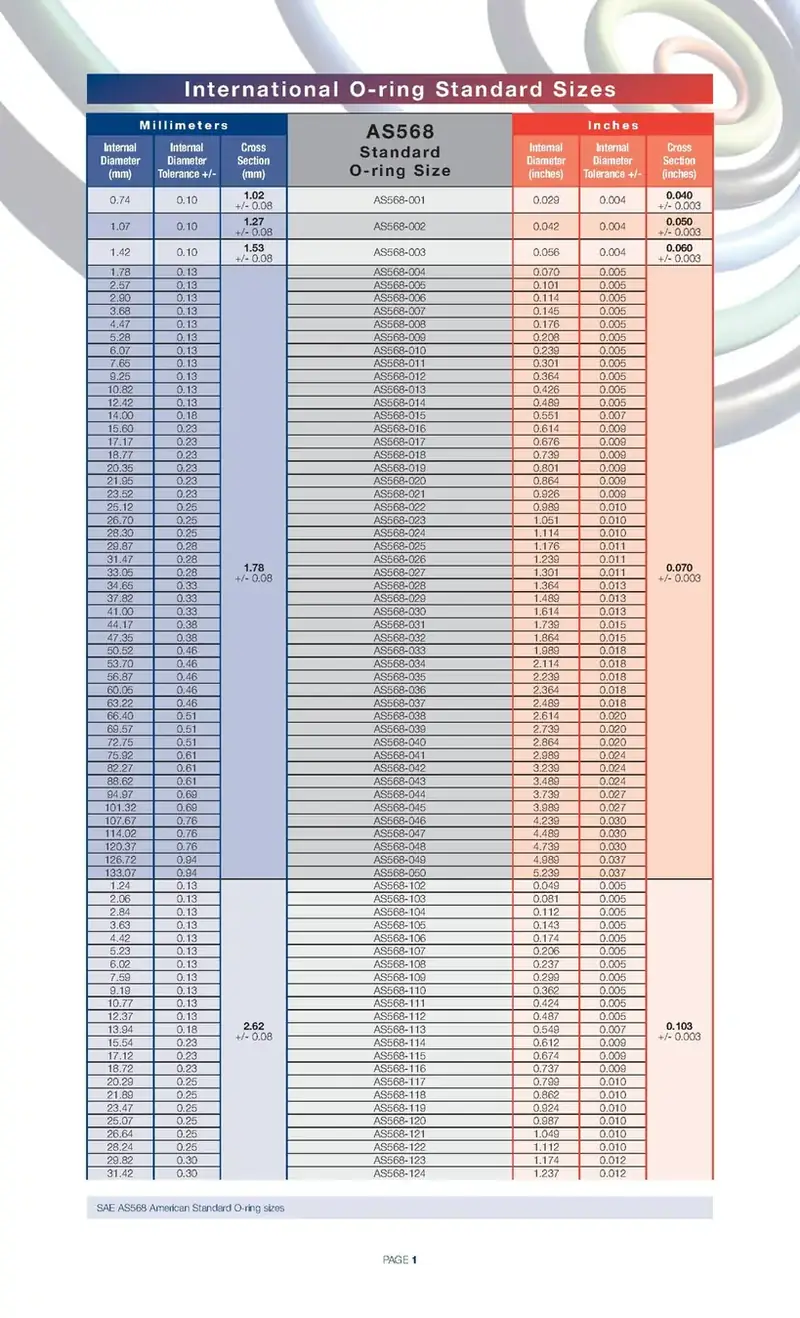
⚖️ O-Ring Weight Calculator

Estimate rubber O-ring weight (Approx).


Gasket Paper Manufacturer | Engineering Guide

Contents of Table

Contact [email protected] Whatsapp 86 15951276160