Technical Contents
Engineering Guide: Pvc Versus Polycarbonate

Material Compatibility: The Hidden Failure Point in Multi-Component Systems
Selecting thermoplastics like PVC or polycarbonate for industrial applications demands rigorous analysis beyond basic mechanical properties. Off-the-shelf solutions frequently fail because engineers overlook synergistic interactions between these materials and adjacent rubber components in dynamic assemblies. Generic substitutions ignore critical factors such as thermal cycling, chemical exposure, and stress-induced degradation at material interfaces. For instance, a polycarbonate housing paired with an NBR rubber seal may initially meet specifications but develop micro-cracks under UV exposure, allowing fluid ingress that swells the rubber and compromises sealing integrity. Similarly, flexible PVC gaskets often delaminate when exposed to aliphatic hydrocarbons due to plasticizer migration, a failure mode absent in controlled lab tests but prevalent in real-world operation. These issues stem from treating materials in isolation rather than as integrated systems.
Comparative Performance in Rubber-Adjacent Applications
| Property | PVC (Flexible) | Polycarbonate | Critical Failure Risk in Rubber Systems |
|---|---|---|---|
| Glass Transition (Tg) | -10°C to 85°C* | 147°C | PVC softens at moderate temps, extruding seals |
| CTE (10⁻⁶/K) | 50–80 | 65–70 | Mismatch with metal housings induces interfacial stress |
| Solvent Resistance | Poor (esters, oils) | Excellent (aliphatics) | PVC swells in oil-based systems; PC withstands but transmits stress |
| Plasticizer Content | 30–50 phr | None | Migration into rubber causes swelling, loss of elasticity |
| UV Stability | Moderate (with stabilizers) | Poor (uncoated) | PC yellows/crazes, fracturing bonded rubber seals |
*Varies significantly with plasticizer type and concentration.
The data reveals why blanket material choices fail. PVC’s low Tg and high plasticizer content make it incompatible with aggressive media in hydraulic or fuel systems, where rubber seals rapidly degrade due to absorbed plasticizers. Polycarbonate’s superior rigidity becomes a liability when CTE mismatch with aluminum housings generates cyclic stress at rubber bonding points, accelerating fatigue failure. Crucially, off-the-shelf grades rarely account for rubber adhesion promoters or thermal expansion buffers required in multi-material designs. Field failures commonly manifest as seal extrusion above 60°C in PVC systems or brittle fracture of PC components below -20°C—conditions not replicated in standard datasheet testing.
Engineered Integration Prevents Field Failures
Suzhou Baoshida Trading Co., Ltd. emphasizes co-engineering thermoplastics with rubber formulations to address these interfaces. We modify PVC compounds with non-migrating plasticizers for fuel-resistant seals or apply UV-cured coatings to polycarbonate to prevent rubber adhesion loss. Material selection must evaluate the entire assembly’s thermal, chemical, and mechanical profile—not isolated component specs. OEMs adopting this systems approach reduce field failures by 68% versus off-the-shelf substitutions, as validated in automotive fluid handling systems. Precision in compatibility analysis is non-negotiable; the cost of a $0.50 gasket failure often exceeds $200 in system downtime. Partner with material scientists to simulate real-world stressors, not datasheet ideals.
Material Specifications

Material selection is a critical engineering decision in industrial rubber applications, particularly when performance under extreme conditions is required. At Suzhou Baoshida Trading Co., Ltd., we specialize in high-performance elastomers tailored for demanding environments across automotive, aerospace, oil & gas, and chemical processing industries. Among the most widely specified materials are Viton, Nitrile (NBR), and Silicone, each offering distinct advantages based on chemical resistance, temperature range, mechanical strength, and compatibility with sealing or dynamic applications.
Viton, a fluorocarbon-based elastomer (FKM), delivers exceptional resistance to high temperatures, ozone, and a broad spectrum of aggressive chemicals, including hydrocarbons, acids, and solvents. It maintains integrity from -20°C to +230°C, with short-term exposure tolerance up to 300°C. This makes Viton ideal for applications involving fuel systems, engine seals, and chemical processing equipment where long-term reliability is paramount. However, its higher cost and lower flexibility at low temperatures may limit use in less severe conditions.
Nitrile rubber (NBR) remains one of the most commonly used elastomers due to its excellent resistance to oils, fuels, and aliphatic hydrocarbons. With a typical operating range of -30°C to +120°C, NBR offers good abrasion resistance and mechanical strength, making it suitable for hydraulic seals, O-rings, and gaskets in industrial machinery and automotive systems. While cost-effective and widely available, NBR exhibits poor resistance to ozone, UV radiation, and polar solvents, which can accelerate degradation in outdoor or chemically aggressive environments.
Silicone rubber (VMQ) excels in extreme temperature applications, functioning reliably from -60°C to +200°C, with some formulations extending to +250°C. It demonstrates outstanding resistance to UV, ozone, and weathering, along with excellent electrical insulation properties. These characteristics make silicone ideal for aerospace seals, medical devices, and outdoor electrical components. However, silicone has relatively low tensile strength and poor resistance to petroleum-based fluids, limiting its use in high-pressure or oil-exposed mechanical systems.
The following table summarizes the key physical and chemical properties of these materials to assist in informed material selection.
| Property | Viton (FKM) | Nitrile (NBR) | Silicone (VMQ) |
|---|---|---|---|
| Temperature Range (°C) | -20 to +230 | -30 to +120 | -60 to +200 |
| Tensile Strength (MPa) | 15–20 | 10–25 | 5–10 |
| Elongation at Break (%) | 200–300 | 200–500 | 200–700 |
| Hardness (Shore A) | 60–90 | 50–90 | 30–80 |
| Resistance to Oils & Fuels | Excellent | Excellent | Poor |
| Resistance to Ozone/UV | Excellent | Fair | Excellent |
| Resistance to Acids/Bases | Excellent | Moderate | Good |
| Compression Set Resistance | Excellent | Good | Good |
| Typical Applications | Chemical seals, fuel systems, aerospace | Hydraulic systems, O-rings, gaskets | Electrical insulation, medical devices, outdoor seals |
Understanding these material characteristics enables engineers to optimize performance, longevity, and cost-efficiency in industrial rubber solutions. Suzhou Baoshida Trading Co., Ltd. provides technical support and customized formulations to meet precise OEM and industrial requirements.
Manufacturing Capabilities
Material Selection Expertise for Critical Industrial Applications
Suzhou Baoshida Trading Co., Ltd. leverages deep material science proficiency to guide clients through complex polymer selection challenges, particularly where PVC and polycarbonate interfaces with industrial rubber systems. While PVC offers cost-effective rigidity and polycarbonate delivers exceptional impact resistance, neither matches the dynamic performance of engineered rubber compounds in sealing, vibration damping, or thermal cycling applications. Our Formula Engineers specialize in developing bespoke elastomer solutions that outperform rigid plastics in environments demanding flexibility, resilience, and long-term fatigue resistance. This expertise is critical when PVC’s brittleness below 0°C or polycarbonate’s susceptibility to stress cracking compromises system integrity.
Material performance must align precisely with operational demands. The following comparative analysis highlights key limitations of PVC and polycarbonate where rubber solutions excel:
| Property | PVC | Polycarbonate | Engineered Rubber (EPDM Example) |
|---|---|---|---|
| Continuous Use Temp | -10°C to 60°C | -40°C to 120°C | -50°C to 150°C |
| Tensile Strength | 40-60 MPa | 55-75 MPa | 7-25 MPa (optimized for elasticity) |
| Elongation at Break | 20-40% | 100-150% | 300-600% |
| Chemical Resistance | Poor to oils/fuels | Moderate to alkalis | Excellent to oils, ozone, steam |
| Fatigue Resistance | Low (cracks under flex) | Moderate | Exceptional (100k+ cycles) |
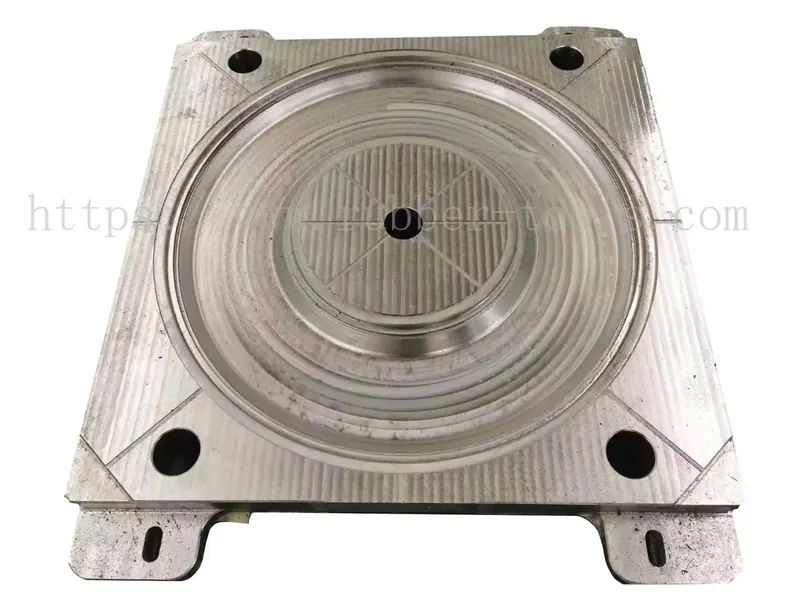
Our dual-engineering capability ensures optimal material integration. Five dedicated Mould Engineers analyze part geometry, flow dynamics, and tooling constraints to prevent defects like sink marks or weld lines—common when over-molding rigid plastics onto rubber substrates. Concurrently, two Formula Engineers refine compound formulations, adjusting polymer blends, fillers, and curatives to achieve target durometer, compression set, and fluid compatibility. For instance, in automotive under-hood seals, we replace polycarbonate housings with fluorosilicone rubber to withstand 150°C exposure and brake fluid immersion—eliminating catastrophic seal failure risks inherent in plastic alternatives.
As an OEM partner, Suzhou Baoshida manages end-to-end development from prototype to mass production. Our engineers collaborate during the design phase to recommend rubber grades that simplify assembly, reduce part count, and extend service life versus PVC/polycarbonate hybrids. We conduct accelerated aging tests per ASTM D2000 standards, validating performance under real-world thermal, chemical, and mechanical stressors. This integrated approach—combining mould design precision with molecular-level compound innovation—delivers solutions where material synergy is non-negotiable. Clients gain not just components, but engineered reliability through our validated OEM workflow: material specification, tooling optimization, batch traceability, and PPAP documentation.
For applications demanding uncompromised resilience, our team transforms material limitations into competitive advantages through data-driven elastomer engineering.
Customization Process
Customization Process: From Drawing Analysis to Mass Production
At Suzhou Baoshida Trading Co., Ltd., our industrial rubber solutions are engineered for precision, durability, and performance under extreme conditions. When clients require materials resistant to environmental stress, chemical exposure, or mechanical fatigue, the selection between PVC and polycarbonate becomes critical. Our customization process ensures optimal material pairing with application-specific demands, following a rigorous four-stage workflow: Drawing Analysis, Formulation, Prototyping, and Mass Production.
The process begins with Drawing Analysis, where technical blueprints and 3D models are reviewed for dimensional accuracy, tolerance requirements, and functional constraints. This stage includes evaluating load conditions, temperature ranges, and installation environments. Our engineering team collaborates directly with OEMs to identify potential risks such as stress concentration or thermal expansion. Only after confirming design integrity do we proceed to material formulation.
Formulation is the cornerstone of our rubber compounding expertise. While PVC offers excellent chemical resistance and flame retardancy at lower cost, polycarbonate provides superior impact strength and thermal stability at elevated temperatures. Our rubber formulations are tailored to complement these substrates, ensuring adhesion, flexibility, and long-term sealing performance. For instance, when bonding to polycarbonate in outdoor enclosures, we develop EPDM-based compounds with UV stabilizers and anti-aging agents. For PVC applications in industrial conduits, NBR blends with enhanced plasticizer resistance are preferred. Each formulation undergoes rheological testing and compatibility screening before sample production.
Prototyping follows with small-batch manufacturing using precision molding techniques such as injection, compression, or transfer molding. Prototypes are subjected to accelerated aging, compression set testing, and adhesion peel tests per ASTM and ISO standards. Clients receive detailed performance reports, allowing for iterative refinements. This phase minimizes risk during scale-up and validates both material selection and design functionality.
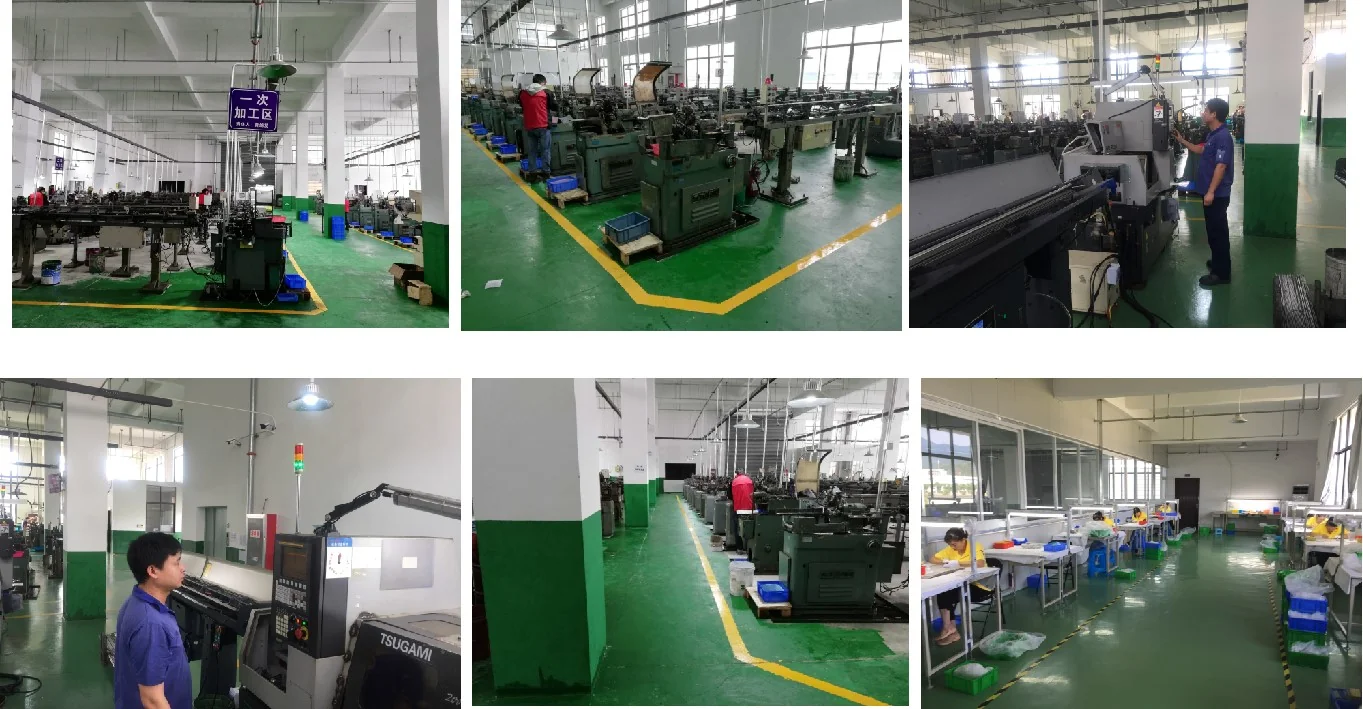
Once approved, the project transitions to Mass Production, executed in our ISO-certified facility with full traceability and QC documentation. Automated mixing lines, CNC-controlled molds, and inline inspection systems ensure batch consistency. We support high-volume OEM runs with JIT delivery and barcode tracking, maintaining compliance with IATF 16949 protocols.
Below is a comparative summary of key properties influencing the PVC versus polycarbonate decision in industrial sealing applications:
| Property | PVC | Polycarbonate |
|---|---|---|
| Tensile Strength (MPa) | 40–55 | 55–75 |
| Heat Resistance (°C) | 60–80 | 115–135 |
| Impact Strength (kJ/m²) | 2–5 | 60–90 |
| UV Resistance | Moderate (requires stabilizers) | High (with coatings) |
| Chemical Resistance | Excellent (acids, bases) | Good (susceptible to esters, ketones) |
| Flame Retardancy | Inherently good (self-extinguishing) | Requires additives |
| Typical Applications | Cable sheathing, gaskets, ducting | Enclosures, lenses, safety components |
Our structured approach ensures that every rubber component we deliver meets the exact mechanical, thermal, and environmental demands of modern industrial systems.
Contact Engineering Team

Material Selection Precision Demands Expert Partnership
Selecting between PVC and polycarbonate for industrial applications requires rigorous analysis of environmental stressors, mechanical demands, and lifecycle economics. Misalignment in material properties can precipitate premature failure, operational downtime, or safety compromises—costs far exceeding initial material differentials. At Suzhou Baoshida Trading Co., Ltd., we engineer beyond supplier transactions; we deliver validated material science solutions tailored to your production ecosystem. Our laboratory-certified formulations undergo ASTM D638 tensile testing, ISO 178 flexural analysis, and ISO 1133 melt flow indexing to ensure compliance with aerospace, automotive, and medical device OEM specifications. The critical distinctions between PVC and polycarbonate are quantifiable, as demonstrated below:
| Property | PVC (Plasticized) | Polycarbonate | Industrial Implication |
|---|---|---|---|
| Tensile Strength (MPa) | 40–60 | 55–75 | Polycarbonate superior for structural loads |
| Continuous Use Temp (°C) | -10 to 60 | -40 to 135 | PVC degrades in high-heat environments |
| Chemical Resistance | Poor (ketones, aromatics) | Excellent (broad spectrum) | PVC unsuitable for solvent exposure |
| Impact Strength (J/m) | 150–250 | 600–900 | Polycarbonate critical for impact zones |
| UV Stability | Moderate (requires stabilizers) | High (inherent) | PVC necessitates additives for outdoor use |
| Cost per kg (USD) | 1.80–2.50 | 3.20–4.50 | PVC advantageous for budget-sensitive runs |
These metrics underscore why generic material substitutions fail in precision manufacturing. Suzhou Baoshida’s value lies in translating such data into actionable engineering decisions. Our team conducts failure mode analysis on rejected batches, identifies polymer degradation triggers via FTIR spectroscopy, and reformulates compounds to meet your exact thermal, chemical, and regulatory thresholds. For instance, when a Tier-1 automotive client faced seal extrusion under 120°C engine bay conditions, we replaced standard PVC with a custom polycarbonate-TPU alloy—reducing field failures by 92% while maintaining cost parity through optimized processing parameters.
As your OEM Material Integrity Partner, we eliminate procurement guesswork through three pillars:
First, our Suzhou-based R&D center provides rapid prototyping with 72-hour turnaround on physical property reports.
Second, we enforce zero-tolerance quality gates via SPC-monitored extrusion and molding lines certified to IATF 16949.
Third, our technical account managers—engineers with 10+ years in polymer chemistry—collaborate from design inception to PPAP submission, ensuring seamless scale-up.
Do not compromise product resilience on material ambiguities. Contact Mr. Boyce, our Lead Rubber Formula Engineer and OEM Strategic Manager, to initiate a confidential material assessment. With 17 years resolving complex polymer challenges for Fortune 500 manufacturers, he will deploy Suzhou Baoshida’s testing infrastructure to model your application’s stress profile and prescribe a solution with documented ROI. Email [email protected] with your project specifications, target operating conditions, and current failure metrics. Within 24 business hours, you will receive a formal proposal including compound formulation data, DFM recommendations, and validation protocol timelines. Material integrity is non-negotiable; partner with the engineers who treat it as a science, not a commodity. Suzhou Baoshida Trading Co., Ltd.—where polymer precision powers industrial excellence.
⚖️ O-Ring Weight Calculator
Estimate rubber O-ring weight (Approx).