Technical Contents
Engineering Guide: Insulation For Valves

Engineering Insight: Material Selection in Valve Insulation – Why Off-the-Shelf Solutions Fail
In industrial environments, valve insulation is not merely a thermal barrier—it is a precision-engineered component critical to system efficiency, safety, and longevity. The performance of insulation for valves hinges fundamentally on correct material selection, a factor often overlooked when off-the-shelf solutions are deployed without technical evaluation. Standardized insulation products, while cost-attractive and readily available, frequently fail under real-world operational stresses due to mismatched thermal, mechanical, and chemical properties.
Valves present unique insulation challenges compared to straight piping. Their complex geometries, frequent maintenance cycles, and exposure to dynamic thermal cycling demand materials that conform precisely, resist compression set, and maintain integrity across fluctuating temperatures. Off-the-shelf jackets or pre-molded covers often lack the dimensional adaptability required for multi-component valve assemblies such as handwheels, actuators, and stem extensions. This leads to gaps, thermal bridging, and localized condensation—especially in cryogenic or high-humidity environments.
More critically, generic insulation materials are typically formulated for average conditions, not the specific chemical exposures found in refineries, chemical plants, or power generation facilities. For example, silicone rubber may degrade rapidly when exposed to aromatic hydrocarbons, while EPDM underperforms in UV-intensive outdoor settings. Material incompatibility accelerates aging, embrittlement, and loss of dielectric strength—compromising both thermal performance and personnel protection.
At Suzhou Baoshida Trading Co., Ltd., we emphasize application-specific engineering. Our industrial rubber solutions are developed with a systems approach, analyzing operating temperature, fluid media, ambient conditions, and mechanical stress profiles. This enables the selection of optimal base polymers—such as neoprene, nitrile, or fluorosilicone—and the integration of reinforcing layers, vapor barriers, or fire-retardant additives where necessary.
The following table outlines key material performance characteristics relevant to valve insulation applications:
| Material | Temperature Range (°C) | Chemical Resistance | Flexibility at Low Temp | Compression Set Resistance | Typical Use Case |
|---|---|---|---|---|---|
| Neoprene | -40 to +120 | Moderate | Good | Moderate | General industrial, indoor valves |
| EPDM | -50 to +150 | Good (water, steam) | Excellent | High | HVAC, steam systems, outdoor exposure |
| Silicone | -60 to +230 | Low (oils) | Excellent | Low to Moderate | High-temp electrical, aerospace |
| Nitrile (NBR) | -30 to +105 | Excellent (oils) | Moderate | High | Petrochemical, oil & gas |
| Fluorosilicone | -55 to +200 | Very High | Good | High | Aggressive chemical environments |
Selecting the correct material is not a one-size-fits-all decision. It requires collaboration between OEMs, plant engineers, and material specialists. At Baoshida, we support clients with technical data, on-site assessments, and custom formulation services to ensure that valve insulation performs reliably over its intended service life—avoiding the hidden costs of premature failure, energy loss, and unplanned downtime.
Material Specifications

Material Specifications for Industrial Valve Insulation
Selecting optimal elastomeric materials for valve insulation demands rigorous evaluation of thermal stability, chemical compatibility, and mechanical resilience. At Suzhou Baoshida Trading Co., Ltd., we prioritize formulations that ensure leak-proof integrity under extreme operational stresses. Our engineering team validates each compound against ASTM and ISO standards to guarantee performance in critical fluid control systems. Viton (FKM), Nitrile (NBR), and Silicone (VMQ) represent the cornerstone materials for industrial valve sealing, each engineered for distinct environmental challenges.
Viton fluorocarbon rubber delivers unparalleled resistance to aggressive chemicals, including aromatic hydrocarbons, acids, and high-temperature steam. Its molecular backbone withstands continuous exposure up to 230°C, with intermittent peaks at 300°C, making it indispensable in petrochemical and semiconductor valve applications. Nitrile butadiene rubber excels in petroleum-based fluid environments due to its high acrylonitrile content, providing robust resistance to oils, fuels, and hydraulic fluids. Operating effectively from -40°C to 125°C, NBR balances cost efficiency with reliable compression set performance in industrial hydraulic and automotive valve systems. Silicone rubber offers exceptional flexibility across extreme temperatures (-60°C to 200°C) and meets FDA/USP Class VI requirements for biocompatibility. While its tensile strength is moderate, VMQ’s inertness and ozone resistance make it ideal for pharmaceutical and food-processing valve insulation where purity is non-negotiable.
Critical performance parameters are quantified below for precise OEM selection. All values reflect standard test conditions per referenced ASTM methods.
| Material | ASTM Designation | Temp Range (°C) | Key Chemical Resistance | Compression Set (ASTM D395, 22h/150°C) | Tensile Strength (MPa) | Hardness (Shore A) |
|---|---|---|---|---|---|---|
| Viton (FKM) | D1418 Type 4 | -20 to 230 | Aromatics, acids, ketones, steam | ≤ 25% | 10–15 | 70–90 |
| Nitrile (NBR) | D1418 Type 1 | -40 to 125 | Oils, fuels, aliphatic hydrocarbons | ≤ 30% | 15–25 | 50–90 |
| Silicone (VMQ) | D1418 Type 7 | -60 to 200 | Water, alcohols, mild acids, ozone | ≤ 40% | 5–8 | 40–80 |
Compression set values directly correlate with long-term sealing efficacy; Viton’s low set ensures minimal relaxation in high-temperature flange joints. NBR’s tunable acrylonitrile content (34–50%) allows optimization for specific fuel blends without sacrificing elasticity. Silicone’s higher compression set necessitates careful groove design in dynamic valve stems but remains unmatched for cryogenic or sterile applications. Tensile strength and hardness ranges reflect standard commercial grades; Suzhou Baoshida offers custom formulations to meet exact OEM torque and deflection requirements.
OEMs must prioritize material-environment alignment: Viton for refinery high-pressure steam traps, NBR for cost-sensitive hydraulic manifolds, and Silicone for aseptic diaphragm valves. Our technical team provides accelerated aging data and fluid immersion reports to de-risk material selection. Precision-engineered insulation solutions prevent fugitive emissions and extend valve service life—critical metrics in modern industrial sustainability frameworks. Partner with Suzhou Baoshida to transform material science into operational reliability.
Manufacturing Capabilities

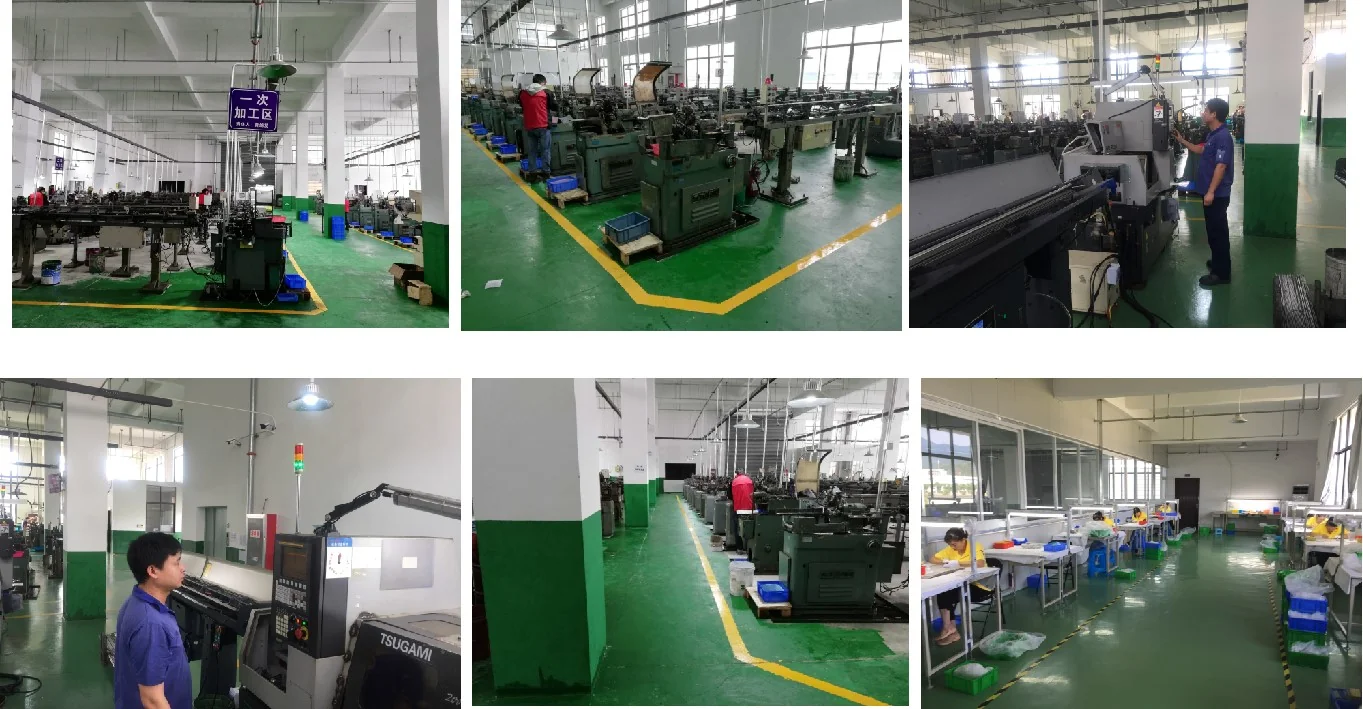
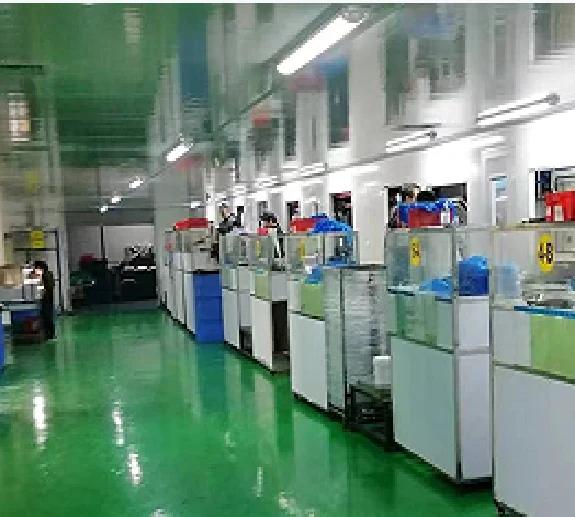
Suzhou Baoshida Trading Co., Ltd. maintains a robust engineering infrastructure dedicated to the development and manufacturing of high-performance rubber insulation solutions for industrial valves. At the core of our technical capability are five specialized mould engineers and two advanced formula engineers, all operating within a tightly integrated R&D environment. This multidisciplinary team ensures precision in both material formulation and tooling design, enabling us to deliver customized insulation systems that meet exact OEM specifications and performance demands.
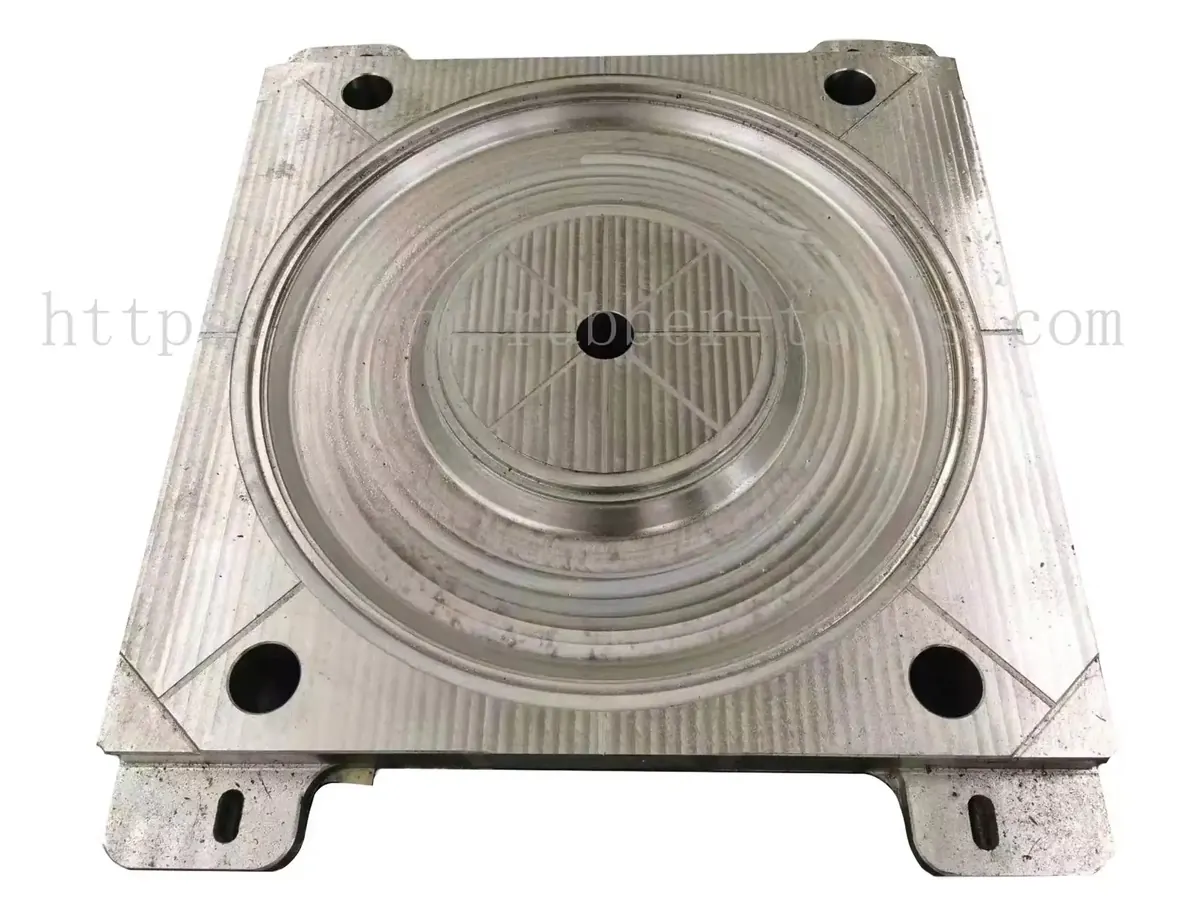
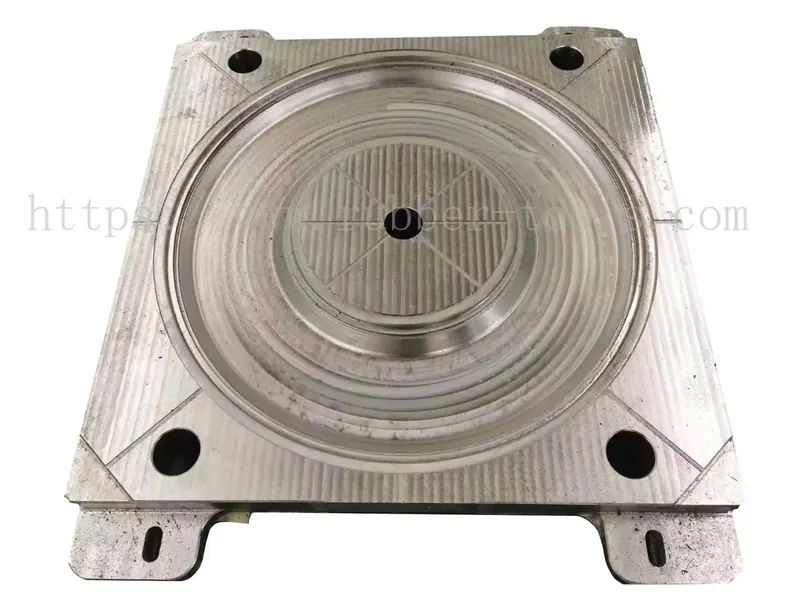
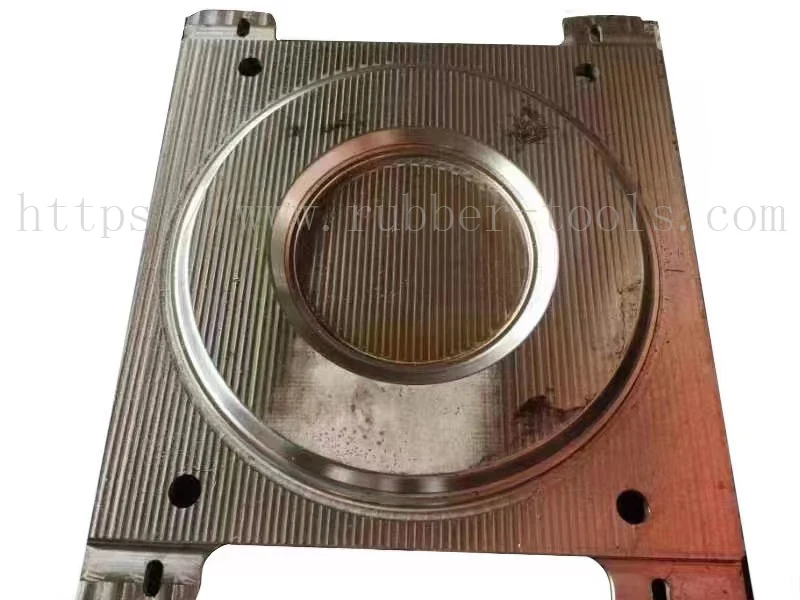
Our mould engineering team possesses extensive expertise in designing and optimizing rubber compression and transfer moulds tailored specifically for valve insulation components. These engineers utilize advanced CAD/CAM software and Finite Element Analysis (FEA) to simulate material flow, thermal behavior, and compression set characteristics prior to tool fabrication. This proactive approach minimizes prototyping cycles and ensures dimensional accuracy, especially for complex geometries commonly found in gate, globe, and ball valve assemblies. Each mould is built to withstand high-cycle production while maintaining tight tolerances, surface finish consistency, and long service life under industrial processing conditions.
Complementing the mould design expertise is our in-house rubber formulation capability, led by two dedicated formula engineers with over 15 combined years of experience in elastomer science. These engineers specialize in developing custom rubber compounds engineered for thermal stability, chemical resistance, compression recovery, and low thermal conductivity—critical attributes for effective valve insulation. We routinely formulate EPDM, silicone, neoprene, and nitrile-based materials, adjusting filler systems, crosslink densities, and additives to meet specific operating environments, including temperature ranges from -40°C to +250°C and exposure to steam, oils, or mild acids.
Our OEM capabilities are built on a foundation of technical collaboration. We work directly with equipment manufacturers and engineering contractors to reverse-engineer legacy insulation jackets, develop first-article prototypes, and scale production seamlessly. Clients provide dimensional drawings or sample components, and our team delivers fully validated solutions with material traceability, batch consistency, and full compliance with industrial standards.
The integration of advanced formulation science with precision mould engineering allows Suzhou Baoshida to offer insulation solutions that enhance energy efficiency, reduce surface temperature risks, and extend valve service life in demanding applications across power generation, petrochemical, and HVAC industries.
| Property | Typical Value | Test Standard |
|---|---|---|
| Hardness (Shore A) | 40–75 | ASTM D2240 |
| Tensile Strength | ≥8 MPa | ASTM D412 |
| Elongation at Break | ≥250% | ASTM D412 |
| Compression Set (22 hrs, 150°C) | ≤25% | ASTM D395 |
| Thermal Conductivity | 0.18–0.22 W/m·K | ASTM C518 |
| Operating Temperature Range | -40°C to +250°C | Internal Validation |
This technical synergy positions Suzhou Baoshida as a trusted engineering partner in the industrial rubber insulation sector, capable of delivering OEM-grade valve insulation with scientific rigor and manufacturing precision.
Customization Process

Valve Insulation Customization Process: Precision Engineering from Concept to Volume
At Suzhou Baoshida Trading Co., Ltd., our valve insulation customization process integrates rigorous material science with industrial manufacturing excellence. This structured methodology ensures seamless alignment between OEM specifications and final product performance, minimizing iteration cycles while maximizing thermal efficiency and service life. The four-phase workflow begins with comprehensive drawing analysis, where engineering teams dissect ASME B16.5/B16.47 flange dimensions, pipe schedules, and thermal boundary conditions. Critical parameters including operating temperature ranges (-60°C to +300°C), pressure ratings (up to Class 2500), and fluid compatibility (hydrocarbons, steam, acids) are cross-referenced against material databases to eliminate dimensional or environmental mismatches before formulation commences.
Formulation Development
Material selection is driven by quantitative performance targets rather than generic elastomer categories. Our rubber chemists develop proprietary compounds addressing specific valve geometries and operational stresses. For instance, cryogenic gate valves demand ultra-low compression set elastomers, while refinery swing check valves require FKM variants with exceptional H₂S resistance. The table below illustrates how customer requirements translate into engineered solutions.
| Customer Requirement | Material Property Target | Test Standard | Baoshida Solution |
|---|---|---|---|
| -40°C flexibility retention | Tg ≤ -55°C | ASTM D1329 | Custom EPDM/CIIR hybrid |
| 250°C continuous steam exposure | Compression set ≤ 25% | ASTM D395 Method B | Peroxide-cured HNBR |
| Jet fuel immersion resistance | Volume swell ≤ 15% | ASTM D471 | Low-acrylonitrile NBR |
| Fire resistance (API 6FA) | Char integrity > 80% | ISO 10497 | Intumescent silicone composite |
Prototyping and Validation
Prototypes undergo accelerated life testing replicating 5+ years of service in 8 weeks. Each unit is subjected to thermal cycling (-40°C ↔ 250°C at 5°C/min ramp rates), dynamic pressure pulsation (2Hz, 1.5x operating pressure), and chemical immersion per OEM fluid lists. Dimensional verification via CMM ensures ±0.2mm tolerance compliance with valve body contours. Critical failure modes like extrusion gap deformation or thermal degradation are quantified using DMA and TGA analysis, with formulation adjustments implemented within 72 hours of test completion.
Mass Production Execution
Upon prototype approval, Baoshida transitions to volume manufacturing with full process validation. All production batches utilize traceable raw material lots with certificate of conformance (CoC) matching. In-line quality control includes real-time rheometer monitoring of cure characteristics (MH-ML variance ≤ 0.05 dNm) and 100% visual inspection for surface defects. Final validation requires passing all OEM-specified performance criteria, including thermal conductivity verification (ASTM C518) and burst pressure testing at 2.5x design pressure. Our ISO 9001-certified production lines maintain ≤0.25% PPM defect rates through automated molding with cavity pressure sensors and statistical process control.
This disciplined approach transforms complex valve insulation requirements into reliable, high-performance solutions. By anchoring each phase in quantifiable data and industrial testing protocols, Baoshida eliminates guesswork in thermal management systems, ensuring OEM partners achieve zero unplanned downtime in critical fluid handling applications. The result is a seamless transition from engineering drawing to certified volume production within 6-8 weeks.
Contact Engineering Team

For industrial operations requiring reliable and high-performance insulation solutions for valves, Suzhou Baoshida Trading Co., Ltd. stands as a trusted partner in the field of industrial rubber applications. With years of engineering expertise and a deep understanding of thermal management in complex piping systems, we specialize in custom rubber-based insulation products designed to enhance energy efficiency, reduce heat loss, and protect critical valve components under extreme operating conditions. Our insulation solutions are engineered for durability, chemical resistance, and long-term performance in oil & gas, petrochemical, power generation, and industrial manufacturing environments.
Our team leverages advanced rubber compounding techniques and precision manufacturing processes to deliver insulation jackets and covers tailored to valve geometry, operating temperature ranges, and environmental exposure. Whether you are managing high-temperature steam valves, cryogenic systems, or corrosive media lines, our products are formulated to meet exacting industrial standards. Each insulation solution is tested for thermal conductivity, compression resistance, and aging performance to ensure compliance with international quality benchmarks.
Below are key technical specifications of our standard rubber insulation materials used for valve applications:
| Property | EPDM Rubber | Nitrile Rubber (NBR) | Silicone Rubber | Chloroprene (Neoprene) |
|---|---|---|---|---|
| Temperature Range | -50°C to +150°C | -40°C to +120°C | -60°C to +230°C | -40°C to +120°C |
| Thermal Conductivity (W/m·K) | 0.038–0.042 | 0.040–0.045 | 0.035–0.040 | 0.039–0.043 |
| Compression Set (22 hrs @ 70°C) | ≤20% | ≤25% | ≤15% | ≤22% |
| Water Absorption (24 hrs) | ≤0.5% | ≤0.8% | ≤0.3% | ≤0.6% |
| Flame Resistance | Good | Moderate | Excellent | Good |
| Chemical Resistance | Excellent to polar fluids, steam | Good to oils, fuels | Moderate | Good to ozone, weathering |
All insulation products are available in custom-fit configurations, including split-shell designs for easy installation and maintenance access. We support OEM integration and provide full documentation, including material compliance reports (RoHS, REACH), ASTM test data, and thermal performance curves.
To discuss your specific insulation requirements for valves, contact Mr. Boyce, Rubber Formula Engineer and OEM Manager at Suzhou Baoshida Trading Co., Ltd. Mr. Boyce brings over a decade of experience in rubber formulation and industrial application engineering, ensuring that every solution is optimized for performance, cost-efficiency, and regulatory compliance. He is available to review technical drawings, recommend material selections based on service conditions, and support rapid prototyping for pilot installations.
Reach out directly via email at [email protected] to initiate a technical consultation. We respond to all inquiries within 24 business hours and offer sample submissions upon request. For urgent project timelines, our team can expedite material development and production cycles to meet critical delivery windows. Suzhou Baoshida is committed to delivering engineered rubber solutions that meet the evolving demands of modern industrial systems. Partner with us to achieve superior thermal insulation performance in your valve infrastructure.
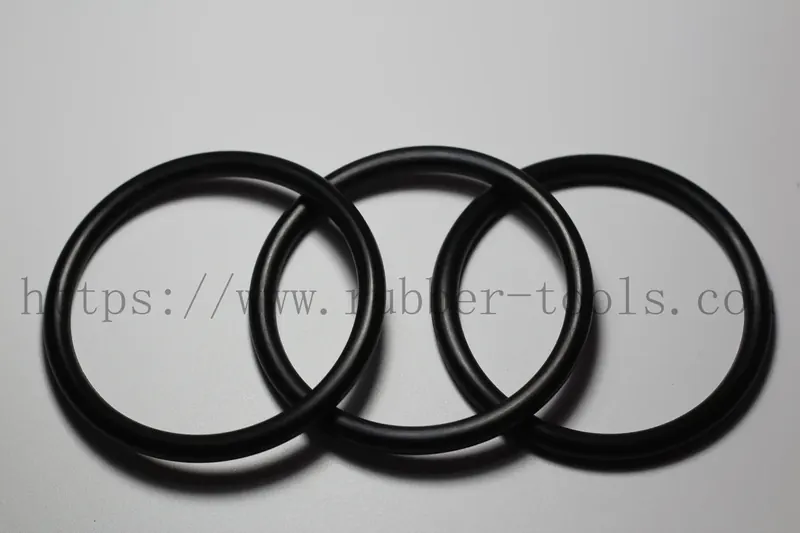
⚖️ O-Ring Weight Calculator
Estimate rubber O-ring weight (Approx).