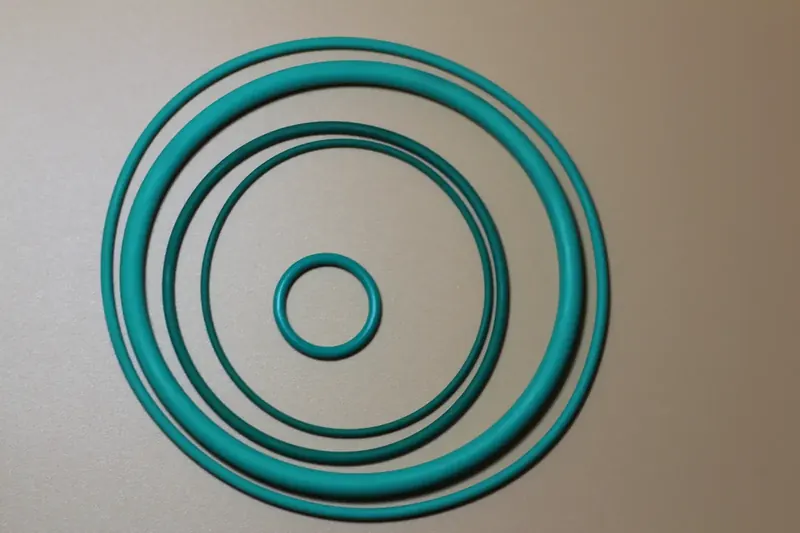
Polyurethane Rings Manufacturer | Engineering Guide

Engineering Guide: Polyurethane Rings

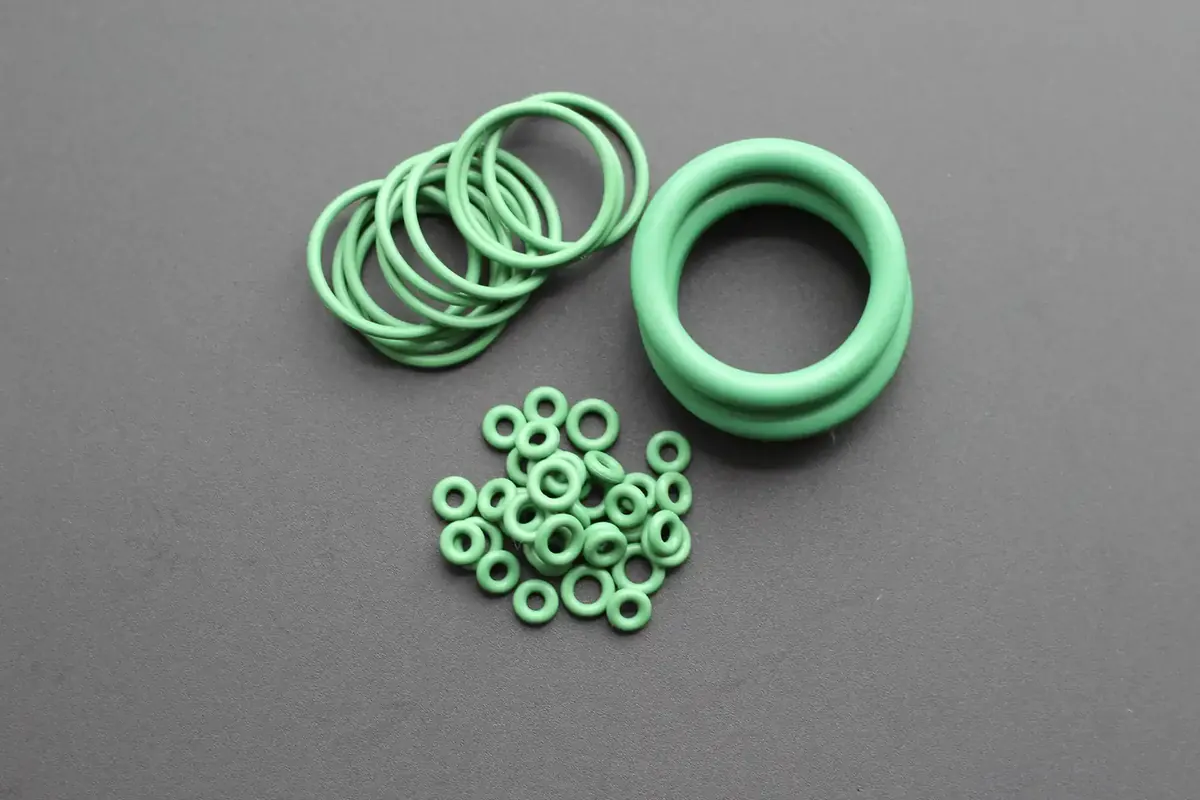
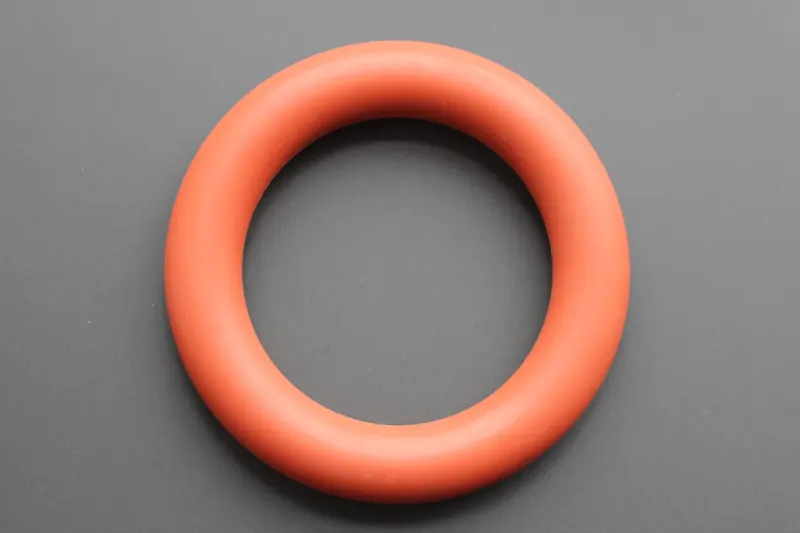
polyurethane rings manufacturing

Engineering Insight: Material Selection Criticality in Polyurethane Rings

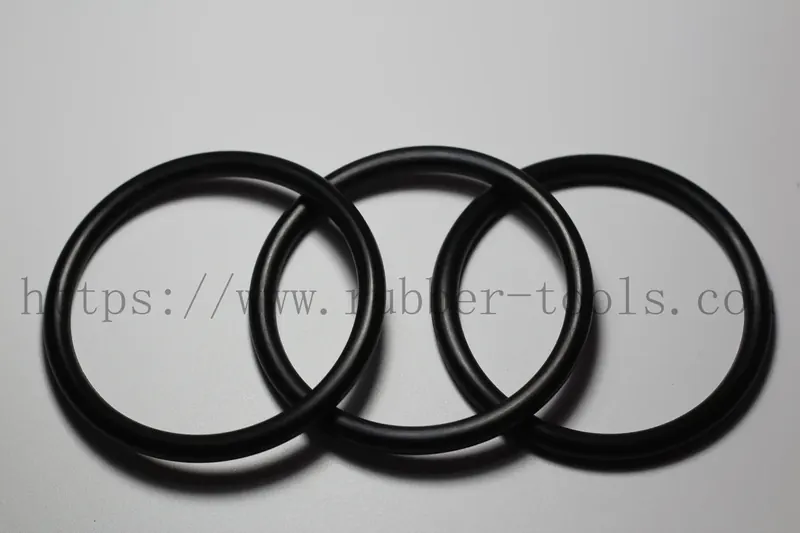
Polyurethane rings serve as indispensable sealing and damping components across demanding industrial applications, from hydraulic cylinders to mining equipment. Their performance hinges not on generic polymer classification but on precise material formulation tailored to the operational environment. Off-the-shelf polyurethane solutions, often sourced for initial cost savings, consistently fail under real-world stresses due to inadequate property alignment with specific duty cycles. This mismatch manifests as premature seal extrusion, accelerated wear, catastrophic compression set, or catastrophic hydrolysis in humid environments, leading to unplanned downtime and significant secondary damage costs often exceeding the original component value by orders of magnitude.

The root cause lies in the inherent variability of polyurethane chemistry. Polyurethanes are not monolithic; they are segmented block copolymers where the ratio of hard segments (isocyanate + chain extender) to soft segments (polyol) dictates critical performance characteristics. Standard commercial grades prioritize broad market appeal over application-specific resilience. For instance, a ring specified for a high-frequency pneumatic actuator may fail within weeks if the polyol backbone lacks sufficient dynamic mechanical stability, leading to rapid heat buildup and loss of elastic recovery. Similarly, rings exposed to water or high humidity degrade rapidly if formulated with polyester polyols instead of hydrolytically stable polyether variants, causing irreversible chain scission and loss of tensile strength. Compression set resistance – vital for maintaining sealing force – is equally formulation-dependent, requiring optimized crosslink density unattainable in non-engineered compounds.

Generic solutions ignore the interplay between mechanical, thermal, and chemical exposure parameters. A ring operating at 80°C in mineral oil requires fundamentally different additive packages and polymer architecture than one cycling at -40°C in phosphate ester fluid. Off-the-shelf materials rarely undergo the rigorous application-specific validation necessary to predict long-term behavior under combined stresses. The consequence is a false economy: the initial purchase price savings are obliterated by maintenance costs, production losses, and potential safety hazards from seal failure.

Suzhou Baoshida Trading Co., Ltd. addresses this through OEM-driven material science. We reject one-size-fits-all polyurethane. Our engineering process begins with comprehensive duty cycle analysis, followed by proprietary formulation adjustment of polyol type, isocyanate selection, and additive systems. Each compound undergoes accelerated life testing mimicking actual service conditions before validation. The table below illustrates key differentiators between standard and engineered polyurethane rings for high-abrasion hydraulic applications.

Property Standard Off-the-Shelf PU Suzhou Baoshida Engineered PU Test Method
Hardness (Shore A) 90A ± 5 92A ± 2 ASTM D2240
Tensile Strength (MPa) 35 45 ASTM D412
Elongation at Break (%) 400 550 ASTM D412
70°C x 22h Compression Set (%) 25 12 ASTM D395 B
Abrasion Loss (mm³) 120 45 ASTM D2228
Hydrolysis Resistance (90°C, 1000h) Severe Degradation <15% Property Loss ISO 188

Material selection for polyurethane rings is not a procurement decision; it is a fundamental engineering requirement. Partnering with a specialist capable of translating operational demands into validated material performance prevents costly field failures and ensures component lifecycle integrity. Contact our engineering team with your specific application parameters for a formulation assessment.


Material Specifications

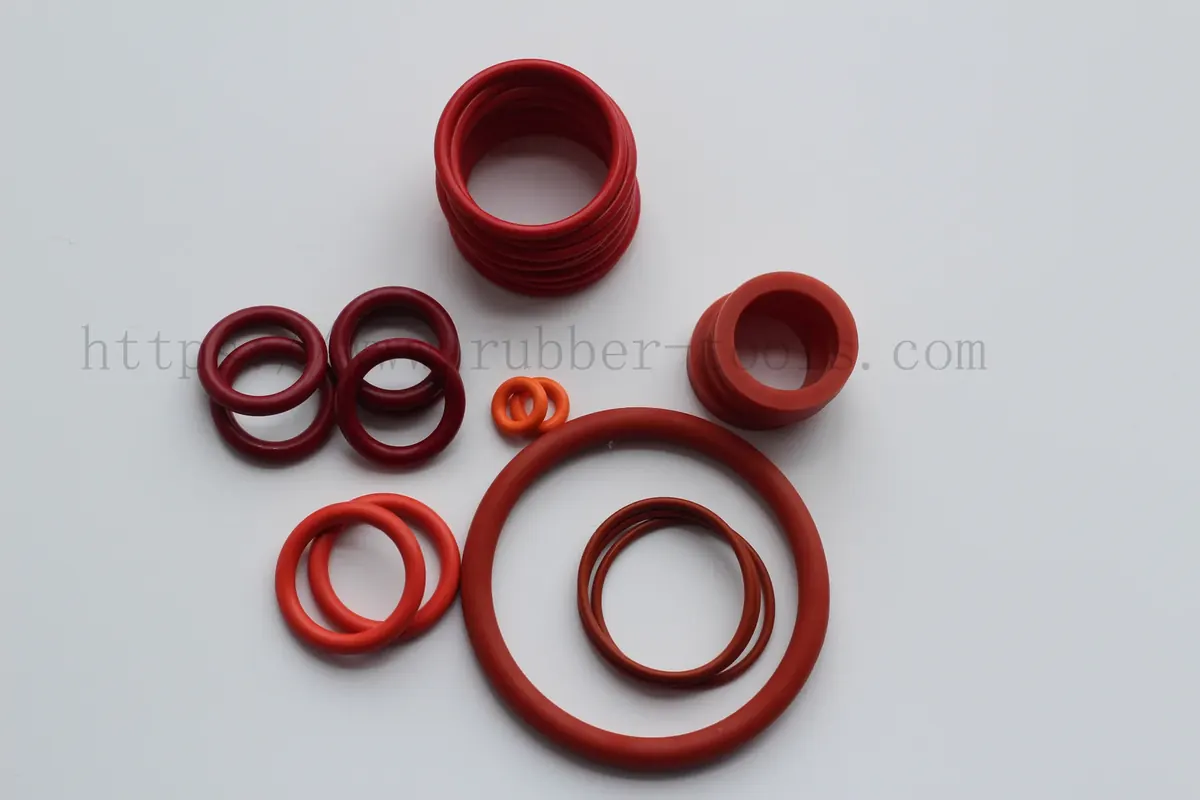
Polyurethane rings manufactured by Suzhou Baoshida Trading Co., Ltd. are engineered for high-performance sealing applications in demanding industrial environments. As part of our Precision Rubber Seals product line, these rings are designed to deliver consistent mechanical resilience, dimensional stability, and resistance to compression set. While polyurethane serves as the base elastomer for these components, the performance of the final product is significantly influenced by material selection, particularly when comparing fluoroelastomers such as Viton, nitrile rubber (NBR), and silicone (VMQ). Each material offers distinct advantages depending on operating temperature, chemical exposure, and mechanical stress conditions.

Viton, a registered trademark of Chemours, is a fluorocarbon-based elastomer known for its exceptional resistance to high temperatures and a broad range of aggressive chemicals, including oils, fuels, and many acids. This makes Viton polyurethane rings ideal for aerospace, automotive, and chemical processing applications where exposure to harsh environments is routine. With a continuous service temperature range up to 200°C and excellent resistance to ozone and UV degradation, Viton provides long-term reliability in extreme conditions.

Nitrile rubber, or Buna-N, is a cost-effective solution for applications involving petroleum-based fluids and hydraulic systems. It exhibits strong resistance to aliphatic hydrocarbons, water, and hydraulic fluids, making it a preferred choice in industrial hydraulics, pneumatic systems, and machinery lubrication circuits. While its temperature range is more limited compared to Viton, typically between -30°C and 100°C, nitrile offers superior abrasion resistance and mechanical strength, which is critical in dynamic sealing applications.

Silicone rubber stands out for its extreme temperature flexibility, capable of functioning reliably from -60°C to 200°C. It demonstrates excellent resistance to weathering, ozone, and UV radiation, making it suitable for outdoor and high-temperature environments. However, silicone has lower tensile strength and abrasion resistance compared to both Viton and nitrile, limiting its use in high-wear or high-pressure mechanical systems. It is often selected for applications requiring biocompatibility or low toxicity, such as in food processing or medical equipment.

The following table summarizes key physical and chemical properties of polyurethane rings made with these elastomers:

Property Viton (FKM) Nitrile (NBR) Silicone (VMQ)
Temperature Range (°C) -20 to 200 -30 to 100 -60 to 200
Tensile Strength (MPa) 15–20 10–25 5–10
Elongation at Break (%) 200–300 250–500 200–600
Hardness (Shore A) 60–90 50–90 30–80
Resistance to Oils & Fuels Excellent Excellent Poor
Resistance to Ozone/UV Excellent Good Excellent
Compression Set Resistance Excellent Good Moderate
Common Applications Aerospace, chemical processing Hydraulics, automotive Medical, outdoor, food processing

At Suzhou Baoshida Trading Co., Ltd., we ensure precise formulation and stringent quality control to meet OEM specifications across industries. Material selection is critical—our engineering team supports clients in matching elastomer properties to application demands for optimal performance and longevity.


Manufacturing Capabilities

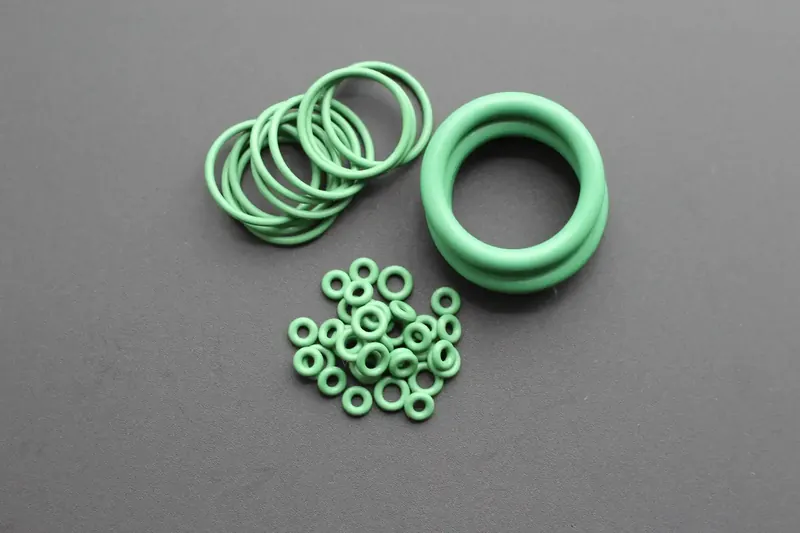
polyurethane rings manufacturing

Engineering Capability: Precision Polyurethane Ring Development at Suzhou Baoshida

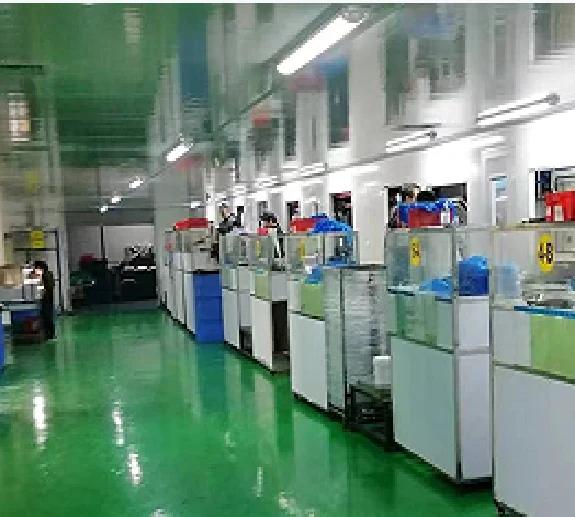
Suzhou Baoshida Trading Co., Ltd. leverages a dedicated core of engineering expertise specifically structured to deliver superior polyurethane sealing solutions. Our competitive advantage in precision rubber seals stems from the integrated capabilities of our specialized engineering teams: five certified Mould Engineers and two advanced Formula Engineers. This dual-discipline structure ensures that every polyurethane ring we produce is optimized not only for material performance under demanding conditions but also for flawless manufacturability and consistent dimensional accuracy. We operate at the intersection of polymer science and precision tooling, eliminating the traditional disconnect between material specification and production reality.

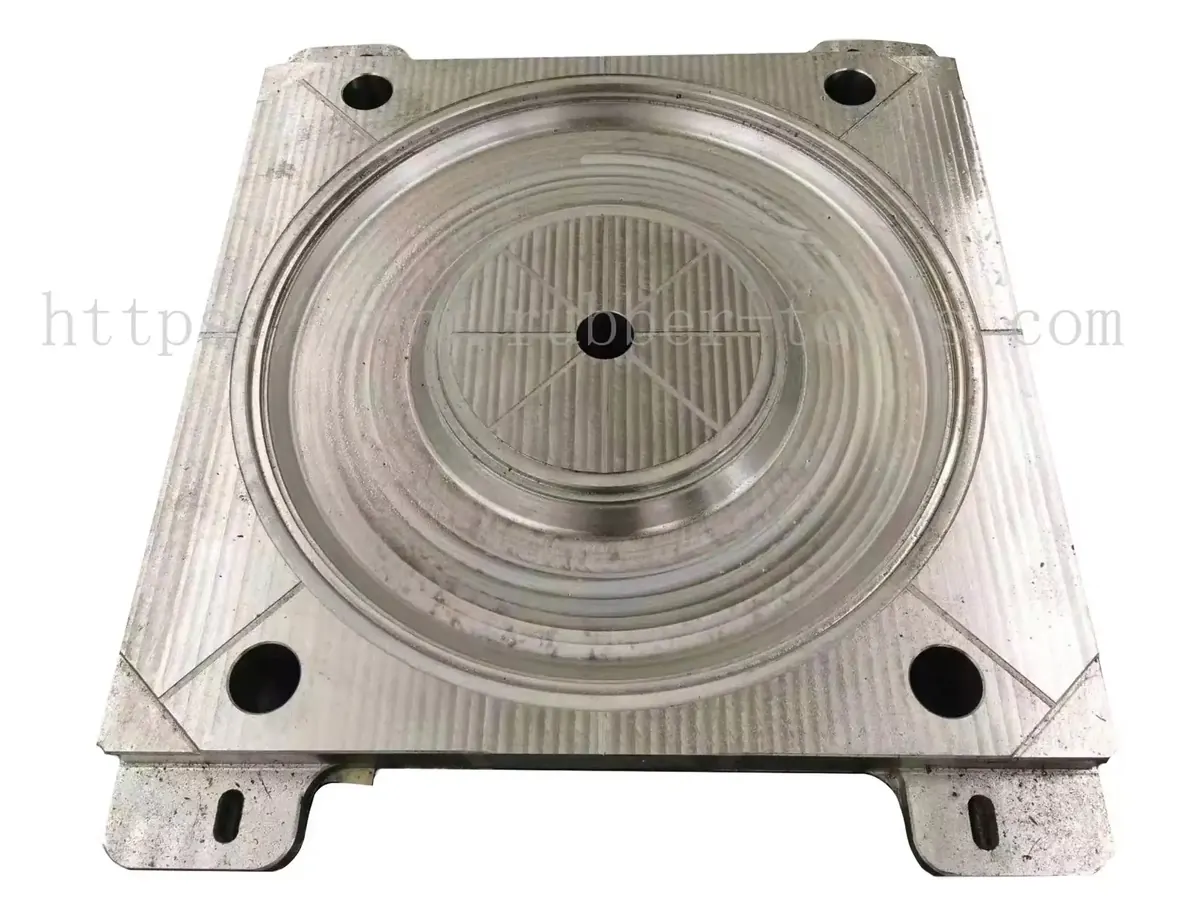
Our Formula Engineers possess deep expertise in polyurethane chemistry, focusing exclusively on elastomer formulation for critical sealing applications. They develop custom polyurethane compounds tailored to specific client requirements, rigorously testing for properties such as abrasion resistance, hydrolysis stability, temperature resilience, and compression set. This scientific approach allows us to engineer materials that maintain integrity in aggressive media, extreme temperatures, and high-load scenarios where standard formulations fail. Concurrently, our Mould Engineers translate these precise material requirements into robust, high-tolerance production tooling. They apply advanced CAD/CAM techniques and finite element analysis (FEA) to optimize flow dynamics, minimize flash, ensure uniform curing, and achieve micron-level dimensional control. This synergy guarantees that the theoretical performance of the formulated polyurethane is fully realized in the final manufactured component.

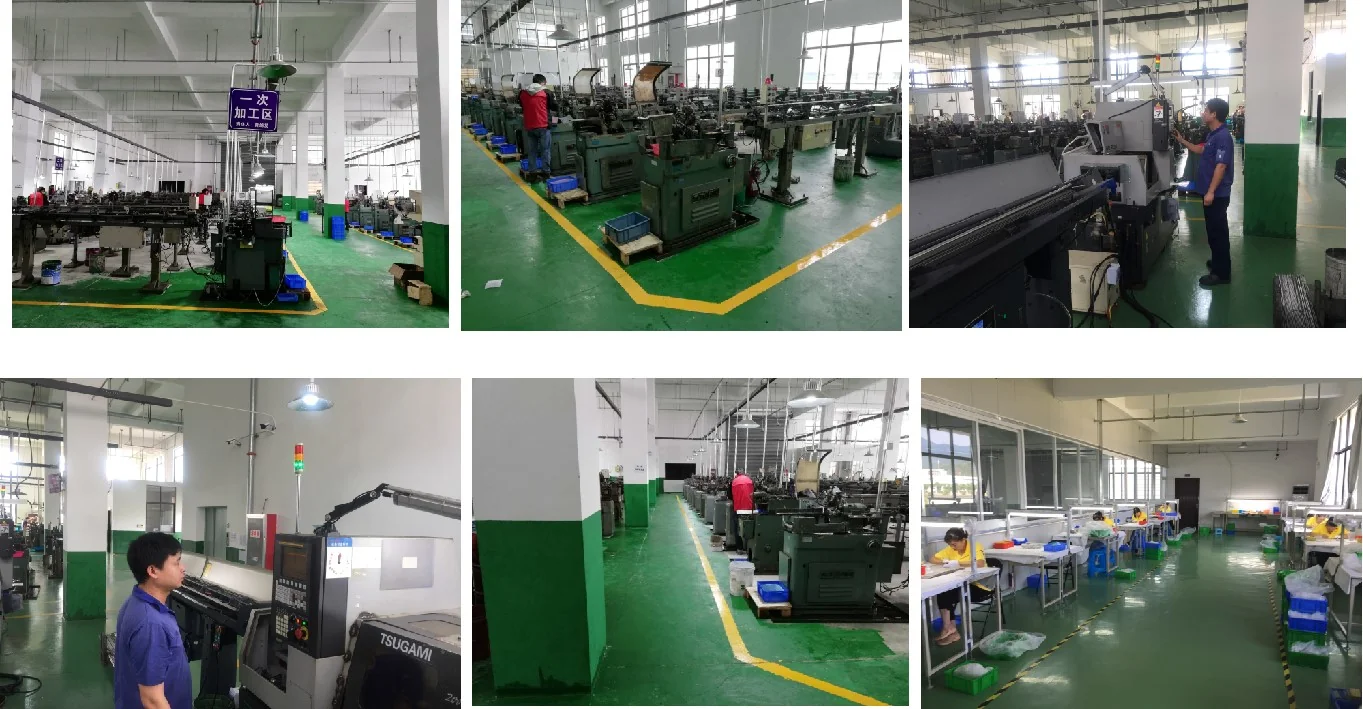
As a certified OEM partner, Suzhou Baoshida provides comprehensive engineering-led manufacturing services. We collaborate closely with clients from initial concept through validation and series production. Our process begins with detailed application analysis to define exact operational parameters. We then develop and validate both the optimal polyurethane formulation and the precision mould tooling in-house, significantly reducing time-to-market and mitigating supply chain risks. This integrated OEM capability includes rapid prototyping, rigorous first-article inspection against ISO 3601 or custom GD&T standards, and full statistical process control (SPC) during production. Clients benefit from a single point of accountability for both material science and manufacturing precision, ensuring seals that perform reliably in hydraulic systems, industrial automation, and demanding fluid handling equipment.

Critical polyurethane ring specifications achievable through our engineered approach include:

Property Typical Range/Value Application Relevance
Hardness (Shore A) 70 – 95 Balances sealing force, extrusion resistance, and flexibility
Continuous Service Temp -40°C to +100°C Stable performance in arctic to industrial heat environments
Tensile Strength 30 – 55 MPa Resists tearing under high mechanical stress
Elongation at Break 350% – 550% Accommodates dynamic movement without fracture
Compression Set (ASTM D395) < 15% (70°C, 22h) Maintains sealing force after prolonged compression
Abrasion Resistance Excellent (DIN 53516) Critical for long service life in reciprocating motion
Hydrolysis Resistance High (Custom Formulations) Essential for seals exposed to water/glycol fluids

This engineering-centric methodology ensures Suzhou Baoshida delivers polyurethane rings that exceed industry standards for reliability and performance, directly addressing the failure modes encountered in real-world industrial applications. Our commitment to scientific precision in both material and mould engineering forms the foundation of our OEM partnership model.


Customization Process

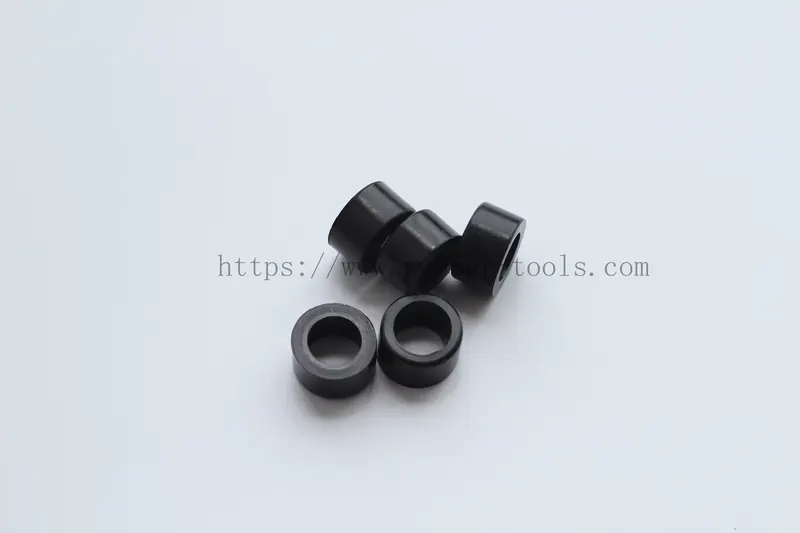
polyurethane rings manufacturing

Customization Process for Polyurethane Rings at Suzhou Baoshida Trading Co., Ltd.

At Suzhou Baoshida Trading Co., Ltd., the customization of polyurethane rings follows a rigorous, science-driven workflow designed to ensure dimensional accuracy, material integrity, and long-term performance under industrial operating conditions. Our process is structured into four critical stages: Drawing Analysis, Formulation Development, Prototyping, and Mass Production. Each phase integrates engineering precision with advanced material science to deliver high-performance polyurethane seals tailored to client specifications.

The process begins with Drawing Analysis, during which our engineering team evaluates technical blueprints provided by the client. Key parameters such as inner diameter, outer diameter, cross-section, tolerance class (per ISO 3302 or customer-specific standards), and surface finish requirements are verified. We also assess application conditions including dynamic or static sealing, temperature range, media exposure (e.g., oils, water, chemicals), and mechanical load. This stage ensures that design feasibility and manufacturability are confirmed before any material development begins.

Following drawing validation, our Rubber Formula Engineers initiate Formulation Development. Polyurethane selection is not generic; it is customized based on performance demands. We primarily work with cast polyurethane (CPU), leveraging either polyester-based or polyether-based prepolymers. Polyester formulations offer superior mechanical strength and abrasion resistance, ideal for high-load applications, while polyether variants provide excellent hydrolysis resistance and low-temperature flexibility, suited for wet or cold environments. Additives such as UV stabilizers, plasticizers, and fillers are precisely dosed to modify hardness (Shore A 70–95), compression set, and thermal stability. Each formulation is documented and archived for repeatability.

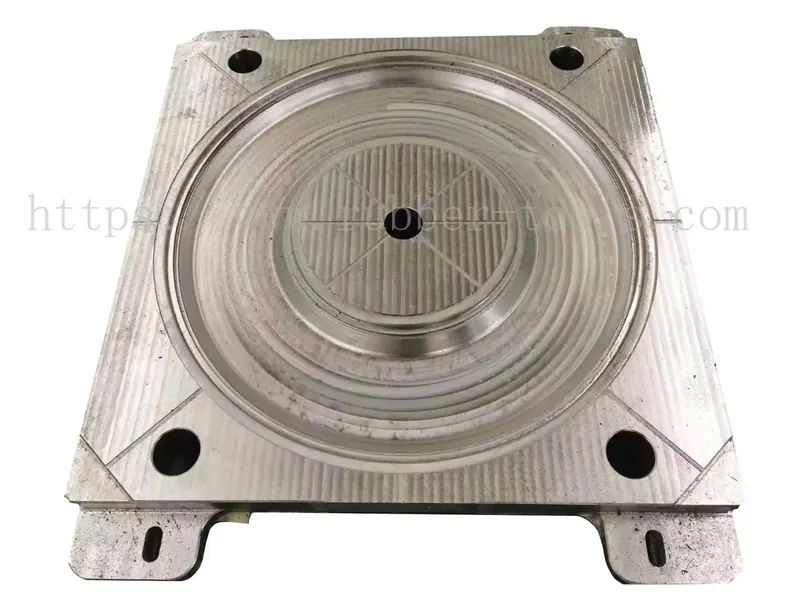
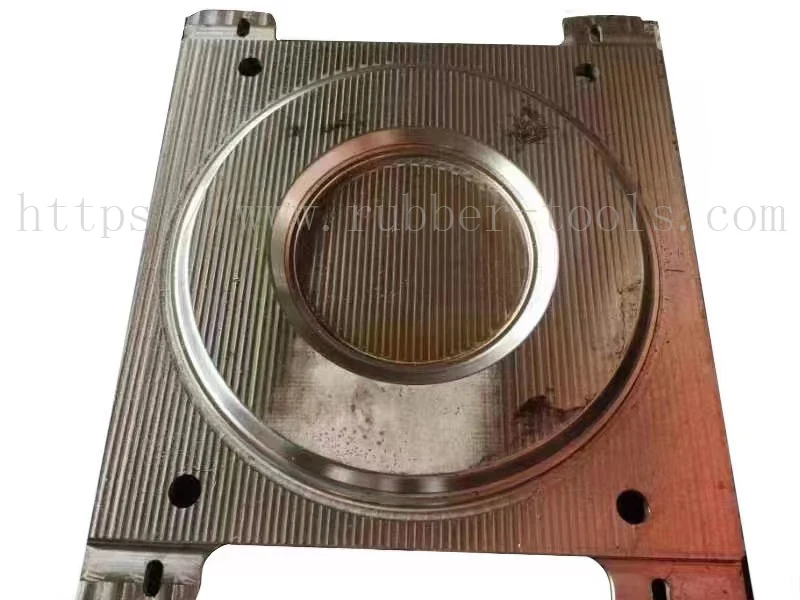
Once the compound is finalized, we proceed to Prototyping. Using precision molds machined from hardened steel, small-batch samples (typically 5–20 units) are produced under controlled curing conditions. These prototypes undergo dimensional inspection via coordinate measuring machines (CMM) and are subjected to preliminary performance tests, including hardness verification, tensile strength, and elongation at break per ASTM D412. Clients receive sample reports and physical units for field evaluation.

Upon approval, the project advances to Mass Production. Our manufacturing lines operate under ISO 9001-certified protocols, with in-process quality checks at molding, curing, and finishing stages. Final inspection includes 100% visual examination and statistical dimensional sampling. All batches are traceable by lot number, and material test reports (MTRs) are provided.

The table below summarizes typical customizable parameters and achievable ranges:

Parameter Standard Range Tolerance (Typical)
Inner Diameter (ID) 10 mm – 500 mm ±0.1 mm to ±0.3 mm
Outer Diameter (OD) 20 mm – 600 mm ±0.1 mm to ±0.3 mm
Cross-Section 2 mm – 20 mm ±0.1 mm
Hardness (Shore A) 70, 80, 85, 90, 95 ±5
Material Type Polyether CPU, Polyester CPU Custom blends available
Operating Temperature -40°C to +90°C (polyether) Up to +110°C (short-term)
-30°C to +100°C (polyester)

This systematic approach ensures that every polyurethane ring manufactured at Suzhou Baoshida meets the exact functional and environmental demands of precision sealing applications across automotive, hydraulics, and industrial automation sectors.


Contact Engineering Team

Technical Engagement for Polyurethane Ring Solutions

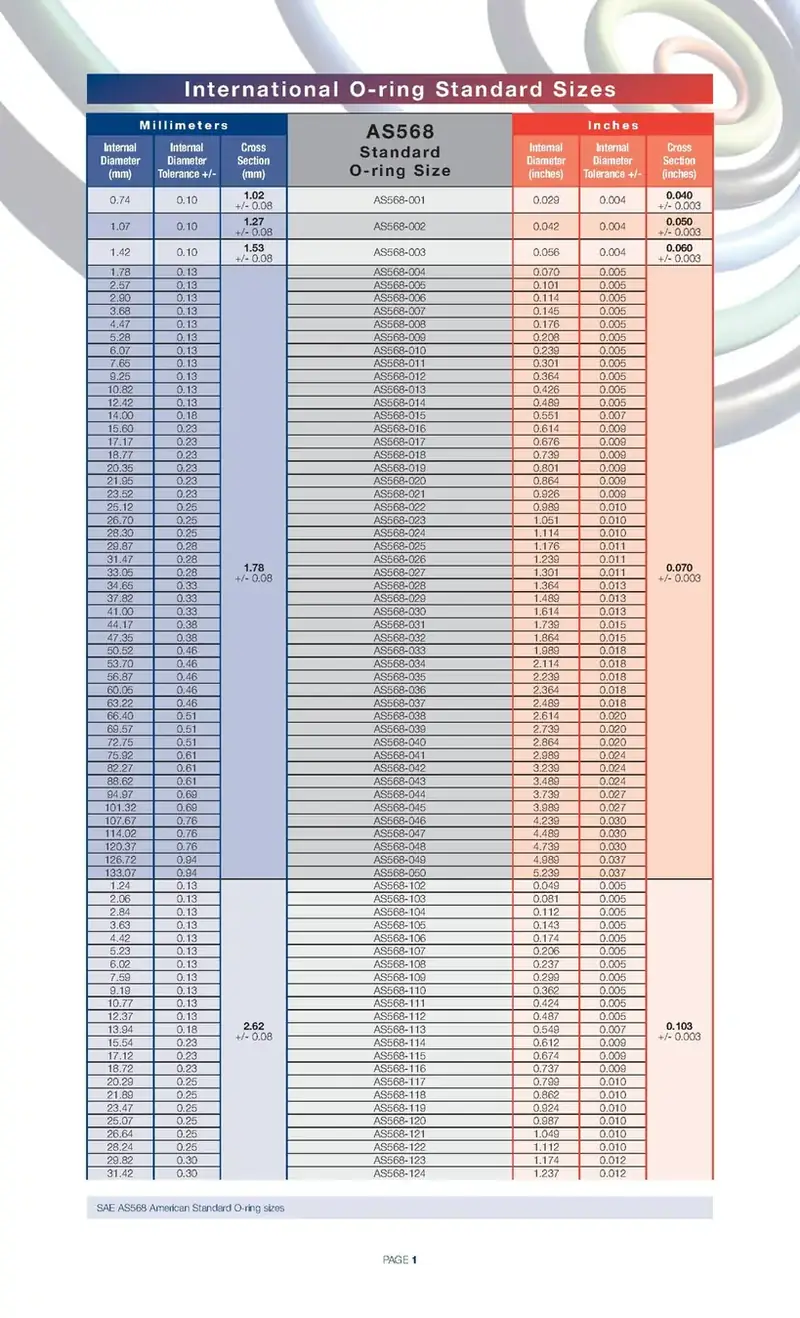
Suzhou Baoshida Trading Co., Ltd. stands as a specialized partner in precision polyurethane ring manufacturing for industrial OEM applications. With 15 years of focused expertise in elastomer formulation and tight-tolerance sealing components, we address critical performance demands across hydraulic systems, robotics, and heavy machinery. Our engineering team leverages proprietary polyurethane compounds to resolve challenges in abrasion resistance, compression set, and dynamic sealing integrity—ensuring compliance with ISO 3601 and SAE AS568 standards. Unlike generic suppliers, we prioritize material science-driven customization, adapting Shore A hardness, thermal stability, and chemical resistance to your exact operational parameters.

Key technical specifications for our standard polyurethane rings demonstrate this precision. The table below outlines baseline performance metrics achievable through our formulation protocols:

Property Standard Range Test Method
Shore A Hardness 70A to 95A ASTM D2240
Tensile Strength 35–50 MPa ASTM D412
Elongation at Break 300–500% ASTM D412
Operating Temperature -40°C to +100°C ISO 188
Compression Set (70h/100°C) ≤15% ASTM D395
Abrasion Resistance ≤60 mm³ loss DIN 53516

These values represent starting points for collaborative engineering. We routinely modify formulations to exceed standard thresholds—such as extending temperature ranges to +120°C via thermally stable isocyanate chemistries or enhancing hydrolysis resistance for marine applications through polyester-polyether hybrid structures. Each project begins with rigorous feasibility analysis, where our lab validates material compatibility against your fluid media, pressure cycles, and dynamic loads. This eliminates field failures caused by incompatible elastomer selections.

Our ISO 9001-certified production facility employs CNC-machined molds with ±0.05mm tolerances and in-process spectrometric verification of raw materials. This guarantees dimensional repeatability across batches of 1,000 to 1,000,000 units—critical for assembly line integration. We further support OEM partners with finite element analysis (FEA) simulations to predict seal behavior under stress, reducing prototyping costs by up to 40%.

Initiate your polyurethane ring project with Suzhou Baoshida by contacting Mr. Boyce, our dedicated OEM Manager. Submit your technical specifications—including cross-section dimensions, application environment, fluid exposure, and volume requirements—to enable a rapid feasibility assessment. Mr. Boyce coordinates direct engagement between your engineering team and our formulation specialists, ensuring all performance criteria are translated into actionable manufacturing protocols. Provide details such as operating pressure cycles, media compatibility tables, and failure mode history for accelerated solution development.

Direct all technical inquiries to [email protected] with the subject line Polyurethane Ring Inquiry: [Your Company Name]. Include 2D/3D drawings and material callouts for immediate review. Mr. Boyce responds within 4 business hours to schedule a technical alignment call, where we will present compound recommendations, sample lead times, and scalability roadmaps. Do not rely on off-the-shelf catalog solutions for mission-critical sealing applications—partner with engineers who treat polyurethane as a performance variable, not a commodity. Your next-generation seal design begins with precise chemistry and uncompromised dimensional control.


⚖️ O-Ring Weight Calculator

Estimate rubber O-ring weight (Approx).


Polyurethane Rings Manufacturer | Engineering Guide

Contents of Table

Contact [email protected] Whatsapp 86 15951276160