Technical Contents
Engineering Guide: Rubber Umbrella

Engineering Insight: The Critical Role of Material Selection in Rubber Umbrella Performance
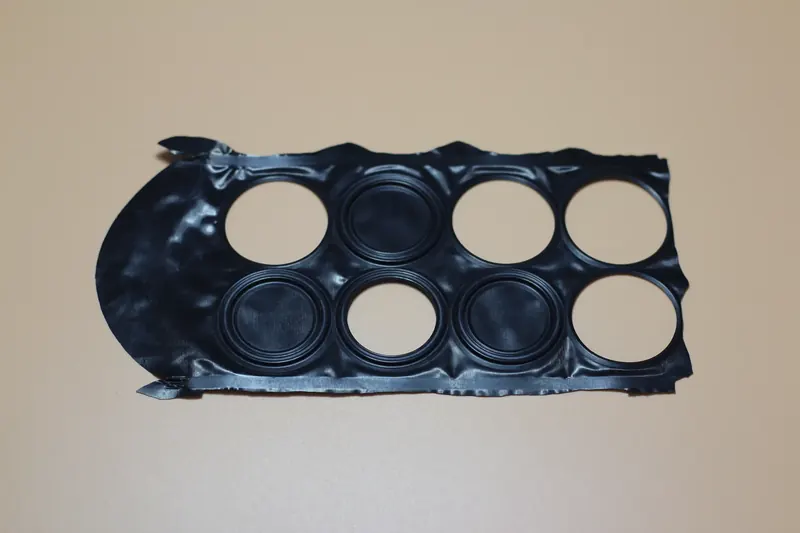
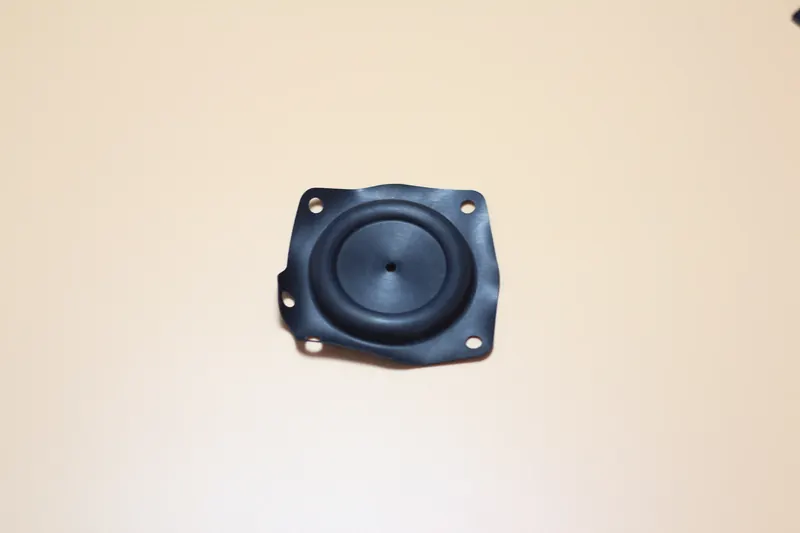
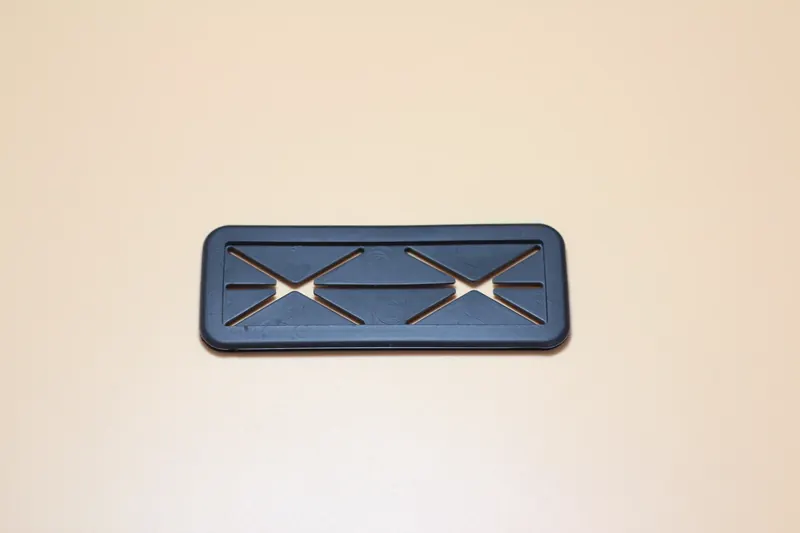
In industrial sealing and protective applications, the term “rubber umbrella” refers to a flexible, dome-shaped elastomeric component designed to shield sensitive mechanisms from environmental contaminants such as dust, moisture, and chemical exposure. While these components may appear simple in form, their performance is deeply rooted in precise material engineering. Off-the-shelf rubber umbrellas often fail in demanding environments due to a fundamental mismatch between generic material properties and application-specific stress conditions.
The primary cause of premature failure lies in inadequate material selection. Standard commercial rubber umbrellas are typically molded from general-purpose elastomers such as natural rubber (NR) or low-grade EPDM. These materials offer acceptable flexibility and low-cost manufacturability but lack the necessary resistance to thermal degradation, ozone cracking, or prolonged UV exposure. In industrial settings—such as outdoor hydraulic systems, agricultural machinery, or railway equipment—these umbrellas are subjected to extreme temperature fluctuations, mechanical fatigue, and aggressive chemical environments. Generic materials degrade rapidly under such conditions, leading to cracking, hardening, or loss of elasticity, ultimately compromising the integrity of the protected assembly.
At Suzhou Baoshida Trading Co., Ltd., we emphasize application-driven material engineering. Our industrial rubber umbrellas are formulated using high-performance elastomers tailored to operational demands. For instance, silicone rubber (VMQ) is selected for applications requiring continuous service above 150°C, while fluorocarbon rubber (FKM) is deployed where resistance to oils, fuels, and industrial solvents is critical. For cost-sensitive yet durable outdoor use, peroxide-cured EPDM with enhanced UV stabilizers provides superior longevity compared to sulfur-cured counterparts.
Equally important is the control of physical properties during compounding. Hardness, elongation at break, compression set, and tensile strength must be optimized in tandem with environmental resistance. A rubber umbrella that is too soft may deform under load, whereas one that is overly rigid will fail to maintain a proper seal under dynamic movement. Precision in durometer control (typically 50–70 Shore A) and reinforcement with high-purity fillers ensure dimensional stability and fatigue resistance over thousands of cycles.
The following table outlines key elastomer options and their performance characteristics for industrial rubber umbrellas:
| Material | Temperature Range (°C) | Key Strengths | Common Failure Modes in Mismatched Applications |
|---|---|---|---|
| EPDM | -50 to +150 | Excellent ozone and UV resistance, good heat aging | Swelling in oil, reduced flexibility at low temps |
| FKM | -20 to +200 | Superior chemical and fuel resistance | Poor low-temperature performance, high cost |
| VMQ | -60 to +230 | Outstanding thermal stability, wide temp range | Low tear strength, poor abrasion resistance |
| NBR | -30 to +100 | Good oil and fuel resistance | Poor UV and ozone resistance |
In conclusion, the reliability of a rubber umbrella is not inherent in its shape but in the science of its material composition. Off-the-shelf solutions fail because they generalize. At Baoshida, we engineer specificity—ensuring every rubber umbrella performs as a precision component, not a commodity.
Material Specifications

Material Specifications for Rubber Umbrella Sealing Components
Selecting optimal elastomers for rubber umbrella sealing systems demands rigorous evaluation of thermal stability, chemical resistance, and mechanical performance under dynamic conditions. At Suzhou Baoshida Trading Co., Ltd., we prioritize materials that withstand cyclic compression, UV exposure, and environmental contaminants while maintaining dimensional integrity. Viton (FKM), Nitrile (NBR), and Silicone (VMQ) represent industry-preferred solutions, each engineered for specific operational envelopes. Viton excels in high-temperature applications exceeding 200°C, demonstrating exceptional resistance to hydrocarbons, ozone, and synthetic lubricants. Its fluoropolymer backbone ensures minimal swelling in aggressive media, making it ideal for automotive and aerospace seals where fuel and oil exposure is critical. Nitrile offers a cost-effective balance for moderate-temperature environments, with superior abrasion resistance and tensile strength up to 30 MPa. It maintains reliable performance in hydraulic systems and industrial machinery operating between -30°C and 120°C, though susceptibility to polar solvents necessitates careful fluid compatibility assessment. Silicone provides unmatched flexibility across extreme temperatures from -60°C to 230°C, with inherent UV and ozone resistance critical for outdoor-exposed seals. While its lower tensile strength (typically 6–10 MPa) requires design compensation, its biocompatibility and electrical insulation properties suit medical and consumer electronics applications.
All materials undergo stringent ASTM D2000 classification per OEM requirements, with hardness ranges calibrated between 50–80 Shore A to balance sealing force and compression set. Viton formulations achieve compression set values below 20% after 70 hours at 200°C (ASTM D395), while Nitrile variants target <35% at 100°C. Silicone’s compression set remains under 25% at 200°C, ensuring long-term resilience in thermally cycled assemblies. Fluid resistance is quantified per ASTM D471 using IRM 903 oil immersion tests, with volume swell thresholds strictly controlled to ±15% for critical seals.
Comparative Material Properties for Umbrella Sealing Applications
| Material | Temperature Range (°C) | Tensile Strength (MPa) | Elongation at Break (%) | Key Chemical Resistance | Primary Applications |
|---|---|---|---|---|---|
| Viton (FKM) | -20 to 250 | 15–20 | 150–250 | Fuels, oils, acids, ozone | Automotive fuel systems, aerospace seals |
| Nitrile (NBR) | -30 to 120 | 20–30 | 200–400 | Aliphatic hydrocarbons, water, hydraulic fluids | Industrial machinery, hydraulic seals |
| Silicone (VMQ) | -60 to 230 | 6–10 | 300–700 | UV, ozone, water, steam, weak acids | Outdoor consumer goods, medical devices |
Suzhou Baoshida implements ISO 9001-certified quality control protocols to verify batch consistency against these specifications. Material selection must align with fluid compatibility charts and dynamic stress modeling to prevent premature seal failure. Consult our engineering team for application-specific formulation adjustments, including peroxide-cured silicone variants for enhanced compression set or hydrogenated NBR (HNBR) for extended oil resistance. Precision in elastomer specification directly correlates with product lifecycle and OEM compliance in demanding sealing environments.
Manufacturing Capabilities

Engineering Capability
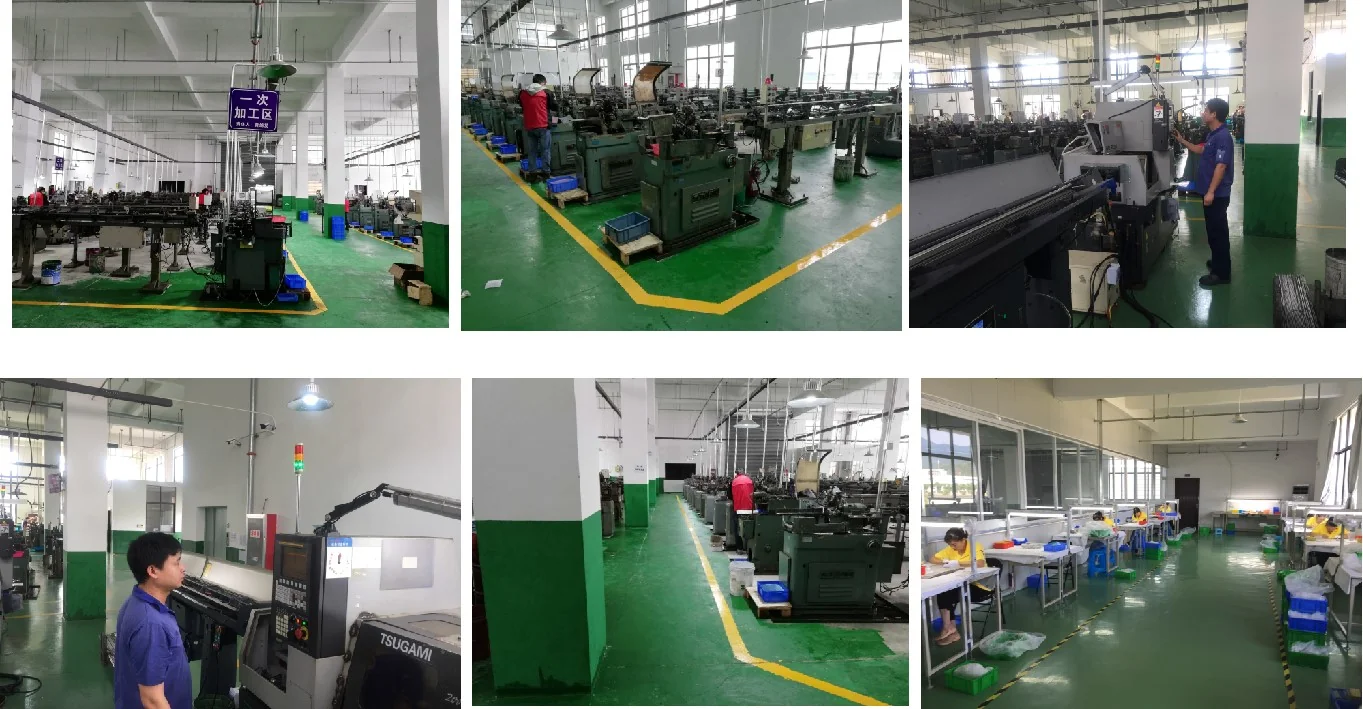
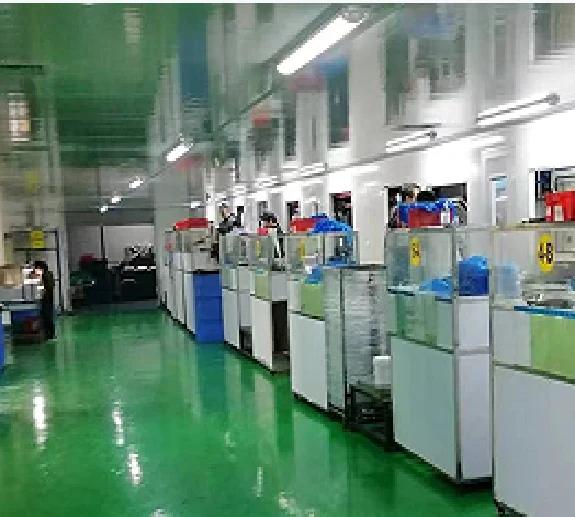
At Suzhou Baoshida Trading Co., Ltd., our engineering capability forms the backbone of our industrial rubber solutions, enabling us to deliver precision-engineered rubber components tailored to the most demanding OEM applications. Our in-house technical team comprises five dedicated mould engineers and two specialized rubber formula engineers, creating a synergistic environment where material science meets advanced tooling design. This integrated approach allows us to control every phase of product development—from concept and material formulation to mould design, prototyping, and full-scale production.
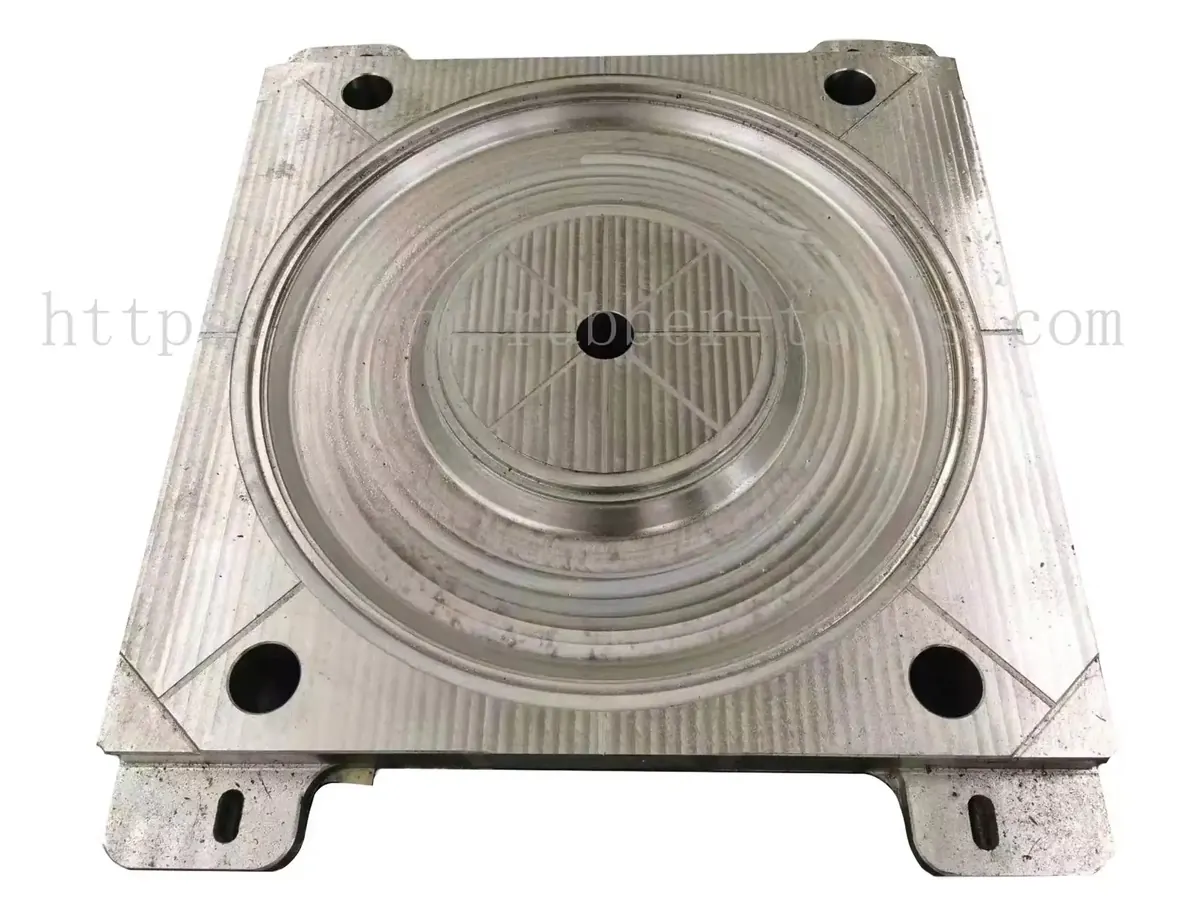
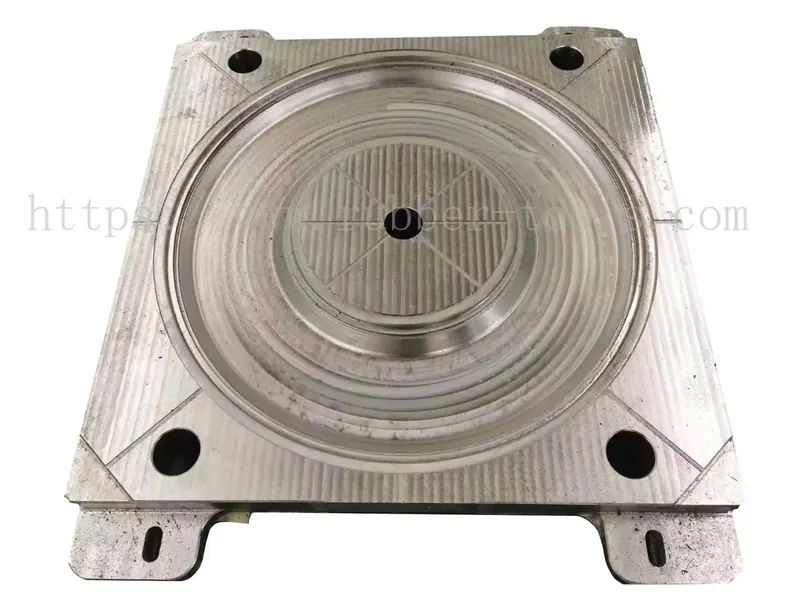
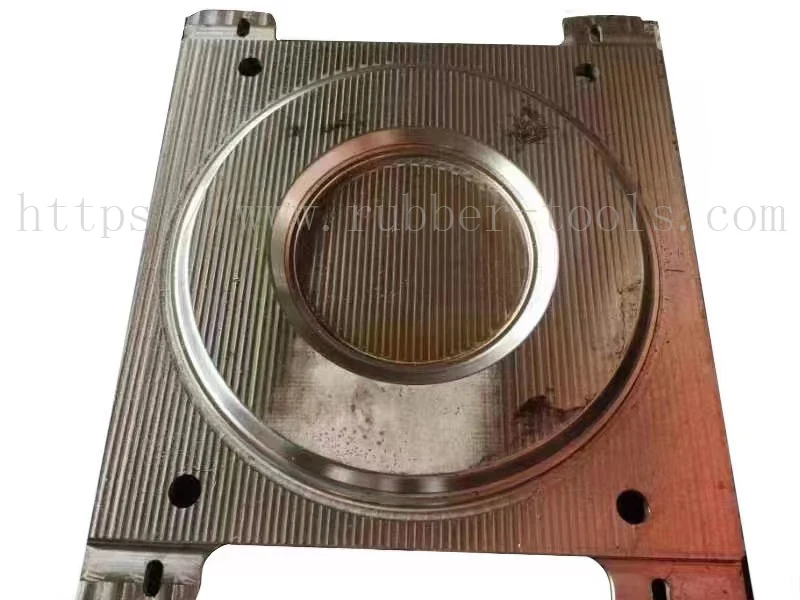
Our mould engineers bring extensive experience in designing high-precision rubber compression, transfer, and injection moulds. Utilizing advanced CAD/CAM software, including SolidWorks and AutoCAD, they develop robust tooling solutions optimized for cycle efficiency, part consistency, and longevity. Each design undergoes rigorous simulation and tolerance analysis to ensure dimensional accuracy and repeatability, particularly critical in industries such as automotive, medical devices, and industrial sealing systems. We specialize in complex geometries, multi-cavity layouts, and inserts for overmoulding, ensuring that every mould meets the exact functional and regulatory requirements of the end application.
Complementing our tooling expertise, our two rubber formula engineers possess deep knowledge in polymer chemistry and material performance. They formulate custom rubber compounds based on silicone (VMQ), nitrile (NBR), ethylene propylene diene monomer (EPDM), fluorocarbon (FKM), and natural rubber (NR), among others. These formulations are engineered to meet specific requirements for temperature resistance, chemical exposure, compression set, tensile strength, and electrical insulation. Every compound is tested in our on-site laboratory using standardized ASTM and ISO methods to validate performance under real-world operating conditions.
Our OEM capabilities are built on a foundation of technical agility and confidentiality. We work directly with clients to reverse-engineer legacy parts, develop new designs, and scale from prototype to mass production seamlessly. All projects are managed under strict IP protection protocols, with full traceability and documentation provided per customer specifications. Whether supporting a single-component requirement or a complete system solution, our engineering team ensures technical alignment with global quality standards, including ISO 9001 and IATF 16949.
The integration of advanced material science with precision tooling design positions Suzhou Baoshida as a trusted engineering partner in the industrial rubber sector. Our technical team doesn’t just manufacture rubber parts—we engineer performance-driven solutions.
| Parameter | Specification |
|---|---|
| Mould Engineers | 5 (CAD/CAM, SolidWorks, AutoCAD) |
| Formula Engineers | 2 (Polymer Chemistry, ASTM/ISO Testing) |
| Rubber Materials | NBR, EPDM, FKM, VMQ, NR, CR, SBR |
| Mould Types | Compression, Transfer, Injection |
| Tolerance Control | ±0.05 mm (standard), tighter on request |
| Production Scale | Prototype to High-Volume OEM |
| Quality Standards | ISO 9001, IATF 16949 |
Customization Process

Customization Process for Industrial Rubber Umbrella Components
Suzhou Baoshida Trading Co., Ltd. executes a rigorous four-phase customization protocol for rubber umbrella components, ensuring alignment with OEM performance, regulatory, and environmental requirements. This structured workflow transforms client specifications into precision-engineered products through systematic technical validation and material science expertise.
Drawing Analysis initiates the process, where our engineering team deconstructs client-provided CAD models or technical schematics. Critical parameters including dimensional tolerances, wall thickness distribution, and geometric complexity are evaluated against ISO 3302-1 molding standards. We identify potential stress concentrations, undercuts, or non-uniform cross-sections that could compromise structural integrity during dynamic flexing. Concurrently, material compatibility with hinge mechanisms, fabric adhesion requirements, and UV exposure zones are assessed to preempt manufacturing defects.
Formulation development follows, leveraging our proprietary polymer database to engineer bespoke rubber compounds. Base elastomers—typically EPDM, silicone, or hydrogenated nitrile—are selected based on the operational environment. Key performance targets such as ozone resistance (ASTM D1149), compression set (ASTM D395), and low-temperature flexibility (ASTM D2137) dictate additive ratios. Reinforcing fillers, anti-degradants, and processing aids are precisely dosed to achieve target Shore A hardness while maintaining resilience. Every formulation undergoes computational simulation for flow behavior in complex molds prior to physical batching.
Prototyping validates both material performance and manufacturability. Using CNC-machined aluminum molds, we produce 10–15 units for accelerated lifecycle testing. Samples endure 5,000+ open/close cycles per ASTM D2261, salt spray exposure (ASTM B117), and hydrostatic pressure tests up to 50 kPa. Tensile strength, elongation at break, and colorfastness are quantified against baseline specifications. Client feedback on ergonomics and aesthetics triggers iterative compound or geometry refinements within 72 hours.
Mass Production commences only after formal client sign-off on the golden sample. Our Suzhou facility employs real-time statistical process control (SPC) with inline spectrometry for compound consistency. Each batch undergoes destructive testing per ISO 37, with certificates of conformance documenting hardness, density, and tear strength. Automated vision systems inspect for surface defects at 120 units/minute, ensuring 99.85% first-pass yield. Traceability via laser-etched batch codes supports full recall readiness.
Critical Rubber Compound Specifications Comparison
| Property | Standard EPDM Umbrella Compound | Baoshida Custom Formulation | Test Standard |
|---|---|---|---|
| Tensile Strength (MPa) | 8.0–10.0 | 12.5–14.0 | ASTM D412 |
| Elongation at Break (%) | 250–350 | 400–450 | ASTM D412 |
| Shore A Hardness | 55 ± 5 | 62 ± 3 | ASTM D2240 |
| Compression Set (22h/70°C) | ≤ 25% | ≤ 15% | ASTM D395 |
| Ozone Resistance (50 pphm) | Cracking at 20% strain | No cracks at 30% strain | ASTM D1149 |
| Low-Temp Flexibility (°C) | -40 | -55 | ASTM D2137 |
This closed-loop methodology guarantees that every rubber umbrella component exceeds functional demands while optimizing production economics for global OEM partners.
Contact Engineering Team

For industrial manufacturers seeking high-performance rubber components, Suzhou Baoshida Trading Co., Ltd. stands as a trusted partner in the development and supply of precision-engineered rubber solutions. Our expertise in industrial rubber formulations and manufacturing processes ensures that every product meets the rigorous demands of modern engineering applications. As a leader in the field, we specialize in custom rubber compounds tailored to specific operational environments, including extreme temperatures, dynamic mechanical stress, and exposure to aggressive media.
Our technical team, led by Mr. Boyce, brings decades of combined experience in polymer science, material testing, and OEM collaboration. Whether you require custom-molded rubber seals, diaphragms, gaskets, or specialized elastomeric components for automated systems, we deliver solutions grounded in scientific rigor and industrial practicality. At Suzhou Baoshida, we understand that consistency, durability, and repeatability are non-negotiable in industrial applications. That is why every formulation is developed under controlled conditions, validated through standardized testing protocols, and produced using precision tooling and injection, compression, or transfer molding techniques.
We serve a global clientele across automotive, aerospace, medical device, and industrial automation sectors, providing rubber components that perform reliably under real-world conditions. Our facility is equipped with advanced mixing, curing, and quality inspection systems, enabling us to maintain tight tolerances and batch-to-batch uniformity. From initial concept and material selection to prototyping and full-scale production, we support our clients at every stage of the manufacturing lifecycle.
To ensure optimal performance, we offer comprehensive technical documentation, including material data sheets, hardness profiles, compression set values, and chemical resistance charts. Our in-house laboratory conducts accelerated aging tests, dynamic fatigue analysis, and environmental exposure simulations to validate long-term reliability. This scientific approach allows us to recommend the most suitable elastomer—whether Nitrile (NBR), EPDM, Silicone (VMQ), Fluorocarbon (FKM), or specialty compounds such as HNBR or ACM—based on your application’s specific requirements.
Below is a representative specification profile for a commonly requested industrial rubber compound:
| Property | Test Method | Value |
|---|---|---|
| Hardness (Shore A) | ASTM D2240 | 70 ± 5 |
| Tensile Strength | ASTM D412 | ≥18 MPa |
| Elongation at Break | ASTM D412 | ≥350% |
| Compression Set (22 hrs, 70°C) | ASTM D395 | ≤20% |
| Operating Temperature Range | — | -30°C to +120°C |
| Fluid Resistance (Oil, Water, Grease) | ASTM D471 | Excellent |
| Specific Gravity | ASTM D297 | 1.15 |
For technical consultation, material sampling, or custom formulation development, we invite you to contact Mr. Boyce directly at [email protected]. He will work closely with your engineering team to analyze performance requirements, recommend optimal materials, and expedite prototype delivery. At Suzhou Baoshida Trading Co., Ltd., we are committed to advancing industrial rubber technology through precision, innovation, and partnership. Reach out today to begin the process of integrating high-performance rubber components into your next generation of engineered systems.
⚖️ O-Ring Weight Calculator
Estimate rubber O-ring weight (Approx).