Rubber Bearing Manufacturer | Engineering Guide

Engineering Guide: Rubber Bearing

rubber bearing manufacturing

Engineering Insight: Rubber Bearing Material Selection Fundamentals

Material selection constitutes the most critical engineering variable in rubber bearing performance and longevity. Off-the-shelf bearings frequently fail because standardized compounds prioritize cost and manufacturability over the specific dynamic, thermal, and chemical demands of real-world applications. Generic formulations cannot simultaneously optimize resilience, damping efficiency, compression set resistance, and environmental stability across diverse operational profiles. This mismatch manifests as premature cracking, excessive deflection drift, or catastrophic loss of isolation capacity under cyclic stress.

The core failure mechanism in non-engineered bearings lies in unaddressed property trade-offs. A compound excelling in low-temperature flexibility often sacrifices oil resistance. High damping formulations typically exhibit accelerated compression set. Standard NBR bearings degrade rapidly in ozone-rich environments, while common EPDM variants lack sufficient fuel resistance for automotive powertrain mounts. These compromises become critical when bearings operate at the edge of their design envelope—such as wind turbine nacelles experiencing -40°C to +85°C swings or industrial machinery exposed to hydraulic fluid mist.

Suzhou Baoshida Trading Co., Ltd. addresses this through application-specific polymer engineering. We analyze load spectra, fluid exposure, temperature transients, and fatigue requirements to formulate compounds where key properties are balanced, not compromised. Our OEM collaboration process begins with finite element analysis of stress distribution, followed by accelerated life testing against actual service conditions. This prevents the “spec sheet trap” where nominal hardness or tensile strength values mask functional inadequacies.

The following table illustrates why material selection requires precision engineering rather than catalog selection:

Material Type Key Properties Typical Applications Critical Limitations
Standard NBR (40-50 IRHD) Moderate oil resistance, good abrasion resistance General industrial mounts, conveyor systems Poor ozone/weathering resistance, limited to -20°C
Generic EPDM (50-60 IRHD) Excellent ozone/heat resistance, low compression set HVAC mounts, outdoor construction equipment Vulnerable to petroleum oils, poor low-temp performance
Off-the-Shelf HNBR Enhanced oil/heat resistance vs NBR Basic automotive engine mounts Inconsistent damping control, variable fatigue life
Baoshida Engineered HNBR Custom crosslink density, nano-reinforced Wind turbine pitch bearings, marine propulsion Requires application-specific validation
Fluorocarbon (FKM) Exceptional chemical/thermal stability Aerospace actuators, chemical processing High cost, poor damping characteristics

OEMs selecting generic bearings often face hidden costs: field failures necessitate unplanned downtime, warranty claims, and redesign cycles. In contrast, purpose-formulated compounds deliver predictable service life by aligning molecular architecture with operational physics. For instance, our vibration-isolating bearings for high-speed rail utilize peroxide-cured EPDM with tailored filler dispersion to maintain damping stability across 10 million load cycles—where sulfur-cured equivalents fracture at 3 million cycles.

Material science is not a commodity. Suzhou Baoshida Trading Co., Ltd. treats rubber bearing specification as a systems engineering challenge, not a parts substitution exercise. We validate every formulation against the client’s dynamic load history and environmental profile, ensuring the compound performs as an integrated component of the mechanical system—not merely a replaceable part. This precision approach eliminates the reliability gaps inherent in off-the-shelf solutions.


Material Specifications

rubber bearing manufacturing

Material Specifications for Precision Rubber Bearings

In the production of high-performance rubber bearings, material selection is critical to ensuring compatibility with operational environments, including temperature extremes, chemical exposure, and mechanical stress. At Suzhou Baoshida Trading Co., Ltd., we specialize in precision rubber seals engineered for industrial reliability, with a focus on three primary elastomers: Viton (FKM), Nitrile (NBR), and Silicone (VMQ). Each material offers distinct advantages depending on application requirements, and understanding their physical and chemical properties is essential for optimal performance.

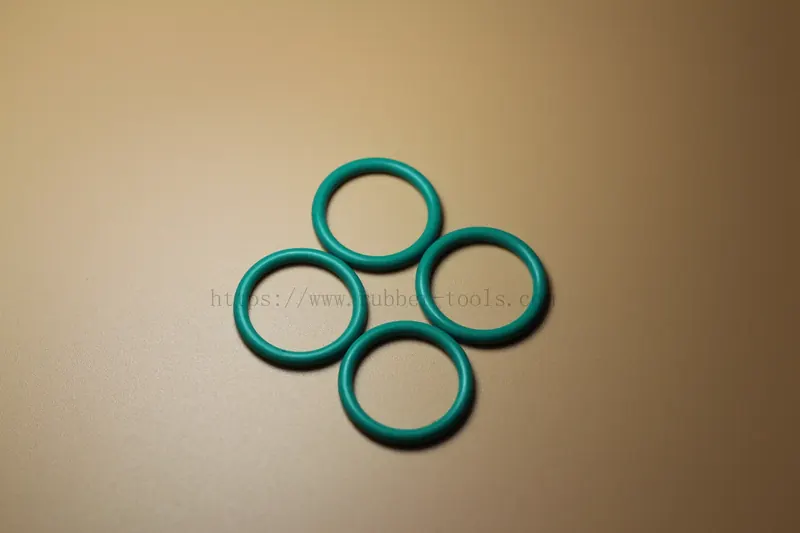
Viton, a fluorocarbon-based rubber, is widely regarded for its exceptional resistance to high temperatures, oils, fuels, and a broad range of chemicals. It maintains structural integrity in continuous service temperatures up to 230°C, with short-term exposure capability exceeding 300°C. This makes Viton ideal for aerospace, automotive, and chemical processing applications where exposure to aggressive media is common. Its low gas permeability and excellent aging characteristics further enhance long-term reliability in demanding sealing environments.

Nitrile rubber, also known as Buna-N or NBR, is a cost-effective solution for applications involving petroleum-based oils and hydraulic fluids. With a standard operating temperature range of -30°C to 120°C, Nitrile offers good abrasion resistance and tensile strength, making it suitable for dynamic sealing applications such as pumps, valves, and automotive systems. While it lacks the high-temperature performance of Viton, its compatibility with aliphatic hydrocarbons and widespread availability make it a preferred choice in general industrial use.

Silicone rubber (VMQ) excels in extreme temperature environments, functioning effectively from -60°C to 200°C. It demonstrates excellent resistance to ozone, UV radiation, and weathering, making it ideal for outdoor and high-temperature air sealing applications. Silicone also offers high purity and biocompatibility, which supports its use in medical and food-grade industries. However, it has lower mechanical strength and abrasion resistance compared to Viton and Nitrile, and is less suited for applications involving petroleum-based fluids.

The following table provides a comparative overview of key material properties to assist in the selection process for rubber bearing applications.

Property Viton (FKM) Nitrile (NBR) Silicone (VMQ)
Temperature Range (°C) -20 to 230 (up to 300 short-term) -30 to 120 -60 to 200
Tensile Strength (MPa) 15–20 10–25 5–10
Elongation at Break (%) 200–300 200–500 200–700
Hardness (Shore A) 60–90 50–90 30–80
Resistance to Oils/Fuels Excellent Excellent Poor
Resistance to Ozone/UV Excellent Good Excellent
Chemical Resistance Excellent (acids, bases, solvents) Fair to Good Good (water, alcohols)
Compression Set Resistance Excellent Good Good

Selection of the appropriate elastomer must balance performance requirements with cost, environmental exposure, and mechanical loading. Suzhou Baoshida Trading Co., Ltd. provides tailored material recommendations based on application data to ensure maximum service life and sealing efficiency.


Manufacturing Capabilities

rubber bearing manufacturing

Engineering Capability: Precision Rubber Bearing Development at Suzhou Baoshida

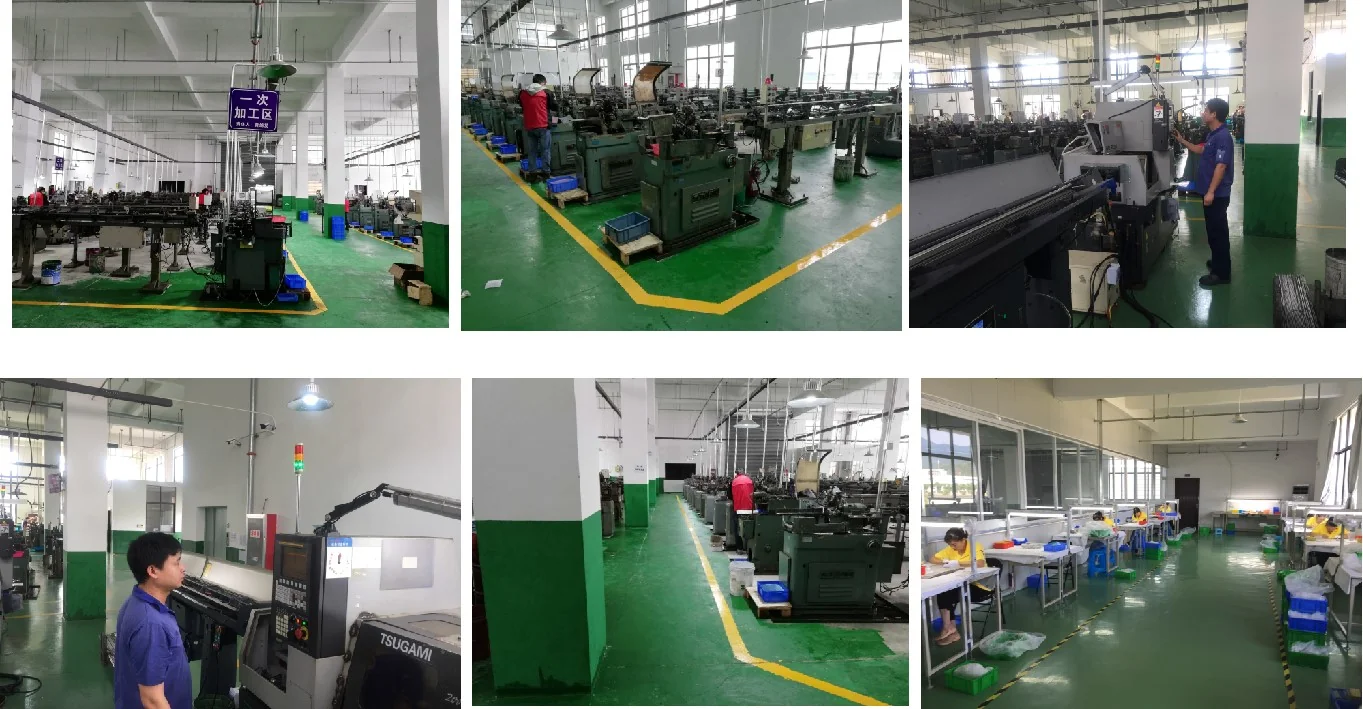
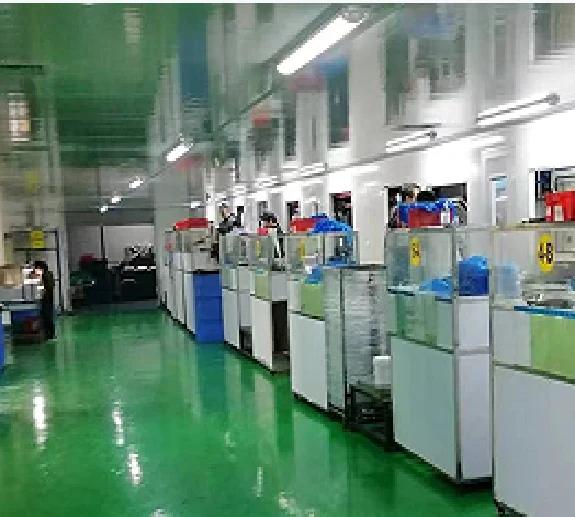
Suzhou Baoshida Trading Co., Ltd. delivers exceptional engineering rigor specifically for demanding rubber bearing applications within the precision rubber seals sector. Our core strength resides in a dedicated technical team comprising five specialized mold engineers and two advanced rubber formula engineers. This integrated expertise ensures seamless translation of complex client specifications into high-performance, production-ready components. We address the critical interplay between material science and precision molding geometry, directly impacting bearing longevity, load distribution, and environmental resistance in industrial machinery, automotive suspensions, and structural applications.

Our formula engineers possess deep expertise in elastomer chemistry, focusing exclusively on optimizing compound formulations for bearing functionality. They systematically adjust polymer base selection (including NBR, EPDM, HNBR, and specialty fluorocarbons), filler systems, plasticizers, and vulcanization packages to achieve precise balances. Key targets include minimizing compression set under sustained load, maximizing dynamic fatigue resistance through controlled crosslink density, ensuring dimensional stability across extreme temperature excursions, and guaranteeing compatibility with specific fluids or operational environments. This scientific approach prevents premature failure modes such as extrusion, cracking, or loss of resiliency, directly enhancing end-product reliability.

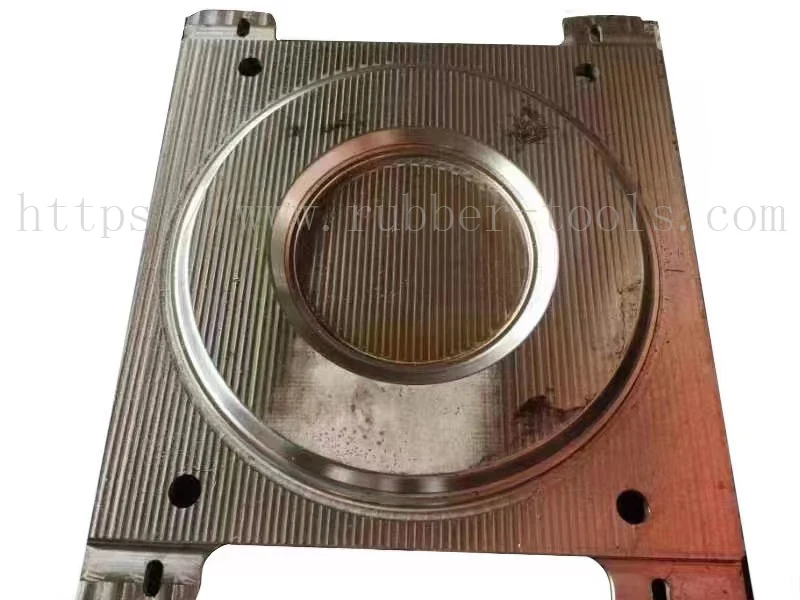
Complementing this material science foundation, our five mold engineers execute precision tooling design and process optimization. They utilize advanced CAD/CAM systems and mold flow simulation software to predict and eliminate defects like flash, voids, or non-uniform cure. Critical attention is paid to gate location, venting strategy, and thermal management within the mold cavity to ensure consistent part geometry, critical for bearing concentricity and load-bearing surface integrity. This meticulous engineering directly supports our robust OEM capabilities, enabling seamless integration into client supply chains.

As a certified OEM partner, Suzhou Baoshida manages the entire bearing manufacturing lifecycle under strict confidentiality. We implement rigorous material lot tracking, process validation (PPAP Level 3 standard), and real-time statistical process control (SPC) on critical dimensions. Our facility adheres to ISO 9001:2015 and IATF 16949 quality management systems, providing clients with auditable traceability from raw material certification through final inspection. This structured OEM workflow guarantees consistent output meeting exacting automotive, industrial machinery, and infrastructure project requirements.

The following table summarizes key performance parameters achievable through our integrated engineering approach for standard rubber bearing compounds:

Parameter Standard Reference Typical Range Achieved Test Method
Hardness (Shore A) ASTM D2240 50 – 90 ISO 7619-1
Tensile Strength ASTM D412 10 – 25 MPa ISO 37
Elongation at Break ASTM D412 200% – 600% ISO 37
Compression Set ASTM D395 Method B ≤ 20% (70°C x 22h) ISO 815-1
Operating Temp N/A -50°C to +150°C Material Specific
Fluid Resistance ASTM D471 Excellent to Oil/Fuel ISO 1817

This engineering synergy, combining deep formula science with precision mold design and disciplined OEM execution, positions Suzhou Baoshida as a strategic partner for mission-critical rubber bearing solutions. We provide not just components, but validated performance assurance through scientifically grounded development and manufacturing control.


Customization Process

rubber bearing manufacturing

Customization Process for Precision Rubber Bearings at Suzhou Baoshida Trading Co., Ltd.

At Suzhou Baoshida Trading Co., Ltd., we specialize in delivering high-performance rubber bearings tailored to the exacting demands of industrial applications. Our systematic customization process ensures that each component meets stringent performance, durability, and dimensional requirements. The process begins with Drawing Analysis, where our engineering team evaluates customer-provided technical drawings and specifications. This step involves a comprehensive review of critical dimensions, tolerance ranges, load-bearing requirements, operating environment (temperature, pressure, chemical exposure), and mating components. We verify geometric accuracy, assess manufacturability, and identify potential design optimizations to enhance functionality and service life. Close collaboration with the client ensures alignment on performance expectations and application context.

Following drawing validation, we proceed to Formulation Development. This stage is central to achieving the desired material properties. Our rubber formula engineers select base polymers—such as NBR, EPDM, FKM, or silicone—based on chemical resistance, thermal stability, and mechanical strength requirements. Additives including reinforcing fillers, plasticizers, vulcanizing agents, and anti-aging compounds are precisely blended to meet target hardness (Shore A), tensile strength, elongation at break, and compression set. Each formulation is documented and tested against ASTM or ISO standards to ensure consistency and reliability under real-world conditions.

Once the material compound is finalized, we initiate Prototyping. Using precision molds and CNC-machined tooling, we produce small-batch samples for functional evaluation. These prototypes undergo rigorous in-house testing, including compression deflection, dynamic fatigue, thermal cycling, and fluid immersion. Clients are encouraged to perform field trials, after which we incorporate feedback for any necessary design or material refinements. This iterative step minimizes risk and ensures performance validation prior to full-scale release.

Upon approval, the project transitions to Mass Production. Our automated manufacturing lines, equipped with real-time quality monitoring systems, ensure high repeatability and dimensional accuracy. Each batch is subjected to statistical process control (SPC), with certificates of conformance and material test reports provided. We maintain strict inventory and logistics protocols to support just-in-time delivery for OEMs and industrial partners.

Typical Material Properties for Custom Rubber Bearings

Property NBR (Nitrile) EPDM FKM (Viton®) Silicone
Hardness Range (Shore A) 50–90 50–85 60–90 30–80
Temperature Range (°C) -30 to +120 -50 to +150 -20 to +200 -60 to +200
Fluid Resistance Oil, fuel Water, steam Aggressive chemicals Limited oil
Tensile Strength (MPa) 10–20 8–16 8–15 5–12
Compression Set (%) 15–25 20–30 15–20 20–35

Our end-to-end customization ensures that every rubber bearing we produce delivers optimal performance, longevity, and compatibility with your application.


Contact Engineering Team

rubber bearing manufacturing

Technical Partnership Invitation for Precision Rubber Bearing Solutions

Suzhou Baoshida Trading Co., Ltd. operates at the intersection of advanced polymer science and industrial reliability, specializing in engineered rubber bearings for critical applications across automotive, aerospace, and heavy machinery sectors. Our formulations are validated through ISO 188 accelerated aging tests, ASTM D2000 material classification protocols, and rigorous dynamic fatigue analysis to ensure dimensional stability under cyclic loads exceeding 500,000 cycles. When standard catalog solutions fail to address your unique operational parameters—whether extreme temperature excursions, chemical exposure, or micron-level tolerance demands—our team transitions from supplier to technical collaborator. We prioritize empirical validation over theoretical specifications, leveraging finite element analysis (FEA) to simulate stress distribution in custom geometries before prototyping. This methodology reduces time-to-qualification by 30% while eliminating costly field failures attributed to compound degradation or compression set deviation.

The following table summarizes our core rubber bearing capabilities for immediate application assessment:

Parameter Standard Range Precision Customization Limit Test Standard
Hardness (Shore A) 40–90 ±2 points ASTM D2240
Temperature Resistance -50°C to +150°C (standard NBR) -70°C to +250°C (FKM/FFKM) ISO 188
Compression Set (70h/100°C) ≤25% (NBR) ≤8% (per ASTM D395 Method B) ASTM D395
Tensile Strength 15–25 MPa 30+ MPa (reinforced compounds) ASTM D412
Fluid Resistance Oil, water, ozone (standard) Custom: HFDU, glycol, acids ISO 1817

These specifications reflect our baseline industrial performance. For mission-critical deployments, Suzhou Baoshida implements proprietary silica-silane reinforcement systems and peroxide-cured formulations to achieve compression set values below 5% at 125°C—exceeding SAE AS8062 aerospace requirements. Our OEM integration process begins with material traceability via batch-specific IR spectroscopy and Mooney viscosity logs, ensuring repeatability across 10,000+ unit production runs. When your design necessitates bearings operating at 0.05mm radial clearance tolerances or resisting 150+ chemical agents simultaneously, our compound database of 200+ formulations provides the foundational science for rapid solution development.

Initiate your precision bearing project by contacting Mr. Boyce, our dedicated OEM Manager with 12 years of elastomer application engineering experience. Mr. Boyce specializes in translating operational failure modes into compound architecture—whether addressing torsional vibration damping in wind turbine pitch systems or mitigating rail-induced harmonic resonance in high-speed train bogies. He will coordinate Suzhou Baoshida’s technical team to provide:
Material compatibility matrices for your specific fluid exposure profiles
FEA stress contour reports validated against your load spectra
Prototype samples with full traceable QC documentation within 15 business days

Direct technical collaboration begins with a single email. Contact Mr. Boyce at [email protected] with your project’s critical parameters: operating temperature range, dynamic load profile, fluid exposure list, and dimensional tolerance bands. Include any existing failure analysis data to accelerate our root-cause assessment. Suzhou Baoshida responds to all technical inquiries within 4 business hours with actionable engineering feedback—not generic sales literature. For time-sensitive qualification deadlines, reference your target PPAP date in the subject line to trigger our expedited engineering review protocol. Your next-generation bearing solution requires compound science, not commodity sourcing. Engage our precision engineering team to transform material limitations into competitive advantage.


⚖️ O-Ring Weight Calculator

Estimate rubber O-ring weight (Approx).


Rubber Bearing Manufacturer | Engineering Guide

Contents of Table

Contact [email protected] Whatsapp 86 15951276160