Custom Rubber Manufacturer Manufacturer | Engineering Guide

Engineering Guide: Custom Rubber Manufacturer

custom rubber manufacturer manufacturing

Engineering Insight: The Critical Role of Material Selection in Custom Rubber Manufacturing

In the field of industrial sealing, vibration damping, and mechanical protection, rubber components play a pivotal role in system performance and longevity. However, many engineers and procurement teams default to off-the-shelf rubber parts, assuming functional equivalence across applications. This assumption often leads to premature failure, increased maintenance costs, and unplanned downtime. The root cause lies in improper material selection—a decision that cannot be standardized without considering environmental exposure, mechanical stress, and chemical compatibility.

A custom rubber manufacturer must evaluate more than durometer or shape. The polymer backbone defines performance. For instance, natural rubber (NR) offers excellent resilience and tensile strength but degrades rapidly under UV exposure and ozone. Nitrile (NBR) provides strong resistance to oils and fuels but performs poorly at low temperatures. Silicone excels in extreme temperature ranges but lacks the mechanical durability of EPDM, which itself falters in hydrocarbon environments.

Off-the-shelf rubber components are typically formulated for broad, not specific, use cases. They sacrifice optimization for availability. In contrast, custom molded rubber parts are engineered at the compound level—adjusting base polymers, fillers, plasticizers, and curatives to meet exact operational demands. This level of precision ensures compatibility with fluids such as brake oil, refrigerants, or industrial solvents, and resilience against dynamic stresses like compression set, extrusion, or thermal cycling.

Consider a hydraulic sealing application in mining equipment. Standard NBR seals may appear suitable due to their oil resistance. However, if operating temperatures exceed 120°C, rapid hardening and cracking occur. A custom solution using hydrogenated nitrile (HNBR) with tailored antioxidant packages extends service life by over 300%. Similarly, in medical device applications, where biocompatibility and sterilization resistance are mandatory, only specific silicone formulations meet ISO 10993 and USP Class VI standards.

Material selection also influences moldability and dimensional stability. Fillers such as carbon black or silica alter shrinkage rates and tear strength, directly affecting part consistency in high-volume production. A skilled custom rubber manufacturer leverages this knowledge to balance processability with end-use performance.

The following table outlines key elastomers and their technical profiles for critical performance parameters:

Material Temperature Range (°C) Fluid Resistance Compression Set Ozone/UV Resistance Typical Applications
NBR -30 to +120 Excellent (oils, fuels) Good Poor Hydraulic seals, gaskets
EPDM -50 to +150 Poor (hydrocarbons) Very Good Excellent Outdoor seals, HVAC
Silicone -60 to +230 Fair Good Excellent Medical devices, food processing
FKM -20 to +200 Outstanding Excellent Excellent Aerospace, automotive
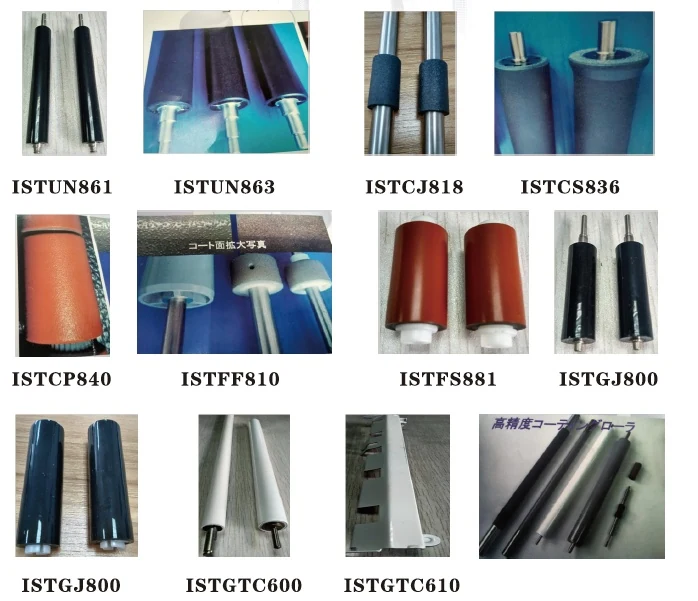
HNBR -40 to +150 Excellent Excellent Good Oil & gas, industrial rollers

Ultimately, material selection is not a catalog choice—it is an engineering decision. Suzhou Baoshida Trading Co., Ltd. integrates material science with precision molding to deliver rubber components that perform reliably under real-world conditions. Off-the-shelf parts may offer short-term convenience, but only custom solutions ensure long-term operational integrity.


Material Specifications

custom rubber manufacturer manufacturing

Material Specifications for Custom Molded Rubber Parts

Selecting the optimal elastomer is critical for OEM manufacturing success, directly impacting part performance, longevity, and operational safety. At Suzhou Baoshida Trading Co., Ltd., we engineer custom rubber formulations to meet stringent industrial requirements, prioritizing chemical compatibility, thermal stability, and mechanical resilience. Our precision molding processes accommodate three primary high-performance materials: Viton (FKM), Nitrile (NBR), and Silicone (VMQ). Each offers distinct advantages for specific environmental and functional demands, necessitating careful evaluation during the design phase.

Viton, a fluorocarbon-based perfluoroelastomer, delivers exceptional resistance to aggressive chemicals, fuels, and high temperatures. Its molecular structure provides stability in aerospace, automotive fuel systems, and semiconductor manufacturing where exposure to oils, acids, or ozone is prevalent. Continuous service temperatures range from -20°C to +230°C, with brief peaks up to 300°C. Viton maintains sealing integrity under extreme pressure but commands a premium cost due to its complex synthesis.

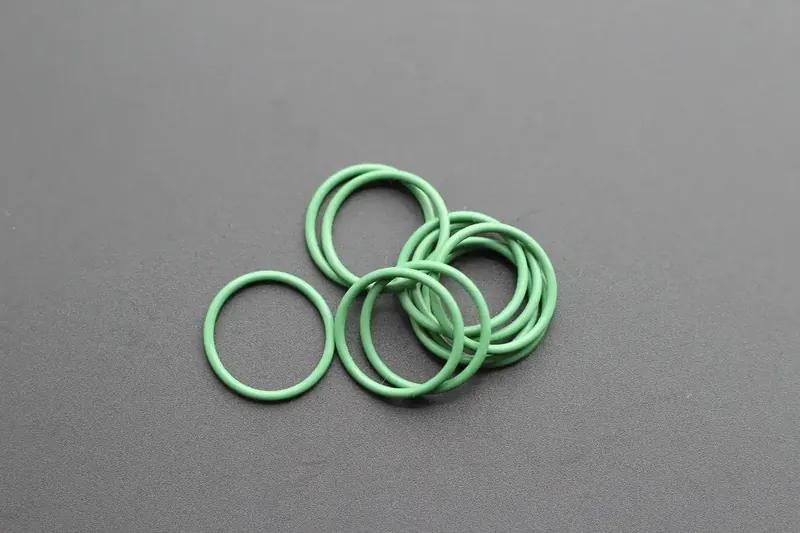
Nitrile rubber (NBR) remains the industry standard for cost-effective oil and fuel resistance. Optimized acrylonitrile content enhances compatibility with petroleum derivatives, making it ideal for hydraulic seals, gaskets, and O-rings in automotive and industrial machinery. Standard grades operate reliably between -30°C and +120°C, though hydrogenated variants (HNBR) extend upper limits to 150°C. NBR offers robust tensile strength (15–25 MPa) and abrasion resistance but exhibits limited ozone and weathering performance without additives.

Silicone (VMQ) excels in extreme temperature applications, functioning continuously from -60°C to +200°C with specialized grades enduring -100°C to +300°C. Its inert, biocompatible composition suits medical devices, food processing, and high-voltage insulation. Silicone provides outstanding flexibility retention and UV resistance but demonstrates lower tensile strength (6–12 MPa) and poor resistance to concentrated acids or solvents compared to Viton or NBR. Tear strength requires reinforcement via precision compounding.

The following table summarizes key technical specifications for rapid material comparison:

Property Viton (FKM) Nitrile (NBR) Silicone (VMQ)
Temperature Range (°C) -20 to +230 -30 to +120 -60 to +200
Tensile Strength (MPa) 10–20 15–25 6–12
Elongation at Break (%) 150–300 200–500 200–700
Hardness Range (Shore A) 50–90 40–90 20–80
Key Resistance Fuels, acids, ozone Petroleum oils, water Extreme temps, UV
Primary Applications Aerospace seals, chemical pumps Fuel hoses, hydraulic systems Medical tubing, cookware

Material selection must align with fluid exposure, thermal cycling, and mechanical stress profiles. Suzhou Baoshida’s engineering team leverages decades of compounding expertise to tailor formulations—adjusting filler systems, cure chemistry, and polymer grades—ensuring optimal performance for your application. We rigorously validate all custom compounds against ASTM D2000 and ISO 3601 standards prior to production. Consult our technical specialists to determine the precise elastomer solution balancing performance, regulatory compliance, and lifecycle cost for your OEM project.


Manufacturing Capabilities

custom rubber manufacturer manufacturing

Engineering Capability

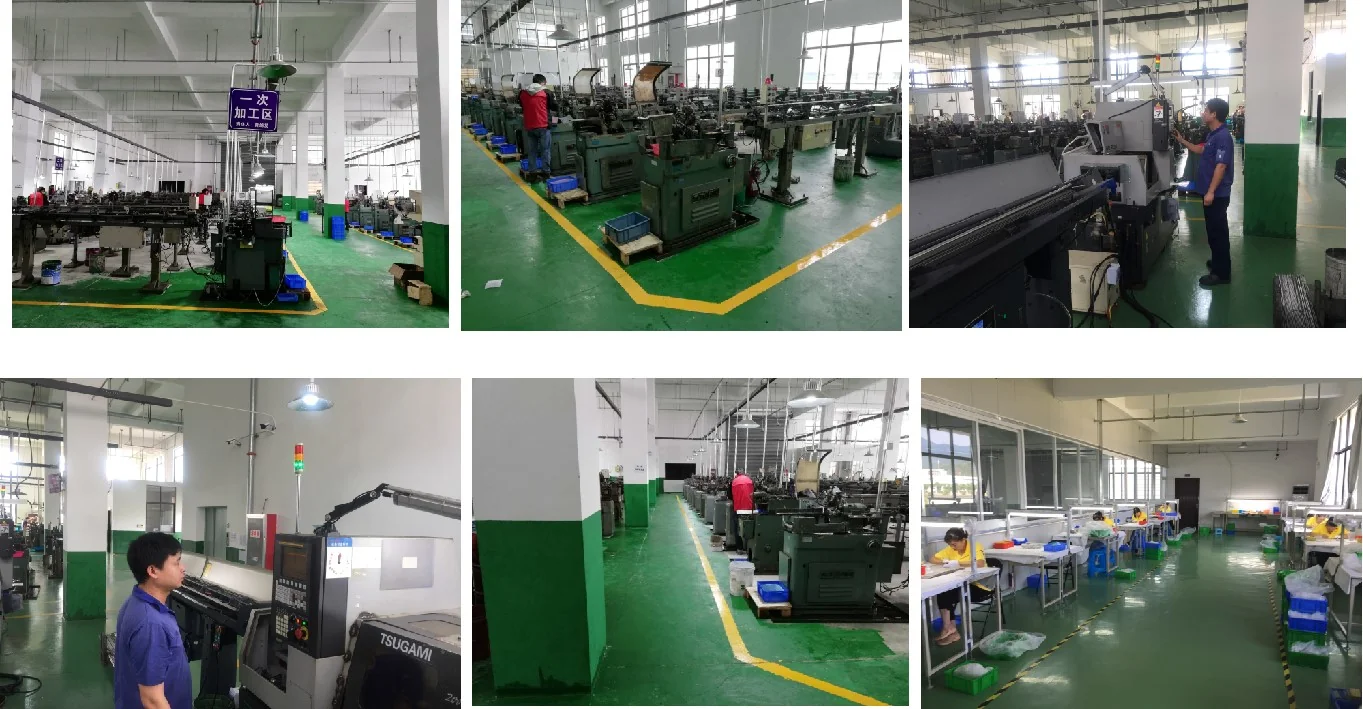
At Suzhou Baoshida Trading Co., Ltd., our engineering capability forms the backbone of our custom rubber manufacturing service. With a dedicated team of five experienced mold engineers and two specialized rubber formula engineers, we integrate material science with precision tooling to deliver high-performance rubber components tailored to exact OEM specifications. Our in-house engineering team ensures complete control over the development lifecycle—from concept validation to final production—delivering optimized solutions that meet functional, environmental, and durability requirements.

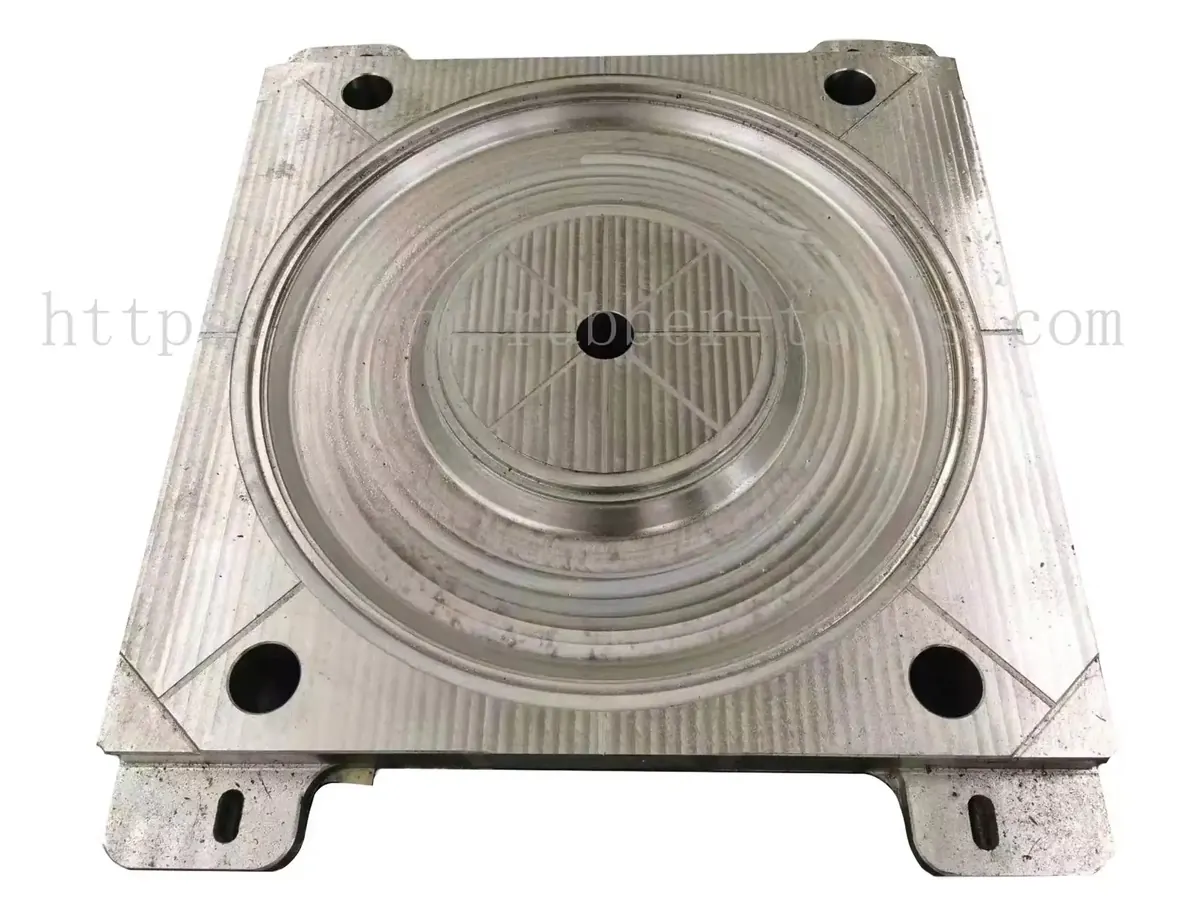
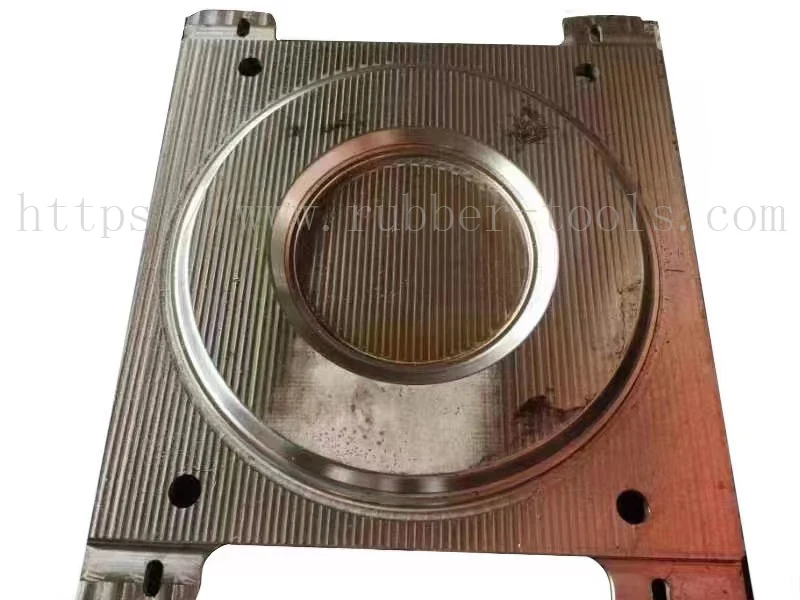
Our mold engineers bring over a decade of cumulative experience in designing and fabricating precision rubber molds for complex geometries and tight-tolerance applications. Utilizing advanced CAD/CAM software, including SolidWorks, AutoCAD, and UG NX, our team develops 3D models and 2D technical drawings with full GD&T compliance. We specialize in multi-cavity, family, and insert molds, supporting both compression and transfer molding processes. Each mold design undergoes rigorous DFM (Design for Manufacturability) analysis to ensure cycle efficiency, part consistency, and minimal flash formation. In-house mold manufacturing allows rapid prototyping and quick design iterations, reducing time-to-market for OEM clients across automotive, industrial equipment, and medical device sectors.

Complementing our mold expertise is our formulation engineering capability. Our two rubber formula engineers hold advanced degrees in polymer science and have extensive experience in compounding elastomers for targeted performance characteristics. We develop custom rubber formulations in-house, optimizing for properties such as compression set resistance, oil and chemical resistance, thermal stability, and low-temperature flexibility. Our lab is equipped for comprehensive material testing, including hardness, tensile strength, elongation, and aging performance per ASTM and ISO standards. We work with a broad range of elastomers, including NBR, EPDM, silicone, FKM, Neoprene, and natural rubber, tailoring each compound to the operational environment of the end application.

Our OEM capabilities are built on a foundation of traceability, scalability, and technical collaboration. We support full documentation packages, including material certifications (e.g., ROHS, FDA, UL), PPAP, and first-article inspection reports. With ISO 9001-certified processes and systematic project management, we ensure consistent quality across pilot runs and high-volume production.

The integration of mold design and material formulation under one roof enables us to solve complex sealing and damping challenges with precision and speed. This dual-engineering approach distinguishes Suzhou Baoshida as a technically advanced partner in the custom rubber manufacturing landscape.

Parameter Capability
Mold Design Software SolidWorks, AutoCAD, UG NX
Mold Types Single-cavity, Multi-cavity, Family, Insert
Typical Tolerances ±0.1 mm (standard), ±0.05 mm (precision)
Tooling Materials P20, H13, 420SS, S136 Stainless Steel
Elastomers Processed NBR, EPDM, Silicone, FKM, CR, NR, ACM, AEM
Formulation Development Custom compound design, aging resistance, fluid resistance
Testing Standards ASTM D2000, ISO 3302, ISO 2768
Production Capacity Up to 500,000 pcs/month (per part)

Customization Process

custom rubber manufacturer manufacturing

Custom Rubber Manufacturing Process: Precision Engineering from Concept to Volume Production

At Suzhou Baoshida Trading Co., Ltd., our OEM-driven customization process ensures rubber components meet exact functional and environmental demands. We eliminate guesswork through a rigorously structured four-phase workflow, prioritizing material science and dimensional integrity at every stage.

Drawing Analysis: Engineering Feasibility Assessment
Our engineering team conducts a comprehensive GD&T review of client-provided technical drawings, cross-referencing ISO 3302 and ISO 2768 tolerances against material behavior models. Critical focus areas include parting line placement, draft angles, and flash control zones to prevent molding defects. We validate wall thickness uniformity to avoid sink marks and identify high-stress regions requiring compound reinforcement. This phase concludes with a formal feasibility report detailing required tool steel grades (e.g., P20 vs. H13) and potential design optimizations for manufacturability.

Formulation: Material Science-Driven Compound Design
Based on application requirements—temperature range, chemical exposure, and mechanical loads—our rubber chemists develop proprietary formulations. We select base polymers (silicone, EPDM, NBR, FKM) and engineer additive packages for cure kinetics, compression set resistance, and abrasion performance. Each compound undergoes predictive modeling for Mooney viscosity and scorch time to ensure process stability. Critical parameters are validated against ASTM D2000 standards prior to prototyping.

Prototyping: Iterative Validation Under Real Conditions
Using client-approved compounds, we produce functional prototypes via precision CNC-machined aluminum molds. Parts undergo accelerated life testing per ISO 188 (heat aging), ISO 1817 (fluid resistance), and ISO 37 (tensile properties). Dimensional reports with CMM data (±0.05mm accuracy) are provided alongside material test certificates. Three iterative cycles are standard to refine tolerances and material behavior before steel tooling release.

Mass Production: Statistical Process Control & Traceability
Production occurs in ISO 9001-certified facilities using hardened P20/H13 steel molds with multi-cavity configurations. We implement real-time SPC monitoring of cure pressure, temperature profiles, and shot weight consistency. Every batch includes full material traceability from raw polymer lot to finished part, with third-party test reports for critical applications. Final inspection employs automated vision systems for flash detection and dimensional verification against first-article reports.

Key Material Performance Specifications

Property Test Standard Typical Range (EPDM) Typical Range (VMQ) Critical Application Impact
Shore A Hardness ASTM D2240 40–90 30–80 Seal compression force, wear rate
Tensile Strength ASTM D412 7–25 MPa 5–12 MPa Structural integrity under load
Compression Set (22h/70°C) ASTM D395 ≤25% ≤20% Long-term sealing performance
Fluid Resistance (IRM 903) ASTM D471 ΔVolume: +5% to -15% ΔVolume: +10% to -5% Compatibility with oils/fuels
Operating Temperature ASTM D1329 -50°C to +150°C -60°C to +230°C Environmental suitability

This systematic approach minimizes time-to-market while guaranteeing components perform reliably in demanding industrial, automotive, and medical applications. Suzhou Baoshida functions as your extended engineering team—translating specifications into production-ready rubber solutions through scientific rigor and process discipline. All phases include collaborative client review gates to ensure alignment with OEM quality expectations.


Contact Engineering Team

custom rubber manufacturer manufacturing

Contact Suzhou Baoshida for Precision Custom Molded Rubber Parts

When sourcing high-performance custom molded rubber components, engineering accuracy, material integrity, and supply chain reliability are non-negotiable. At Suzhou Baoshida Trading Co., Ltd., we specialize in delivering engineered rubber solutions tailored to the exacting demands of industrial, automotive, medical, and electronic OEMs. Our expertise spans formulation development, precision molding, and full-scale production, ensuring that every rubber component meets stringent functional and environmental requirements.

To initiate a technical collaboration or request a quotation for custom rubber parts, contact Mr. Boyce, our dedicated OEM Manager and Rubber Formula Engineer. With over a decade of experience in elastomer science and industrial manufacturing, Mr. Boyce leads client engagements with a focus on material optimization, cost efficiency, and on-time delivery. He is available to review technical drawings, discuss compound specifications, and advise on design for manufacturability (DFM) to ensure optimal performance and yield.

Our manufacturing capabilities support a wide range of rubber materials, including Nitrile (NBR), EPDM, Silicone (VMQ, PVMQ), Fluorocarbon (FKM), Neoprene (CR), and Natural Rubber (NR). We offer compression, transfer, and injection molding processes, with tolerance control down to ±0.1 mm. Secondary operations such as bonding, tumbling, and post-curing are available to meet final application requirements.

Below are key technical specifications and capabilities for custom rubber molding at Suzhou Baoshida:

Parameter Specification
Material Types NBR, EPDM, FKM, VMQ, CR, NR, HNBR, ACM, AEM, IIR
Hardness Range (Shore A) 30–90
Tolerance (Standard) ±0.1 mm
Molding Processes Compression, Transfer, Injection
Max Part Weight 1,500 g
Min Wall Thickness 0.5 mm
Secondary Operations Bonding to metal/plastic, flash removal, packaging
Certifications ISO 9001:2015, RoHS, REACH compliant
Lead Time (Prototype) 15–20 days
Lead Time (Production) 25–35 days
MOQ (Minimum Order Quantity) 500 pcs

All formulations are developed in-house using advanced rheometry, aging ovens, and mechanical testing equipment to validate performance under real-world conditions. We conduct comprehensive quality control per ASTM and ISO standards, including tensile strength, elongation, compression set, and fluid resistance testing.

For immediate technical support or to submit a request for quotation (RFQ), please contact Mr. Boyce directly at [email protected]. Include your part drawings (preferably in STEP or DWG format), material requirements, annual volumes, and any environmental or regulatory standards applicable to your application. We respond to all inquiries within 12 business hours.

Suzhou Baoshida is committed to engineering excellence and long-term partnership. Let us help you transform your rubber component challenges into reliable, scalable manufacturing solutions.


⚖️ O-Ring Weight Calculator

Estimate rubber O-ring weight (Approx).


Custom Rubber Manufacturer Manufacturer | Engineering Guide

Contents of Table

Contact [email protected] Whatsapp 86 15951276160