Twin Seals Manufacturer | Engineering Guide

Engineering Guide: Twin Seals

twin seals manufacturing

Engineering Insight: Material Selection Imperatives for Twin Seals

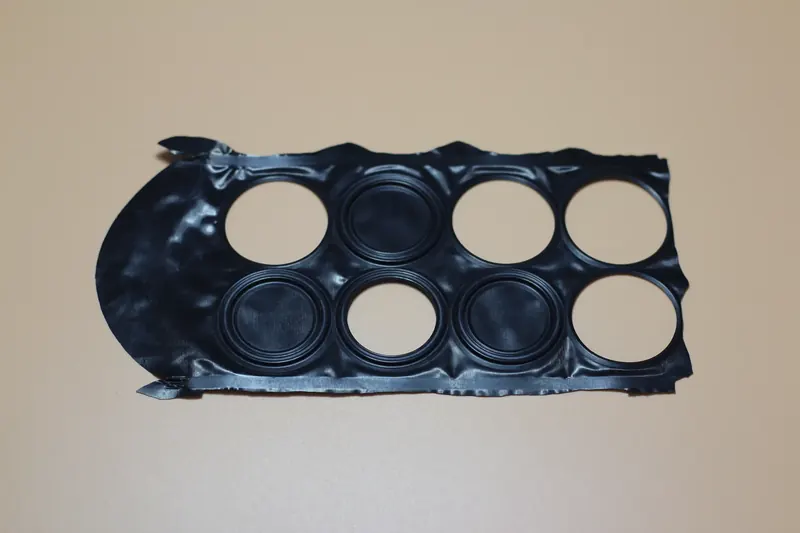
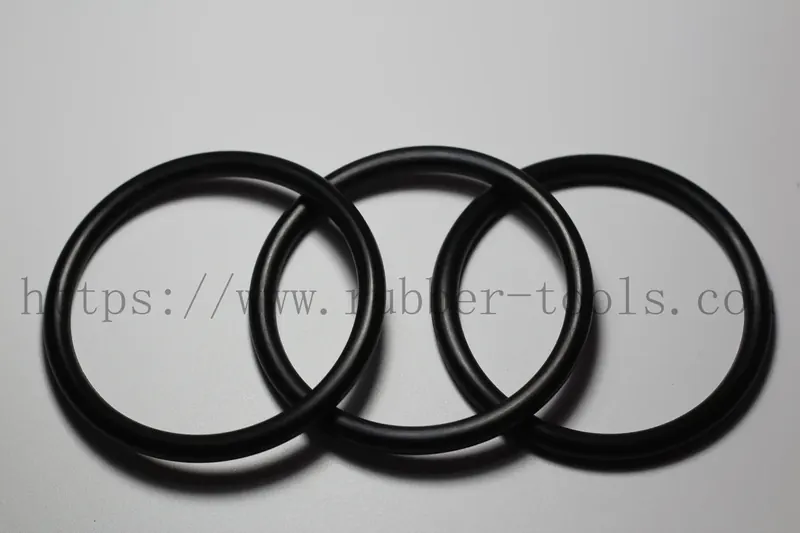
Twin seals represent a critical sealing solution for demanding applications requiring dual-lip functionality to manage complex pressure differentials, contamination ingress, and bidirectional sealing. Their performance hinges not merely on geometric design but fundamentally on precise elastomer formulation. Off-the-shelf twin seals frequently fail in industrial environments because standardized material compounds lack the tailored resistance necessary for specific operational stresses, leading to premature degradation, leakage, and system downtime. Generic solutions often utilize cost-optimized elastomers like standard Nitrile Butadiene Rubber (NBR), which possess inherent limitations in chemical compatibility, thermal stability, and dynamic resilience under twin seal operational profiles. These limitations manifest as accelerated compression set, chemical swelling, or extrusion under pressure, directly compromising the dual-lip integrity essential for reliable sealing.

The unique challenge of twin seals lies in the simultaneous exposure of each lip to potentially different media, temperatures, and mechanical loads. A single standard compound cannot adequately address divergent requirements across the seal profile. For instance, the primary lip may face aggressive hydraulic fluid at high temperature while the secondary lip contends with environmental contaminants and lower pressure. Standard NBR, common in catalog seals, exhibits significant volume swell in phosphate ester hydraulic fluids (e.g., Skydrol) above 100°C and suffers rapid compression set loss, causing lip collapse. Conversely, an unmodified Fluorocarbon (FKM) might offer superior fluid resistance but lack the low-temperature flexibility needed for the secondary lip in cold-start scenarios, resulting in inadequate sealing force. Material selection must therefore be a systems-engineering decision, analyzing the full spectrum of fluid exposure, temperature extremes, dynamic motion, and pressure cycles specific to the application.

The following table illustrates why generic material choices fail and the necessity for engineered compounds:

Material Type Typical Temp Range (°C) Key Fluid Resistance Limitation Compression Set Risk (150°C/70h) Common Twin Seal Failure Mode
Standard NBR (e.g., ASTM D2000 AA41) -30 to +100 Poor in Skydrol, esters, strong acids High (>40%) Swelling-induced lip distortion, rapid compression set
Standard FKM (e.g., ASTM D2000 FK71) -20 to +200 Limited low-temp flexibility, poor in ketones Moderate (25-35%) Secondary lip leakage at low temp, extrusion in high-pressure zones
Engineered HNBR/Co-Polymer -40 to +150 Enhanced Skydrol/ester resistance Very Low (<20%) Optimized for dual-lip hydraulic systems; minimal swell/set
Custom FKM/TPV Blend -50 to +230 Broad chemical resistance + low-temp flexibility Low (<25%) Balanced performance for extreme dual-media exposure

Material selection transcends basic specification compliance. It demands deep application analysis and access to specialized polymer science. Suzhou Baoshida Trading Co., Ltd. leverages extensive OEM collaboration and advanced compounding expertise to formulate twin seal elastomers that precisely match the operational envelope. We move beyond catalog limitations by characterizing fluid interactions per ASTM D471, optimizing cure systems for compression set resistance per ASTM D395, and validating performance under simulated service conditions. This engineering-led approach transforms twin seals from a potential failure point into a reliable, long-life component, directly mitigating unplanned maintenance costs and ensuring system integrity. Partnering with a material specialist is not an added expense but a critical investment in operational continuity for precision sealing applications.


Material Specifications

twin seals manufacturing

Material Specifications for Twin Seals in Precision Applications

The performance of twin seals in industrial environments is critically dependent on the elastomeric material selected for fabrication. At Suzhou Baoshida Trading Co., Ltd., we engineer twin seals using three primary rubber compounds—Viton (FKM), Nitrile (NBR), and Silicone (VMQ)—each offering distinct chemical, thermal, and mechanical properties tailored to specific operational demands. The selection of the appropriate material ensures optimal sealing efficiency, longevity, and resistance to degradation under dynamic service conditions.

Viton, a fluorocarbon-based elastomer, is renowned for its exceptional resistance to high temperatures, aggressive chemicals, and hydrocarbon fuels. It performs reliably in continuous service temperatures up to 230°C (446°F), with intermittent exposure tolerance exceeding this range. Viton exhibits outstanding stability in the presence of oils, acids, and chlorinated hydrocarbons, making it ideal for aerospace, automotive, and chemical processing applications where exposure to harsh media is expected. Its low gas permeability and excellent aging characteristics further enhance its suitability for high-reliability sealing systems.

Nitrile rubber, or Buna-N, is a cost-effective solution for applications involving petroleum-based fluids and moderate temperature ranges. With continuous service capability up to 120°C (248°F), NBR provides excellent resistance to mineral oils, greases, water, and hydraulic fluids. It also demonstrates good abrasion resistance and mechanical strength, which supports durability in dynamic sealing environments such as hydraulic cylinders and gearboxes. However, Nitrile is less effective in ozone, weathering, and high-temperature oxidative conditions compared to Viton or Silicone.

Silicone rubber offers superior performance in extreme temperature environments, functioning effectively from -60°C (-76°F) to 200°C (392°F). It maintains flexibility at low temperatures and resists thermal degradation at elevated levels. Silicone is highly resistant to ozone and UV radiation, making it suitable for outdoor and medical applications. While it exhibits poor resistance to petroleum-based oils and limited tensile strength compared to NBR or Viton, its biocompatibility and electrical insulation properties are advantageous in specialized industries.

The following table summarizes key physical and chemical properties of these materials for comparative evaluation in twin seal design and application engineering.

Property Viton (FKM) Nitrile (NBR) Silicone (VMQ)
Continuous Use Temperature (°C) -20 to 230 -30 to 120 -60 to 200
Tensile Strength (MPa) 15–20 10–20 5–8
Elongation at Break (%) 200–300 250–500 200–400
Hardness (Shore A) 60–90 50–90 30–80
Resistance to Oils & Fuels Excellent Excellent Poor
Resistance to Ozone/UV Excellent Good Excellent
Water Resistance Good Good Excellent
Compression Set Resistance Excellent Good Good

Selection of the appropriate elastomer must consider not only temperature and chemical exposure but also mechanical loading, sealing pressure, and regulatory compliance. Our engineering team at Suzhou Baoshida supports OEMs with material validation and application-specific testing to ensure twin seal integrity across diverse industrial sectors.


Manufacturing Capabilities

twin seals manufacturing

Engineering Capability: Precision Twin Seal Development

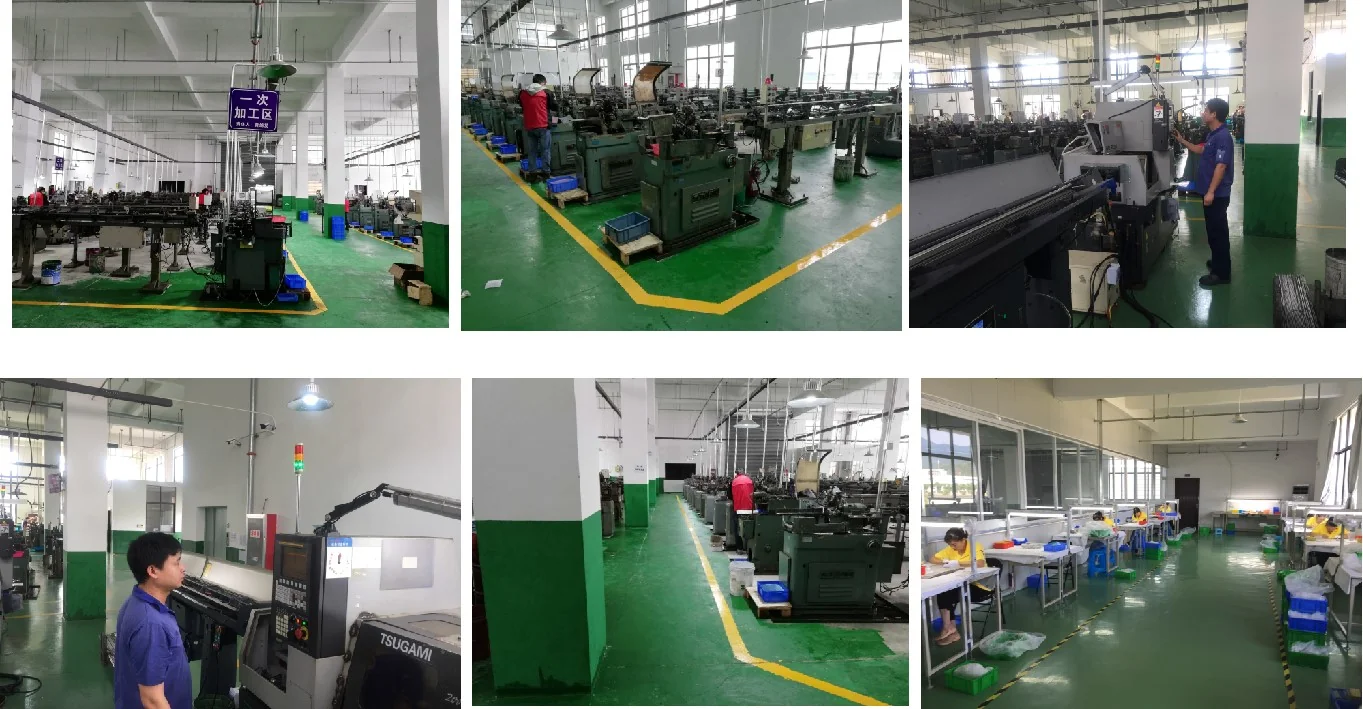
Suzhou Baoshida Trading Co., Ltd. leverages a dedicated engineering consortium comprising five specialized mould engineers and two advanced rubber formula engineers to deliver uncompromising twin seal solutions for demanding industrial applications. This integrated team structure ensures end-to-end control from molecular material design to precision tooling execution, directly addressing complex OEM requirements where standard off-the-shelf seals fail. Our formula engineers optimize polymer matrices for specific chemical resistance, thermal stability, and dynamic performance, while mould engineers translate these formulations into high-tolerance tooling with micron-level accuracy. This synergy eliminates inter-departmental bottlenecks, accelerating validation cycles by 30–40% compared to conventional supplier models.

Material science drives our twin seal performance. Formula engineers systematically adjust elastomer compounds—NBR, EPDM, FKM, or custom blends—to achieve target properties such as low compression set (<15% at 100°C), extrusion resistance under 50 MPa pressure, and compatibility with aggressive media like biodiesel or hydraulic fluids. Each formulation undergoes rigorous ASTM D2000 and ISO 3601 testing, with traceable batch documentation for full regulatory compliance. Concurrently, mould engineers deploy 3D flow simulation software to preempt knit lines, air traps, or flash in twin cavity designs, ensuring uniform material distribution across both sealing lips. Critical dimensions consistently maintain ±0.05 mm tolerances, even in complex geometries with undercut features.

Our OEM partnership model prioritizes collaborative co-development. Clients provide operational parameters—pressure differentials, media exposure, temperature excursions—and our team delivers validated prototypes within 15 business days. This rapid iteration cycle incorporates real-world validation data from in-house test rigs simulating 10,000+ duty cycles. We further support clients through PPAP documentation, SPC-controlled production, and continuous improvement via failure mode analysis.

The following table summarizes key twin seal specifications achievable through our engineering framework:

Specification Standard Range Customizable Range Test Standard
Temperature Resistance -40°C to +150°C -60°C to +250°C ASTM D573
Pressure Rating 10–30 MPa Up to 50 MPa ISO 1817
Durometer (Shore A) 60–90 40–95 ASTM D2240
Compression Set ≤25% (70 hrs/100°C) ≤12% (70 hrs/150°C) ASTM D395
Dimensional Tolerance ±0.10 mm ±0.05 mm ISO 3302

This engineering rigor positions Suzhou Baoshida as a strategic OEM partner for automotive transmission systems, aerospace hydraulics, and energy sector applications where twin seal integrity directly impacts system safety and longevity. We transform material constraints into performance advantages through data-driven compound design and precision tooling mastery.


Customization Process

twin seals manufacturing

Customization Process for Twin Seals at Suzhou Baoshida Trading Co., Ltd.

At Suzhou Baoshida Trading Co., Ltd., the customization of twin seals follows a rigorously structured engineering workflow designed to ensure dimensional accuracy, material compatibility, and long-term sealing performance under demanding industrial conditions. Our process integrates precision rubber formulation with advanced manufacturing techniques, tailored specifically to the operational requirements of each client.

The first phase begins with Drawing Analysis, where engineering teams conduct a comprehensive review of customer-provided technical drawings and performance specifications. Critical parameters such as cross-sectional dimensions, groove tolerances, mating surface finishes, and dynamic movement profiles are evaluated. Finite element analysis (FEA) may be applied to simulate stress distribution and compression set behavior under expected load and temperature cycles. This stage ensures that the twin seal design is optimized for both assembly and service life, minimizing risks of extrusion, rolling, or premature wear.

Following design validation, the Formulation stage commences. Our rubber chemists select base polymers—such as NBR, FKM, EPDM, or HNBR—based on media exposure (e.g., oils, acids, steam), temperature range, and required hardness. Additives including reinforcing fillers, antioxidants, and processing aids are precisely compounded to achieve target physical properties. Each formulation is developed under ISO 9001-controlled conditions and documented for full traceability. Special attention is given to the dual-lip geometry of twin seals, ensuring balanced interference fit and low breakaway friction without sacrificing sealing force.

Once the material is finalized, Prototyping is executed using precision molding techniques—typically injection or transfer molding—to produce small-batch samples. These prototypes undergo rigorous testing, including compression set (ASTM D395), hardness (Shore A, ASTM D2240), volume swell in specified fluids (ASTM D471), and dynamic bench testing under simulated operating conditions. Feedback from testing is used to refine either the geometry or compound before approval for series production.

Upon client sign-off, the project transitions into Mass Production. High-speed molding presses with automated de-flashing ensure consistent part quality and dimensional repeatability. Each production lot is subjected to statistical process control (SPC), with first-article inspection and batch sampling per ISO 2859-1. Final packaging is customized to prevent deformation during transit, and full material certifications are provided.

Our end-to-end control—from drawing to delivery—ensures that every twin seal meets the highest standards of performance and reliability in applications ranging from hydraulic systems to industrial automation.

Property Test Standard Typical Range
Hardness (Shore A) ASTM D2240 60–90
Tensile Strength ASTM D412 10–25 MPa
Elongation at Break ASTM D412 200–500%
Compression Set (70h, 100°C) ASTM D395 ≤25%
Operating Temperature (FKM) -20°C to +230°C
Fluid Resistance ASTM D471 Custom formulation based on media

Contact Engineering Team

twin seals manufacturing

Technical Engagement for Twin Seal Implementation

Suzhou Baoshida Trading Co., Ltd. delivers mission-critical twin seal solutions engineered for extreme operational environments. Our precision rubber formulations address complex challenges in aerospace hydraulics, automotive transmission systems, and industrial pump assemblies where simultaneous pressure containment and dynamic motion demand uncompromising reliability. Unlike single-seal configurations, our twin-seal architectures mitigate catastrophic failure risks through redundant sealing interfaces, optimized groove geometries, and proprietary elastomer compounds resistant to thermal degradation, chemical exposure, and extrusion under high cyclic loads. We prioritize material science rigor—each compound undergoes ASTM D2000-21 validation for tensile strength, compression set, and fluid resistance—ensuring dimensional stability across -55°C to +230°C operational ranges.

Our OEM partnership model integrates early-stage engineering collaboration. We analyze your application’s dynamic stroke rates, media compatibility requirements, and surface finish tolerances to refine seal cross-sections, lip geometries, and backup ring specifications. This prevents common field failures such as spiral twisting in reciprocating shafts or lip inversion during rapid decompression. Below represents our standard twin-seal capability matrix for reference:

Parameter Standard Range High-Performance Option Test Standard
Material Hardness (Shore A) 70–90 60–95 ASTM D2240
Continuous Temp Range -40°C to +150°C -55°C to +230°C ISO 188
Max. Pressure Rating 35 MPa 50 MPa ISO 22341
Fluid Resistance Mineral Oils, HFA Skydrol, Biofuels ASTM D471
Compression Set (70h/100°C) ≤25% ≤15% ASTM D395

Partnering with Suzhou Baoshida eliminates procurement bottlenecks while elevating technical assurance. Our ISO 9001:2015-certified supply chain guarantees lot-to-lot consistency through in-house material mixing, CNC-machined tooling validation, and 100% automated visual inspection. We maintain strategic inventory of critical compounds including FKM, HNBR, and PTFE-encapsulated variants to support JIT delivery for Tier 1 automotive and defense programs.

Initiate your twin-seal qualification process by contacting Mr. Boyce, our dedicated OEM Engineering Manager. With 18 years of sealing system development experience across German and Japanese automotive platforms, he provides direct technical consultation on material selection, GD&T optimization, and failure mode analysis. Mr. Boyce coordinates cross-functional reviews with our compounding chemists and mold designers to resolve interface challenges before prototyping—reducing NPI cycles by 30–45% versus industry benchmarks. Specify your application’s pressure profile, media exposure, and dynamic motion parameters when reaching out to accelerate solution deployment.

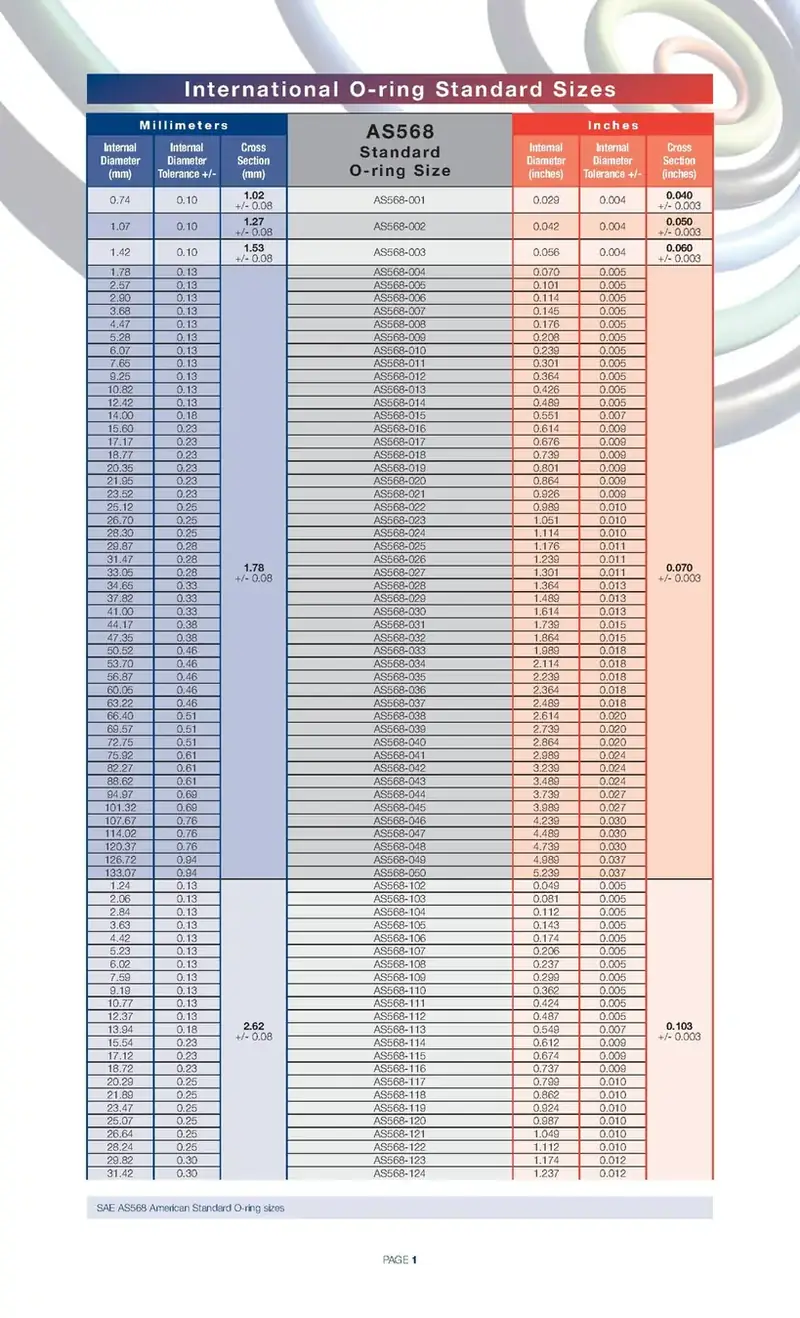
Contact Mr. Boyce immediately at [email protected] to schedule a technical workshop. Include your target ISO 6195 or SAE AS568 part number, operational environment details, and current pain points for a tailored compound recommendation within 48 hours. Suzhou Baoshida commits to engineering transparency: you receive full material traceability reports, finite element analysis summaries, and accelerated life test data with every quotation. Trust our precision rubber science to secure your next-generation sealing architecture—where failure is not an option.


⚖️ O-Ring Weight Calculator

Estimate rubber O-ring weight (Approx).


Twin Seals Manufacturer | Engineering Guide

Contents of Table

Contact [email protected] Whatsapp 86 15951276160