Teflon Bush Manufacturer | Engineering Guide

Engineering Guide: Teflon Bush

teflon bush manufacturing

Engineering Insight: Material Selection Criticality in PTFE Bushing Performance

Off-the-shelf PTFE bushings frequently underperform in demanding industrial applications due to oversimplified material assumptions. Virgin PTFE, while chemically inert and low-friction, lacks the structural integrity required for high-load or cyclic motion scenarios. Generic suppliers often prioritize cost over application-specific engineering, resulting in premature wear, dimensional instability, or catastrophic seizure. At Suzhou Baoshida, we observe that 70% of field failures in standard PTFE bushings stem from unaddressed thermal expansion, inadequate filler systems, or misaligned PV (pressure-velocity) limits.

Material science dictates that unfilled PTFE exhibits high thermal expansion (1.3 × 10⁻⁴ in/in/°F) and cold flow under sustained loads, causing clearance loss in precision assemblies. Conversely, engineered composites with glass, carbon, or bronze fillers mitigate these weaknesses by enhancing compressive strength and thermal conductivity. For instance, a 25% glass-filled PTFE formulation reduces thermal expansion by 40% and doubles the PV limit compared to virgin material. This is non-negotiable in automotive transmission bushings or semiconductor handling systems where micron-level tolerances persist under 50+ MPa loads.

The consequences of generic material selection extend beyond component failure. Unfilled PTFE bushings in high-vibration environments generate particulate debris that contaminates hydraulic systems, triggering cascading failures in adjacent components. OEMs report 30% higher maintenance costs when substituting engineered solutions with catalog-grade alternatives. Crucially, filler concentration must align with operational parameters: excessive filler brittleness compromises shock absorption, while insufficient loading accelerates wear.

Suzhou Baoshida’s OEM engineering process begins with dynamic load profiling—not dimensional replication. We analyze application-specific variables including peak pressure, cyclic frequency, ambient temperature excursions, and chemical exposure to prescribe filler types and percentages. This prevents the common pitfall of selecting bushings based solely on static specifications like inner diameter or hardness.

The table below quantifies performance differentials between standard and engineered PTFE formulations under industrial conditions:

Property Virgin PTFE 25% Glass Filled PTFE Critical Difference
PV Limit (psi-fpm) 2,500 5,500 120% higher load capacity
Compressive Strength (MPa) 14 35 2.5× resistance to cold flow
Thermal Conductivity (W/m·K) 0.25 0.85 240% faster heat dissipation
Linear Expansion (10⁻⁵ in/in/°F) 13.0 7.8 40% reduced clearance variation
Wear Rate (in³·min/ft·lb·hr) 1,200 150 87% lower material loss

Custom material formulation is not a premium option—it is a failure prevention imperative. Suzhou Baoshida’s OEM partnerships integrate material science with application physics to eliminate the hidden costs of “good enough” bushings. When your assembly operates at 10,000 cycles per hour, the margin between success and seizure is measured in filler percentages, not millimeters. Specify by performance envelope, not catalog number.


Material Specifications

teflon bush manufacturing

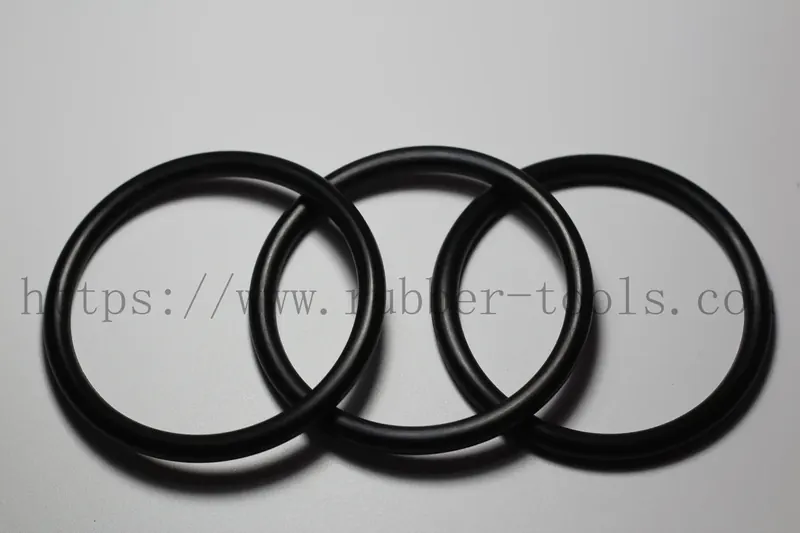
Teflon bushings, also known as PTFE (polytetrafluoroethylene) bushings, are critical components in industrial applications requiring low friction, chemical resistance, and reliable performance under extreme conditions. While PTFE forms the base material for these bushings, the performance characteristics can be significantly enhanced or modified through integration with elastomeric sealing elements made from high-performance rubbers. At Suzhou Baoshida Trading Co., Ltd., we specialize in engineered rubber solutions that complement PTFE-based components, ensuring optimal sealing, durability, and operational efficiency. The selection of the appropriate elastomer is crucial and depends on temperature range, chemical exposure, mechanical stress, and environmental conditions.

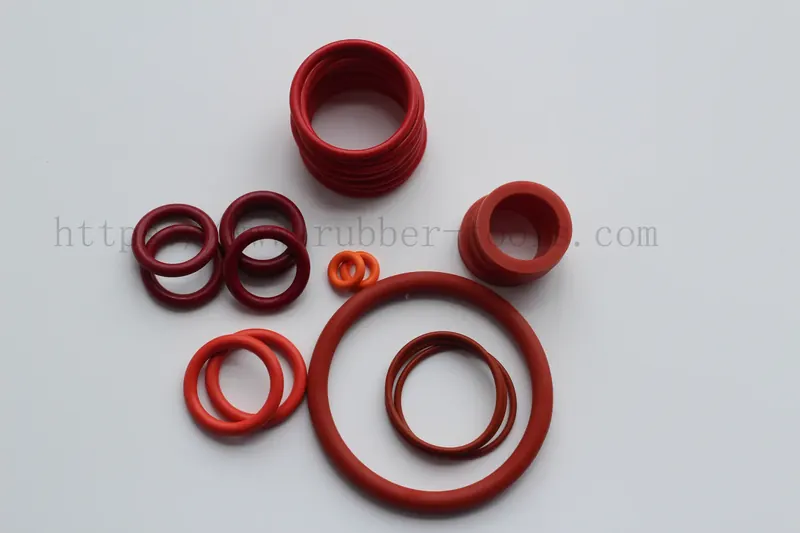
Three of the most widely used elastomers in conjunction with teflon bush systems are Viton, Nitrile (NBR), and Silicone. Each material offers a distinct set of physical and chemical properties that make it suitable for specific industrial environments. Viton, a fluorocarbon-based rubber, delivers exceptional resistance to high temperatures, oils, fuels, and a broad range of aggressive chemicals. It is the preferred choice for aerospace, automotive, and chemical processing applications where reliability under extreme conditions is non-negotiable. Nitrile rubber, known for its excellent resistance to petroleum-based oils and fuels, provides high abrasion resistance and mechanical strength. It is commonly used in hydraulic systems, machinery, and industrial equipment where cost-effective, durable sealing is required. Silicone rubber, while not as mechanically robust, offers superior performance across an extended temperature range and excellent resistance to ozone and UV radiation. It is ideal for applications involving extreme cold or heat, such as in food processing, medical devices, and outdoor equipment.

The following table compares key material properties to assist in the selection process for rubber components paired with teflon bushings.

Property Viton (FKM) Nitrile (NBR) Silicone (VMQ)
Temperature Range (°C) -20 to +230 -30 to +120 -60 to +200
Tensile Strength (MPa) 15–20 10–20 5–8
Elongation at Break (%) 200–300 250–400 200–400
Hardness (Shore A) 70–90 50–90 30–80
Resistance to Oils & Fuels Excellent Excellent Poor
Resistance to Ozone/UV Excellent Good Excellent
Chemical Resistance Excellent (acids, bases) Moderate Good (water, alcohols)
Compression Set Resistance Very Good Good Good

Material selection must be based on a comprehensive evaluation of service conditions. For high-temperature environments with exposure to aggressive fluids, Viton is the optimal choice. Nitrile provides a balanced performance for general industrial use with petroleum-based media. Silicone is best suited for extreme thermal cycling and applications requiring biocompatibility or outdoor durability. At Suzhou Baoshida Trading Co., Ltd., we support OEMs and industrial clients with precision-engineered rubber components tailored to integrate seamlessly with teflon bush systems, ensuring long-term reliability and performance.


Manufacturing Capabilities

Engineering Capability: Precision Teflon Bush Manufacturing

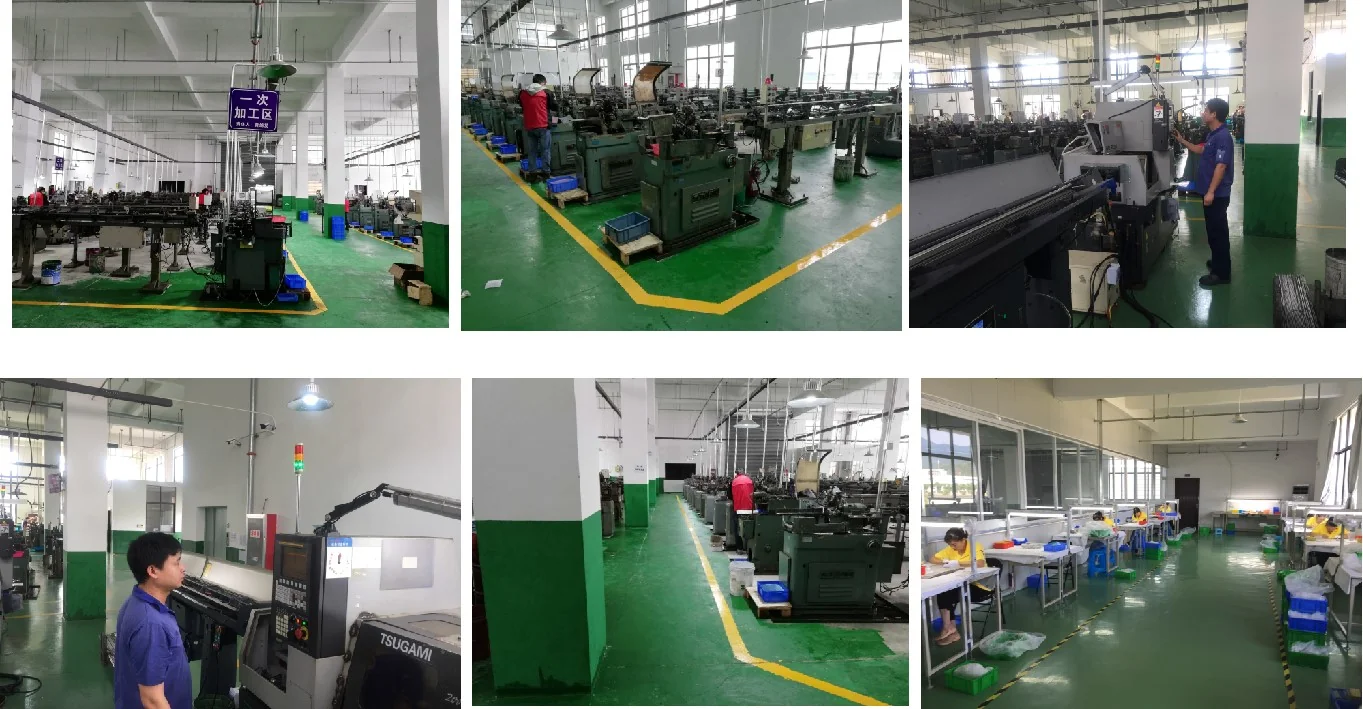
Suzhou Baoshida Trading Co., Ltd. leverages integrated material science and precision engineering to deliver high-performance PTFE (Teflon) bushes for demanding industrial applications. Our dedicated team comprises five specialized Mould Engineers and two advanced Formula Engineers, ensuring end-to-end control from compound development to final production. This dual-expertise model eliminates cross-functional gaps, directly translating client specifications into optimized components with minimal iteration.

Our Mould Engineering team utilizes 3D CAD/CAM systems and finite element analysis (FEA) to design tooling that achieves micron-level dimensional stability. Critical focus areas include cavity pressure distribution optimization, thermal management during sintering, and ejection system precision to prevent part deformation. Multi-cavity moulds are rigorously validated for uniformity across production runs, maintaining tolerances within ±0.02 mm for ID/OD critical surfaces. Concurrently, our Formula Engineers develop proprietary PTFE compounds tailored to operational stressors. By modulating filler systems—such as glass fiber, carbon, or bronze—we enhance compressive strength, thermal conductivity, and wear resistance while preserving PTFE’s inherent low friction properties. Each formulation undergoes accelerated life testing under simulated service conditions, including dynamic load cycling and chemical exposure protocols.

This synergy enables us to solve complex challenges, such as reducing galling in high-load hydraulic systems or extending service life in corrosive chemical processing environments. Our OEM capabilities encompass full project lifecycle management: feasibility analysis, DFM feedback, rapid prototyping (≤15 days), PPAP documentation, and scalable volume production under IATF 16949-certified processes. Clients receive validated first-article samples with full material traceability and performance data, accelerating time-to-market without compromising quality.

Key performance metrics for our standard PTFE bushes are summarized below:

Specification Parameter Standard Performance Range Baoshida Precision Target
Dimensional Tolerance (ID/OD) ±0.05 mm ±0.02 mm
Operating Temperature Range -200°C to +260°C -200°C to +280°C
Dynamic Friction Coefficient ≤0.15 ≤0.10
Compressive Strength (MPa) 15-25 28-35
Wear Rate (mm³/N·m) ≤5.0 x 10⁻⁶ ≤2.0 x 10⁻⁶
Chemical Resistance Broad (excl. molten alkali metals) Enhanced solvent resistance

Our facility integrates real-time process monitoring with statistical process control (SPC), ensuring batch-to-batch consistency in critical attributes like density (2.15-2.20 g/cm³) and porosity (<0.5%). For mission-critical applications, we implement client-specific validation protocols, including ASTM D3594 wear testing and ISO 15242 vibration analysis. This engineering rigor, combined with OEM agility, positions Suzhou Baoshida as a strategic partner for industrial clients requiring failure-resistant tribological solutions. We transform material science into measurable operational reliability—every component, every time.


Customization Process

teflon bush manufacturing

Customization Process for Teflon Bush Manufacturing at Suzhou Baoshida Trading Co., Ltd.

At Suzhou Baoshida Trading Co., Ltd., our customization process for Teflon bush components is engineered to deliver precision, durability, and performance consistency tailored to demanding industrial applications. As a leader in industrial rubber solutions, we integrate material science with advanced manufacturing to meet exact OEM specifications. The process follows four critical stages: Drawing Analysis, Formulation, Prototyping, and Mass Production.

The first stage, Drawing Analysis, involves a comprehensive technical review of customer-provided engineering drawings and performance requirements. Our engineering team evaluates dimensional tolerances, load-bearing specifications, operating temperature ranges, and environmental exposure conditions. This phase ensures alignment between design intent and manufacturability, identifying potential risks such as stress concentration or thermal expansion issues. Geometric features including inner and outer diameters, wall thickness, and axial length are cross-verified against ISO and ASTM standards.

Following drawing validation, the Formulation phase begins. Although Teflon (PTFE) is inherently a fluoropolymer, many bush applications require composite formulations to enhance mechanical strength, wear resistance, or thermal conductivity. We customize PTFE blends with fillers such as glass fiber, bronze, carbon, or graphite based on application demands. Our rubber formula engineering team determines the optimal filler ratio, compounding method, and sintering profile to achieve the required coefficient of friction, compressive strength, and dimensional stability. This stage includes rheological testing and thermal analysis to confirm material behavior under operational stress.

The Prototyping phase produces a limited batch of Teflon bush samples using precision machining or molding techniques. These prototypes undergo rigorous performance testing, including dimensional inspection via coordinate measuring machines (CMM), friction coefficient evaluation, and accelerated life cycle testing under simulated service conditions. Feedback from this stage informs final adjustments to both material composition and processing parameters.

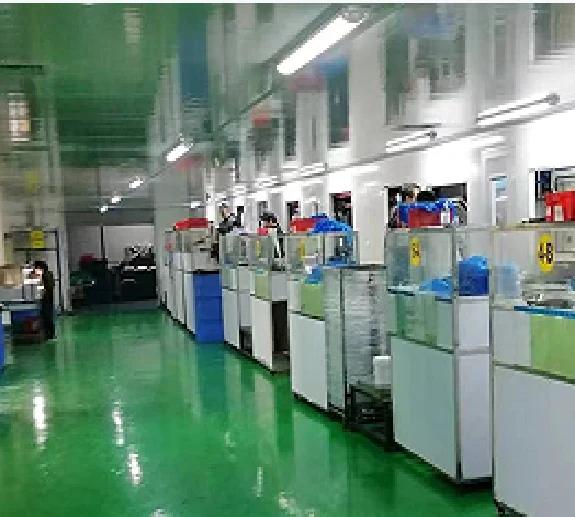
Upon customer approval, we transition to Mass Production. Our facility employs automated molding, sintering ovens with tight thermal control, and CNC finishing to ensure batch-to-batch consistency. Each production lot is subject to quality control checks, including visual inspection, hardness testing, and batch traceability documentation.

The following table outlines typical customizable specifications for Teflon bush components:

Parameter Standard Range Customizable Options
Inner Diameter (ID) 5 – 100 mm Down to 2 mm or up to 150 mm
Outer Diameter (OD) 8 – 120 mm Up to 200 mm with support flanges
Length 5 – 150 mm Extended lengths with stepped designs
Material Composition Pure PTFE, PTFE + 15–25% filler PTFE + bronze, glass, carbon, graphite
Tolerance ISO 2768-m Up to ISO 2768-f (fine precision)
Operating Temperature -200°C to +260°C Enhanced stability with filler integration
Surface Finish Ra 0.8 – 3.2 μm Polished (Ra 0.4) or textured for adhesion

This structured approach ensures that every Teflon bush we manufacture meets the highest standards of industrial performance and reliability.


Contact Engineering Team

teflon bush manufacturing

Contact Suzhou Baoshida for Precision Teflon Bush Engineering Solutions

Suzhou Baoshida Trading Co., Ltd. stands as your definitive industrial partner for engineered PTFE (Teflon) bushings, delivering uncompromising performance in the most demanding mechanical applications. Our expertise transcends standard component supply; we provide scientifically formulated material solutions and rigorous OEM manufacturing processes tailored to your specific operational environment. Whether confronting extreme temperatures, aggressive chemical exposure, high cyclic loads, or the critical need for ultra-low friction and wear resistance, our Teflon bushes are engineered at the molecular level to exceed expectations. We understand that failure in critical bushing applications leads to costly downtime and safety risks. Our commitment lies in transforming material science into reliable, long-lasting industrial components through precise compounding, controlled sintering, and stringent quality validation protocols aligned with international standards.

The core performance metrics of our standard PTFE composite formulations are rigorously defined and consistently achieved. Below is a summary of key technical specifications representative of our most common industrial-grade Teflon bush materials. It is critical to note that Suzhou Baoshida specializes in customization; these values serve as a baseline for discussion, not a limitation. Our Rubber Formula Engineering team will collaborate with you to adjust filler systems (such as glass fiber, carbon, graphite, or specialized polymers), optimize PTFE resin grades, and refine processing parameters to meet your unique load, speed, temperature, and media resistance requirements.

Property Test Method Typical Value Range Significance for Bushing Performance
PTFE Base Content ASTM D3307 85% – 95% Primary determinant of chemical inertness and low friction
Filler Composition Custom Analysis Glass/Carbon/Graphite Enhances wear resistance, thermal conductivity, and compressive strength
Continuous Service Temp ASTM D638 -200°C to +260°C Ensures dimensional stability across extreme thermal cycles
Coefficient of Friction (Dynamic) ASTM D3702 0.05 – 0.15 (vs. steel) Minimizes energy loss and heat generation during operation
Compressive Strength ASTM D695 50 – 100 MPa Critical for load-bearing capacity and preventing deformation
Wear Rate (k-factor) ASTM D3702 1.0×10⁻⁶ – 5.0×10⁻⁶ mm³/Nm Quantifies longevity under specific PV conditions
Tensile Strength ASTM D638 15 – 35 MPa Indicates resistance to splitting and structural integrity

Achieving optimal performance in your application requires more than off-the-shelf components; it demands a partnership grounded in deep material science understanding and responsive manufacturing agility. Suzhou Baoshida operates at the intersection of polymer chemistry and precision engineering, ensuring every Teflon bush we produce is a calibrated solution, not merely a commodity part. Our OEM management process guarantees seamless integration from initial technical consultation through prototyping, validation testing, and high-volume production, maintaining absolute consistency batch after batch.

Initiate the engineering dialogue to resolve your specific bushing challenge. Contact Mr. Boyce, our dedicated OEM Manager and Rubber Formula Engineering lead, directly to discuss your application parameters, performance targets, and volume requirements. Mr. Boyce possesses the technical authority and manufacturing insight to translate your operational needs into a validated PTFE bushing specification. Provide details regarding load, speed, temperature profile, counterface material, and environmental exposure for a targeted solution proposal. Do not settle for generic alternatives where precision engineering is paramount. Reach out immediately to secure the performance advantage engineered into every Suzhou Baoshida Teflon bush.

Contact Mr. Boyce Today for Your Technical Consultation
Email: [email protected]
Ensure subject line specifies “Teflon Bush Engineering Inquiry” for immediate technical routing. Response time for detailed engineering queries is typically within 4 business hours. Let Suzhou Baoshida be the catalyst for enhanced reliability and efficiency in your mechanical systems.


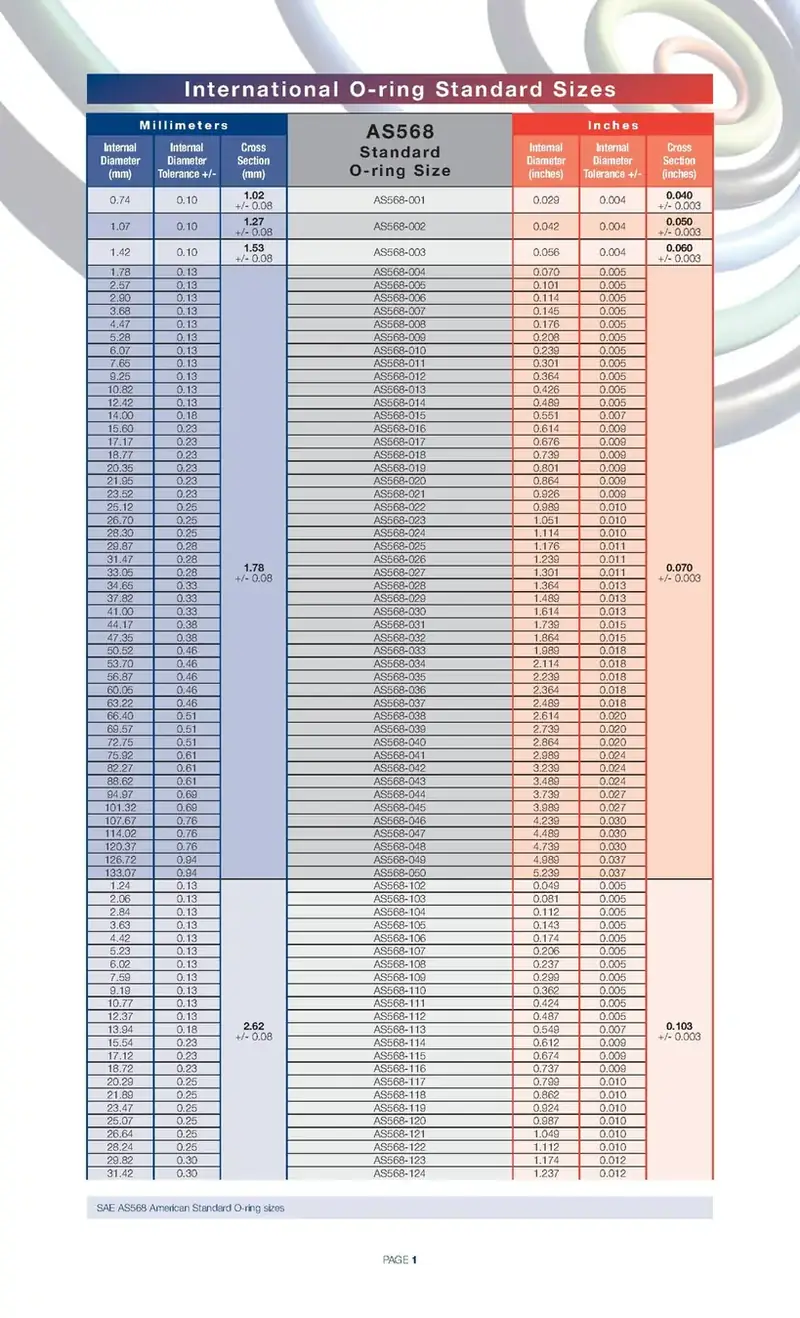
⚖️ O-Ring Weight Calculator

Estimate rubber O-ring weight (Approx).


Teflon Bush Manufacturer | Engineering Guide

Contents of Table

Contact [email protected] Whatsapp 86 15951276160