Wva Foam Manufacturer | Engineering Guide

Engineering Guide: Wva Foam

wva foam manufacturing

Engineering Insight: Material Selection Imperatives for WVA Foam Applications

Material selection for Water Vapor Absorbent (WVA) foam is not a procurement exercise but a foundational engineering decision with direct consequences for product lifecycle integrity. Generic closed-cell elastomeric foams marketed as substitutes frequently fail under operational conditions due to fundamental mismatches in molecular architecture and performance parameters. Off-the-shelf solutions prioritize cost reduction over functional specificity, neglecting the precise equilibrium required between vapor absorption kinetics, structural resilience, and environmental stability inherent to true WVA formulations. This oversight manifests as premature degradation in critical applications such as automotive HVAC seals, medical device gaskets, and precision electronics enclosures where uncontrolled moisture ingress or inconsistent vapor buffering directly compromises safety and functionality.

The core failure mechanism lies in inadequate polymer crosslink density and filler dispersion. Standard EPDM or silicone foams lack the tailored hydrophilic domains necessary for controlled, reversible water vapor uptake. Instead, they exhibit uncontrolled swelling under humidity cycles, leading to irreversible compression set loss exceeding 40% after 500 hours at 70°C and 95% RH. This dimensional instability breaches sealing interfaces, allowing contaminant penetration. Concurrently, insufficient hydrolysis resistance in conventional formulations accelerates chain scission when exposed to ambient moisture, reducing tensile strength by 30-50% within 1,000 operational hours. Such failures are not偶然 but predictable outcomes of using materials未经 designed for the specific vapor management physics governing WVA functionality.

Suzhou Baoshida’s engineered WVA compounds address these failure vectors through co-network polymer design and nano-silica reinforcement. Our formulations maintain structural integrity while enabling precise vapor diffusion rates, validated through accelerated aging protocols mirroring real-world duty cycles. The following comparative analysis quantifies performance gaps between generic foams and purpose-built WVA solutions:

Critical Parameter Generic Closed-Cell Foam Baoshida Engineered WVA Foam Test Standard
Water Absorption Rate 15.2% ± 2.1 3.8% ± 0.7 ASTM D570
Compression Set (70°C/22h) 42.5% ± 5.3 12.1% ± 1.9 ASTM D395 Method B
Hydrolysis Resistance (ΔTS) -47.3% ± 6.8 -8.2% ± 2.1 ISO 188 + 95% RH
Dimensional Stability (ΔL) 0.85 mm ± 0.12 0.18 mm ± 0.04 ISO 188/70°C/168h

These metrics underscore why standardized foam solutions cannot meet WVA functional requirements. The absorption rate disparity alone indicates generic materials lack controlled sorption pathways, leading to erratic swelling behavior. Similarly, the hydrolysis resistance differential confirms molecular vulnerability to ambient moisture—a fatal flaw in humidity-critical applications. Compression set values directly correlate with seal retention failure in dynamic assemblies.

OEMs selecting non-specialized foams inevitably face field failures, warranty liabilities, and reputational damage. True WVA performance demands materials engineered at the molecular level for vapor management physics, not merely dimensional replication. Suzhou Baoshida’s formulation science delivers this precision, transforming vapor absorption from a failure vector into a controlled engineering function. Customization is not optional—it is the technical prerequisite for operational reliability in demanding environments.


Material Specifications

wva foam manufacturing

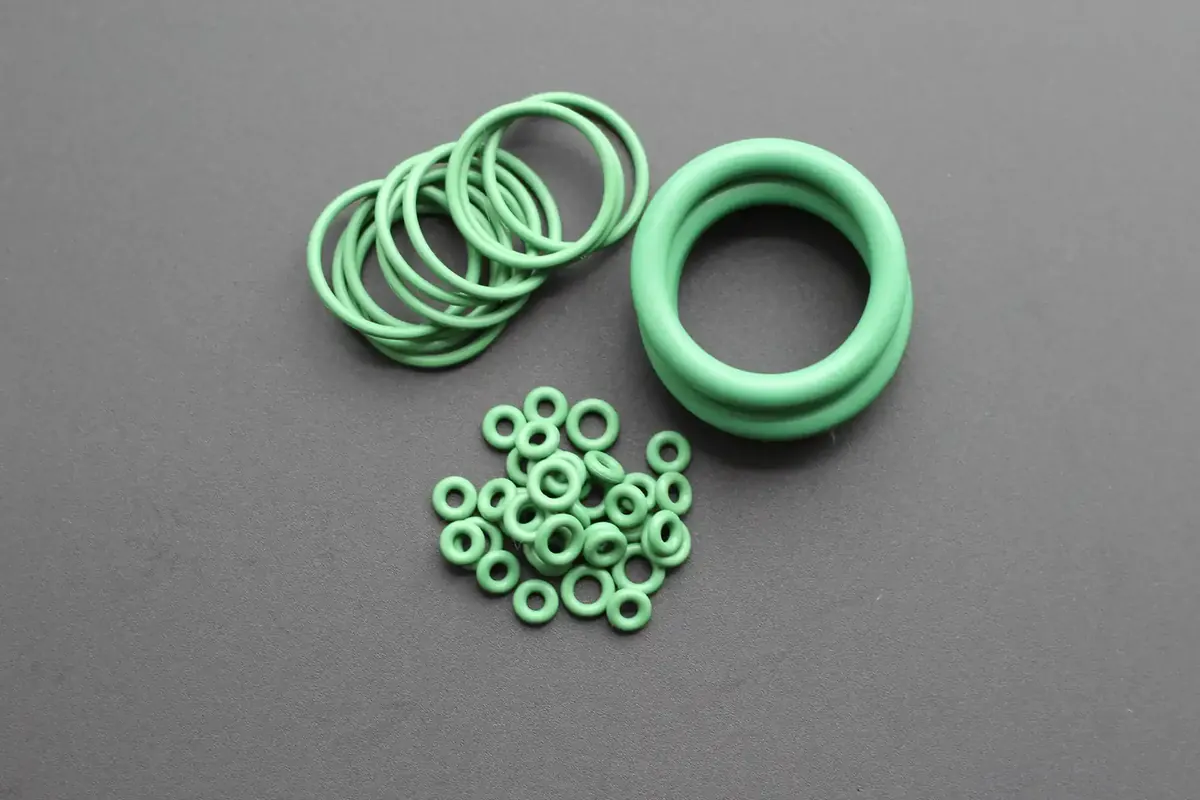
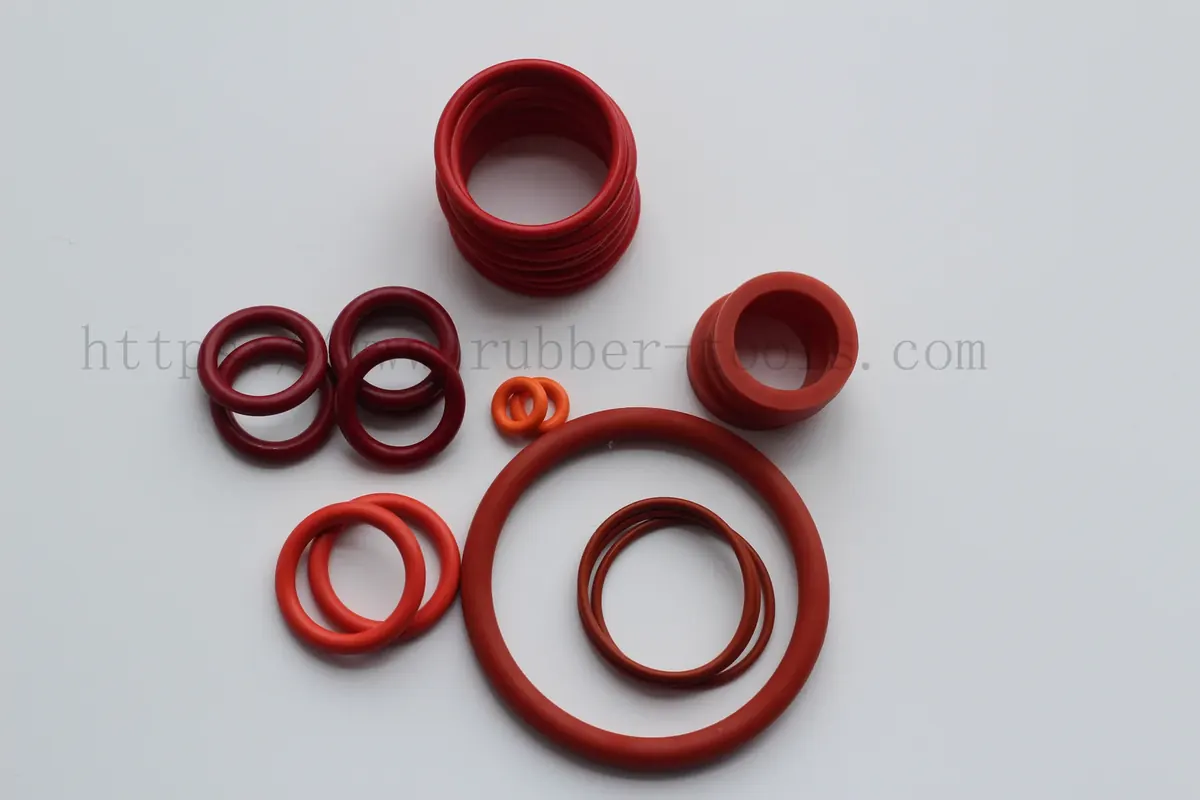
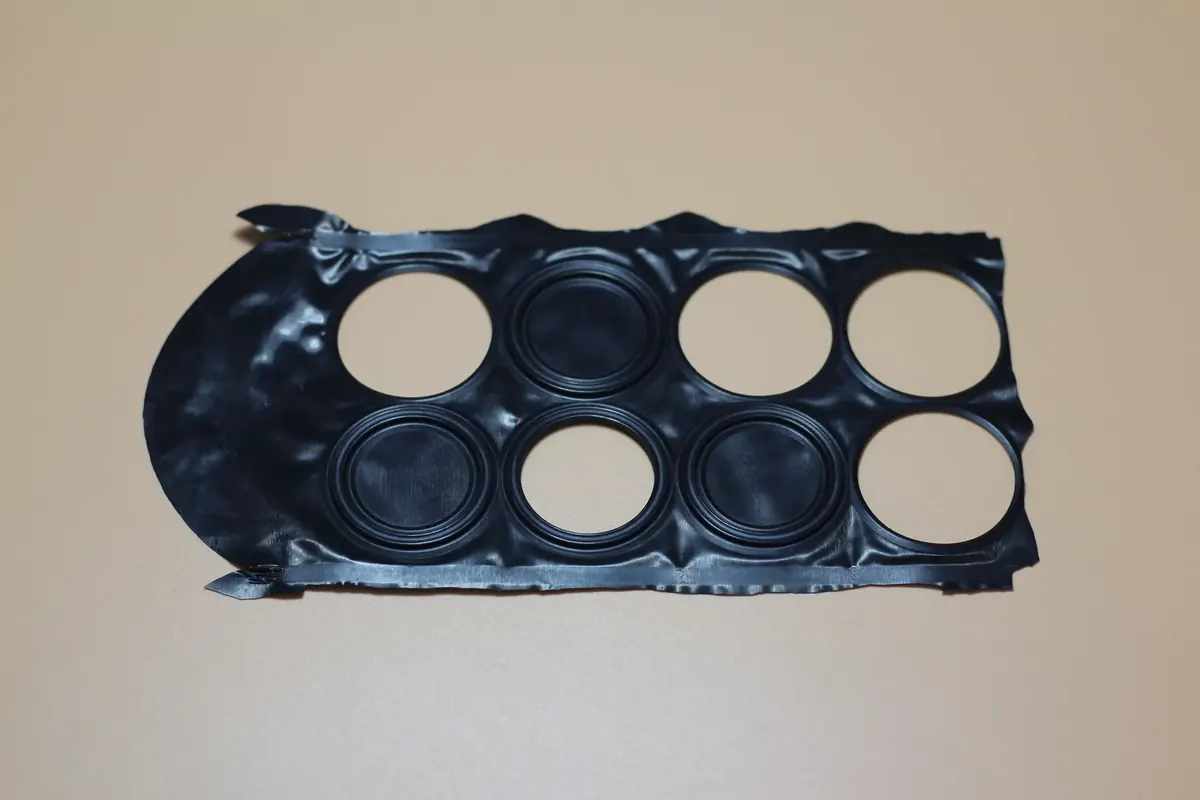
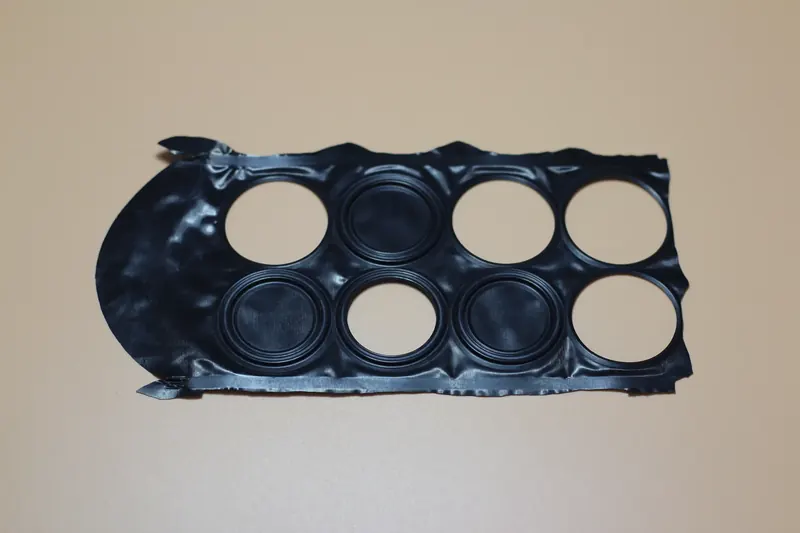
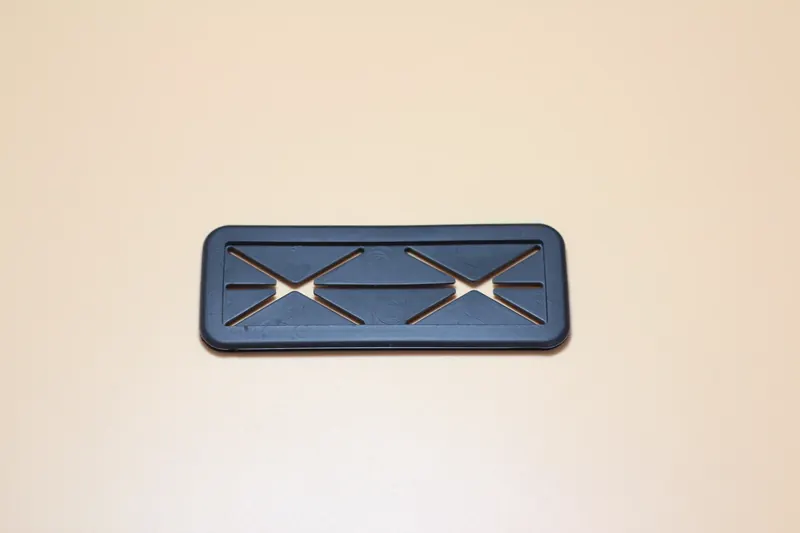
WVA foam, a specialized closed-cell rubber material, is engineered for high-performance sealing, insulation, and vibration damping in demanding industrial applications. At Suzhou Baoshida Trading Co., Ltd., we supply WVA foam products manufactured with precision-compounded elastomers, primarily Viton (FKM), Nitrile (NBR), and Silicone (VMQ). Each material variant offers distinct chemical, thermal, and mechanical properties, enabling optimal selection based on operational environment. These foams are widely used in automotive, aerospace, electronics, and industrial equipment sectors where resistance to extreme conditions is critical.

Viton-based WVA foam delivers exceptional performance in high-temperature environments, with continuous service capability up to 200°C and short-term exposure resistance to 250°C. It exhibits superior resistance to oils, fuels, acids, and many industrial chemicals, making it ideal for under-hood automotive components, fuel system seals, and chemical processing gaskets. The inherent stability of FKM ensures long-term durability even in aggressive media, though it carries a higher material cost compared to alternatives.

Nitrile WVA foam provides an excellent balance of oil resistance, mechanical strength, and cost-effectiveness. It operates reliably within a temperature range of -30°C to 100°C, with peak performance in applications involving hydrocarbon-based fluids such as mineral oils, greases, and fuels. Due to its robust abrasion resistance and compression set characteristics, NBR-based WVA foam is frequently selected for dynamic sealing applications, machinery insulation, and industrial gasketing where moderate thermal stability is required.

Silicone WVA foam excels in extreme temperature applications, functioning effectively from -60°C to 200°C. It offers outstanding UV and ozone resistance, maintaining integrity under prolonged outdoor exposure. While it demonstrates lower mechanical strength compared to Viton and Nitrile, its flexibility at low temperatures and excellent electrical insulation properties make it suitable for electronic enclosures, architectural sealing, and cold-weather applications. Silicone foam also meets stringent flame, smoke, and toxicity (FST) requirements, supporting use in transit and aerospace environments.

Selection of the appropriate WVA foam material depends on a comprehensive evaluation of thermal exposure, chemical environment, mechanical loading, and regulatory standards. Suzhou Baoshida Trading Co., Ltd. ensures all WVA foam products meet ISO 9001 quality management standards, with batch traceability and customizable density, hardness, and thickness profiles.

The following table summarizes key performance characteristics of the three primary elastomer types used in WVA foam manufacturing:

Property Viton (FKM) Nitrile (NBR) Silicone (VMQ)
Temperature Range (°C) -20 to 200 -30 to 100 -60 to 200
Fuel/Oil Resistance Excellent Very Good Poor to Fair
Compression Set Resistance Excellent Good Moderate
Abrasion Resistance Very Good Excellent Fair
UV/Ozone Resistance Excellent Good Excellent
Electrical Insulation Good Fair Excellent
Typical Density Range (kg/m³) 300–600 350–550 250–450
Hardness Range (Shore A) 40–80 45–75 30–60

Manufacturing Capabilities

wva foam manufacturing

Engineering Excellence in WVA Foam Manufacturing

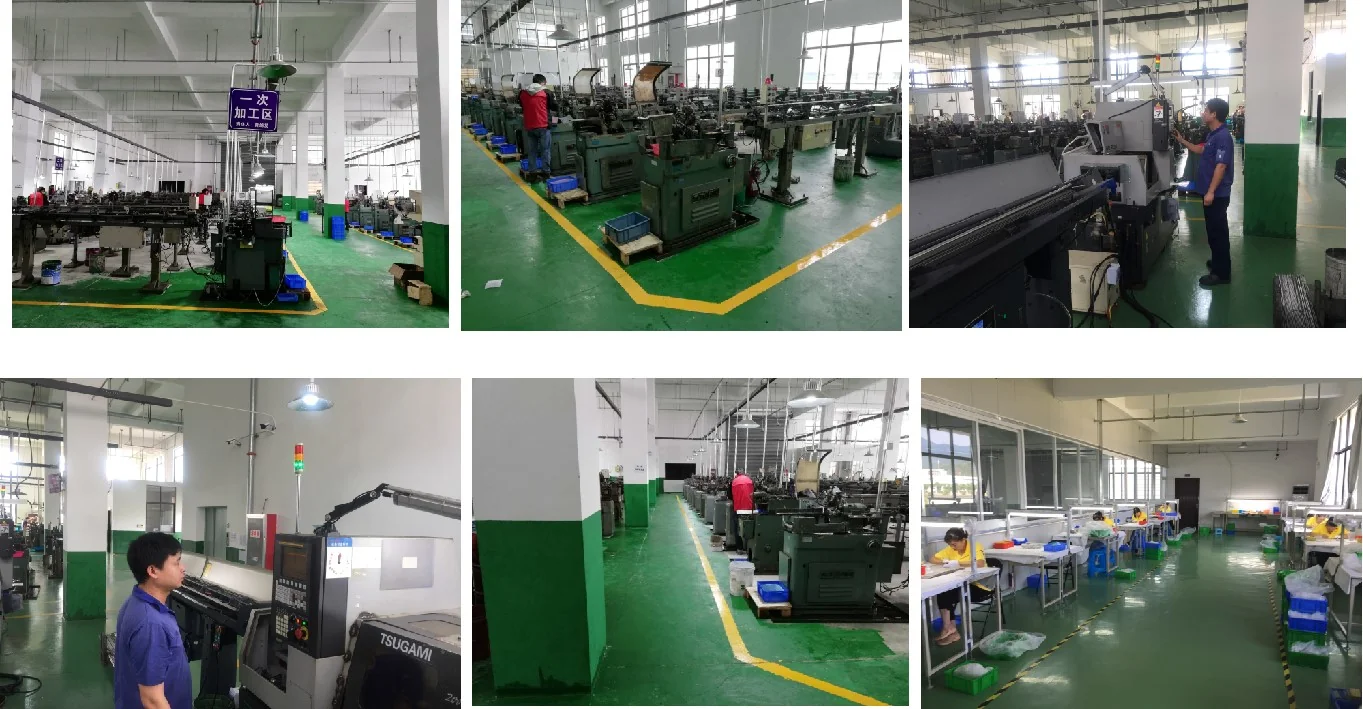
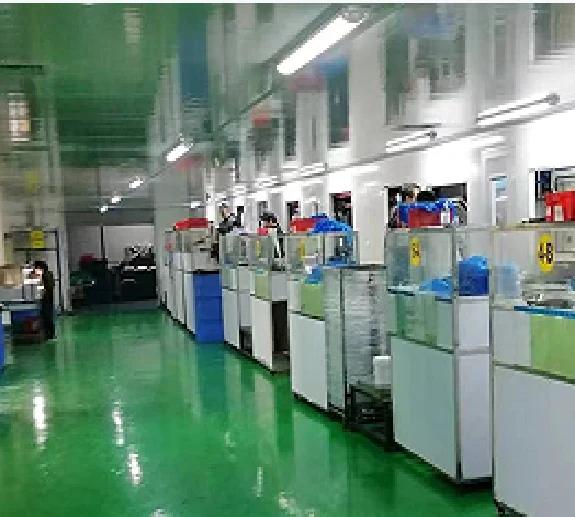
Suzhou Baoshida Trading Co., Ltd. leverages deep technical expertise to deliver precision-engineered WVA (Water Vapor Absorption) foam solutions for demanding industrial applications. Our core strength lies in the integrated collaboration between dedicated Formula Engineering and Mold Engineering teams, ensuring material science and manufacturing precision converge to meet exacting OEM specifications. With five specialized Mold Engineers and two advanced Formula Engineers, we control every variable from polymer chemistry to final part geometry, eliminating the guesswork inherent in commodity foam production.

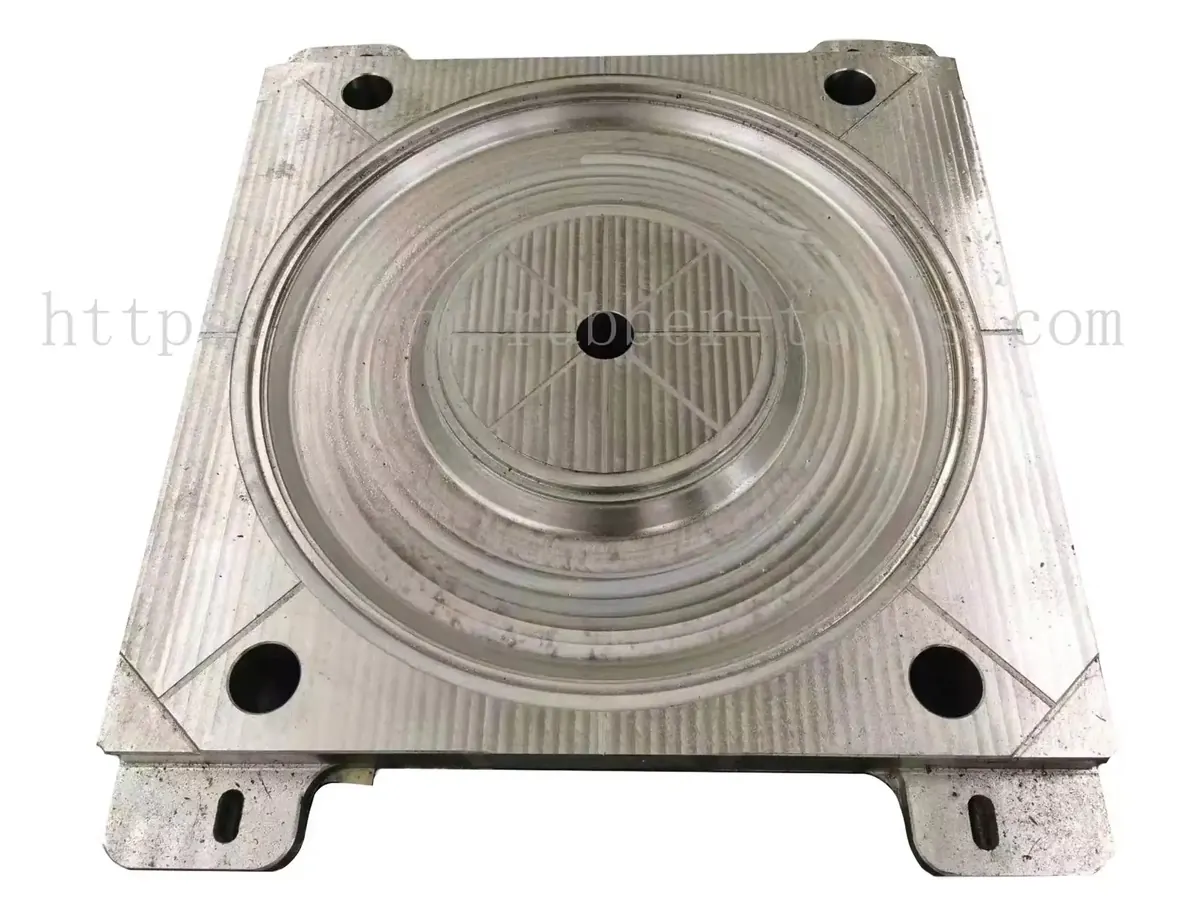
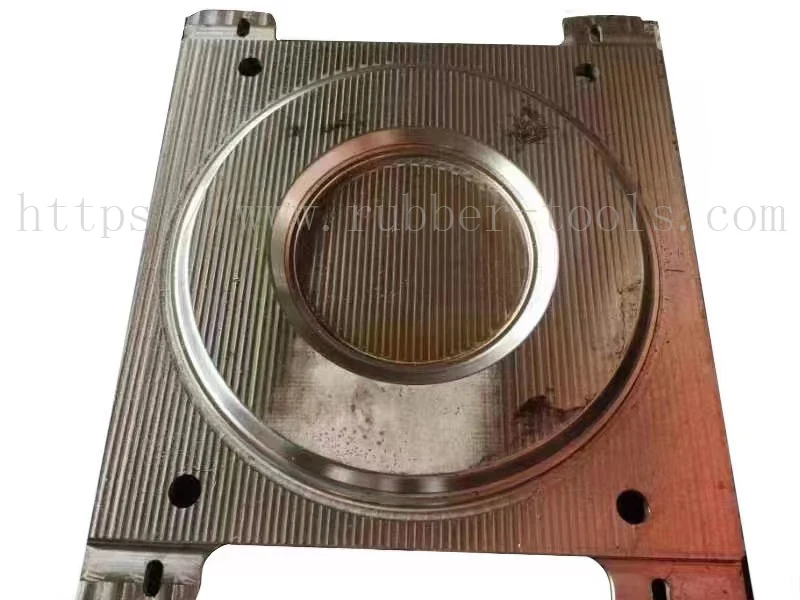
Our Formula Engineers focus on the molecular architecture of WVA foams, optimizing elastomer blends, crosslink density, and hydrophilic additive packages to achieve targeted water absorption kinetics, compression set resistance, and thermal stability. This scientific approach ensures consistent performance under dynamic conditions—critical for automotive seals, HVAC gaskets, and fluid management systems where dimensional stability and environmental resilience are non-negotiable. Concurrently, our Mold Engineering team translates these material formulations into flawless production through precision tooling design. Utilizing advanced cavity pressure mapping and flow simulation software, they engineer molds that eliminate knit lines, control cell structure uniformity, and maintain micron-level tolerances across complex geometries. This dual-engineer synergy directly addresses common failure modes in WVA foams, such as inconsistent absorption rates or premature compression set degradation.

As an OEM partner, we prioritize scalability and repeatability. Our facility supports full-service development—from material formulation validation and rapid prototyping to high-volume production—under ISO 9001-certified processes. Clients benefit from reduced non-recurring engineering (NRE) costs, accelerated time-to-market, and rigorous first-article inspection protocols. We implement real-time process monitoring with statistical process control (SPC) to ensure lot-to-lot consistency, critical for automotive and appliance manufacturers requiring zero-defect supply chains.

The table below summarizes key WVA foam performance parameters achievable through our engineered approach:

Property Standard WVA Foam Range Baoshida Custom Engineered Range Test Standard
Density (kg/m³) 80–120 60–150 (±2%) ASTM D3574
Water Absorption (%) 150–250 100–400 (custom kinetics) ASTM D570
Compression Set (22h/70°C) ≤45% ≤25% ASTM D395
Tensile Strength (MPa) 0.8–1.5 1.0–2.2 ASTM D412
Operating Temp Range (°C) -40 to +100 -55 to +130 ISO 188

This technical rigor extends to collaborative problem-solving. When a Tier-1 automotive client required a WVA foam seal resisting biodiesel exposure while maintaining absorption stability at -40°C, our Formula Engineers reformulated the base polymer with specialty fluoroelastomers, while Mold Engineers redesigned venting to prevent surface defects during cure. The result was a production-ready solution validated in 8 weeks—40% faster than industry benchmarks.

Suzhou Baoshida’s engineering-led OEM model transforms WVA foam from a generic component into a validated, performance-critical element. By embedding material science and precision manufacturing at the core of development, we deliver solutions where reliability is quantifiable, not assumed. Partner with us to convert technical challenges into competitive advantages.


Customization Process

wva foam manufacturing

Drawing Analysis: Precision Engineering at the Foundation

The customization process for WVA foam components begins with rigorous drawing analysis, a critical phase that establishes dimensional accuracy, tolerance specifications, and functional requirements. At Suzhou Baoshida Trading Co., Ltd., our engineering team conducts a comprehensive review of customer-provided technical drawings, verifying critical parameters such as part geometry, wall thickness, sealing surfaces, and assembly interfaces. We assess feasibility for mold design and manufacturability, identifying potential challenges in demolding, flash control, or material flow. This stage also includes material compatibility checks against operating environments, including temperature range, fluid exposure, and mechanical stress. Our engineers collaborate directly with OEM design teams to resolve ambiguities, recommend design optimizations, and ensure full alignment with performance expectations before proceeding.

Formulation: Tailoring Material Properties to Application Demands

Following drawing validation, we transition to rubber formulation—a core competency in our industrial rubber solutions portfolio. WVA foam, a closed-cell elastomeric material known for its resilience, weather resistance, and compression set performance, is customized through proprietary compounding techniques. Our rubber formula engineers adjust polymer base selection, filler content, blowing agents, and crosslinking systems to achieve target physical properties. Variables such as hardness, density, elongation at break, and thermal stability are precisely tuned. For instance, applications requiring enhanced UV resistance may incorporate specialized stabilizers, while low-temperature environments demand formulations with improved flexibility below -40°C. Each formulation is documented and archived under controlled revision protocols to ensure batch-to-batch consistency and traceability across production cycles.

Prototyping: Validating Design and Material Performance

Once the formulation is finalized, we proceed to prototyping using precision compression or transfer molding methods. Prototype tooling is fabricated to mirror production conditions, allowing accurate evaluation of part form, fit, and function. Physical samples undergo rigorous in-house testing, including compression deflection analysis, environmental aging, and sealing performance under simulated service conditions. Data from these tests are compiled into a technical report and shared with the client for review. Iterative adjustments are made as needed, ensuring the final design meets all functional and regulatory requirements prior to scale-up.

Mass Production: Scalable, Consistent, and Quality-Controlled Manufacturing

Upon prototype approval, the project transitions to mass production. Our manufacturing facility employs automated batching systems, calibrated curing presses, and real-time process monitoring to maintain consistency. Each production batch is subject to quality control checks per ISO 9001 standards, including hardness testing, dimensional inspection, and visual defect screening. We support high-volume OEM supply with just-in-time logistics and full documentation packages, including Certificates of Compliance and Material Test Reports.

Below are typical mechanical properties of standard and customized WVA foam formulations:

Property Standard WVA Foam High-Density Variant Low-Temperature Grade
Hardness (Shore A) 45 ± 5 65 ± 5 50 ± 5
Density (g/cm³) 0.45 0.68 0.50
Tensile Strength (MPa) 1.8 2.5 2.0
Elongation at Break (%) 180 150 200
Compression Set (22h, 70°C) ≤ 25% ≤ 20% ≤ 28%
Operating Temperature Range -30°C to +100°C -30°C to +100°C -50°C to +90°C

Contact Engineering Team

wva foam manufacturing

Technical Collaboration for Precision WVA Foam Implementation

Achieving optimal performance in industrial sealing and moisture management applications demands exacting material science and process control. WVA (Water Vapor Absorbing) foam is not a standardized commodity; its efficacy hinges on precise formulation calibrated to your specific environmental stressors, mechanical tolerances, and regulatory constraints. Generic solutions often fail under cyclic humidity, thermal fluctuations, or chemical exposure, leading to premature seal degradation, system contamination, or costly downtime. At Suzhou Baoshida Trading Co., Ltd., we engineer WVA foam compounds at the molecular level, integrating proprietary polymer blends and absorbent technologies to deliver predictable, long-term functionality. This requires direct collaboration between your engineering team and our formulation specialists to align material properties with your operational reality.

Critical WVA Foam Performance Parameters

Property Standard Range Test Method Industrial Significance
Density 0.25–0.45 g/cm³ ASTM D3574 Balances compressibility with structural integrity
Water Vapor Absorption 180–250% (24h, 23°C) ISO 12048 Defines moisture buffering capacity in dynamic environments
Compression Set (50%) ≤15% (70°C, 22h) ASTM D395 Ensures permanent seal recovery after sustained load
Operating Temperature -40°C to +120°C ISO 188 Maintains performance across thermal cycles
Shore A Hardness 15–30 ASTM D2240 Optimizes conformability to mating surfaces

These specifications represent baseline engineering targets. Actual requirements vary significantly based on application geometry, fluid exposure, and lifecycle expectations. For instance, offshore cable sealing demands higher absorption kinetics and saltwater resistance than automotive battery enclosures, necessitating tailored filler systems and crosslink density adjustments. Our OEM process begins with rigorous environmental profiling—mapping your product’s exposure to UV, ozone, oils, or pressure differentials—to construct a formulation roadmap. This eliminates the guesswork inherent in off-the-shelf foam solutions, reducing validation cycles and accelerating time-to-market.

Initiate your precision WVA foam project by engaging directly with Mr. Boyce, our Lead Rubber Formulation Engineer and OEM Solutions Manager. With 14 years of specialized experience in porous elastomer systems, Mr. Boyce translates complex material science into actionable manufacturing protocols. He will conduct a technical deep-dive into your sealing challenges, including material compatibility testing against your specific substrates and fluids. This upfront engineering alignment prevents costly rework during prototyping and ensures seamless integration into your production line. Contact Mr. Boyce at [email protected] with your application details, target specifications, and environmental profiles. Include relevant drawings or failure mode analyses where available. Responses include a formal technical assessment within 48 business hours, outlining proposed compound architecture, sample delivery timelines, and validation support.

Suzhou Baoshida operates under ISO 9001-certified protocols with in-house compounding, molding, and analytical laboratories in Suzhou Industrial Park. We do not distribute catalog items; every WVA foam solution is engineered under strict confidentiality to protect your IP. Partner with us to transform moisture management from a reliability risk into a competitive advantage. Your next-generation seal begins with a single technical email.


⚖️ O-Ring Weight Calculator

Estimate rubber O-ring weight (Approx).


Wva Foam Manufacturer | Engineering Guide

Contents of Table

Contact [email protected] Whatsapp 86 15951276160