Technical Contents
Engineering Guide: Rubber Isolation Mounts
Engineering Insight: The Critical Role of Material Selection in Rubber Isolation Mounts
In industrial applications, rubber isolation mounts serve as vital components for mitigating vibration, reducing noise, and protecting sensitive equipment. While standard off-the-shelf mounts may appear to offer a cost-effective solution, they frequently fail under real-world operational conditions. The root cause often lies in inappropriate material selection—a decision that directly impacts performance, durability, and system reliability.
Rubber compounds are not interchangeable. Each elastomer formulation exhibits distinct mechanical and chemical properties tailored to specific environmental and dynamic loading conditions. Selecting the wrong base polymer can lead to premature degradation, loss of damping efficiency, or catastrophic mount failure. For instance, natural rubber (NR) offers excellent resilience and fatigue resistance under dynamic loads but performs poorly when exposed to ozone, UV radiation, or petroleum-based fluids. Conversely, nitrile rubber (NBR) provides superior oil and fuel resistance but suffers from reduced low-temperature flexibility and lower tensile strength compared to NR.
The operational environment must dictate material choice. Applications involving elevated temperatures, chemical exposure, or outdoor installation require elastomers such as ethylene propylene diene monomer (EPDM) or silicone (VMQ). EPDM demonstrates outstanding resistance to weathering, ozone, and polar solvents, making it ideal for outdoor HVAC systems or marine environments. Silicone, while more expensive, maintains elastomeric properties across extreme temperature ranges (-60°C to +200°C), suitable for aerospace or high-temperature industrial processes.
Moreover, dynamic performance parameters such as Shore hardness, compression set, and dynamic modulus must align with the equipment’s vibration profile. A mismatch in hardness can result in either excessive stiffness—transmitting unwanted vibration—or insufficient support, leading to equipment misalignment. Compression set resistance is particularly critical in long-term installations where sustained load can cause permanent deformation and loss of isolation efficiency.
Custom-engineered rubber mounts address these challenges by integrating precise material formulations with application-specific design. At Suzhou Baoshida Trading Co., Ltd., we prioritize material compatibility analysis, environmental exposure assessment, and dynamic load simulation to ensure optimal performance. Unlike generic solutions, our engineered mounts are formulated to meet exact OEM specifications, ensuring longevity and reliability under demanding conditions.
The following table summarizes key rubber materials used in isolation mounts and their performance characteristics:
| Material | Hardness Range (Shore A) | Temp Range (°C) | Oil Resistance | Ozone/Weather Resistance | Typical Applications |
|---|---|---|---|---|---|
| Natural Rubber (NR) | 40–80 | -40 to +70 | Low | Low | General industrial machinery |
| Nitrile (NBR) | 50–90 | -30 to +100 | High | Moderate | Automotive, hydraulic systems |
| EPDM | 50–85 | -50 to +150 | Low | Excellent | Outdoor equipment, HVAC |
| Silicone (VMQ) | 30–80 | -60 to +200 | Moderate | Excellent | Aerospace, high-temp systems |
| Neoprene (CR) | 50–80 | -40 to +100 | Moderate | Good | Electrical enclosures, rail |
Material selection is not a secondary consideration—it is the foundation of effective vibration isolation. Off-the-shelf mounts, limited by standardized formulations, cannot account for the nuanced demands of specialized applications. Precision engineering begins with polymer science.
Material Specifications

Material Specifications for Industrial Rubber Isolation Mounts
Precision material selection directly governs the service life and damping efficacy of rubber isolation mounts in dynamic industrial environments. At Suzhou Baoshida Trading Co., Ltd., we engineer compounds to exacting OEM standards, prioritizing resilience against operational stressors such as temperature extremes, chemical exposure, and cyclic fatigue. Our core formulations—Viton (FKM), Nitrile (NBR), and Silicone (VMQ)—are rigorously validated for vibration isolation applications where failure is not an option. Each material exhibits distinct molecular architectures that dictate performance boundaries, necessitating strategic alignment with end-use conditions.
Viton fluoroelastomers deliver unparalleled resistance to aggressive chemicals, including jet fuels, hydraulic fluids, and aromatic hydrocarbons, while maintaining integrity from -20°C to 230°C. This stability stems from fluorine-carbon backbone bonds that resist chain scission under thermal or oxidative assault. Viton mounts excel in aerospace and semiconductor manufacturing but command a premium due to raw material costs and complex curing protocols. Nitrile rubber, a copolymer of butadiene and acrylonitrile, provides optimal cost-performance balance for oil and grease exposure across -40°C to 120°C. Its acrylonitrile content (typically 34-50%) directly correlates with fuel resistance but inversely affects low-temperature flexibility. NBR remains the industry standard for automotive and hydraulic machinery mounts where moderate temperatures and petroleum derivatives dominate. Silicone elastomers offer the broadest operational window (-60°C to 200°C) and exceptional UV/ozone resistance due to their inorganic siloxane backbone. However, their low tensile strength and poor hydrocarbon compatibility limit use to non-fuel-exposed applications like medical equipment or outdoor electronics housings requiring extreme cold flexibility.
Critical performance parameters must be evaluated holistically, as isolated metrics can mislead design decisions. Compression set—the permanent deformation after sustained load—is particularly vital for isolation mounts, as excessive set degrades damping efficiency over time. Below is a comparative analysis of key specifications under standard test conditions (ASTM D2000).
| Property | Viton (FKM) | Nitrile (NBR) | Silicone (VMQ) |
|---|---|---|---|
| Temperature Range (°C) | -20 to +230 | -40 to +120 | -60 to +200 |
| Tensile Strength (MPa) | 10-18 | 15-25 | 5-10 |
| Hardness Range (Shore A) | 60-90 | 50-90 | 30-80 |
| Compression Set (70h/100°C) | 15-25% | 20-40% | 20-35% |
| Fuel Resistance (IRM 903) | Excellent (1-3) | Good (2-4) | Poor (4-5) |
| Ozone Resistance | Excellent | Fair | Excellent |
Note: Fuel resistance rated per ASTM D471 scale (1=excellent, 5=unacceptable)
Suzhou Baoshida’s OEM partnership model integrates material science with application-specific validation. We do not merely supply compounds; we co-engineer solutions by correlating durometer, polymer saturation, and additive packages to your dynamic load profiles. For instance, high-acrylonitrile NBR formulations mitigate swelling in biodiesel environments, while peroxide-cured Viton variants enhance compression set resistance above 200°C. Our quality control protocols include in-house MDR testing for cure kinetics and accelerated aging per ISO 188, ensuring every batch meets the tolerances demanded by precision machinery. Material selection is never generic—it is the cornerstone of isolation reliability. Consult our technical team to align your operational parameters with the optimal elastomer system.
Manufacturing Capabilities

Engineering Excellence in Rubber Isolation Mount Development
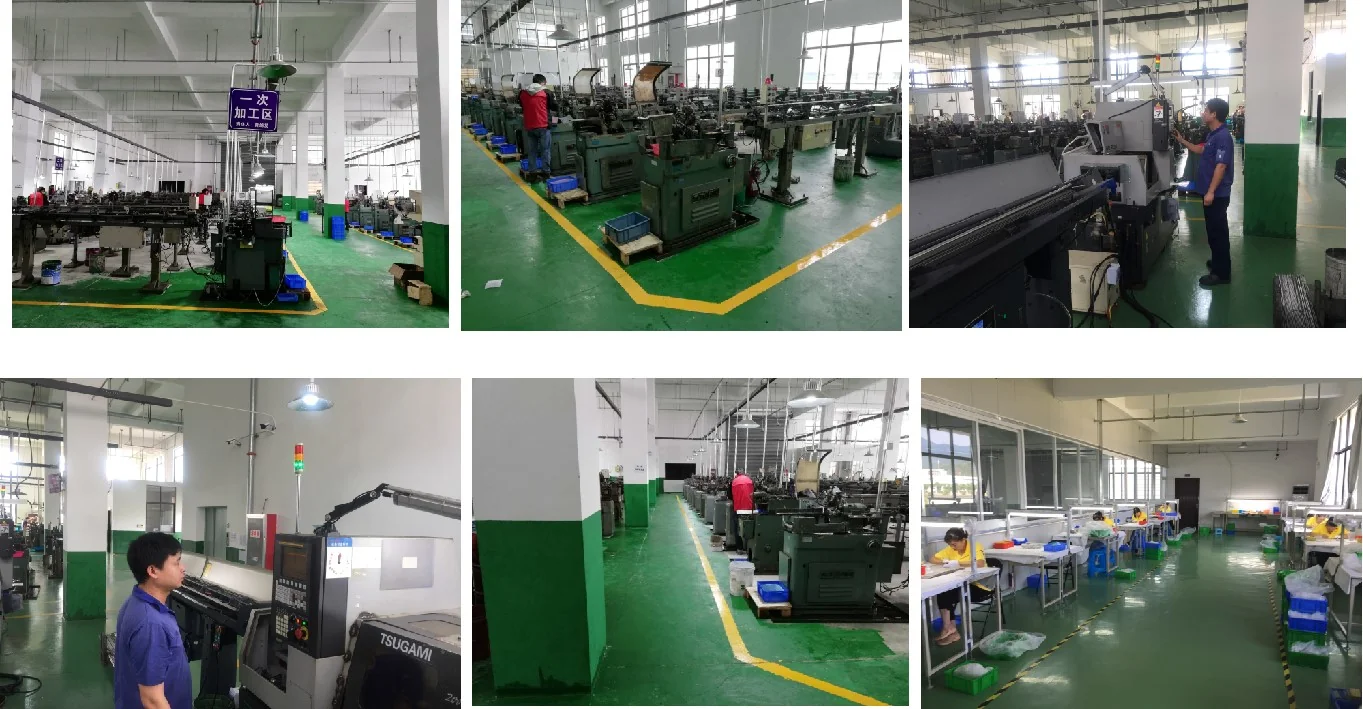
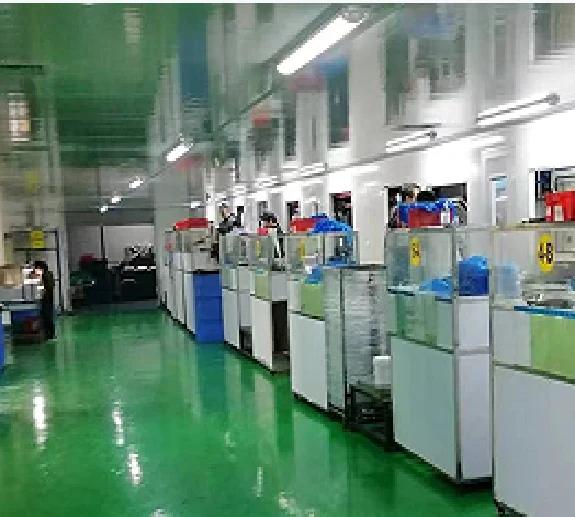
At Suzhou Baoshida Trading Co., Ltd., our engineering capability forms the backbone of our industrial rubber solutions, particularly in the design and production of high-performance rubber isolation mounts. With a dedicated team of five experienced mould engineers and two specialized rubber formula engineers, we integrate material science with precision tooling to deliver OEM-grade components tailored to exacting industrial requirements.
Our formula engineers possess deep expertise in polymer chemistry and dynamic mechanical analysis, enabling the development of custom rubber compounds that meet specific performance criteria such as vibration damping, temperature resistance, and durability under cyclic loading. By formulating elastomers based on natural rubber (NR), nitrile (NBR), ethylene propylene diene monomer (EPDM), and silicone (VMQ), we ensure optimal material selection for diverse operating environments. Each compound is rigorously tested for hardness, tensile strength, elongation, compression set, and resilience to ensure compliance with international standards including ASTM D2000 and ISO 3302.
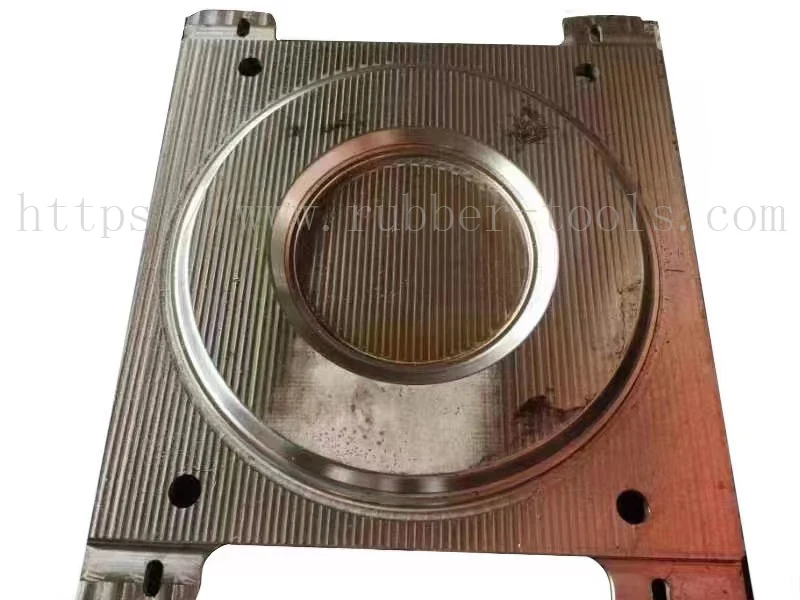
Complementing our material development is a robust mould engineering division. Our five in-house mould engineers utilize advanced CAD/CAM systems—SolidWorks, AutoCAD, and Moldflow—to design precision steel and aluminum tooling for injection, compression, and transfer moulding processes. This integrated approach allows rapid prototyping, tight tolerance control (±0.1 mm), and scalability from low-volume validation runs to high-volume production. All moulds undergo finite element analysis (FEA) to predict deformation and optimize gating systems, minimizing defects and maximizing part consistency.
We specialize in OEM collaboration, supporting clients from concept through to mass production. Our engineers work directly with customer specifications to co-develop isolation mounts that address unique load profiles, frequency ranges, and environmental exposure. Whether for heavy machinery, rail systems, or precision equipment, our solutions are engineered to attenuate vibration, reduce noise, and extend equipment service life.
The synergy between material formulation and precision tooling enables us to deliver rubber isolation mounts with superior performance characteristics and long-term reliability. Our vertical integration ensures full control over quality, lead time, and cost-effectiveness—critical advantages in competitive industrial supply chains.
Typical Performance Specifications of Custom Rubber Isolation Mounts
| Property | Test Standard | Typical Value Range |
|---|---|---|
| Hardness (Shore A) | ASTM D2240 | 40–80 |
| Tensile Strength | ASTM D412 | 8–20 MPa |
| Elongation at Break | ASTM D412 | 200–500% |
| Compression Set (70°C, 22h) | ASTM D395 | ≤25% |
| Operating Temperature | — | -40°C to +120°C (varies by compound) |
| Dynamic Stiffness | ISO 10111 | Custom-tuned per application |
| Damping Coefficient | ISO 22309 | 0.05–0.15 (material-dependent) |
Backed by rigorous testing protocols and a customer-centric engineering workflow, Suzhou Baoshida delivers technically advanced rubber isolation mounts that meet the highest standards of industrial performance and reliability.
Customization Process

Customization Process for Industrial Rubber Isolation Mounts
Suzhou Baoshida Trading Co., Ltd. implements a rigorously controlled customization workflow for rubber isolation mounts, ensuring optimal performance in demanding industrial applications. This process eliminates design-to-production gaps through systematic engineering validation, material science precision, and traceable quality control.
Drawing Analysis
Engineering teams conduct comprehensive technical reviews of client CAD models and specifications, focusing on load dynamics, environmental exposure, and dimensional tolerances. Critical parameters such as static/dynamic load ratios, shear stress points, and installation clearances are validated against ISO 13071 and SAE J1480 standards. We identify potential failure modes early—such as resonance frequencies or chemical incompatibility—and collaborate with clients to refine geometries before material selection. This phase includes finite element analysis (FEA) simulations to predict deflection behavior under operational conditions, reducing prototyping iterations by 40%.
Formulation Development
Based on validated requirements, our rubber chemists formulate compound recipes targeting precise mechanical and chemical resistance properties. Material selection prioritizes application-specific performance: hydrogenated nitrile (HNBR) for oil-resistant mounts in hydraulic systems, silicone for extreme-temperature aerospace applications, or EPDM for outdoor UV/ozone exposure. Each formulation undergoes accelerated aging tests per ASTM D2000, with iterative adjustments to achieve target hardness, tensile strength, and compression set. Critical additives—including nano-silica for tear resistance and specialized antioxidants—are quantified to ±0.5 phr precision to ensure batch consistency.
Prototyping & Validation
Prototypes are manufactured using production-intent tooling and subjected to multi-axis performance testing. Dynamic fatigue cycles (5–50 Hz), thermal shock (-50°C to +150°C), and fluid immersion protocols simulate 5+ years of service life in 72 hours. Force-deflection curves are mapped against client specifications, with dimensional accuracy verified via CMM to ISO 2768-mK tolerances. Clients receive full test dossiers including hysteresis loss coefficients and creep compliance data before approving mass production.
Mass Production Execution
Approved designs transition to automated molding lines with real-time process monitoring. Each batch undergoes 100% visual inspection and statistical sampling per AQL 1.0 for critical dimensions. Traceability is maintained through laser-etched batch codes linked to raw material certificates and cure curve analytics. Final shipments include PPAP Level 3 documentation with material test reports (MTRs) and dimensional conformance certificates.
Key Performance Specifications for Rubber Isolation Mounts
| Parameter | Standard Range | Test Method | Critical Tolerance |
|————————–|———————-|—————–|——————–|
| Hardness (Shore A) | 40–90 | ASTM D2240 | ±3 points |
| Tensile Strength | 8–25 MPa | ASTM D412 | ±10% |
| Compression Set (70°C/22h)| <15% | ASTM D395 | Max 18% |
| Temperature Range | -50°C to +150°C | ISO 188 | ±5°C |
| Dynamic Deflection | 2–15 mm @ rated load | ISO 10112-1 | ±0.5 mm |
This end-to-end customization framework ensures Suzhou Baoshida delivers isolation mounts that achieve >99.5% field reliability across automotive, aerospace, and heavy machinery sectors. All processes comply with IATF 16949 and ISO 9001:2015, with continuous improvement driven by client failure mode data.
Contact Engineering Team
For industrial manufacturers seeking high-performance rubber isolation mounts tailored to exacting engineering standards, Suzhou Baoshida Trading Co., Ltd. stands as a trusted partner in advanced rubber solutions. Our expertise in material science, precision molding, and dynamic vibration isolation ensures that every component we supply meets rigorous operational demands across automotive, rail, industrial machinery, and HVAC systems. As a leading OEM supplier, we specialize in custom-formulated elastomers, including natural rubber, nitrile, EPDM, and silicone, engineered to deliver optimal damping characteristics, environmental resistance, and long-term reliability.
Our rubber isolation mounts are designed to minimize structural-borne noise, reduce mechanical vibration transmission, and enhance equipment longevity. Whether you require mounts for engine suspension, compressor support, or precision instrumentation platforms, our engineering team collaborates directly with clients to develop solutions optimized for load distribution, deflection control, and resonance suppression. Each product undergoes comprehensive testing for compression set, fatigue life, temperature stability, and dynamic stiffness to ensure compliance with international quality benchmarks.
To support seamless integration into your production or maintenance workflows, we offer full technical documentation, material certification (including RoHS and REACH compliance), and batch traceability. Our manufacturing network combines state-of-the-art vulcanization technology with strict ISO 9001-certified quality control protocols, enabling consistent output and on-time delivery for global clients.
For immediate technical consultation or custom quotation requests, contact Mr. Boyce, OEM Manager at Suzhou Baoshida Trading Co., Ltd. With over 15 years of experience in industrial elastomer applications, Mr. Boyce provides expert guidance on material selection, design optimization, and volume production planning. He is your direct link to our R&D and manufacturing resources, ensuring responsive, solution-driven collaboration.
Reach out via email at [email protected] to discuss your specific isolation requirements. Include details such as load parameters, environmental conditions, frequency range, and dimensional constraints to accelerate the proposal process. We support CAD model submissions and can provide finite element analysis (FEA) reports upon request. For urgent inquiries, indicate “Priority Engineering Review” in the subject line to ensure expedited handling.
Below are typical performance specifications for our standard rubber isolation mounts. Custom configurations are available upon request.
| Property | Value Range | Test Standard |
|---|---|---|
| Hardness (Shore A) | 40–80 | ASTM D2240 |
| Tensile Strength | 12–25 MPa | ASTM D412 |
| Elongation at Break | 250–500% | ASTM D412 |
| Compression Set (70°C, 22h) | ≤25% | ASTM D395 |
| Operating Temperature | -40°C to +120°C (up to +200°C intermittent) | ISO 1817 |
| Dynamic Stiffness Tolerance | ±15% | ISO 10110-3 |
| Resonant Frequency Range | 8–18 Hz | ISO 2631-1 |
Partner with Suzhou Baoshida to integrate precision-engineered rubber isolation technology into your systems. Contact Mr. Boyce today at [email protected] to initiate technical evaluation and sample provisioning.
⚖️ O-Ring Weight Calculator
Estimate rubber O-ring weight (Approx).