Technical Contents
Engineering Guide: Drinking Water Tubing

Engineering Insight: Material Selection for Drinking Water Tubing Systems
Material selection constitutes the linchpin of reliable drinking water tubing performance, where off-the-shelf rubber solutions frequently precipitate system failure due to inadequate molecular integrity under potable water conditions. Generic elastomers—often formulated for cost-driven industrial applications—lack the precise polymer architecture required to resist prolonged contact with chlorinated, ozonated, or mineral-rich aqueous media. These materials typically exhibit excessive extractables, permeation rates, and compression set, directly compromising water quality and tubing longevity. Hydrocarbon chain scission occurs when chlorine oxidizes unsaturated bonds in non-specialized rubbers, accelerating hardening, cracking, and particulate release. Simultaneously, plasticizer migration from phthalate-based compounds introduces volatile organic contaminants, violating stringent potable water safety standards.
The critical flaw in commoditized tubing lies in its formulation philosophy: prioritizing mechanical properties like tensile strength over fluid compatibility. Standard NBR or SBR compounds may initially seal effectively but degrade within months as water permeates the polymer matrix, causing swelling, loss of elasticity, and irreversible seal failure. This permeation kinetics issue is exacerbated by temperature fluctuations, where thermal cycling in municipal or point-of-use systems induces microfractures in non-crosslinked networks. Crucially, off-the-shelf products rarely undergo NSF/ANSI 61 extraction testing for heavy metals or organic compounds, leaving end-users exposed to regulatory non-compliance and health liabilities.
Suzhou Baoshida addresses these failure modes through precision-engineered EPDM formulations with ultra-high saturation levels (>99.5%) and peroxide curing systems. Our compounds eliminate extractable amines and phthalates while achieving <50 ppm total organic carbon leaching after 1,000 hours of chloramine exposure. The table below quantifies the performance chasm between compliant and generic solutions:
| Material Property | EPDM (Baoshida Compliant) | Generic Rubber Tubing | Test Standard |
|---|---|---|---|
| Total Organic Carbon (TOC) | <50 ppm after 1,000h | >150 ppm after 500h | NSF/ANSI 61 Annex G |
| Chloramine Resistance | No cracking at 5ppm, 70°C | Severe cracking at 2ppm | ASTM D471 |
| Compression Set (70h, 70°C) | 18% | 45% | ASTM D395 |
| Permeation Rate (O₂, 23°C) | 0.8 cm³·mm/m²·day·kPa | 3.2 cm³·mm/m²·day·kPa | ASTM D3985 |
| Heavy Metal Leaching | Below detection limits | Pb/Cu > 5 ppb | EPA 200.8 |
These specifications underscore why material science cannot be commoditized in potable water applications. Generic tubing fails not through manufacturing defects but via fundamental polymer chemistry limitations—insufficient saturation for chlorine resistance, inadequate crosslink density for dimensional stability, and uncontrolled additives for extraction control. At Suzhou Baoshida, we collaborate with OEMs to validate formulations against site-specific water chemistries, ensuring tubing maintains molecular integrity across 15+ year service lifespans. The cost premium of engineered elastomers is negligible against the risks of contamination recalls, regulatory penalties, and system downtime inherent in off-the-shelf alternatives. Precision in polymer selection is non-negotiable for human health and operational continuity.
Material Specifications

Material selection for drinking water tubing in industrial applications demands rigorous evaluation of chemical compatibility, thermal stability, mechanical performance, and regulatory compliance. At Suzhou Baoshida Trading Co., Ltd., we specialize in high-performance rubber solutions tailored to meet the stringent requirements of fluid conveyance systems, particularly in potable water environments. The three primary elastomers utilized in this domain—Viton (FKM), Nitrile (NBR), and Silicone (VMQ)—each offer distinct advantages depending on operational parameters.
Viton, a fluorocarbon-based rubber, exhibits exceptional resistance to heat, oxidation, and a broad spectrum of chemicals, including chlorinated water and sanitizing agents commonly used in water treatment systems. With continuous service temperature capabilities up to 200°C and excellent aging characteristics, Viton is ideal for high-purity applications where long-term reliability under thermal stress is critical. However, its higher cost and lower flexibility at low temperatures may limit use in general-purpose installations.
Nitrile rubber, a copolymer of butadiene and acrylonitrile, provides strong resistance to oils, greases, and aliphatic hydrocarbons, making it suitable for environments where incidental contamination may occur. It performs well within a temperature range of -30°C to 100°C, offering good abrasion resistance and tensile strength. While NBR is less resistant to ozone and UV degradation compared to other elastomers, its cost-effectiveness and mechanical robustness make it a practical choice for non-extreme potable water applications with moderate chemical exposure.
Silicone rubber (VMQ) stands out for its outstanding thermal stability, operating effectively from -60°C to 200°C, and its inherent biocompatibility. It is highly resistant to ozone and UV radiation and maintains flexibility across extreme temperatures. Silicone is widely accepted in food and pharmaceutical industries due to its compliance with FDA, USP Class VI, and NSF/ANSI 61 standards for drinking water contact. Its low toxicity and minimal extractables ensure safe use in sensitive water delivery systems, although it exhibits lower tensile strength and abrasion resistance compared to Viton and Nitrile.
The following table summarizes key physical and chemical properties of these materials relevant to drinking water tubing applications:
| Property | Viton (FKM) | Nitrile (NBR) | Silicone (VMQ) |
|---|---|---|---|
| Temperature Range (°C) | -20 to 200 | -30 to 100 | -60 to 200 |
| Tensile Strength (MPa) | 15–20 | 10–25 | 5–10 |
| Elongation at Break (%) | 200–300 | 200–500 | 200–700 |
| Hardness (Shore A) | 60–90 | 50–90 | 30–80 |
| Water Resistance | Excellent | Good | Excellent |
| Ozone/UV Resistance | Excellent | Fair | Excellent |
| FDA Compliant Grades Available | Yes | Limited | Yes |
| NSF/ANSI 61 Certification | Yes (specific grades) | No | Yes (specific grades) |
Selection of the appropriate material must consider the full operational profile, including fluid composition, temperature cycling, pressure conditions, and required service life. Suzhou Baoshida Trading Co., Ltd. provides fully documented, certified compounds to ensure compliance with international drinking water safety standards.
Manufacturing Capabilities

Engineering Capability: Precision Development for Potable Water Tubing
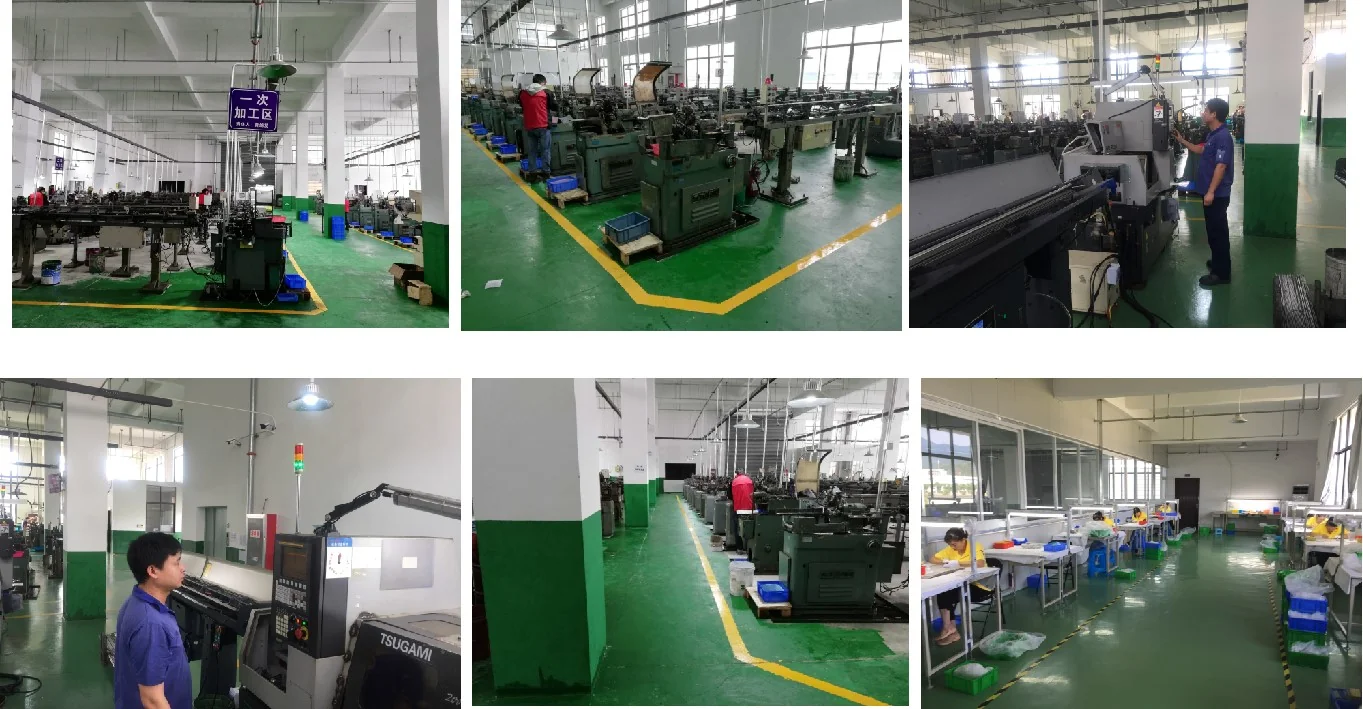
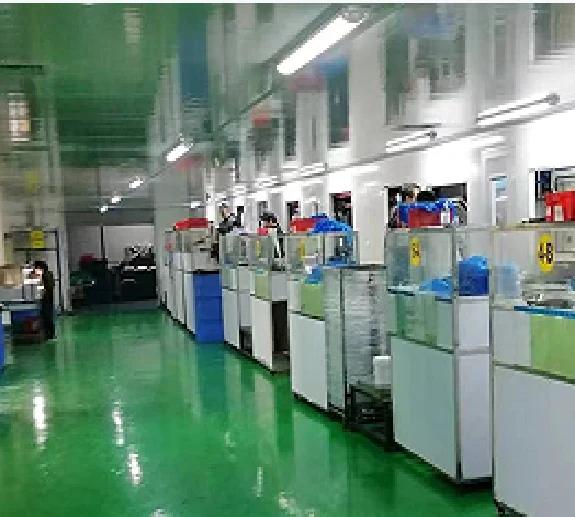
Suzhou Baoshida Trading Co., Ltd. leverages deep technical expertise in rubber compounding and precision manufacturing to deliver NSF/ANSI 61 certified drinking water tubing solutions. Our core strength resides in a dedicated engineering team comprising five specialized Mould Engineers and two advanced Rubber Formula Engineers. This integrated structure ensures seamless translation of stringent regulatory requirements and client specifications into high-performance, safe, and reliable tubing products. We operate beyond standard manufacturing, providing true OEM partnership from initial concept through full-scale production.
Our Rubber Formula Engineers possess extensive mastery in polymer science and additive chemistry, specifically focused on potable water applications. They develop proprietary EPDM and silicone compounds rigorously validated against NSF/ANSI 61, NSF/ANSI 372 (lead content), and EU 10/2011 standards. This involves meticulous optimization of cure systems, filler dispersion, and plasticizer selection to eliminate extractables, ensure long-term stability under chlorinated water exposure, and maintain critical physical properties like low compression set and high tensile strength. Every formulation undergoes accelerated aging and exhaustive leachate testing in accredited第三方 laboratories prior to client validation, guaranteeing absolute safety and compliance for human consumption systems.
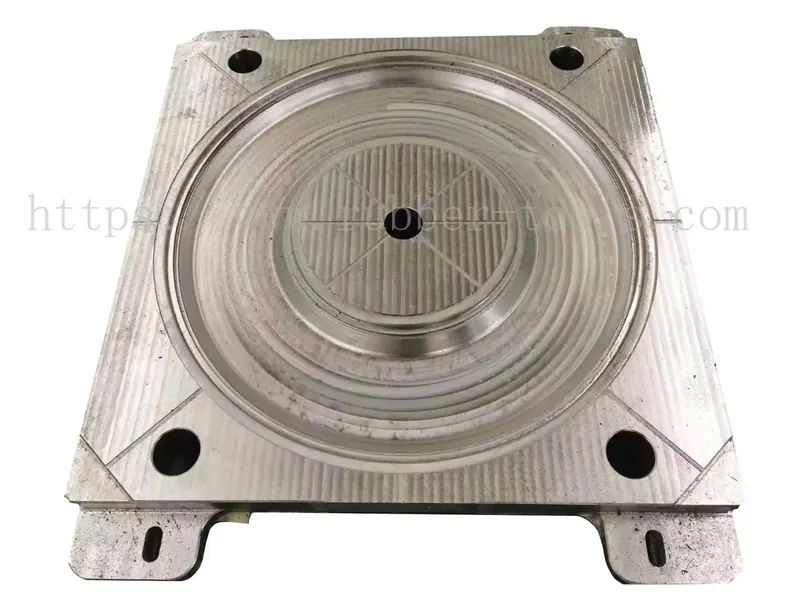
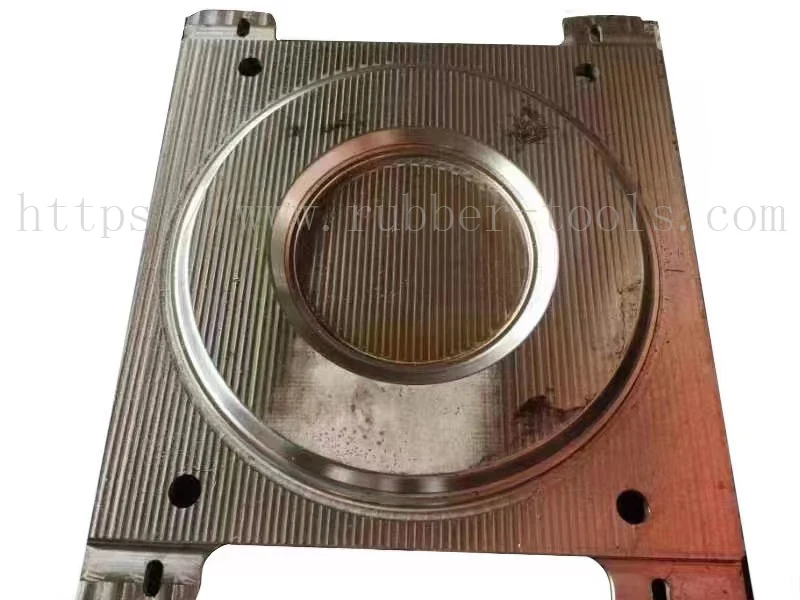
Complementing this, our five Mould Engineers utilize advanced CAD/CAM systems and precision CNC machining to design and produce high-tolerance tubing mandrels and extrusion tooling. They focus on achieving exceptional dimensional consistency (±0.05mm OD/ID tolerance), smooth bore surfaces to prevent bacterial adhesion, and optimized flow dynamics for efficient processing. Critical parameters like wall thickness uniformity and concentricity are continuously monitored and controlled through in-line laser gauging systems integrated into our production lines. This precision engineering minimizes waste, ensures consistent product performance, and directly supports the stringent requirements of OEM water filtration, appliance, and dispensing system manufacturers.
Our vertically integrated OEM capability is the operational cornerstone. Clients benefit from a single-point responsibility model where Baoshida manages the entire value chain: custom compound development, tooling design/fabrication, extrusion, vulcanization, rigorous quality control (including full batch traceability), and final certification documentation. This eliminates interface risks between separate material and component suppliers, significantly reducing time-to-market and validation burden for our partners. The direct collaboration between our Formula and Mould Engineering teams enables rapid iteration and problem-solving, turning complex client challenges into validated production solutions efficiently.
The table below summarizes key performance characteristics achievable with our engineered drinking water tubing compounds and precision manufacturing:
| Property | Standard Requirement | Baoshida Performance | Testing Method |
|---|---|---|---|
| NSF/ANSI 61 Compliance | Required | Certified (Full Compound) | NSF International |
| Operating Temperature | -10°C to +70°C | -40°C to +125°C | ASTM D2240 / ISO 37 |
| Burst Pressure (ID 6mm) | > 1.5 MPa | > 4.0 MPa | ISO 1402 |
| Tensile Strength | > 7.0 MPa | 10.0 – 15.0 MPa | ASTM D412 |
| Elongation at Break | > 200% | 300% – 500% | ASTM D412 |
| Water Extractables (70°C) | Specific Limits per §5.2 | Below Detection Limits | NSF P230 Protocol |
| Lead Content (NSF 372) | < 0.25% | < 0.01% (Non-detect) | EPA 3135A / ICP-MS |
This engineering rigor and integrated OEM execution ensure Baoshida delivers drinking water tubing that exceeds global safety mandates while providing OEMs with reliable, high-performance components critical for their end-user applications.
Customization Process

Customization Process for Drinking Water Tubing: From Design to Mass Production
At Suzhou Baoshida Trading Co., Ltd., our industrial rubber solutions are engineered for performance, safety, and regulatory compliance, particularly in sensitive applications such as drinking water tubing. Our structured customization process ensures that every product meets the exact functional, chemical, and mechanical requirements of the end application. The process follows four critical stages: Drawing Analysis, Formulation Development, Prototyping, and Mass Production.
The first stage, Drawing Analysis, begins with a comprehensive review of the client’s technical drawings and performance specifications. We evaluate dimensional tolerances, wall thickness, bend radius, and end-use conditions such as operating pressure, temperature range, and installation environment. This phase includes material compatibility assessments against potable water standards, including NSF/ANSI 61 and FDA 21 CFR 177.2600 compliance. Any design inconsistencies or potential manufacturability issues are flagged and resolved collaboratively with the client.
Following design validation, we proceed to Formulation Development. Our rubber formula engineers design a proprietary elastomer compound tailored to the application’s requirements. Key considerations include resistance to chlorinated water, microbial growth inhibition, low extractables, and long-term flexibility. Common base polymers include EPDM and silicone, selected for their inertness and compliance with drinking water regulations. The formulation is optimized for extrusion processing, ensuring dimensional stability and surface finish consistency. Additives such as non-toxic antioxidants and processing aids are incorporated under strict quality control protocols.
Once the compound is finalized, we enter the Prototyping phase. Short-run production samples are manufactured using precision extrusion equipment calibrated to the specified dimensions. Each prototype undergoes rigorous in-house testing, including burst pressure evaluation, elongation at break, hardness (Shore A), and accelerated aging under simulated service conditions. We also conduct extractables testing via GC-MS to verify compliance with potable water safety standards. Prototype validation includes client-side field testing, with feedback integrated into final adjustments.
Upon approval, the project transitions to Mass Production. Our production lines operate under ISO 9001-certified processes, ensuring batch-to-batch consistency and traceability. Raw materials are sourced from qualified suppliers and tested upon receipt. Continuous inline monitoring ensures dimensional accuracy, while final inspection includes 100% visual checks and statistical sampling for mechanical and chemical performance. All batches are documented with Certificates of Compliance and material test reports.
The table below outlines typical technical specifications for our drinking water tubing solutions.
| Property | Test Method | Typical Value |
|---|---|---|
| Hardness (Shore A) | ASTM D2240 | 60 ± 5 |
| Tensile Strength | ASTM D412 | ≥10 MPa |
| Elongation at Break | ASTM D412 | ≥250% |
| Operating Temperature | — | -40°C to +125°C |
| Burst Pressure (6mm ID) | Internal Test | ≥3.5 MPa |
| Regulatory Compliance | NSF/ANSI 61, FDA 21 CFR | Certified |
This systematic approach ensures that every drinking water tubing solution we deliver combines engineering precision with material integrity, meeting the highest standards of safety and performance.
Contact Engineering Team

Technical Partnership for Precision Drinking Water Tubing Solutions
Suzhou Baoshida Trading Co., Ltd. stands at the forefront of industrial rubber engineering, specializing in NSF/ANSI 61-certified drinking water tubing systems engineered for uncompromising safety and performance. Our formulations undergo rigorous validation against global potable water standards, ensuring zero extractables, microbial resistance, and long-term structural integrity under dynamic pressure and temperature conditions. For OEMs and industrial manufacturers, material consistency directly impacts system reliability, regulatory compliance, and end-user safety. Generic tubing solutions often fail to address nuanced challenges such as chlorine resistance, thermal cycling fatigue, or leachate control in high-purity applications. Our technical team leverages proprietary peroxide-cured EPDM and platinum-cured silicone compounds, eliminating sulfur-based accelerators that risk contaminant migration. This scientific approach delivers tubing with validated 50,000+ hour service life in continuous potable water exposure, far exceeding industry baselines.
Critical performance parameters for drinking water tubing demand precise material science oversight. The table below outlines Suzhou Baoshida’s baseline specifications for standard potable water formulations, all subject to client-specific customization through our collaborative engineering process.
| Parameter | Standard EPDM Compound | Platinum Silicone Compound | Testing Standard |
|---|---|---|---|
| NSF/ANSI 61 Certification | Full Compliance | Full Compliance | NSF P151 Annex 5 |
| Max Operating Pressure | 150 psi @ 23°C | 200 psi @ 23°C | ASTM D3801 |
| Temperature Range | -40°C to +135°C | -60°C to +200°C | ISO 188 |
| Chlorine Resistance | 5 ppm, 10,000 hrs | 10 ppm, 20,000 hrs | ASTM D1149 |
| Extractables (72h, 40°C) | < 0.5 mg/dm² | < 0.2 mg/dm² | EPA 525.2 |
Note: All values represent minimum guaranteed performance. Custom formulations achieve enhanced thresholds via tailored polymer architecture and additive systems.
Initiating a technical dialogue with Suzhou Baoshida ensures your drinking water tubing solution aligns with exacting application demands. Mr. Boyce, our dedicated OEM Engineering Manager, possesses 18 years of specialized expertise in rubber compounding for fluid conveyance systems. He will conduct a granular analysis of your operational parameters—including fluid chemistry, pressure profiles, installation environment, and lifecycle expectations—to refine material selection and dimensional tolerances. This precision engineering phase prevents costly field failures, reduces validation timelines, and secures regulatory approval pathways across North American, EU, and APAC markets. Unlike transactional suppliers, we integrate with your R&D workflow, providing full material traceability, batch-specific certification dossiers, and accelerated prototyping through our Suzhou manufacturing hub.
Contact Mr. Boyce directly at [email protected] to commence a technical consultation. Include your project specifications, target certifications, and performance non-negotiables to expedite the engineering review. Suzhou Baoshida operates under ISO 9001:2015 and IATF 16949 frameworks, guaranteeing reproducible quality from prototype to high-volume production. For critical infrastructure, medical water systems, or food-grade processing lines, component integrity is non-negotiable. Partner with an engineering-led supplier where molecular-level material control defines our value proposition. We transform complex fluid handling challenges into validated, certification-ready solutions—ensuring your end product meets the highest global safety benchmarks without compromise. Initiate your project validation today.
⚖️ O-Ring Weight Calculator
Estimate rubber O-ring weight (Approx).