Black Foam Core Manufacturer | Engineering Guide

Engineering Guide: Black Foam Core

Engineering Insight: The Critical Role of Material Selection in black foam core Applications

In industrial rubber applications, the performance of a component is only as reliable as the materials from which it is engineered. This principle is especially critical when specifying black foam core materials for sealing, insulation, vibration damping, or lightweight structural functions. While off-the-shelf foam solutions may appear cost-effective or readily available, they frequently fail to meet the rigorous demands of industrial environments. The root cause lies in inadequate material selection—prioritizing availability over performance parameters such as compression set, thermal stability, chemical resistance, and long-term resilience.

Black foam core materials are not a monolithic category. They span a range of polymer bases, including EPDM, neoprene, silicone, and polyurethane, each with distinct physical and chemical properties. For instance, an EPDM-based foam may offer excellent resistance to UV and ozone but perform poorly in oil-rich environments. Conversely, a neoprene foam may provide broad chemical resistance but degrade under prolonged high-temperature exposure. Selecting the appropriate base polymer requires a detailed understanding of the operational environment—temperature extremes, exposure to fluids, dynamic loading, and required service life.

Off-the-shelf foams often use generic formulations optimized for volume production rather than application-specific performance. These materials typically exhibit higher compression set values, meaning they lose resiliency over time and fail to maintain seal integrity. They may also contain inconsistent cell structures, leading to uneven load distribution and premature fatigue. In vibration isolation pads or gasketing systems, such inconsistencies translate directly into system-level failures—leaks, noise transmission, or mechanical degradation.

At Suzhou Baoshida Trading Co., Ltd., we emphasize engineered material selection from the outset. Our black foam core solutions are formulated to meet precise OEM specifications, ensuring compatibility with operating conditions and longevity under stress. By controlling raw material sourcing, foaming processes, and post-cure treatments, we achieve consistent density, cell morphology, and mechanical behavior—attributes that off-the-shelf products rarely deliver.

The following table outlines key performance specifications of our engineered black foam core materials compared to standard commercial alternatives:

Property Engineered Black Foam Core (Baoshida) Standard Off-the-Shelf Foam
Base Polymer Options EPDM, Neoprene, Silicone, Polyurethane Limited to generic blends
Density Range (kg/m³) 80–200 (customizable) 120–160 (fixed)
Compression Set (22 hrs, 70°C) ≤20% 35–50%
Temperature Range -40°C to +150°C (up to +200°C for silicone) -20°C to +100°C
Closed Cell Content ≥90% 60–75%
Tensile Strength 0.4–0.8 MPa 0.2–0.4 MPa
Fluid Resistance Custom formulation for oils, acids, solvents Limited to water and mild chemicals

Material selection is not a secondary consideration—it is the foundation of reliable performance. In demanding industrial applications, the cost of failure far exceeds the premium for a properly engineered black foam core. Partnering with a technical supplier who understands polymer science and application engineering ensures long-term success.


Material Specifications

black foam core manufacturing

Material Specifications for Industrial Black Foam Core Applications

Suzhou Baoshida Trading Co., Ltd. delivers precision-engineered black foam core solutions for critical industrial sealing, insulation, and vibration damping applications. Our formulations prioritize thermal stability, chemical resistance, and mechanical integrity under dynamic operational stresses. The black coloration, achieved through carbon black reinforcement, enhances UV resistance and tensile strength while maintaining consistent electrical insulation properties. Below we detail the core material specifications for Viton (FKM), Nitrile (NBR), and Silicone (VMQ) compounds, all rigorously tested to ASTM D2000 and ISO 3601 standards. Each material undergoes stringent QC protocols for density, cell structure homogeneity, and compression set performance to ensure OEM reliability.

Viton black foam core leverages fluoropolymer chemistry for extreme-environment resilience. With 66–68% fluorine content, it withstands continuous exposure to 200°C and intermittent peaks up to 250°C. Its formulation exhibits exceptional resistance to jet fuels, hydraulic fluids, and aromatic hydrocarbons, with a typical tensile strength of 8.5–10.5 MPa and elongation at break of 150–200%. Compression set remains below 25% after 70 hours at 200°C, critical for aerospace and semiconductor tooling seals where failure is non-negotiable.

Nitrile rubber foam core provides cost-optimized performance for oil and fuel contact scenarios. Customizable acrylonitrile (ACN) content (33–50%) tailors oil swell resistance, with low-ACN variants (33%) offering flexibility down to -40°C and high-ACN (50%) variants resisting biodiesel and aliphatic hydrocarbons. Standard tensile strength ranges from 6.0–8.0 MPa, with elongation of 180–220%. Its 25–35 Shore A durometer variants dominate automotive gasketing, though continuous heat resistance is limited to 120°C.

Silicone foam core excels in wide-temperature stability and biocompatibility. Methyl vinyl silicone (VMQ) maintains flexibility from -60°C to 200°C, with tensile strength of 5.0–7.0 MPa and elongation exceeding 250%. Its inherent flame resistance (UL 94 HB) and low compression set (≤20% at 150°C) make it ideal for medical device insulation and electronics thermal management. However, it exhibits moderate resistance to concentrated acids and hydrocarbons compared to FKM.

Material performance metrics are summarized below for rapid OEM evaluation:

Property Viton (FKM) Nitrile (NBR) Silicone (VMQ)
Continuous Temp Range -20°C to 200°C -40°C to 120°C -60°C to 200°C
Tensile Strength (MPa) 8.5–10.5 6.0–8.0 5.0–7.0
Elongation at Break (%) 150–200 180–220 250–300
Compression Set (70h) ≤25% @ 200°C ≤30% @ 100°C ≤20% @ 150°C
Key Chemical Resistance Jet fuels, acids Aliphatic oils Steam, ozone
Critical Application Note Fails in ketones, amines Swells in esters, glycols Poor in hydrocarbons

Suzhou Baoshida’s black foam core materials are engineered for zero-compromise performance in OEM assemblies. Material selection must align with fluid exposure profiles and thermal cycling demands—Viton for aggressive chemical environments, NBR for cost-sensitive oil applications, and Silicone for extreme temperature flexibility. Our technical team provides durometer-specific formulations (30–70 Shore A) with certified traceability to ISO 9001:2015 production systems, ensuring seamless integration into your manufacturing workflows.


Manufacturing Capabilities

black foam core manufacturing

Engineering Capability: Precision-Driven Development for Black Foam Core Solutions

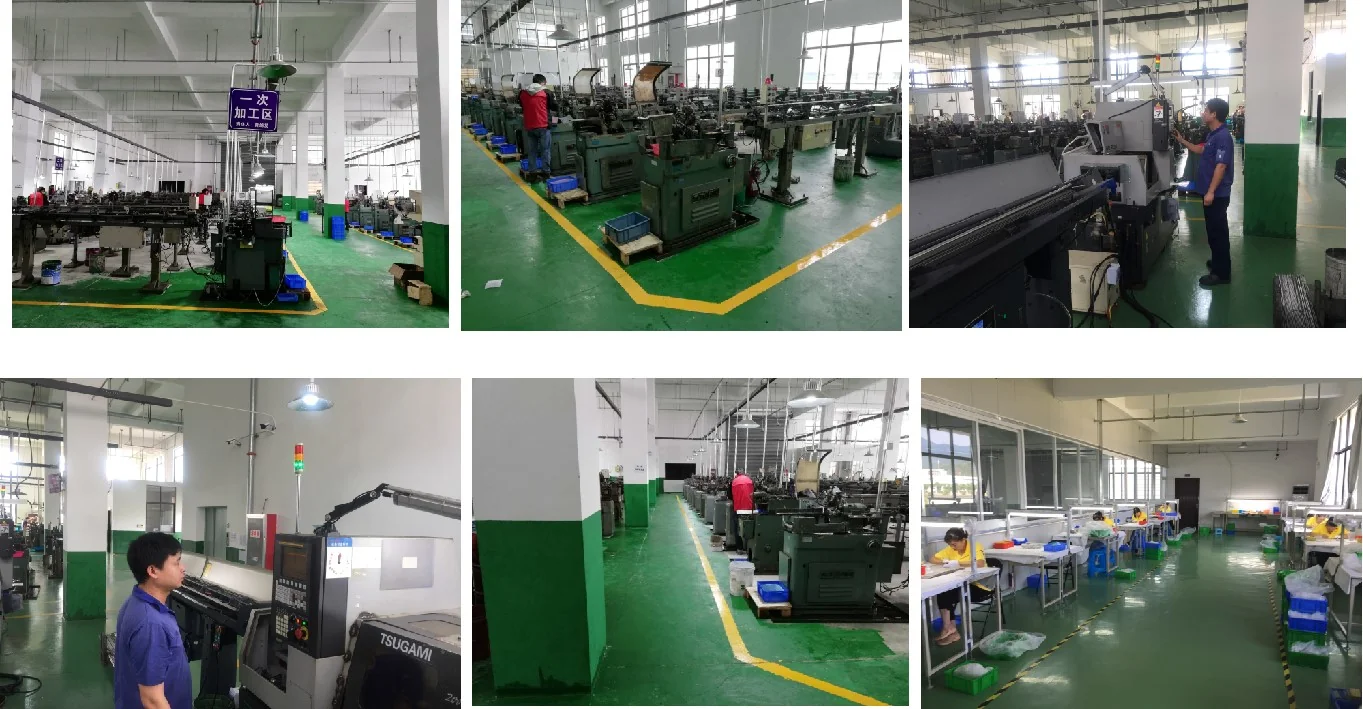
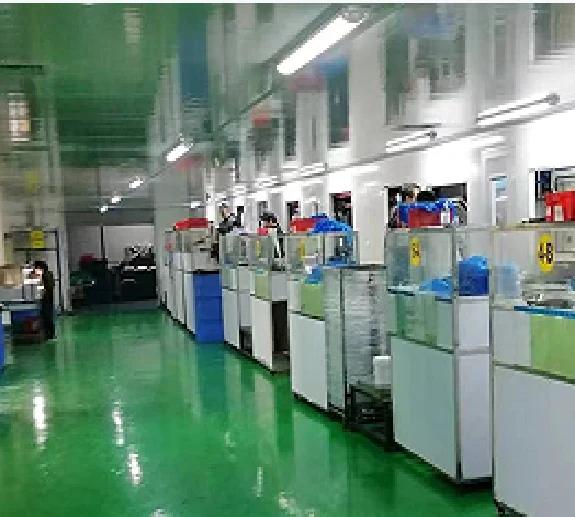
At Suzhou Baoshida Trading Co., Ltd., our engineering capability forms the backbone of our industrial rubber solutions, particularly in the specialized domain of black foam core manufacturing. With a dedicated team comprising five experienced mould engineers and two advanced formula engineers, we maintain full in-house control over material development and tooling design. This integrated approach ensures seamless alignment between compound formulation and mould performance, critical for achieving consistent physical properties and dimensional accuracy in every production run.

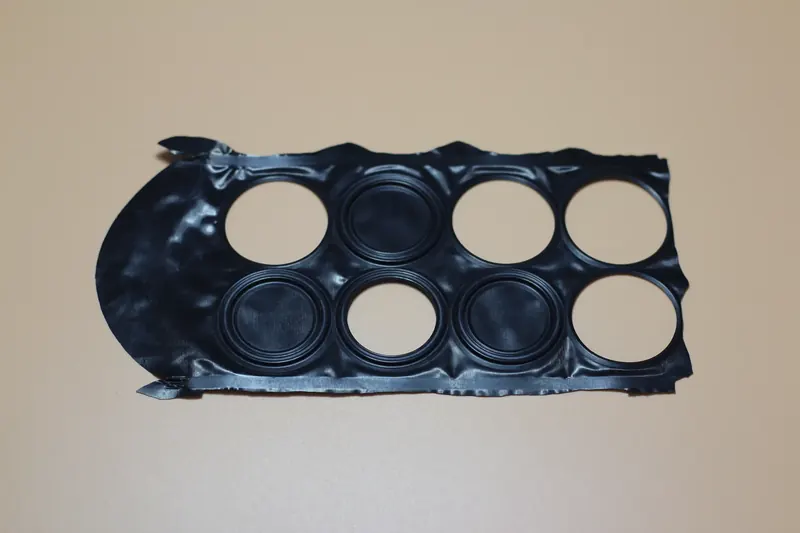
Our formula engineers specialize in custom elastomer development, focusing on nitrile rubber (NBR), ethylene propylene diene monomer (EPDM), and blended formulations tailored for compression- or sponge-type black foam cores. These compounds are engineered to meet exacting requirements for density, compression set, thermal stability, and resistance to environmental aging. By controlling the cross-linking structure, blowing agent dispersion, and vulcanization kinetics, we optimize cell structure uniformity and mechanical resilience—key factors in long-term sealing and cushioning performance.

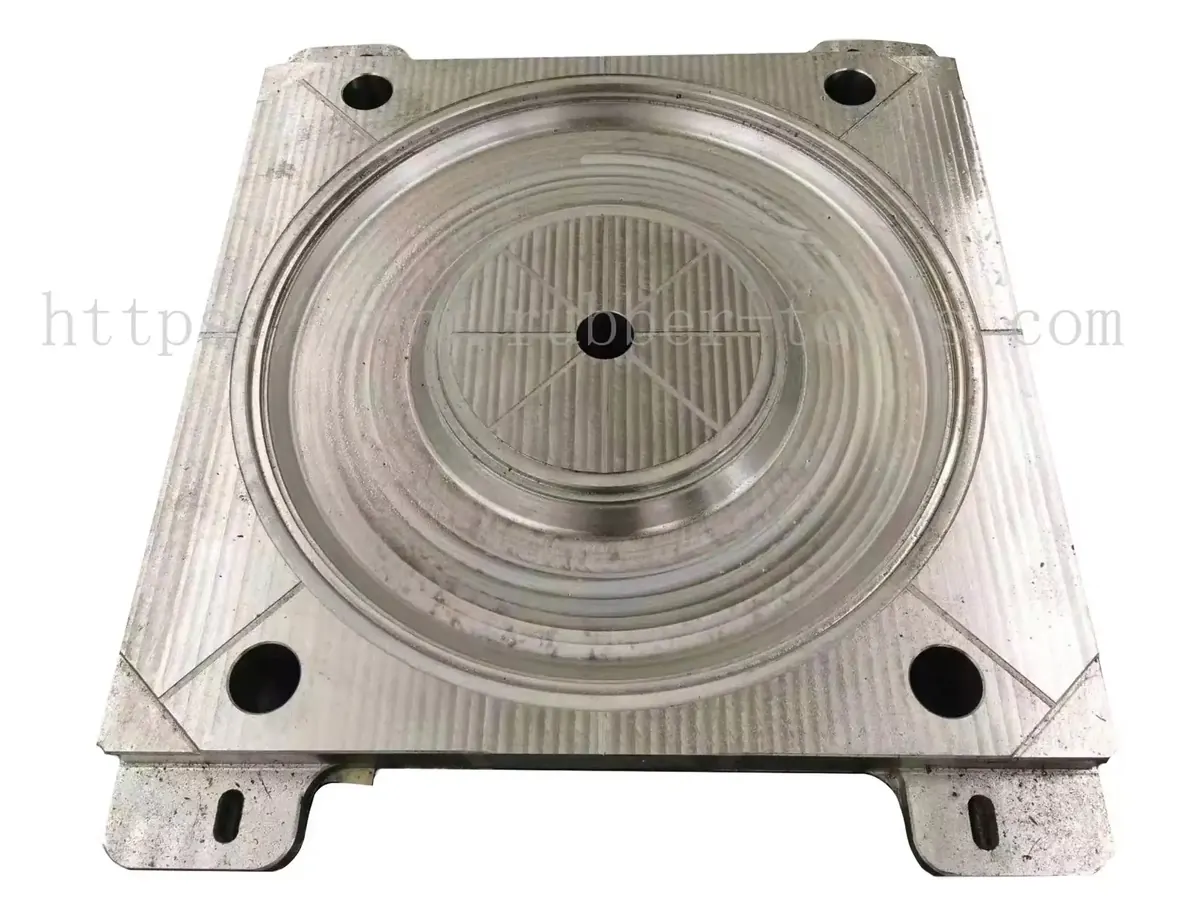
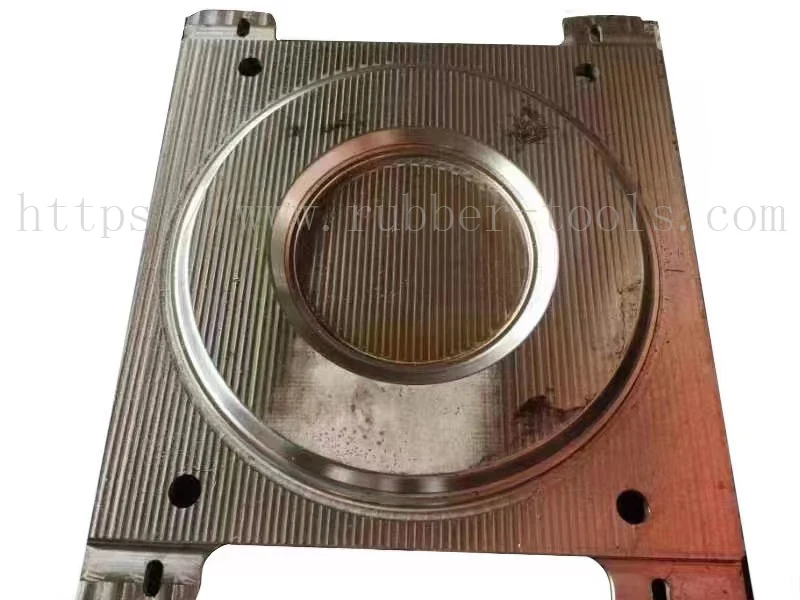
Complementing material science, our five mould engineers bring extensive expertise in precision tooling for rubber compression and transfer moulding. They design and validate steel moulds with tight tolerances (±0.1 mm), incorporating optimal venting, parting line management, and gating systems to minimize flash and ensure repeatable cavity filling. All mould designs undergo thermal and flow simulation prior to fabrication, reducing time-to-trial and enhancing first-pass success rates. Rapid prototyping capabilities allow for functional samples within 10–15 working days, accelerating customer validation cycles.

We operate as a certified OEM partner, providing end-to-end manufacturing services from technical consultation and CAD-based design support to batch production and quality assurance. Our OEM model is built on confidentiality, scalability, and compliance with international standards, including ISO 9001:2015 and RoHS. Clients benefit from dedicated process documentation, traceability logs, and PPAP submission support for automotive and industrial applications.

The following table outlines typical engineering specifications achievable for black foam core products under our standard production protocols:

Parameter Standard Range Test Method
Hardness (Shore A) 25–60 A ASTM D2240
Density 0.3–0.8 g/cm³ ASTM D3574
Compression Set (22h, 70°C) ≤35% ASTM D395
Tensile Strength 1.5–4.0 MPa ASTM D412
Elongation at Break 100–250% ASTM D412
Operating Temperature -30°C to +100°C (up to +135°C intermittent)
Cell Structure Closed-cell or semi-open, uniform Microscopy (100x)

This technical foundation enables Suzhou Baoshida to deliver high-reliability black foam core components for automotive seals, HVAC insulation, industrial gaskets, and electronic enclosures. Our engineering team works closely with clients to refine specifications, troubleshoot application challenges, and ensure manufacturability—delivering not just parts, but engineered solutions.


Customization Process

Customization Process for Black Foam Core Manufacturing

At Suzhou Baoshida Trading Co., Ltd., our black foam core customization follows a rigorously defined sequence to ensure technical compliance and performance reliability. This process transforms client specifications into engineered rubber solutions, minimizing risk while optimizing material efficiency.

Drawing Analysis
Initial engagement begins with comprehensive technical drawing review. Our engineering team scrutinizes dimensional tolerances, environmental exposure requirements, and functional load conditions. Critical attention is paid to geometric complexity, wall thickness variations, and sealing surface profiles. We identify potential molding challenges such as undercuts or thin sections that could compromise cell structure integrity. This phase includes cross-referencing ASTM D2000 or ISO 3767 standards to validate material class specifications, ensuring alignment with client operational parameters like temperature range (-40°C to +120°C) and fluid resistance.

Formulation
Based on drawing insights, our rubber chemists develop a proprietary compound. Black foam core formulations typically utilize EPDM or NBR base polymers, selected for ozone resistance and oil compatibility respectively. Precision dosing of blowing agents, vulcanizing systems, and reinforcing fillers achieves target density and closed-cell microstructure. Key variables include:
Blowing agent decomposition kinetics for uniform cell distribution
Filler dispersion levels to balance compression set resistance and flexibility
Antioxidant packages for extended service life under UV exposure
Formulation targets are derived from client-specified mechanical properties, with adjustments made for production method (e.g., continuous vulcanization vs. batch molding).

Prototyping
Validated formulations proceed to prototype production using client-approved tooling. Samples undergo accelerated aging tests per ASTM D573 and compression set analysis per ISO 815. Dimensional verification employs CMM (Coordinate Measuring Machine) technology to confirm tolerances within ±0.1 mm. Performance metrics are benchmarked against the table below, with iterative refinements until all criteria are met. Client sign-off requires passing 72-hour fluid immersion tests and dynamic compression cycling.

Mass Production
Approved prototypes transition to full-scale manufacturing under ISO 9001-certified protocols. In-line quality control includes:
Real-time rheometer monitoring of cure characteristics
Continuous density checks via gamma-ray densitometry
Automated visual inspection for surface defects
Statistical process control (SPC) maintains critical parameters within ±1.5% of target values. Each production lot receives full certification documentation, including material traceability records and third-party test reports for compression deflection and thermal stability.

Typical Black Foam Core Performance Specifications

Property Test Method Typical Range
Density ASTM D3574 0.35–0.65 g/cm³
Hardness (Shore A) ASTM D2240 30–70
Compression Set (22h/70°C) ISO 815 ≤25%
Tensile Strength ASTM D412 0.8–2.5 MPa
Elongation at Break ASTM D412 150–350%
Operating Temperature -40°C to +120°C

This structured approach guarantees that every black foam core component meets exacting industrial demands, from automotive gaskets to HVAC insulation. Suzhou Baoshida’s integration of material science expertise with precision manufacturing delivers consistent performance in high-stakes applications.


Contact Engineering Team

black foam core manufacturing

For industrial manufacturers seeking high-performance rubber materials, black foam core represents a critical component in sealing, insulation, and vibration dampening applications across automotive, construction, electronics, and transportation sectors. At Suzhou Baoshida Trading Co., Ltd., we specialize in engineered rubber solutions tailored to meet precise OEM specifications and industrial demands. Our black foam core products are formulated for resilience, compression recovery, and long-term environmental resistance, ensuring optimal performance under dynamic operational conditions.

We invite technical teams, procurement managers, and R&D engineers to engage directly with our OEM division to discuss customized formulations, volume production capabilities, and material qualification support. As a trusted partner in industrial rubber supply chains, Suzhou Baoshida combines advanced compounding expertise with rigorous quality control protocols to deliver consistent, traceable, and application-optimized materials. Whether you require closed-cell nitrile rubber (NBR), EPDM blends, or specialized cellular structures with enhanced UV or ozone resistance, our technical team is equipped to support your project from prototype to full-scale manufacturing.

To ensure seamless integration into your production workflows, we provide comprehensive technical data packages including compression set values, density profiles, tensile strength, and temperature resistance ranges. Our formulations are developed in alignment with international standards such as ASTM D2000, ISO 1817, and RoHS compliance, enabling global deployment with confidence.

For immediate technical consultation or sample requests, contact Mr. Boyce, OEM Account Manager at Suzhou Baoshida Trading Co., Ltd. Mr. Boyce brings over 12 years of experience in industrial elastomer applications and serves as the primary liaison for engineering collaborations, custom specification development, and supply chain coordination. He is available to review your material requirements, provide feasibility assessments, and deliver sample batches for performance validation.

Below are representative specifications for our standard black foam core formulation. Custom modifications—including hardness adjustment, adhesive lamination, die-cutting, and splicing—are available upon request.

Property Test Method Value
Material Type Visual/IR Closed-Cell NBR/PVC Blend
Color Visual Black
Density ASTM D3574 0.08 – 0.12 g/cm³
Hardness (Shore 00) ASTM D2240 25 – 35
Tensile Strength ASTM D412 ≥ 1.8 MPa
Elongation at Break ASTM D412 ≥ 150%
Compression Set (25%, 22h @70°C) ASTM D395 ≤ 20%
Operating Temperature Range Engineering Data -30°C to +100°C
Flame Resistance UL 94 HB Rated
Cell Structure Microscopy Uniform, Non-Interconnected

To initiate a technical discussion, request material samples, or receive a formal quotation, please contact Mr. Boyce via email at [email protected]. Include your company details, intended application, required dimensions, and any performance criteria for expedited response. We support English and Mandarin communications and offer logistics solutions via air freight, sea container, or bonded warehouse delivery to North America, Europe, and Asia-Pacific regions. Partner with Suzhou Baoshida for precision-engineered black foam core solutions backed by scientific rigor and industrial reliability.


⚖️ O-Ring Weight Calculator

Estimate rubber O-ring weight (Approx).


Black Foam Core Manufacturer | Engineering Guide

Contents of Table

Contact [email protected] Whatsapp 86 15951276160