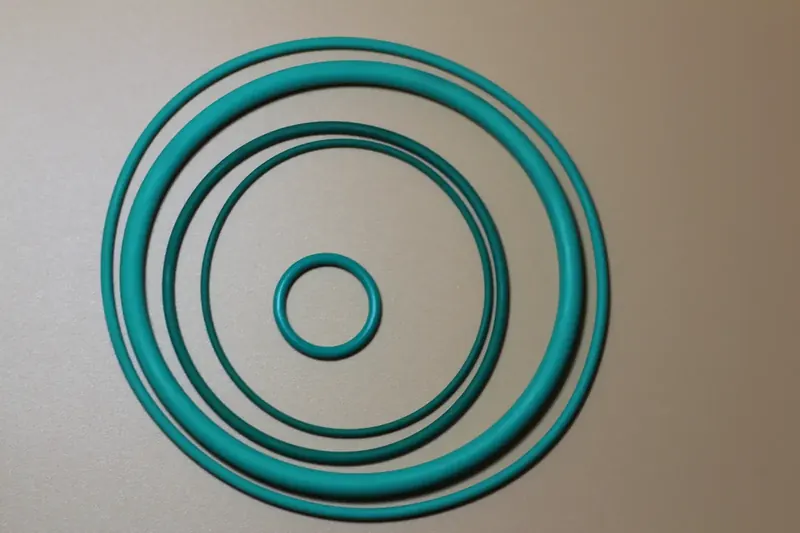
Silicone Manufacturing Manufacturer | Engineering Guide

Engineering Guide: Silicone Manufacturing

silicone manufacturing manufacturing

Engineering Insight: The Critical Role of Material Selection in Silicone Manufacturing

In the domain of precision rubber seals, silicone stands out for its exceptional thermal stability, chemical inertness, and long-term resilience under extreme conditions. However, the assumption that all silicone materials are interchangeable—or that off-the-shelf compounds can meet specialized engineering requirements—leads to frequent field failures and costly downtime. At Suzhou Baoshida Trading Co., Ltd., we emphasize that material selection is not a secondary consideration but a foundational engineering decision that directly impacts performance, longevity, and system reliability.

Silicone rubber is not a monolithic material. It encompasses a range of formulations—high-consistency rubber (HCR), liquid silicone rubber (LSR), and fluorosilicone variants—each engineered for specific operational environments. Off-the-shelf silicone compounds are typically optimized for volume production and general-purpose applications, sacrificing the tailored attributes required in precision sealing. These generic formulations often lack the reinforcement, purity, or additive packages needed to withstand dynamic stress, aggressive media exposure, or temperature cycling common in industrial, medical, or aerospace systems.

For example, a standard platinum-cured LSR may exhibit excellent flow characteristics for molding but fail prematurely in high-compression set environments due to insufficient crosslink density. Similarly, a phenyl-containing silicone may be necessary for low-temperature flexibility below –70°C, a property unattainable with conventional methyl-vinyl silicone. The omission of such nuanced selection criteria results in seal degradation, leakage, and potential system failure.

Moreover, regulatory compliance and biocompatibility requirements—critical in pharmaceutical or food-grade applications—demand silicone compounds with documented traceability, extractables profiles, and certifications such as USP Class VI, FDA 21 CFR, or ISO 10993. Generic materials rarely provide the necessary documentation or batch-to-batch consistency required for validation.

At Baoshida, we approach silicone manufacturing as a systems engineering challenge. Our material selection process begins with a full analysis of the application: temperature range, media exposure, mechanical load, sealing force, and lifecycle expectations. Only then do we formulate or select a silicone compound that meets—not approximates—the operational demands.

The following table outlines key silicone variants and their engineered performance characteristics:

Silicone Type Temperature Range (°C) Key Advantages Typical Applications
High-Consistency (HCR) –55 to +250 High tear strength, compression set resistance Industrial gaskets, high-pressure seals
Liquid Silicone (LSR) –40 to +200 Precision molding, biocompatibility Medical devices, automotive sensors
Fluorosilicone (FVMQ) –20 to +200 Fuel and oil resistance Aerospace fuel systems
Phenyl Silicone –100 to +180 Exceptional low-temperature flexibility Cryogenic seals, aerospace

Selecting the correct silicone formulation is not a matter of convenience—it is a technical imperative. Off-the-shelf solutions may reduce initial costs, but they compromise reliability, safety, and total cost of ownership. Precision sealing demands precision materials.


Material Specifications

silicone manufacturing manufacturing

Material Specifications for Precision Rubber Seals

Material selection is foundational to seal performance in demanding industrial applications. At Suzhou Baoshida Trading Co., Ltd., we prioritize scientific rigor in specifying elastomers to ensure dimensional stability, chemical compatibility, and longevity under operational stress. Viton (FKM), Nitrile (NBR), and Silicone (VMQ) represent critical solutions for precision seals, each engineered for distinct environmental challenges. Viton excels in aerospace and chemical processing due to its exceptional resistance to high temperatures, aggressive fuels, and halogenated solvents. Its fluoropolymer structure maintains integrity up to 230°C while resisting swelling in aromatic hydrocarbons, making it indispensable for dynamic sealing in jet engines and semiconductor manufacturing. Nitrile remains the industry standard for hydraulic and automotive systems where cost efficiency and resilience against petroleum-based oils are paramount. With a balanced profile of abrasion resistance and tensile strength, NBR performs reliably between -40°C and 125°C but degrades in ozone-rich or ketone-exposed environments. Silicone offers unmatched flexibility across extreme temperatures, from -60°C to 200°C, with superior biocompatibility for medical and food-grade applications. While inherently weaker in tensile properties than FKM or NBR, its inertness to water, steam, and oxidizing agents ensures consistent performance in sterilization cycles and outdoor weathering.

Critical performance parameters are quantified below for engineering validation. All materials comply with ASTM D2000 classification standards and undergo rigorous batch testing per ISO 37 for mechanical properties.

Material Temperature Range (°C) Tensile Strength (MPa) Elongation at Break (%) Hardness Range (Shore A) Key Chemical Resistances Primary Applications
Viton (FKM) -20 to 230 10–20 150–300 60–90 Fuels, acids, halogenated solvents, steam Aerospace seals, chemical pumps, semiconductor tools
Nitrile (NBR) -40 to 125 15–30 200–500 50–90 Aliphatic hydrocarbons, hydraulic fluids, water Automotive O-rings, hydraulic cylinders, fuel systems
Silicone (VMQ) -60 to 200 4–10 200–700 30–80 Water, steam, ozone, alcohols, food acids Medical devices, food processing, outdoor electrical

Precision sealing demands exact material alignment with application physics. Viton’s thermal stability prevents extrusion in high-pressure valve stems, while NBR’s low compression set ensures repeatable sealing in reciprocating shafts. Silicone’s low glass transition temperature (-125°C) avoids brittle failure in cryogenic gaskets but requires reinforcement for high-wear scenarios. Suzhou Baoshida Trading Co., Ltd. validates all formulations through accelerated aging tests per ASTM D573 and fluid immersion protocols per ISO 1817. Our OEM partnerships leverage this data-driven approach to eliminate field failures—providing not just materials, but engineered sealing integrity. Partner with us to translate material science into operational reliability.


Manufacturing Capabilities

silicone manufacturing manufacturing

Engineering Capability: Precision-Driven Silicone Manufacturing for Critical Sealing Applications

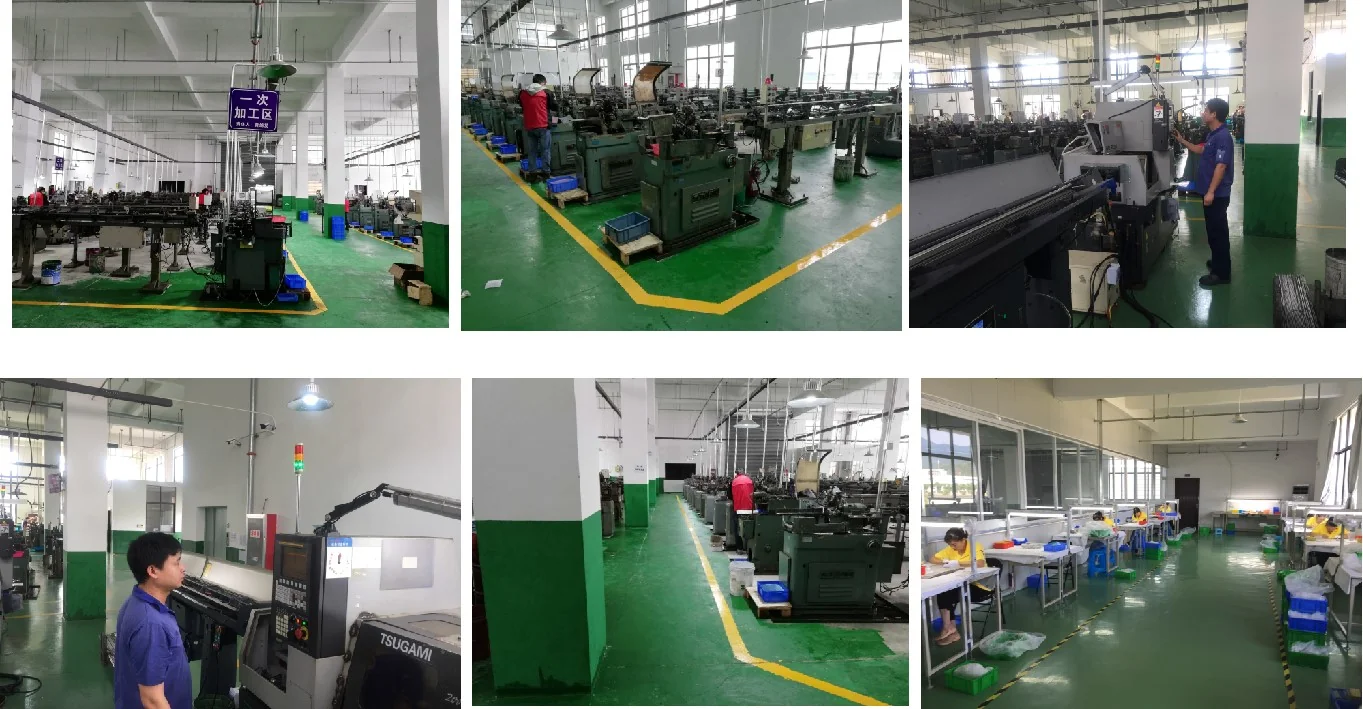
At Suzhou Baoshida Trading Co., Ltd., our engineering capability forms the backbone of our reputation in the precision rubber seals market. With a dedicated team of five certified mould engineers and two advanced formula engineers, we integrate material science with precision tooling to deliver high-performance silicone components tailored to the exacting demands of industrial, automotive, medical, and aerospace OEMs. Our cross-functional engineering approach ensures that every stage—from compound development to final mould validation—is optimized for repeatability, performance, and compliance.

Our two in-house rubber formula engineers specialize in silicone elastomer formulation, focusing on custom compound development for extreme environments. They routinely adjust polymer base types, filler loading, cross-linking systems, and additive packages to meet specific requirements such as high-temperature resistance (up to 300°C), low compression set, USP Class VI biocompatibility, or low outgassing. This granular control over material properties allows us to solve complex sealing challenges where off-the-shelf compounds fail. Each formulation is rigorously tested in our on-site laboratory using ASTM and ISO-standardized methods before release for production.

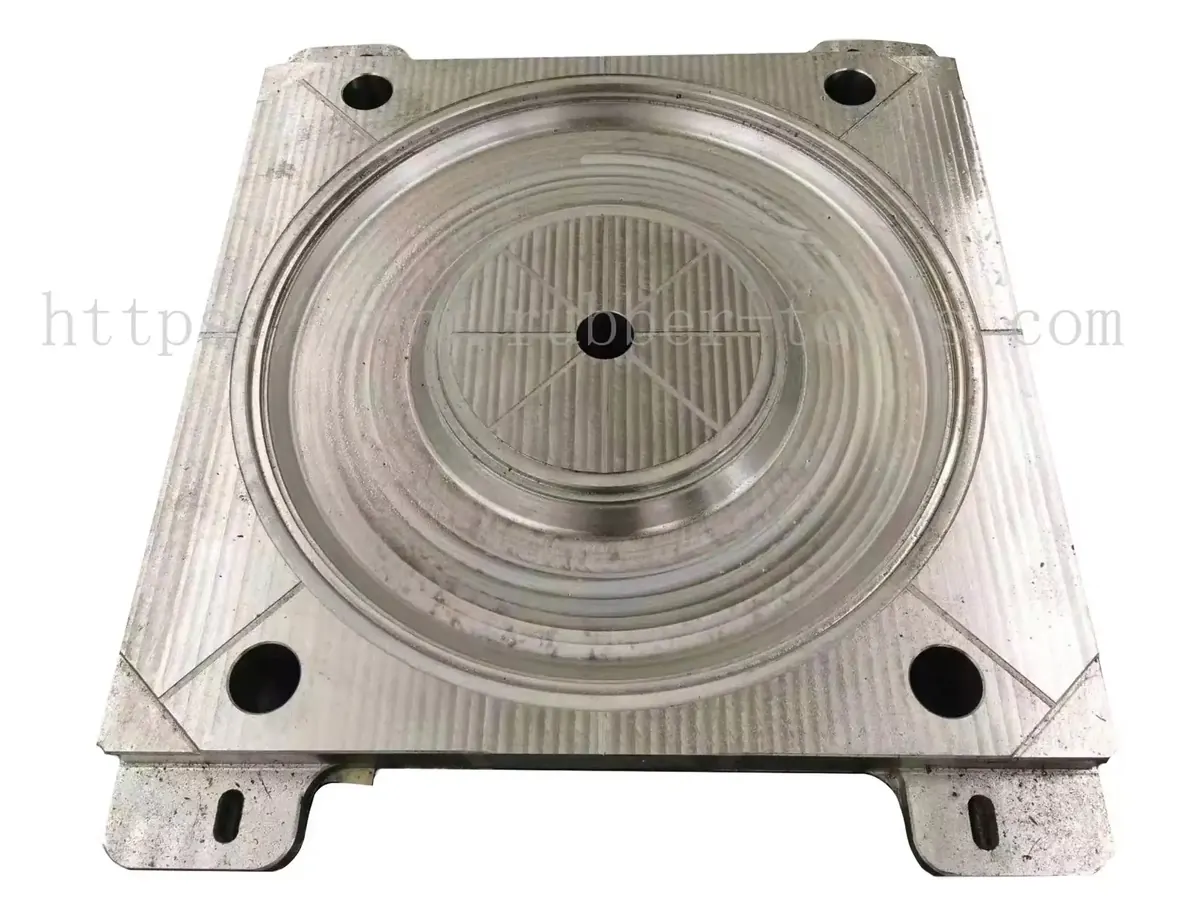
Complementing our material expertise, our team of five mould engineers brings extensive experience in precision tool design for liquid silicone rubber (LSR) and high-consistency rubber (HCR) processing. Utilizing advanced CAD/CAM software and collaborating directly with OEM design teams, we develop multi-cavity, tight-tolerance tooling capable of holding ±0.05 mm dimensional accuracy. Our engineers specialize in gate optimization, venting strategies, and thermal management to minimize flash, reduce cycle times, and ensure part consistency across high-volume runs. All tooling is fabricated in certified partner facilities under strict quality oversight and subjected to comprehensive mold flow analysis and first-article inspection.

We operate as a full-service OEM partner, offering end-to-end engineering support from prototype to mass production. Our collaborative development process includes Design for Manufacturability (DFM) reviews, rapid prototyping via 3D-printed molds or soft tooling, and full-scale process validation using Statistical Process Control (SPC) and capability studies (Cp/Cpk ≥ 1.67). This ensures seamless scalability and long-term reliability for our clients’ supply chains.

The table below summarizes our core engineering capabilities and technical parameters:

Parameter Specification
In-House Engineers 5 Mould Engineers, 2 Formula Engineers
Material Development Custom silicone compounds (LSR, HCR, HTV)
Temperature Resistance Up to 300°C (short-term)
Dimensional Tolerance ±0.05 mm (typical)
Biocompatibility USP Class VI, ISO 10993 compliant options
Tooling Design Software SolidWorks, AutoCAD, Moldflow
Tooling Accuracy ±0.02 mm (cavity/core dimensions)
Process Validation SPC, Cp/Cpk analysis, First Article Inspection
Production Volume Range Prototypes to 10 million pcs/year
Key Industries Served Automotive, Medical, Industrial, Aerospace

Through the seamless integration of formulation science and precision tooling engineering, Suzhou Baoshida delivers silicone sealing solutions that perform under the most demanding operational conditions.


Customization Process

silicone manufacturing manufacturing

Suzhou Baoshida Trading Co., Ltd. Technical Guide: Silicone Precision Seal Customization Process

Achieving optimal performance in demanding industrial applications requires a rigorously controlled customization pathway for silicone rubber seals. At Suzhou Baoshida Trading Co., Ltd., our OEM engineering process eliminates ambiguity through sequential, data-driven stages, ensuring final components meet exact functional and environmental specifications. This methodology is fundamental to delivering precision rubber seals for aerospace, medical, and semiconductor sectors where failure is not an option.

The process initiates with comprehensive Drawing Analysis. Our engineering team conducts a meticulous review of client-provided technical drawings, focusing on Geometric Dimensioning and Tolerancing (GD&T) compliance, critical sealing surfaces, and interface geometry. We perform Failure Mode and Effects Analysis (FMEA) to identify potential stress points, compression set risks, and material compatibility concerns against the stated operating environment (temperature range, media exposure, pressure cycles). This stage confirms feasibility and establishes measurable validation criteria for subsequent phases, preventing costly revisions later.

Formulation Development is the core scientific phase. Based on the drawing analysis and application requirements, our rubber chemists select base polymer types (e.g., high-consistency rubber HCR, liquid silicone rubber LSR) and engineer bespoke compound formulations. This involves precise adjustment of fillers, crosslinking systems, and additives to achieve target properties like tensile strength, elongation, compression set resistance, and biocompatibility. Material selection is never generic; it is a calculated response to the specific chemical, thermal, and mechanical loads identified during analysis. Key formulation properties are validated against stringent internal and international standards.

Prototyping & Validation transforms the engineered compound into physical form. Utilizing client-approved tooling or rapid prototype molds, we produce initial seal samples. These undergo rigorous in-house testing per the agreed protocol: dimensional verification via CMM, physical property testing (hardness, tensile), and application-specific functional trials (leak testing under simulated pressure/temperature, media immersion). Crucially, samples are submitted to the client for independent validation in their actual assembly and operating conditions. Iterative refinement occurs here until all performance metrics are consistently met.

Upon successful prototype sign-off, Controlled Mass Production commences. Production runs leverage statistical process control (SPC) methodologies, with real-time monitoring of critical parameters like cure time, temperature profiles, and compound viscosity. Every batch undergoes full material certification, including traceability to raw material lots and comprehensive physical property testing against the approved formulation. Final inspection employs automated vision systems alongside manual checks per AS9100 or ISO 13485 protocols, ensuring 100% conformance before shipment. Suzhou Baoshida maintains strict environmental controls within Class 8 cleanrooms for medical and semiconductor-grade seals.

Material properties are non-negotiable. The table below exemplifies critical silicone formulation targets for high-reliability seals:

Property Test Method Target Value Application Impact
Compression Set (22h/150°C) ASTM D395 Method B ≤ 20% Long-term sealing force retention
Tensile Strength ASTM D412 ≥ 8.0 MPa Resistance to extrusion & tearing
Hardness (Shore A) ASTM D2240 70 ± 5 Seal interface pressure distribution

This structured approach, from initial drawing scrutiny through to statistically verified mass production, guarantees Suzhou Baoshida delivers silicone seals that perform reliably under the most extreme operational demands, minimizing client risk and lifecycle costs.


Contact Engineering Team

silicone manufacturing manufacturing

Contact Suzhou Baoshida for Precision Silicone Manufacturing Solutions

At Suzhou Baoshida Trading Co., Ltd., we specialize in the development and production of high-performance silicone components tailored for critical sealing applications across aerospace, automotive, medical, and industrial sectors. Our expertise in silicone manufacturing is rooted in precision engineering, strict quality control, and a deep understanding of material behavior under extreme conditions. As a trusted OEM partner, we deliver custom rubber seals that meet exact dimensional, thermal, and chemical resistance requirements.

Silicone rubber is uniquely suited for applications demanding long-term stability across wide temperature ranges (-60°C to +200°C), excellent electrical insulation, and biocompatibility. Whether you require compression molding, injection molding, or extrusion processes, our manufacturing capabilities are supported by advanced tooling design, in-house compound formulation, and full material traceability. We work with a range of silicone types, including high-consistency rubber (HCR), liquid silicone rubber (LSR), and fluorosilicone (FVMQ), ensuring compatibility with your operational environment.

Our engineering team collaborates directly with clients to optimize part design, select appropriate durometers, and validate performance through rigorous testing protocols such as compression set, tensile strength, and accelerated aging. Every product undergoes 100% visual inspection and dimensional verification using precision metrology equipment, ensuring compliance with ISO 9001:2015 standards and customer-specific quality plans.

For OEMs requiring consistent batch-to-batch repeatability and rapid prototyping support, Suzhou Baoshida offers scalable production runs with lead times optimized for global supply chain integration. We support both small-volume pilot projects and high-volume manufacturing with automated molding lines and robotic demolding systems to ensure efficiency and cost-effectiveness.

To ensure seamless collaboration, we maintain technical documentation in English and Chinese, including material certifications (e.g., FDA, USP Class VI, RoHS), process FMEAs, and PPAP submissions upon request. Our quality management system is designed to meet the audit requirements of international regulatory bodies and tier-1 manufacturers.

Partner with Suzhou Baoshida to leverage our full-service silicone manufacturing platform and achieve superior sealing performance in your next generation of engineered systems.

Material Property Silicone (VMQ) Fluorosilicone (FVMQ) Liquid Silicone (LSR)
Hardness Range (Shore A) 30–80 40–70 10–80
Temperature Range (°C) -60 to +200 -50 to +175 -40 to +200
Tensile Strength (MPa) 6–9 5–7 7–10
Elongation at Break (%) 400–600 300–500 500–700
Compression Set (22h, 150°C) ≤25% ≤30% ≤15%
Key Applications General seals, gaskets Fuel/oil-resistant seals Medical devices, electronics

For technical consultations, material selection guidance, or custom quote requests, contact Mr. Boyce at [email protected]. We respond to all inquiries within 24 hours on business days.


⚖️ O-Ring Weight Calculator

Estimate rubber O-ring weight (Approx).


Silicone Manufacturing Manufacturer | Engineering Guide

Contents of Table

Contact [email protected] Whatsapp 86 15951276160