Technical Contents
Engineering Guide: Anti Static Pads

Engineering Insight: The Critical Role of Material Selection in Anti Static Pads
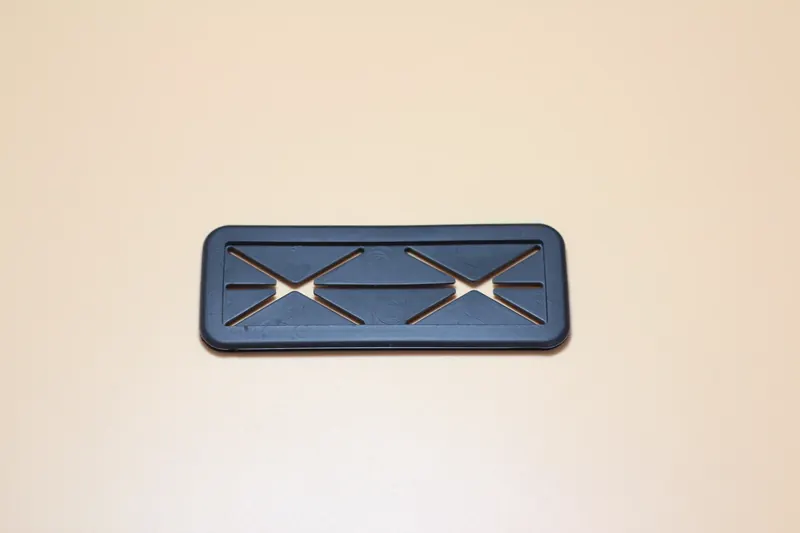
In industrial environments where electrostatic discharge (ESD) poses a risk to sensitive equipment, personnel safety, and product integrity, anti static pads are not merely accessories—they are engineered safeguards. At Suzhou Baoshida Trading Co., Ltd., we emphasize that the performance of these pads is fundamentally determined by precise material selection. Off-the-shelf solutions often fail because they prioritize cost and availability over the nuanced requirements of static dissipation, mechanical durability, and environmental compatibility.
Anti static behavior in rubber compounds is achieved through the incorporation of conductive fillers such as carbon black, metal oxides, or intrinsically conductive polymers. However, the type, dispersion, and concentration of these additives directly influence surface resistivity, which must typically fall within the range of 10^5 to 10^9 ohms/square for effective ESD control. Generic pads may use insufficient filler loading or poorly dispersed additives, resulting in inconsistent conductivity and premature failure under operational stress.
Furthermore, industrial environments subject anti static pads to a range of mechanical and chemical challenges—abrasion, compression set, oil exposure, temperature fluctuations. A pad formulated with standard nitrile rubber (NBR) may offer good oil resistance but could lack the necessary flexibility or static-dissipative stability over time. Conversely, ethylene propylene diene monomer (EPDM) provides excellent weather and ozone resistance but may require specialized modification to achieve target resistivity. Material selection must therefore be application-specific, balancing electrical performance with long-term physical resilience.
Another critical oversight in off-the-shelf products is the absence of traceability and compliance documentation. In regulated industries such as semiconductor manufacturing or explosive handling, certification to standards like ANSI/ESD S20.20 or IEC 61340-5-1 is mandatory. Custom-engineered pads from Suzhou Baoshida are formulated with documented batch control, ensuring compliance and repeatability across production runs.
The following table outlines key performance parameters influenced by material selection in anti static pads:
| Property | Standard NBR Pad | Standard EPDM Pad | Baoshida Engineered Anti Static Pad |
|---|---|---|---|
| Surface Resistivity (ohms/sq) | 10^10 – 10^12 | 10^11 – 10^13 | 10^6 – 10^8 |
| Volume Resistivity (ohm·cm) | ~10^9 | ~10^10 | 10^5 – 10^7 |
| Hardness (Shore A) | 60 – 70 | 65 – 75 | 55 – 80 (customizable) |
| Tensile Strength (MPa) | 12 – 15 | 10 – 13 | 14 – 18 |
| Elongation at Break (%) | 250 – 350 | 200 – 300 | 300 – 450 |
| Operating Temperature Range | -20°C to +100°C | -40°C to +130°C | -30°C to +120°C |
| Oil Resistance | Excellent | Poor | Excellent (formulation-dependent) |
| Compression Set (70 hrs @ 70°C) | 20 – 25% | 15 – 20% | <18% |
Suzhou Baoshida Trading Co., Ltd. approaches anti static pad manufacturing as a system-level engineering challenge. We reject the one-size-fits-all model, instead tailoring compound formulations to meet the electrical, mechanical, and regulatory demands of each industrial application. This precision ensures reliability, safety, and compliance—qualities that off-the-shelf alternatives consistently fail to deliver.
Material Specifications

Material Specifications for Industrial Anti-Static Rubber Pads
Selecting the appropriate elastomer base for anti-static pads is critical in industrial environments where electrostatic discharge (ESD) can damage sensitive components or ignite flammable atmospheres. At Suzhou Baoshida Trading Co., Ltd., we engineer anti-static properties into rubber compounds by integrating conductive additives—such as carbon black, metal-coated fibers, or intrinsically conductive polymers—into base polymers. These additives create controlled pathways for static dissipation while maintaining the core mechanical and chemical resistance properties of the material. It is essential to note that the base polymer itself is inherently insulative; anti-static functionality is exclusively derived from the additive package and its dispersion homogeneity. Performance must be validated per ASTM D257 for surface resistivity, with target ranges typically between 10^5 to 10^9 ohm-cm for effective ESD control in manufacturing settings.
Viton (FKM) compounds offer exceptional resistance to high temperatures (up to 250°C), aggressive chemicals, and fuels, making them suitable for aerospace and semiconductor tooling applications. However, achieving stable anti-static properties in FKM requires specialized conductive additives due to its saturated molecular structure, which limits additive compatibility. The resulting resistivity range is narrower (10^9–10^12 ohm-cm), prioritizing chemical integrity over ultra-low static dissipation. Nitrile rubber (NBR) remains the most cost-effective solution for general industrial use, particularly in oil and fuel-exposed environments. Its polar nitrile groups facilitate robust additive bonding, yielding consistent resistivity between 10^6 and 10^9 ohm-cm. NBR pads excel in automotive assembly lines and hydraulic machinery where moderate static control and oil resistance are paramount. Silicone rubber (VMQ) provides unmatched flexibility across extreme temperatures (-60°C to 200°C) and meets FDA/USP Class VI requirements for food and medical applications. Achieving reliable anti-static performance in silicone demands precision in additive selection to avoid compromising its high purity, typically achieving 10^5–10^8 ohm-cm resistivity.
The following table details comparative specifications for anti-static formulations:
| Material | Base Polymer | Static Dissipation Range (ohm-cm) | Key Chemical/Thermal Properties | Primary Industrial Applications |
|---|---|---|---|---|
| Viton (FKM) | Fluorocarbon | 10^9–10^12 | Continuous use to 250°C; resistant to acids, jet fuels, and ozone | Semiconductor wafer handling, chemical processing seals |
| Nitrile (NBR) | Acrylonitrile Butadiene | 10^6–10^9 | Resistant to oils, greases, and aliphatic hydrocarbons; moderate ozone resistance | Automotive assembly pads, printing machinery, oilfield equipment |
| Silicone (VMQ) | Polysiloxane | 10^5–10^8 | Flexible from -60°C to 200°C; inert, non-toxic, UV stable | Medical device manufacturing, food packaging conveyors, electronics assembly |
Material selection must balance resistivity requirements with environmental stressors. Viton suits high-purity, chemically aggressive settings where moderate static control suffices. NBR delivers optimal value for oil-rich environments needing reliable mid-range dissipation. Silicone is indispensable for ultra-clean or temperature-variable applications requiring the lowest practical resistivity. Suzhou Baoshida Trading Co., Ltd. provides OEM-customized anti-static formulations with certified resistivity validation, ensuring compliance with IEC 61340-5-1 ESD protection standards. Partner with our engineering team to define additive concentrations and polymer modifications tailored to your operational hazards.
Manufacturing Capabilities

Engineering Capability: Precision-Driven Development for Anti-Static Pads
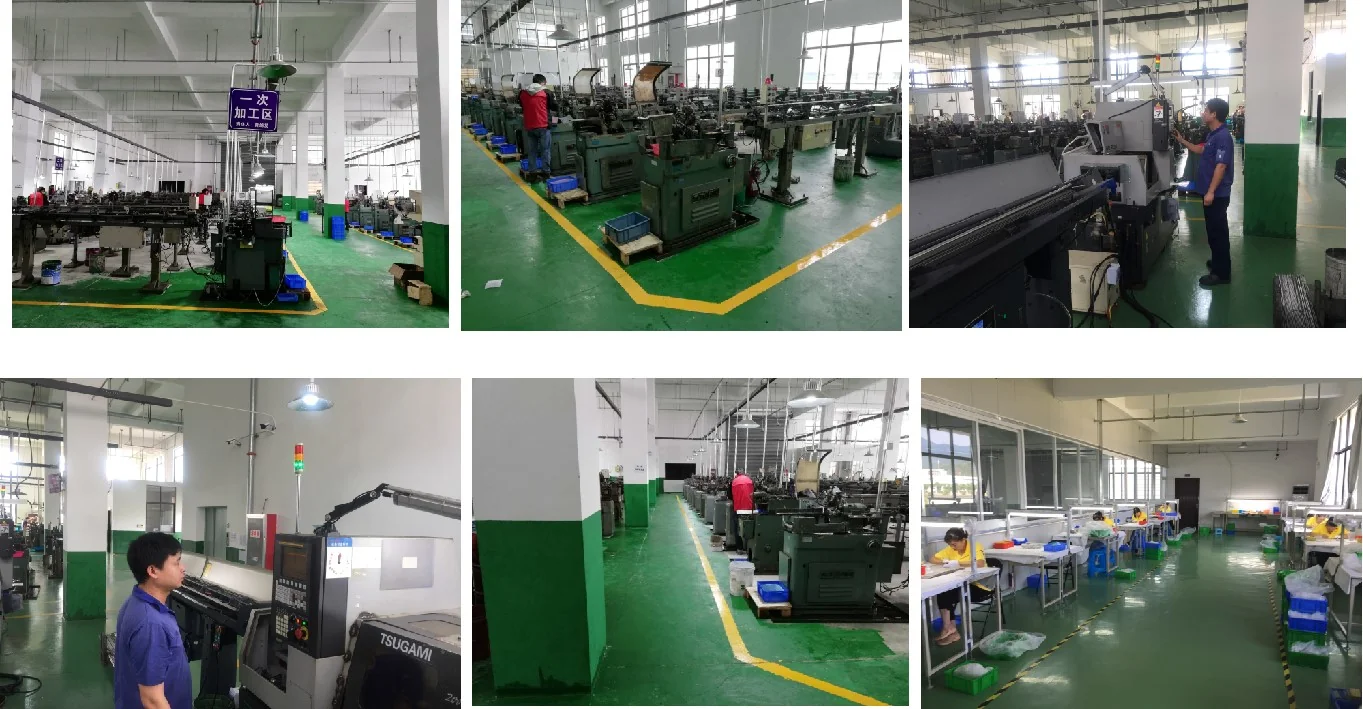
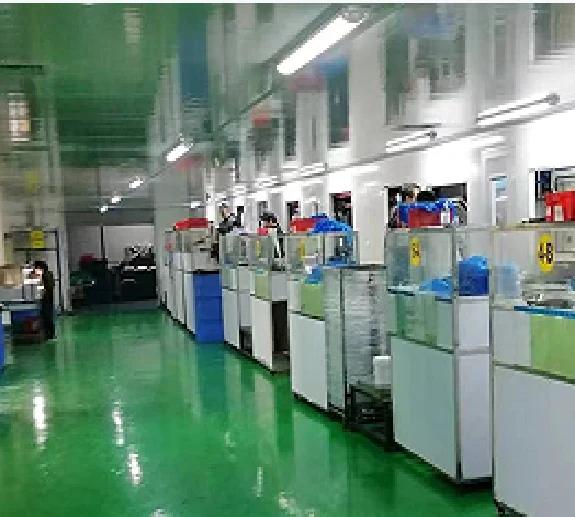
At Suzhou Baoshida Trading Co., Ltd., our engineering capability forms the backbone of our industrial rubber solutions, particularly in the development and production of high-performance anti-static pads. With a dedicated team comprising five experienced mould engineers and two specialized rubber formula engineers, we maintain full in-house control over the design, material formulation, and manufacturing process. This integrated approach ensures technical precision, rapid prototyping, and seamless scalability from concept to mass production.
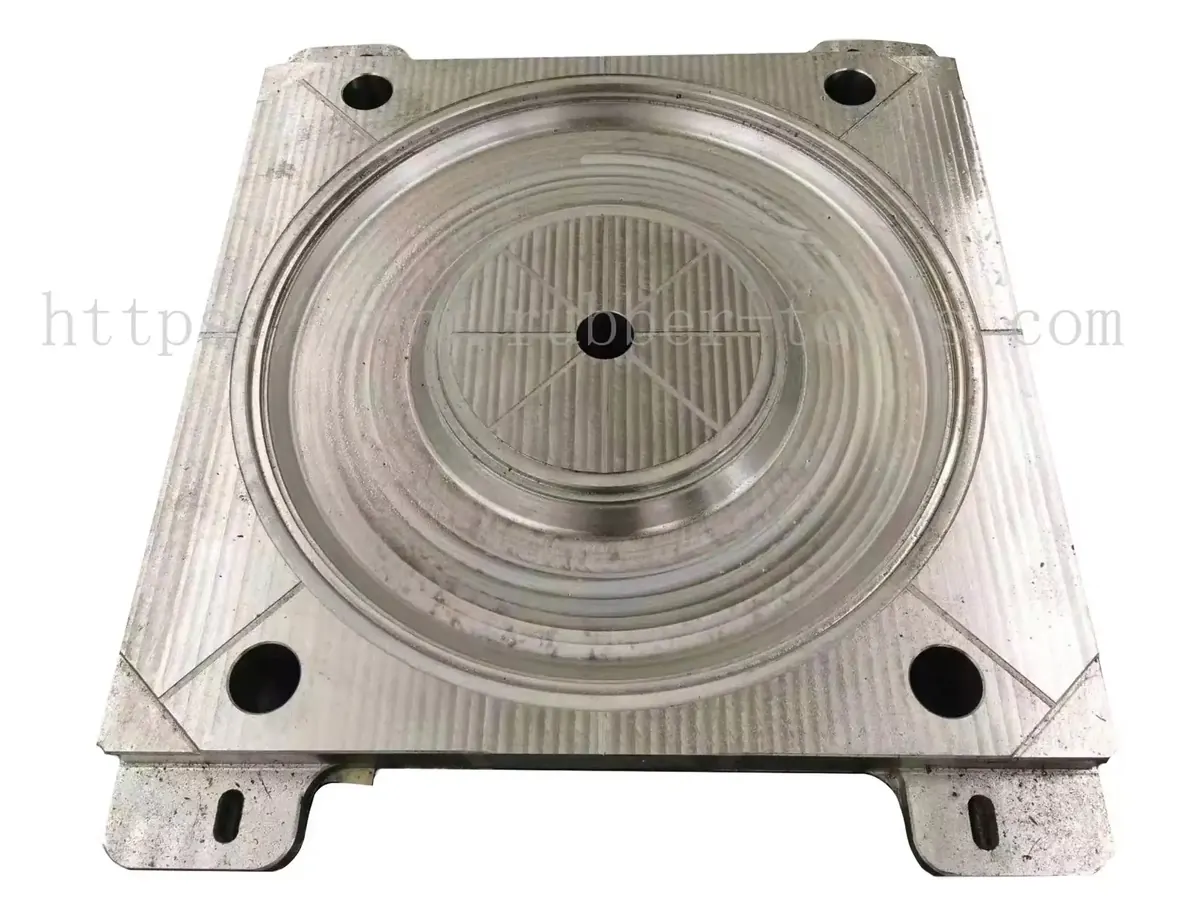
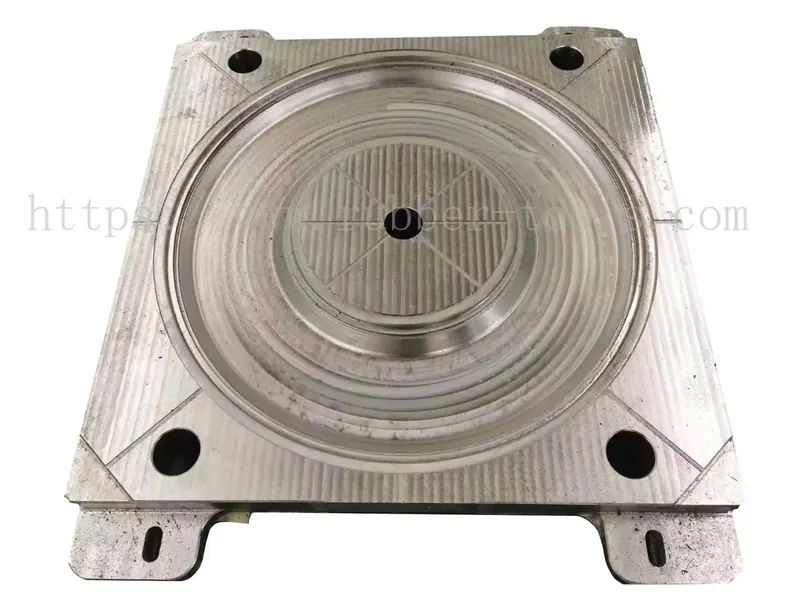
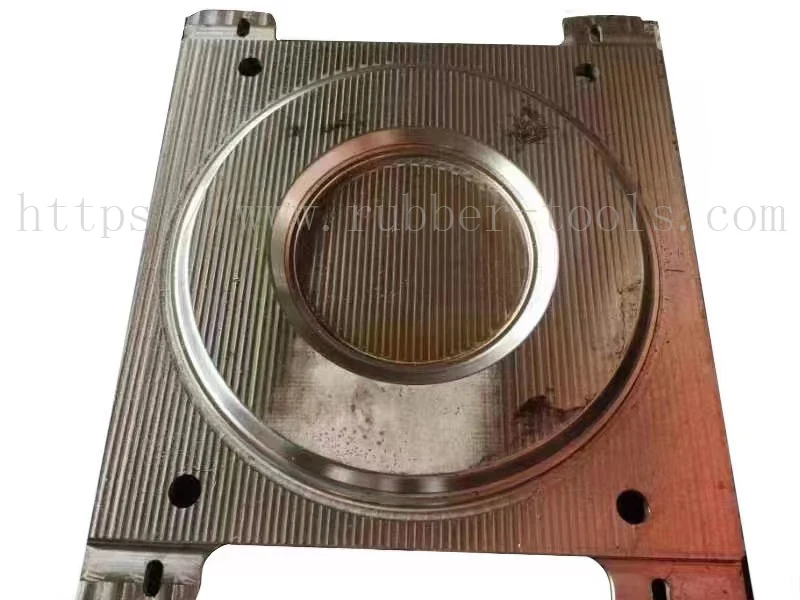
Our mould engineers bring over a decade of cumulative experience in precision rubber mould design, utilizing advanced CAD/CAM software and CNC machining to develop high-tolerance tooling. Each anti-static pad mould is engineered to meet exact dimensional, surface finish, and functional requirements, with attention to flow dynamics, venting, and ejection systems to ensure consistent part quality. Finite element analysis (FEA) is routinely applied to simulate compression and deformation behavior, minimizing defects and optimizing cycle times.
Complementing this is our rubber formulation expertise. The two formula engineers on staff specialize in compounding elastomers with controlled electrical resistivity, ensuring each anti-static pad meets specified surface and volume resistance targets. By tailoring base polymers—such as NBR, EPDM, or silicone—with conductive additives like carbon black or metal-coated particles, we achieve stable, long-term static dissipation without compromising mechanical integrity. These formulations are validated through accelerated aging, humidity exposure, and abrasion resistance testing to guarantee performance under industrial conditions.
Our OEM capabilities are built on this dual-engineering strength. Clients benefit from collaborative development cycles where material properties, pad geometry, and production volume are optimized in parallel. Whether the application demands ISO Class 5 cleanroom compatibility, resistance to oils and solvents, or compliance with ANSI/ESD S20.20 standards, we deliver customized solutions with full traceability and documentation. All formulations and tooling are client-owned upon project completion, ensuring intellectual property protection and supply chain security.
Through this vertically integrated engineering model, Suzhou Baoshida ensures that every anti-static pad is not only functionally precise but also manufacturable at scale with consistent repeatability. Our focus remains on delivering engineered reliability for mission-critical industrial environments.
Typical Technical Specifications for Custom Anti-Static Pads
| Property | Standard Range | Test Method |
|---|---|---|
| Surface Resistance | 10^5 – 10^9 Ω/sq | ASTM D257 |
| Volume Resistance | 10^4 – 10^8 Ω·cm | ASTM D257 |
| Hardness (Shore A) | 40 – 80 | ASTM D2240 |
| Tensile Strength | ≥8 MPa | ASTM D412 |
| Elongation at Break | ≥200% | ASTM D412 |
| Compression Set (22h, 70°C) | ≤25% | ASTM D395 |
| Operating Temperature Range | -30°C to +120°C (varies by polymer) | — |
| Color | Black, Grey, or Custom | Visual Comparison |
| Cleanroom Compatibility | ISO Class 5 (optional) | IEST-RP-CC003.4 |
Customization Process

Suzhou Baoshida Trading Co., Ltd. Anti-Static Pad Customization Protocol
Suzhou Baoshida Trading Co., Ltd. executes a rigorous four-phase customization protocol for industrial anti-static rubber pads, ensuring absolute compliance with client engineering specifications and electrostatic discharge (ESD) safety standards. This structured workflow eliminates ambiguity, optimizes material performance, and guarantees seamless transition from concept to volume production.
Drawing Analysis initiates the process. Our engineering team conducts a granular dissection of client-provided CAD drawings, GD&T callouts, and functional requirements. Critical parameters include dimensional tolerances (ISO 2768-mK), surface finish (Ra values), mounting interface geometry, and environmental exposure conditions (temperature, chemical contact, dynamic load). Crucially, we validate ESD performance targets against IEC 61340-5-1 standards, confirming required surface resistivity ranges (typically 10^4 to 10^9 Ω/sq for dissipative applications). Any conflicts between mechanical design and ESD functionality are flagged immediately for collaborative resolution with the client.
Formulation Development leverages our proprietary rubber compounding database and material science expertise. Based on the drawing analysis, we select the optimal base polymer (e.g., NBR for oil resistance, EPDM for thermal stability) and integrate conductive additives at precisely calibrated concentrations. Carbon black grades (e.g., Ketjenblack EC-600JD) or intrinsically conductive polymers are dosed to achieve target resistivity without compromising mechanical properties. Shore A hardness (40-90A), tensile strength (>10 MPa), and compression set (<30% @ 70°C) are balanced through iterative lab-scale mixing. Spectroscopic validation (FTIR, DSC) confirms additive dispersion homogeneity before scale-up.
Prototyping utilizes client-approved tooling for small-batch production (50-200 units). Each prototype undergoes comprehensive validation:
Volume resistivity mapping per ASTM D257
Adhesion testing to specified substrates (e.g., steel, aluminum)
Accelerated aging per ISO 188 (70°C/72h)
Functional load cycling in simulated operational environments
Client feedback on dimensional accuracy and ESD performance triggers immediate formulation or process adjustments. Three iterative prototype cycles are standard for complex geometries.
Mass Production commences only after formal client sign-off on the golden sample. Our ISO 9001-certified facility implements statistical process control (SPC) with real-time monitoring of key variables: mixer temperature profiles, vulcanization cure times (optimized via rheometer data), and resistivity batch testing (100% inline surface resistance checks). Traceability is maintained via laser-etched batch coding, with full material certificates (RoHS, REACH) and production logs archived for 10 years.
Typical Anti-Static Rubber Material Specifications
| Property | NBR-Based Compound | EPDM-Based Compound |
|---|---|---|
| Volume Resistivity (Ω·cm) | 10^4 – 10^6 | 10^5 – 10^7 |
| Shore A Hardness Range | 50 – 80 | 45 – 75 |
| Tensile Strength (MPa) | 12 – 18 | 10 – 15 |
| Temperature Range (°C) | -30 to +100 | -50 to +150 |
| Primary Applications | Automotive electronics, PCB handling | Semiconductor cleanrooms, medical devices |
This disciplined methodology ensures Suzhou Baoshida delivers anti-static pads that consistently meet stringent OEM requirements for ESD protection, durability, and dimensional integrity across high-value industrial sectors. All production batches undergo final audit per client-specific AQL standards prior to shipment.
Contact Engineering Team

Contact Suzhou Baoshida for Advanced Anti Static Pad Solutions
At Suzhou Baoshida Trading Co., Ltd., we specialize in high-performance industrial rubber solutions engineered for precision, durability, and safety. As a trusted OEM partner in the manufacturing and supply of anti static pads, we deliver custom formulations tailored to meet the rigorous demands of electronics manufacturing, cleanroom environments, semiconductor processing, and industrial automation. Our expertise in conductive and static-dissipative rubber compounds ensures consistent surface resistivity, mechanical resilience, and long-term reliability under dynamic operational conditions.
Our anti static pads are formulated using proprietary blends of nitrile rubber (NBR), silicone, and EPDM, enhanced with carbon black or other conductive additives to achieve controlled electrical resistance. Each product is manufactured under ISO-compliant processes and subjected to stringent quality control protocols, including volume resistivity testing, tensile strength analysis, and environmental aging assessments. Whether you require pads for ESD-safe workstations, automated handling systems, or grounding applications, our engineering team collaborates closely with clients to define material specifications, hardness (Shore A), thickness tolerances, and dimensional accuracy.
We understand that industrial performance hinges on material consistency and supply chain reliability. That’s why Suzhou Baoshida maintains in-house compounding facilities, advanced molding technologies, and a responsive logistics network to support global clients with rapid prototyping, batch traceability, and on-time delivery. All anti static pads are tested per ASTM D257 and IEC 61340-5-1 standards to ensure compliance with international ESD control requirements.
For technical inquiries, custom formulation support, or sample requests, we invite you to contact Mr. Boyce, our dedicated OEM Manager. With over 12 years of experience in rubber formulation and industrial supply chain management, Mr. Boyce provides expert guidance on material selection, cost optimization, and regulatory compliance. He serves as the primary liaison between our engineering team and international clients, ensuring seamless communication and project execution from concept to delivery.
Reach out today to discuss your anti static pad requirements. Mr. Boyce is available to assist with technical data sheets, sample submissions, and customized quotations based on your application parameters.
| Property | Typical Value | Test Method |
|---|---|---|
| Surface Resistivity | 10^6 – 10^9 Ω/sq | ASTM D257 |
| Volume Resistivity | 10^5 – 10^8 Ω·cm | ASTM D257 |
| Hardness (Shore A) | 50–80 ±5 | ASTM D2240 |
| Tensile Strength | ≥8 MPa | ASTM D412 |
| Elongation at Break | ≥200% | ASTM D412 |
| Temperature Range | -20°C to +120°C (NBR) / -50°C to +200°C (Silicone) | — |
| Color | Black, Grey, Custom | Visual Match |
| ESD Compliance | IEC 61340-5-1, ANSI/ESD S20.20 | — |
To initiate a technical consultation or request product samples, please contact Mr. Boyce directly at [email protected]. We respond to all inquiries within 12 business hours and offer virtual meetings for project scoping and technical review. Partner with Suzhou Baoshida for engineered rubber solutions that meet the highest standards in ESD protection and industrial performance.
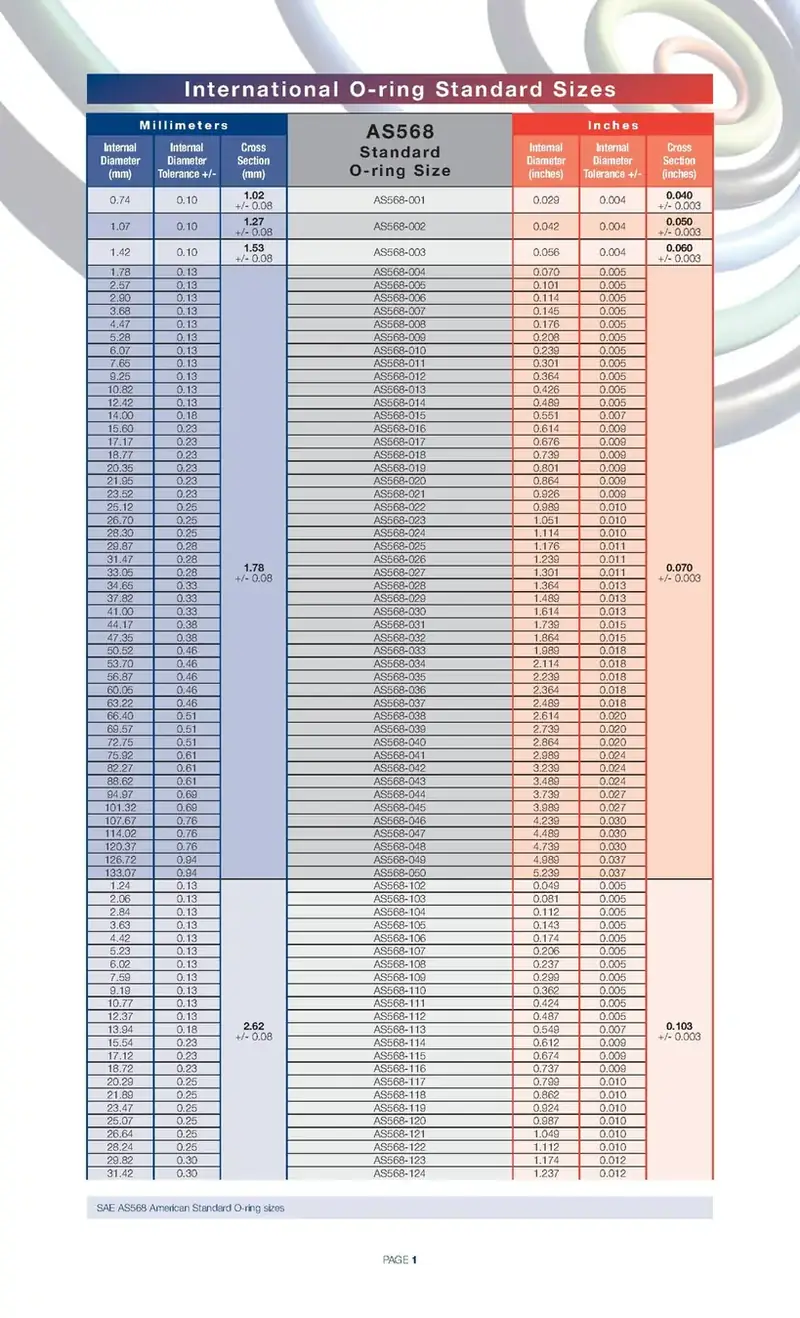
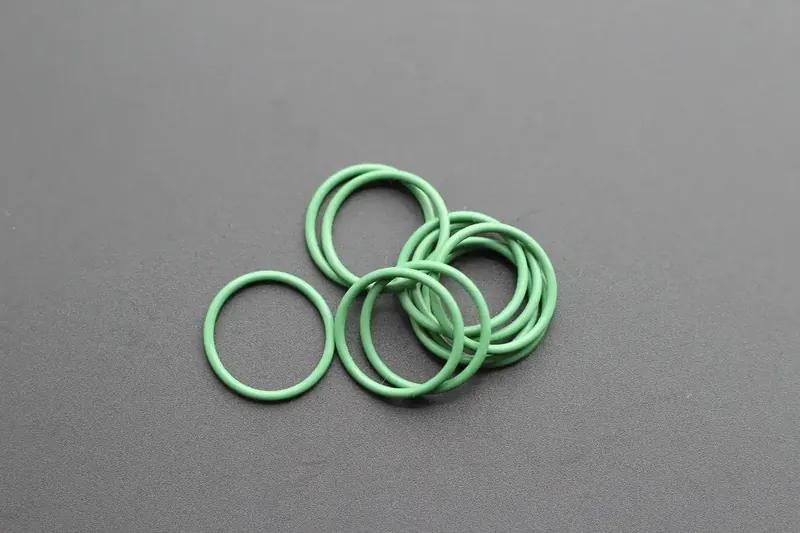
⚖️ O-Ring Weight Calculator
Estimate rubber O-ring weight (Approx).