Technical Contents
Engineering Guide: Briggs & Stratton Carburetor Gasket Kit

Engineering Insight Precision Material Selection for Briggs & Stratton Carburetor Gasket Kits
Generic rubber gaskets marketed as universal solutions for Briggs & Stratton carburetors frequently fail prematurely, causing costly downtime and warranty claims. This failure stems from inadequate material science tailored to the specific, harsh operating environment within small engine carburetors. Off-the-shelf kits often utilize standard Nitrile Butadiene Rubber (NBR) formulations optimized for cost, not performance under sustained exposure to modern ethanol-blended fuels, wide thermal cycling, and constant hydrocarbon contact. These conditions induce three interrelated failure mechanisms: accelerated chemical degradation from ethanol, permanent loss of sealing force due to compression set, and thermal hardening leading to seal integrity loss.
Ethanol, now prevalent in gasoline at concentrations up to 15%, aggressively attacks conventional NBR. It causes significant swelling, followed by rapid hardening and embrittlement as plasticizers leach out. This process compromises the gasket’s ability to maintain a fluid-tight seal against fuel and air, directly contributing to leaks and performance issues. Simultaneously, the thermal cycling inherent in engine operation—from cold starts to sustained high temperatures—exacerbates material fatigue. Standard gasket materials lack the necessary thermal stability and resilience, leading to irreversible compression set. Once set occurs, the gasket cannot recover its original thickness and sealing force upon cooling, creating persistent gaps. The combined effect of chemical attack and thermal stress significantly reduces the operational lifespan far below OEM specifications.
Suzhou Baoshida Trading Co., Ltd. addresses these critical failure points through precision-engineered elastomer formulations. Our proprietary NBR-HNBR hybrid compounds are specifically designed for Briggs & Stratton carburetor applications, incorporating advanced antioxidant packages and optimized cross-linking densities to resist ethanol degradation and minimize compression set. Rigorous in-house testing against ASTM D2000 standards ensures performance under real-world conditions. The table below details the critical performance differentiators between generic materials and our engineered solution.
| Property | Generic NBR Gasket Material | Baoshida Engineered NBR-HNBR Blend | Test Standard |
|---|---|---|---|
| Ethanol Resistance (B3) | Poor (Swelling >25%, Hardening >30A) | Excellent (Swelling <10%, Hardening <15A) | ASTM D471 |
| Compression Set (22h/100°C) | High (>35%) | Low (<15%) | ASTM D395 |
| Operating Temp Range | -20°C to +100°C | -40°C to +135°C | ASTM D2000 |
| Tensile Strength Retention (After Fuel C) | <60% | >95% | ASTM D471 |
The data unequivocally demonstrates why material selection is non-negotiable. Generic materials fail to meet the fundamental requirements of the application, leading to premature seal failure and associated engine malfunctions. Precision-engineered alternatives, developed through deep understanding of the operational stresses and chemical environment, ensure long-term reliability, reduced maintenance costs, and sustained engine performance. For OEMs and service providers prioritizing operational continuity and customer satisfaction, investing in scientifically validated gasket materials is not an expense—it is a fundamental requirement for product integrity in modern small engine applications. Suzhou Baoshida delivers this precision through rigorous compound development and stringent quality control.
Material Specifications

Material Specifications for Briggs & Stratton Carburetor Gasket Kits
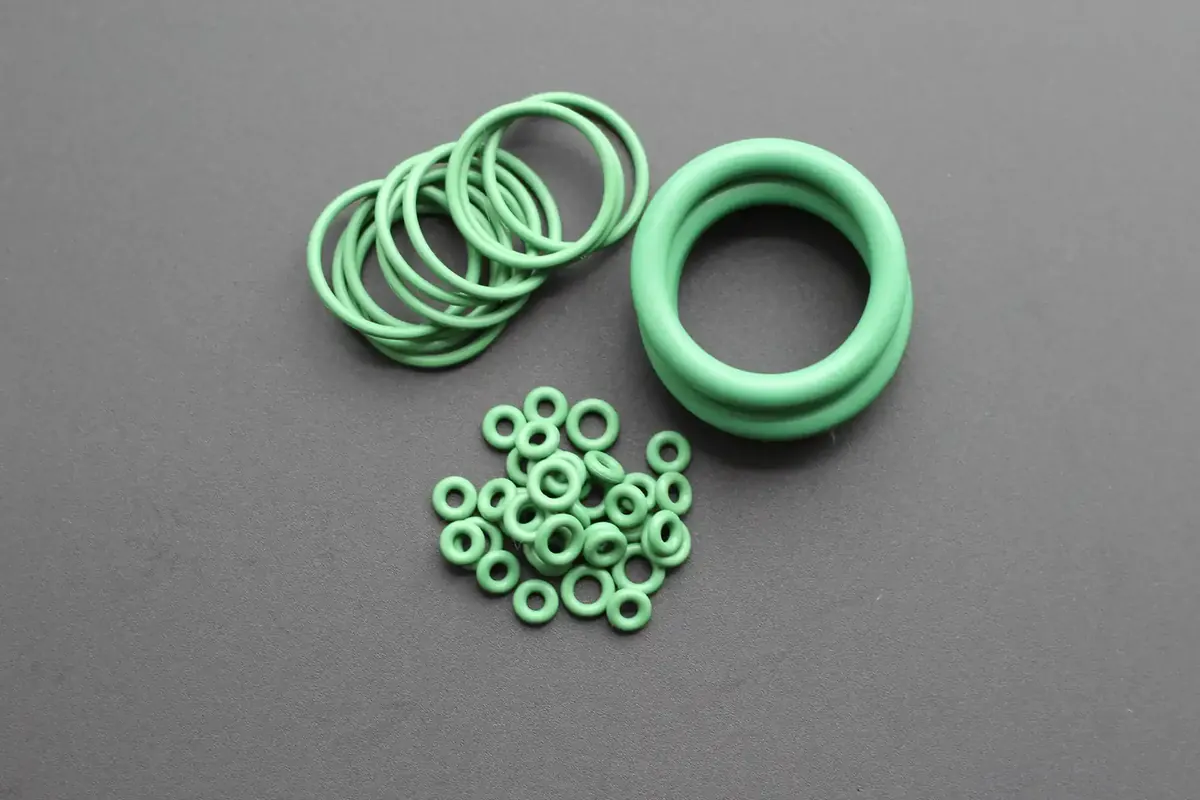
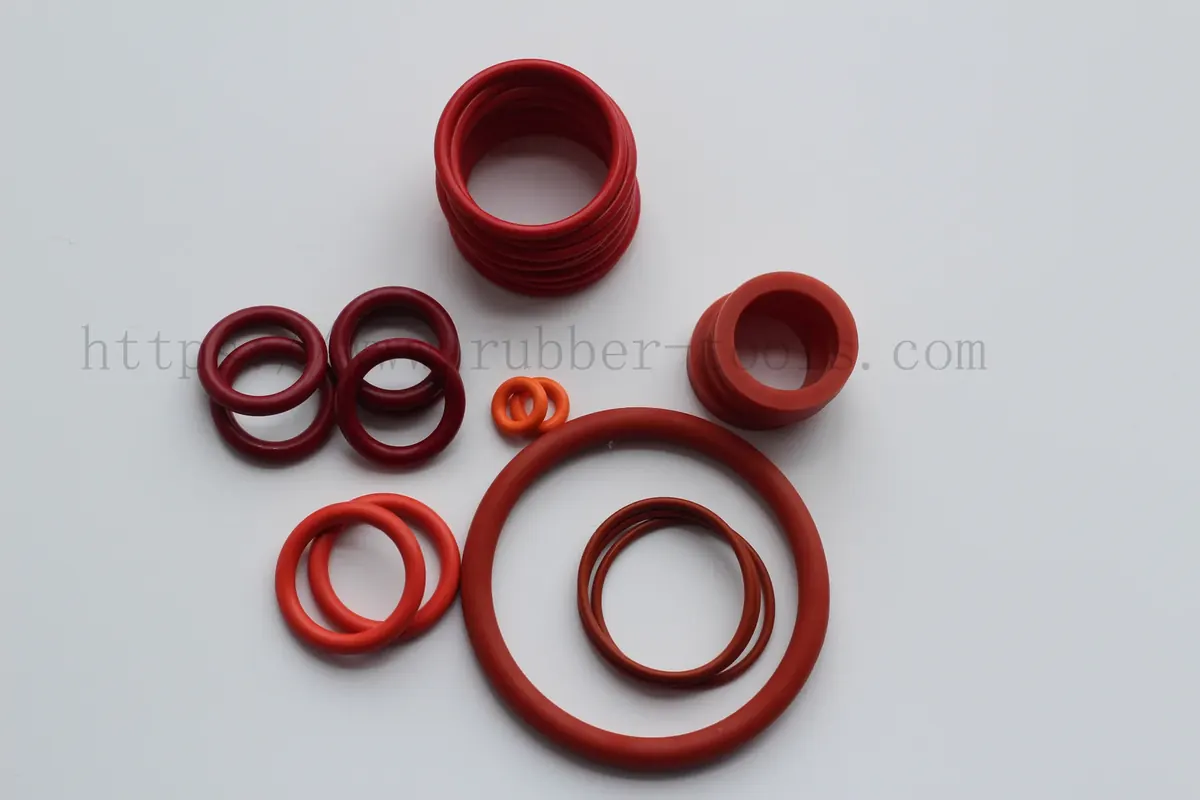
Suzhou Baoshida Trading Co., Ltd. specializes in precision rubber seals engineered for high-performance internal combustion engine applications. Our carburetor gasket kits are designed to ensure reliable sealing under extreme thermal and chemical conditions, with material selection playing a critical role in long-term durability and operational efficiency. We offer gasket kits manufactured from three primary elastomers: Viton (FKM), Nitrile (NBR), and Silicone (VMQ). Each material provides distinct advantages depending on the engine environment, fuel composition, and temperature range.
Viton is a fluorocarbon-based rubber known for its exceptional resistance to heat, oxidation, and a broad range of fuels and oils. It maintains integrity in continuous operating temperatures up to 200°C and can withstand short-term exposure to temperatures as high as 250°C. This makes Viton ideal for high-performance or modified Briggs & Stratton engines where under-hood temperatures are elevated. Additionally, Viton exhibits superior resistance to ethanol-blended fuels and synthetic lubricants, reducing the risk of swelling, hardening, or degradation over time.
Nitrile rubber, or Buna-N, is a cost-effective solution with excellent resistance to petroleum-based fuels, mineral oils, and hydraulic fluids. With a standard operating temperature range of -30°C to 120°C, Nitrile is well-suited for standard-duty applications in lawn mowers, pressure washers, and other small engine equipment powered by Briggs & Stratton engines. While not as thermally stable as Viton, Nitrile offers strong mechanical properties, including abrasion resistance and tensile strength, ensuring reliable compression sealing during repeated thermal cycles.
Silicone rubber provides the widest temperature range of the three materials, functioning effectively from -60°C to 200°C. It demonstrates good resistance to ozone and UV exposure, making it suitable for outdoor equipment subjected to seasonal temperature extremes. However, silicone has lower resistance to petroleum-based fuels and oils compared to Viton and Nitrile. Its primary advantage lies in flexibility and resilience under thermal cycling, making it appropriate for applications requiring consistent sealing performance across freezing winters and scorching summers.
The following table summarizes key physical and chemical properties of each material used in our gasket kits.
| Property | Viton (FKM) | Nitrile (NBR) | Silicone (VMQ) |
|---|---|---|---|
| Temperature Range (°C) | -20 to 200 | -30 to 120 | -60 to 200 |
| Fuel Resistance | Excellent | Good | Fair |
| Oil & Lubricant Resistance | Excellent | Excellent | Poor |
| Compression Set Resistance | High | Moderate | Moderate |
| Ozone & UV Resistance | Excellent | Good | Excellent |
| Tensile Strength (MPa) | 10–15 | 15–20 | 5–8 |
| Hardness (Shore A) | 70–90 | 60–80 | 40–70 |
Material selection must be aligned with the operational demands of the engine system. Suzhou Baoshida Trading Co., Ltd. ensures all gasket kits meet OEM dimensional tolerances and material performance standards, providing reliable sealing solutions for original equipment and aftermarket service needs.
Manufacturing Capabilities

Engineering Capability: Precision Rubber Formulation for Briggs & Stratton Carburetor Systems
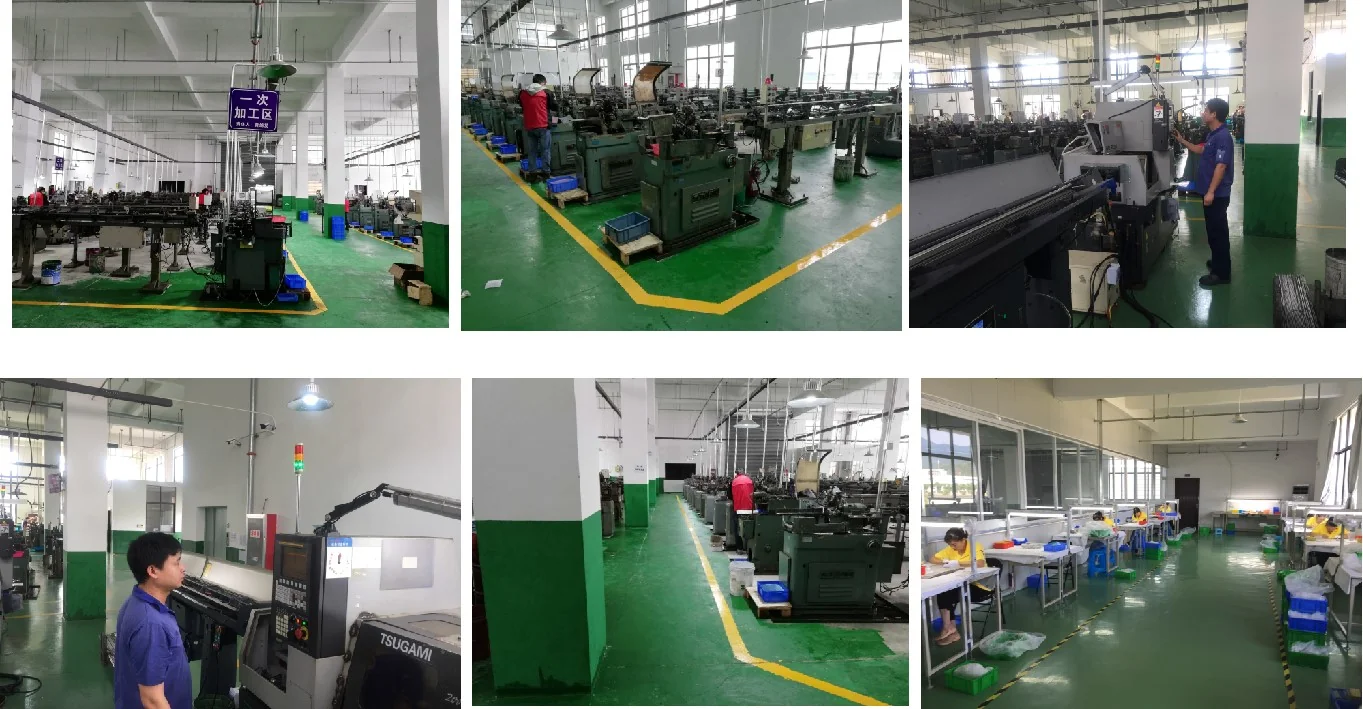
Suzhou Baoshida Trading Co., Ltd. leverages a dedicated engineering team of five specialized mold designers and two certified rubber formula engineers to deliver mission-critical gasket solutions for Briggs & Stratton carburetor assemblies. This integrated expertise ensures every gasket kit meets stringent OEM performance, durability, and dimensional tolerances required in small-engine applications. Our formula engineers possess advanced knowledge of polymer chemistry, specifically tailoring elastomer compounds to resist fuel blends, thermal cycling, and mechanical stress inherent in carburetor environments. This precision eliminates common failure modes such as hardening, swelling, or compression set, directly enhancing engine reliability and emissions compliance.
The foundation of our carburetor gasket performance lies in proprietary compound development. Our formula engineers systematically optimize the polymer matrix, filler systems, and cure chemistry to achieve balanced properties. Key considerations include resistance to ethanol-blended fuels (up to E15), operational stability across -40°C to +150°C, and consistent sealing force retention after prolonged exposure to vibration and thermal shock. Unlike generic suppliers, we validate formulations against Briggs & Stratton’s specific material specifications and SAE J200 standards, ensuring seamless integration into existing manufacturing lines without requalification delays.
Critical material properties for carburetor gasket applications are rigorously controlled. The following table outlines typical specifications for our validated compounds:
| Material ID | Hardness (Shore A) | Temp Range (°C) | Fuel Resistance (E10) | Compression Set (70h/100°C) |
|---|---|---|---|---|
| BD-7001-NBR | 65 ± 5 | -40 to +120 | Excellent | ≤ 25% |
| BD-7002-FKM | 75 ± 5 | -20 to +150 | Exceptional | ≤ 18% |
| BD-7003-ACM | 70 ± 5 | -30 to +140 | Very Good | ≤ 22% |
All compounds comply with SAE J200 classification and Briggs & Stratton material specification 698870.
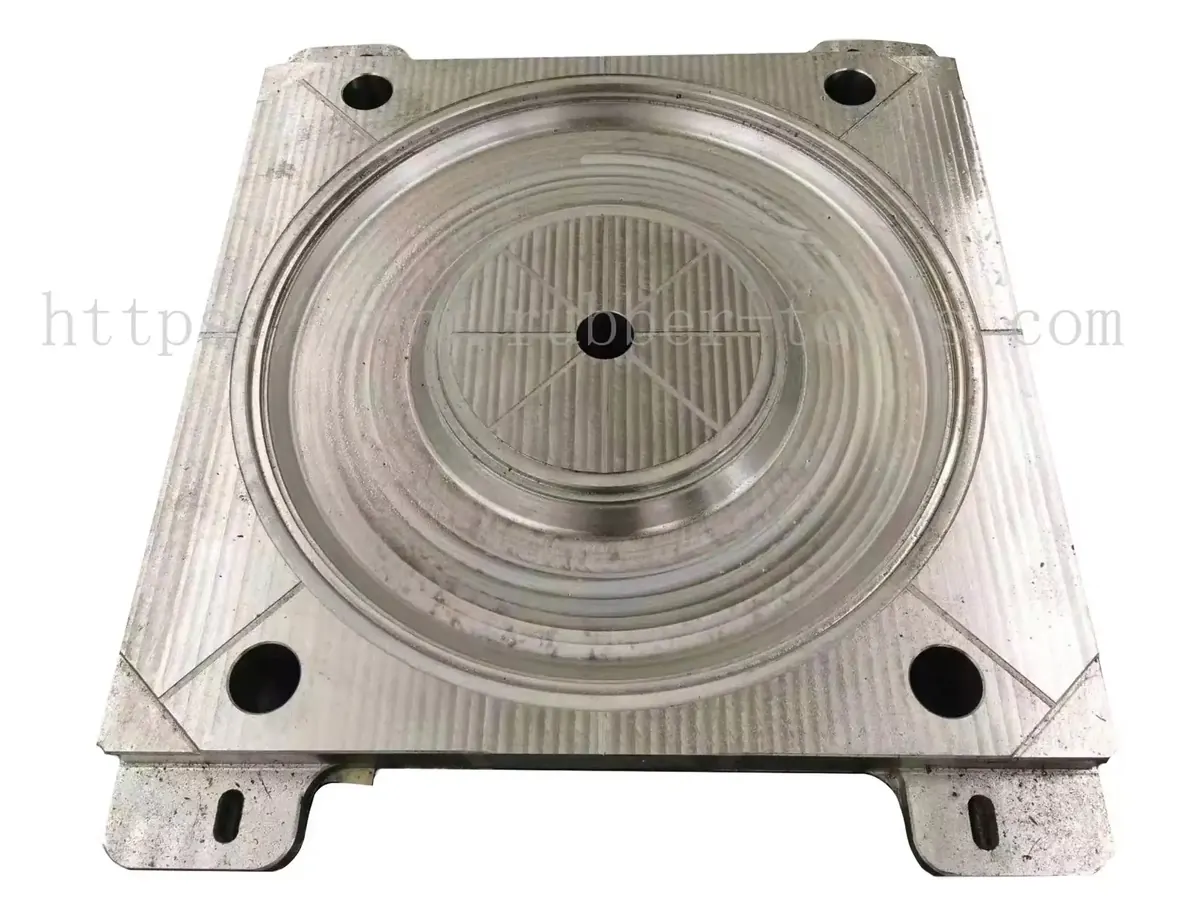
Our OEM capabilities extend beyond compound design into full process ownership. The mold engineering team utilizes 3D CAD/CAM (SolidWorks, Moldflow) to create cavity-precise tooling with tolerances held to ±0.05mm, critical for multi-layer carburetor flange sealing. We manage end-to-end production—from raw material sourcing through molding, flash removal, and 100% visual inspection—under ISO 9001-certified protocols. Crucially, we support Briggs & Stratton’s supply chain with rapid prototyping (72-hour turnaround), PPAP documentation, and real-time process data sharing via secure OEM portals. This integrated approach minimizes downtime risk while guaranteeing batch-to-batch consistency essential for high-volume engine assembly.
By embedding deep materials science within a responsive OEM framework, Baoshida transforms carburetor gasket kits from commodity components into engineered reliability assets. Our validated compounds and precision tooling directly contribute to reduced field failures and extended service intervals for Briggs & Stratton power equipment.
Customization Process

Customization Process for Briggs & Stratton Carburetor Gasket Kits
At Suzhou Baoshida Trading Co., Ltd., our engineering workflow for custom carburetor gasket kits begins with rigorous drawing analysis. Each client-submitted technical drawing undergoes dimensional verification, material compatibility assessment, and interface evaluation with mating engine components. We analyze critical sealing zones, bolt hole patterns, fuel and air passage geometries, and compression load distribution to ensure functional integrity under operational stress. Our team cross-references OEM specifications from Briggs & Stratton engine models to maintain compliance with original performance standards. This phase also includes tolerance stack-up analysis to prevent over-compression or leakage risks during engine operation.
Following drawing validation, our rubber formulation engineers develop a compound tailored to the thermal, chemical, and mechanical demands of small-engine carburetor environments. Standard base polymers include nitrile rubber (NBR) for fuel resistance and EPDM for thermal stability, though custom blends may be engineered based on fuel ethanol content, operating temperature range, and expected service life. Additives such as reinforcing fillers, aging inhibitors, and plasticizers are precisely metered to optimize compression set, tensile strength, and dynamic resilience. Each formulation is documented under internal material specification codes and subjected to preliminary ASTM testing for hardness, elongation, and fluid resistance.
Prototyping is executed using precision die-cutting or molded processes, depending on part geometry and volume requirements. Prototype gaskets are produced in controlled batches and subjected to dimensional inspection via optical comparators and coordinate measuring machines (CMM). Functional validation includes bench testing for sealing performance under simulated intake manifold vacuum and thermal cycling from -30°C to +120°C. We collaborate with clients to conduct engine run tests, evaluating gasket behavior under cold start, wide-open throttle, and extended idle conditions. Feedback from this stage informs final adjustments to material durometer, thickness, or adhesive application if flange retention is required.
Upon approval, the project transitions to mass production. Our manufacturing lines operate under ISO 9001-certified protocols, with real-time process monitoring and batch traceability. Each gasket kit is assembled with serialized lot numbering, including all components such as main body gaskets, throttle shaft seals, and primer bulb interfaces as required by the Briggs & Stratton model matrix. Final quality control includes 100% visual inspection and抽样 physical testing per AQL Level II.
The following table outlines typical material and performance specifications for our standard carburetor gasket compounds:
| Property | NBR Compound | EPDM Compound | Test Standard |
|---|---|---|---|
| Hardness (Shore A) | 65 ± 5 | 70 ± 5 | ASTM D2240 |
| Tensile Strength | ≥18 MPa | ≥15 MPa | ASTM D412 |
| Elongation at Break | ≥250% | ≥200% | ASTM D412 |
| Compression Set (70h at 100°C) | ≤25% | ≤30% | ASTM D395 |
| Fluid Resistance (Fuel C, 40°C) | Weight Change: -5% to +5% | Weight Change: +10% to +20% | ASTM D471 |
All customization stages are supported by technical documentation, including material certificates, test reports, and process FMEAs, ensuring full compliance with industrial engine OEM requirements.
Contact Engineering Team

Contact Suzhou Baoshida for Precision Briggs & Stratton Carburetor Gasket Solutions
Suzhou Baoshida Trading Co., Ltd. operates at the intersection of advanced rubber compounding science and rigorous industrial manufacturing. Our Briggs & Stratton carburetor gasket kits are engineered for zero-tolerance sealing performance under extreme thermal cycling and fuel exposure. As your dedicated OEM partner, we eliminate the variability inherent in generic aftermarket seals through proprietary NBR and FKM formulations. Each gasket undergoes laser-verified dimensional validation to ensure compliance with Briggs & Stratton blueprint specifications, preventing fuel leaks, air ingress, and performance degradation in critical small-engine applications. Our ISO 9001-certified production lines implement real-time durometer monitoring and 100% visual inspection, guaranteeing consistent compression set resistance below 25% after 70 hours at 100°C. This precision directly translates to extended service life and reduced warranty claims for your end-users.
Material science drives our differentiation. Unlike standard gasket suppliers, Baoshida tailors polymer cross-link density to balance fuel resistance with low-temperature flexibility. Our formulations exceed ASTM D2000 classification requirements for ozone resistance and tensile strength, critical for carburetor environments exposed to ethanol-blended fuels. The table below summarizes key technical parameters for our standard Briggs & Stratton gasket kits:
| Specification | Value | Test Standard |
|---|---|---|
| Base Material | Custom NBR/FKM Blend | Internal Formula |
| Hardness (Shore A) | 65 ± 2 | ASTM D2240 |
| Tensile Strength | ≥ 18 MPa | ASTM D412 |
| Elongation at Break | ≥ 300% | ASTM D412 |
| Compression Set (22h/100°C) | ≤ 22% | ASTM D395 |
| Fuel Resistance (B) | Volume Swell ≤ 15% | ASTM D471 |
| Operating Temperature | -40°C to +125°C | ISO 1817 |
These metrics are not theoretical; they are validated batch-specific data recorded in our traceability system. When your production line faces carburetor leakage issues or inconsistent gasket durability, our engineering team conducts root-cause analysis using FTIR spectroscopy and thermal gravimetric analysis to pinpoint material or design flaws. We collaborate with your R&D department to refine gasket geometry and compound composition, ensuring seamless integration into your assembly process without torque recalibration.
Do not compromise engine reliability with off-specification gaskets. Contact Mr. Boyce, our OEM Technical Manager, for immediate support. Provide your specific Briggs & Stratton model numbers, production volume requirements, and current failure mode analysis. Mr. Boyce will initiate a technical review within 24 hours, including material certification packages and dimensional reports aligned to your engineering drawings. For urgent production line stoppages, specify “CRITICAL PATH SUPPORT” in your email subject line to trigger expedited response protocols.
Reach Mr. Boyce directly at [email protected] to secure gasket performance that meets OEM durability standards. Include your company name, target application, and annual volume for a tailored quotation with technical documentation. Suzhou Baoshida delivers not just components, but engineered sealing solutions backed by polymer science expertise and unwavering commitment to your manufacturing success. Initiate your technical consultation today to eliminate carburetor-related field failures.
⚖️ O-Ring Weight Calculator
Estimate rubber O-ring weight (Approx).