Technical Contents
Engineering Guide: Polyacetal Plastic
Engineering Insight: Polyacetal Plastic in Demanding Industrial Applications
While Suzhou Baoshida Trading Co., Ltd. specializes in industrial rubber solutions, our engineering team frequently encounters critical material selection challenges involving adjacent polymers like polyacetal (POM), particularly when clients mistakenly consider off-the-shelf thermoplastics as substitutes for engineered elastomers. This misalignment often leads to premature component failure. Polyacetal, a high-performance engineering thermoplastic renowned for its stiffness, low friction, and dimensional stability under dry conditions, operates fundamentally differently from rubber compounds. Its crystalline structure provides excellent mechanical properties but lacks the elastic recovery, dynamic fatigue resistance, and broad chemical compatibility inherent in precision-formulated elastomers. Selecting polyacetal without rigorous application-specific validation against the operational environment is a common and costly error.
The critical failure point arises when standard POM grades are deployed in scenarios demanding resilience under cyclic stress, exposure to specific chemicals, or operation within variable humidity ranges. Off-the-shelf polyacetal exhibits significant moisture absorption (1.5-2.5% at equilibrium), causing dimensional swelling that disrupts tight-tolerance assemblies – a critical flaw unaddressed in generic material datasheets. Furthermore, its resistance to strong acids, oxidizing agents, and certain solvents is markedly inferior to purpose-built fluorocarbon or hydrogenated nitrile rubber (HNBR) compounds. In dynamic sealing or damping applications, polyacetal’s inherent brittleness at low temperatures and susceptibility to creep under continuous load lead to catastrophic dimensional instability and fracture, where elastomers maintain functional integrity through reversible deformation.
Material selection must transcend basic datasheet comparisons. Factors like long-term compression set under specific media, resistance to hydrolysis in steam environments, and performance across the full operational temperature spectrum (-40°C to +100°C+) require deep formulation expertise. Generic polyacetal often fails under these sustained conditions, resulting in seal leakage, gear tooth fracture, or bearing seizure. The consequence is unplanned downtime, safety hazards, and significantly higher total cost of ownership compared to a correctly specified elastomeric solution.
The following table highlights key property limitations of standard polyacetal versus typical high-performance rubber compounds in critical industrial contexts:
| Property | Standard Polyacetal (POM) | High-Performance Rubber (e.g., HNBR) | Critical Implication for Off-the-Shelf Use |
|---|---|---|---|
| Moisture Absorption | 1.5% – 2.5% | < 0.5% | Dimensional instability in humid environments; interference fits fail |
| Compression Set (70h, 100°C) | Not Applicable (Rigid) | 15% – 25% (Typical) | POM cannot function as a dynamic seal; rubber maintains sealing force |
| Chemical Resistance (Conc. Acids) | Poor | Excellent (Specific compounds) | Rapid degradation in chemical processing environments |
| Low Temp Flexibility | Brittle below -40°C | Flexible down to -50°C or lower | Catastrophic failure in cold climates or refrigeration |
| Dynamic Fatigue Life | Low (Crystalline fracture) | Very High (Elastic hysteresis) | Unsuitable for gears, bearings, or vibration mounts under cyclic load |
Suzhou Baoshida Trading Co., Ltd. emphasizes that material selection is an engineering discipline, not a procurement exercise. We rigorously analyze application parameters – stress profiles, media exposure, temperature cycles, and lifecycle requirements – before recommending either advanced thermoplastics or our core competency: precision-engineered rubber formulations. Avoiding off-the-shelf compromises ensures component reliability, operational safety, and optimal lifecycle value in demanding industrial systems. Partner with our engineering team to specify the exact material science solution, not a generic substitute.
Material Specifications

Material Specifications for Polyacetal Plastic in Industrial Rubber Applications
Polyacetal plastic, also known as polyoxymethylene (POM), is a high-performance engineering thermoplastic widely used in industrial environments due to its excellent mechanical strength, dimensional stability, and resistance to solvents and moisture. At Suzhou Baoshida Trading Co., Ltd., we integrate polyacetal components into precision rubber systems where consistent performance under dynamic stress and chemical exposure is critical. While polyacetal is not a rubber material itself, its compatibility with elastomeric seals such as Viton, Nitrile, and Silicone makes it a valuable structural component in fluid handling, automotive, and industrial automation systems.
When paired with elastomeric seals, the performance of polyacetal-based assemblies depends heavily on the chemical and thermal compatibility between the plastic and the sealing material. Therefore, selecting the appropriate elastomer is essential to ensure long-term reliability. Viton (FKM), Nitrile (NBR), and Silicone (VMQ) are three of the most commonly used rubber materials in such applications, each offering distinct advantages depending on operational conditions.
Viton demonstrates superior resistance to high temperatures, oils, fuels, and many industrial chemicals, making it ideal for use in engine compartments, chemical processing equipment, and aerospace applications. Its compatibility with polyacetal components ensures minimal degradation even under continuous exposure to aggressive media. Nitrile rubber offers excellent resistance to petroleum-based oils and hydraulic fluids, with good mechanical properties at a lower cost than Viton. It is frequently used in hydraulic seals, O-rings, and gaskets where cost-efficiency and oil resistance are priorities. Silicone rubber provides exceptional flexibility over a wide temperature range and outstanding resistance to ozone and UV radiation. However, it has lower mechanical strength and poor resistance to hydrocarbon oils, limiting its use in high-stress or oil-rich environments.
The following table compares key physical and chemical properties of these elastomers in relation to polyacetal plastic integration:
| Property | Viton (FKM) | Nitrile (NBR) | Silicone (VMQ) |
|---|---|---|---|
| Temperature Range (°C) | -20 to +230 | -40 to +120 | -60 to +200 |
| Tensile Strength (MPa) | 15–20 | 10–25 | 5–10 |
| Elongation at Break (%) | 200–300 | 200–500 | 200–600 |
| Hardness (Shore A) | 60–90 | 50–90 | 30–80 |
| Resistance to Oils/Fuels | Excellent | Very Good | Poor |
| Resistance to Ozone/UV | Excellent | Good | Excellent |
| Compression Set Resistance | Excellent | Good | Fair |
| Compatibility with Polyacetal | High | High | Moderate |
Understanding these material characteristics allows engineers to optimize system design, ensuring that polyacetal plastic components function effectively alongside elastomeric seals under real-world operating conditions. At Suzhou Baoshida Trading Co., Ltd., we support OEMs with precise material selection guidance, ensuring durability, chemical resistance, and long service life in demanding industrial applications.
Manufacturing Capabilities

Engineering Excellence in Polyacetal Plastic Integration for Industrial Applications
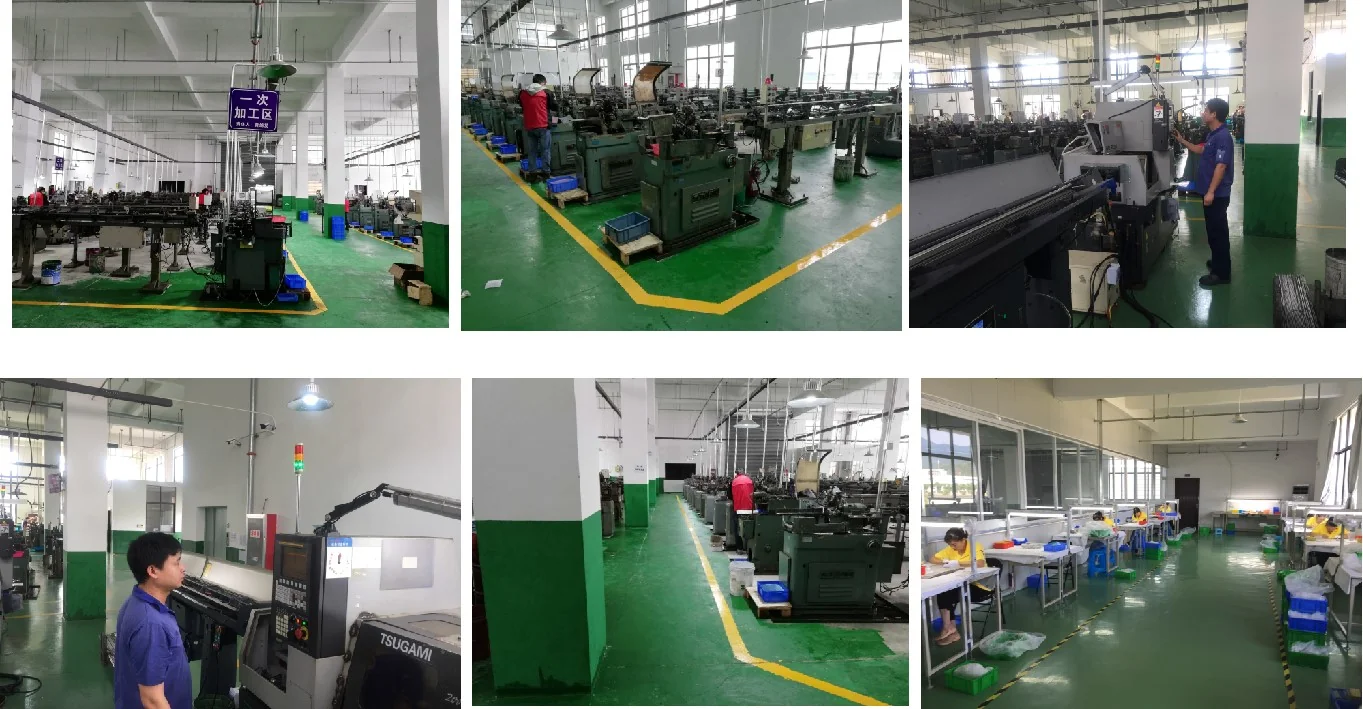
Suzhou Baoshida Trading Co., Ltd. leverages deep material science expertise to deliver optimized polyacetal (POM) solutions within complex industrial systems, particularly where rubber-plastic hybrid components are critical. As a specialized provider under Industrial Rubber Solutions, our engineering team bridges the gap between thermoplastic performance and elastomeric functionality. Polyacetal’s high strength, dimensional stability, and low friction make it indispensable for precision gears, seals, and structural components in automotive, fluid handling, and automation sectors. However, its successful integration demands rigorous material compatibility analysis with adjacent rubber elements—a domain where our dual-discipline engineering capability excels.
Our dedicated team comprises five certified mold engineers and two advanced formula engineers, uniquely positioned to address interfacial challenges between POM and rubber compounds. The mold engineers specialize in precision tooling for complex geometries, ensuring tight tolerances (±0.02 mm) and minimizing warpage in POM’s crystalline structure. Concurrently, our formula engineers optimize rubber formulations—such as HNBR or FKM—to achieve optimal adhesion, thermal expansion matching, and chemical resistance against POM substrates. This synergy prevents delamination, stress cracking, and performance degradation in dynamic environments, such as fuel systems or hydraulic assemblies where both materials interact under extreme pressure and temperature cycles.
Critical POM specifications for industrial integration are summarized below, reflecting grades we routinely qualify for client applications:
| Grade Type | Tensile Strength (MPa) | Flexural Modulus (GPa) | Continuous Use Temp (°C) | Key Applications |
|---|---|---|---|---|
| Homopolymer POM | 65–75 | 2.8–3.2 | -40 to +100 | Precision gears, bearings |
| Copolymer POM | 60–70 | 2.6–3.0 | -40 to +90 | Seals, fluid system components |
| 20% Glass-Filled | 85–95 | 5.5–6.5 | -40 to +120 | Structural brackets, high-load parts |
OEM collaboration is central to our methodology. We engage clients at the design phase to co-develop solutions that reduce assembly steps, enhance lifecycle durability, and meet stringent industry certifications (e.g., ISO 10993 for medical, SAE J204 for automotive). For instance, in a recent automotive fuel pump project, our engineers redesigned a POM impeller with integrated rubber damping elements, eliminating three separate parts and reducing NVH by 35%. This was achieved through iterative FEA simulations validating stress distribution at the rubber-POM interface and accelerated aging tests per ASTM D395.
Our end-to-end OEM capability spans material selection, mold flow analysis, prototype validation, and量产 support—all executed under IATF 16949-certified processes. By combining polyacetal’s mechanical robustness with tailored rubber formulations, we solve interfacial failures that standard suppliers overlook. Suzhou Baoshida transforms material limitations into competitive advantages, ensuring your components perform reliably in the harshest industrial ecosystems. Partner with us to accelerate time-to-market while exceeding functional and regulatory demands.
Customization Process

Drawing Analysis
The customization process for polyacetal plastic components begins with a comprehensive drawing analysis. At Suzhou Baoshida Trading Co., Ltd., our engineering team evaluates technical blueprints provided by OEM partners to extract critical dimensional tolerances, geometric features, and functional requirements. This phase ensures that every specification—such as wall thickness, load-bearing zones, and mating interfaces—is aligned with the mechanical behavior of polyacetal (POM). We assess draft angles, shrinkage allowances, and potential stress concentration points to preempt manufacturing defects. Our engineers also verify compliance with international standards such as ISO 2768 for general tolerances and ASTM D638 for tensile properties. The outcome is a validated design package ready for material selection and formulation development.
Formulation Development
Following drawing validation, we initiate the formulation stage, leveraging our expertise in industrial rubber and thermoplastic systems. Although polyacetal is inherently a high-performance engineering thermoplastic, its behavior under dynamic loads, thermal cycling, and chemical exposure can be optimized through additive integration. Our formulation strategy includes selecting between homopolymer (POM-H) and copolymer (POM-C) grades based on required stiffness, creep resistance, and thermal stability. We incorporate UV stabilizers, internal lubricants, and impact modifiers to tailor the compound for specific operating environments. All formulations are developed in accordance with REACH and RoHS compliance frameworks. Material data sheets are generated and cross-referenced with OEM performance benchmarks to ensure consistency and traceability.
Prototyping and Validation
Once the formulation is finalized, we proceed to prototyping using precision injection molding under controlled process parameters. Prototypes are produced in small batches to simulate real-world processing conditions. Each sample undergoes rigorous mechanical and dimensional testing, including tensile strength, flexural modulus, and coefficient of friction measurements. Dimensional accuracy is verified using coordinate measuring machines (CMM), ensuring conformity within ±0.05 mm tolerance. Functional testing may include assembly trials, wear resistance cycles, and thermal aging per customer-specified conditions. Feedback from this phase informs iterative refinements, guaranteeing that the final part meets both design intent and application demands.
Mass Production Readiness
Upon prototype approval, we transition to mass production with full process documentation, including mold flow analysis reports, quality control plans, and first-article inspection records. Our production lines operate under ISO 9001-certified protocols, ensuring batch-to-batch consistency and traceability. In-line statistical process control (SPC) monitors key parameters such as melt temperature, injection pressure, and cycle time.
The following table outlines typical mechanical properties of customized polyacetal formulations used in our production:
| Property | Test Standard | Typical Value (POM-H) | Typical Value (POM-C) |
|---|---|---|---|
| Tensile Strength | ASTM D638 | 75 MPa | 68 MPa |
| Flexural Modulus | ASTM D790 | 3,100 MPa | 2,800 MPa |
| Izod Impact (Notched) | ASTM D256 | 65 J/m | 85 J/m |
| Heat Deflection Temp (1.8 MPa) | ASTM D648 | 110 °C | 105 °C |
| Coefficient of Friction | ASTM D3702 | 0.25 (vs. steel) | 0.28 (vs. steel) |
| Water Absorption (24 hrs) | ASTM D570 | 0.2% | 0.25% |
This structured approach ensures that every polyacetal component delivered by Suzhou Baoshida meets the highest standards of performance, reliability, and industrial compatibility.
Contact Engineering Team

Material Selection Imperative for High-Performance Polyacetal Applications
Polyacetal (POM), or polyoxymethylene, represents a critical engineering thermoplastic for demanding industrial applications where dimensional stability, fatigue resistance, and low friction are non-negotiable. Its superiority over conventional rubber compounds in gear systems, precision bushings, and fluid-handling components stems from exceptional creep resistance and minimal moisture absorption. At Suzhou Baoshida Trading Co., Ltd., we bridge polymer science and industrial pragmatism, delivering material-agnostic solutions that optimize lifecycle performance. While our core expertise lies in advanced rubber formulations, our strategic expansion into high-performance thermoplastics like POM addresses the evolving needs of OEMs requiring hybrid material systems. Our engineers rigorously validate POM grades against application-specific stressors—chemical exposure, thermal cycling, and dynamic loading—to prevent premature failure in automotive transmission assemblies, medical device mechanisms, and industrial automation components.
Key Polyacetal Performance Metrics vs. Standard Nitrile Rubber (NBR)
The following comparative analysis underscores POM’s technical advantages in precision engineering contexts. All data reflects ASTM D638/D790 testing protocols under controlled 23°C/50% RH conditions.
| Property | Polyacetal (Homopolymer POM) | Standard NBR Rubber | Significance for Industrial Design |
|---|---|---|---|
| Tensile Strength (MPa) | 65–75 | 15–25 | Higher load-bearing capacity in thin-walled components |
| Flexural Modulus (GPa) | 2.8–3.2 | 0.01–0.1 | Critical for maintaining dimensional accuracy under deflection |
| Water Absorption (%)* | 0.2–0.3 | 1.5–3.0 | Ensures stable tolerances in humid environments |
| Continuous Use Temp (°C) | -40 to +100 | -30 to +100 | Broader low-temperature flexibility retention |
| Coefficient of Friction | 0.1–0.3 (dry) | 0.8–1.2 (dry) | Reduces wear in unlubricated moving parts |
| *After 24h immersion; POM values significantly lower than most elastomers |
Suzhou Baoshida’s value proposition transcends raw material supply. We deploy OEM-centric engineering protocols: material lot traceability to ISO 9001:2015 standards, in-house rheological validation, and failure mode analysis for critical components. Our technical team collaborates directly with your design engineers to resolve challenges such as stress cracking in chlorinated environments or optimizing crystallization kinetics for tight-tolerance injection molding. Unlike commodity suppliers, we mandate application-specific validation—whether for fuel system connectors requiring UL 94 V-2 flammability ratings or surgical instrument housings demanding USP Class VI biocompatibility.
Initiate Precision Material Optimization Today
Delaying material validation risks costly retooling, field failures, and compliance liabilities. Mr. Boyce, our dedicated OEM Solutions Manager, possesses 14 years of cross-polymer application engineering experience. He will coordinate a technical consultation within 24 business hours of contact to:
Review your component’s operational envelope and failure history
Provide grade-specific processing parameters for POM injection molding
Submit material compliance documentation (REACH, RoHS, FDA 21 CFR 177)
Schedule joint prototyping at our Suzhou technical center with real-time DMA analysis
Contact Mr. Boyce immediately at [email protected] with your project specifications. Include critical dimensions, environmental exposures, and functional requirements to accelerate solution development. For time-sensitive RFQs, reference keyword “POM-URGENT” in your subject line. Suzhou Baoshida Trading Co., Ltd. operates under strict NDA protocols—your intellectual property remains secured through encrypted data channels and physical access controls. Partner with us to transform material selection from a procurement task into a competitive engineering advantage. Precision-engineered outcomes begin with a single technical dialogue.
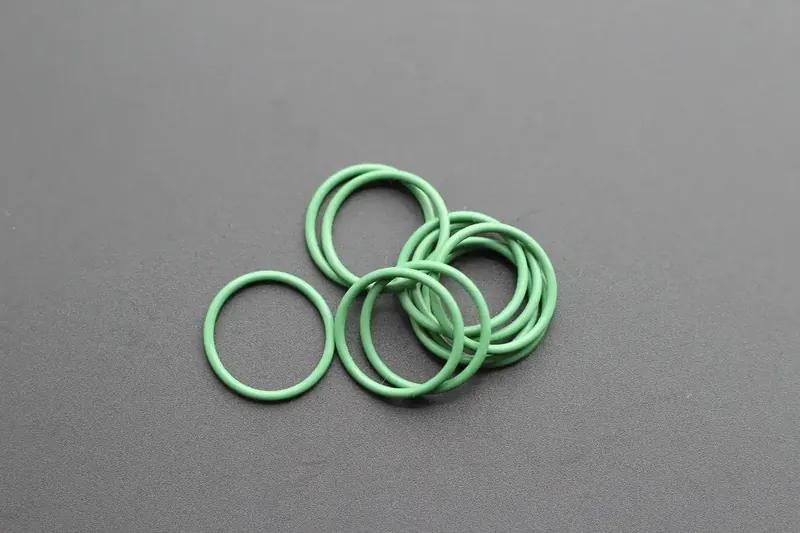
⚖️ O-Ring Weight Calculator
Estimate rubber O-ring weight (Approx).