Chemical Resistant Hose Manufacturer | Engineering Guide

Engineering Guide: Chemical Resistant Hose

chemical resistant hose manufacturing

Engineering Insight Chemical Resistant Hose Material Selection Imperatives

Chemical resistance is not a universal property inherent to all rubber hoses; it is a precisely engineered outcome dictated by polymer chemistry and compounding. Off-the-shelf solutions frequently fail in demanding industrial applications because they utilize generic elastomers optimized for cost or broad mechanical properties, not specific chemical exposure. This fundamental mismatch leads to catastrophic degradation modes including swelling, hardening, cracking, and catastrophic failure due to permeation or polymer chain scission. Understanding the exact chemical composition, concentration, temperature, and pressure profile of the fluid being conveyed is non-negotiable. A hose suitable for dilute sulfuric acid at ambient temperature may disintegrate rapidly when exposed to concentrated acid or elevated temperatures, even within the same chemical family. Generic formulations lack the tailored resistance required for aggressive solvents, strong oxidizers, or specialty process fluids common in chemical processing, pharmaceutical, and semiconductor manufacturing.

The critical failure point for standard hoses often lies in underestimating permeation rates and long-term chemical attack mechanisms. Hydrocarbon permeation through an inadequately specified nitrile rubber (NBR) hose handling fuels can lead to external swelling, fire hazards, and loss of structural integrity. Similarly, exposure to chlorinated solvents can cause rapid dissolution of standard EPDM compounds. Off-the-shelf products typically employ base polymers with insufficient saturation or fluorine content to withstand aggressive chemical environments, resulting in shortened service life, unplanned downtime, safety incidents, and significant cost overruns far exceeding the initial hose price. Material selection must account for synergistic effects where temperature accelerates chemical attack, or mechanical stress exacerbates chemical degradation.

The following table outlines key elastomer performance characteristics for critical chemical resistance parameters:

Elastomer Type Continuous Temp Range (°C) Key Chemical Resistance Key Vulnerabilities Key Failure Modes with Off-the-Shelf Use
EPDM -50 to +150 Acids (dilute), Alkalis, Ketones, Steam Hydrocarbons, Oils, Solvents Swelling, loss of pressure rating with fuels/oils
Standard NBR -30 to +100 Aliphatic Hydrocarbons, Water, Alcohols Aromatics, Chlorinated Solvents, Ozone Rapid dissolution, severe permeation with solvents
FKM (Standard) -20 to +200 Aromatics, Chlorinated Solvents, Acids, Fuels Low Temp Flex, Ketones, Amines Brittleness at low temp, swelling with strong ketones
FFKM (Perfluoro) -15 to +300+ Virtually all chemicals, Plasma, Ultra-high purity Cost, Flexibility Rare failure if correctly specified; off-the-shelf FKM often substituted inadequately

Note: ✓ = Excellent, △ = Limited/Conditional, ✗ = Poor/Unsuitable. Performance is highly dependent on specific compound formulation and cure system.

Suzhou Baoshida Trading Co., Ltd. emphasizes that successful chemical hose performance demands application-specific material engineering. We rigorously analyze the fluid properties and operational parameters to select and formulate the optimal elastomer system—whether hydrogenated nitrile (HNBR), specialty FKM grades, or perfluoroelastomers (FFKM)—ensuring molecular structure compatibility. This precision approach mitigates the permeation and degradation risks inherent in generic solutions, delivering hoses engineered for longevity, safety, and operational reliability in the most severe chemical environments. The initial investment in correctly specified material science translates directly to reduced lifecycle costs and elimination of hazardous failure modes.


Material Specifications

chemical resistant hose manufacturing

Material selection is a critical determinant in the performance and longevity of chemical resistant hoses used in industrial applications. At Suzhou Baoshida Trading Co., Ltd., we specialize in delivering high-performance rubber solutions tailored to meet the rigorous demands of chemical processing, petrochemical, pharmaceutical, and semiconductor industries. Our engineered hoses are constructed using premium elastomeric compounds, with Viton, Nitrile (NBR), and Silicone representing the core materials selected for their distinct chemical compatibility, temperature resilience, and mechanical properties.

Viton, a fluorocarbon-based rubber (FKM), offers exceptional resistance to a broad spectrum of aggressive chemicals, including aromatic hydrocarbons, chlorinated solvents, acids, and fuels. It maintains structural integrity across an extended temperature range from -20°C to +200°C, with intermittent exposure capability up to 250°C. This makes Viton ideal for high-temperature chemical transfer, semiconductor manufacturing, and aerospace applications where purity and stability are paramount. Its low permeability further enhances safety in handling volatile substances.

Nitrile rubber (NBR) is a cost-effective solution for applications involving oils, greases, aliphatic hydrocarbons, and hydraulic fluids. With a temperature operating range of -30°C to +100°C (up to +120°C intermittently), NBR provides excellent abrasion resistance and tensile strength. While its chemical resistance is limited compared to Viton—particularly against strong acids, ozone, and polar solvents—NBR remains a preferred choice in industrial hydraulic systems, fuel lines, and machinery requiring reliable oil resistance under moderate conditions.

Silicone rubber (VMQ) excels in extreme temperature environments, functioning reliably from -60°C to +200°C. It demonstrates good resistance to water, steam, oxygen, and certain acids and alkalis, though it performs poorly against hydrocarbons and solvents. Silicone’s inert nature, low toxicity, and compliance with FDA and USP Class VI standards make it suitable for pharmaceutical, food and beverage, and medical applications where hygiene and thermal stability are essential. Additionally, its high flexibility supports dynamic applications involving vibration or repeated flexing.

The following table compares key performance characteristics of these materials to guide optimal selection based on operational requirements.

Property Viton (FKM) Nitrile (NBR) Silicone (VMQ)
Temperature Range -20°C to +200°C -30°C to +100°C -60°C to +200°C
Chemical Resistance Excellent (acids, fuels, aromatics, solvents) Good (oils, greases, aliphatic hydrocarbons) Fair (water, steam, mild chemicals); Poor (hydrocarbons, solvents)
Oil and Fuel Resistance Outstanding Excellent Poor
Ozone and UV Resistance Excellent Good Excellent
Flexibility and Elasticity Moderate Good Excellent
Abrasion Resistance Good Excellent Fair
FDA/USP Compliance Select grades available Limited Widely compliant

Selection of the appropriate elastomer must consider not only chemical exposure but also pressure, temperature cycling, mechanical stress, and regulatory requirements. Suzhou Baoshida Trading Co., Ltd. provides technical consultation to ensure precise material matching for mission-critical hose applications.


Manufacturing Capabilities

chemical resistant hose manufacturing

Advanced Engineering Capabilities for Chemical Resistant Hose Manufacturing

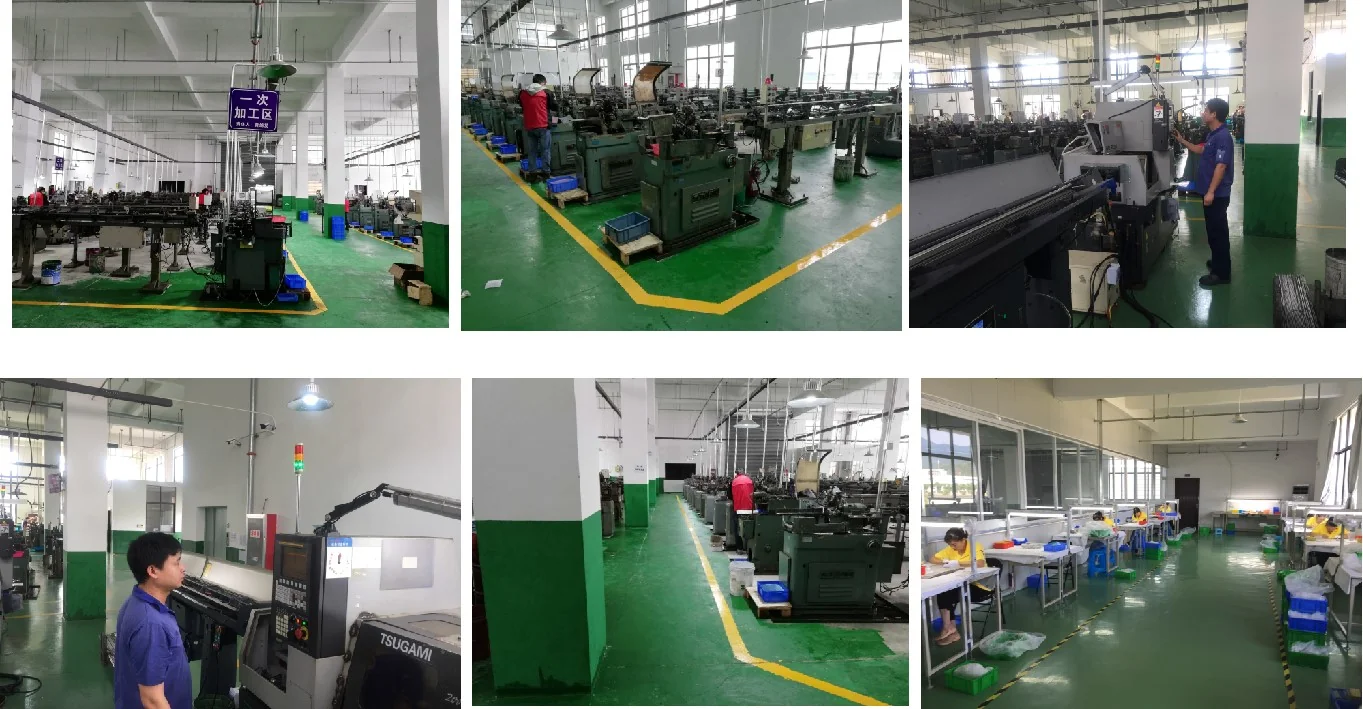
Suzhou Baoshida Trading Co., Ltd. leverages deep technical expertise to deliver chemically resistant hose solutions meeting the most stringent industrial demands. Our core strength resides in the integrated capabilities of our dedicated engineering team, comprising five specialized Mold Engineers and two highly experienced Rubber Formula Engineers. This concentrated expertise ensures precise control over both material science and manufacturing precision, directly translating to superior product performance and reliability in aggressive chemical environments.

Our Rubber Formula Engineers possess advanced knowledge of polymer chemistry and compounding. They meticulously develop and optimize custom elastomeric formulations, focusing on critical parameters like molecular architecture, filler dispersion, and curing kinetics. This scientific approach enables the creation of compounds exhibiting exceptional resistance across diverse chemical spectra – including concentrated acids, aggressive solvents, oils, and oxidizing agents – while maintaining essential physical properties such as tensile strength, elongation, and low-temperature flexibility. Rigorous laboratory testing validates each formulation against specific client chemical exposure requirements before scale-up, ensuring the molecular foundation of every hose meets exacting performance criteria.

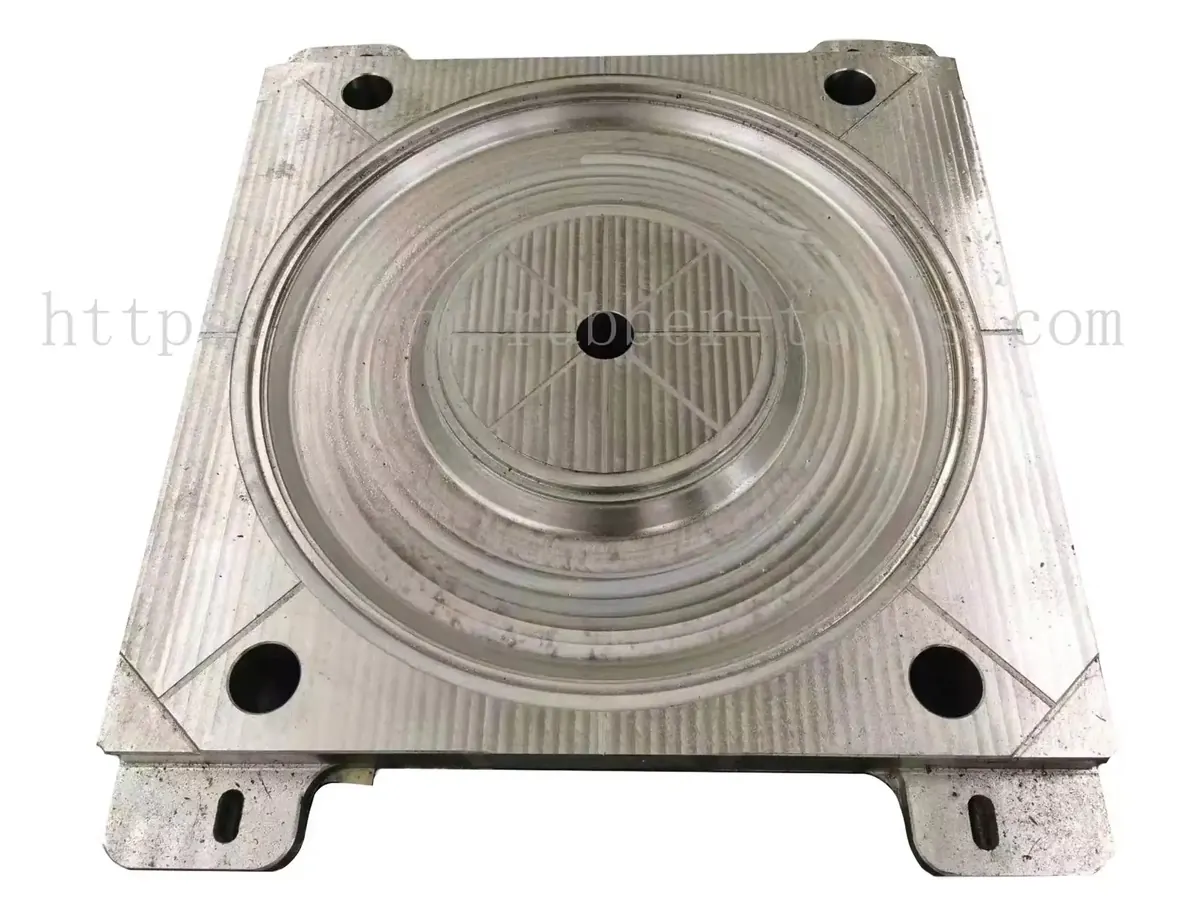
Complementing this material science mastery, our five Mold Engineers guarantee dimensional accuracy and process consistency. They design and refine precision tooling for extrusion, molding, and curing processes, applying strict geometric tolerances and thermal management principles. This expertise minimizes variations in critical dimensions like inner diameter consistency, wall thickness uniformity, and braid coverage density – factors paramount for reliable pressure handling, flow characteristics, and long-term resistance to chemical permeation and degradation. Advanced simulation tools are employed to predict and mitigate potential flow issues or stress concentrations during manufacturing, ensuring the final product geometry perfectly aligns with the engineered compound’s capabilities.

This synergy between formulation science and precision manufacturing underpins our robust OEM capabilities. We excel in collaborative development, working directly with client engineering teams to translate unique application challenges – specific chemical cocktails, extreme temperature cycles, or stringent regulatory needs – into bespoke hose solutions. Our process includes comprehensive OEM validation protocols, from initial concept and compound screening through prototype testing and full-scale production, all managed under strict quality control systems. Clients benefit from tailored performance without sacrificing the reliability expected from industrial-grade components.

Key chemical resistance performance characteristics achievable through our engineered solutions are summarized below:

Property Standard Nitrile (NBR) Compound Custom Baoshida Formulation (Example) Test Method
Temperature Range -30°C to +100°C -50°C to +150°C ASTM D2240
Resistance to 70% H₂SO₄ Moderate (Swelling >25%) Excellent (Swelling <10%) ISO 1817
Resistance to Toluene Poor (Swelling >100%) Good (Swelling <30%) ISO 1817
Tensile Strength (MPa) 15-20 22-28 ASTM D412
Elongation at Break (%) 250-350 300-400 ASTM D412
Volume Change in ASTM #3 +80% to +120% +40% to +60% ASTM D2000, IRM 903

This integrated engineering approach, combining advanced material formulation with precision manufacturing execution, allows Suzhou Baoshida to consistently deliver chemical resistant hose solutions that minimize operational risk, extend service life, and ensure safety in the world’s most challenging industrial fluid handling applications. Our commitment is to provide not just a product, but a scientifically validated engineering solution.


Customization Process

chemical resistant hose manufacturing

Drawing Analysis: Precision Engineering as the Foundation

The customization process for chemical resistant hoses begins with rigorous drawing analysis, a critical phase that defines dimensional accuracy, performance parameters, and compatibility with operational environments. At Suzhou Baoshida Trading Co., Ltd., our engineering team conducts a comprehensive review of client-provided technical drawings, focusing on inner diameter, outer diameter, wall thickness, bend radius, and flange or coupling specifications. We assess material contact surfaces, pressure ratings, and environmental exposure conditions to ensure design integrity. Any discrepancies or optimization opportunities—such as reinforcement layer configuration or cover thickness—are flagged and discussed with the client to align engineering intent with manufacturability. This stage integrates CAD-based modeling and tolerance verification to meet international standards including ISO 1307 and SAE J517, ensuring the design supports both performance and regulatory compliance.

Formulation: Tailoring Rubber Chemistry for Chemical Resistance

Following drawing validation, our Rubber Formula Engineers develop a bespoke elastomer formulation engineered to withstand specific chemical exposures. The selection of base polymer—such as EPDM, Nitrile (NBR), Fluoroelastomer (FKM), or Chloroprene (CR)—is determined by the chemical compatibility matrix derived from the application environment. Additives including anti-oxidants, plasticizers, and reinforcing fillers are precisely calibrated to enhance resistance to acids, solvents, oils, or ozone without compromising mechanical strength. Each compound is subjected to accelerated aging tests and immersion trials per ASTM D471 to validate performance under simulated service conditions. This data-driven formulation process ensures the final hose material maintains integrity across temperature extremes and prolonged chemical exposure, forming the backbone of reliable hose performance.

Prototyping: Validating Design and Material Synergy

Once the formulation is finalized, a functional prototype is manufactured using precision extrusion and vulcanization techniques. The prototype undergoes a battery of tests including burst pressure evaluation, impulse cycling, vacuum resistance, and flex durability. Chemical immersion testing is repeated on the full assembly to confirm seal integrity and material stability. Clients are provided with test reports and physical samples for field evaluation. Feedback is integrated into final design adjustments, ensuring optimal performance before scale-up. This iterative stage minimizes risk and validates the synergy between dimensional design and material science.

Mass Production: Consistency Through Controlled Manufacturing

Approved prototypes transition to mass production under strict ISO 9001-certified processes. Each hose is fabricated with traceable materials, consistent cure profiles, and inline quality checks. Final products are inspected for dimensional compliance, visual defects, and pressure certification.

Typical Chemical Resistant Hose Specifications

Parameter Value/Range Test Standard
Inner Diameter 6 mm – 100 mm ISO 1307
Pressure Rating 10 bar – 40 bar (custom up to 100 bar) ISO 1436
Temperature Range -30°C to +150°C (FKM up to +200°C) ASTM D1329
Bend Radius 3x OD minimum SAE J517
Chemical Resistance Acids, alkalis, oils, solvents ASTM D471
Cover Type Smooth or corrugated, UV-resistant ISO 6722

Contact Engineering Team

chemical resistant hose manufacturing

Contact Suzhou Baoshida for Precision Chemical Resistant Hose Solutions

Achieving reliable chemical resistance in industrial hose applications demands rigorous material science and precise elastomer formulation expertise. At Suzhou Baoshida Trading Co., Ltd., our engineering team leverages 15+ years of specialized experience in fluorocarbon (FKM), perfluoroelastomer (FFKM), and specialized EPDM compounds to deliver hoses that withstand aggressive chemical exposure while maintaining structural integrity under extreme pressure and temperature cycles. Generic solutions often fail under real-world conditions; our OEM-focused approach ensures your specific chemical compatibility, dimensional tolerances, and operational lifespan requirements are met through tailored compound development and stringent validation testing per ASTM D2000 and ISO 1307 standards.

The table below summarizes critical performance parameters for our core chemical resistant hose series, validated against common industrial media. These values represent minimum thresholds under continuous operation; actual performance may exceed specifications based on custom formulations.

Chemical Media Concentration Max Continuous Temp (°C) Recommended Material Pressure Rating (Bar)
Sulfuric Acid 98% 120 FFKM 40
Sodium Hydroxide 50% 100 Specialized EPDM 35
Toluene 100% 110 FKM 30
Hydrogen Peroxide 70% 90 FFKM 25
Hydrochloric Acid 37% 130 FKM 45

Partnering with Suzhou Baoshida means accessing not just a component supplier, but an engineering extension of your R&D and production teams. We provide comprehensive technical documentation including material safety data sheets (MSDS), compound certification reports, and finite element analysis (FEA) for stress points in custom geometries. Our quality management system is ISO 9001:2015 certified, with in-house testing facilities for permeation rate analysis, compression set, and tensile strength retention after chemical immersion. For OEM manufacturing partners, we offer scalable production from prototype to high-volume runs with dedicated tooling support and real-time process monitoring to ensure batch-to-batch consistency.

Initiate your project with actionable technical engagement. Contact Mr. Boyce, our dedicated OEM Manager, directly to discuss your chemical resistance requirements, operational parameters, and production volumes. Provide your target chemical exposure profile, temperature/pressure cycles, and dimensional specifications for a formal technical assessment and compound recommendation within 72 hours. Mr. Boyce coordinates cross-functional support from our formulation chemists, quality assurance engineers, and production planners to deliver solutions that minimize downtime and extend service life in your critical applications.

Specify your chemical exposure parameters and operational environment to receive a validated material recommendation and quotation. Reach Mr. Boyce at [email protected] for immediate technical collaboration. Suzhou Baoshida Trading Co., Ltd. – where elastomer science meets industrial reliability.


⚖️ O-Ring Weight Calculator

Estimate rubber O-ring weight (Approx).


Chemical Resistant Hose Manufacturer | Engineering Guide

Contents of Table

Contact [email protected] Whatsapp 86 15951276160