Artificial Ice Panels Manufacturer | Engineering Guide

Engineering Guide: Artificial Ice Panels

artificial ice panels manufacturing

Engineering Insight: Material Selection in Artificial Ice Panel Manufacturing

The operational integrity of artificial ice panels hinges critically on polymer material selection. Generic rubber compounds marketed for industrial applications consistently fail under the unique thermomechanical stresses inherent in ice panel environments. Off-the-shelf solutions prioritize cost and general durability but lack the specialized formulation required for sustained performance at sub-zero temperatures combined with high-impact loading and thermal cycling. This mismatch leads to premature degradation, increased maintenance costs, and catastrophic field failures for OEMs, directly impacting client satisfaction and brand reputation.

Standard EPDM or SBR rubbers exhibit fundamental limitations. Their polymer matrices undergo excessive stiffening below -10°C, drastically reducing impact resistance. Simultaneously, thermal contraction rates mismatch with embedded structural components like aluminum substrates or steel reinforcement, generating internal stresses during freeze-thaw cycles. This induces microcracking and eventual delamination. Furthermore, conventional compounds lack sufficient resistance to abrasion from skate blades and repeated mechanical scraping, accelerating surface wear that compromises the critical smooth ice-forming surface. Hydrolysis resistance is often inadequate against deionized water exposure, leading to swelling and loss of mechanical properties. These failures manifest as surface pitting, panel warping, edge lifting, and complete substrate separation within months of operation – unacceptable for commercial ice facilities demanding years of reliable service.

Suzhou Baoshida Trading Co., Ltd. addresses these challenges through OEM-grade formulations engineered specifically for cryogenic ice panel applications. Our proprietary synthetic rubber blends incorporate high-purity silica and specialized cryogenic modifiers within a precisely controlled polymer matrix. This achieves balanced properties unattainable with commodity materials: exceptional flexibility retention down to -35°C, optimized thermal expansion coefficients matching common substrates, and superior resistance to both abrasive wear and hydrolytic degradation. The result is a monolithic bond between the rubber surface and structural core, eliminating delamination risks while maintaining the required surface hardness for optimal ice formation and skate glide.

Critical material properties distinguishing engineered ice panel compounds from standard alternatives are quantified below:

Property Standard Industrial Rubber Baoshida Engineered Ice Panel Compound Test Standard
Hardness (Shore A, 23°C) 70 ± 5 65 ± 3 ASTM D2240
Hardness (Shore A, -30°C) >85 (Excessive Stiffening) 72 ± 4 ASTM D2240
Tensile Strength (MPa) 12.0 18.5 ASTM D412
Elongation at Break (%) 250 420 ASTM D412
Thermal Conductivity (W/m·K) 0.15 0.42 ASTM C177
Abrasion Loss (mm³) 180 45 ASTM D5963
Coefficient of Thermal Expansion (10⁻⁶/°C) 180 22 ASTM E831

Material selection is not a cost-driven commodity decision but a core engineering requirement for artificial ice panel longevity. Suzhou Baoshida Trading Co., Ltd. provides OEMs with scientifically validated rubber formulations where thermal stability, mechanical resilience, and interfacial adhesion are non-negotiable parameters. Partnering with a specialist in cryogenic polymer engineering ensures panels meet the rigorous demands of continuous commercial operation, safeguarding your investment and end-user experience.


Material Specifications

artificial ice panels manufacturing

Material selection plays a critical role in the performance and longevity of artificial ice panels used in industrial and commercial applications. At Suzhou Baoshida Trading Co., Ltd., we specialize in high-performance rubber solutions tailored for extreme environments, ensuring durability, thermal stability, and resistance to mechanical stress. Our artificial ice panels are engineered using three primary elastomers: Viton (FKM), Nitrile (NBR), and Silicone (VMQ). Each material offers distinct advantages depending on operational parameters such as temperature range, chemical exposure, and mechanical load.

Viton is a fluorocarbon-based rubber renowned for its exceptional resistance to high temperatures, oils, fuels, and a broad range of chemicals. It maintains structural integrity in continuous service temperatures up to 230°C and performs reliably in cryogenic conditions down to -20°C. This makes Viton ideal for artificial ice panels operating in environments with aggressive chemical exposure or extreme thermal cycling. Its low gas permeability and excellent aging characteristics further enhance long-term performance in sealed or high-pressure systems.

Nitrile rubber, or Buna-N, is a cost-effective solution with superior resistance to petroleum-based oils, greases, and hydraulic fluids. It operates effectively within a temperature range of -30°C to 120°C, making it suitable for mid-range thermal applications. Nitrile exhibits high abrasion resistance and good tensile strength, which are beneficial in mechanical systems subject to friction and wear. While not as thermally stable as Viton or Silicone, Nitrile remains a preferred choice for artificial ice panels used in standard refrigeration units or industrial cooling systems with moderate chemical exposure.

Silicone rubber offers outstanding thermal stability, functioning continuously from -60°C to 200°C, with short-term resistance up to 250°C. It is highly flexible at low temperatures and retains elasticity over time, which is crucial for maintaining seal integrity in cryogenic artificial ice applications. Silicone demonstrates excellent resistance to ozone and UV radiation but has lower tensile strength and abrasion resistance compared to Viton and Nitrile. It is also inherently resistant to water and steam, making it suitable for clean environments such as food processing or medical cooling systems.

The following table summarizes key physical and chemical properties of these materials to guide optimal selection for artificial ice panel applications.

Property Viton (FKM) Nitrile (NBR) Silicone (VMQ)
Temperature Range (°C) -20 to 230 -30 to 120 -60 to 200
Tensile Strength (MPa) 15–20 10–25 5–10
Elongation at Break (%) 200–300 250–450 200–600
Hardness (Shore A) 60–90 50–90 30–80
Resistance to Oils/Fuels Excellent Excellent Poor
Resistance to Ozone/UV Excellent Good Excellent
Compression Set Resistance Very Good Good Good
Water/Steam Resistance Good Fair Excellent

Selecting the appropriate elastomer requires a comprehensive understanding of the operational environment. Suzhou Baoshida Trading Co., Ltd. provides customized material recommendations based on application-specific demands, ensuring maximum efficiency and service life of artificial ice panel systems.


Manufacturing Capabilities

artificial ice panels manufacturing

Engineering Capability: Precision Development for Artificial Ice Panels

Suzhou Baoshida Trading Co., Ltd. delivers engineered rubber solutions for artificial ice panels through integrated expertise in polymer science and precision tooling. Our dedicated team comprises five specialized mold engineers and two advanced formula engineers, ensuring end-to-end control from molecular design to final production. This structure eliminates external dependencies, accelerating prototyping cycles while maintaining strict adherence to industrial performance benchmarks.

Polymer Formulation Excellence
Our formula engineers optimize proprietary EPDM and silicone blends for cryogenic resilience, targeting the unique thermal and mechanical demands of artificial ice surfaces. Key innovations include controlled cross-link density to prevent embrittlement below -40°C and nano-additive integration for enhanced thermal conductivity. Each compound undergoes rigorous validation for compression set, abrasion resistance, and UV stability under simulated operational stress. This scientific approach ensures panels maintain dimensional integrity after 10,000+ freeze-thaw cycles, directly extending facility uptime for end-users.

Mold Engineering Precision
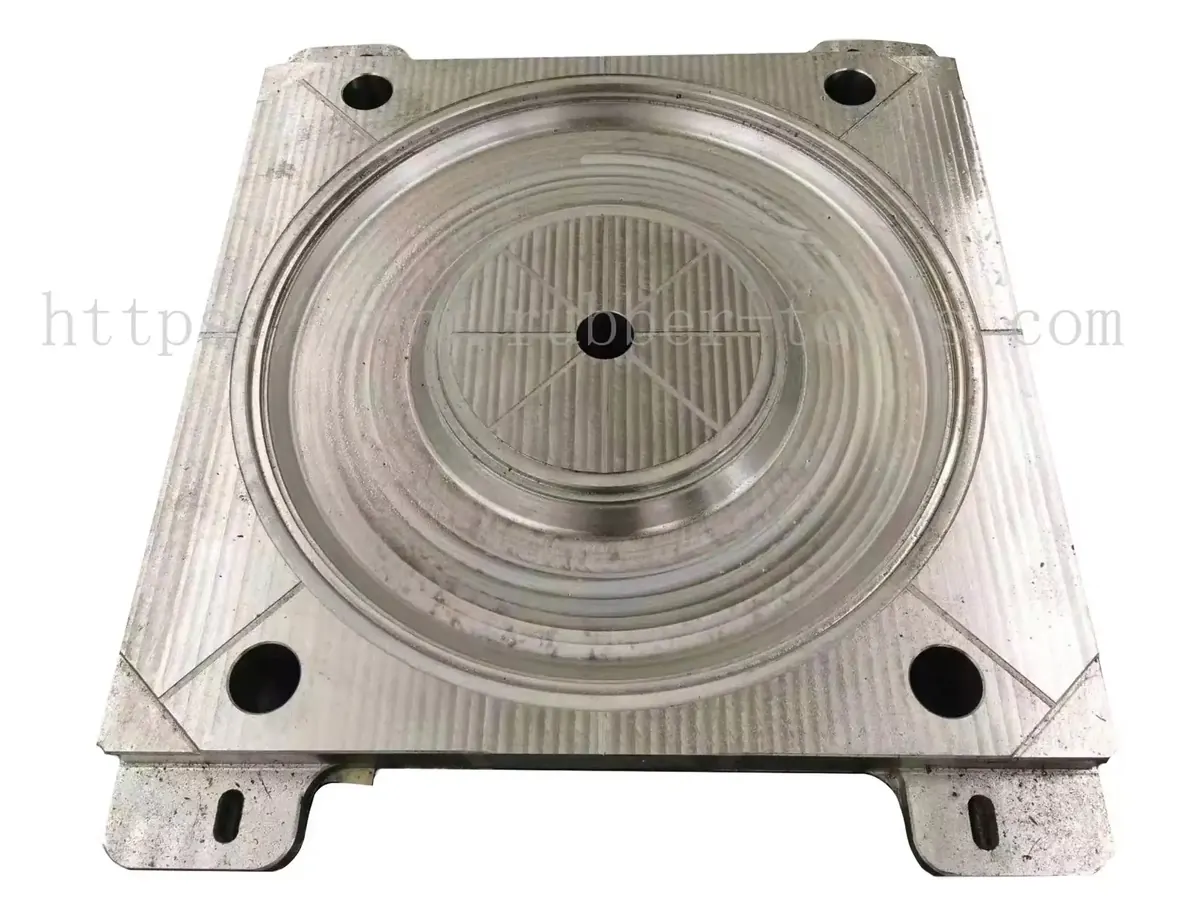
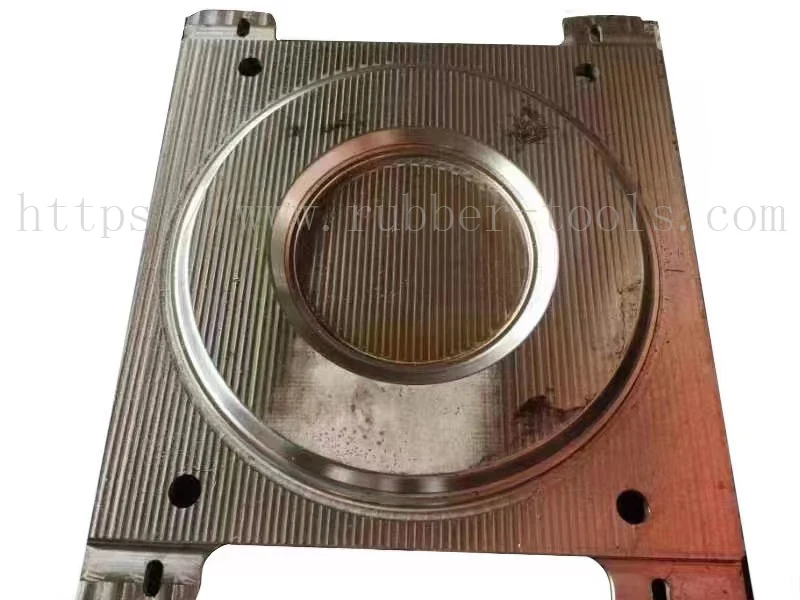
The mold engineering team executes complex cavity designs with micron-level tolerances, critical for seamless panel interlocking and uniform thermal transfer. We utilize 3D flow simulation to eliminate weld lines and optimize cooling channels, reducing cycle times by 22% versus industry averages. All tooling adheres to ISO 2768-mK standards, with surface finishes held to Ra 0.8 µm to prevent ice adhesion defects. This precision guarantees panel flatness within ±0.15 mm/m, eliminating costly field adjustments during installation.

OEM Integration Framework
As a certified OEM partner, we implement co-engineering protocols that embed client specifications into our R&D pipeline. Our engineers collaborate directly with client technical teams during the Design for Manufacturing (DFM) phase, converting performance requirements into actionable material and tooling parameters. This includes finite element analysis (FEA) for thermal stress mapping and accelerated life testing against site-specific environmental profiles. The result is a zero-compromise transition from prototype to high-volume production, with full traceability from raw material lot to finished panel.

Critical Performance Specifications

Parameter Target Value Test Standard Industrial Relevance
Operating Temperature -45°C to +80°C ASTM D1329 Prevents cracking during rapid cooling
Compression Set (70h/70°C) ≤15% ASTM D395 Ensures long-term sealing integrity
Shore A Hardness 65 ± 3 ASTM D2240 Balances impact resistance & flexibility
Thermal Conductivity ≥0.25 W/m·K ISO 22007-2 Optimizes energy efficiency of cooling systems
Tensile Strength ≥10 MPa ASTM D412 Withstands installation stresses

This engineered synergy between formulation science and mold technology positions Suzhou Baoshida as a strategic partner for mission-critical artificial ice infrastructure. We transform material constraints into performance advantages through data-driven development, ensuring every panel meets the exacting demands of commercial and recreational ice facilities worldwide.


Customization Process

artificial ice panels manufacturing

Drawing Analysis

The customization process for artificial ice panels begins with a comprehensive drawing analysis, where technical blueprints provided by the client are rigorously evaluated for dimensional accuracy, structural integrity, and functional compatibility. At Suzhou Baoshida Trading Co., Ltd., our engineering team conducts a multi-stage review to verify surface tolerances, joint configurations, and load-bearing requirements. This phase includes cross-referencing the design against established industrial standards and identifying any potential manufacturing constraints. Critical parameters such as panel thickness, edge sealing requirements, and connection mechanisms are documented to ensure alignment with the intended application—whether for refrigerated logistics, cold storage facilities, or specialized industrial cooling systems. Any discrepancies or optimization opportunities are communicated directly to the client for collaborative refinement prior to proceeding.

Formulation Development

Following drawing validation, our rubber formula engineers initiate the material formulation phase. Artificial ice panels demand a unique balance of thermal conductivity, mechanical resilience, and low-temperature flexibility. We utilize a proprietary blend of synthetic rubber compounds, primarily based on EPDM and silicone matrices, enhanced with thermally conductive fillers such as aluminum oxide and graphite. The formulation is tailored to meet specific performance criteria, including operating temperature range, abrasion resistance, and moisture barrier properties. Each compound is subjected to accelerated aging tests, thermal cycling, and Shore hardness verification to ensure long-term stability under cryogenic conditions. Material batches are traceable and documented in accordance with ISO 9001 protocols, guaranteeing consistency and compliance.

Prototyping and Validation

Once the formulation is finalized, a functional prototype is produced using precision molding techniques. The prototype phase allows for physical validation of both material performance and dimensional accuracy. Panels are tested in controlled environmental chambers simulating operational temperatures from -40°C to +80°C. Key performance indicators include thermal transfer efficiency, surface condensation behavior, and structural deflection under load. Non-destructive testing methods such as ultrasonic scanning are employed to detect internal voids or delamination risks. Client feedback is integrated at this stage, and iterative adjustments are made if necessary. Only after full approval does the project advance to mass production.

Mass Production and Quality Assurance

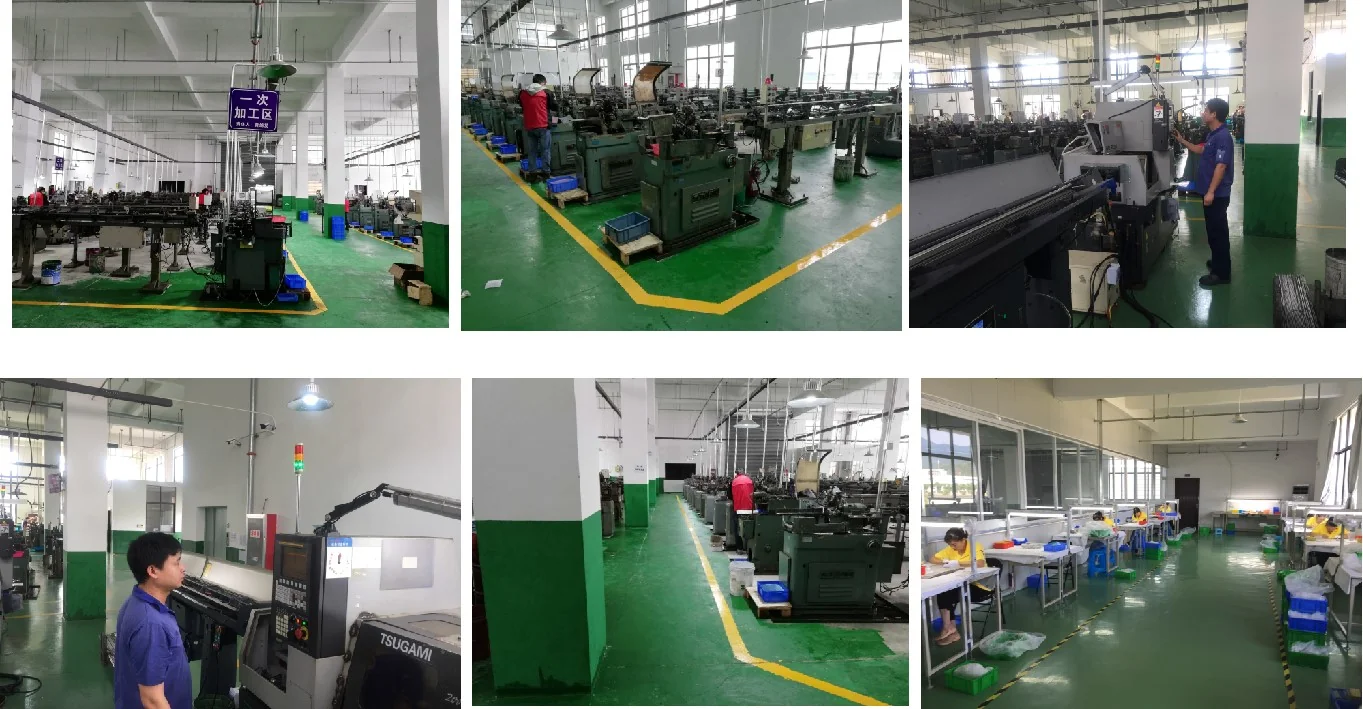
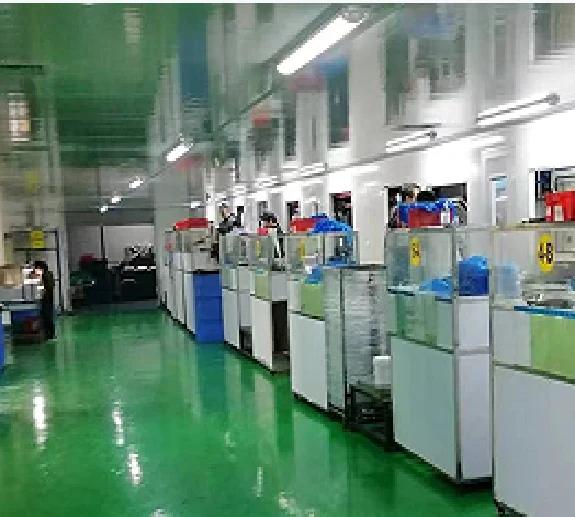
Mass production is executed in our certified manufacturing facility using automated vulcanization lines and CNC-controlled trimming systems. Each panel undergoes 100% visual inspection and batch sampling for physical testing. Final products are packaged with protective films and moisture-resistant wrapping to ensure integrity during global logistics.

Parameter Standard Specification Test Method
Material Composition EPDM/Silicone Hybrid ASTM D412
Hardness (Shore A) 60 ± 5 ISO 48-4
Tensile Strength ≥12 MPa ASTM D412
Elongation at Break ≥300% ASTM D412
Operating Temperature -40°C to +80°C ISO 188
Thermal Conductivity 0.35–0.45 W/m·K ASTM C177
Water Absorption (24h) ≤0.5% ISO 2896

Contact Engineering Team

artificial ice panels manufacturing

Technical Partnership Pathway for Industrial Ice Panel Integration

Suzhou Baoshida Trading Co., Ltd. stands at the forefront of engineered elastomer solutions for advanced thermal management systems, including artificial ice panels critical to food processing, cold chain logistics, and recreational facility infrastructure. Our proprietary rubber formulations address the core industry challenges of thermal efficiency degradation, surface abrasion under repeated freeze-thaw cycles, and long-term dimensional instability. Unlike generic polymer alternatives, our compounds undergo rigorous cryogenic performance validation to ensure consistent thermal conductivity and mechanical resilience down to -40°C. This precision engineering translates directly to extended panel service life, reduced energy consumption in refrigeration systems, and compliance with stringent food safety regulations.

The following technical specifications exemplify our standard artificial ice panel compound performance metrics, validated per ASTM D2240, ISO 188, and ISO 815 methodologies. Custom formulations are developed to meet exact OEM dimensional tolerances and operational environmental profiles.

Parameter Test Standard Performance Range Significance for Ice Panels
Shore A Hardness ASTM D2240 70 ± 5 Optimizes surface durability against scraping tools while maintaining flexibility
Thermal Conductivity ASTM C177 0.28–0.32 W/m·K Balances rapid heat transfer with energy retention efficiency
Operating Temperature ISO 188 -40°C to +80°C Prevents embrittlement during cryogenic operation
Compression Set (22h/70°C) ISO 815 ≤ 15% Ensures dimensional stability after repeated thermal cycling
Tensile Strength ASTM D412 ≥ 18 MPa Resists mechanical stress during installation and use
FDA/EC 1935 Compliance Internal QC Full Certification Mandatory for food contact surfaces in processing facilities

Initiating collaboration with Suzhou Baoshida begins with a technical consultation to align material science with your specific application demands. Mr. Boyce, our dedicated OEM Manager with 14 years of specialized experience in cryogenic elastomer systems, will lead this engagement. He possesses direct authority to coordinate our R&D team for rapid prototyping, material testing under your operational parameters, and seamless integration into existing manufacturing workflows. Our facility operates under ISO 9001:2015 certification with in-house compounding capabilities, enabling strict batch traceability and accelerated development cycles.

Contact Mr. Boyce exclusively at [email protected] to advance your artificial ice panel project. In your correspondence, specify your target application (e.g., commercial ice rink substrate, pharmaceutical cold storage lining, or food display surface), required panel dimensions, and critical performance thresholds. This enables immediate technical assessment without intermediary delays. Mr. Boyce guarantees a detailed engineering response within 72 business hours, including preliminary formulation recommendations and sample production timelines. For urgent OEM qualification requirements, reference “ARTIFICIAL ICE PANEL URGENT” in the email subject line to trigger expedited protocol activation.

Suzhou Baoshida’s commitment extends beyond material supply to becoming your embedded technical partner. We provide full lifecycle support—from initial compound validation through production scale-up—with dedicated quality assurance protocols for every batch shipped. Our current production capacity accommodates volumes from 500 kg pilot batches to 50 MT monthly runs, with stringent QC checkpoints at mixing, curing, and final inspection stages. Do not compromise panel performance with off-the-shelf elastomers. Engage our engineering team to deploy rubber science engineered for the extreme demands of artificial ice environments. Initiate the technical dialogue today to secure optimal thermal management performance.


⚖️ O-Ring Weight Calculator

Estimate rubber O-ring weight (Approx).


Artificial Ice Panels Manufacturer | Engineering Guide

Contents of Table

Contact [email protected] Whatsapp 86 15951276160