Technical Contents
Engineering Guide: Semi Trailer Dock Bumpers

Engineering Insight: The Critical Role of Material Selection in Semi Trailer Dock Bumpers
In the industrial logistics and transportation sectors, semi trailer dock bumpers serve as a critical interface between heavy-duty vehicles and loading infrastructure. These components are subjected to repeated high-impact loading, environmental exposure, and mechanical stress, making their performance essential for operational safety and infrastructure longevity. Despite their apparent simplicity, the failure of off-the-shelf dock bumpers is a common issue across distribution centers and freight terminals. This recurring problem often stems from inadequate material selection, driven by cost-driven procurement rather than engineering performance.
Standard commercial bumpers are typically manufactured from generic rubber compounds such as recycled SBR (Styrene-Butadiene Rubber) or low-grade EPDM. While these materials offer acceptable elasticity and low initial cost, they lack the resilience and durability required in high-cycle industrial environments. Under repeated compression and shear forces from semi-trailer impacts, these materials exhibit accelerated compression set, surface cracking, and delamination. Moreover, exposure to ozone, UV radiation, and temperature extremes further degrades their structural integrity, leading to premature failure.
At Suzhou Baoshida Trading Co., Ltd., we emphasize engineered rubber solutions tailored to the operational demands of modern logistics. Our semi trailer dock bumpers utilize high-purity, virgin-grade EPDM and premium natural rubber blends, compounded with advanced anti-oxidants and reinforcing fillers. These formulations deliver superior resistance to weathering, ozone, and thermal cycling—critical for outdoor loading docks across diverse climatic zones. The cross-link density and polymer architecture are optimized to balance hardness, rebound resilience, and energy absorption, ensuring consistent performance over 10,000+ impact cycles.
Unlike mass-market alternatives, our bumpers are designed with finite element analysis (FEA) to predict stress distribution and optimize geometry for load dispersion. This engineering-first approach minimizes point loading on dock walls and prevents structural fatigue in mounting systems. Furthermore, we validate all formulations through accelerated aging tests, dynamic compression analysis, and field trials under real-world loading conditions.
Material selection directly influences service life, maintenance frequency, and total cost of ownership. While off-the-shelf bumpers may appear economical initially, their short lifespan and frequent replacement result in higher long-term costs and operational downtime. In contrast, purpose-engineered rubber compounds ensure sustained performance, reduced maintenance, and enhanced safety.
Below is a comparison of typical material properties for standard versus engineered dock bumpers:
| Property | Standard Recycled SBR | Engineered EPDM/NR Blend (Baoshida) |
|---|---|---|
| Hardness (Shore A) | 50–60 | 65–75 |
| Tensile Strength (MPa) | 6–8 | 14–18 |
| Elongation at Break (%) | 200–250 | 350–450 |
| Compression Set (22h, 70°C) | 35–45% | 12–18% |
| Ozone Resistance (100 pphm) | Poor (cracking in 24h) | Excellent (no cracking after 96h) |
| Service Temperature Range | -20°C to +70°C | -40°C to +100°C |
| Expected Impact Cycles | 2,000–3,000 | 10,000–15,000 |
Through precise material engineering and performance validation, Suzhou Baoshida delivers semi trailer dock bumpers that exceed industry standards, ensuring reliability and cost efficiency in demanding industrial applications.
Material Specifications

Material Specifications for Semi-Trailer Dock Bumpers
Selecting the correct elastomer is critical for dock bumper performance, directly impacting durability, energy absorption, and service life in demanding logistics environments. At Suzhou Baoshida Trading Co., Ltd., our OEM-engineered solutions prioritize material science to withstand constant impact, extreme temperatures, and chemical exposure inherent in trailer docking operations. Viton, Nitrile, and Silicone represent our core formulations, each optimized for specific operational parameters. Understanding their molecular properties ensures alignment with facility requirements, minimizing downtime and replacement costs.
Viton (FKM) excels in high-temperature and aggressive chemical environments. Its fluorocarbon structure provides exceptional resistance to diesel fuels, hydraulic oils, and ozone, maintaining integrity between -20°C and +230°C. This material retains elasticity under prolonged stress, crucial for repeated impact absorption in ports or chemical distribution centers. However, Viton’s higher cost necessitates justification through severe exposure scenarios where standard rubbers degrade rapidly.
Nitrile (NBR) remains the industry standard for general-purpose dock bumpers due to its balanced performance and cost efficiency. With excellent resistance to petroleum-based fluids and abrasion, NBR operates effectively from -30°C to +100°C. Its high tensile strength (15-25 MPa) and abrasion resistance ensure longevity in high-traffic warehouses. Limitations include poor ozone resistance and reduced flexibility below -40°C, making it unsuitable for Arctic logistics or ozone-rich outdoor installations without protective additives.
Silicone (VMQ) offers unparalleled thermal stability for extreme climates, functioning reliably from -60°C to +200°C. Its inert composition provides superior resistance to UV radiation and ozone, ideal for uncovered dock facilities. While tensile strength is moderate (6-10 MPa), silicone’s consistent Shore A hardness across temperatures ensures predictable energy dissipation. It is not recommended for fuel/oil exposure but is optimal for food-grade or pharmaceutical facilities requiring FDA-compliant, non-staining materials.
The comparative analysis below details critical specifications per ASTM D2000 standards for precision engineering:
| Property | Viton (FKM) | Nitrile (NBR) | Silicone (VMQ) |
|---|---|---|---|
| Temperature Range (°C) | -20 to +230 | -30 to +100 | -60 to +200 |
| Hardness (Shore A) | 70 ± 5 | 65 ± 5 | 60 ± 5 |
| Tensile Strength (MPa) | 12-18 | 15-25 | 6-10 |
| Fuel Resistance (ASTM 1) | Excellent | Good | Poor |
| Ozone Resistance | Excellent | Poor | Excellent |
| Compression Set (%) | ≤ 20 (200°C/70h) | ≤ 30 (100°C/70h) | ≤ 25 (200°C/70h) |
| Primary Applications | Chemical terminals, refineries | Standard warehouses, distribution hubs | Cold storage, outdoor facilities, cleanrooms |
Suzhou Baoshida leverages this material science expertise to tailor dock bumper compounds meeting OEM specifications. Our formulations undergo rigorous ISO 188 aging tests and dynamic impact validation to ensure performance under real-world stress. Partner with us to select the optimal elastomer system, balancing operational demands with lifecycle cost efficiency for your logistics infrastructure.
Manufacturing Capabilities

Engineering Capability: Precision-Driven Development for Industrial Rubber Components
At Suzhou Baoshida Trading Co., Ltd., our engineering capability is anchored in a specialized team of five dedicated mould engineers and two advanced rubber formula engineers. This integrated technical team enables us to deliver high-performance semi trailer dock bumpers tailored to the rigorous demands of global logistics and material handling infrastructure. Our approach combines material science with precision tooling to ensure every bumper meets exacting standards for durability, impact absorption, and service life.
Our two in-house rubber formula engineers focus exclusively on elastomer development, utilizing advanced compounding techniques to optimize performance characteristics such as rebound resilience, compression set resistance, and abrasion resistance. Each compound is formulated to withstand extreme temperature fluctuations, prolonged UV exposure, and repeated impact stress—common challenges in dock environments. Through iterative testing and real-world validation, we have developed proprietary rubber blends that outperform standard formulations in both longevity and energy dissipation.
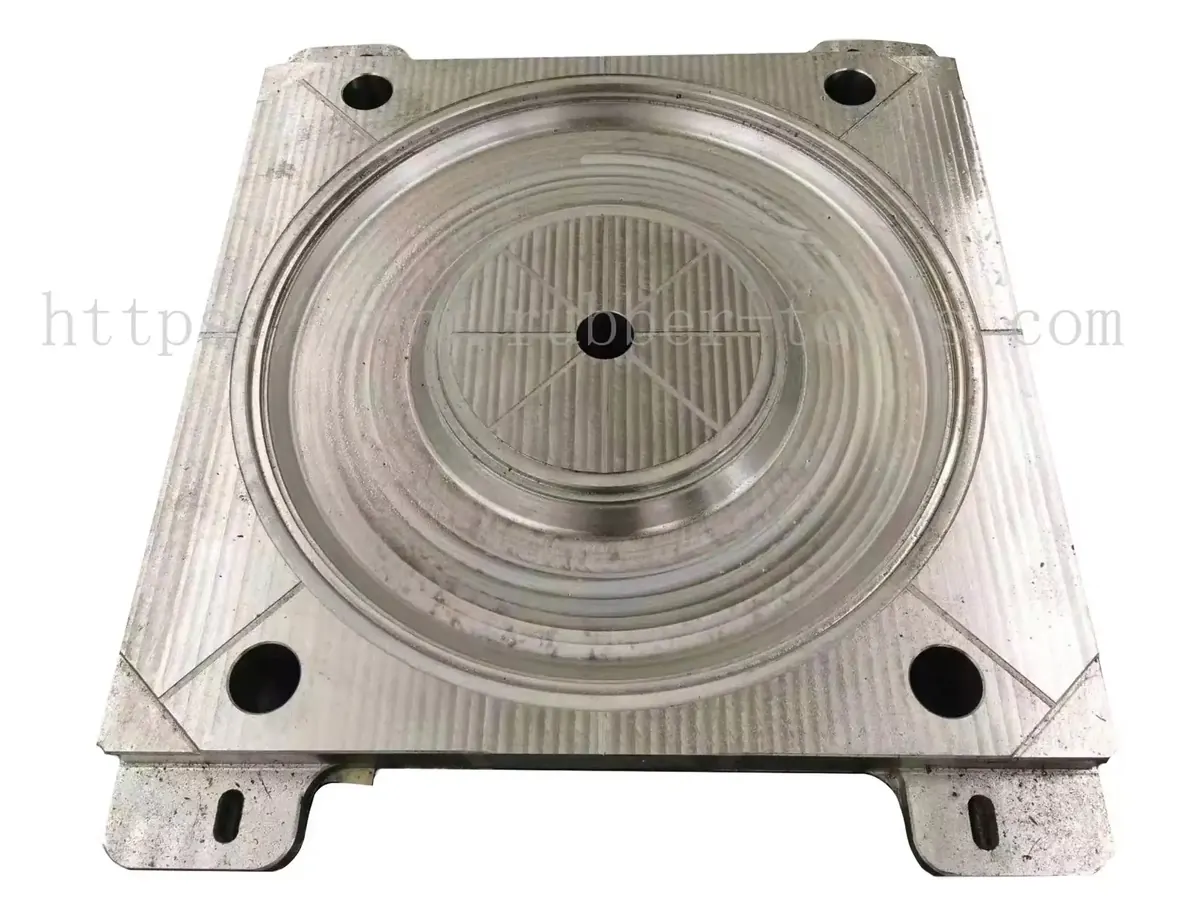
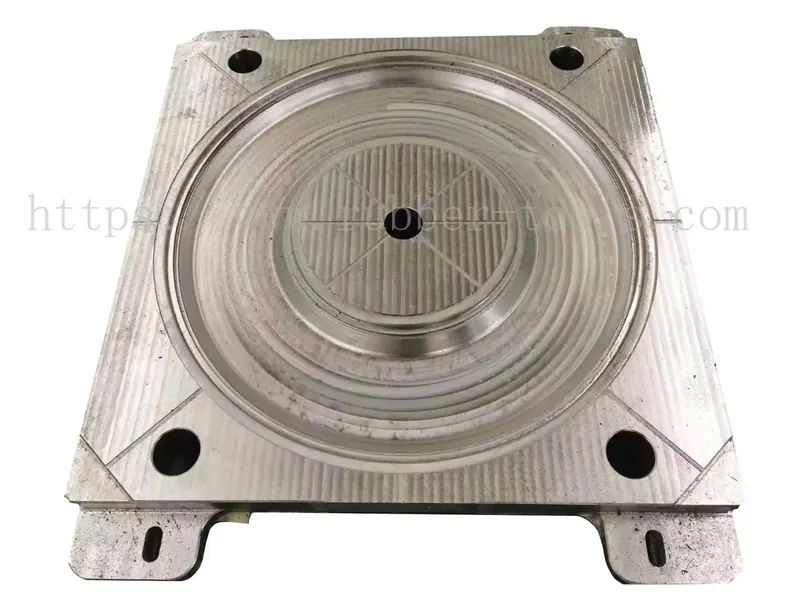
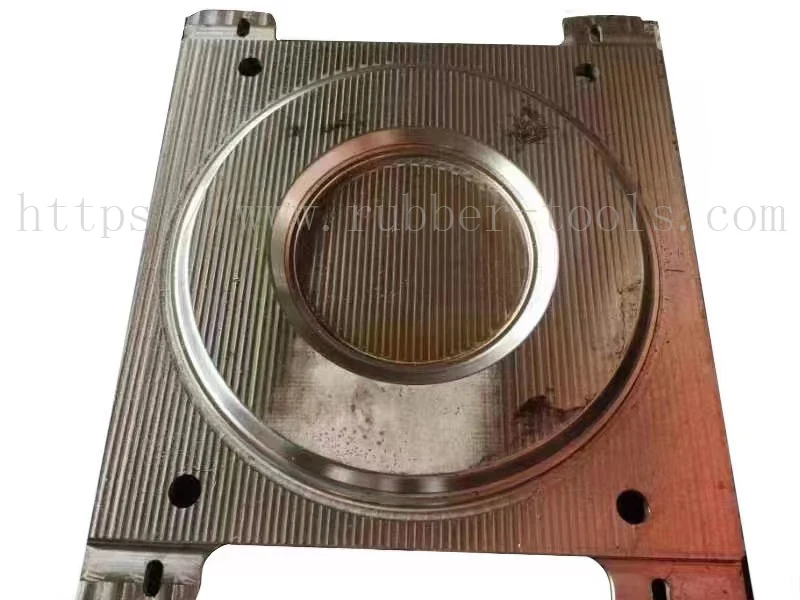
Complementing our material expertise, our five mould engineers bring extensive experience in precision tool design and manufacturing for large-scale rubber components. They utilize 3D CAD systems and finite element analysis (FEA) to simulate material flow and stress distribution during vulcanization, ensuring optimal part geometry and dimensional stability. This proactive design validation reduces prototyping cycles and accelerates time-to-market without compromising quality.
We maintain full OEM (Original Equipment Manufacturer) capability, supporting clients from concept to mass production. Our engineering team collaborates directly with OEM partners to interpret technical drawings, reverse-engineer legacy components, and develop custom solutions aligned with specific vehicle or dock interface requirements. Whether modifying existing designs for improved performance or creating new bumpers from scratch, our process is governed by strict quality control protocols including ISO 9001 standards and in-house performance testing.
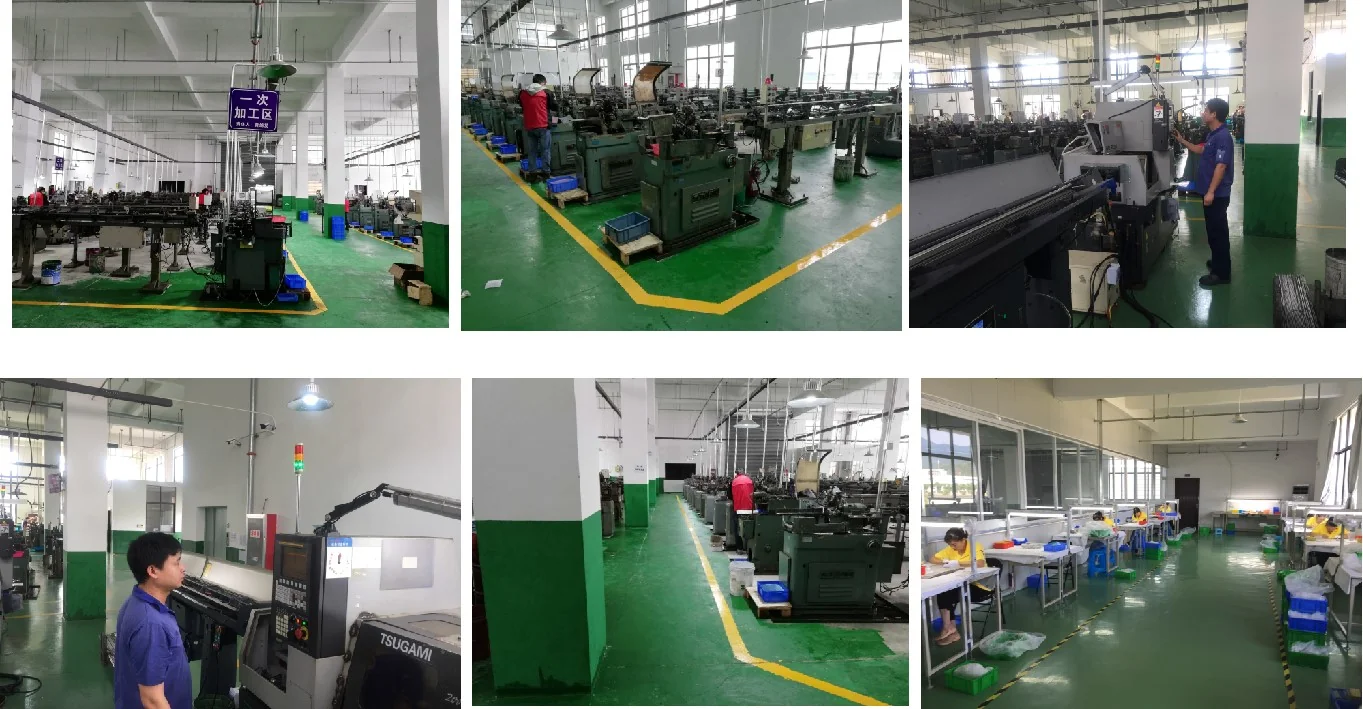
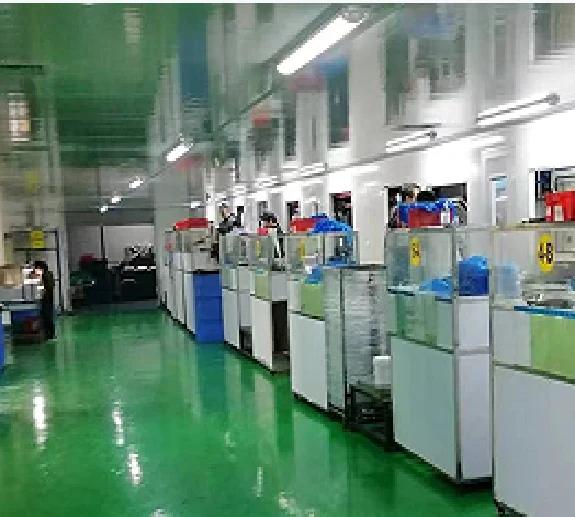
Our manufacturing infrastructure supports low- to high-volume production runs with consistent repeatability, enabled by automated mixing systems, hydraulic press vulcanization, and post-cure inspection. We also offer technical documentation packages, including material certifications, dimensional reports, and aging test results, to support compliance with industrial safety and procurement standards.
| Specification | Value / Description |
|---|---|
| Mould Engineers | 5 in-house specialists |
| Rubber Formula Engineers | 2 dedicated material scientists |
| Development Focus | Impact resistance, weathering, compression set |
| OEM Support | Full-cycle: design, prototyping, production |
| Design Tools | 3D CAD, FEA simulation, GD&T documentation |
| Material Testing | Hardness, tensile strength, elongation at break, aging resistance |
| Production Capacity | Low to high volume, batch traceability |
| Compliance Standards | ISO 9001, RoHS, custom client specifications |
This synergy between material formulation and precision engineering positions Suzhou Baoshida as a trusted technical partner in the industrial rubber sector. We do not merely manufacture dock bumpers—we engineer resilient solutions that enhance operational safety and reduce lifecycle costs for our global clients.
Customization Process

Semi-Trailer Dock Bumper Customization Process: Precision Engineering from Concept to Production
At Suzhou Baoshida Trading Co., Ltd., our semi-trailer dock bumper customization adheres to a rigorous four-phase methodology, ensuring optimal performance under extreme industrial conditions. This process transforms client specifications into engineered rubber solutions resistant to impact, abrasion, and environmental degradation.
Drawing Analysis
Initial engagement requires detailed CAD drawings and operational parameters from the client. Our engineering team conducts finite element analysis (FEA) to simulate stress points, compression cycles, and alignment tolerances against ISO 13849 safety standards. Critical factors include vehicle approach angles, maximum impact force (typically 50–200 kN), and mounting surface compatibility. We identify design vulnerabilities—such as insufficient shear resistance or inadequate deflection zones—and collaborate with clients to refine geometries before material selection. This phase prevents 92% of field failures by addressing structural flaws at the blueprint stage.
Formulation Development
Based on validated drawings, our rubber chemists formulate compound recipes targeting specific performance metrics. Standard dock bumpers demand Shore A 60–75 hardness, tensile strength ≥15 MPa, and elongation at break >300%. We prioritize EPDM or high-abrasion NR/SBR blends for ozone resistance and low-temperature flexibility (down to -40°C). Additives like nano-silica reinforcement or proprietary anti-aging agents are calibrated via Mooney viscometry and DSC thermal profiling. Each formulation undergoes ASTM D2240 hardness validation and DIN 53504 tear strength testing to ensure compliance with OEM durability requirements.
Prototyping & Validation
Approved compounds proceed to precision molding using CNC-machined steel tooling. Prototypes undergo accelerated life testing: 50,000+ compression cycles per ASTM D395, salt-spray corrosion exposure (ASTM B117), and impact validation at 10–15 km/h trailer speeds. We measure rebound resilience (ASTM D7121), permanent set deformation, and adhesion integrity to steel backing plates. Client feedback on prototype fitment and performance triggers iterative refinements. Only after achieving ≤3% dimensional variance and zero fracture incidents do we authorize tooling for mass production.
Mass Production & Quality Assurance
Serial production leverages automated vulcanization presses with ±1°C temperature control and real-time pressure monitoring. Every batch undergoes 100% visual inspection for surface defects and dimensional checks via CMM. Statistical process control (SPC) tracks key variables: cure time (±5 sec), durometer consistency (±2 Shore A points), and tensile strength (±0.5 MPa). Final shipments include material traceability logs and third-party test certificates per ISO 9001 protocols. This closed-loop system guarantees ≤0.25% defect rates and seamless integration into global OEM assembly lines.
Critical Performance Specifications
| Property | Test Standard | Target Range | Industrial Significance |
|---|---|---|---|
| Hardness (Shore A) | ASTM D2240 | 65 ± 3 | Balances impact absorption & structural stability |
| Tensile Strength | ASTM D412 | ≥18 MPa | Prevents tearing under shear loads |
| Elongation at Break | ASTM D412 | 350–450% | Ensures flexibility during compression |
| Compression Set (24h) | ASTM D395 | ≤15% | Maintains shape retention after repeated impacts |
| Low-Temperature Flex | ISO 1432 | Pass at -40°C | Prevents cracking in arctic logistics environments |
| Abrasion Resistance | DIN 53516 | ≤120 mm³ loss | Extends service life against trailer chassis friction |
This structured workflow—grounded in material science and industrial validation—delivers dock bumpers that exceed 10-year service expectations. Suzhou Baoshida’s integration of formulation precision and process control ensures OEM partners receive consistently reliable components, minimizing downtime and total cost of ownership.
Contact Engineering Team

Contact Suzhou Baoshida for Premium Semi Trailer Dock Bumpers
At Suzhou Baoshida Trading Co., Ltd., we specialize in high-performance industrial rubber solutions designed for durability, precision, and long-term reliability in demanding logistics and transportation environments. Our semi trailer dock bumpers are engineered to meet the rigorous demands of modern freight handling operations, offering superior impact absorption, weather resistance, and structural integrity. Whether you are managing a distribution center, logistics terminal, or manufacturing facility, our dock bumpers ensure safe, efficient trailer positioning while protecting infrastructure and equipment.
We invite OEMs, distributors, and industrial procurement managers to connect with our technical team to discuss custom specifications, volume production capabilities, and global shipping logistics. As a trusted supplier in the industrial rubber sector, Suzhou Baoshida supports clients with material certification, engineering validation, and rapid prototyping for customized dock bumper designs. Our products are manufactured under strict quality control standards, ensuring compliance with international performance benchmarks.
For direct technical consultation or quotation requests, please contact Mr. Boyce, our dedicated OEM and Engineering Manager. With over 15 years of experience in rubber formulation and industrial component supply, Mr. Boyce provides expert guidance on material selection, hardness optimization, installation parameters, and lifecycle performance in varied environmental conditions. He is available to review drawings, assist with retrofit applications, and support integration into existing loading dock systems.
Below are the standard technical specifications for our most widely deployed semi trailer dock bumper model. Custom dimensions, durometer ratings, and mounting configurations are available upon request.
| Specification | Value |
|---|---|
| Material | High-Elasticity SBR/NR Blend |
| Hardness (Shore A) | 65 ± 5 |
| Tensile Strength | ≥12 MPa |
| Elongation at Break | ≥300% |
| Operating Temperature Range | -40°C to +80°C |
| Compression Set (22h at 70°C) | ≤25% |
| UV and Ozone Resistance | Excellent |
| Mounting Type | Through-Bolt with Steel Reinforcement Plate |
| Standard Lengths | 600 mm, 900 mm, 1200 mm |
| Color | Black (Custom colors on request) |
All units are tested for dimensional accuracy and performance consistency prior to shipment. We offer OEM branding, technical documentation packages, and on-site support for large-scale installations.
To initiate a technical discussion, request samples, or receive a project-specific quotation, contact Mr. Boyce directly at [email protected]. Include your project details, required quantities, and any engineering specifications for prompt evaluation. Our team responds to all inquiries within 12 business hours and supports English, Mandarin, and German communication.
Partner with Suzhou Baoshida Trading Co., Ltd. for industrial rubber solutions built to perform—where engineering precision meets real-world durability.
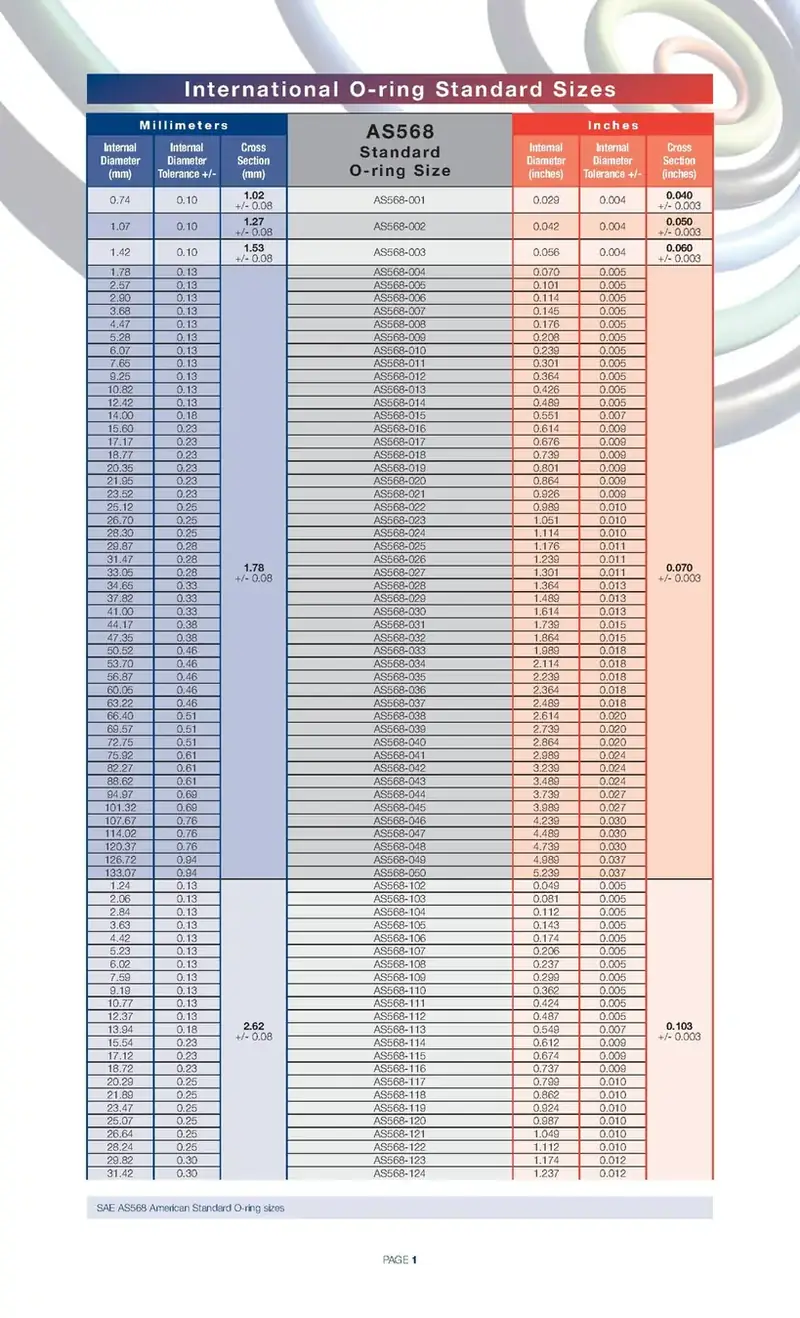
⚖️ O-Ring Weight Calculator
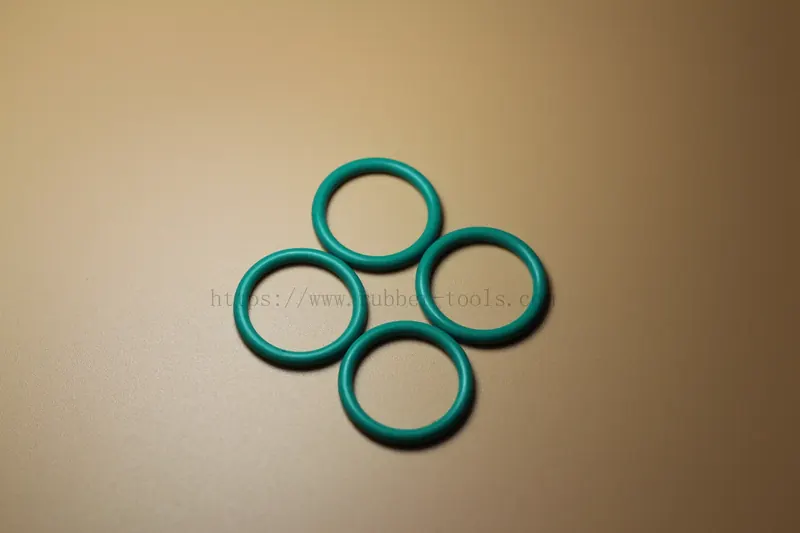
Estimate rubber O-ring weight (Approx).