Rubberized Fabric Manufacturer | Engineering Guide

Engineering Guide: Rubberized Fabric

rubberized fabric manufacturing

Engineering Insight: The Critical Role of Material Selection in Rubberized Fabric Performance

In industrial applications, rubberized fabric is not merely a composite material—it is a precision-engineered solution designed to withstand extreme mechanical stress, chemical exposure, temperature fluctuations, and environmental degradation. At Suzhou Baoshida Trading Co., Ltd., we emphasize that off-the-shelf rubberized fabric solutions frequently fail under real-world conditions due to inadequate material alignment with operational demands. The root cause lies in generic formulation practices that prioritize cost and availability over performance specificity.

Rubberized fabric consists of a textile reinforcement—typically polyester, nylon, or aramid—coated with a polymer matrix such as natural rubber (NR), nitrile (NBR), chloroprene (CR), or ethylene propylene diene monomer (EPDM). Each combination delivers distinct mechanical, thermal, and chemical properties. Selecting the correct pairing is not optional; it is a fundamental engineering requirement. A mismatch, even in seemingly minor parameters, can result in premature delamination, loss of tensile strength, or chemical swelling—each leading to system failure.

For example, a standard NBR-coated fabric may perform adequately in oil-resistant conveyor belts under moderate temperatures. However, when deployed in high-heat environments exceeding 120°C, the same material degrades rapidly due to thermal instability. Conversely, EPDM offers superior heat and ozone resistance but exhibits poor oil resistance, making it unsuitable for hydraulic or fuel-exposed systems. These distinctions underscore why standardized products fail: they assume uniformity in application, which does not exist in industrial settings.

Furthermore, textile substrate selection directly influences dimensional stability, elongation, and adhesion integrity. High-modulus fibers like aramid provide exceptional tear resistance and low stretch, ideal for dynamic applications such as expansion joints or flexible couplings. In contrast, polyester offers a balanced profile for general-purpose use but may not sustain prolonged flexing under load.

Custom engineering of rubber-to-fabric adhesion systems is equally critical. The interfacial bond must endure repeated flexing, moisture ingress, and thermal cycling. Off-the-shelf products often utilize generic adhesion promoters that do not optimize cross-link density or interfacial compatibility, resulting in interlaminar separation under stress.

At Suzhou Baoshida, we approach rubberized fabric as a system, not a commodity. Our formulations are application-specific, incorporating accelerated aging tests, chemical immersion analysis, and finite element modeling to predict field performance. This precision ensures longevity, safety, and cost-efficiency over the product lifecycle.

Below is a comparison of common rubberized fabric configurations and their engineered performance limits.

Rubber Type Temperature Range (°C) Tensile Strength (MPa) Key Resistance Properties Typical Failure Mode in Mismatched Applications
NBR -30 to +120 18–25 Oil, fuel, abrasion Swelling in aromatic hydrocarbons; hardening at low temps
CR -40 to +130 20–28 Ozone, UV, moderate oils Degradation in ketones; reduced flexibility over time
EPDM -50 to +150 15–22 Heat, steam, weathering Swelling in petroleum-based fluids
NR -50 to +100 25–30 Tear, dynamic loading Poor ozone resistance; rapid aging in sunlight

Material selection is not a one-size-fits-all proposition. It is the cornerstone of reliable industrial performance.


Material Specifications

rubberized fabric manufacturing

Material Specifications for Industrial Rubberized Fabrics

Suzhou Baoshida Trading Co., Ltd. delivers precision-engineered rubberized fabrics tailored for demanding industrial applications. These composites integrate high-strength textile substrates—typically polyester or nylon—with vulcanized elastomer coatings to achieve critical performance metrics in sealing, insulation, and fluid containment systems. Material selection directly impacts service life, chemical compatibility, and operational safety. Below we detail specifications for three core elastomers: Viton® (FKM), Nitrile (NBR), and Silicone (VMQ), emphasizing parameters aligned with ASTM D2000 and ISO 37 standards.

Viton® fluorocarbon rubberized fabric excels in extreme environments requiring resistance to aggressive chemicals, high temperatures, and ozone degradation. Its molecular structure provides continuous service from -40°C to +230°C, with intermittent spikes up to 300°C. This material maintains integrity against jet fuels, hydraulic fluids, and aromatic hydrocarbons, making it indispensable for aerospace seals, chemical processing gaskets, and semiconductor manufacturing components. Tensile strength typically ranges 12–18 MPa, with elongation at break between 150–300%. Viton® formulations require specialized adhesion promoters to bond effectively with textile backings, a process rigorously controlled in our OEM production lines.

Nitrile rubberized fabric offers optimal cost-performance balance for petroleum-based fluid exposure. With acrylonitrile content standardized at 34%, it achieves robust resistance to oils, greases, and aliphatic hydrocarbons across -40°C to +120°C. Standard tensile strength spans 10–15 MPa, elongation 250–450%, and hardness 50–90 Shore A. Its rapid vulcanization kinetics enable high-throughput coating of fabrics for hydraulic hose liners, fuel tank bladders, and automotive vibration dampeners. Limitations include poor resistance to ketones, ozone, and temperatures exceeding 125°C, necessitating application-specific validation.

Silicone rubberized fabric provides unparalleled flexibility at cryogenic temperatures (-60°C) and stability up to +200°C continuous service. Its inert, platinum-cured composition meets USP Class VI and FDA 21 CFR 177.2600 for biocompatibility, supporting medical device bellows, food-grade conveyor belts, and high-purity semiconductor diaphragms. Tensile strength is moderate (6–10 MPa), but elongation exceeds 400%, enabling repeated flexing without cracking. Silicone adheres well to glass-fiber textiles but requires peroxide curing systems incompatible with sulfur-based elastomers—critical for multi-layer composite design.

Comparative Material Specifications

Material Base Polymer Temp Range (°C) Key Resistance Properties Tensile Strength (MPa) Elongation (%) Hardness Range (Shore A) Primary Industrial Applications
Viton® (FKM) Fluorocarbon -40 to +230 Jet fuels, acids, aromatics, ozone 12–18 150–300 60–80 Aerospace seals, chemical gaskets, semiconductor components
Nitrile (NBR) Acrylonitrile-butadiene -40 to +120 Petroleum oils, greases, aliphatic hydrocarbons 10–15 250–450 50–90 Hydraulic hoses, fuel systems, automotive dampeners
Silicone (VMQ) Polysiloxane -60 to +200 Steam, oxygen, UV, biocompatible fluids 6–10 400–600 40–70 Medical devices, food processing, high-temp insulation

Suzhou Baoshida prioritizes material traceability and batch consistency through ISO 9001-certified processes. Each rubberized fabric undergoes rigorous adhesion testing (peel strength ≥ 4.5 kN/m per ASTM D413), dimensional stability verification, and application-specific fluid immersion trials. Consult our engineering team to optimize elastomer-fabric synergies for your operational parameters.


Manufacturing Capabilities

rubberized fabric manufacturing

Engineering Capability

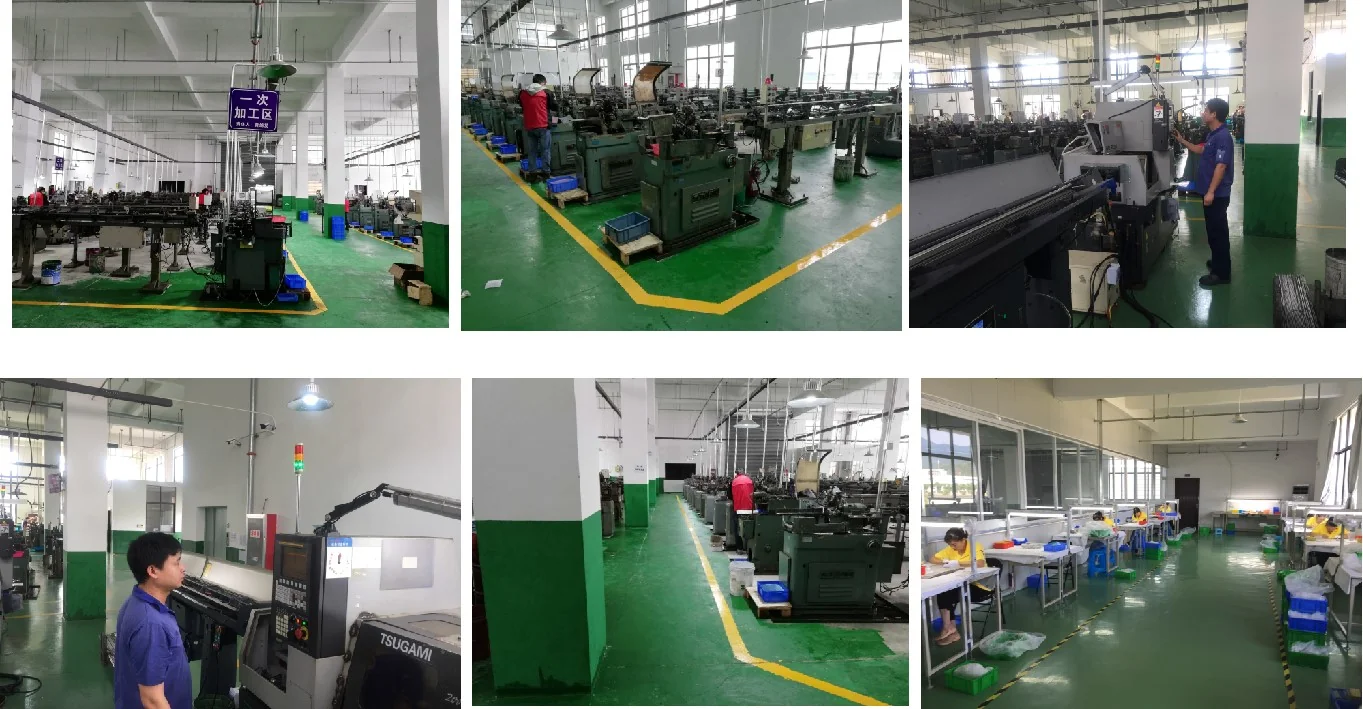
At Suzhou Baoshida Trading Co., Ltd., our engineering capability forms the backbone of our industrial rubber solutions, particularly in the development and production of high-performance rubberized fabric. With a dedicated team of 5 certified mould engineers and 2 specialized rubber formula engineers, we maintain full in-house control over the entire product development lifecycle—from concept and material formulation to mould design and final production validation. This integrated engineering approach ensures precision, consistency, and rapid iteration, which are critical for meeting the demanding requirements of industrial applications.

Our formula engineers possess deep expertise in elastomer chemistry, focusing on compounding natural rubber, nitrile (NBR), neoprene (CR), EPDM, and silicone to achieve specific performance characteristics such as oil resistance, ozone stability, high-temperature endurance, and tensile strength. Each rubber formulation is tailored to the end-use environment, ensuring optimal adhesion to fabric substrates—typically polyester, nylon, or aramid—while maintaining flexibility, durability, and resistance to abrasion and environmental degradation. Rigorous laboratory testing, including Shore A hardness, elongation at break, and peel adhesion strength, is conducted to validate every compound before scale-up.

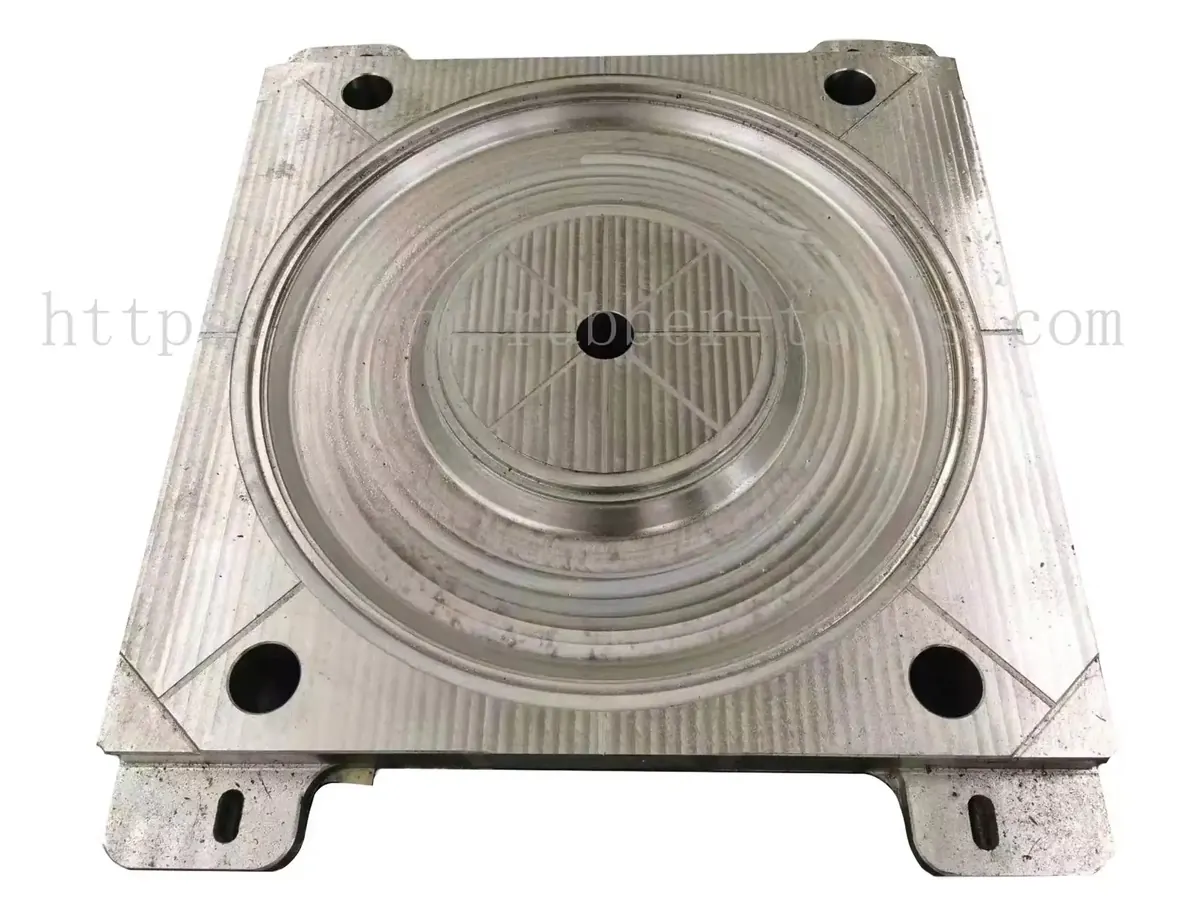
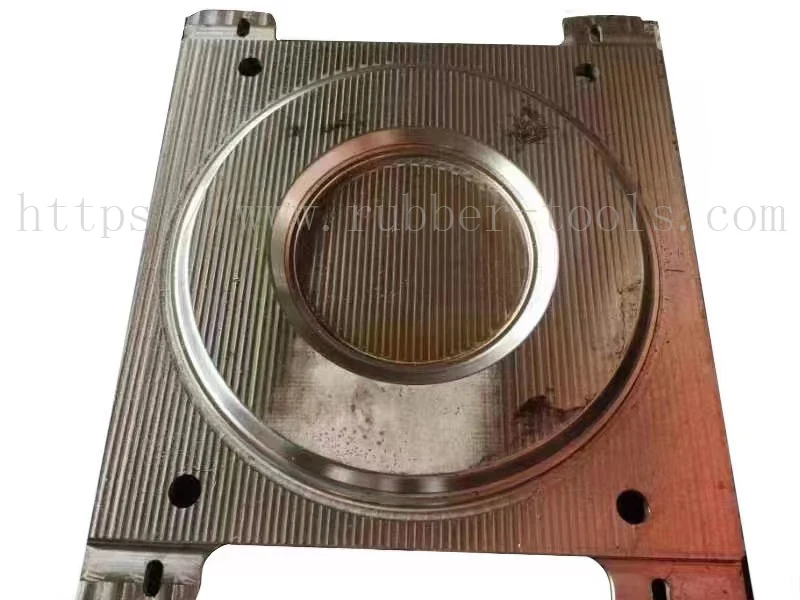
Complementing our material science expertise, our 5 mould engineers specialize in precision tooling for calendering, compression molding, and transfer molding processes used in rubber-to-fabric bonding. They utilize advanced CAD/CAM software (SolidWorks, AutoCAD, and Moldflow) to design and optimize moulds that ensure uniform pressure distribution, consistent thickness, and accurate dimensional tolerances. Finite element analysis (FEA) is routinely applied to simulate stress points and thermal behavior, minimizing defects and enhancing product reliability.

We offer comprehensive OEM services, supporting clients from prototype development to full-scale manufacturing. Our engineering team collaborates directly with customer R&D departments to interpret technical specifications, reverse-engineer legacy components, and develop cost-effective alternatives without compromising performance. With full traceability, ISO-compliant documentation, and a rapid prototyping cycle of 7–14 days, we enable fast time-to-market for custom rubberized fabric solutions across automotive, aerospace, marine, and industrial equipment sectors.

The following table outlines key technical specifications achievable through our engineering and manufacturing platform:

Parameter Standard Range Testing Method
Rubber Hardness (Shore A) 40–90 ASTM D2240
Tensile Strength 8–25 MPa ASTM D412
Elongation at Break 200–600% ASTM D412
Peel Adhesion (Fabric-Rubber) 4–12 kN/m ASTM D413
Operating Temperature -40°C to +150°C (varies by compound)
Fabric Types Polyester, Nylon, Aramid
Thickness Tolerance ±0.1 mm to ±0.3 mm ISO 2768

Through the synergy of advanced material formulation and precision mould engineering, Suzhou Baoshida delivers technically superior rubberized fabric solutions tailored to the exacting standards of global industrial OEMs.


Customization Process

rubberized fabric manufacturing

Rubberized Fabric Customization Process: Precision Engineering Pathway

At Suzhou Baoshida Trading Co., Ltd., our rubberized fabric customization follows a rigorously defined engineering sequence to ensure technical compliance and performance reliability. This process begins with Drawing Analysis Phase, where client technical schematics undergo multi-dimensional validation. Our engineering team scrutinizes substrate specifications (e.g., polyester, nylon, or aramid base fabrics), dimensional tolerances (±0.5mm per ISO 2768), coating thickness requirements, and environmental exposure parameters. Critical attention is paid to edge sealing protocols and adhesion interface geometry to prevent delamination under operational stress. Non-conformities trigger immediate collaborative redesign with the client’s engineering department, documented via ASME Y14.5-compliant revision trails.

The Formulation Development Stage leverages our material science database of 200+ proprietary rubber compounds. Based on the validated drawing, we select base polymers (NR, SBR, EPDM, or specialty fluoroelastomers) and optimize additive packages for target properties. Key considerations include: ozone resistance (per ASTM D1149), flame retardancy (UL 94 V-0 compliance), and low-temperature flexibility (ASTM D2137). All formulations undergo computational modeling of cure kinetics using Moving Die Rheometer (MDR) simulations to predict scorch time and optimal vulcanization parameters. Crosslink density is calibrated to balance tensile strength with flex fatigue resistance, avoiding over-cure brittleness.

Prototyping and Validation constitutes the critical verification step. Three prototype batches are manufactured under controlled cleanroom conditions (ISO Class 8). Each undergoes accelerated life testing against client-specified duty cycles. Performance metrics are quantified through standardized industrial tests:

Test Parameter Standard Reference Acceptance Criteria
Tensile Strength ASTM D412 ≥18 MPa (Type C die)
Peel Adhesion ASTM D751 ≥4.5 kN/m (fabric-rubber)
Flex Fatigue ISO 132 Zero cracks after 100k cycles
Fluid Resistance ISO 1817 Δ Hardness ≤5 pts (70°C, 72h)

Data-driven iterations refine the compound until all criteria are met. Clients receive full traceability reports including raw material lot numbers and rheometric curves.

Mass Production Transition activates only after formal client sign-off on prototype validation. We implement Statistical Process Control (SPC) with real-time monitoring of viscosity (Mooney ML 1+4), coating thickness (laser micrometry), and cure state (on-line MDR). Batch homogeneity is verified via FTIR spectroscopy before release. Our OEM partnerships with global machinery manufacturers ensure scalable throughput from 500m to 50,000m monthly volumes while maintaining ±2% property consistency. Suzhou Baoshida’s closed-loop quality system guarantees that every meter of rubberized fabric meets the exact engineered specification, backed by IATF 16949-certified production protocols. This systematic approach eliminates performance variance in critical applications from hydraulic seals to military-grade protective covers.


Contact Engineering Team

rubberized fabric manufacturing

For industrial manufacturers seeking high-performance rubberized fabric solutions, Suzhou Baoshida Trading Co., Ltd. stands as a trusted partner in the development and supply of engineered rubber materials. With a focus on precision, durability, and chemical resistance, our rubberized fabric products are designed to meet the rigorous demands of industries such as automotive, aerospace, construction, and heavy machinery. Each product is formulated to exacting standards, ensuring optimal adhesion between the rubber compound and fabric substrate, resulting in a composite material capable of withstanding extreme temperatures, abrasion, and environmental degradation.

Our technical team, led by Mr. Boyce, specializes in custom formulation and application engineering. Whether your project requires enhanced tensile strength, flame resistance, oil resistance, or low-temperature flexibility, we offer tailored rubber compounding services to match your operational requirements. We work with a range of base fabrics—including polyester, nylon, cotton, and aramid—and apply rubber coatings such as Nitrile (NBR), Neoprene (CR), EPDM, and Natural Rubber (NR), depending on the intended service environment.

Understanding the critical role that material performance plays in system reliability, we conduct comprehensive quality assurance testing on all batches. This includes adhesion strength testing, tensile analysis, hardness profiling, and environmental exposure trials. Our facility adheres to ISO 9001 standards, ensuring consistency and traceability across all production runs.

To support seamless integration into your manufacturing process, we provide full technical documentation, including material data sheets, compliance certifications (REACH, RoHS), and processing recommendations. Our team is also available for on-site consultation and joint development initiatives, ensuring that your rubberized fabric solution is optimized for performance, cost-efficiency, and longevity.

Below is a representative specification table for a commonly requested rubberized fabric formulation:

Property Test Method Typical Value
Adhesion Strength ASTM D413 ≥ 8 kN/m
Tensile Strength (Fabric-Rubber Composite) ASTM D412 25 MPa
Elongation at Break ASTM D412 300%
Hardness (Shore A) ASTM D2240 65 ± 5
Temperature Range -40°C to +120°C
Rubber Type Nitrile (NBR)
Fabric Base Polyester Woven
Thickness ASTM D3767 1.8 mm

For technical collaboration, sample requests, or custom formulation development, contact Mr. Boyce directly at [email protected]. We respond to all inquiries within 24 business hours and offer rapid prototyping services for urgent project timelines. Suzhou Baoshida Trading Co., Ltd. is committed to delivering engineered rubber solutions that enhance the performance and reliability of your industrial applications. Reach out today to begin a technical consultation tailored to your manufacturing needs.


⚖️ O-Ring Weight Calculator

Estimate rubber O-ring weight (Approx).


Rubberized Fabric Manufacturer | Engineering Guide

Contents of Table

Contact [email protected] Whatsapp 86 15951276160