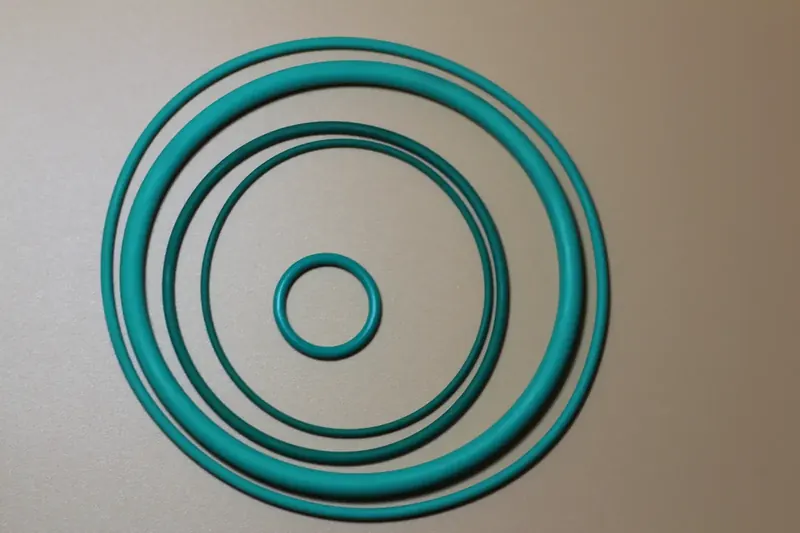
Technical Contents
Engineering Guide: Steel Pipe Flanges And Flanged Fittings

Engineering Insight: Material Selection Criticality in Steel Pipe Flanges and Flanged Fittings
Material selection for steel pipe flanges and flanged fittings transcends basic dimensional compliance. It is the foundational determinant of system integrity, longevity, and safety within demanding industrial fluid handling systems. Off-the-shelf components, while expedient for procurement, frequently precipitate premature failure due to inadequate consideration of the operational environment’s specific chemical, thermal, and mechanical stresses. Generic carbon steel flanges, for instance, may suffice in ambient temperature water service but catastrophically corrode when exposed to sour gas containing hydrogen sulfide or chlorides, leading to pinholing, cracking, and hazardous leaks. Similarly, standard stainless grades like 304L can suffer severe pitting and crevice corrosion in seawater or oxidizing acid environments where higher alloys such as super duplex or nickel-based materials are essential. The consequences extend beyond the flange itself; incompatible materials induce galvanic corrosion when coupled with dissimilar piping or accelerate the degradation of critical elastomeric sealing elements, compromising the entire joint.
The failure mechanism often originates from overlooking synergistic effects. Thermal cycling induces fatigue stresses exacerbated by material brittleness at low temperatures or creep at elevated temperatures. Abrasive slurries erode softer alloys, while high-pressure differentials demand precise yield and tensile strength margins to prevent deformation under bolt load. Crucially, the flange material directly influences gasket performance. A flange face corroding or distorting under load creates uneven seating stress, causing elastomeric seals like EPDM or FKM to extrude or lose resilience. Off-the-shelf solutions rarely account for these dynamic interactions, prioritizing initial cost over lifecycle reliability. This results in unplanned shutdowns, environmental incidents, and significant remediation costs far exceeding the premium for engineered material selection.
Suzhou Baoshida Trading Co., Ltd. emphasizes that optimal flange performance requires matching the base material and any supplementary treatments to the exact service profile. The following table outlines critical material considerations against common failure modes:
| ASTM Material Standard | Primary Failure Risks in Off-the-Shelf Applications | Compatible Elastomeric Sealing Solutions |
|---|---|---|
| A105 (Carbon Steel) | Sulfide Stress Cracking (SSC) in H₂S service; General corrosion in acidic/alkaline media; Low temperature brittle fracture | Nitrile (NBR) for oils; Limited compatibility with aggressive chemicals |
| F316L (Stainless Steel) | Pitting/Crevice corrosion in chlorides > 200 ppm; Stress Corrosion Cracking (SCC) in warm chlorides | EPDM for water/steam; Limited FKM for moderate chemicals |
| F51/F53 (Duplex SS) | Potential SCC in very high chloride/temperature; Sensitization if improperly heat treated | FKM for broad chemical resistance; Aflas® for strong acids |
| F44 (6% Mo Super Austenitic) | Cost-driven substitution in ultra-high chloride/acid service; Possible SCC in extreme conditions | FFKM for highest chemical/thermal resistance; PTFE encapsulated |
True reliability stems from collaborative engineering. Suzhou Baoshida Trading Co., Ltd. partners with OEMs to analyze fluid composition, temperature-pressure profiles, and environmental factors, specifying flange materials that ensure metallurgical compatibility with both the process media and the sealing system. This precision engineering approach eliminates the hidden costs of field failures, guaranteeing operational continuity and safety compliance in critical infrastructure. Material selection is not a commodity decision; it is the cornerstone of robust fluid system design.
Material Specifications
Material selection is a critical determinant in the performance and longevity of sealing solutions used with steel pipe flanges and flanged fittings, particularly in demanding industrial environments. At Suzhou Baoshida Trading Co., Ltd., our expertise in industrial rubber solutions ensures that each material is engineered to meet rigorous operational standards. The three primary elastomers utilized in flange sealing applications—Viton, Nitrile (NBR), and Silicone—each exhibit distinct chemical, thermal, and mechanical properties that make them suitable for specific service conditions.
Viton, a fluorocarbon-based rubber (FKM), is renowned for its exceptional resistance to high temperatures, aggressive chemicals, and hydrocarbon fuels. With a continuous service temperature range of -20°C to +200°C (with short-term peaks up to +250°C), Viton is ideal for applications in oil and gas, petrochemical, and high-temperature industrial processes. Its low gas permeability and excellent aging characteristics ensure reliable sealing performance under prolonged exposure to harsh environments. However, Viton exhibits lower flexibility at low temperatures and higher cost compared to other elastomers, making it best suited for critical high-performance sealing roles.
Nitrile rubber (NBR) remains one of the most widely used sealing materials due to its excellent resistance to oils, fuels, and aliphatic hydrocarbons. With a service temperature range of -30°C to +100°C (up to +120°C intermittently), NBR offers a balanced combination of durability, compression set resistance, and cost-effectiveness. It is particularly effective in hydraulic systems, water-oil emulsions, and standard industrial piping systems where exposure to petroleum-based fluids is common. While NBR performs poorly in ozone, weathering, and polar solvents, its versatility and robust mechanical properties make it a preferred choice for general-purpose flange gasketing.
Silicone rubber (VMQ) excels in extreme temperature applications, offering serviceability from -60°C to +200°C. It demonstrates excellent resistance to weathering, UV radiation, and ozone, making it suitable for outdoor and aerospace applications. Silicone also possesses good electrical insulation properties and low toxicity, which supports its use in food, pharmaceutical, and medical industries. However, its relatively low tensile strength and poor resistance to oils and fuels limit its use in high-pressure hydraulic or oil-exposed environments. It is typically selected when thermal stability and inertness are paramount.
The following table summarizes key physical and chemical properties of these materials for comparative evaluation in flange sealing applications.
| Property | Viton (FKM) | Nitrile (NBR) | Silicone (VMQ) |
|---|---|---|---|
| Temperature Range (°C) | -20 to +200 | -30 to +100 | -60 to +200 |
| Tensile Strength (MPa) | 15–20 | 10–25 | 5–8 |
| Elongation at Break (%) | 200–300 | 250–500 | 200–600 |
| Hardness (Shore A) | 60–90 | 50–90 | 30–80 |
| Resistance to Oils & Fuels | Excellent | Excellent | Poor |
| Resistance to Ozone/UV | Excellent | Fair | Excellent |
| Compression Set Resistance | Excellent | Good | Good |
| Chemical Resistance | High (acids, bases, hydrocarbons) | Moderate (oils, water-based fluids) | Low to Moderate |
Selection of the appropriate elastomer must consider fluid compatibility, operating temperature, pressure conditions, and regulatory requirements. Suzhou Baoshida Trading Co., Ltd. provides comprehensive material certification and application support to ensure optimal sealing performance in steel pipe flange systems.
Manufacturing Capabilities

Engineering Capabilities for Flange Sealing Systems
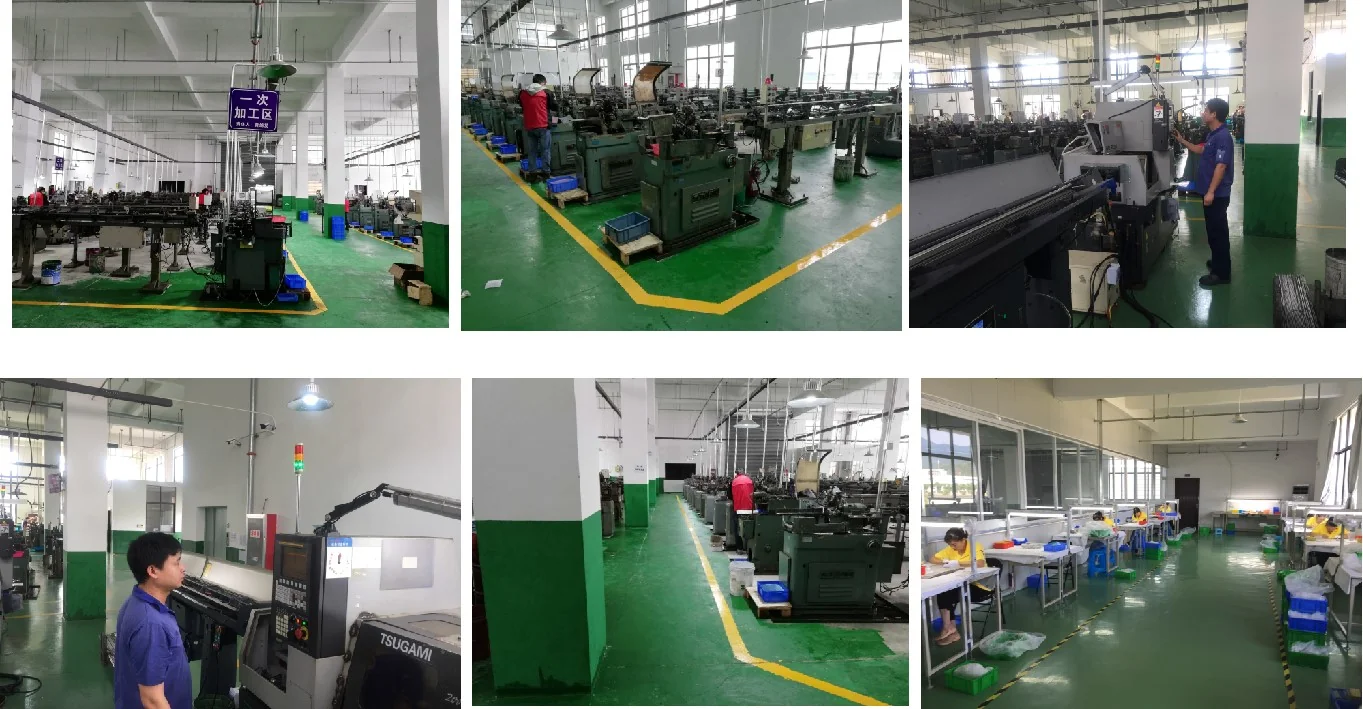
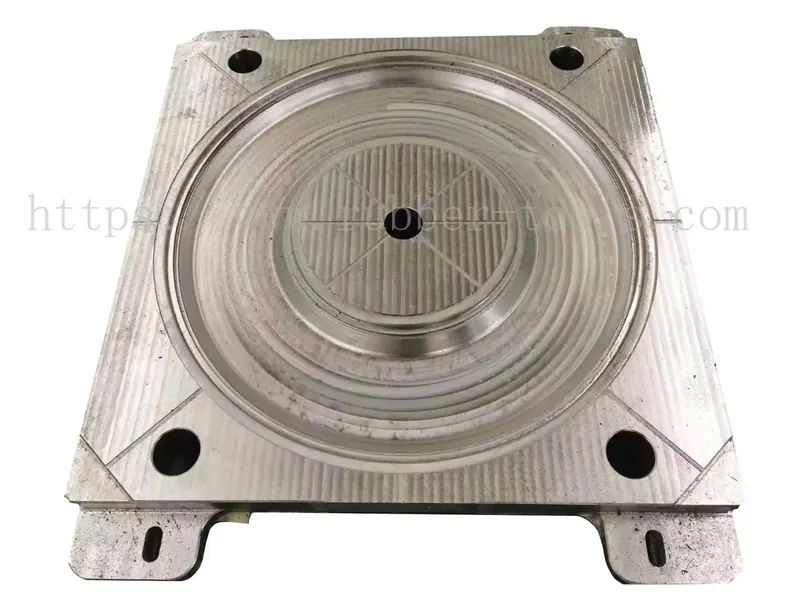
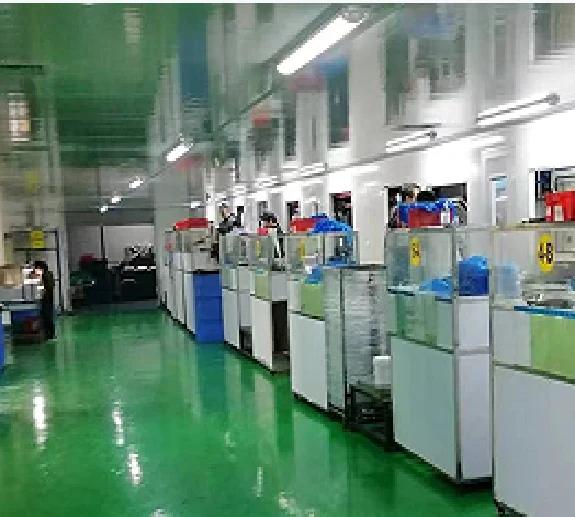
Suzhou Baoshida Trading Co., Ltd. delivers precision-engineered elastomeric sealing solutions for steel pipe flanges and flanged fittings, ensuring leak-proof integrity in demanding industrial applications. Our core strength lies in integrating advanced rubber formulation science with precision mold engineering, specifically tailored to the thermal, chemical, and pressure dynamics inherent in flange joint systems. With a dedicated team of five mold engineers and two specialized rubber formula engineers, we address the critical interface between rigid steel components and dynamic sealing requirements. This dual-expertise structure enables us to develop compounds and tooling that mitigate common failure modes such as extrusion, compression set, and chemical degradation under operational stress.
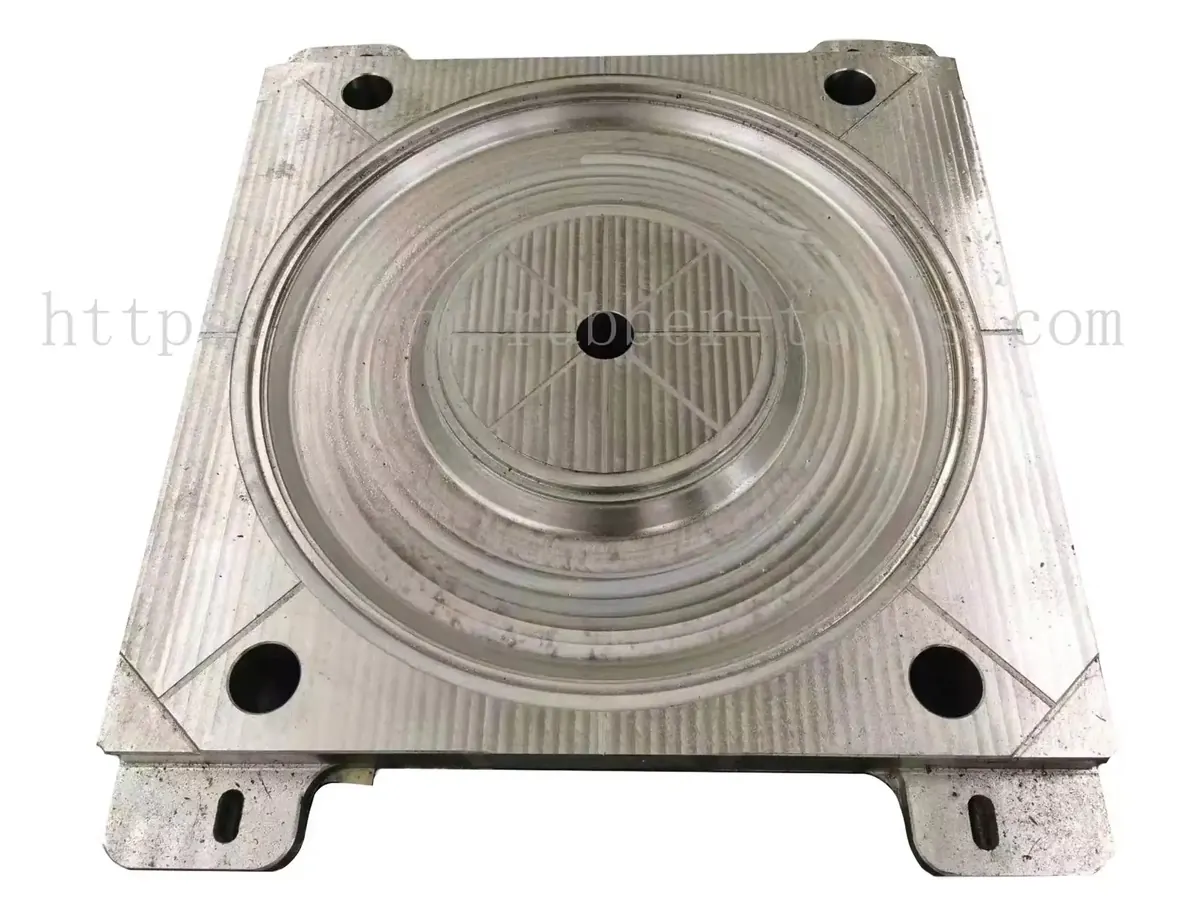
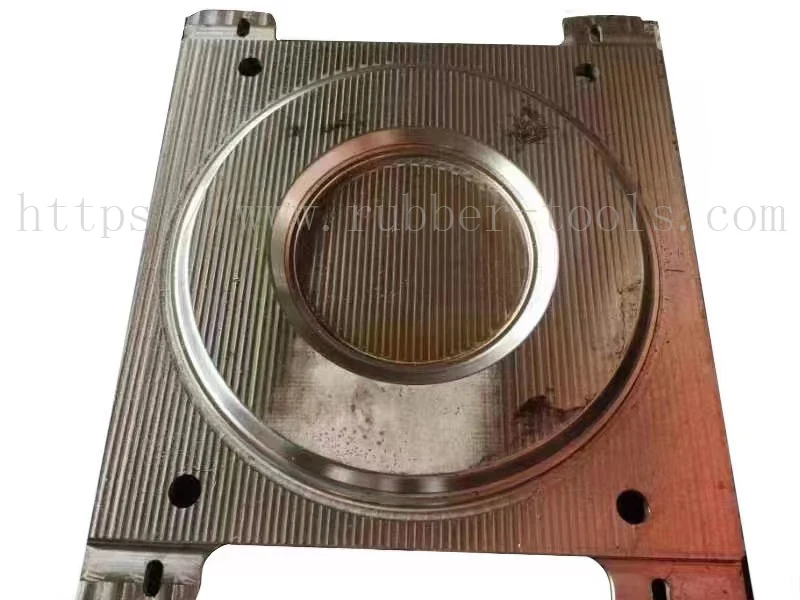
Our formula engineers focus on material science at the molecular level, optimizing polymer blends, filler systems, and curing kinetics to achieve target properties for specific flange service conditions. This includes enhancing resistance to aggressive media (hydrocarbons, acids, steam), extreme temperatures, and cyclic pressure loads. Concurrently, our mold engineering team ensures dimensional accuracy and repeatability through advanced CAD/CAM design, mold flow analysis, and cavity pressure monitoring. This synergy guarantees that each sealing element—whether flat gaskets, jacketed gaskets, or custom molded profiles—conforms precisely to ASME B16.20, B16.21, or client-specific dimensional standards while maintaining consistent compression-deflection characteristics.
OEM collaboration is central to our methodology. We engage clients early in the design phase to translate application parameters into material and geometric specifications. Our engineers provide comprehensive technical documentation, including compound certificates (ASTM D2000), mold validation reports (SPC data), and finite element analysis (FEA) for stress distribution under bolt load. This proactive approach minimizes prototyping iterations and accelerates time-to-market for custom flange sealing solutions.
Material performance is rigorously validated against industry benchmarks. The table below summarizes key properties of our standard flange sealing compounds:
| Material Type | Temperature Range (°C) | Maximum Pressure (MPa) | Key Media Resistance | ASTM D2000 Reference Line |
|---|---|---|---|---|
| NBR (Standard) | -30 to +120 | 25 | Oils, fuels, water | BC34567B14B14 |
| EPDM (High Temp) | -50 to +150 | 20 | Steam, alkalis, glycols | EF45557F15F15 |
| FKM (Chemical) | -20 to +200 | 30 | Acids, solvents, aromatics | HK38558K28K28 |
| Silicone (Extreme Temp) | -60 to +230 | 15 | Ozone, oxygen, high-purity fluids | SC40557A20A20 |
All compounds undergo mandatory testing per ISO 3300 (compression set), ISO 1817 (fluid resistance), and ASTM D2240 (durometer stability). Our ISO 9001-certified facility supports low-to-high volume OEM production with traceability from raw material lot to finished part. By combining formula innovation with mold precision, Suzhou Baoshida ensures flange sealing systems that exceed operational lifespans and reduce total cost of ownership for industrial clients globally.
Customization Process

Drawing Analysis
The customization process for rubber components in steel pipe flanges and flanged fittings begins with comprehensive drawing analysis. At Suzhou Baoshida Trading Co., Ltd., engineering teams evaluate client-supplied technical drawings to extract critical dimensional, geometric, and performance parameters. This includes flange bolt hole patterns, sealing surface profiles, gasket contact areas, and installation clearances. Compatibility with existing metal components is assessed to prevent misalignment or compression set issues. Tolerances are cross-referenced against ISO 9001 and ASME B16.21/B16.5 standards to ensure functional integrity under operational stress. Any discrepancies or design risks are flagged during this phase, and collaborative feedback is provided to the client for optimization prior to material selection.
Formulation Development
Following dimensional validation, the rubber formulation is engineered to meet the application’s chemical, thermal, and mechanical demands. Industrial environments often expose flanged connections to aggressive media such as steam, hydrocarbons, or acidic fluids. Our rubber chemists select base polymers—such as NBR, EPDM, FKM, or silicone—based on fluid compatibility charts and service temperature ranges. Additives including reinforcing fillers, antioxidants, and vulcanizing agents are precisely blended to achieve target hardness (Shore A 50–90), compression set resistance (<25% per ASTM D395), and tensile strength. The formulation is optimized for adhesion if bonding to metal backing rings is required. All material selections are documented and submitted for client approval, ensuring traceability and compliance with industry-specific certifications such as FDA, NSF, or ATEX where applicable.
Prototyping and Validation
Once the formulation is confirmed, precision molds are machined to produce prototype gaskets or rubber linings for flanged fittings. These samples are subjected to rigorous functional testing, including compression stress relaxation, leak testing under pressure cycles, and thermal aging. Dimensional inspection is performed using CMM (Coordinate Measuring Machines) to verify conformity with the initial drawing specifications. Prototype performance data is compiled into a test report, which is shared with the client for technical sign-off. This iterative phase ensures reliability before transitioning to full-scale production.
Mass Production and Quality Assurance
Upon client approval, the project advances to mass production. Our automated mixing, molding, and curing lines ensure batch-to-batch consistency. Each production run undergoes 100% visual inspection and statistical sampling per ISO 2859-1. Final packaging includes labeling with batch numbers, cure dates, and material certifications for full traceability.
| Specification | Standard Requirement | Test Method |
|---|---|---|
| Hardness (Shore A) | 50–90 ±5 | ASTM D2240 |
| Tensile Strength | ≥10 MPa | ASTM D412 |
| Elongation at Break | ≥200% | ASTM D412 |
| Compression Set (70h, 70°C) | ≤25% | ASTM D395 |
| Fluid Resistance (IRM 903, 70°C) | Volume Swell ≤25% | ASTM D471 |
Contact Engineering Team

Contact Suzhou Baoshida for Precision Flange Integration Solutions
Suzhou Baoshida Trading Co., Ltd. operates at the critical intersection of industrial rubber science and precision metal componentry, specifically engineered for demanding fluid handling systems. Our expertise in rubber formulation directly addresses the sealing integrity challenges inherent in steel pipe flanges and flanged fittings across petrochemical, power generation, and marine applications. Standard flange assemblies often fail due to incompatible gasket materials, thermal cycling, or chemical exposure—issues our OEM-engineered elastomer solutions resolve through molecular-level customization. We do not merely supply components; we co-develop system-specific sealing protocols that eliminate leakage paths while extending service life under extreme pressure and temperature differentials.
For flanged joint reliability, material compatibility is non-negotiable. Below is a technical reference for common flange materials and their operational parameters when integrated with our proprietary rubber compounds:
| Flange Material Standard | Pressure Class Range | Continuous Temp Range (°C) | Critical Rubber Compatibility Factor |
|---|---|---|---|
| ASTM A105 | 150–2500 | -29 to 538 | Low-temperature flex cracking resistance |
| ASTM A182 F316L | 150–2500 | -196 to 538 | Chloride stress corrosion resistance |
| ASTM A350 LF2 | 150–900 | -46 to 343 | Cryogenic sealing retention |
| ASTM A694 F52 | 150–900 | -29 to 260 | Hydrogen embrittlement mitigation |
These parameters reflect baseline metallurgical properties. Achieving zero-leak performance requires matching elastomer formulations to your specific fluid media, cyclic loads, and environmental stressors. Our laboratory validates compound resilience against 127 industrial chemicals per ASTM D471, with accelerated aging tests simulating 15+ years of field exposure in 90 days. This data-driven approach ensures your flanged joints maintain integrity where generic solutions degrade.
Initiate technical collaboration with Mr. Boyce, our dedicated OEM Engineering Manager, to transform flange assembly vulnerabilities into system strengths. Mr. Boyce holds 14 years of experience in rubber-to-metal interface optimization for ASME B16.5/B16.47 compliant systems. He will facilitate:
Full material traceability documentation meeting NACE MR0175/ISO 15156 requirements
Custom durometer profiling for bolt load distribution across irregular flange faces
Finite element analysis (FEA) of gasket compression sets under dynamic pressure spikes
Accelerated qualification testing against your operational failure modes
Contact Mr. Boyce directly at [email protected] to schedule a technical scoping session. Include your flange specifications (size, class, material grade), operating conditions (max pressure/temperature, fluid composition), and current failure analysis data. Responses to engineering inquiries are guaranteed within 4 business hours, with preliminary compound recommendations issued within 72 hours of data receipt. For urgent field failures, reference code FLANGE-EMERG in your email subject line to activate our 24-hour rapid-response protocol.
Suzhou Baoshida’s value lies in preventing unscheduled downtime—not just supplying parts. Our rubber formulations are engineered to outperform standard EPDM, NBR, and FKM gaskets by 300% in cyclic fatigue tests per ISO 3601. Partner with us to convert flanged connections from maintenance liabilities into engineered assets. All technical consultations include a non-disclosure agreement by default, protecting your proprietary system data. Initiate the engineering dialogue today to receive actionable solutions, not generic sales pitches.
⚖️ O-Ring Weight Calculator
Estimate rubber O-ring weight (Approx).