Pvc Plastic Sheet Manufacturer | Engineering Guide

Engineering Guide: Pvc Plastic Sheet

pvc plastic sheet manufacturing

Engineering Insight: PVC Plastic Sheet Material Selection Criticality

Industrial applications demand PVC plastic sheets engineered beyond commodity specifications. Generic off-the-shelf PVC sheets frequently fail under operational stress due to unaddressed chemical, thermal, and mechanical variables. These failures manifest as premature cracking, plasticizer migration, dimensional instability, or catastrophic loss of barrier properties—directly impacting OEM production uptime and end-product reliability. The root cause lies in standardized formulations ignoring application-specific polymer morphology, additive packages, and processing history.

Material selection must prioritize application physics over cost-driven procurement. For instance, a chemical processing gasket exposed to aromatic solvents requires high-molecular-weight PVC with epoxidized soybean oil stabilizers and minimal plasticizer content. Standard flexible PVC sheets—typically loaded with 30-40 phr phthalates—suffer rapid swelling and tensile strength loss in such environments. Similarly, outdoor conveyor belting demands UV-resistant formulations with synergistic HALS (Hindered Amine Light Stabilizers) and thermal stabilizers exceeding 180°C continuous service. Generic sheets degrade within months, causing surface chalking and catastrophic flex fatigue.

The consequences of inadequate material selection extend beyond component failure. Plasticizer migration from substandard PVC contaminates adjacent rubber seals, accelerating ozone cracking in NBR or EPDM compounds. Dimensional creep under constant load compromises sealing interfaces, leading to fluid leakage in hydraulic systems. These cascading failures result in unplanned downtime, warranty claims, and reputational damage—costs far exceeding the initial savings from off-the-shelf materials.

Critical performance parameters must be validated against operational profiles. The following comparison illustrates why engineered PVC sheets outperform generic alternatives:

Parameter Generic PVC Sheet Engineered PVC Sheet Failure Consequence in Industrial Use
Plasticizer Content 35-40 phr (DOP/DBP) 15-20 phr (TOTM/ESBO) Seal contamination; 40% tensile loss in oil exposure
Thermal Stability 130°C max (1 hr) 180°C max (1000+ hrs) Belt delamination at extrusion line temperatures
Chemical Resistance Poor vs. ketones/aromatics Excellent (per ASTM D471) Swelling >25% causing pump seal extrusion
Flexural Fatigue Life 5,000 cycles (RT) 500,000+ cycles (-20°C) Conveyor belt cracking in cold storage
Compression Set (70°C) 45-55% 18-22% Loss of sealing force in hydraulic manifolds

Suzhou Baoshida Trading Co., Ltd. addresses these challenges through application-driven formulation science. Our OEM engineering process begins with operational environment mapping—quantifying stressors like fluid exposure spectra, dynamic loads, and thermal cycling profiles. We then co-engineer PVC sheets with tailored plasticizer systems, optimized stabilizer packages, and controlled crystallinity to eliminate failure modes. This precision approach ensures dimensional stability, chemical inertness, and mechanical resilience across 10,000+ hour service lifespans.

Off-the-shelf PVC represents a false economy in industrial systems. True cost efficiency emerges from material science aligned with physics of failure—not procurement checklists. Partner with engineering-led suppliers to transform PVC from a liability into a reliability asset.


Material Specifications

pvc plastic sheet manufacturing

Material Specifications for Industrial PVC Plastic Sheets

Suzhou Baoshida Trading Co., Ltd. provides high-performance industrial rubber solutions tailored to demanding applications across automotive, chemical processing, pharmaceutical, and manufacturing sectors. While PVC plastic sheets serve as a cost-effective and versatile base material, integration with advanced elastomeric compounds such as Viton, Nitrile, and Silicone enhances durability, chemical resistance, and operational lifespan. These materials are often used as coatings, laminates, or gasketing layers in conjunction with rigid or flexible PVC substrates to meet stringent environmental and mechanical requirements.

Viton, a fluorocarbon-based synthetic rubber (FKM), offers exceptional resistance to high temperatures, oils, fuels, and aggressive chemicals. It maintains performance in continuous service environments up to 200°C and short-term exposure up to 250°C. When bonded to PVC sheets, Viton significantly improves the composite’s suitability for use in oil refining, aerospace, and semiconductor manufacturing. Its low gas permeability and excellent aging characteristics make it ideal for sealing applications under extreme conditions.

Nitrile rubber (NBR), a copolymer of acrylonitrile and butadiene, is widely used for its superior resistance to aliphatic hydrocarbons, greases, and water-based fluids. It offers good mechanical strength and abrasion resistance, with operational stability ranging from -30°C to 100°C, extendable to 120°C in short bursts. When combined with PVC, Nitrile enhances flexibility and impact resistance, making the composite suitable for hydraulic seals, printing rolls, and industrial liners exposed to lubricants and hydraulic fluids.

Silicone rubber (VMQ) is valued for its wide temperature range, biocompatibility, and electrical insulation properties. It performs reliably from -60°C to 200°C and retains elasticity under thermal cycling. Though less resistant to petroleum-based fluids than Viton or Nitrile, silicone offers excellent resistance to ozone, UV radiation, and weathering. When integrated with PVC sheets, it is commonly used in food processing, medical device housings, and outdoor electrical insulation where cleanliness and thermal stability are critical.

The following table compares key physical and chemical properties of these materials when used in conjunction with PVC plastic sheets:

Property Viton (FKM) Nitrile (NBR) Silicone (VMQ)
Temperature Range (°C) -20 to 200 (up to 250) -30 to 100 (up to 120) -60 to 200
Tensile Strength (MPa) 15–20 10–25 5–10
Elongation at Break (%) 200–300 200–500 200–700
Hardness (Shore A) 60–90 50–90 30–80
Fluid Resistance (Oil/Fuel) Excellent Good to Excellent Poor
Chemical Resistance Excellent Moderate Good (Ozone, UV)
Compression Set Resistance Excellent Good Good
Electrical Insulation Moderate Moderate Excellent
FDA Compliance Select Grades Limited Widely Available

Selection of the appropriate elastomer depends on the application’s thermal, chemical, and mechanical demands. Suzhou Baoshida Trading Co., Ltd. supports OEMs and industrial partners in material pairing, custom lamination, and performance validation to ensure optimal integration with PVC substrates.


Manufacturing Capabilities

pvc plastic sheet manufacturing

Engineering Capabilities: Precision PVC Sheet Manufacturing

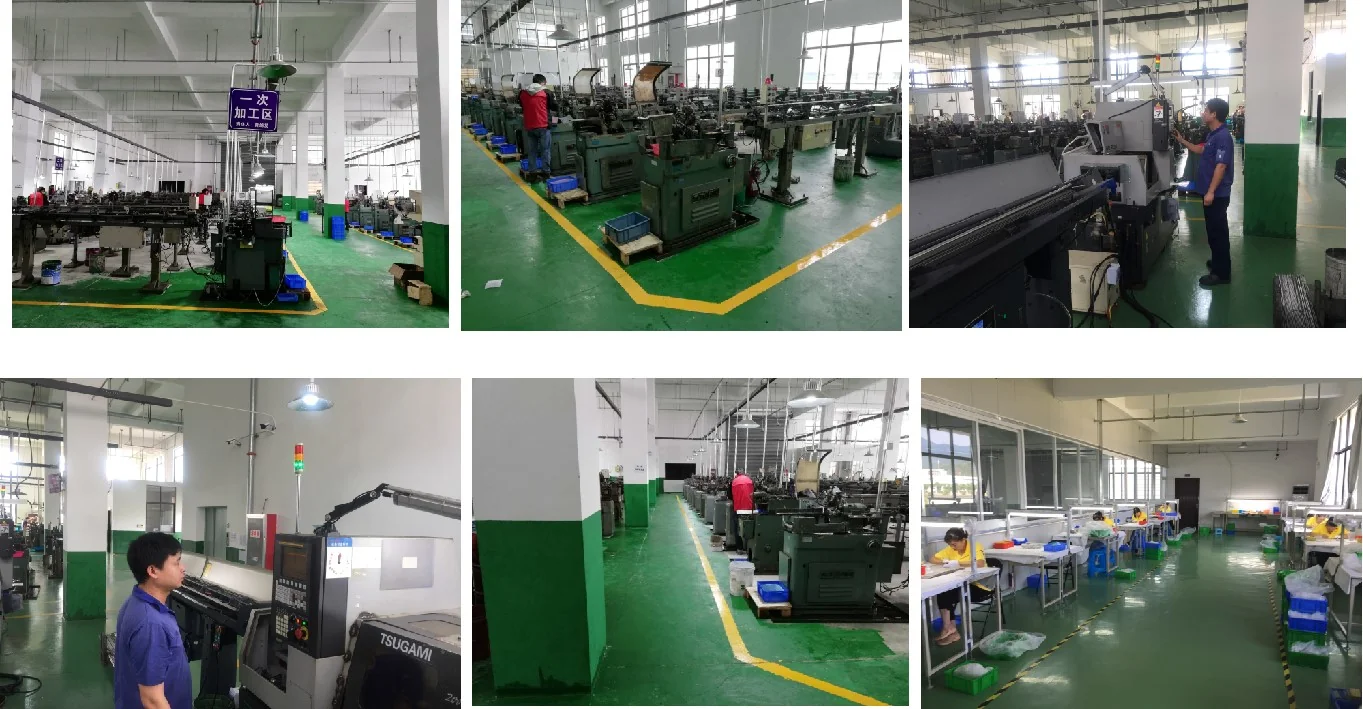
Suzhou Baoshida Trading Co., Ltd. leverages deep polymer science expertise to deliver engineered PVC plastic sheets meeting stringent industrial requirements. Our dedicated engineering consortium—comprising five specialized mould engineers and two advanced formula engineers—ensures every sheet adheres to exact mechanical, thermal, and chemical performance criteria. This cross-disciplinary team bridges molecular formulation with precision tooling, translating client specifications into consistent, high-yield production. Unlike generic suppliers, we treat PVC not merely as a commodity plastic but as a tunable polymer system where additive chemistry and processing dynamics are optimized in unison.

Our formula engineers focus on tailoring PVC compound architecture for targeted applications. Through strategic manipulation of plasticizers, stabilizers, fillers, and impact modifiers, we achieve precise balances between flexibility, UV resistance, flame retardancy (UL94 V-0/V-2), and low-temperature toughness. Critical parameters such as plasticizer migration resistance and thermal degradation thresholds are rigorously modeled before prototyping. Concurrently, our mould engineering team designs and validates tooling with micron-level tolerances for thickness uniformity, surface finish (gloss/matte), and dimensional stability across 0.15–10.0 mm thickness ranges. Finite element analysis (FEA) predicts flow behavior during calendering or extrusion, minimizing internal stresses and warpage in final sheets.

As a certified OEM partner, we execute seamless project lifecycles from concept to validation. Clients provide performance targets or application environments; our engineers then co-develop material formulations and processing protocols. This includes iterative prototyping with accelerated aging tests (ASTM D3045), tensile/elongation validation (ISO 527), and chemical resistance screening per client-specified media. Tooling modifications are implemented within 72 hours of test feedback, ensuring rapid iteration without production downtime. All OEM projects follow APQP frameworks with full traceability of raw material batches, process parameters, and QC records.

Key PVC Sheet Performance Specifications

Property Standard Industrial Grade Baoshida Engineered Grade Test Standard
Thickness Tolerance ±0.10 mm ±0.03 mm ASTM D5947
Tensile Strength 45–55 MPa 58–65 MPa ISO 527-2
Elongation at Break 180–220% 250–300% ISO 527-2
Hardness (Shore A) 70–85 Custom 55–95 ASTM D2240
Operating Temperature -10°C to 60°C -30°C to 85°C ISO 11359-2
Flame Rating HB UL94 V-0 UL 94

Quality assurance is embedded at every phase. In-process SPC monitoring tracks melt viscosity, surface defects, and thickness deviations in real time. Final sheets undergo 100% visual inspection plus batch-level validation for color consistency (ΔE < 0.5), dielectric strength (≥15 kV/mm), and extractables per FDA/REACH guidelines where required. With ISO 9001-certified workflows and a 99.2% on-time delivery rate, we eliminate variability so clients receive sheets that perform identically across global production runs. Partner with Baoshida to transform PVC from a basic material into a mission-critical engineered component.


Customization Process

pvc plastic sheet manufacturing

Customization Process for PVC Plastic Sheets at Suzhou Baoshida Trading Co., Ltd.

At Suzhou Baoshida Trading Co., Ltd., we specialize in delivering high-performance PVC plastic sheets tailored to the precise demands of industrial applications. Our customization process is engineered for accuracy, efficiency, and repeatability, ensuring that every product meets rigorous performance standards. The journey from concept to mass production follows a structured four-phase approach: Drawing Analysis, Formulation, Prototyping, and Mass Production.

The process begins with Drawing Analysis, where our engineering team evaluates technical blueprints, dimensional tolerances, and functional requirements provided by the client. This phase includes a comprehensive review of thickness, surface finish, mechanical stress points, and environmental exposure conditions such as UV resistance, temperature range, and chemical compatibility. Our engineers use CAD-based inspection tools to validate design feasibility and identify potential manufacturing constraints early in the development cycle.

Following drawing validation, we proceed to Formulation. Based on the application-specific requirements, our rubber formula engineers develop a customized PVC compound. This involves selecting the appropriate resin base, plasticizers, stabilizers, fillers, and performance additives. For instance, applications requiring flame retardancy may incorporate specific halogen-free additives, while outdoor-use sheets receive enhanced UV stabilizers. Each formulation is documented and batch-coded for full traceability, aligning with ISO 9001 quality management protocols.

The next phase is Prototyping, where small-batch samples are produced using calibrated calendering or extrusion lines. These prototypes undergo a series of in-house quality tests, including tensile strength, elongation at break, hardness (Shore A), and low-temperature flexibility. Clients receive physical samples along with a full test report for approval. Iterations, if required, are executed rapidly due to our integrated R&D and production infrastructure.

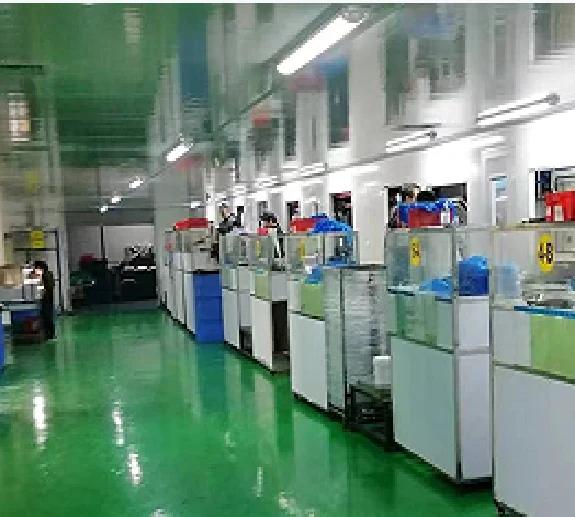
Upon client approval, the project transitions into Mass Production. Our facility operates fully automated production lines capable of continuous output with real-time quality monitoring. Each batch is inspected for thickness uniformity, color consistency, and surface defects using laser gauging and visual inspection systems. We maintain strict process control parameters to ensure lot-to-lot consistency, supporting OEMs with reliable supply chains.

All customized PVC sheets are packaged to prevent deformation and labeled with batch-specific data for traceability. Our end-to-end process reduces time-to-market while guaranteeing compliance with international standards such as RoHS, REACH, and ASTM D4236.

Below is a representative specification table for a standard customized PVC sheet formulation:

Property Test Method Typical Value
Thickness Range ASTM D374 0.3 mm – 5.0 mm
Hardness (Shore A) ASTM D2240 60 – 90
Tensile Strength ASTM D412 ≥15 MPa
Elongation at Break ASTM D412 ≥250%
Operating Temperature -20°C to +70°C
Flame Resistance UL 94 HB Rated
Specific Gravity ASTM D792 1.35 – 1.45

This systematic approach ensures that every PVC plastic sheet we manufacture delivers optimal performance in demanding industrial environments.


Contact Engineering Team

pvc plastic sheet manufacturing

Contact Suzhou Baoshida for Precision PVC Plastic Sheet Solutions

Suzhou Baoshida Trading Co., Ltd. operates at the intersection of advanced polymer science and industrial manufacturing rigor, delivering engineered PVC plastic sheets tailored for demanding OEM applications. Our expertise extends beyond standard extrusion processes to encompass formula optimization for critical performance parameters including thermal stability, chemical resistance, and mechanical integrity under cyclic stress. As a trusted partner in the industrial rubber ecosystem, we recognize that PVC sheets frequently serve as essential components in rubber processing tooling, protective liners, and composite material substrates—requiring seamless compatibility with vulcanization environments and elastomer adhesion protocols. Our technical team leverages decades of formulation experience to address challenges such as plasticizer migration, UV degradation in outdoor applications, and precise dimensional control for high-tolerance assembly.

Unlike generic suppliers, Suzhou Baoshida implements a closed-loop quality management system aligned with ISO 9001 standards, utilizing in-house rheometry and accelerated aging chambers to validate material performance against your operational specifications. Each PVC sheet batch undergoes stringent testing for Shore A hardness consistency, tensile strength deviation, and coefficient of thermal expansion—ensuring predictable behavior during integration into complex manufacturing workflows. Below is a representative specification profile for our standard industrial-grade PVC sheets, demonstrating the precision achievable through our controlled production parameters.

Material Grade Thickness Range (mm) Thickness Tolerance (mm) Hardness (Shore A) Operating Temp Range (°C) Density (g/cm³) Key Applications
BD-PVC-100 0.5 – 6.0 ±0.05 70 ± 5 -20 to +60 1.32 ± 0.02 Conveyor belts, chemical tank linings
BD-PVC-250 1.0 – 12.0 ±0.10 85 ± 5 -15 to +70 1.35 ± 0.02 Hydraulic seals, printing rollers
BD-PVC-500 2.0 – 25.0 ±0.15 95 ± 5 -10 to +80 1.38 ± 0.03 Molding dies, heavy-duty gaskets

For applications requiring flame retardancy (UL94 V-0 compliance), anti-static properties (<10⁹ Ω/sq), or FDA 21 CFR 177.2600 certification for food contact, our R&D division develops custom formulations with traceable raw material sourcing. We maintain rigorous documentation for full material traceability, including lot-specific certificates of conformance and RoHS/REACH compliance reports.

Initiate your technical collaboration by contacting Mr. Boyce, our dedicated OEM Solutions Manager, who possesses direct authority to coordinate cross-functional engineering resources for your project. Provide your application requirements, dimensional drawings, and performance criteria to receive a validated material recommendation within 48 business hours. Mr. Boyce specializes in translating operational challenges into precise material specifications—whether resolving delamination issues in multi-layer composites or optimizing surface energy for adhesive bonding with silicone rubbers. Submit your inquiry to [email protected] with subject line “PVC Sheet Technical Query – [Your Company Name]” to trigger our structured engineering review process. Do not rely on generic sales channels; direct engagement with our technical management ensures your specifications drive production parameters from the initial quotation phase through final validation. Suzhou Baoshida commits to delivering not merely a product, but a documented, performance-guaranteed material solution for your manufacturing ecosystem.


⚖️ O-Ring Weight Calculator

Estimate rubber O-ring weight (Approx).


Pvc Plastic Sheet Manufacturer | Engineering Guide

Contents of Table

Contact [email protected] Whatsapp 86 15951276160