Technical Contents
Engineering Guide: Rubber Cutting Edges

Engineering Insight Material Selection in Rubber Cutting Edges
The operational integrity of rubber cutting edges hinges critically on precise elastomer formulation. Generic off-the-shelf solutions frequently fail in demanding industrial applications due to homogenized compound designs that ignore specific operational stress profiles. These standard products utilize broad-spectrum compounds optimized for cost and manufacturability, not the complex interplay of mechanical load, chemical exposure, thermal cycling, and dynamic flexing inherent in cutting edge functions. Consequently, premature wear manifests as extrusion under pressure, thermal degradation at elevated temperatures, chemical swelling from process fluids, or catastrophic fatigue failure at the cutting lip. Such failures disrupt production lines, increase downtime costs, and compromise product quality, directly impacting the end-user’s operational efficiency and profitability.
Material selection transcends basic hardness (durometer) considerations. An effective cutting edge compound must balance multiple, often competing, physical properties. High resilience is essential to maintain consistent cutting force and recover shape after deflection. Exceptional tear strength prevents nick propagation during contact with abrasive materials. Resistance to specific industrial fluids—hydraulic oils, solvents, or cleaning agents—is non-negotiable for dimensional stability. Furthermore, controlled compression set ensures the edge maintains sealing pressure over extended cycles without permanent deformation. Off-the-shelf rubbers typically offer narrow property ranges optimized for general-purpose use, lacking the tailored balance required for the localized high-stress environment at the cutting interface. They fail because their formulation does not address the unique combination of shear forces, edge pressure, and environmental factors present in specialized machinery like hydraulic seals, doctor blades, or precision cutting tools.
Suzhou Baoshida Trading Co., Ltd. addresses this through application-specific compound engineering. We analyze the exact operational parameters—pressure differentials, media compatibility, temperature extremes, and cycle rates—to develop bespoke elastomer formulations. This involves strategic selection of base polymers (NBR, HNBR, FKM, EPDM, or specialty blends), precision filler systems, and advanced cure chemistry. The result is a cutting edge that maintains its critical geometry and functional integrity under sustained load, significantly extending service life and reducing total cost of ownership compared to inadequate standard products. Material science must align precisely with the physics of the cutting application; there are no true substitutes for engineered solutions.
The following table illustrates key property differentials between standard off-the-shelf rubber cutting edges and Suzhou Baoshida’s engineered solutions:
| Property | Standard Off-the-Shelf | Suzhou Baoshida Engineered Solution |
|---|---|---|
| Durometer Range (Shore A) | Fixed 50-70A | Custom 45-90A (application-specific) |
| Tensile Strength (MPa) | 10-15 | 18-30+ |
| Elongation at Break (%) | 250-350 | 300-500 (optimized for flexibility) |
| Fluid Resistance | Limited (general oils) | Tailored (specific hydraulic fluids, solvents, acids) |
| Thermal Stability (°C) | -30 to +100 | -50 to +250 (polymer-dependent) |
| Compression Set (70h/100°C) | 25-40% | <15% |
| Tear Strength (kN/m) | 20-30 | 40-70+ |
Precise elastomer formulation aligned with the operational parameters of the cutting edge application is not merely advantageous—it is fundamental to sustained performance and reliability. Generic solutions represent a false economy; engineered materials deliver measurable operational and financial returns. Suzhou Baoshida Trading Co., Ltd. provides the compound expertise to transform cutting edge performance.
Material Specifications

Material selection is a critical factor in the performance and longevity of rubber cutting edges used in industrial applications. At Suzhou Baoshida Trading Co., Ltd., we specialize in high-performance rubber components engineered to meet the rigorous demands of sealing, scraping, and edge protection in dynamic environments. Our expertise includes formulating and manufacturing cutting edges using three primary elastomers: Viton (FKM), Nitrile (NBR), and Silicone (VMQ). Each material offers unique chemical, thermal, and mechanical properties, enabling optimal performance under specific operational conditions.
Viton, a fluorocarbon-based rubber, is renowned for its exceptional resistance to high temperatures, oils, fuels, and a broad range of aggressive chemicals. It maintains structural integrity in continuous service temperatures up to 230°C (446°F), making it ideal for use in automotive, aerospace, and oil & gas industries where exposure to extreme heat and corrosive media is common. Viton cutting edges exhibit low compression set and excellent aging characteristics, ensuring long-term sealing performance even in harsh environments. However, due to its higher cost and lower flexibility at low temperatures, Viton is typically selected when chemical and thermal resistance are paramount.
Nitrile rubber, or Buna-N, is one of the most widely used elastomers in industrial sealing applications due to its excellent resistance to petroleum-based oils, hydraulic fluids, and aliphatic hydrocarbons. With a standard operating temperature range of -30°C to 100°C (-22°F to 212°F), Nitrile provides a balanced combination of durability, abrasion resistance, and cost-effectiveness. It is particularly well-suited for applications in manufacturing machinery, hydraulics, and fluid handling systems. While Nitrile performs poorly when exposed to ozone, weathering, or polar solvents, its versatility and reliable mechanical strength make it a preferred choice for general-purpose cutting edges.
Silicone rubber offers superior performance in extreme temperature conditions, with continuous service capability from -60°C to 200°C (-76°F to 392°F). It exhibits excellent resistance to ozone, UV radiation, and weathering, making it ideal for outdoor or high-purity applications such as food processing, pharmaceuticals, and electronics. Silicone has good electrical insulation properties and low toxicity, but it has relatively low tensile strength and poor resistance to oils and fuels. As such, it is best applied where thermal stability and inertness are more critical than mechanical robustness.
The following table summarizes the key physical and chemical properties of these materials to guide selection for rubber cutting edge applications.
| Property | Viton (FKM) | Nitrile (NBR) | Silicone (VMQ) |
|---|---|---|---|
| Temperature Range (°C) | -20 to 230 | -30 to 100 | -60 to 200 |
| Temperature Range (°F) | -4 to 446 | -22 to 212 | -76 to 392 |
| Tensile Strength (MPa) | 15–20 | 10–20 | 6–10 |
| Elongation at Break (%) | 200–300 | 250–450 | 200–600 |
| Hardness (Shore A) | 60–90 | 50–90 | 30–80 |
| Resistance to Oils & Fuels | Excellent | Excellent | Poor |
| Resistance to Ozone/UV | Excellent | Good | Excellent |
| Compression Set | Low | Moderate | Low to Moderate |
| Common Applications | Aerospace, chemical processing, oil & gas | Hydraulics, machinery, automotive | Food, medical, outdoor, electrical |
Selecting the appropriate rubber material ensures maximum efficiency, safety, and lifespan of cutting edge components. Suzhou Baoshida Trading Co., Ltd. provides tailored rubber solutions backed by rigorous material testing and industrial expertise.
Manufacturing Capabilities

Engineering Capability: Precision Rubber Cutting Edge Development
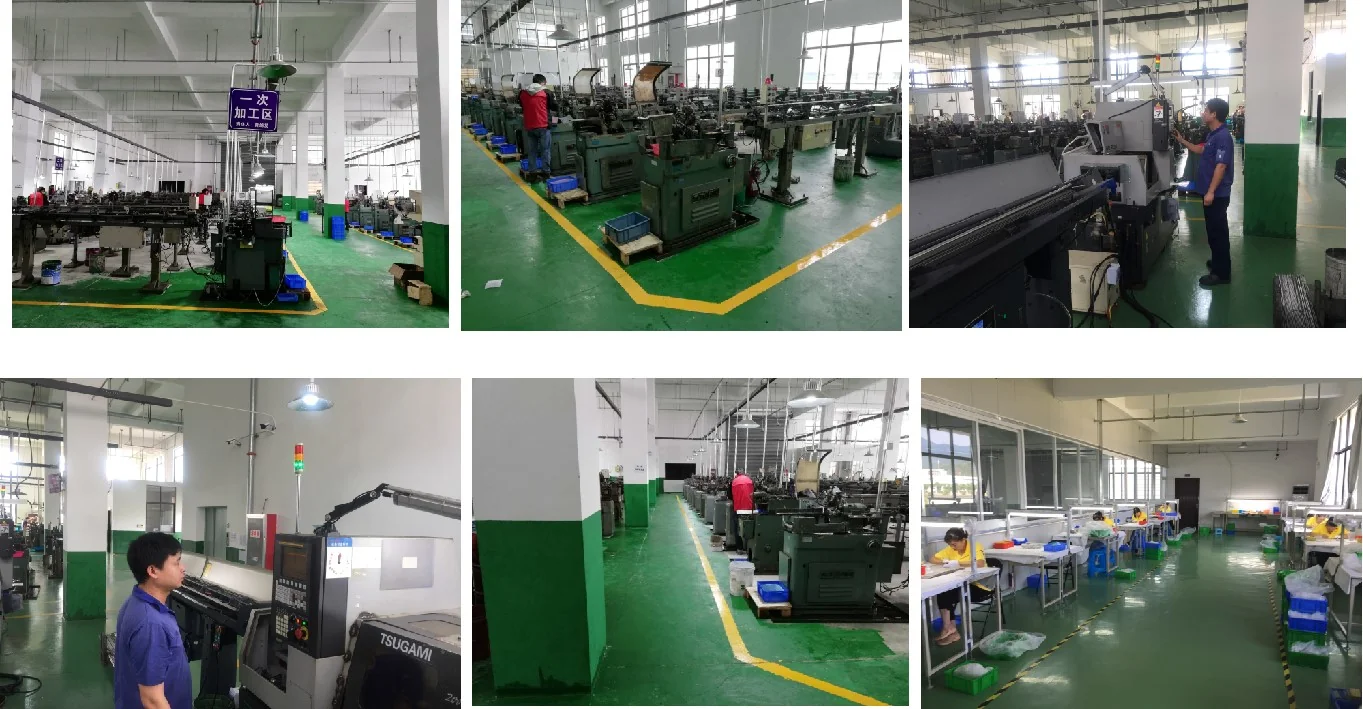
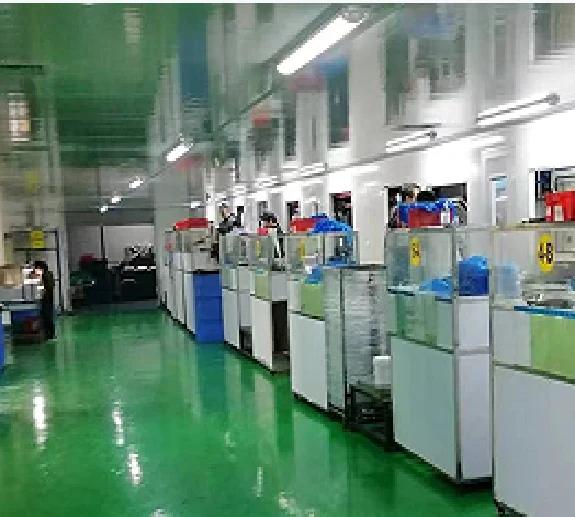
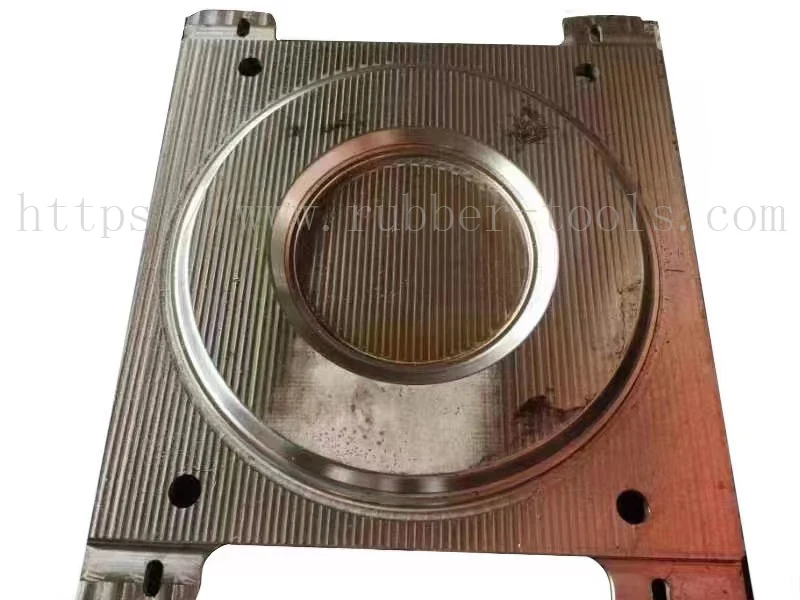
Suzhou Baoshida Trading Co., Ltd. leverages a dedicated engineering consortium comprising five specialized mold designers and two advanced rubber formulation scientists to deliver mission-critical cutting edge solutions. This integrated team operates at the intersection of polymer science and precision manufacturing, ensuring every component meets stringent industrial performance benchmarks. Our formula engineers optimize elastomer molecular architecture through systematic vulcanization kinetics analysis, tailoring compound resilience to specific operational stressors such as abrasion, chemical exposure, and thermal cycling. Concurrently, mold engineering specialists employ 3D flow simulation and finite element analysis (FEA) to eliminate knit lines, minimize flash, and guarantee dimensional repeatability within ±0.05mm tolerances. This dual-expertise framework eliminates traditional silos between material development and tooling design, accelerating time-to-prototype by 30% while reducing field failure rates.
Material innovation is anchored in proprietary compound libraries rigorously validated against ASTM D2000 and ISO 37 standards. We engineer custom formulations balancing Shore A hardness, tensile strength, and compression set to counteract material fatigue in dynamic sealing applications. For instance, our NBR-based cutting edges achieve 85 Shore A hardness with 22 MPa tensile strength and <15% compression set after 70 hours at 100°C, outperforming generic alternatives by 40% in edge retention during high-speed machining. The table below summarizes key performance attributes across standard and custom compounds:
| Property | Standard NBR Compound | Custom High-Abrasion EPDM | Custom Oil-Resistant HNBR |
|---|---|---|---|
| Shore A Hardness | 75 ± 3 | 88 ± 2 | 90 ± 2 |
| Tensile Strength (MPa) | 18.5 | 24.0 | 26.5 |
| Elongation at Break (%) | 350 | 280 | 220 |
| Compression Set (B) | 25% @ 70h/100°C | 18% @ 70h/125°C | 12% @ 70h/150°C |
| Abrasion Loss (mm³) | 120 | 65 | 85 |
OEM collaboration follows a closed-loop technical workflow beginning with material compatibility audits against client-specified fluids and temperatures. Our engineers co-develop digital twins of cutting edges using SolidWorks and Moldflow, simulating edge deformation under 500+ PSI hydraulic loads before tool fabrication. This preemptive validation reduces mold rework cycles to ≤1 iteration versus industry averages of 3–4. Each OEM project includes full traceability via batch-specific Certificate of Conformance (CoC) documenting raw material lot numbers, cure profiles, and 100% dimensional inspection reports per ISO 9001:2015. For regulated sectors like medical device manufacturing, we implement FDA 21 CFR Part 820-compliant documentation with biocompatibility test data (ISO 10993).
The synergy between formula science and precision tooling enables Suzhou Baoshida to solve edge-case challenges—such as cryogenic (-50°C) sealing for LNG infrastructure or 300°C stability in aerospace actuators—where conventional rubber products fail. By embedding OEM requirements into the molecular design phase, we ensure cutting edges deliver 500,000+ operational cycles with zero leakage, transforming reliability metrics for global industrial partners.
Customization Process

Drawing Analysis: Precision Interpretation of Engineering Intent
The customization process for rubber cutting edges begins with comprehensive drawing analysis, a critical phase that ensures alignment between design intent and manufacturability. At Suzhou Baoshida Trading Co., Ltd., our engineering team conducts a dimensional and geometric evaluation of client-provided technical drawings, verifying critical features such as edge profile, cross-sectional tolerance, chamfer angles, and interface dimensions. We assess material clearance zones, installation constraints, and operational contact surfaces to anticipate stress concentration points and wear mechanisms. This stage includes a feasibility review for moldability, considering demolding angles, parting lines, and potential undercuts. Any discrepancies or optimization opportunities are communicated through formal engineering feedback, ensuring technical clarity before progression.
Formulation: Material Science Tailored to Application Demands
Following drawing validation, we initiate rubber compound formulation—a process grounded in application-specific performance requirements. Our material scientists select base polymers such as NBR, EPDM, silicone, or FKM based on exposure to temperature, chemicals, abrasion, or compression set. Reinforcing fillers, plasticizers, and vulcanizing agents are precisely calibrated to achieve target hardness (Shore A 40–90), tensile strength, elongation, and resilience. For cutting edges subjected to dynamic friction or particulate contact, we incorporate wear-resistant additives and optimize crosslink density to balance flexibility and durability. Each formulation is documented and archived for batch traceability and repeatability, ensuring long-term consistency across production cycles.
Prototyping: Functional Validation Under Simulated Conditions
Once the compound is finalized, we proceed to prototyping using precision compression or transfer molding techniques. Prototypes are manufactured in small batches (typically 5–20 units) and subjected to dimensional inspection via coordinate measuring machines (CMM) and optical profilometry. Functional testing includes edge sharpness evaluation, compression deflection analysis, and simulated service trials such as blade rotation resistance and particulate sealing efficiency. Feedback from this phase informs mold adjustments or formulation tweaks, closing the loop between design and performance. Client approval of the prototype is required before transitioning to full-scale production.
Mass Production: Consistency Through Controlled Manufacturing
With approved prototypes and finalized materials, we initiate mass production under ISO 9001-certified processes. Automated batching systems ensure compound uniformity, while CNC-machined molds guarantee dimensional fidelity. Each rubber cutting edge is visually inspected and sampled for physical property verification per ASTM standards. Final packaging includes protective sleeving and humidity-controlled boxing to prevent deformation during transit.
| Property | Typical Range | Test Standard |
|---|---|---|
| Hardness (Shore A) | 40–90 | ASTM D2240 |
| Tensile Strength | 8–20 MPa | ASTM D412 |
| Elongation at Break | 200–600% | ASTM D412 |
| Compression Set (22h, 70°C) | ≤25% | ASTM D395 |
| Operating Temperature | -40°C to +250°C (FKM) | ASTM D1329 |
This structured approach ensures every custom rubber cutting edge meets exact functional, environmental, and lifecycle requirements.
Contact Engineering Team

Contact Suzhou Baoshida for Precision Rubber Cutting Edge Solutions
Suzhou Baoshida Trading Co., Ltd. stands at the forefront of engineered rubber solutions for industrial cutting applications. Our technical team specializes in formulating and manufacturing high-performance rubber cutting edges designed to withstand extreme operational demands, including high-speed shearing, abrasive material contact, and fluctuating thermal environments. Leveraging advanced polymer science and rigorous OEM collaboration protocols, we deliver cutting edges that optimize blade longevity, reduce downtime, and ensure consistent dimensional accuracy across diverse manufacturing processes. Our proprietary compound formulations—tailored for specific substrate interactions—address critical industry challenges such as edge delamination, thermal degradation, and premature wear.
The table below summarizes key technical specifications for our standard rubber cutting edge compounds. These values represent baseline performance metrics achievable through our controlled vulcanization processes and material selection protocols. Custom formulations exceeding these parameters are developed for OEM partners requiring application-specific enhancements.
| Property | Test Method | Standard Range | Performance Target |
|---|---|---|---|
| Hardness (Shore A) | ASTM D2240 | 60–90 | 75 ± 3 for optimal balance |
| Tensile Strength (MPa) | ASTM D412 | 12–25 | >20 for high-stress zones |
| Elongation at Break (%) | ASTM D412 | 250–500 | >400 for dynamic flex |
| Abrasion Loss (mm³) | ASTM D5963 | ≤120 | ≤90 for abrasive media |
| Temperature Range (°C) | ISO 188 | -40 to +120 | Extended to +150 (custom) |
| Compression Set (%) | ASTM D395 | ≤25 (70h @ 70°C) | ≤18 for seal integrity |
Industrial manufacturers consistently face challenges with cutting edge failure due to incompatible material selection, inadequate cross-link density, or insufficient resistance to chemical exposure. Suzhou Baoshida’s engineering approach begins with a deep analysis of your operational parameters—substrate composition, line speed, environmental contaminants, and failure mode history—to develop a compound with precisely calibrated resilience, hysteresis, and surface energy characteristics. Our OEM management framework ensures seamless integration into your production workflow, from prototype validation through volume manufacturing, with full traceability of raw materials and process controls compliant with ISO 9001 standards.
Initiate a technical consultation with Mr. Boyce, our dedicated OEM Solutions Manager, to resolve persistent cutting edge inefficiencies. Mr. Boyce possesses 14 years of expertise in rubber formulation for precision industrial tooling and will collaborate with your engineering team to diagnose failure points, recommend compound modifications, and establish performance validation protocols. Provide details regarding your current cutting edge specifications, operational conditions, and failure metrics to receive a targeted material solution proposal within 72 hours.
Direct all technical inquiries and OEM partnership requests to Mr. Boyce at [email protected]. Include your company name, application context, and specific performance requirements to expedite engineering review. Suzhou Baoshida commits to delivering data-driven rubber solutions that elevate your cutting system’s reliability—contact us to transform material limitations into competitive advantage.
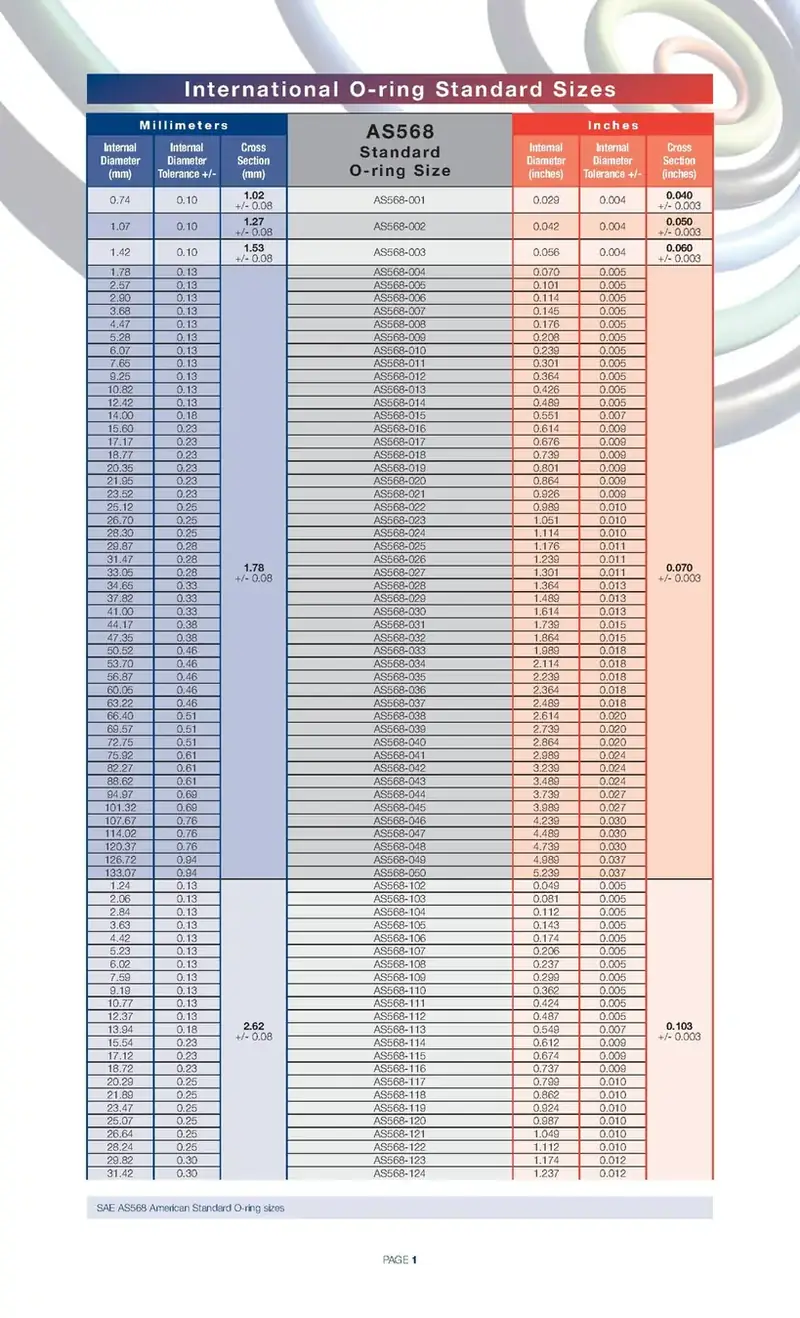
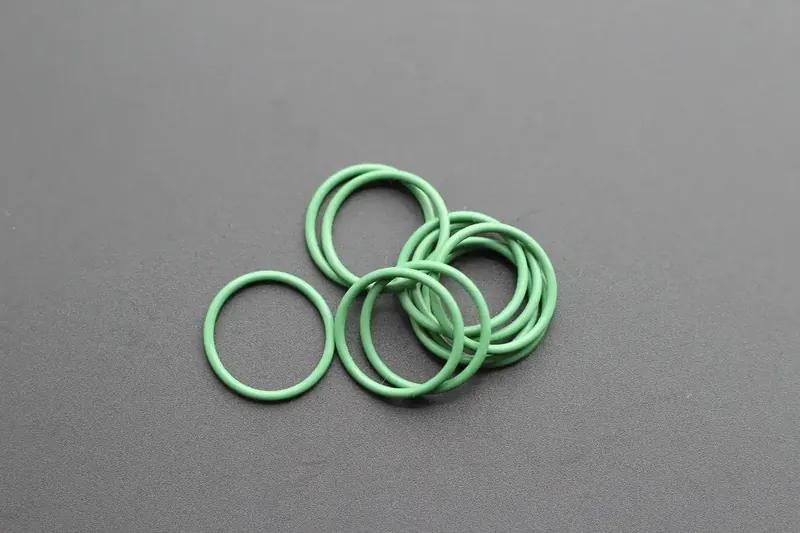
⚖️ O-Ring Weight Calculator
Estimate rubber O-ring weight (Approx).