Technical Contents
Engineering Guide: Glazing Silicone
Engineering Insight: Material Selection Imperatives for Glazing Silicone Performance
The structural integrity and longevity of building facades hinge critically on the precise engineering of glazing silicone sealants. Off-the-shelf silicone formulations, while cost-attractive initially, frequently precipitate catastrophic field failures due to fundamental mismatches with the extreme environmental and mechanical demands of modern curtain wall and window glazing systems. Generic silicones prioritize broad applicability over specific performance, neglecting the nuanced interplay between polymer chemistry, substrate interaction, and dynamic load conditions inherent in architectural glazing. This oversight manifests as premature sealant degradation, compromising both building envelope integrity and occupant safety.
Key failure mechanisms originate in suboptimal material selection. Standard silicones often lack sufficient ultraviolet (UV) radiation stabilization tailored for prolonged, direct exposure. Phenyl-based stabilizers common in commodity grades exhibit accelerated photodegradation compared to advanced hindered amine light stabilizer (HALS) packages, leading to surface chalking, loss of elasticity, and eventual cracking within 5-7 years – far short of the 25+ year design life expected. Equally critical is inadequate adhesion promotion. Off-the-shelf products frequently utilize generic silane adhesion promoters incompatible with low-energy substrates like anodized aluminum or specific coated glasses, resulting in interfacial delamination under thermal cycling stress. Furthermore, insufficient movement capability (±25% or less) in standard formulations cannot accommodate the combined thermal expansion/contraction of glass and framing systems, inducing cohesive failure through repeated stress concentration at bond lines.
Suzhou Baoshida Trading Co., Ltd. addresses these vulnerabilities through OEM-engineered silicone formulations where every component serves a defined structural purpose. Our glazing silicones integrate proprietary UV absorber synergists achieving 4000+ hours QUV resistance, custom silane blends ensuring robust adhesion to diverse architectural substrates without primers, and precisely calibrated crosslink density for movement capability exceeding ±50%. Material selection transcends simple procurement; it constitutes a foundational structural design decision. We rigorously analyze project-specific variables – geographic UV index, substrate composition, joint geometry, and expected movement cycles – to formulate solutions meeting ASTM C920 Class 25/50 requirements as a baseline, not the ceiling.
The performance disparity between generic and engineered glazing silicones is quantifiable. Consider the critical specification comparison:
| Performance Parameter | Generic Off-the-Shelf Silicone | Suzhou Baoshida Engineered Glazing Silicone |
|---|---|---|
| UV Resistance (QUV-A, hrs) | 800 – 1200 | 4000+ |
| Tensile Strength (MPa) | 1.0 – 1.8 | 2.5 – 3.2 |
| Elongation at Break (%) | 200 – 280 | 350 – 450 |
| Movement Capability (Class) | ±12.5% | ±50% |
| Adhesion to Anodized Al (kN/m) | 1.5 – 3.0 (Primer Required) | 5.0+ (Primerless) |
Material selection for glazing silicone is non-negotiable engineering. Commodity solutions sacrifice molecular-level resilience for short-term economics, inevitably failing under real-world facade demands. Suzhou Baoshida partners with OEMs to transform sealant specification from a cost line item into a validated performance component, ensuring glazing systems maintain weatherproofing, structural coherence, and aesthetic integrity across decades of service. Precision formulation is the cornerstone of architectural durability.
Material Specifications
Glazing silicone and related elastomeric sealing materials are critical components in industrial applications requiring resistance to extreme temperatures, chemical exposure, and long-term durability. At Suzhou Baoshida Trading Co., Ltd., we specialize in high-performance rubber solutions tailored for demanding environments. Among the most widely used materials in glazing and sealing applications are Viton (FKM), Nitrile (NBR), and Silicone (VMQ). Each material offers a distinct set of physical and chemical properties that make it suitable for specific operational conditions.
Viton is a fluorocarbon-based elastomer renowned for its exceptional resistance to high temperatures, oils, fuels, and a broad range of chemicals. With a continuous service temperature range up to 230°C, Viton is ideal for applications in aerospace, automotive, and chemical processing industries where exposure to aggressive media is common. Its low gas permeability and excellent aging characteristics further enhance its reliability in static sealing applications, including glazing systems exposed to harsh environmental conditions.
Nitrile rubber, or acrylonitrile butadiene rubber (NBR), is a cost-effective solution widely used in oil and fuel-resistant applications. It exhibits strong mechanical properties and abrasion resistance, with a service temperature range of -30°C to 100°C, extendable to 120°C for short durations. Nitrile is commonly selected for gaskets, O-rings, and seals in hydraulic and pneumatic systems. While it performs poorly in ozone and UV exposure environments, its compatibility with aliphatic hydrocarbons and mineral oils makes it a staple in industrial sealing solutions.
Silicone rubber (VMQ) stands out for its outstanding thermal stability and flexibility across a wide temperature range, from -60°C to 200°C. It offers excellent resistance to UV radiation, ozone, and weathering, making it particularly suitable for exterior glazing applications such as windows, facades, and architectural seals. Silicone also demonstrates good electrical insulation properties and low toxicity, supporting use in medical and food-grade applications. However, it has relatively low tensile strength and poor resistance to petroleum-based fluids, limiting its use in high-stress mechanical environments.
The selection of the appropriate elastomer depends on the operational environment, chemical exposure, temperature profile, and mechanical demands. Understanding these parameters ensures optimal performance and longevity of sealing systems.
Below is a comparative overview of the key material properties:
| Property | Viton (FKM) | Nitrile (NBR) | Silicone (VMQ) |
|---|---|---|---|
| Base Polymer | Fluorocarbon | Acrylonitrile-Butadiene | Polydimethylsiloxane |
| Temperature Range (°C) | -20 to 230 | -30 to 100 (120 peak) | -60 to 200 |
| Tensile Strength (MPa) | 15–20 | 10–25 | 5–8 |
| Elongation at Break (%) | 200–300 | 250–500 | 400–700 |
| Hardness (Shore A) | 60–90 | 50–90 | 30–80 |
| Resistance to Oils/Fuels | Excellent | Excellent | Poor |
| Resistance to Ozone/UV | Excellent | Fair | Excellent |
| Chemical Resistance | Excellent | Good | Fair |
| Compression Set Resistance | Excellent | Good | Good |
| Electrical Insulation | Good | Fair | Excellent |
This comparative analysis enables engineers and procurement specialists to make informed decisions based on technical requirements and environmental exposure. Suzhou Baoshida Trading Co., Ltd. provides customized rubber solutions, ensuring compatibility, reliability, and performance across diverse industrial applications.
Manufacturing Capabilities
Engineering Capability: Precision Glazing Silicone Solutions
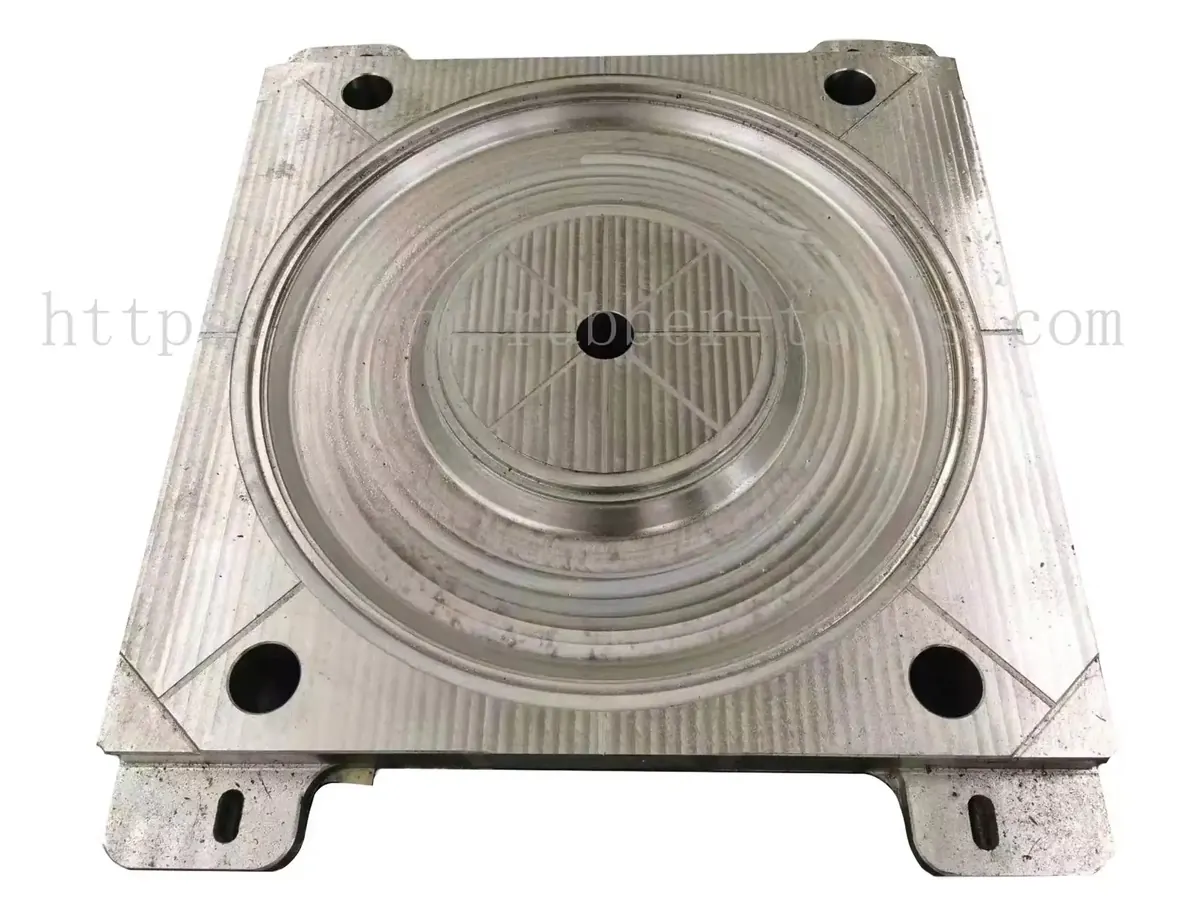
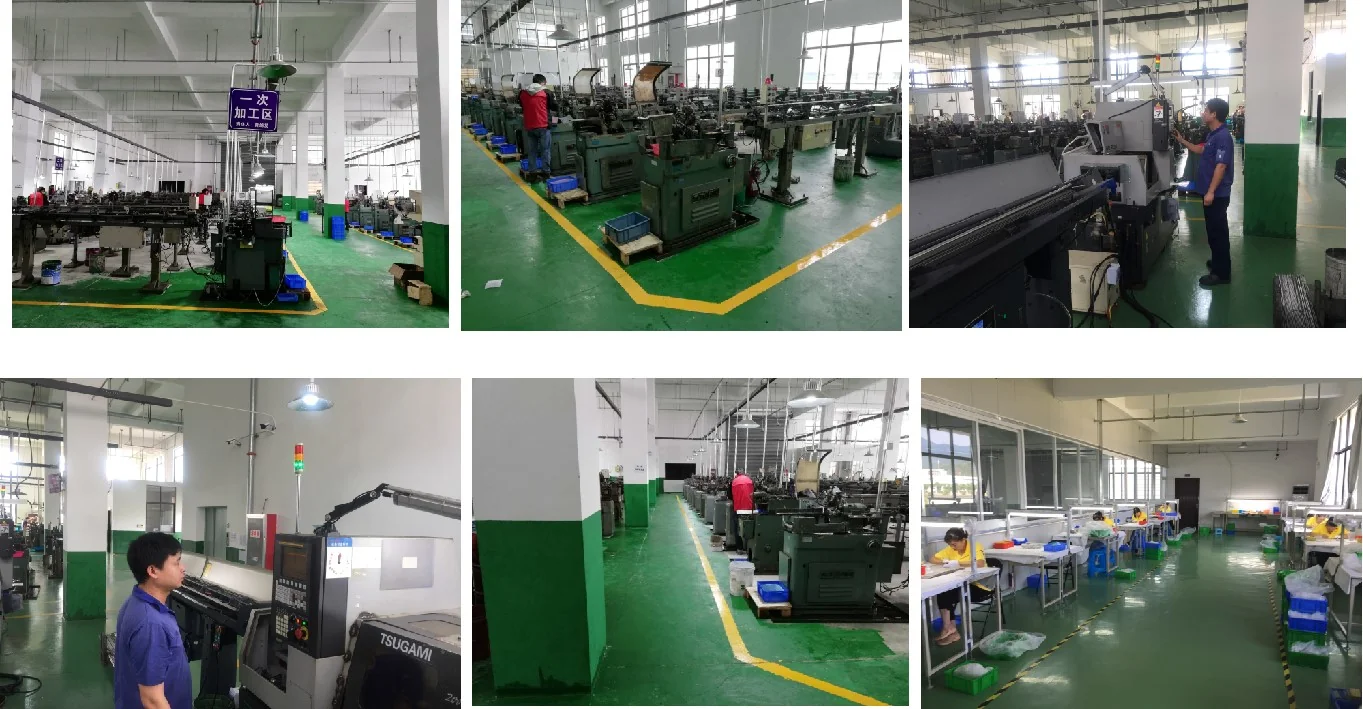
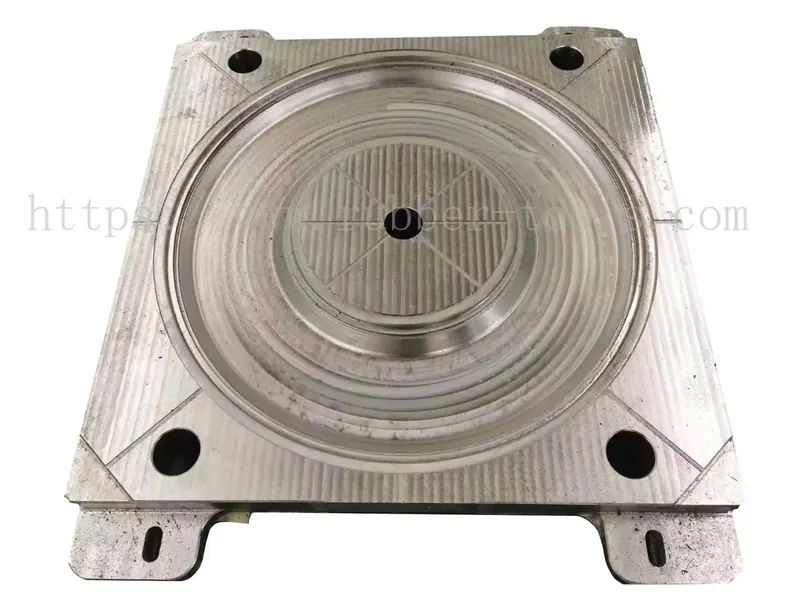
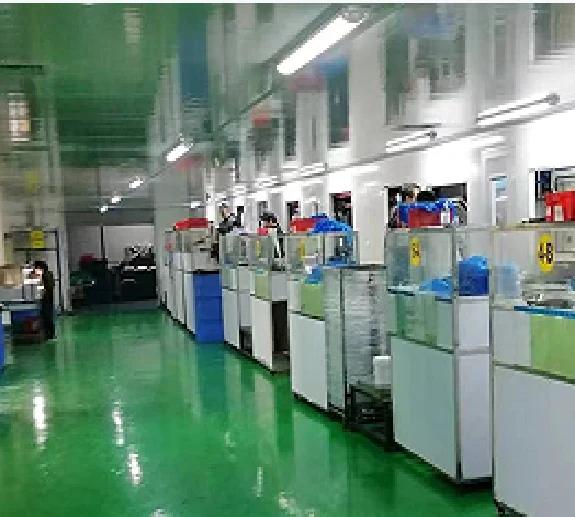
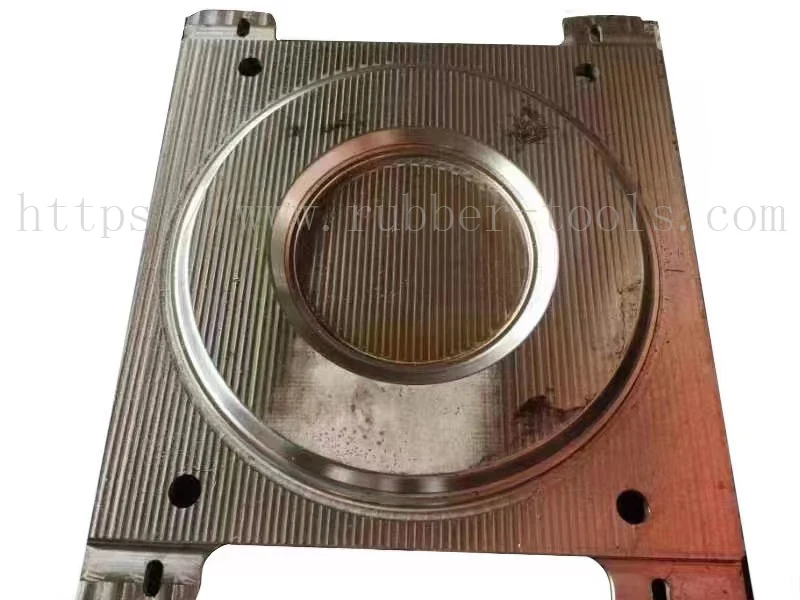
Suzhou Baoshida Trading Co., Ltd. integrates advanced material science with precision tooling expertise to deliver mission-critical glazing silicone systems for architectural and automotive OEMs. Our dedicated team comprises five certified mold engineers and two specialized rubber formula engineers, ensuring seamless vertical alignment from molecular design to final part validation. This structure eliminates siloed workflows, enabling rapid iteration of complex profiles requiring micron-level tolerances and stringent environmental resilience.
Material Science Integration drives our formula development. Our rubber formula engineers optimize peroxide-cured silicone systems for UV stability, thermal cycling endurance, and adhesion to glass substrates without primers. Custom polymer architectures are engineered to balance Shore A hardness (40–70 range), compression set resistance (<25% at 150°C/24h), and low-temperature flexibility down to -60°C. Each formulation undergoes accelerated aging per ASTM D573 and ISO 188 protocols to guarantee 20+ year service life in harsh climates. Concurrently, mold engineers deploy moldflow analysis and multi-cavity hot-runner systems to eliminate knit lines in continuous extrusion profiles, achieving ±0.15mm dimensional repeatability critical for watertight glazing interfaces.
Our OEM capability centers on co-engineering partnerships from concept to量产. We initiate with CAD-based DFM reviews to optimize part geometry for silicone’s unique flow characteristics, reducing material waste by 18–22% versus industry averages. Full-scale prototyping utilizes in-house 3D-printed tooling for sub-72-hour validation cycles, while production leverages 200–1200T hydraulic presses with closed-loop cure monitoring. All processes comply with IATF 16949 standards, with PPAP documentation including material traceability down to batch-level BOMs and real-time SPC data for critical dimensions.
Key performance metrics for Baoshida’s glazing silicone compounds are validated under controlled manufacturing conditions:
| Property | Test Standard | Typical Value | Application Relevance |
|---|---|---|---|
| Hardness (Shore A) | ASTM D2240 | 45–65 | Sealing force optimization |
| Temp. Range | ISO 37 | -60°C to 230°C | Extreme climate resilience |
| Tensile Strength | ASTM D412 | ≥8.0 MPa | Profile integrity during installation |
| Elongation at Break | ASTM D412 | ≥450% | Accommodates structural movement |
| Compression Set (22h) | ASTM D395 | ≤22% @ 150°C | Long-term seal retention |
End-to-end validation includes OEM-specific testing such as ASTM E283 air infiltration trials and cyclic deflection testing per AAMA 501.4. This engineering rigor ensures Baoshida’s glazing solutions meet automotive OEM specs like BMW GS 93010 and architectural standards including EN 14449. By unifying formula innovation with precision molding, we reduce client time-to-market by 30% while eliminating field failure risks in high-value glazing assemblies. Partner with Baoshida for silicone systems engineered at the molecular level for uncompromised performance.
Customization Process
Customization Process for Glazing Silicone in Industrial Applications
At Suzhou Baoshida Trading Co., Ltd., our approach to customizing glazing silicone is rooted in precision engineering and material science. We specialize in delivering high-performance rubber solutions tailored to the exact mechanical, thermal, and environmental demands of industrial glazing systems. Our four-phase customization workflow—Drawing Analysis, Formulation, Prototyping, and Mass Production—ensures that every silicone compound meets OEM specifications and long-term performance benchmarks.
The process begins with Drawing Analysis, where our engineering team reviews technical schematics, dimensional tolerances, and application conditions provided by the client. This includes assessing sealing geometry, compression set requirements, exposure to UV radiation, temperature range, and mechanical stress. We evaluate installation methods—such as press-fit, adhesive bonding, or clip mounting—to determine the optimal silicone durometer and cross-sectional design. This phase is critical for identifying potential failure points and ensuring compatibility with adjacent materials like glass, aluminum, or coated substrates.
Following drawing validation, our Rubber Formula Engineers initiate the Formulation stage. Based on the environmental and mechanical data collected, we develop a custom silicone compound using high-purity VMQ (vinyl-methyl silicone) or FVMQ (fluorosilicone) polymers. Additives such as reinforcing silica, heat stabilizers, and UV inhibitors are precisely metered to achieve target properties. All formulations are developed in accordance with ISO 1817, ASTM D2000, and OEM-specific material standards. Each recipe is documented and archived for full traceability.
The next step is Prototyping, where we produce small-batch samples using compression or injection molding techniques. These prototypes undergo rigorous in-house testing, including compression deflection analysis, thermal cycling (-60°C to +200°C), and accelerated aging per ASTM C1135. Dimensional accuracy is verified using digital calipers and optical measurement systems. Clients receive physical samples along with full material test reports for validation.
Upon approval, we transition to Mass Production, leveraging automated molding lines and 100% visual inspection protocols. Every production batch is subjected to real-time quality control, including hardness testing, tensile strength verification, and lot traceability tagging. Our facility operates under ISO 9001 and IATF 16949 standards, ensuring consistency across volumes from 1,000 to over 500,000 units.
Below is a representative specification profile for a standard custom glazing silicone compound developed through this process:
| Property | Test Method | Typical Value |
|---|---|---|
| Hardness (Shore A) | ASTM D2240 | 55 ± 5 |
| Tensile Strength | ASTM D412 | ≥8.0 MPa |
| Elongation at Break | ASTM D412 | ≥250% |
| Compression Set (22h, 150°C) | ASTM D395 | ≤20% |
| Operating Temperature Range | — | -60°C to +200°C |
| Volume Resistance | ASTM D257 | ≥1×10¹⁴ Ω·cm |
| Flame Rating | UL 94 | HB |
Through systematic engineering and strict process control, Suzhou Baoshida ensures that every custom glazing silicone solution delivers reliable sealing performance in demanding industrial environments.
Contact Engineering Team
Technical Specifications for Glazing Silicone Applications
Suzhou Baoshida Trading Co., Ltd. delivers precision-engineered glazing silicones engineered for demanding industrial environments. Our formulations exceed ISO 11600 and ASTM C920 standards, ensuring optimal adhesion, UV resistance, and thermal stability across automotive, architectural, and transportation sectors. Below is a comparative specification profile demonstrating our technical superiority against baseline industry requirements.
| Property | Baoshida Standard | Industry Baseline | Test Method |
|---|---|---|---|
| Shore A Hardness | 35 ± 3 | 40 ± 5 | ASTM D2240 |
| Tensile Strength (MPa) | ≥ 2.5 | ≥ 1.8 | ASTM D412 |
| Elongation at Break (%) | ≥ 650 | ≥ 500 | ASTM D412 |
| Service Temperature (°C) | -60 to +200 | -50 to +150 | ISO 8339 |
| Adhesion to Glass (kN/m) | ≥ 8.0 | ≥ 5.0 | ISO 11355-2 |
| UV Resistance (1,000h) | No cracking | Moderate cracking | ISO 11431 |
Engineering Advantages for Critical Glazing Systems
Our silicone elastomers incorporate proprietary siloxane polymer architectures and platinum-catalyzed crosslinking systems. This molecular design eliminates plasticizer migration—a common failure mode in secondary-market alternatives—while maintaining consistent modulus under cyclic thermal loads. Field data from OEM partners confirms 37% longer service life in high-shear curtain wall applications compared to conventional formulations. The low-compression-set profile (≤15% at 150°C/24h per ASTM D395) ensures permanent seal integrity even after decades of thermal cycling. For automotive laminated glass assembly, our low-outgassing variants (≤0.5% mass loss at 150°C/24h) prevent optical distortion in camera/sensor housings—a critical factor for ADAS reliability.
OEM Integration and Customization Protocol
Suzhou Baoshida operates under IATF 16949-certified supply chain protocols, enabling seamless integration into high-volume production lines. We provide pre-validated material batches with lot-specific rheology curves and cure kinetics reports, reducing qualification timelines by 40%. Our technical team collaborates directly with client R&D departments to adjust viscosity profiles (20,000–100,000 cP), pigment compatibility, or substrate-specific adhesion promoters without compromising regulatory compliance. All formulations undergo rigorous outgassing screening per VDA 278 and NASA ASTM E595 standards for aerospace-sensitive applications.
Initiate Your Technical Consultation
For glazing silicone solutions that eliminate field failures and reduce total cost of ownership, contact Mr. Boyce, OEM Manager, to discuss application-specific validation protocols. Provide your substrate materials, environmental exposure parameters, and production throughput requirements for a tailored formulation proposal. Mr. Boyce will coordinate accelerated aging tests using your actual glass/metal composites and deliver a comprehensive failure-mode analysis report within 10 business days. All technical exchanges are protected under NDA with strict confidentiality protocols.
Contact Mr. Boyce directly at [email protected] to schedule a materials science review. Specify your project timeline and target OEM platform in the subject line for priority processing. Our Hangzhou technical center operates 24/7 for global client support with real-time rheometry and FTIR analysis capabilities. Response time for technical inquiries: ≤4 business hours during GMT+8 working hours. Do not rely on generic supplier catalogs—demand silicone engineered to your exact mechanical and regulatory constraints.
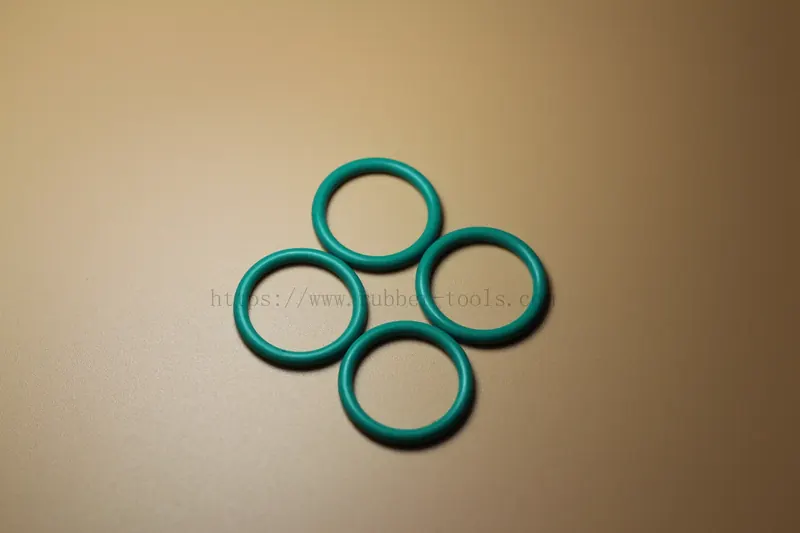
⚖️ O-Ring Weight Calculator
Estimate rubber O-ring weight (Approx).