Gas Proof Silicone Manufacturer | Engineering Guide

Engineering Guide: Gas Proof Silicone

gas proof silicone manufacturing

Engineering Insight: The Critical Role of Material Selection in Gas Proof Silicone

In industrial sealing applications, the integrity of gas containment is non-negotiable. Whether in semiconductor processing, oil and gas transmission, or high-vacuum systems, even minute gas permeation can compromise system performance, safety, and regulatory compliance. While silicone rubber is widely used for its thermal stability and flexibility, standard off-the-shelf silicone formulations are inherently permeable to gases such as oxygen, nitrogen, and hydrogen. This fundamental limitation underscores the necessity of purpose-engineered gas proof silicone compounds—materials specifically designed to minimize gas diffusion under demanding operational conditions.

Generic silicone elastomers rely on a polysiloxane backbone that, while resilient across temperature extremes, exhibits high free volume at the molecular level. This microstructure allows gas molecules to diffuse through the polymer matrix with relative ease. In dynamic or high-pressure environments, this permeability accelerates, leading to leakage, contamination, or system failure. Off-the-shelf solutions often lack the molecular density or additive architecture required to impede gas transmission, making them unsuitable for critical sealing applications.

At Suzhou Baoshida Trading Co., Ltd., our engineered gas proof silicone formulations integrate advanced filler technologies and polymer cross-linking strategies to significantly reduce permeability. Through the incorporation of nano-dispersed barrier fillers—such as surface-treated silica and lamellar platelets—we create a tortuous path that impedes gas molecule migration. Additionally, precise control over cure chemistry ensures a densely cross-linked network, further minimizing free volume within the elastomer.

These material enhancements are not merely incremental; they represent a shift from general-purpose sealing to application-specific performance. For instance, in high-purity gas delivery systems, our gas proof silicone maintains helium leakage rates below 1×10⁻⁹ atm·cm³/s, a threshold required by semiconductor OEMs. In contrast, commercial-grade silicone typically exceeds 1×10⁻⁷ atm·cm³/s under identical test conditions—two orders of magnitude higher.

Material selection must therefore be driven by functional requirements, not cost or availability. A failure to specify gas proof silicone in critical applications can result in unplanned downtime, product contamination, or safety hazards—risks that far outweigh the initial cost difference.

The following table outlines key performance metrics comparing standard silicone with our engineered gas proof variant:

Property Standard Silicone Gas Proof Silicone (Baoshida)
Helium Permeability (cm³·mm/m²·day·atm) 120 8.5
Tensile Strength (MPa) 6.5 7.8
Elongation at Break (%) 450 420
Hardness (Shore A) 50 55
Operating Temperature Range (°C) -60 to 200 -60 to 200
Outgassing (TML %, 24h @ 125°C) 0.35 0.12

This data illustrates that optimized gas resistance does not come at the expense of mechanical performance. On the contrary, our formulations maintain or exceed the physical robustness of conventional silicones while delivering superior barrier properties.

In conclusion, material selection is not a commodity decision. In gas-sensitive environments, only purpose-built gas proof silicone can ensure long-term reliability, compliance, and operational safety.


Material Specifications

gas proof silicone manufacturing

Material Specifications for Gas-Impermeable Elastomer Seals

Achieving effective gas barrier performance in industrial sealing applications requires precise elastomer selection based on molecular structure, polymer density, and operational parameters. Gas permeation occurs via diffusion through the polymer matrix, making low-permeability materials critical for hydrogen, helium, natural gas, and volatile organic compound containment. While no elastomer is entirely “gas-proof,” specific formulations significantly minimize permeation rates under defined conditions. Suzhou Baoshida Trading Co., Ltd. prioritizes scientifically validated material properties to ensure OEM seal integrity across demanding industrial environments.

Viton® (FKM) fluorocarbon elastomers deliver industry-leading gas impermeability due to their high fluorine content (66–70%) and dense molecular chain packing. Standard FKM compounds exhibit helium permeability coefficients of 0.4–0.6 Barrer (ASTM D1434) and maintain stability in hydrogen service up to 200°C. Their exceptional resistance to non-polar gases (e.g., methane, propane) and low swelling in hydrocarbons make them ideal for high-pressure fuel systems and semiconductor manufacturing. However, cost and limited flexibility below -20°C necessitate careful application assessment.

Nitrile rubber (NBR) offers a cost-effective solution for nitrogen, carbon dioxide, and inert gas sealing where extreme chemical resistance is unnecessary. High-acrylonitrile grades (45–50% ACN) achieve moderate helium permeability (1.8–2.2 Barrer) but degrade rapidly in hydrogen or oxygen-rich environments above 100°C. Compression set values exceeding 30% after 70 hours at 100°C limit NBR to moderate-temperature applications like pneumatic systems and refrigerant seals, where gas permeation rates are less critical.

Silicone rubber (VMQ) provides unmatched flexibility across -60°C to 230°C but exhibits poor inherent gas barrier properties. Standard silicone demonstrates high helium permeability (3.5–4.0 Barrer) due to its siloxane backbone’s free volume and chain mobility. While platinum-cured, high-consistency silicones with fumed silica reinforcement can reduce permeation by 15–20%, they remain unsuitable for hydrogen or helium containment. Silicone’s primary sealing value lies in thermal cycling resistance for non-critical gas applications like HVAC ducts or low-pressure instrumentation.

Comparative Gas Barrier Performance of Key Elastomers

Property Viton® (FKM) Nitrile (NBR) Silicone (VMQ)
Helium Permeability (Barrer) 0.4–0.6 1.8–2.2 3.5–4.0
Max Continuous Temp (°C) 230 120 230
Hydrogen Resistance Excellent Poor Very Poor
Compression Set (ASTM D395) ≤20% @ 200°C ≤30% @ 100°C ≤25% @ 200°C
Typical Gas Applications H₂, CH₄, He N₂, CO₂ Air, Inert Gases

OEM seal design must correlate elastomer permeability data with real-world variables: pressure differentials, gas molecular size, temperature excursions, and dynamic stress. Suzhou Baoshida Trading Co., Ltd. validates all material specifications through ASTM D1434 permeability testing and application-specific simulation. We advise against generic “gas-proof” claims; instead, select FKM for critical hydrogen service, NBR for cost-sensitive inert gas systems, and silicone exclusively where thermal range outweighs permeation concerns. Consult our engineering team for compound-specific permeation curves and OEM validation protocols.


Manufacturing Capabilities

gas proof silicone manufacturing

Engineering Capability: Advanced Development for Gas-Proof Silicone Solutions

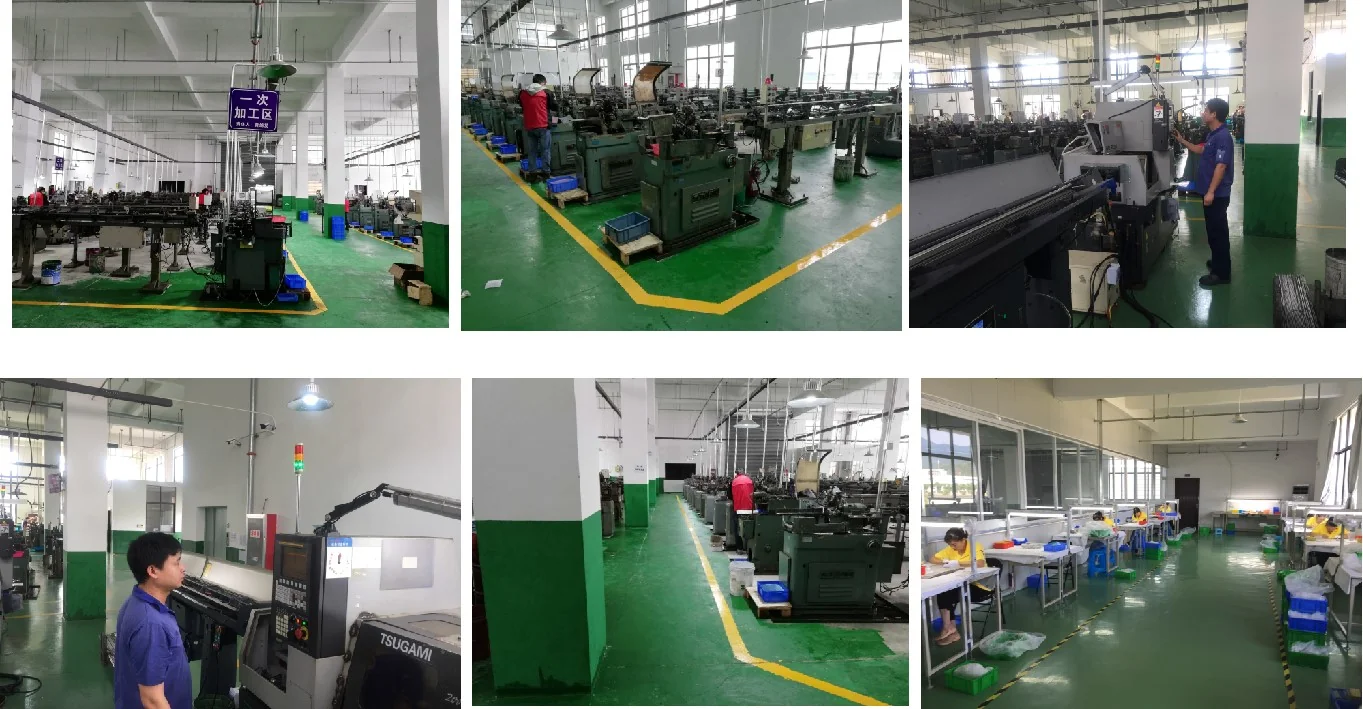
At Suzhou Baoshida Trading Co., Ltd., our engineering capability is anchored in deep technical expertise and vertical integration across rubber formulation and mold design. With a dedicated team of five certified mold engineers and two specialized rubber formula engineers, we deliver precision-engineered gas-proof silicone products tailored to the stringent demands of industrial, automotive, and fluid handling applications. Our in-house engineering synergy ensures that material science and mechanical design are developed in parallel, reducing development cycles and enhancing product performance.

Our formula engineers possess advanced knowledge in silicone polymer chemistry, cross-linking systems, and additive optimization. They focus on developing custom silicone compounds with exceptional gas impermeability, thermal stability, and compression set resistance. By adjusting filler types, siloxane backbone structures, and curing mechanisms (including platinum-catalyzed addition and peroxide systems), we formulate silicones that maintain integrity under high-pressure gas environments and extreme temperatures ranging from -60°C to +200°C. These formulations are validated through rigorous testing protocols, including helium leak detection, permeability analysis, and long-term aging studies.

Complementing our material expertise, our mold engineering team specializes in precision tooling for complex silicone components. Utilizing CAD/CAM software and CNC machining, we design and produce high-tolerance molds that support consistent part geometry, critical for sealing performance in gas-sensitive applications. Our engineers optimize gate design, venting, and ejection systems to minimize flash and ensure repeatability in high-volume production. Mold flow analysis is routinely performed to predict material behavior during curing, reducing trial iterations and accelerating time-to-market.

As an OEM manufacturer, Suzhou Baoshida offers full-service product development from concept to量产 (mass production). Clients benefit from our ability to co-engineer solutions, where design for manufacturability (DFM) is integrated early in the process. We support low-volume prototyping using rapid tooling, followed by seamless transition to production-grade steel molds. Our quality management system adheres to ISO 9001 standards, with full traceability, first-article inspection (FAI), and process capability (Cp/Cpk) monitoring.

The following table outlines key technical specifications achievable with our gas-proof silicone formulations and manufacturing processes:

Parameter Typical Value Test Standard
Hardness (Shore A) 30–80 ASTM D2240
Tensile Strength ≥8.0 MPa ASTM D412
Elongation at Break ≥400% ASTM D412
Compression Set (22h, 150°C) ≤25% ASTM D395
Gas Permeability (He) ≤0.8 × 10⁻¹² cm²/s·Pa ASTM E460 (modified)
Operating Temperature -60°C to +200°C Internal
Curing System Addition or Peroxide Internal

Our engineering-driven approach enables Suzhou Baoshida to solve complex sealing challenges where gas leakage, environmental exposure, and long-term reliability are critical. By combining formula innovation with precision mold engineering, we deliver OEM partners a competitive advantage in performance and manufacturability.


Customization Process

gas proof silicone manufacturing

Customization Process for Gas Proof Silicone Components

At Suzhou Baoshida Trading Co., Ltd., our gas proof silicone customization process integrates material science with precision manufacturing to deliver components meeting stringent industrial sealing requirements. This four-phase workflow ensures optimal performance in applications demanding absolute gas barrier integrity, such as semiconductor equipment, medical devices, and automotive fuel systems.

Drawing Analysis
Initial assessment focuses on geometric tolerances, sealing surface profiles, and environmental exposure parameters. We evaluate cross-sectional thickness, groove dimensions, and dynamic/static load conditions to identify potential stress points affecting gas permeation. Critical features like sharp corners or unsupported spans are flagged for redesign consultation, ensuring the silicone formulation compensates for mechanical vulnerabilities while maintaining leak-tight integrity under operational pressure differentials.

Formulation Development
Our rubber formula engineering team tailors base polymers, fillers, and crosslinking systems to achieve ultra-low gas permeability. Key adjustments include optimizing vinyl-methyl silicone ratios for enhanced molecular chain density and incorporating surface-treated fumed silica to minimize free volume pathways. Platinum-catalyzed addition curing is prioritized over peroxide systems to eliminate volatile byproducts that compromise barrier properties. Each compound undergoes predictive permeability modeling using ASTM D1434 standards before prototyping.

Prototyping and Validation
Precision-molded prototypes undergo rigorous gas barrier testing using helium mass spectrometry (ASTM E493) at 0.5–5.0 bar differential pressure. We measure helium permeation rates alongside compression set (ASTM D395) at 150°C for 72 hours to simulate long-term sealing decay. Dimensional validation via CMM confirms conformity to ±0.05 mm tolerances. Client feedback on prototype performance triggers iterative formulation refinements, typically achieving target specifications within three cycles.

Mass Production Implementation
Upon approval, production leverages our ISO 9001-certified facility with dedicated cleanroom molding lines. Real-time rheometry monitors cure kinetics, while in-process helium leak testing screens 100% of critical components. Batch traceability links raw material lots to final parts via blockchain-enabled documentation. Statistical process control (SPC) tracks key variables including Mooney viscosity (ASTM D1646) and Shore A hardness to maintain consistency. All shipments include full material test reports compliant with OEM specifications.

Critical Gas Proof Silicone Performance Specifications

Property Test Method Target Value Significance
Helium Permeability ASTM D1434 ≤ 0.8 × 10⁻¹² cm³·cm/cm²·s·Pa Primary indicator of gas barrier efficacy
Compression Set (70h/150°C) ASTM D395 ≤ 12% Predicts long-term sealing force retention
Shore A Hardness ASTM D2240 50–80 (custom range) Balances sealing conformity and extrusion resistance
Tensile Strength ASTM D412 ≥ 8.0 MPa Ensures mechanical robustness during installation
Operating Temperature -60°C to +230°C Validates performance across thermal cycles

This structured approach guarantees gas proof silicone components that exceed industry leakage thresholds while maintaining dimensional stability under cyclic loading. Suzhou Baoshida’s engineering oversight from drawing review to量产 ensures zero-defect delivery for mission-critical sealing applications.


Contact Engineering Team

gas proof silicone manufacturing

For industrial manufacturers and OEMs seeking high-performance gas proof silicone solutions, Suzhou Baoshida Trading Co., Ltd. stands as a trusted partner in precision rubber engineering. Our expertise in formulating and supplying advanced silicone compounds ensures reliable barrier properties against gas permeation, making our materials ideal for demanding applications in automotive, aerospace, medical devices, semiconductor manufacturing, and energy systems. With stringent quality control and deep technical knowledge, we deliver custom-tailored rubber solutions that meet exacting performance standards.

Gas proof silicone is not a generic material—it requires precise formulation, controlled curing, and rigorous testing to ensure minimal gas transmission under operational conditions. At Suzhou Baoshida, we specialize in silicone elastomers engineered with enhanced molecular density and optimized cross-linking structures to resist the diffusion of gases such as oxygen, nitrogen, hydrogen, and hydrocarbons. Our compounds are validated through ASTM E96, ISO 15105-1, and other internationally recognized permeability test methods, ensuring transparency and consistency in performance data.

We understand that each industrial application presents unique challenges—whether it’s maintaining seal integrity in high-vacuum environments, ensuring biocompatibility in medical gas delivery systems, or withstanding extreme thermal cycling in engine components. That’s why we work closely with engineers and R&D teams to co-develop materials that align with your technical specifications, regulatory requirements, and production processes. From prototype support to full-scale supply, our team ensures seamless integration of our gas proof silicone into your manufacturing workflow.

To support technical evaluation and qualification, we provide comprehensive material data sheets, batch-specific test reports, and sample kits upon request. Our engineering staff is available for direct consultation on material selection, hardness optimization, compression set resistance, and long-term aging behavior in simulated service environments.

For immediate assistance or to initiate a technical discussion, contact Mr. Boyce, Rubber Formula Engineer and OEM Manager, at [email protected]. Mr. Boyce leads our industrial rubber solutions division and brings over 12 years of experience in silicone formulation and elastomer application engineering. He is available to review your project requirements, recommend suitable compounds, and coordinate sample delivery or on-site technical support.

Below are representative specifications of our standard gas proof silicone formulations:

Property Test Method Typical Value
Hardness (Shore A) ASTM D2240 40 – 80
Tensile Strength ASTM D412 ≥8.0 MPa
Elongation at Break ASTM D412 ≥250%
Compression Set (22 hrs @ 150°C) ASTM D395 ≤25%
Gas Permeability (O₂) ASTM E96 0.8–1.2 cm³·mm/m²·day·kPa
Operating Temperature Range -60°C to +200°C
Specific Gravity ASTM D297 1.18–1.22

Partner with Suzhou Baoshida to ensure your sealing and insulation systems perform with maximum reliability in gas-sensitive environments. Reach out to Mr. Boyce today at [email protected] to begin your technical consultation.


⚖️ O-Ring Weight Calculator

Estimate rubber O-ring weight (Approx).


Gas Proof Silicone Manufacturer | Engineering Guide

Contents of Table

Contact [email protected] Whatsapp 86 15951276160