Technical Contents
Engineering Guide: Closed Cell Silicone Foam
Engineering Insight: Material Selection Imperatives for Closed Cell Silicone Foam
Material selection is not merely a procurement step in closed cell silicone foam applications; it is the foundational engineering decision dictating long-term performance, reliability, and total cost of ownership. Off-the-shelf silicone foam solutions, while seemingly cost-effective initially, frequently fail under demanding industrial conditions due to inherent compromises in formulation, processing, and quality control. These generic materials lack the tailored molecular architecture required to withstand specific environmental stressors, leading to premature degradation and system failure. The critical flaw lies in their inability to simultaneously optimize key properties like compression set resistance, thermal stability, chemical inertness, and cell structure integrity across the precise operational envelope of the end-use application. Standard formulations often prioritize broad market appeal over deep performance validation, resulting in materials that meet basic datasheet claims under ideal lab conditions but falter in real-world complexity.
The consequences of inadequate material selection manifest as seal leakage, gasket extrusion, loss of cushioning, or complete structural breakdown. For instance, an off-the-shelf foam might exhibit acceptable initial compression but suffer rapid, irreversible set when exposed to continuous elevated temperatures common in automotive under-hood or aerospace environments. Similarly, exposure to specific industrial fluids or ozone can cause surface cracking and permeability increases in non-engineered foams, compromising barrier function. This stems from insufficient crosslink density control, suboptimal filler dispersion, or inadequate cell wall reinforcement within the base polymer matrix. Thermally induced cell structure degradation is a frequent failure mode, where poorly stabilized foams experience cell coalescence or collapse, destroying the essential closed-cell morphology responsible for low gas permeability and buoyancy.
Understanding the precise interplay between formulation variables and end-use requirements is paramount. Key parameters demanding rigorous evaluation include sustained high-temperature resilience, resistance to compression set under dynamic loads, compatibility with aggressive media, and dimensional stability across wide thermal cycles. The following table highlights critical performance gaps between generic off-the-shelf silicone foams and precision-engineered solutions:
| Critical Performance Parameter | Off-the-Shelf Silicone Foam | Precision-Engineered Silicone Foam | Consequence of Failure |
|---|---|---|---|
| Compression Set (70°C, 22h) | 35-50% | <15% | Seal leakage, loss of clamping force |
| Continuous Service Temperature | ≤150°C | 200-230°C | Accelerated degradation, hardening |
| Cell Structure Integrity (Post-Thermal Aging) | Significant coalescence/collapse | Minimal change | Increased permeability, loss of buoyancy |
| Fluid Resistance (e.g., Skydrol, Fuels) | Moderate swelling/degradation | Negligible effect | Seal extrusion, loss of barrier function |
| Density Consistency (Roll-to-Roll) | ±15% variation | ±5% variation | Inconsistent sealing force, assembly issues |
OEMs and system integrators must recognize that the lowest initial material cost often translates to the highest total lifecycle cost through field failures, warranty claims, and reputational damage. Rigorous validation against application-specific stressors—not just adherence to generic industry standards—is non-negotiable. Suzhou Baoshida Trading Co., Ltd. emphasizes collaborative engineering from the specification phase, leveraging deep formulation expertise to develop closed cell silicone foams where every component and processing parameter is optimized for the operational reality. This precision approach ensures the cellular structure and polymer network deliver uncompromised performance, transforming material selection from a risk point into a strategic advantage for demanding industrial applications.
Material Specifications
Closed cell silicone foam is a high-performance elastomeric material widely utilized in industrial applications requiring thermal stability, chemical resistance, and reliable sealing under extreme conditions. At Suzhou Baoshida Trading Co., Ltd., we specialize in advanced rubber solutions, offering closed cell silicone foam formulations that meet stringent OEM and industrial standards. This section outlines the critical material specifications for three key elastomers used in closed cell foam manufacturing: Viton (FKM), Nitrile (NBR), and Silicone (VMQ). Each material exhibits distinct physical and chemical characteristics, making them suitable for specific operational environments.
Viton closed cell foam is engineered for applications demanding exceptional resistance to high temperatures, oils, fuels, and aggressive chemicals. With a continuous service temperature range up to 230°C, Viton foam maintains structural integrity in aerospace, automotive, and semiconductor manufacturing settings. Its low gas permeability and excellent aging resistance make it ideal for critical sealing applications where failure is not an option. However, Viton is less flexible at low temperatures and carries a higher material cost compared to alternatives.
Nitrile closed cell foam offers a cost-effective solution for environments involving exposure to petroleum-based fluids, hydraulic oils, and aliphatic hydrocarbons. It performs reliably within a temperature range of -30°C to 100°C, making it suitable for automotive gaskets, HVAC systems, and industrial machinery seals. While NBR provides excellent abrasion resistance and mechanical strength, its performance degrades under prolonged exposure to ozone, UV radiation, and extreme heat, limiting its use in outdoor or high-temperature applications.
Silicone closed cell foam stands out for its exceptional thermal stability, operating effectively from -60°C to 200°C, and in some formulations up to 230°C. It exhibits outstanding resistance to UV, ozone, and weathering, making it a preferred choice for outdoor sealing, electronics insulation, and medical-grade enclosures. Silicone foam also demonstrates good electrical insulation properties and low toxicity, supporting compliance with stringent health and safety regulations. While it has lower tensile strength compared to Nitrile and Viton, its flexibility across wide temperature ranges and biocompatibility enhance its versatility.
The following table compares key physical and chemical properties of Viton, Nitrile, and Silicone closed cell foams to assist in material selection for industrial applications.
| Property | Viton (FKM) | Nitrile (NBR) | Silicone (VMQ) |
|---|---|---|---|
| Temperature Range (°C) | -20 to 230 | -30 to 100 | -60 to 200 (up to 230) |
| Density (kg/m³) | 300–600 | 250–500 | 200–450 |
| Compression Set (%) | <20 (at 200°C) | <30 (at 100°C) | <25 (at 150°C) |
| Tensile Strength (MPa) | 8–12 | 6–10 | 4–7 |
| Elongation at Break (%) | 150–250 | 200–300 | 100–200 |
| Fluid Resistance (Oil/Fuel) | Excellent | Very Good | Poor |
| Ozone/UV Resistance | Excellent | Fair | Excellent |
| Flame Resistance | Very Good | Moderate | Good |
Material selection must consider application-specific factors including environmental exposure, mechanical stress, regulatory compliance, and lifecycle requirements. Suzhou Baoshida Trading Co., Ltd. supports OEMs with precision-engineered closed cell silicone and specialty foam solutions tailored to exact performance criteria.
Manufacturing Capabilities
Engineering Capability: Precision Development for Closed Cell Silicone Foam Solutions
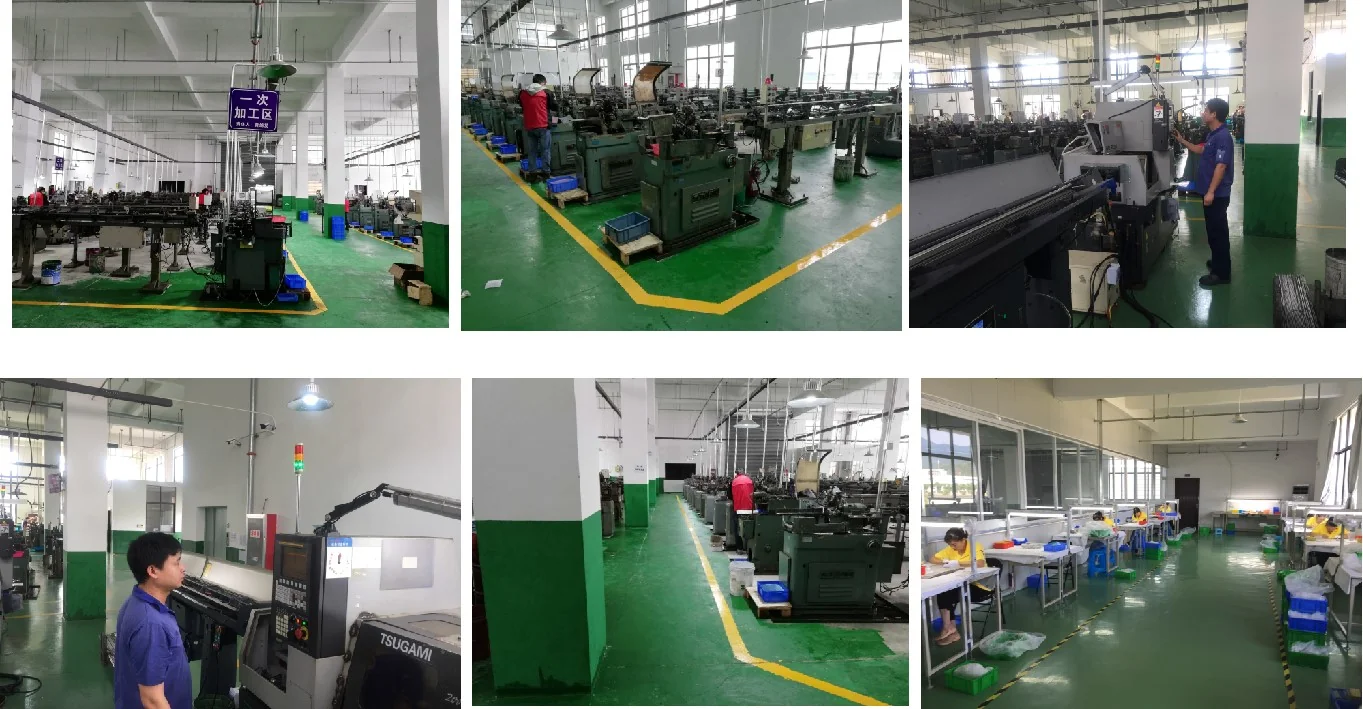
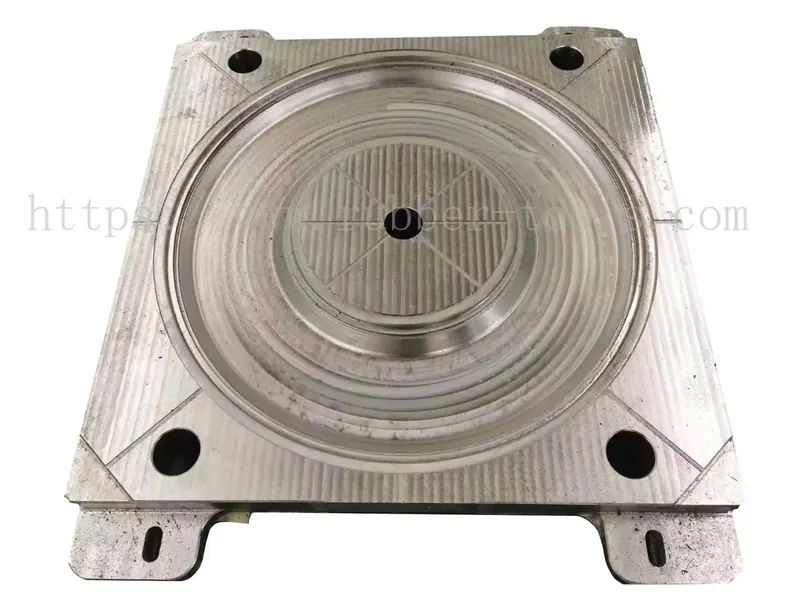
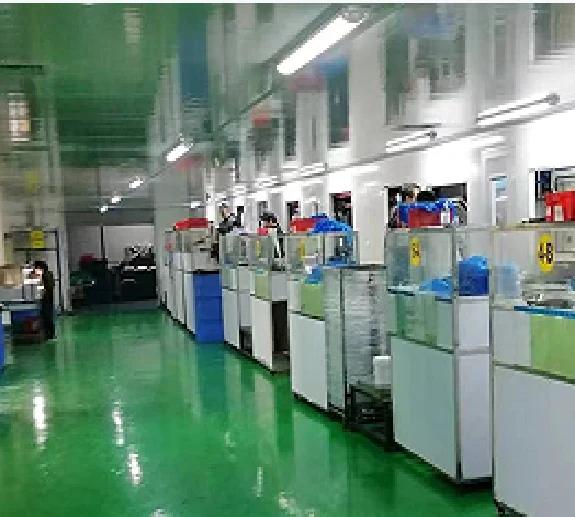
Suzhou Baoshida Trading Co., Ltd. leverages a dedicated team of seven specialized engineers to deliver advanced closed cell silicone foam formulations and tooling. Our core strength resides in the integrated collaboration between five certified Mold Engineers and two senior Rubber Formula Engineers. This cross-functional structure ensures seamless alignment from material science to production execution, eliminating siloed workflows that compromise quality in complex foam manufacturing. Our Formula Engineers possess deep expertise in silicone polymer chemistry, optimizing cross-link density, cell nucleation, and cure kinetics to achieve precise density gradients and thermal stability. Simultaneously, Mold Engineers apply computational fluid dynamics (CFD) and finite element analysis (FEA) to design tooling that controls gas diffusion, pressure distribution, and demolding integrity—critical for maintaining closed-cell structure in intricate geometries.
This synergy enables us to solve demanding industrial challenges, such as achieving uniform cell structure below 0.30 g/cm³ density while sustaining compression set resistance under continuous 200°C exposure. We implement rigorous Design for Manufacturing (DFM) protocols during prototyping, reducing time-to-market by 30% through predictive defect modeling. Every formulation undergoes accelerated aging validation per ASTM D573 and outgassing testing per ASTM E595 to guarantee performance in aerospace, automotive sealing, and medical device applications. Our zero-defect culture is enforced through real-time rheometry monitoring and automated vision inspection systems integrated into production cells.
As a certified OEM partner, we specialize in end-to-end customization—from concept validation to serial production. Clients benefit from IP-protected formula development, rapid tooling iteration (72-hour prototyping cycles), and full documentation traceability (including FDA 21 CFR Part 177 compliance for medical grades). We manage scalability from low-volume niche applications to high-volume automotive gasket lines without re-engineering delays, ensuring consistent Shore A 10–40 hardness tolerances and ±0.1mm dimensional accuracy.
Key closed cell silicone foam specifications achievable through our engineering pipeline include:
| Property | Standard Range | Test Method |
|---|---|---|
| Density | 0.20–0.60 g/cm³ | ASTM D3574 |
| Compression Set (22h/150°C) | ≤25% | ASTM D395 |
| Operating Temperature | -60°C to +250°C | ISO 188 |
| Closed Cell Content | ≥95% | ASTM D6226 |
| Tensile Strength | 0.8–2.5 MPa | ASTM D412 |
Our engineering framework transforms client specifications into validated production processes, ensuring every batch meets stringent industrial requirements for sealing integrity, thermal insulation, and long-term resilience. Partner with Baoshida for OEM solutions where material science and precision manufacturing converge.
Customization Process
Closed Cell Silicone Foam Customization Process
At Suzhou Baoshida Trading Co., Ltd., we specialize in delivering high-performance closed cell silicone foam solutions tailored to the exacting demands of industrial applications. Our structured customization process ensures precision, consistency, and compliance with OEM specifications. The journey from concept to mass production follows four critical stages: Drawing Analysis, Formulation Development, Prototyping, and Mass Production.
The process begins with comprehensive Drawing Analysis. Upon receiving technical drawings or 3D models from the client, our engineering team evaluates critical dimensions, tolerances, part geometry, and intended application environment. This includes assessing compression set requirements, thermal exposure, chemical resistance, and mechanical loading conditions. Accurate interpretation of these parameters allows us to define the performance envelope within which the foam must operate, forming the foundation for material selection and process design.
Following drawing validation, we proceed to Formulation Development. Our rubber chemists engineer custom silicone foam compounds to achieve the required physical and thermal properties. Closed cell silicone foam is inherently valued for its low thermal conductivity, excellent compression recovery, and resistance to UV, ozone, and extreme temperatures. By adjusting base polymer viscosity, crosslink density, blowing agent type, and filler loading, we fine-tune density, hardness (typically 20–60 Shore A), and cell structure uniformity. Additives may be incorporated to enhance flame resistance (e.g., UL 94 V-0 compliance) or improve adhesion for bonding applications.
Once the formulation is optimized, we initiate Prototyping. Using precision compression molding or continuous extrusion techniques, small-batch samples are produced under near-production conditions. These prototypes undergo rigorous in-house testing, including compression deflection (ASTM D575), thermal aging (ASTM D573), and closed cell content analysis (ASTM D2856). Dimensional inspection is performed using calibrated gauges and coordinate measuring equipment to ensure conformity to print. Client feedback is integrated at this stage to validate form, fit, and function.
Upon prototype approval, we transition to Mass Production. Our manufacturing lines operate under strict ISO 9001 protocols, with real-time process monitoring and batch traceability. Final products are subjected to 100% visual inspection and statistical sampling for physical property verification. We support both just-in-time delivery and bulk shipment models, ensuring seamless integration into our clients’ assembly processes.
The table below outlines typical customizable specifications for closed cell silicone foam:
| Property | Range/Options | Test Standard |
|---|---|---|
| Density | 0.3 – 0.8 g/cm³ | ASTM D3574 |
| Hardness (Shore A) | 20 – 60 | ASTM D2240 |
| Compression Set (22h, 150°C) | ≤ 20% | ASTM D395 |
| Operating Temperature | -60°C to +250°C | — |
| Closed Cell Content | ≥ 90% | ASTM D2856 |
| Flame Resistance | UL 94 HF-1, V-0 (customizable) | UL 94 |
| Standard Colors | Black, Gray, White, Custom | — |
Through this disciplined engineering workflow, Suzhou Baoshida ensures every closed cell silicone foam product meets the highest standards of industrial reliability and performance.
Contact Engineering Team
Technical Engagement for Closed Cell Silicone Foam Solutions
Suzhou Baoshida Trading Co., Ltd. operates at the forefront of industrial rubber innovation, specializing in precision-engineered closed cell silicone foam formulations for mission-critical applications. Our engineering team possesses deep expertise in tailoring cellular structure, density, and thermal stability to meet exacting OEM specifications across aerospace, medical device, and automotive sealing sectors. Unlike generic foam suppliers, we control the entire process—from raw material selection to vulcanization kinetics—ensuring reproducible performance under extreme conditions. When material failure thresholds or regulatory compliance (e.g., ISO 10993, UL 94 HF-1) define your success, our data-driven approach eliminates guesswork. We validate every batch against your functional requirements, not just nominal standards, providing certified test reports for compression set, outgassing, and fluid resistance.
As your strategic OEM partner, Suzhou Baoshida delivers more than raw materials. We optimize formulations for your production line’s cure profiles, tooling constraints, and end-use environmental exposure. Whether you require flame-retardant variants for transit interiors or ultra-low-compression-set foams for sterile medical enclosures, our chemists collaborate to balance performance with manufacturability. This includes rapid prototyping, DFMEA support, and seamless scale-up to high-volume production—all under IATF 16949 quality management. Our closed cell silicone foam consistently achieves tighter tolerances in cell uniformity and dimensional stability than industry averages, directly reducing scrap rates in automated assembly processes.
Key technical parameters for our standard closed cell silicone foam portfolio are summarized below. Custom modifications to density, durometer, or additive packages are executed within 15 working days of specification finalization.
| Property | Test Method | Typical Range | Significance for Industrial Applications |
|---|---|---|---|
| Density | ASTM D3574 | 0.35–0.85 g/cm³ | Optimizes weight-sensitive designs while maintaining structural integrity |
| Compression Set (22h/70°C) | ASTM D395 | ≤15% | Critical for long-term sealing force retention in dynamic joints |
| Hardness (Shore A) | ASTM D2240 | 15–50 | Tuned for specific deflection requirements without creep |
| Temperature Range | UL 746B | -60°C to +230°C | Sustains elasticity in cryogenic to high-heat environments |
| Closed Cell Content | ASTM D2856 | ≥95% | Prevents fluid ingression and maintains buoyancy in wet conditions |
| Tensile Strength | ASTM D412 | 1.0–2.5 MPa | Ensures handling durability during installation and service life |
Initiate your next-generation sealing or insulation project with Suzhou Baoshida’s engineering team. Contact Mr. Boyce, our dedicated OEM Manager, directly at [email protected] to discuss material specifications, request physical samples, or schedule a technical consultation. Mr. Boyce holds 12 years of experience in silicone compounding and will provide a detailed feasibility assessment within 48 business hours of receiving your requirements. Include your target application, environmental stressors, and dimensional constraints to accelerate our response. For urgent prototyping needs, reference project code SCF-ENG2024 in your correspondence to prioritize lab allocation. Suzhou Baoshida guarantees technical confidentiality under NDA and adheres to strict IP protection protocols for all collaborative developments. Do not settle for off-the-shelf foam compromises—engineer reliability with Suzhou Baoshida.
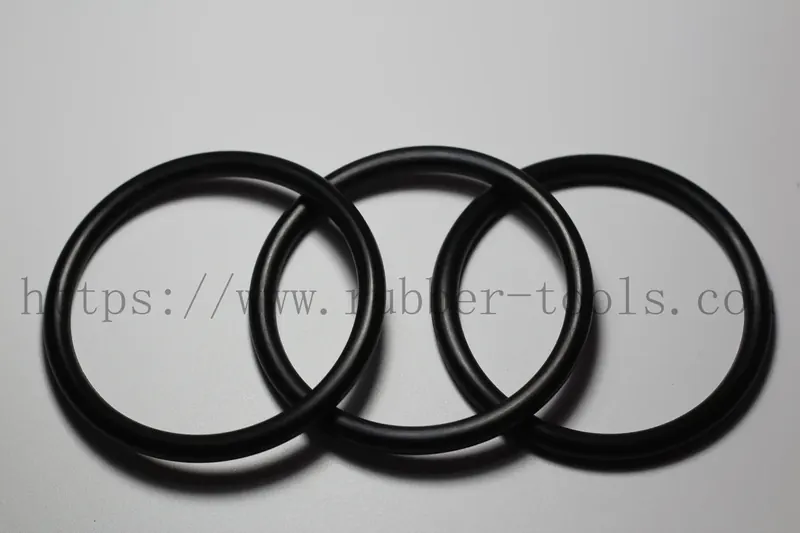
⚖️ O-Ring Weight Calculator
Estimate rubber O-ring weight (Approx).