Ptfe Teflon Film Manufacturer | Engineering Guide

Engineering Guide: Ptfe Teflon Film

ptfe teflon film manufacturing

Engineering Insight: PTFE Teflon Film – The Critical Role of Material Selection

In industrial applications involving sealing, insulation, and chemical resistance, PTFE (polytetrafluoroethylene) Teflon film remains a material of choice due to its exceptional thermal stability, low coefficient of friction, and near-universal chemical inertness. However, despite its robust reputation, field failures of PTFE-based components are not uncommon—particularly when off-the-shelf solutions are deployed without rigorous evaluation of operational parameters. At Suzhou Baoshida Trading Co., Ltd., we emphasize that successful integration of PTFE Teflon film into engineered systems begins not with procurement, but with precise material selection aligned to application-specific demands.

Standard-grade PTFE films, while cost-effective, are often manufactured for general-purpose use and may lack the structural integrity required under extreme conditions. For instance, unmodified PTFE exhibits cold flow or creep under sustained load—a behavior that compromises seal integrity in high-pressure flange systems. Similarly, standard films may degrade prematurely when exposed to ionizing radiation, ultra-high vacuum environments, or cyclic thermal loading. These limitations are frequently overlooked when engineers opt for commoditized solutions without considering long-term performance degradation.

Material selection must account for mechanical stress, thermal cycling, chemical exposure, and dimensional stability. Virgin PTFE film offers excellent purity and dielectric properties, making it ideal for semiconductor and electrical insulation applications. However, in dynamic sealing environments such as reciprocating shafts or pneumatic actuators, filled PTFE variants—reinforced with glass, carbon, or graphite—are often required to reduce wear and improve creep resistance. The inclusion of fillers alters both thermal conductivity and frictional behavior, necessitating system-level validation.

Furthermore, manufacturing processes significantly influence film performance. Skiving, ram extrusion, and paste extrusion produce films with different molecular orientations and density profiles. Skived films, for example, exhibit superior tensile strength and are preferred in gasketing applications, whereas paste-extruded films offer greater flexibility for wrapping or lining purposes. Selecting the wrong form can result in delamination, cracking, or inadequate conformability.

At Suzhou Baoshida Trading Co., Ltd., we support OEMs with application-driven material engineering, offering customized PTFE formulations and processing methods tailored to operational environments. Our technical team collaborates with clients to evaluate load profiles, media compatibility, and lifecycle expectations—ensuring that the selected PTFE film performs reliably under real-world conditions.

The following table outlines key performance characteristics of common PTFE Teflon film types:

Property Virgin PTFE Film Glass-Filled PTFE Graphite-Filled PTFE Carbon-Filled PTFE
Continuous Use Temperature -200°C to +260°C -200°C to +260°C -200°C to +300°C -200°C to +300°C
Tensile Strength (MPa) 20–35 15–25 20–30 25–35
Elongation at Break (%) 300–400 150–250 200–300 200–280
Coefficient of Friction 0.05–0.10 0.10–0.15 0.12–0.18 0.10–0.14
Creep Resistance Low Moderate High High
Chemical Resistance Excellent Good Good Good

Understanding these distinctions is essential to avoiding premature failure and ensuring long-term reliability in demanding industrial environments.


Material Specifications

ptfe teflon film manufacturing

Material Specifications for PTFE Teflon Film Applications

PTFE Teflon film serves as a critical barrier and sealing material in demanding industrial environments due to its exceptional chemical inertness, thermal stability, and low coefficient of friction. When integrated into composite structures or used as standalone liners, the performance of PTFE film is significantly influenced by the elastomeric substrate it interfaces with. At Suzhou Baoshida Trading Co., Ltd., our engineering team emphasizes precise material pairing to ensure optimal functionality in OEM manufacturing processes. Selecting the appropriate elastomer—Viton, Nitrile, or Silicone—requires rigorous evaluation of operational parameters including temperature extremes, fluid exposure, and mechanical stress.

The substrate elastomer must complement PTFE’s inherent properties without compromising its integrity during curing, installation, or service life. Viton fluoroelastomers offer superior resistance to high temperatures and aggressive chemicals like fuels and acids, making them ideal for aerospace and chemical processing applications. Nitrile rubber provides cost-effective resilience against oils and hydraulic fluids but exhibits limitations in ozone and high-temperature environments. Silicone elastomers deliver exceptional flexibility across extreme cold temperatures and biocompatibility for medical or food-grade uses, though they lack robustness against hydrocarbons. Material selection directly impacts critical factors such as compression set, tensile strength retention, and interfacial adhesion with PTFE film.

Our OEM validation protocols require matching elastomer specifications to the end-use conditions documented in client technical dossiers. Precision in Shore A hardness, elongation at break, and fluid immersion performance ensures the composite assembly maintains dimensional stability and sealing efficacy under cyclic loads. Below is a comparative analysis of key elastomer properties relevant to PTFE film integration.

Material Comparison for PTFE Film Substrates

Property Viton (FKM) Nitrile (NBR) Silicone (VMQ)
Temperature Range (°C) -20 to +230 -40 to +120 -60 to +200
Tensile Strength (MPa) 12–18 15–20 5–8
Elongation at Break (%) 150–250 200–400 200–600
Fluid Resistance Excellent (fuels, acids) Excellent (oils, water) Poor (hydrocarbons)
Compression Set (22h/150°C) 15–25% 20–35% 10–20%
Hardness Range (Shore A) 60–90 50–90 30–80
Key Limitation Cost, low-temperature flexibility Poor ozone/weathering resistance Low tear strength

Suzhou Baoshida Trading Co., Ltd. leverages this material science framework to guide clients toward substrate-elastomer pairings that maximize PTFE film performance. For instance, Viton is mandated for jet engine fuel systems exceeding 200°C, while Nitrile suffices for automotive transmission seals below 120°C. Silicone substrates are specified only when biocompatibility or cryogenic flexibility is paramount, with PTFE film enhancing chemical resistance. Our technical team conducts ASTM D2000-compliant testing to validate material compatibility, ensuring OEM production lines avoid costly field failures. Precision demands that elastomer specifications align exactly with the operational envelope—deviations in hardness or fluid resistance can induce delamination or permeation. Partner with our engineering department to define material callouts that secure your application’s longevity and regulatory compliance.


Manufacturing Capabilities

Engineering Capability: Precision-Driven Development for PTFE Teflon Film Applications

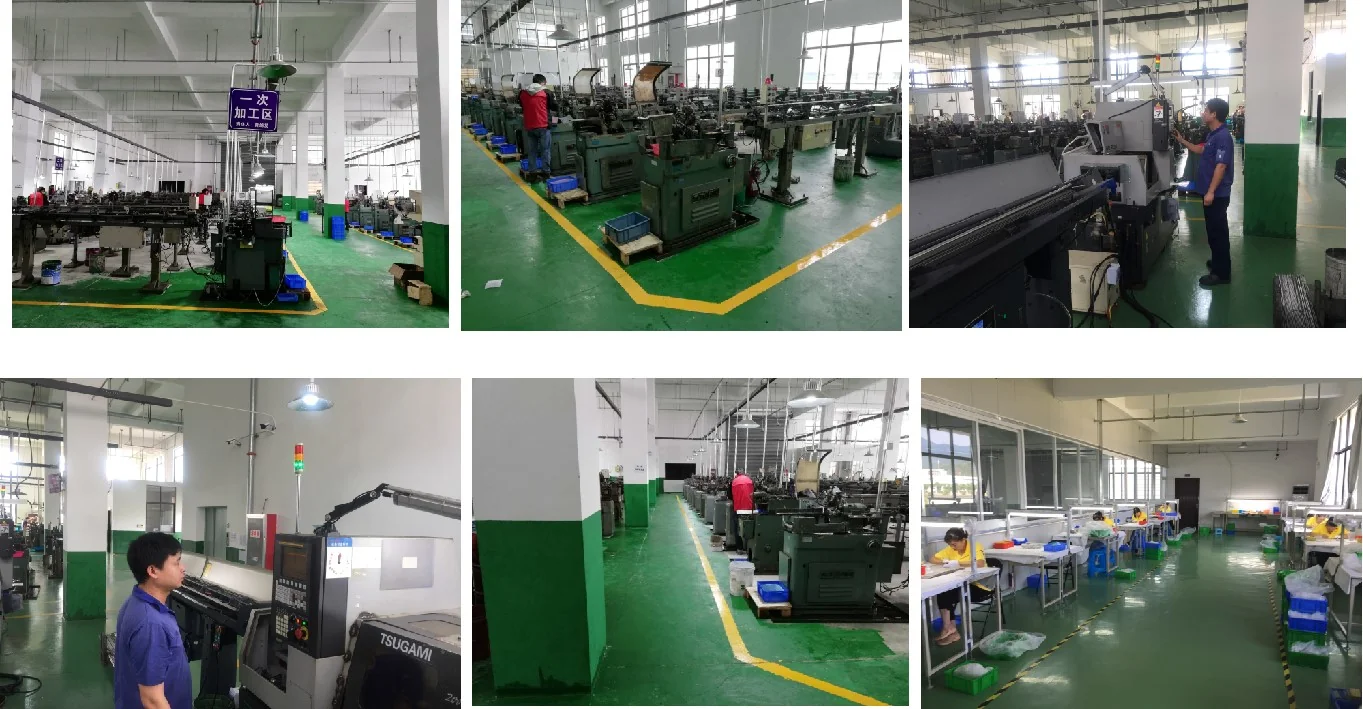
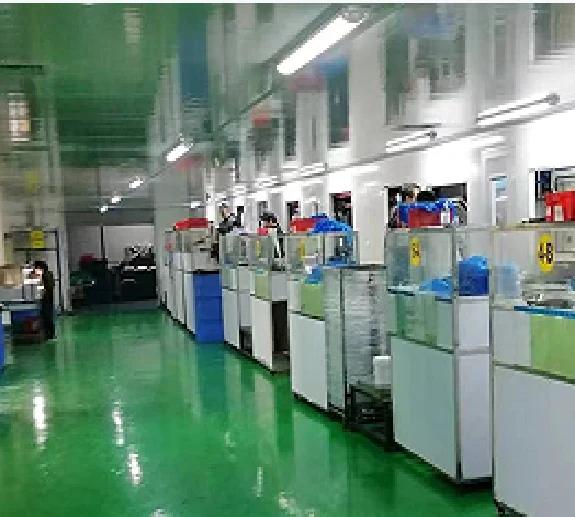
At Suzhou Baoshida Trading Co., Ltd., our engineering capability forms the backbone of our industrial rubber solutions, particularly in the development and customization of PTFE (polytetrafluoroethylene) Teflon film for demanding OEM applications. With a dedicated team of five specialized mould engineers and two advanced formula engineers, we integrate material science with precision manufacturing to deliver high-performance fluoropolymer films tailored to exact client specifications.

Our formula engineers possess deep expertise in polymer chemistry, focusing exclusively on fluoropolymer systems such as PTFE, modified PTFE, and filled composites. They are responsible for designing and optimizing resin formulations that enhance critical performance attributes, including thermal stability, chemical resistance, dielectric strength, and low friction coefficients. By adjusting filler types—such as glass fiber, graphite, bronze, or carbon—and controlling molecular weight distribution, our team ensures that each PTFE film meets the functional requirements of industries ranging from semiconductor manufacturing to aerospace sealing systems.

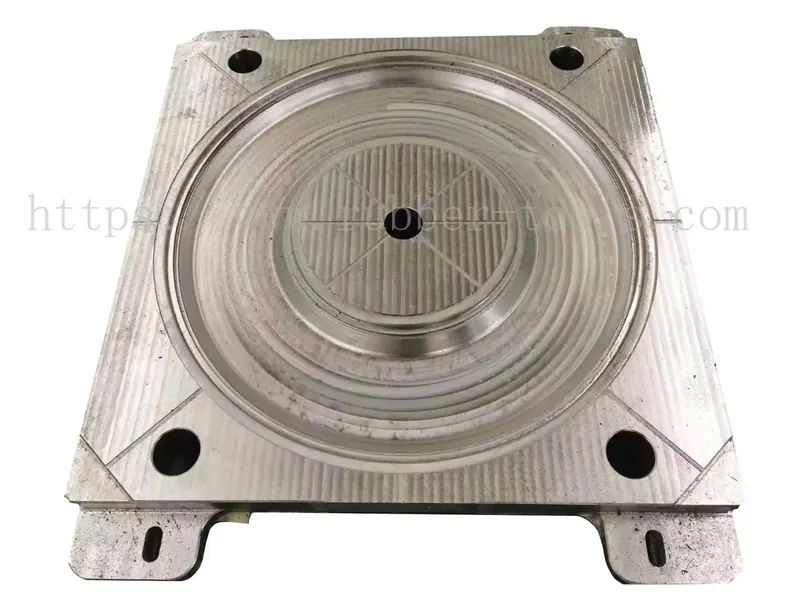
Complementing our formulation expertise, our five mould engineers specialize in precision tooling design and process optimization for both compression and isostatic moulding of PTFE films. They utilize advanced CAD/CAM software and finite element analysis (FEA) to simulate flow behavior, minimize internal stresses, and ensure uniform density across large-format or ultra-thin film profiles. This synergy between material formulation and mould engineering enables us to produce PTFE films with exceptional dimensional accuracy, surface finish, and mechanical consistency.

Our OEM capabilities are built on a foundation of collaborative engineering. We work directly with clients during the design phase to refine material selection, evaluate performance under real-world conditions, and implement cost-effective manufacturing strategies. From prototyping to full-scale production, we maintain strict process controls and traceability, ensuring batch-to-batch repeatability and compliance with international standards such as ASTM D4894 and ISO 13000 for PTFE materials.

All manufacturing and testing processes are conducted in-house, allowing rapid iteration and reduced time-to-market. Our facility supports custom thicknesses ranging from 0.05 mm to 3.0 mm, with widths up to 1,000 mm, and the ability to produce both standard and complex geometries through precision skiving and calendering techniques.

The following table outlines the typical technical specifications achievable with our engineered PTFE Teflon film products:

Property Standard PTFE Film Filled PTFE Film (e.g., 15% Glass) Test Method
Density (g/cm³) 2.14 – 2.20 2.20 – 2.30 ASTM D792
Tensile Strength (MPa) ≥ 20 ≥ 25 ASTM D638
Elongation at Break (%) ≥ 200 ≥ 150 ASTM D638
Operating Temperature (°C) -200 to +260 -200 to +280 ASTM D149
Dielectric Strength (kV/mm) ≥ 60 ≥ 50 ASTM D149
Coefficient of Friction 0.05 – 0.10 0.08 – 0.12 ASTM D1894

Through integrated material and mould engineering, Suzhou Baoshida delivers PTFE Teflon film solutions that combine scientific rigor with industrial reliability, enabling OEMs to achieve superior performance in critical sealing, insulation, and wear applications.


Customization Process

ptfe teflon film manufacturing

PTFE Teflon Film Customization Process: Precision Engineering for Industrial Applications

Suzhou Baoshida Trading Co., Ltd. implements a rigorously defined four-stage customization protocol for PTFE Teflon film manufacturing. This systematic approach ensures absolute alignment between client specifications and final product performance within demanding industrial environments. The process begins with comprehensive Drawing Analysis. Our engineering team conducts a meticulous review of client-provided technical drawings and dimensional schematics. Critical parameters including thickness tolerances, width consistency, surface finish requirements, and edge integrity specifications undergo stringent validation against PTFE material behavior and processing capabilities. Any potential ambiguities or geometric constraints incompatible with PTFE extrusion or sintering are identified and resolved collaboratively with the client at this stage, preventing downstream production deviations.

Subsequent to drawing validation, the Formulation phase commences. Our rubber formula engineers leverage proprietary compound databases and deep material science expertise to develop the precise PTFE resin blend. This stage focuses on optimizing molecular weight distribution, filler content (if applicable for modified grades), and processing aids to achieve the target mechanical properties, thermal stability, chemical resistance, and electrical characteristics specified by the client. Formulation adjustments are scientifically validated through rheological testing to ensure optimal flow during extrusion and consistent sintering behavior, directly impacting film uniformity and end-use reliability.

Prototyping follows formulation finalization, utilizing dedicated low-volume production tooling. We manufacture physical film samples under controlled process conditions mirroring intended mass production parameters. These prototypes undergo exhaustive in-house testing per ASTM D1457 and client-specific protocols. Dimensional accuracy, tensile strength, elongation at break, dielectric strength, and thermal decomposition temperature are rigorously measured. Client feedback on prototype performance is integrated, and iterative refinements to the process window or formulation are made until all specifications are met with statistical confidence.

Upon successful prototype validation, seamless transition to Mass Production occurs. Production runs are executed on calibrated industrial-scale extrusion and sintering lines under strict ISO 9001 quality management. Real-time process monitoring of temperature profiles, line speed, and tension control ensures batch-to-batch consistency. Every roll undergoes 100% inspection for visual defects and spot-check verification of critical physical properties. Comprehensive traceability protocols link each production batch to its specific formulation record and process parameters, guaranteeing repeatability essential for OEM integration.

Key customizable PTFE film specifications managed within this process include:

Parameter Standard Range Precision Capability Critical Application Impact
Thickness 0.025 mm – 0.50 mm ±0.005 mm Electrical insulation, sealing force
Width Tolerance Up to 1500 mm ±0.1 mm Automated assembly line integration
Melting Point 327°C (Inherent Property) N/A High-temperature operational safety
Dielectric Strength 60 kV/mm min >75 kV/mm achievable High-voltage component reliability
Continuous Use Temp -200°C to +260°C Verified per batch Cryogenic & extreme heat processes

This scientifically grounded customization pathway, from initial drawing scrutiny through validated mass production, delivers PTFE Teflon films meeting the exacting demands of advanced industrial sealing, electrical insulation, and chemical barrier applications. Suzhou Baoshida guarantees material integrity and dimensional precision at every phase.


Contact Engineering Team

ptfe teflon film manufacturing

For industrial manufacturers seeking high-performance solutions in fluoropolymer materials, Suzhou Baoshida Trading Co., Ltd. stands at the forefront of precision-engineered PTFE (Teflon) film supply. As a trusted OEM partner in the Industrial Rubber Solutions sector, we specialize in delivering consistent, high-purity PTFE films tailored to meet stringent application requirements across aerospace, automotive, electronics, and chemical processing industries. Our commitment to material integrity, dimensional accuracy, and technical support ensures that every product shipped meets exacting global standards.

PTFE film, known for its exceptional chemical inertness, thermal stability, and low coefficient of friction, is a critical component in sealing, insulation, and release applications. At Suzhou Baoshida, we offer a full range of standard and custom-calendered PTFE films, available in multiple thicknesses, widths, and surface finishes. Whether you require non-stick liners for industrial machinery, dielectric layers in high-frequency circuitry, or corrosion-resistant membranes for aggressive environments, our formulations are engineered for reliability and long-term performance.

We understand that industrial procurement demands more than just product availability—it requires technical collaboration. Our engineering team works directly with clients to assess operational conditions, environmental exposure, and mechanical stress factors to recommend the optimal PTFE film configuration. From raw material sourcing to final inspection, every batch undergoes rigorous quality control, including tensile strength testing, dielectric verification, and thickness uniformity checks, ensuring compliance with ISO 9001 standards.

To facilitate seamless integration into your manufacturing workflow, we provide comprehensive technical documentation, including material safety data sheets (MSDS), compliance certifications (RoHS, REACH), and performance test reports. Our global logistics network ensures timely delivery to OEMs and Tier suppliers across North America, Europe, and Asia, backed by responsive after-sales support and inventory management solutions.

For immediate technical consultation or sample requests, contact Mr. Boyce, OEM Account Manager at Suzhou Baoshida Trading Co., Ltd. Mr. Boyce brings over a decade of experience in industrial polymer applications and serves as the primary liaison for engineering-driven clients requiring customized PTFE film solutions. He is available to discuss material specifications, volume pricing, and qualification support for new product introductions.

Reach out via email at [email protected] to initiate a technical dialogue. Include your application details, performance requirements, and preferred sample dimensions to expedite the evaluation process. Our team responds to all inquiries within 12 business hours and can provide rapid prototyping support for time-sensitive development cycles.

Below are key technical specifications for our standard PTFE film offerings:

Property Value Test Method
Specific Gravity 2.15–2.20 g/cm³ ASTM D792
Tensile Strength (MD) ≥25 MPa ASTM D882
Elongation at Break ≥250% ASTM D882
Dielectric Strength 60 kV/mm ASTM D149
Continuous Use Temperature -200°C to +260°C ASTM D618
Coefficient of Friction 0.05–0.10 (dynamic) ASTM D1894
Thickness Range 0.03 mm – 0.50 mm ISO 2586

Partner with Suzhou Baoshida for technically superior PTFE film solutions engineered for industrial excellence. Contact Mr. Boyce today to advance your next-generation manufacturing project.


⚖️ O-Ring Weight Calculator

Estimate rubber O-ring weight (Approx).


Ptfe Teflon Film Manufacturer | Engineering Guide

Contents of Table

Contact [email protected] Whatsapp 86 15951276160