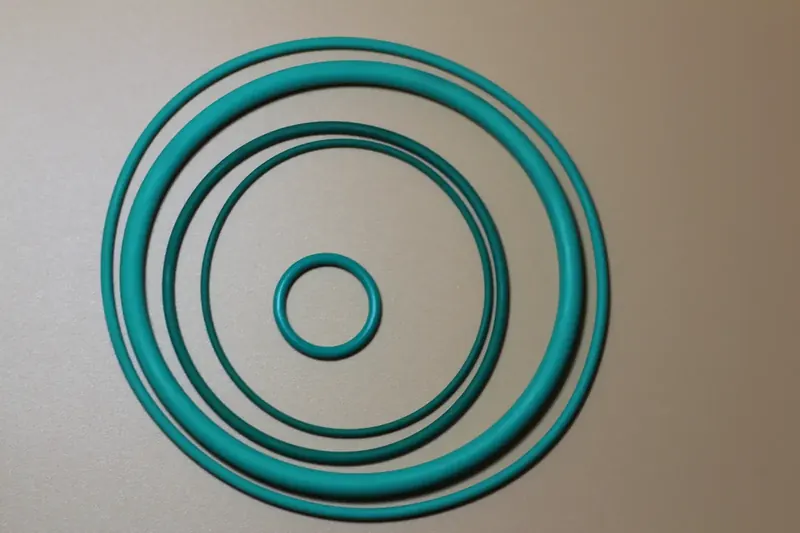
Rubber Sheeting For Beds Manufacturer | Engineering Guide

Engineering Guide: Rubber Sheeting For Beds

rubber sheeting for beds manufacturing

Engineering Insight: Material Selection in Rubber Sheeting for Beds

In industrial and commercial applications, rubber sheeting for beds is far more than a passive lining—it is a critical engineered component designed to withstand dynamic mechanical loads, environmental exposure, and long-term fatigue. At Suzhou Baoshida Trading Co., Ltd., we emphasize that material selection is the cornerstone of performance, durability, and cost efficiency. Off-the-shelf rubber sheets, while readily available and seemingly economical, often fail to meet the rigorous demands of specialized bedding systems due to inadequate formulation, inconsistent quality control, and mismatched physical properties.

Generic rubber sheets are typically formulated for general-purpose use, such as gaskets or flooring, and lack the tailored resilience required for bed support structures. These structures are subjected to cyclic compression, shear stress, and variable temperature conditions. Standard materials like reclaimed rubber or low-grade SBR (Styrene-Butadiene Rubber) degrade prematurely under such loads, leading to cracking, permanent deformation, and loss of load-bearing capacity. Moreover, many commercial sheets exhibit poor resistance to ozone, UV radiation, and microbial growth—factors that accelerate material breakdown in both indoor and outdoor environments.

The failure of off-the-shelf solutions is often rooted in compromised polymer architecture. High-performance bedding applications demand precise control over durometer hardness, tensile strength, elongation at break, and compression set. For instance, a durometer that is too low results in excessive sagging, while one that is too high reduces comfort and shock absorption. Similarly, poor elongation characteristics increase the risk of tearing during installation or under operational stress.

At Suzhou Baoshida, we engineer rubber sheeting using premium virgin compounds, including EPDM, Nitrile (NBR), and specialized blends of natural rubber with reinforcing fillers. These materials are selected based on application-specific requirements such as load distribution, vibration damping, and environmental resistance. Our formulations undergo rigorous testing to ensure consistency in thickness, hardness, and aging performance.

Below is a comparison of typical off-the-shelf rubber versus our engineered rubber sheeting for beds:

Property Off-the-Shelf SBR Sheet Engineered EPDM/NR Blend (Baoshida)
Durometer Hardness (Shore A) 50–60 60–70 (customizable)
Tensile Strength (MPa) 8–10 15–18
Elongation at Break (%) 250–300 400–500
Compression Set (22h, 70°C) 25–30% <15%
Ozone Resistance Poor Excellent
Service Temperature Range -10°C to +70°C -40°C to +120°C
Expected Service Life 1–3 years 8–12 years

The data underscores the performance gap between generic and engineered solutions. By investing in properly specified rubber compounds, OEMs and industrial partners mitigate long-term maintenance costs, reduce downtime, and enhance end-user satisfaction. Material selection is not a cost center—it is a strategic decision that defines the functional lifespan of the entire system.


Material Specifications

rubber sheeting for beds manufacturing

Material Specifications for Industrial Rubber Sheeting in Bed Applications

Suzhou Baoshida Trading Co., Ltd. provides precision-engineered rubber sheeting solutions for medical, therapeutic, and industrial bed systems. These applications demand rigorous material performance under cyclic loading, chemical exposure, and stringent hygiene protocols. Our formulations prioritize compression set resistance, dimensional stability, and compliance with ISO 10993 and USP Class VI biocompatibility standards. Below we detail critical specifications for Viton, Nitrile, and Silicone compounds, optimized for structural integrity in bed frames, actuator seals, and patient-contact surfaces.

Nitrile (NBR) rubber sheeting delivers cost-effective resilience in dynamic bed mechanisms. Standard formulations achieve 15–25 MPa tensile strength (ASTM D412) and 40–90 Shore A hardness (ASTM D2240), with operational stability from -30°C to 100°C. Its acrylonitrile content (33–50%) directly enhances resistance to hydraulic fluids, aliphatic hydrocarbons, and common disinfectants like isopropyl alcohol. Compression set remains below 25% after 70 hours at 100°C (ASTM D395), ensuring long-term seal integrity in adjustable bed actuators. NBR’s abrasion resistance (DIN 53516: 80–110 mm³ loss) further supports durability in high-friction pivot points.

Silicone (VMQ) sheeting excels in patient-contact zones requiring biocompatibility and extreme temperature tolerance. Our medical-grade compounds exhibit 6–12 MPa tensile strength and 30–80 Shore A hardness, functioning reliably from -60°C to 230°C. Low compression set (≤15% at 150°C) prevents permanent deformation in cushioning layers, while platinum-cured variants meet FDA 21 CFR 177.2600 for repeated skin exposure. Silicone inherently resists ozone, UV degradation, and polar solvents but requires reinforcement for tensile performance in load-bearing components.

Viton (FKM) sheeting serves niche applications involving aggressive chemical sterilization. With 8–15 MPa tensile strength and 60–85 Shore A hardness, it withstands temperatures up to 230°C and resists concentrated acids, ketones, and steam autoclaving. However, its high cost and lower flexibility limit use to critical seals exposed to ethylene oxide or peracetic acid sterilants. Compression set typically ranges 15–25% at 200°C, demanding precise thickness calibration for thin-sheet applications.

The following table summarizes comparative performance metrics for industrial bed sheeting:

Property Nitrile (NBR) Silicone (VMQ) Viton (FKM)
Temperature Range (°C) -30 to 100 -60 to 230 -20 to 230
Tensile Strength (MPa) 15–25 6–12 8–15
Hardness Range (Shore A) 40–90 30–80 60–85
Compression Set (%)* ≤25 ≤15 15–25
Key Chemical Resistance Hydraulic fluids, alcohols Ozone, steam, polar solvents Acids, ketones, steam
Primary Bed Application Actuator seals, structural gaskets Patient-contact pads, cushioning Sterilization-critical seals

*Tested per ASTM D395 at max continuous temperature.

Material selection must align with operational stressors: NBR for cost-sensitive mechanical components, Silicone for biocompatible surfaces, and Viton only when chemical exposure justifies its premium. Suzhou Baoshida’s OEM capabilities include custom durometer tuning, antimicrobial additives, and precision extrusion to ±0.1 mm thickness tolerances. All compounds undergo batch-specific validation per ASTM D2000 quality standards, ensuring repeatability in high-volume medical bed manufacturing. Consult our engineering team to optimize formulations for your specific load cycles and regulatory requirements.


Manufacturing Capabilities

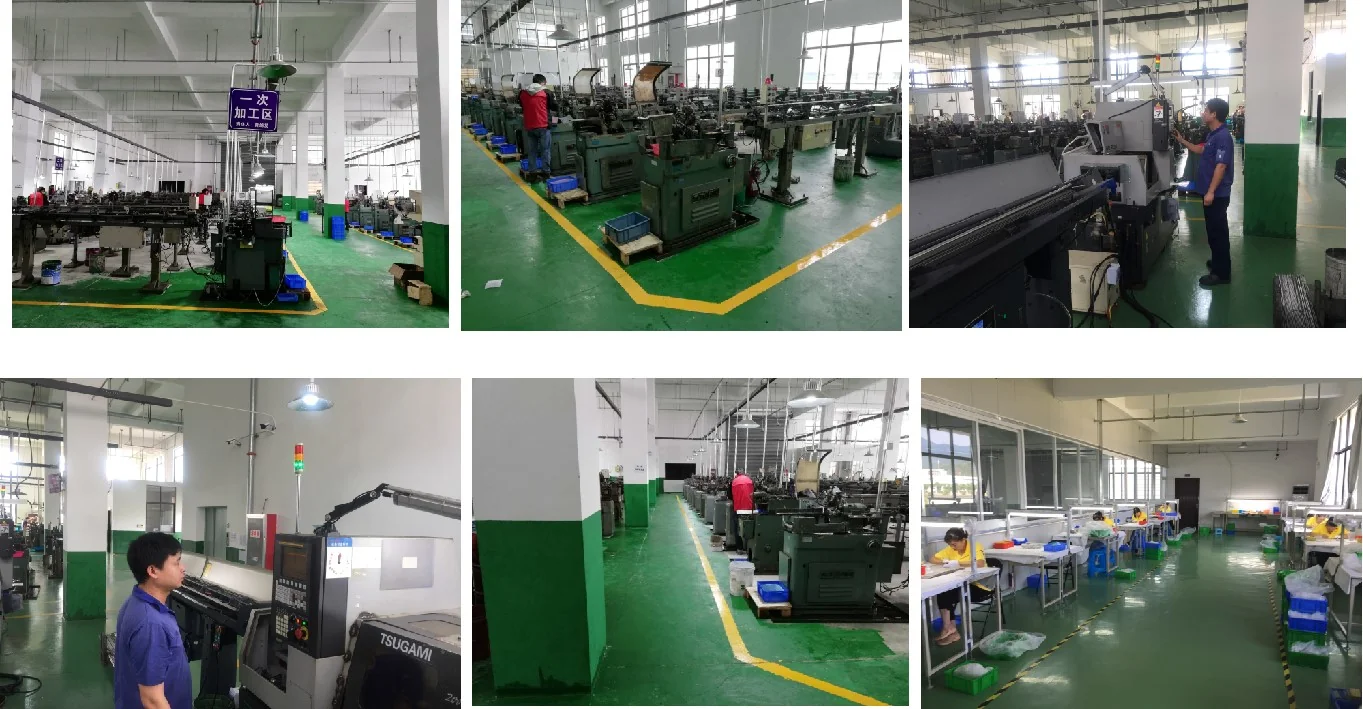
Suzhou Baoshida Trading Co., Ltd. operates at the forefront of industrial rubber solutions, delivering engineered rubber sheeting products tailored specifically for demanding applications, including rubber sheeting for beds used in medical, rehabilitation, and long-term care environments. Our engineering capability forms the backbone of product innovation, performance reliability, and customization precision. With a dedicated team comprising five experienced mould engineers and two specialized rubber formula engineers, we maintain full control over material science and manufacturing design, ensuring every product meets rigorous functional and regulatory standards.

Our formula engineers focus on polymer chemistry, compounding, and performance optimization to develop rubber formulations that balance elasticity, durability, compression set resistance, and biocompatibility. This is particularly critical in bed sheeting applications where materials must resist repeated mechanical stress, maintain hygiene, and avoid degradation under prolonged use. We formulate with a range of elastomers, including natural rubber (NR), styrene-butadiene rubber (SBR), and ethylene propylene diene monomer (EPDM), selecting base polymers and additives based on end-use requirements such as flame retardancy, antimicrobial properties, or low outgassing.

Complementing our material expertise, our five in-house mould engineers specialize in precision tooling design, finite element analysis (FEA), and rapid prototyping. They ensure that rubber sheet geometries are optimized for uniform thickness, consistent durometer, and seamless integration with support frames or mattress systems. Utilizing CAD/CAM software and CNC machining, our team develops custom moulds that support both small-batch prototyping and high-volume production, minimizing cycle times and maximizing dimensional accuracy.

We offer comprehensive OEM services, enabling healthcare equipment manufacturers and industrial designers to co-develop rubber sheeting solutions from concept to mass production. Our vertical integration allows for agile iteration, accelerated time-to-market, and strict adherence to ISO 9001 quality management protocols. Every OEM project undergoes rigorous material testing, including tensile strength, elongation at break, tear resistance, and accelerated aging, to ensure long-term performance.

The following table outlines typical technical specifications for our rubber sheeting used in bed applications:

Property Test Method Typical Value
Hardness (Shore A) ASTM D2240 40–70
Tensile Strength ASTM D412 ≥12 MPa
Elongation at Break ASTM D412 ≥300%
Compression Set (22h, 70°C) ASTM D395 ≤25%
Tear Resistance ASTM D624 ≥25 kN/m
Flame Resistance UL 94 HB or V-0 (custom)
Biocompatibility ISO 10993 Available on request

Through a fusion of advanced material science and precision engineering, Suzhou Baoshida delivers rubber sheeting solutions that meet the exacting demands of modern healthcare infrastructure. Our OEM partnerships are built on technical transparency, scalable manufacturing, and a commitment to performance excellence.


Customization Process

rubber sheeting for beds manufacturing

Customization Process for Industrial Rubber Bed Sheeting

At Suzhou Baoshida Trading Co., Ltd., our customization process for rubber sheeting in bed applications integrates rigorous engineering protocols to ensure material performance aligns with functional and regulatory demands. This four-phase workflow begins with Drawing Analysis, where engineering teams dissect client-provided CAD files or technical schematics. Critical dimensions, tolerances, and interface points are validated against ISO 2768-mK standards for geometric precision. We prioritize identifying stress concentration zones and sealing requirements specific to bed frame integration, ensuring the rubber component accommodates dynamic loads while maintaining dimensional stability under compression. Material thickness deviations exceeding ±0.3 mm trigger collaborative redesign consultations to prevent end-use failure.

Subsequent Formulation leverages our material science database to select base polymers and additives. For medical or hospitality bed sheeting, EPDM or nitrile compounds are optimized for ozone resistance, low-temperature flexibility, and non-marking surfaces. Hardness is tuned between 40–70 Shore A to balance patient comfort with structural support, while flame retardants (e.g., magnesium hydroxide) are incorporated to meet UL 94 V-0 or EN 1021-2 standards. Each formulation undergoes computational modeling to predict compression set (<25% per ASTM D395) and thermal aging behavior, minimizing trial iterations.

Prototyping employs precision extrusion or calendering to produce 3–5 sample batches. Physical validation includes accelerated aging tests (70°C for 72 hours), tensile strength verification, and biocompatibility screening per ISO 10993-5 for skin-contact applications. Clients receive test reports detailing durometer variance, elongation at break, and odor emission levels. Iterative adjustments continue until all parameters conform to the agreed specification sheet, typically within 10–15 business days.

Mass Production initiates only after client sign-off on prototypes. Our Suzhou facility utilizes closed-mixing systems with real-time rheometer monitoring to maintain batch consistency. Every production run undergoes 100% visual inspection for surface defects and statistical sampling for physical properties. Traceability is enforced via laser-etched batch codes linked to raw material certificates and process logs, ensuring full ISO 9001:2015 compliance. Production scalability ranges from 500 to 50,000+ linear meters monthly, with JIT delivery coordination for global OEM partners.

Key material specifications for bed sheeting applications are standardized as follows:

Parameter Test Standard Target Range Significance
Hardness (Shore A) ASTM D2240 45–65 Comfort support & compression recovery
Tensile Strength ASTM D412 ≥12 MPa Durability against tearing
Elongation at Break ASTM D412 ≥300% Flexibility during installation
Compression Set (22h) ASTM D395 ≤20% Long-term shape retention
Flame Resistance EN 1021-2 Pass Safety compliance for public spaces
Biocompatibility ISO 10993-5 Non-cytotoxic Skin-contact safety

This structured approach guarantees that rubber sheeting solutions meet the exact mechanical, regulatory, and ergonomic requirements of modern bed manufacturing, reducing client time-to-market while eliminating field failure risks. Suzhou Baoshida’s OEM partnership model emphasizes co-engineering from specification to量产, delivering precision rubber components that enhance product lifecycle performance.


Contact Engineering Team

rubber sheeting for beds manufacturing

For industrial manufacturers and OEM partners seeking high-performance rubber sheeting solutions tailored for specialized applications such as medical, rehabilitation, and therapeutic support systems—including rubber sheeting for beds—Suzhou Baoshida Trading Co., Ltd. stands as a trusted leader in precision rubber engineering. Our advanced material science, combined with rigorous quality control and global supply chain efficiency, ensures that every product meets the exact mechanical, thermal, and chemical demands of your application.

At Suzhou Baoshida, we specialize in custom-formulated rubber compounds designed for durability, resilience, and long-term performance under continuous load and dynamic stress. Our rubber sheeting is engineered to deliver optimal compression set resistance, tensile strength, and environmental stability—critical factors in bedding and support systems where comfort, hygiene, and structural integrity are paramount. Whether you require nitrile (NBR), ethylene propylene diene monomer (EPDM), silicone, or natural rubber compounds, our formulations are adjustable for hardness, thickness, color, and surface finish to align with your technical and regulatory requirements.

We understand that industrial buyers operate under tight timelines, strict compliance standards, and cost-sensitive environments. That’s why our manufacturing process integrates lean production methodologies and real-time quality monitoring to ensure batch-to-batch consistency and on-time delivery. Our rubber sheets are produced under ISO 9001-certified practices and can be supplied with full material traceability, including RoHS and REACH compliance documentation upon request.

To support seamless integration into your production workflow, we offer precision cutting, lamination, and custom packaging options. Our technical team works directly with OEMs to optimize material selection and reduce total cost of ownership without compromising performance.

For immediate technical consultation or to request a sample of our rubber sheeting for beds, contact Mr. Boyce, Rubber Formula Engineer and OEM Manager at Suzhou Baoshida Trading Co., Ltd. Mr. Boyce brings over a decade of experience in industrial rubber formulation and client-driven product development. He is available to discuss your project specifications, recommend the optimal compound, and provide a detailed quotation tailored to your volume and performance needs.

Reach out via email at [email protected] to initiate a technical dialogue. Include your material requirements, target application details, and any relevant drawings or performance criteria to expedite the evaluation process. Our team responds to all inquiries within 24 business hours.

Below are typical specifications for our standard rubber sheeting used in therapeutic and support bed systems. All parameters are customizable based on OEM requirements.

Property Test Method Typical Value
Hardness (Shore A) ASTM D2240 40–80 ±5
Tensile Strength ASTM D412 ≥10 MPa
Elongation at Break ASTM D412 ≥250%
Compression Set (22h, 70°C) ASTM D395B ≤25%
Thickness Tolerance ISO 3302 ±0.2 mm (for 2–10 mm)
Temperature Range -40°C to +120°C (varies by compound)
Color Options Black, White, Gray, Custom

Partner with Suzhou Baoshida for engineered rubber solutions that deliver reliability, scalability, and precision. Contact Mr. Boyce today to advance your next-generation bedding or support system with high-performance rubber sheeting.


⚖️ O-Ring Weight Calculator

Estimate rubber O-ring weight (Approx).


Rubber Sheeting For Beds Manufacturer | Engineering Guide

Contents of Table

Contact [email protected] Whatsapp 86 15951276160