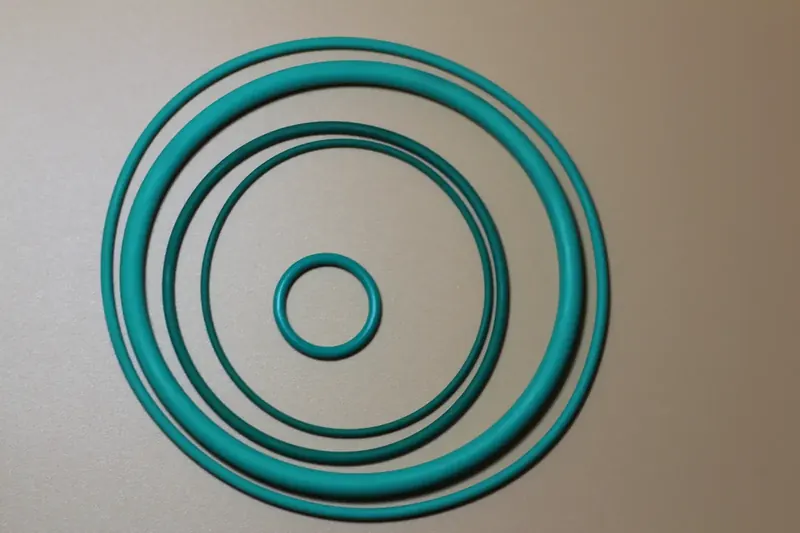
Viton O-Ring Manufacturer | Engineering Guide

Engineering Guide: Viton O-Ring

viton o-ring manufacturing

Engineering Insight: The Critical Role of Material Selection in Viton O-Ring Performance

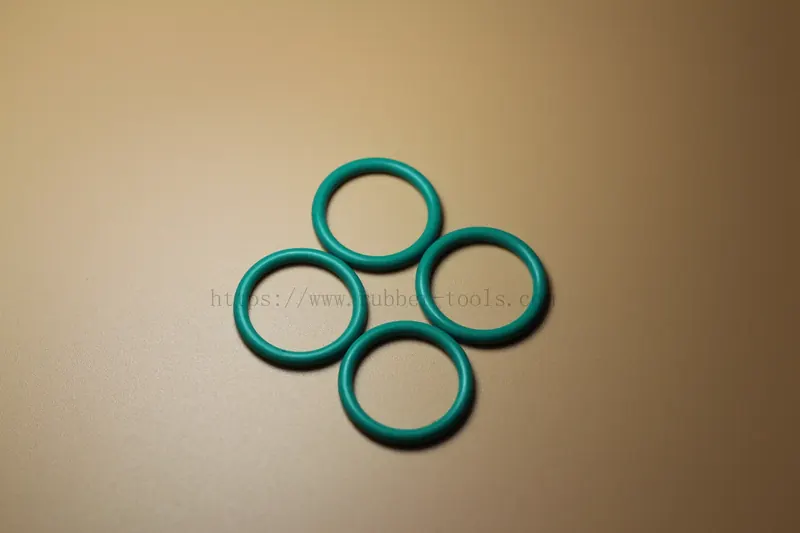
In precision sealing applications, material selection is not merely a specification—it is a foundational engineering decision that determines service life, reliability, and system integrity. Viton O-rings, manufactured from fluoroelastomer (FKM) compounds, are widely recognized for their exceptional resistance to high temperatures, aggressive chemicals, and oxidative environments. However, the assumption that all Viton O-rings are interchangeable or that off-the-shelf variants will perform uniformly across applications is a costly misconception in industrial manufacturing.

Standard catalog O-rings are typically produced using generic FKM formulations optimized for broad compatibility rather than specific operational demands. These one-size-fits-all solutions often fail under real-world conditions due to overlooked variables such as fluid composition, thermal cycling, compression set under prolonged load, and exposure to trace additives in media. For example, a Viton O-ring rated for use with mineral oils may degrade rapidly when exposed to certain amines or low-molecular-weight organic acids commonly found in chemical processing or semiconductor fabrication environments.

The performance divergence stems from the inherent variability within the FKM family. Viton is a trademarked fluoroelastomer produced by Chemours, but the term is often used generically to describe any FKM. In reality, FKM materials are categorized into different types—such as Type 1 (low fluorine), Type 2 (standard), Type 3 (high fluorine), and specialty grades like GLT and ETP—each engineered for distinct chemical and thermal profiles. Selecting the wrong grade can result in seal extrusion, hardening, cracking, or excessive swelling, leading to unplanned downtime and safety risks.

At Suzhou Baoshida Trading Co., Ltd., we emphasize application-specific material qualification. Our engineering team collaborates with clients to analyze operating parameters including temperature range, media exposure, dynamic or static loading, and regulatory requirements (e.g., FDA, USP Class VI). This enables precise formulation matching—ensuring optimal resistance to swelling, minimal compression set, and long-term elastic recovery.

The following table outlines key performance characteristics across common FKM types used in industrial Viton O-rings:

Property FKM Type 1 (A-type) FKM Type 2 (B-type) FKM Type 3 (F-type) FKM GLT
Fluorine Content (%) ~66 ~68 ~70 ~68
Heat Resistance (°C) 200 200 200 200
Base Resistance Poor Moderate Good Excellent
Acid Resistance Excellent Excellent Excellent Excellent
Low-Temperature Flexibility (°C) -20 -20 -15 -30
Swelling in Ketones High High High Moderate

Off-the-shelf O-rings frequently utilize Type 1 or Type 2 FKM, which may suffice for general-purpose use but are inadequate in aggressive chemical or wide-temperature cycling environments. True performance assurance requires tailored material selection, rigorous testing, and traceable compound certification—capabilities embedded in our OEM engineering process at Baoshida.

Material is not a commodity in critical sealing. It is a performance determinant.


Material Specifications

viton o-ring manufacturing

Material Specifications for Precision O-Ring Selection

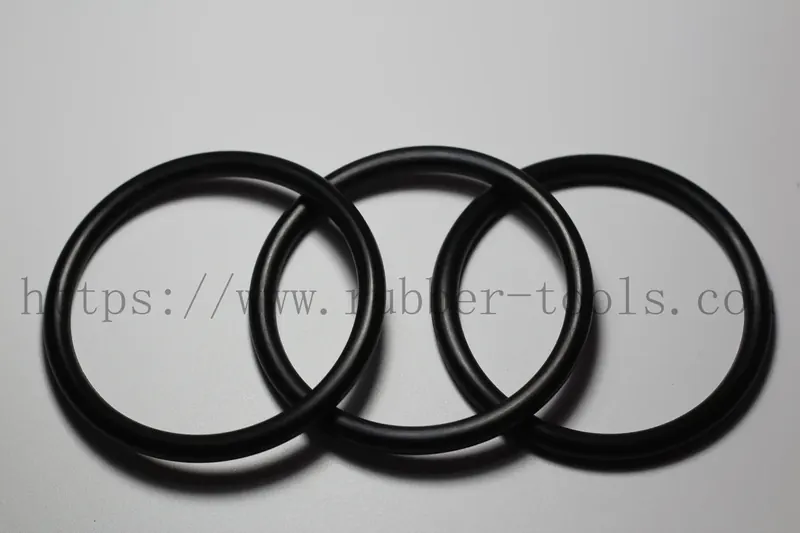
Viton fluoroelastomer (FKM) represents the premium solution for critical sealing applications demanding exceptional resistance to high temperatures, aggressive chemicals, and hydrocarbon derivatives. Formulated with fluorine-carbon bonds, Viton maintains structural integrity between -20°C and +230°C continuous service, with intermittent peaks to 300°C. Its molecular stability minimizes swelling in fuels, oils, acids, and hydraulic fluids per ASTM D471 testing, making it indispensable for aerospace, semiconductor, and chemical processing OEMs where seal failure carries catastrophic risk. Compression set values typically remain below 25% after 70 hours at 200°C (ASTM D395), ensuring long-term resilience against permanent deformation.

Nitrile rubber (NBR) offers a cost-effective alternative for general-purpose hydraulic and pneumatic systems operating below 120°C. While exhibiting excellent resistance to aliphatic hydrocarbons and water-based fluids, NBR degrades rapidly in aromatic solvents, ozone, and at elevated temperatures. Silicone rubber (VMQ) provides unparalleled low-temperature flexibility down to -60°C and high-temperature stability up to 200°C but suffers from poor tensile strength, abrasion resistance, and susceptibility to swelling in hydrocarbons. Neither NBR nor VMQ matches Viton’s holistic performance in extreme chemical environments.

The comparative analysis below details critical material properties per ASTM D2000 classification standards:

Material Temperature Range (°C) Key Chemical Resistances Tensile Strength (MPa) Compression Set @ 200°C (70h)
Viton (FKM) -20 to +230 Fuels, oils, acids, halogens 10–15 ≤25%
Nitrile (NBR) -30 to +120 Aliphatic hydrocarbons, water 15–20 ≤30%
Silicone (VMQ) -60 to +200 Ozone, hot air, steam 5–8 ≤20%

Suzhou Baoshida Trading Co., Ltd. rigorously validates all Viton compounds against ISO 3601 O-ring standards, including Shore A hardness tolerances of ±2 points and dimensional precision to ±0.05mm. Our engineering team tailors FKM formulations for specific media exposure—such as low-temperature Viton GLT for cryogenic seals or high-purity Viton GFLT for semiconductor wet benches—ensuring zero cross-contamination. Crucially, Viton’s inherent resistance to compression set directly correlates with extended service life in static sealing applications, reducing OEM maintenance cycles by 40–60% versus NBR alternatives in identical thermal-chemical conditions.

For mission-critical assemblies, material selection must balance chemical compatibility, thermal load, and mechanical stress. While NBR serves economical mobile hydraulics and silicone excels in medical/food-grade thermal cycling, Viton remains the non-negotiable choice for aerospace fuel systems, aggressive chemical transfer, and high-temperature industrial processes. Baoshida provides full material traceability, batch-specific certificates of conformance, and OEM co-engineering support to optimize seal geometry and compound selection—guaranteeing compliance with AS568 and SAE AS8000 specifications. Partner with us to mitigate field failure risks through precision elastomer science.


Manufacturing Capabilities

viton o-ring manufacturing

Engineering Capability

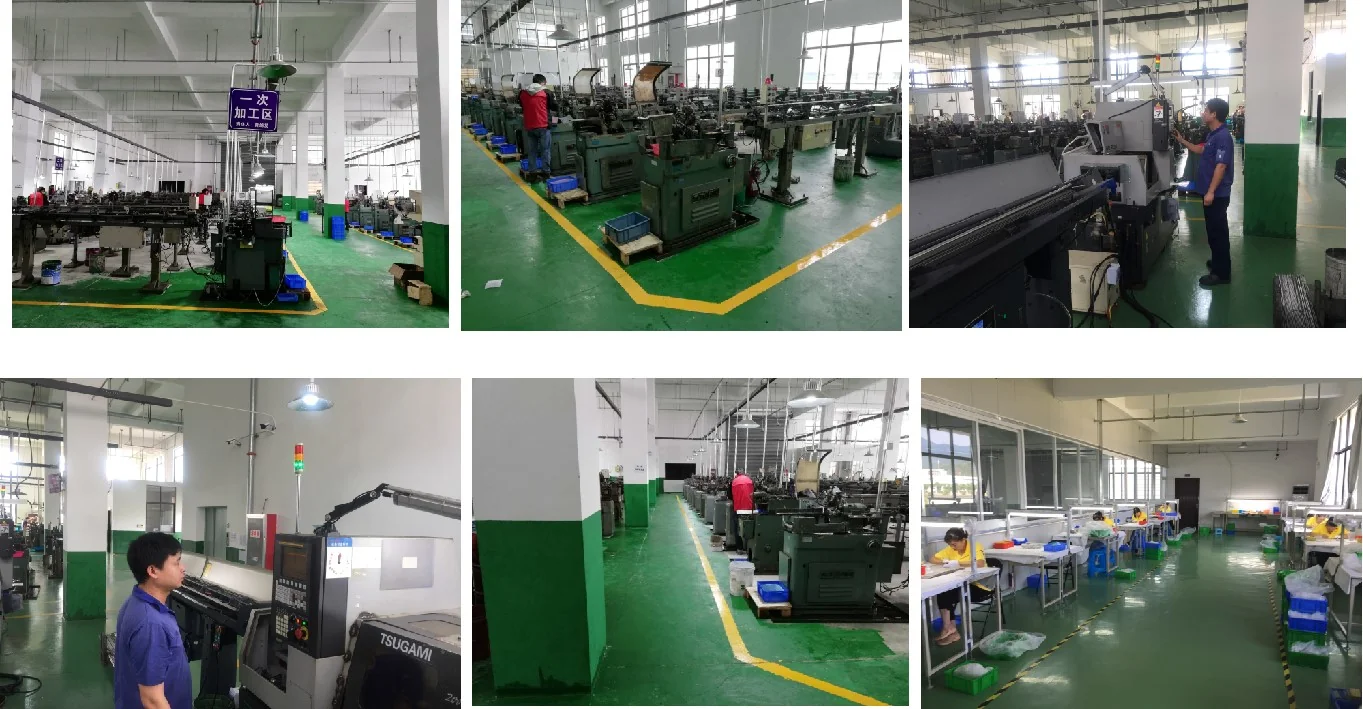
At Suzhou Baoshida Trading Co., Ltd., our engineering capability in precision rubber seal manufacturing is anchored in deep technical expertise and a disciplined approach to material science and mold design. We employ a dedicated team of five certified mold engineers and two specialized rubber formula engineers, enabling us to deliver high-performance Viton O-rings tailored to the exacting demands of industrial, automotive, aerospace, and semiconductor applications. This integrated engineering team ensures seamless development from concept to final production, with full control over material formulation, mold optimization, and process validation.

Our formula engineers possess advanced knowledge in fluoroelastomer chemistry, allowing precise customization of Viton compounds to meet specific performance criteria such as extreme temperature resistance, chemical compatibility, compression set, and dynamic sealing behavior. By adjusting polymer grades, filler systems, and cure chemistry, we formulate Viton compounds that exceed ASTM D2000 and OEM material specifications. This in-house formulation capability eliminates reliance on third-party compounds and enables rapid prototyping, accelerated testing, and continuous performance refinement.

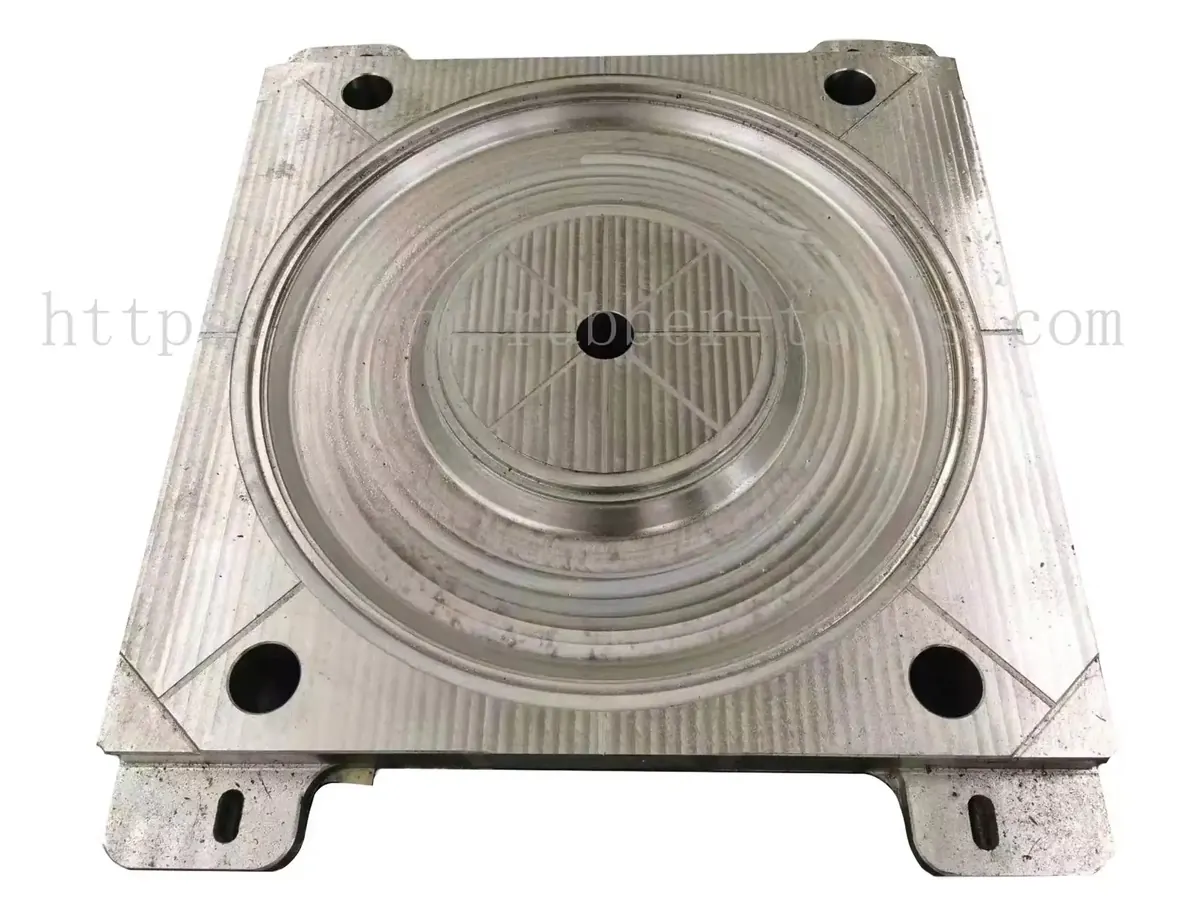
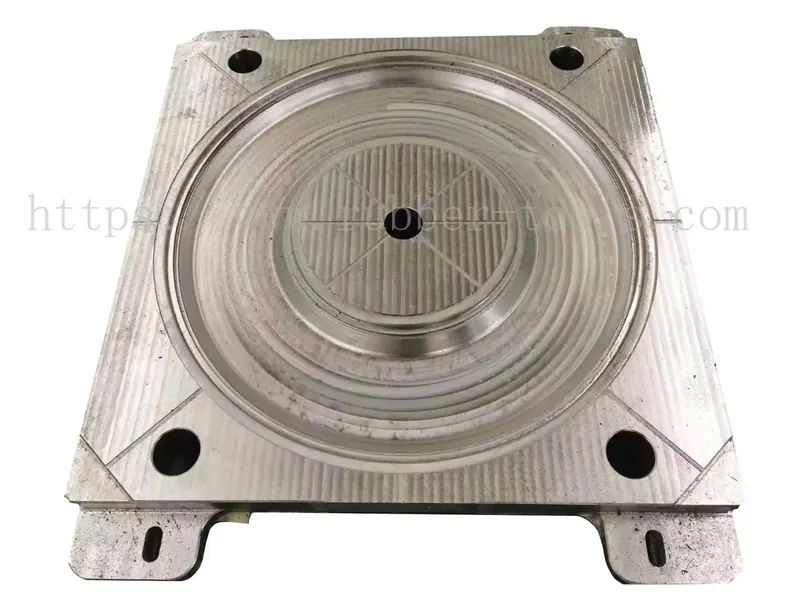
Complementing our material expertise, our five mold engineers bring extensive experience in precision tooling for O-ring manufacturing. Utilizing advanced CAD/CAM software and CNC machining, they design and maintain high-tolerance steel molds that ensure dimensional accuracy, consistent parting lines, and minimal flash. Mold flow analysis and thermal simulation are routinely applied to optimize cavity balance and curing uniformity, especially for critical sizes and low-volume custom profiles. Our engineers also conduct Design for Manufacturability (DFM) reviews to support clients in achieving cost-effective, scalable production without compromising quality.

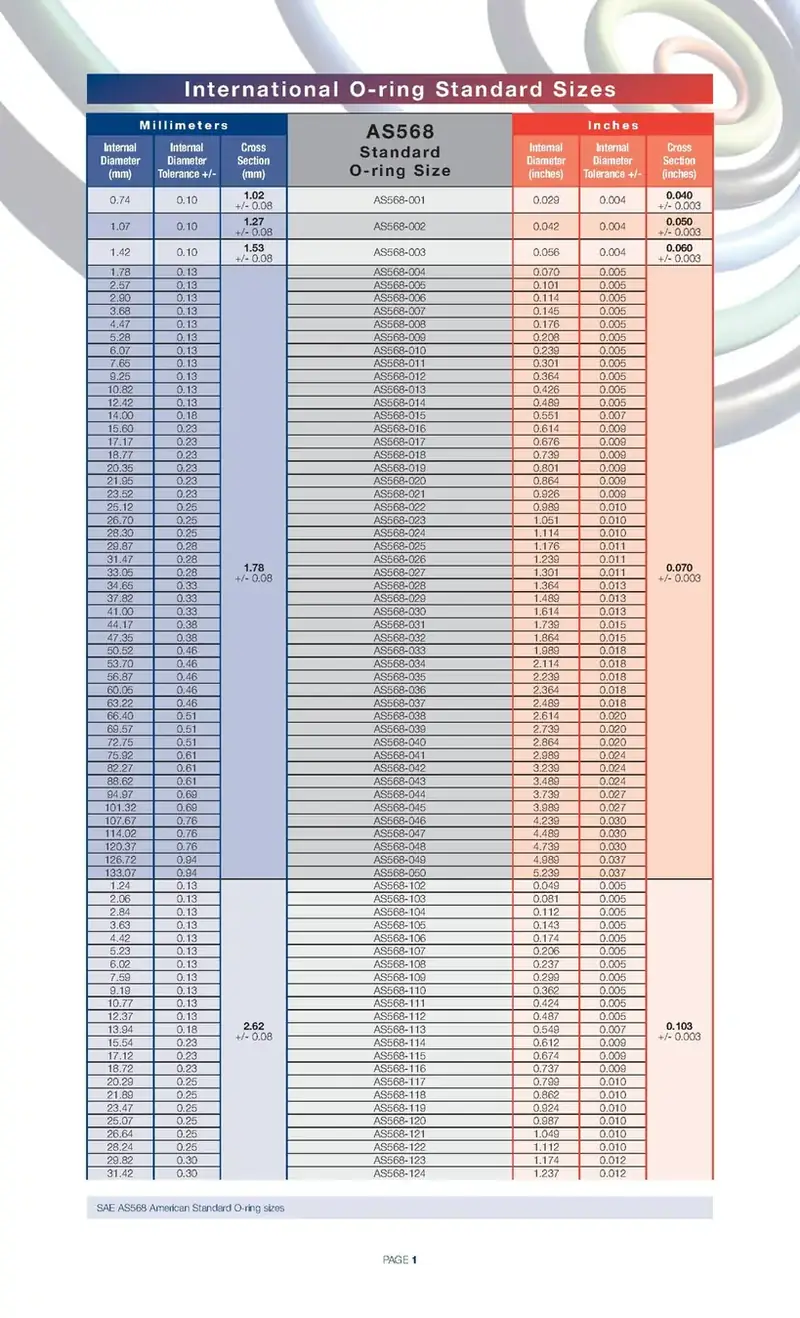
We are fully equipped to manage OEM projects from technical drawings to full qualification. Our engineering team collaborates directly with client R&D and procurement departments to interpret specifications, validate sealing requirements, and provide material data sheets, PPAP documentation, and test reports. Whether the need is for standard AS568 sizes or custom geometries, our integrated approach ensures that every Viton O-ring meets or exceeds functional and regulatory expectations.

The following table outlines key technical specifications achievable with our engineered Viton O-rings:

Parameter Specification
Material Type Viton® (FKM) – Standard, GLT, GBLT, ETP
Hardness Range (Shore A) 60 to 90 ±5
Temperature Range -20°C to +230°C (intermittent up to +300°C)
Tolerance (AS568) ±0.05 mm to ±0.15 mm (per size)
Compression Set (ASTM D395) ≤20% at 200°C for 70 hours
Chemical Resistance Resistant to oils, fuels, acids, steam, and many solvents
Certifications RoHS, REACH, FDA (upon request), ISO 9001:2015

With a foundation built on material science and precision engineering, Suzhou Baoshida delivers technically superior Viton O-rings through a fully integrated OEM manufacturing model.


Customization Process

viton o-ring manufacturing

Viton O-Ring Customization Process: Precision Engineering from Concept to Volume Supply

Suzhou Baoshida Trading Co., Ltd. executes a rigorously defined customization pathway for Viton (FKM) O-rings, ensuring absolute alignment with demanding OEM application requirements. This four-stage methodology guarantees material performance, dimensional accuracy, and supply chain reliability, critical for sectors including semiconductor manufacturing, aerospace hydraulics, and chemical processing where seal failure is unacceptable.

Drawing Analysis initiates the process. Our engineering team conducts a comprehensive technical review of the client-provided print or 3D model against ISO 3601 or SAE AS568 standards. This involves meticulous verification of critical dimensions (ID, OD, CS), tolerance classes (typically ±0.05mm for critical aerospace seals), groove geometry compatibility, and surface finish specifications. We identify potential manufacturability constraints early, such as thin cross-sections prone to flash or complex geometries requiring specialized tooling, providing actionable feedback to optimize the design for high-yield production before material selection begins.

Formulation Development leverages our deep fluoroelastomer expertise. Based on the validated drawing and detailed application parameters—maximum/minimum operating temperature, fluid exposure (e.g., Skydrol, aggressive solvents, sour gas), pressure cycles, and required lifespan—we select the optimal Viton compound variant. Standard Viton A (66% fluorine) offers broad chemical resistance, while Viton GLT (low-temperature grade) maintains flexibility down to -40°C, and Viton ETP (peroxide-cured) provides superior compression set resistance for dynamic seals. Our proprietary additive packages are precisely dosed to enhance specific properties like plasma resistance for semiconductor tools or reduced permeation for fuel systems, all validated against ASTM D2000 material classification codes.

Prototyping & Validation employs production-intent tooling and processes. Short-run prototypes are manufactured under controlled conditions mirroring mass production. These undergo stringent first-article inspection (FAI) per AS9102, including CMM dimension verification and visual inspection for defects. Material properties are confirmed via third-party lab testing: tensile strength, elongation, hardness (Shore A), compression set (ASTM D395 Method B), and fluid resistance per ASTM D471. Client feedback on prototype performance in actual application testing is integral; iterative refinements occur here to eliminate risk before tooling release.

Controlled Mass Production commences only after full client sign-off on prototypes. We implement statistical process control (SPC) on all critical parameters during molding and secondary operations. Every production lot undergoes 100% visual inspection and rigorous lot acceptance testing per the agreed AQL plan. Traceability from raw material batch to finished O-ring is maintained through our ERP system, ensuring full compliance with ISO 9001 and industry-specific standards like NADCAP for aerospace. This disciplined transition guarantees seamless scalability from prototype to high-volume delivery without performance deviation.

Key Viton (FKM) properties underpinning this process are summarized below, demonstrating superiority over standard elastomers in critical applications:

Property Viton (FKM) Typical Range EPDM Typical Range Application Relevance for Viton
Temperature Range (°C) -20 to +230 (short +300) -50 to +150 High-temp engine bays, semiconductor plasma etching
Base Fuel Resistance Excellent Poor Aviation hydraulic fluids, biofuels, hydrocarbons
Acid/Solvent Resistance Excellent Fair to Poor Chemical processing, pharmaceutical manufacturing
Compression Set (70h/150°C) <25% 30-50% Long-term static sealing integrity under load
Gas Permeation Very Low Moderate Vacuum systems, refrigerant seals

This structured approach ensures Suzhou Baoshida delivers Viton O-rings that meet exacting performance criteria, minimizing client risk and ensuring operational longevity in the most challenging industrial environments.


Contact Engineering Team

viton o-ring manufacturing

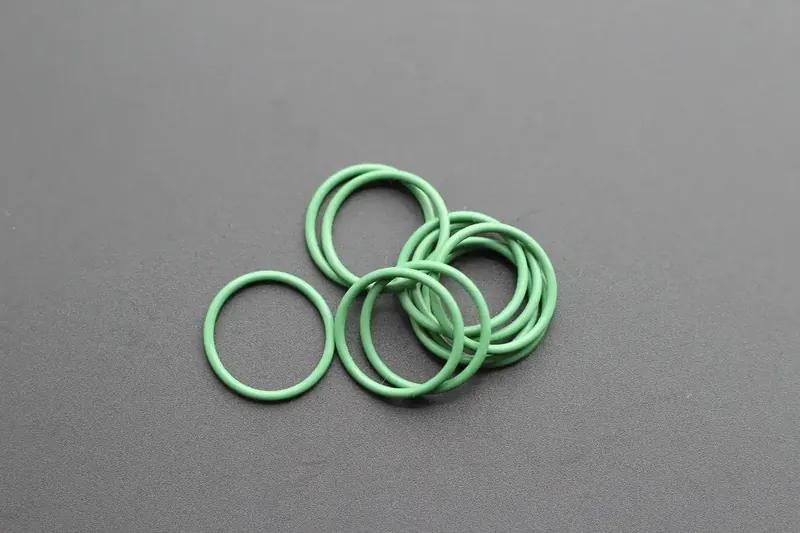
For precision-critical applications in aerospace, semiconductor manufacturing, chemical processing, and high-performance automotive systems, Viton O-rings represent the gold standard in elastomeric sealing solutions. At Suzhou Baoshida Trading Co., Ltd., we specialize in the engineering, sourcing, and supply of high-purity, fully traceable Viton O-rings designed to meet stringent international standards. Our expertise lies in delivering consistent material performance under extreme thermal, chemical, and pressure conditions—ensuring long-term reliability and safety in your sealing applications.

Viton, a fluorocarbon-based elastomer (FKM), offers exceptional resistance to high temperatures, aggressive fluids such as oils, fuels, and acids, and oxidative environments. These properties make it ideal for mission-critical sealing tasks where failure is not an option. Our Viton O-rings are manufactured under controlled cleanroom conditions, with full documentation including material certifications (ASTM D2000, ISO 9001), lot traceability, and compliance with OEM specifications. Whether you require standard AS568 sizes or custom-molded geometries, we support tight-tolerance production with rigorous quality control protocols.

We understand that each industrial application presents unique challenges. That is why our engineering team works closely with clients to evaluate fluid compatibility, compression set requirements, thermal cycling behavior, and dynamic vs. static sealing conditions. This technical collaboration ensures that the selected Viton compound—whether standard FKM, high-temperature GBL-S, or specialty formulations like GLT or ETP—is optimized for your operational environment.

Below is a representative specification table for our most commonly supplied Viton O-ring materials:

Property Viton A-401C Viton B-501C Viton GLT-701C
Base Polymer FKM (66% Fluorine) FKM (68% Fluorine) Low-Temperature FKM
Hardness (Shore A) 75 ± 5 75 ± 5 75 ± 5
Tensile Strength (MPa) ≥15 ≥14 ≥12
Elongation at Break (%) ≥200 ≥180 ≥175
Operating Temperature Range -20°C to +230°C -15°C to +230°C -30°C to +210°C
Fluid Resistance Excellent (aromatic fuels, oils, acids) Superior in nitro-methane and ester exposure Enhanced low-temp flexibility with good chemical resistance
Compression Set (22h at 200°C) ≤25% ≤22% ≤28%
Common Standards AMS-P-83430, MIL-R-83248 AMS-7256, ISO 1307 AMS-P-25732, ISO 2230

All compounds are available in standard and metric sizes, with custom durometers and colors upon request. Clean packaging, low-particulate options, and FDA-compliant grades are offered for semiconductor, pharmaceutical, and food processing industries.

To ensure seamless integration into your supply chain, we provide rapid prototyping, volume production scalability, and just-in-time delivery logistics across North America, Europe, and Asia.

For technical consultation, material selection guidance, or to request samples and quotations, contact Mr. Boyce, OEM Account Manager at Suzhou Baoshida Trading Co., Ltd. Direct correspondence ensures prompt response and dedicated engineering support tailored to your project requirements.

Email: [email protected]
We are ready to support your next-generation sealing challenges with precision, integrity, and industrial expertise.


⚖️ O-Ring Weight Calculator

Estimate rubber O-ring weight (Approx).


Viton O-Ring Manufacturer | Engineering Guide

Contents of Table

Contact [email protected] Whatsapp 86 15951276160