Technical Contents
Engineering Guide: Silicone Rubber Pad
Engineering Insight: The Critical Role of Material Selection in Silicone Rubber Pads
In industrial applications, silicone rubber pads are more than simple cushioning components—they are precision-engineered elements designed to perform under specific thermal, mechanical, and environmental conditions. Despite their apparent simplicity, the failure of off-the-shelf silicone rubber pads is a common issue in manufacturing, often traced back to inappropriate material selection. Standardized, generic pads may appear cost-effective initially, but they frequently lack the tailored properties required for reliable long-term performance in demanding environments.
Silicone rubber is inherently valued for its thermal stability, electrical insulation, and resistance to UV and ozone degradation. However, not all silicone formulations are equivalent. The base polymer structure, filler content, curing system, and additives must be precisely calibrated to match the operational demands of the application. For instance, a pad used in an automotive under-hood environment must endure continuous exposure to elevated temperatures and intermittent contact with oils or coolants. A generic pad may degrade rapidly under such conditions due to insufficient chemical resistance or thermal aging properties.
Moreover, mechanical performance parameters such as compression set, tensile strength, and hardness are highly formulation-dependent. A pad that exhibits acceptable initial firmness may suffer from high compression set over time, leading to loss of sealing force or misalignment in precision assemblies. This is particularly critical in electronics and medical devices, where consistent dimensional stability and repeatability are non-negotiable.
Another often-overlooked factor is regulatory compliance. Applications in food processing, medical equipment, or aerospace require silicone compounds that meet stringent standards such as FDA, USP Class VI, or UL certifications. Off-the-shelf pads may not be manufactured under the required quality systems or may contain undocumented additives that compromise compliance.
Custom material engineering allows for optimization across multiple performance axes. At Suzhou Baoshida Trading Co., Ltd., we leverage advanced compounding techniques to tailor silicone formulations for specific industrial challenges. This includes adjusting durometer (Shore A) for optimal load distribution, enhancing thermal conductivity for heat dissipation, or incorporating flame-retardant additives where safety is paramount.
The table below outlines key performance specifications that differentiate engineered silicone rubber pads from generic alternatives.
| Property | Standard Silicone Pad | Engineered Silicone Pad (Baoshida) |
|---|---|---|
| Temperature Range | -50°C to 200°C | -60°C to 250°C (extended stability) |
| Hardness (Shore A) | Fixed (e.g., 50±5) | Customizable (30–80) |
| Compression Set (22h, 200°C) | ≤30% | ≤15% |
| Tensile Strength | 6.0 MPa | 8.5 MPa |
| Electrical Resistivity | 1×10¹⁴ Ω·cm | 1×10¹⁶ Ω·cm |
| Regulatory Compliance | None or basic | FDA, RoHS, REACH, UL94 V-0 available |
In conclusion, the selection of silicone rubber pads must be approached as a materials engineering decision, not a commodity purchase. Off-the-shelf solutions often fail because they are not designed for the specific stressors of real-world applications. By prioritizing material science and application-specific design, manufacturers can ensure reliability, longevity, and compliance in their systems.
Material Specifications
Material Specifications for Industrial Silicone Rubber Pads
Selecting the optimal elastomer for silicone rubber pad applications requires precise understanding of operational demands. Suzhou Baoshida Trading Co., Ltd. prioritizes material integrity under thermal stress, chemical exposure, and mechanical loading. Viton (FKM), Nitrile (NBR), and Silicone (VMQ) represent core solutions for industrial sealing and damping, each exhibiting distinct performance boundaries critical to OEM longevity.
Viton excels in extreme chemical resistance, particularly against fuels, oils, and aromatic hydrocarbons, maintaining stability from -20°C to +230°C. Its fluorocarbon structure delivers superior resistance to thermal degradation and ozone, making it indispensable for aerospace and chemical processing seals. However, Viton exhibits higher compression set values above 200°C and elevated material costs compared to alternatives. Nitrile remains the standard for petroleum-based fluid applications, operating effectively between -40°C and +120°C. With tensile strengths typically 15-30 MPa, NBR offers robust abrasion resistance and cost efficiency for automotive gaskets and hydraulic systems. Its limitations include poor performance in ozone-rich environments and significant hardening below -40°C. Silicone provides unmatched temperature versatility (-60°C to +230°C continuous), exceptional electrical insulation, and biocompatibility. While tensile strength (5-10 MPa) is lower than NBR or Viton, its flexibility retention across thermal cycles is critical for medical devices and electronics insulation. Silicone’s vulnerability to tear and abrasion necessitates careful design validation in high-wear scenarios.
All materials must comply with ASTM D2000 classification standards for automotive and industrial use, with specific grades defined by suffix codes for heat aging, fluid immersion, and compression set. Suzhou Baoshida rigorously validates raw compound formulations against OEM technical data sheets, ensuring traceability to ISO 9001-certified production batches. Critical selection factors include fluid compatibility matrices, dynamic vs. static loading requirements, and regulatory certifications (e.g., FDA, UL).
The comparative analysis below details key mechanical and chemical properties per industry-standard testing protocols:
| Material | Temperature Range (°C) | Tensile Strength (MPa) | Elongation at Break (%) | Key Resistance Properties | Primary Industrial Limitations |
|---|---|---|---|---|---|
| Viton (FKM) | -20 to +230 | 10-20 | 150-300 | Fuels, Oils, Acids, Ozone | Poor ketone/chlorinated solvent resistance; High cost; Moderate low-temp flexibility |
| Nitrile (NBR) | -40 to +120 | 15-30 | 200-500 | Aliphatic hydrocarbons, Water, Hydraulic fluids | Swells in esters/ketones; Degrades in ozone; Limited high-temp stability |
| Silicone (VMQ) | -60 to +230 | 5-10 | 300-800 | Extreme temps, UV, Steam, Electrical insulation | Low tear strength; Swells in concentrated acids; Poor hydrocarbon resistance |
Suzhou Baoshida emphasizes that material selection must align with actual service conditions, not nominal ratings. For instance, silicone’s theoretical 230°C rating assumes static, non-abrasive environments; dynamic applications require derating by 20-30°C. Similarly, NBR’s fluid resistance varies significantly by acrylonitrile content (e.g., 33% ACN vs. 45% ACN). Our engineering team collaborates with OEMs to validate compound formulations against application-specific fluid exposure tests per ASTM D471, preventing field failures from unanticipated chemical interactions. Precision in durometer selection (40-90 Shore A typical for pads) further optimizes sealing force and deflection characteristics. Consult Suzhou Baoshida’s technical dossier for compound-specific certificates and accelerated aging data.
Manufacturing Capabilities
Engineering Excellence in Silicone Rubber Pad Manufacturing
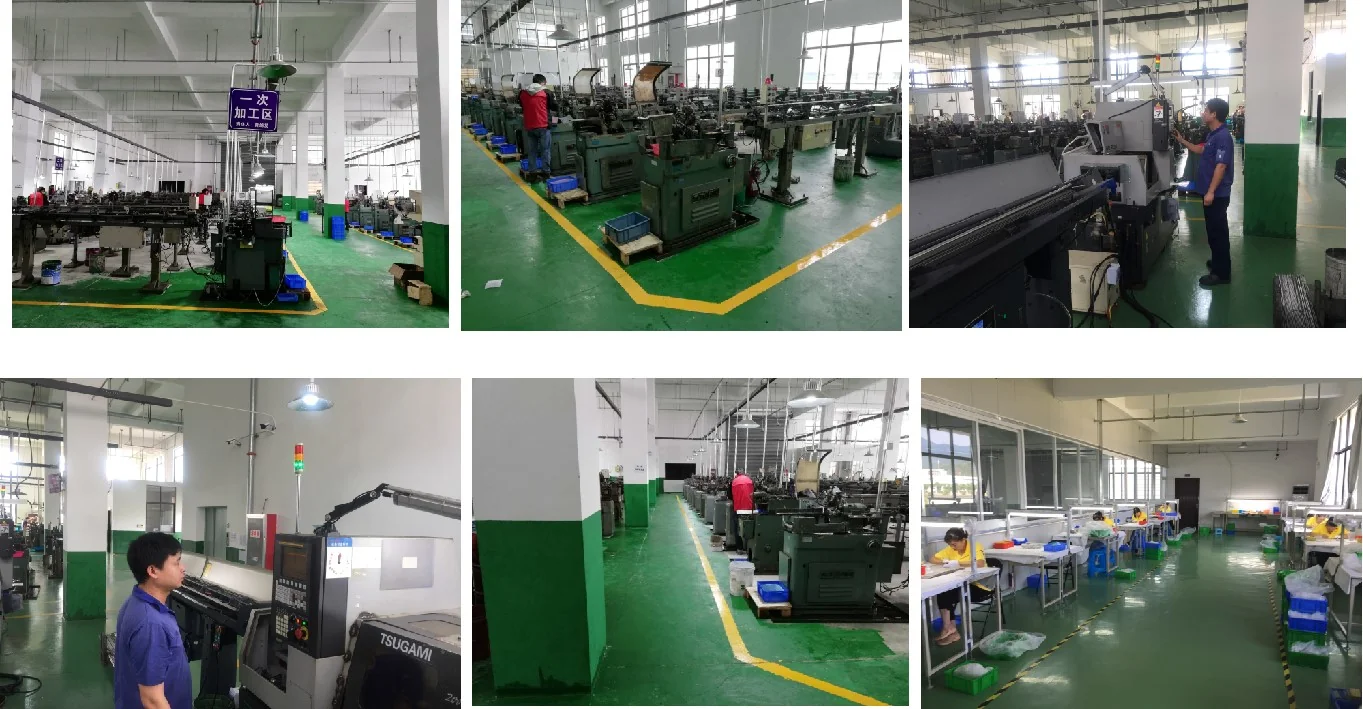
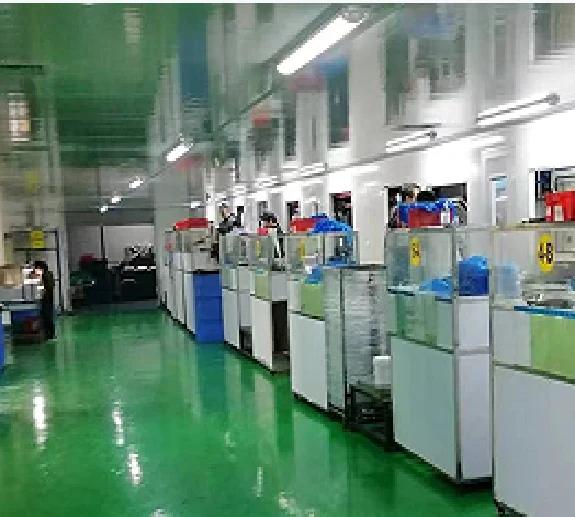
At Suzhou Baoshida Trading Co., Ltd., our engineering capability forms the backbone of our industrial rubber solutions, particularly in the precision manufacturing of silicone rubber pads. With a dedicated team comprising five professional mould engineers and two specialized rubber formula engineers, we maintain full in-house control over both material development and tooling design. This integrated engineering approach ensures optimal synergy between material performance and part geometry, delivering components that meet exacting industrial standards.
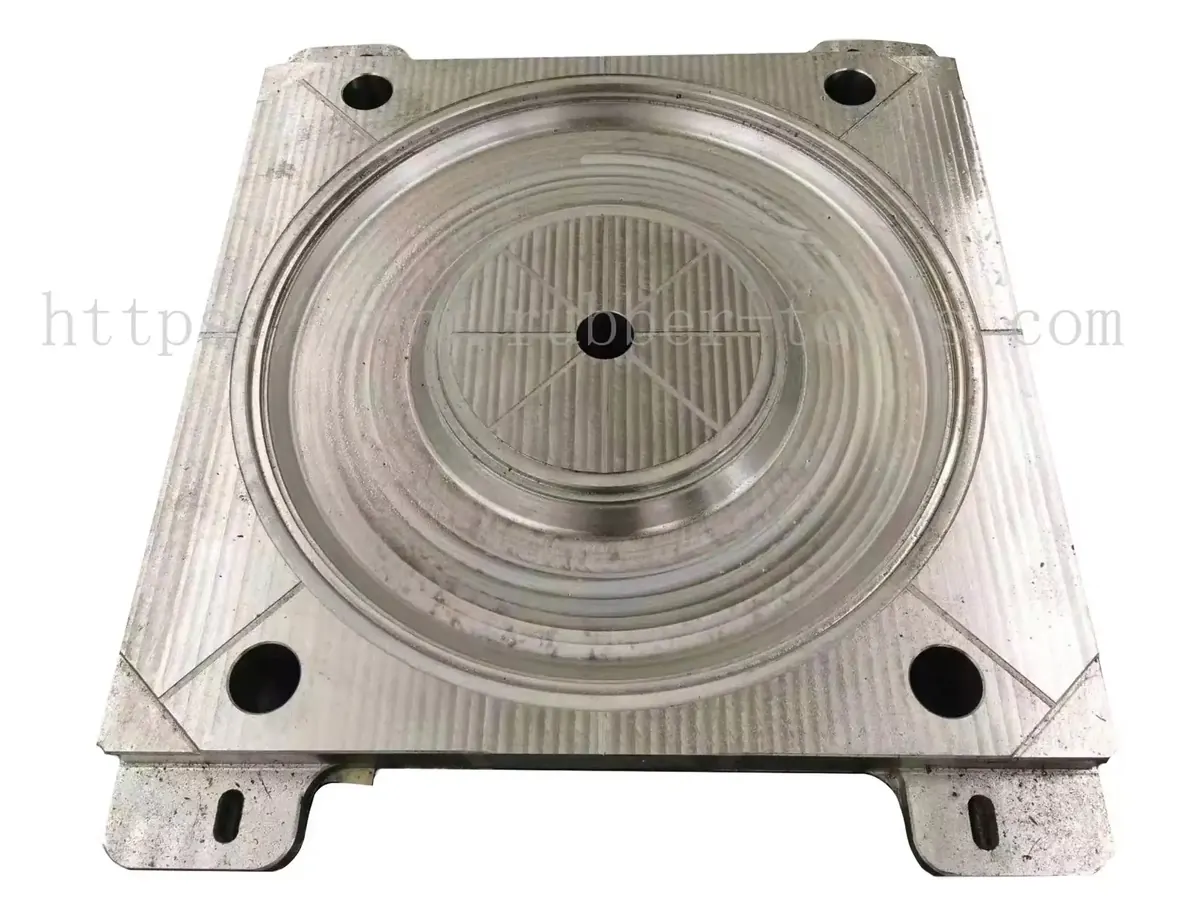
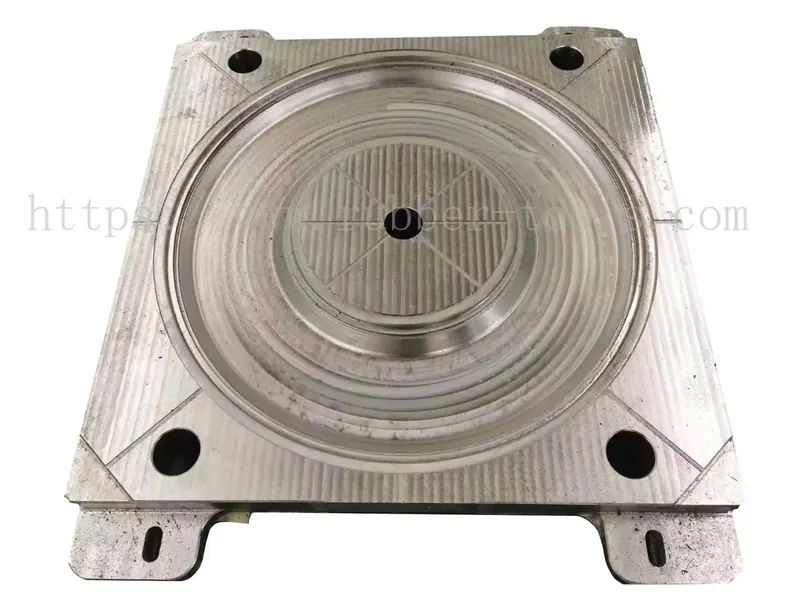
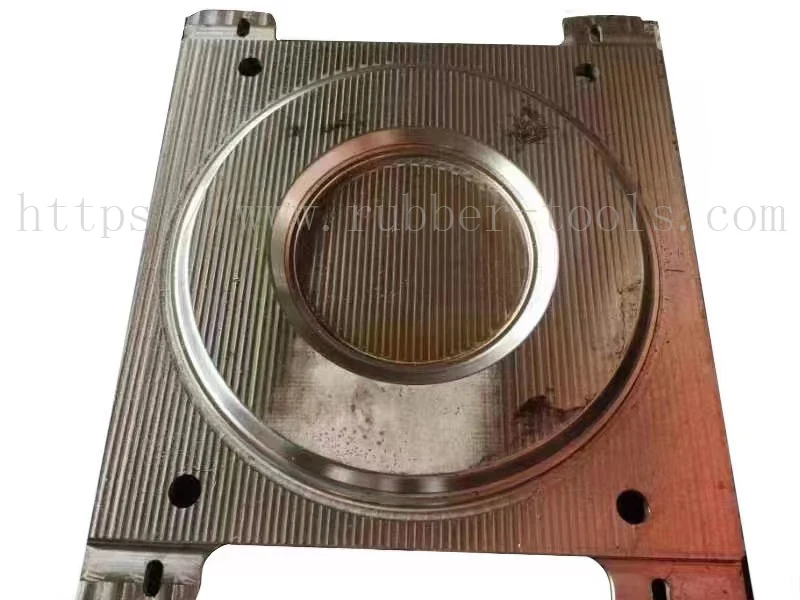
Our mould engineers bring extensive experience in designing and refining injection, compression, and transfer moulds tailored specifically for silicone rubber applications. Each design is optimized for dimensional stability, cycle efficiency, and long-term durability under repetitive production conditions. Utilizing advanced CAD/CAM software and precision CNC machining, our team ensures tight tolerances and consistent part replication—critical factors in industries such as automotive, medical devices, and consumer electronics where silicone rubber pads are deployed for sealing, cushioning, and electrical insulation.
Complementing our tooling expertise, our two rubber formula engineers specialize in custom silicone compound development. They formulate materials to meet specific performance criteria, including thermal resistance (from -60°C to +250°C), compression set, Shore hardness (ranging from 30A to 80A), and electrical insulation properties. By adjusting filler content, cross-linking density, and additive packages, we produce silicone compounds that satisfy OEM requirements for biocompatibility, flame resistance (UL94 V-0), and FDA compliance. This formulation control allows us to eliminate reliance on third-party material suppliers, reducing lead times and enhancing traceability.
Our OEM manufacturing capabilities are built on a foundation of technical agility and process control. We support clients from prototype development through to high-volume production, offering DFM (Design for Manufacturability) feedback, rapid tooling iterations, and full material certification. Every silicone rubber pad is produced under ISO 9001-certified processes, with rigorous in-process inspections and final QA testing to ensure compliance with customer specifications.
The integration of formulation science and precision mould engineering enables us to solve complex application challenges—such as dynamic sealing under thermal cycling or long-term resilience in corrosive environments—while maintaining cost efficiency and scalability.
Typical Silicone Rubber Pad Specifications
| Property | Range/Value |
|---|---|
| Hardness (Shore A) | 30A – 80A |
| Temperature Resistance | -60°C to +250°C |
| Tensile Strength | 6 – 10 MPa |
| Elongation at Break | 200% – 600% |
| Compression Set (22h, 150°C) | ≤ 20% |
| Electrical Resistivity | >1×10¹⁴ Ω·cm |
| Flame Rating | UL94 V-0 (available) |
| Biocompatibility | USP Class VI, FDA compliant (on request) |
Through our combined expertise in rubber chemistry and precision tooling, Suzhou Baoshida delivers engineered silicone rubber pads that consistently meet the functional and regulatory demands of global industrial OEMs.
Customization Process
Silicone Rubber Pad Customization: Precision Engineering Process
At Suzhou Baoshida Trading Co., Ltd., our silicone rubber pad customization follows a rigorously controlled sequence to ensure dimensional accuracy, material performance, and seamless scalability. This process begins with comprehensive drawing analysis, where engineering teams dissect client-provided CAD files or technical sketches. Critical parameters including geometric tolerances per ASME Y14.5, surface finish requirements, and functional load points are evaluated against silicone’s inherent properties. We identify potential molding challenges such as undercuts, thin-wall sections, or draft angle deficiencies early, providing actionable feedback to optimize design for manufacturability without compromising performance.
Material formulation constitutes the scientific core of customization. Based on application-specific demands—thermal exposure, chemical resistance, compression set targets, or electrical insulation—we engineer proprietary silicone compounds. Our formulations leverage platinum-cured HTV (High-Temperature Vulcanizing) silicone bases, augmented with tailored additives like MQ resins for adhesion or ceramic fillers for thermal conductivity. Each recipe undergoes computational simulation to predict flow behavior during molding and final physical properties, ensuring precise alignment with operational stress conditions. Regulatory compliance (e.g., FDA 21 CFR 177.2600, UL 94 V-0) is integrated at this stage for medical or electronic applications.
Prototyping validates both design and material integrity through iterative physical testing. Using rapid tooling or 3D-printed molds, we produce functional samples subjected to accelerated life testing, compression deflection analysis, and environmental aging per ASTM standards. Critical metrics such as durometer stability after thermal cycling or seal force uniformity are measured against client specifications. This phase includes PPAP documentation for automotive clients, with dimensional reports from CMM (Coordinate Measuring Machine) verification. Client feedback on prototype performance directly refines the final production parameters.
Mass production deployment leverages our ISO 9001-certified manufacturing ecosystem. Automated injection molding presses with closed-loop pressure-temperature control ensure batch consistency, while in-line SPC (Statistical Process Control) monitors key variables like cure time and flash thickness. Every lot undergoes 100% visual inspection and抽样 testing per AQL 1.0, with full traceability from raw material batch codes to finished goods. This disciplined transition from prototype to volume output guarantees that silicone rubber pads consistently meet the exacting demands of industrial sealing, vibration damping, or EMI shielding applications.
Key Silicone Rubber Pad Specifications
| Parameter | Standard Range | Test Method | Industrial Application Relevance |
|---|---|---|---|
| Hardness (Shore A) | 30–80 | ASTM D2240 | Seal compression force & recovery |
| Tensile Strength | 6.0–10.0 MPa | ASTM D412 | Durability under mechanical stress |
| Temperature Resistance | -60°C to +230°C | ASTM D573 | Performance in extreme environments |
| Compression Set (22h/150°C) | ≤20% | ASTM D395 | Long-term sealing integrity |
| Dielectric Strength | 15–20 kV/mm | ASTM D149 | Electrical insulation reliability |
This end-to-end methodology—anchored in material science and industrial pragmatism—ensures Suzhou Baoshida delivers silicone rubber pads that perform predictably in the most demanding operational contexts.
Contact Engineering Team
For industrial manufacturers seeking precision-engineered silicone rubber pads, Suzhou Baoshida Trading Co., Ltd. delivers high-performance elastomeric solutions tailored to demanding applications across automotive, electronics, medical devices, and industrial automation sectors. Our silicone rubber pads are formulated for exceptional thermal stability, electrical insulation, compression resistance, and long-term durability under repeated stress. As an OEM partner with over a decade of experience in industrial rubber solutions, we combine material science expertise with rigorous quality control to ensure every component meets exact technical specifications and international standards.
Silicone rubber is uniquely suited for critical sealing, cushioning, and insulation roles due to its wide operating temperature range (-60°C to +230°C), resistance to UV and ozone degradation, and biocompatibility when required. At Suzhou Baoshida, we offer custom formulation options including conductive, flame-retardant (UL94 V-0), and medical-grade silicone compounds. Our manufacturing process integrates precision molding, CNC cutting, and automated inspection to achieve tight tolerances and consistent part integrity. Whether you require low-volume prototypes or high-volume production runs, our facility supports rapid tooling development and scalable output with full traceability.
We understand that performance in real-world conditions is paramount. That’s why our engineering team collaborates directly with clients to evaluate application parameters such as load distribution, environmental exposure, and dynamic stress cycles. This consultative approach ensures optimal pad design, durometer selection, and surface finish—maximizing service life and functional reliability.
The following table outlines standard technical specifications for our most commonly requested silicone rubber pad formulations:
| Property | Value (Typical) | Test Method |
|---|---|---|
| Hardness (Shore A) | 30–80 | ASTM D2240 |
| Tensile Strength | ≥8.0 MPa | ASTM D412 |
| Elongation at Break | ≥300% | ASTM D412 |
| Compression Set (22 hrs @ 150°C) | ≤25% | ASTM D395 |
| Operating Temperature Range | -60°C to +230°C | — |
| Dielectric Strength | ≥500 V/mil | ASTM D149 |
| Specific Gravity | 1.15–1.25 | ASTM D297 |
All materials are compliant with RoHS and REACH regulations, with FDA and ISO 10993 options available for medical applications. Custom colors, branding, and packaging configurations are supported upon request.
To discuss your specific requirements or request a technical datasheet and sample kit, contact Mr. Boyce, OEM Manager at Suzhou Baoshida Trading Co., Ltd. Direct technical consultation ensures your silicone rubber pad solution is engineered for performance, consistency, and cost-efficiency. Reach out via email at [email protected] to initiate a project review, submit drawings, or schedule a virtual engineering meeting. Our team responds to all inquiries within 24 business hours and supports English and Mandarin communication. Partner with Suzhou Baoshida for silicone rubber solutions built to perform—where material intelligence meets industrial precision.
⚖️ O-Ring Weight Calculator
Estimate rubber O-ring weight (Approx).