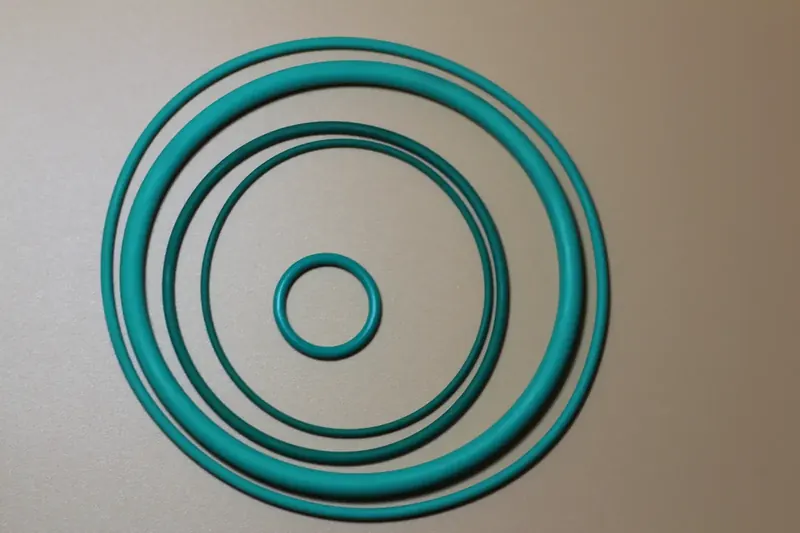
Heat Resistant Piping Manufacturer | Engineering Guide

Engineering Guide: Heat Resistant Piping

heat resistant piping manufacturing

Engineering Insight Critical Material Selection in Heat Resistant Piping Systems

Selecting appropriate elastomeric compounds for heat resistant piping is not merely a specification checkbox; it is the foundational engineering decision determining system integrity, lifespan, and operational safety in demanding thermal environments. Off-the-shelf rubber solutions, often marketed generically as “heat resistant,” frequently fail catastrophically under real-world industrial conditions due to oversimplified material categorization and inadequate consideration of synergistic stressors. These failures manifest as premature hardening, cracking, loss of sealing force, or catastrophic seal failure, leading to costly downtime, safety hazards, and environmental incidents. The core issue lies in the complex interplay between continuous operating temperature, peak excursions, dynamic mechanical stress, chemical exposure, and pressure cycles – factors rarely fully addressed by standard catalog materials.

Generic solutions typically prioritize a single parameter, such as maximum short-term temperature, while neglecting critical degradation mechanisms. For instance, a standard EPDM compound might nominally withstand 150°C but rapidly degrade when exposed to trace oils or steam common in industrial settings, leading to swelling and loss of compression set resistance. Similarly, nitrile rubber (NBR), while oil resistant, suffers severe thermal oxidation above 120°C, causing embrittlement. Fluorocarbon (FKM) offers superior high-temperature performance but often at prohibitive cost and with limitations against specific chemicals like ketones or amines. Crucially, most standard compounds lack the tailored polymer architecture and specialized additive packages required to manage the specific thermal degradation pathways – such as chain scission or crosslink density shifts – prevalent in sustained elevated temperatures combined with chemical exposure.

Suzhou Baoshida Trading Co., Ltd. engineers heat resistant piping solutions by rigorously analyzing the complete operational profile. We move beyond nominal temperature ratings to model actual thermal aging kinetics under expected chemical and mechanical loads. This precision approach ensures the selected compound maintains critical physical properties – tensile strength, elongation, compression set, and fluid resistance – throughout the intended service life. Our formulations incorporate advanced polymer blends, high-purity fillers, and synergistic antioxidant systems specifically designed to inhibit oxidation and ozone attack at elevated temperatures, significantly outperforming commodity alternatives. The table below illustrates key performance differentiators between common materials and our engineered solutions.

Material Type Max Continuous Temp (°C) Key Chemical Resistances Critical Limitations in High-Heat Service
Standard EPDM 135 Steam, Water, Alkalis, Oxygenated Solvents Poor oil/fuel resistance; rapid compression set loss above 150°C
Standard NBR 100 Aliphatic Hydrocarbons, Water Severe thermal oxidation >120°C; poor ozone resistance
Standard FKM (Standard) 200 Wide range of oils, fuels, acids, solvents High cost; poor resistance to ketones, amines, hot steam; stiffens below -20°C
Baoshida Engineered HNBR Blend 190 Oils, greases, water-glycol, mild acids/bases Limited aromatic hydrocarbon resistance; optimized for dynamic steam/oil cycles

Material selection is a precision engineering discipline, not a procurement exercise. Relying on off-the-shelf compounds invites failure when exposed to the multifaceted stresses of industrial heat resistant applications. Suzhou Baoshida Trading Co., Ltd. provides OEMs and end-users with scientifically validated, application-specific elastomeric solutions where thermal stability, chemical compatibility, and mechanical resilience are non-negotiable. Our formulations undergo rigorous accelerated aging testing against actual customer fluid and temperature profiles, ensuring predictable performance and eliminating the hidden costs of premature system failure. Precision-engineered rubber is the unseen safeguard of your thermal process integrity.


Material Specifications

heat resistant piping manufacturing

Heat resistant piping systems are critical components in high-temperature industrial environments such as automotive, aerospace, chemical processing, and power generation. At Suzhou Baoshida Trading Co., Ltd., we specialize in advanced rubber formulations engineered to maintain structural integrity and sealing performance under extreme thermal conditions. Our core materials—Viton (FKM), Nitrile (NBR), and Silicone (VMQ)—are selected based on thermal stability, chemical resistance, and mechanical durability. Each material offers distinct advantages depending on the operational profile of the application.

Viton, a fluorocarbon-based elastomer, delivers exceptional performance in environments with continuous exposure to temperatures up to 250°C. It exhibits outstanding resistance to oils, fuels, acids, and many halogenated solvents, making it ideal for aerospace and petrochemical applications where both heat and aggressive media are present. Its low compression set and excellent aging characteristics ensure long service life even under sustained thermal cycling. However, Viton is less flexible at low temperatures and carries a higher material cost compared to alternatives.

Nitrile rubber, a copolymer of butadiene and acrylonitrile, is widely used for its excellent resistance to petroleum-based oils and fuels. It performs reliably in temperature ranges from -30°C to 120°C, with short-term peaks up to 150°C. Nitrile is mechanically robust, offering high abrasion resistance and tensile strength, which makes it suitable for hydraulic systems and engine compartments. While cost-effective and readily processable, its performance degrades rapidly above 120°C and it is not recommended for exposure to ozone, weathering, or polar solvents.

Silicone rubber (VMQ) stands out for its wide operational temperature range, typically from -60°C to 230°C, with specialized grades enduring up to 300°C for limited durations. It demonstrates excellent resistance to UV, ozone, and weathering, along with good electrical insulation properties. Silicone is frequently used in food-grade and medical applications due to its inertness and compliance with regulatory standards. However, it has lower mechanical strength and abrasion resistance compared to Viton and Nitrile, and its permeability to gases is relatively high.

The selection of the appropriate elastomer must balance thermal demands, fluid compatibility, mechanical stress, and cost considerations. Below is a comparative specification table summarizing key attributes of these materials.

Property Viton (FKM) Nitrile (NBR) Silicone (VMQ)
Continuous Use Temperature -20°C to 250°C -30°C to 120°C -60°C to 230°C
Short-Term Peak Temperature Up to 300°C Up to 150°C Up to 300°C
Tensile Strength High High Moderate
Compression Set Resistance Excellent Good Good
Oil and Fuel Resistance Excellent Excellent Poor
Ozone and Weathering Excellent Poor Excellent
Chemical Resistance Broad (acids, bases) Limited to oils Moderate
Flexibility at Low Temp Moderate Good Excellent
Gas Permeability Low Low High
Typical Applications Aerospace, chemical seals Automotive, hydraulics Medical, food, electrical

Engineers must evaluate the complete service environment when specifying heat resistant rubber piping. Suzhou Baoshida Trading Co., Ltd. supports OEMs with material testing, custom compounding, and technical validation to ensure optimal performance in demanding industrial applications.


Manufacturing Capabilities

heat resistant piping manufacturing

Engineering Capabilities for Advanced Heat Resistant Piping Solutions

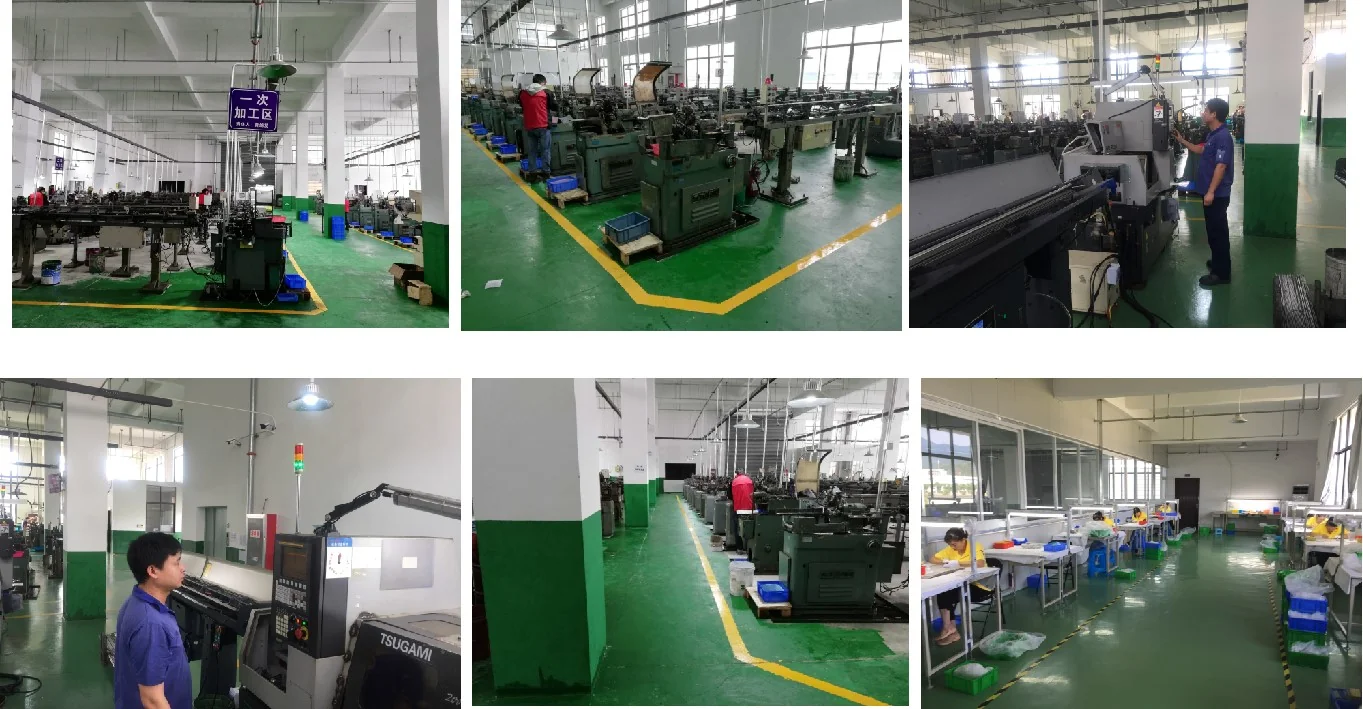
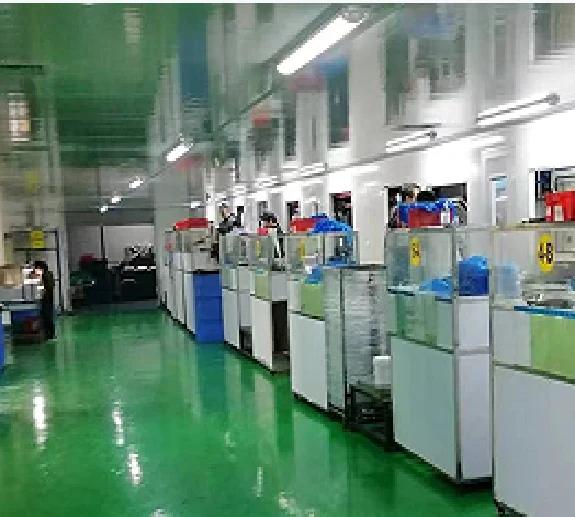
Suzhou Baoshida Trading Co., Ltd. leverages deep technical expertise in rubber formulation and precision tooling to deliver mission-critical heat resistant piping systems for demanding industrial applications. Our integrated engineering team—comprising five specialized mould engineers and two dedicated rubber formula engineers—ensures end-to-end control over material science and manufacturing precision. This structure eliminates siloed development, enabling rapid iteration from compound design to final product validation under extreme thermal conditions.

Our formula engineers focus on optimizing elastomer molecular architecture for sustained performance at elevated temperatures. Through systematic vulcanization kinetics analysis and filler dispersion studies, we develop proprietary compounds resistant to thermal degradation, oxidation, and compression set. Key innovations include peroxide-cured silicone and fluorosilicone formulations engineered for continuous operation up to 300°C, alongside cost-optimized EPDM variants for 150°C service. Rigorous laboratory testing validates long-term stability under cyclic thermal loads, ensuring compliance with ISO 188 aging standards and ASTM D2240 hardness retention criteria.

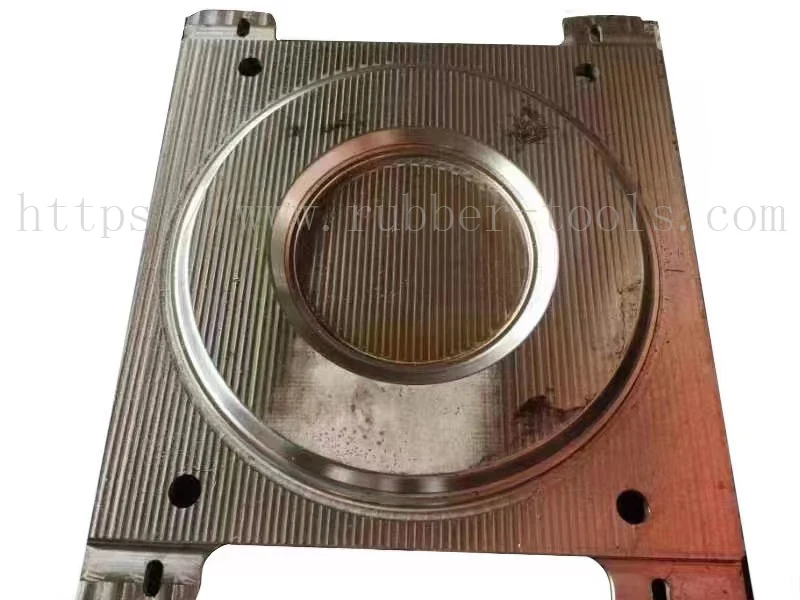
Mould engineering excellence translates these formulations into dimensionally stable piping components. Our team utilizes advanced CAD/CAM workflows and finite element analysis (FEA) to predict and mitigate flow-induced stresses during injection molding. Precision tooling with multi-zone temperature control guarantees uniform wall thickness and eliminates knit lines—critical for pressure integrity in steam transfer and exhaust systems. All molds undergo CMM validation against ASME B16.5 tolerances before production release.

OEM collaboration is embedded in our engineering DNA. We partner with clients from initial concept through PPAP documentation, offering full DFM support for custom flange configurations, reinforcement layers, and sealing geometries. Our facility supports low-volume prototyping (2–4 weeks) and scalable production runs with real-time SPC monitoring of critical parameters like cure state and durometer.

Material performance specifications for our standard heat resistant piping compounds are summarized below:

Property Silicone (VMQ) Fluorosilicone (FVMQ) EPDM (Peroxide Cured) Test Standard
Continuous Use Temp (°C) 250 280 150 ASTM D573
Peak Short-Term (°C) 300 315 180 ISO 188
Tensile Strength (MPa) 8.5 7.2 12.0 ASTM D412
Hardness (Shore A) 55 ± 5 60 ± 5 70 ± 5 ASTM D2240
Compression Set (%), 24h @ 200°C 25 18 35 ASTM D395 Method B

This technical synergy between compound science and precision manufacturing enables us to solve complex thermal management challenges—from semiconductor tooling to petrochemical processing—where failure is not an option. All solutions undergo client-specific qualification protocols, including burst testing per ISO 1402 and thermal cycling validation to 10,000+ cycles. Partner with Suzhou Baoshida for engineered heat resistance grounded in measurable data and industrial reliability.


Customization Process

heat resistant piping manufacturing

Customization Process for Heat Resistant Rubber Piping at Suzhou Baoshida Trading Co., Ltd.

At Suzhou Baoshida Trading Co., Ltd., our engineering-driven approach to industrial rubber solutions ensures that every heat resistant piping system meets exact operational demands. Our customization process follows a stringent four-phase workflow: Drawing Analysis, Formulation, Prototyping, and Mass Production. This structured methodology guarantees dimensional accuracy, material resilience, and compliance with industry standards.

The process begins with Drawing Analysis, where our technical team evaluates client-provided engineering drawings or 3D models. We assess critical parameters such as inner diameter, wall thickness, bend radius, flange specifications, and operating environment data. This phase includes tolerance verification, stress point identification, and compatibility checks with mating components. Our engineers use CAD-based analysis tools to simulate thermal expansion and pressure distribution, ensuring the design can endure extreme thermal cycling and mechanical loads.

Following design validation, we proceed to Formulation—the core of our material science expertise. Based on the temperature range, chemical exposure, and mechanical stress profile, our Rubber Formula Engineers develop a proprietary elastomer compound. Common base polymers include silicone rubber (VMQ), fluorosilicone (FVMQ), ethylene propylene diene monomer (EPDM), and hydrogenated nitrile (HNBR). Additives such as ceramic fillers, aramid fibers, and heat stabilizers are precisely blended to enhance thermal resistance, reduce compression set, and improve longevity. Each formulation is documented and archived for batch traceability.

The Prototyping stage involves producing a limited run of piping samples using precision molding techniques such as compression, transfer, or injection molding. Prototypes undergo rigorous in-house testing, including thermal aging (per ASTM D573), burst pressure evaluation, ozone resistance, and flex fatigue cycles. Clients receive detailed test reports and physical samples for field validation. Any required design or material adjustments are implemented before final approval.

Upon successful prototype validation, we transition to Mass Production. Our ISO-certified manufacturing partners utilize automated curing lines and real-time quality monitoring systems to maintain consistency across large volumes. Every batch undergoes 100% visual inspection and statistical sampling for dimensional and physical property verification. Final products are packaged to prevent deformation during shipping and delivered with full material certifications.

The following table outlines typical performance specifications for our heat resistant rubber piping solutions:

Parameter Typical Value Test Standard
Temperature Range -60°C to +250°C (up to +300°C intermittent) ASTM D1329
Burst Pressure ≥ 15 MPa ISO 1402
Hardness (Shore A) 60–80 ASTM D2240
Tensile Strength ≥ 12 MPa ASTM D412
Elongation at Break ≥ 250% ASTM D412
Heat Aging Resistance ≤ 20% property change after 72h @ 200°C ASTM D573
Fluid Resistance Excellent in hot air, steam, oils, mild acids NORSOK M-710

This systematic customization process ensures that every heat resistant piping solution from Suzhou Baoshida delivers optimal performance in demanding industrial environments.


Contact Engineering Team

heat resistant piping manufacturing

Contact Suzhou Baoshida for Precision Heat Resistant Piping Solutions

Industrial processes demanding consistent thermal stability require piping systems engineered beyond standard specifications. Thermal degradation, compression set under sustained heat, and chemical incompatibility pose critical failure risks in high-temperature applications across power generation, chemical processing, and advanced manufacturing. Suzhou Baoshida Trading Co., Ltd. delivers mission-critical rubber solutions where thermal integrity is non-negotiable. Our expertise lies in formulating and manufacturing heat resistant piping compounds that maintain structural integrity and sealing performance under extreme operational stress, directly addressing the zero-tolerance environment for system failure.

Our engineering team leverages deep material science knowledge to develop custom elastomer formulations tailored to your specific thermal profile, pressure demands, and chemical exposure. We move beyond off-the-shelf materials, optimizing polymer selection, filler systems, and curing protocols to achieve the precise balance of heat resistance, mechanical strength, and longevity required for your application. The table below outlines key performance characteristics of our core heat resistant rubber compounds, providing a foundation for initial evaluation. These values represent typical achievable properties; final specifications are rigorously validated against your exact service conditions during the OEM development phase.

Material Compound Max Continuous Service Temp (°C) Tensile Strength (MPa) Elongation at Break (%) Key Chemical Resistance
High-Purity EPDM 150 18 – 22 350 – 450 Steam, Water, Alkalis, Oxygenated Solvents
Platinum-Cured Silicone 200 6 – 10 500 – 700 Extreme Temp Stability, Ozone, Water
Specialty FKM (Viton® Type) 230 15 – 18 200 – 300 Hydrocarbons, Acids, Fuels, Aromatics

Partnering with Suzhou Baoshida means engaging directly with the rubber formulation engineers who solve your thermal challenges. We operate as a true OEM extension, providing comprehensive technical support from initial material selection and prototyping through volume production and stringent quality control. Our ISO-certified manufacturing processes ensure batch-to-batch consistency and adherence to ASTM, ISO, and custom client specifications. We understand that your piping system’s reliability directly impacts plant uptime, safety, and operational costs. Specifying Suzhou Baoshida is specifying engineered resilience.

Initiate the process for your next high-temperature piping project by contacting our dedicated OEM Manager, Mr. Boyce. Mr. Boyce possesses the technical authority and direct engineering access required to translate your thermal and mechanical requirements into a validated, production-ready rubber solution. He will facilitate a detailed technical consultation, review your application parameters, and outline the precise development pathway for your component. Do not compromise on thermal performance with generic suppliers. Engage the engineering expertise at Suzhou Baoshida to secure piping systems built for enduring reliability in the most demanding thermal environments. Contact Mr. Boyce immediately at [email protected] to schedule your technical review. Provide your specific temperature range, media exposure, pressure requirements, and dimensional needs for a targeted solution proposal. Thermal integrity cannot be compromised; ensure your supply chain partners possess the scientific rigor and manufacturing precision to deliver it. Reach out today to establish your engineered advantage.


⚖️ O-Ring Weight Calculator

Estimate rubber O-ring weight (Approx).


Heat Resistant Piping Manufacturer | Engineering Guide

Contents of Table

Contact [email protected] Whatsapp 86 15951276160