Technical Contents
Engineering Guide: Silicone Peristaltic Pump Tubing
Engineering Insight: Material Selection in Silicone Peristaltic Pump Tubing
The performance and longevity of peristaltic pump systems are intrinsically tied to the material properties of the tubing, particularly in demanding industrial environments. Silicone peristaltic pump tubing is often selected for its biocompatibility, temperature resistance, and chemical inertness. However, not all silicone formulations are equal. Off-the-shelf solutions, while cost-effective, frequently fail under sustained operational stress due to inadequate material engineering tailored to specific process conditions.
Standard silicone tubing is typically formulated for general-purpose applications such as food transfer or low-pressure fluid handling. These formulations often lack the reinforcement and polymer tuning required for the repetitive compression cycles inherent in peristaltic pumping. Over time, this leads to premature fatigue, reduced rebound resilience, and eventual tube collapse—resulting in flow inconsistency, increased downtime, and higher total cost of ownership.
At Suzhou Baoshida Trading Co., Ltd., we emphasize engineered silicone compounds that balance durometer, tensile strength, and elastic recovery. High-performance silicone tubing must maintain dimensional stability after thousands of compression cycles. This requires precise control over polymer chain length, cross-linking density, and filler dispersion. For example, platinum-cured silicone with controlled vinyl content offers superior mechanical durability compared to peroxide-cured alternatives, which may degrade faster under thermal cycling.
Another critical factor is chemical compatibility. While silicone resists water, alcohols, and many acids, it performs poorly against non-polar solvents such as hydrocarbons and certain oils. Off-the-shelf tubing often overlooks this limitation, leading to swelling, cracking, or extractables release in chemical processing applications. Our OEM-grade formulations undergo rigorous compatibility testing and are customized based on the media being pumped, ensuring long-term integrity.
Temperature extremes further expose the weaknesses of generic tubing. Standard silicone may stiffen below -40°C or soften above 150°C, compromising pump efficiency. Engineered solutions incorporate thermal stabilizers and optimized polymer morphology to maintain flexibility and compression set resistance across wider operational ranges.
Below is a comparison of typical off-the-shelf silicone tubing versus our OEM-engineered formulation:
| Property | Standard Silicone Tubing | Baoshida OEM-Engineered Silicone |
|---|---|---|
| Durometer (Shore A) | 45–55 | 50–60 (optimized for rebound) |
| Tensile Strength (MPa) | 6–8 | 9–12 |
| Elongation at Break (%) | 400–500 | 550–650 |
| Compression Set (22 hrs, 70°C) | 25–35% | ≤15% |
| Temperature Range | -40°C to +150°C | -50°C to +180°C (with stabilizers) |
| Cycle Life (in peristaltic pump) | 200–500 hours | 1,000–1,500 hours |
Material selection is not a commodity decision—it is a precision engineering imperative. By moving beyond off-the-shelf tubing and adopting purpose-built silicone formulations, industrial users achieve consistent flow, extended service intervals, and reduced operational risk. At Suzhou Baoshida, we partner with OEMs to develop application-specific solutions that meet the exacting demands of modern fluid handling systems.
Material Specifications
Material Specifications for Peristaltic Pump Tubing
Selecting the optimal elastomer for peristaltic pump tubing is critical for operational longevity, chemical compatibility, and process integrity. At Suzhou Baoshida Trading Co., Ltd., we prioritize precision-engineered solutions that withstand dynamic stress, fluid exposure, and thermal cycling inherent in industrial pumping applications. Material failure—manifested as cracking, swelling, or loss of resilience—directly impacts flow accuracy, contamination risk, and maintenance frequency. Our technical analysis focuses on three industry-standard polymers: Viton (FKM), Nitrile (NBR), and Silicone (VMQ), each engineered for distinct operational envelopes. Viton excels in extreme chemical environments but carries higher material costs. Nitrile offers cost-effective resistance to oils and fuels yet degrades under ozone or elevated temperatures. Silicone provides unparalleled biocompatibility and temperature flexibility, making it indispensable for pharmaceutical and food processing where regulatory compliance is non-negotiable.
Silicone tubing, specifically platinum-cured formulations, dominates high-purity applications due to its inertness and resilience across wide thermal ranges. Its molecular structure maintains elasticity during repeated compression cycles, minimizing fatigue-induced failure. Viton’s fluorocarbon backbone delivers superior resistance to aggressive solvents, acids, and hydrocarbons but exhibits limited flexibility at sub-zero temperatures. Nitrile balances affordability with robust performance in hydraulic and lubrication systems, though its susceptibility to weathering necessitates protective housing in outdoor installations. Hardness (Shore A) is equally pivotal; softer compounds (40–50 Shore A) enhance sealability in low-pressure systems, while harder grades (60–80 Shore A) resist kinking under high vacuum or pressure. All materials must adhere to ISO 13485 and FDA 21 CFR 177.2600 standards for fluid-contact surfaces where applicable.
The following comparative table details critical specifications for informed material selection. Data reflects standardized testing per ASTM D2000 and ISO 37 protocols under controlled laboratory conditions. Field performance may vary based on fluid composition, pulsation frequency, and ambient factors.
| Material | Temperature Range (°C) | Chemical Resistance Profile | Hardness Range (Shore A) | FDA Compliant | Max Continuous Pressure (bar) |
|---|---|---|---|---|---|
| Viton (FKM) | -20 to +230 | Excellent for acids, bases, hydrocarbons; poor for ketones, amines | 60–80 | Limited grades | 10–15 |
| Nitrile (NBR) | -30 to +100 | Excellent for oils, fuels; poor for ozone, strong acids | 50–75 | Select grades | 6–10 |
| Silicone (VMQ) | -60 to +150 (200 intermittent) | Broad resistance; weak against concentrated acids, ketones | 40–80 | Platinum-cured grades | 8–12 |
Suzhou Baoshida emphasizes that material selection must align with total cost of ownership, not initial procurement price. Silicone tubing, despite higher unit cost, often delivers superior lifecycle value in critical processes due to extended service intervals and reduced contamination risk. For aggressive chemical transfer, Viton’s resilience justifies its premium, whereas Nitrile remains optimal for non-critical oil-handling applications. Our engineering team conducts application-specific validation, including compression set analysis per ASTM D395, to ensure tubing integrity under client-defined operational parameters. Consult our technical dossier for fluid compatibility charts and accelerated aging test data.
Manufacturing Capabilities
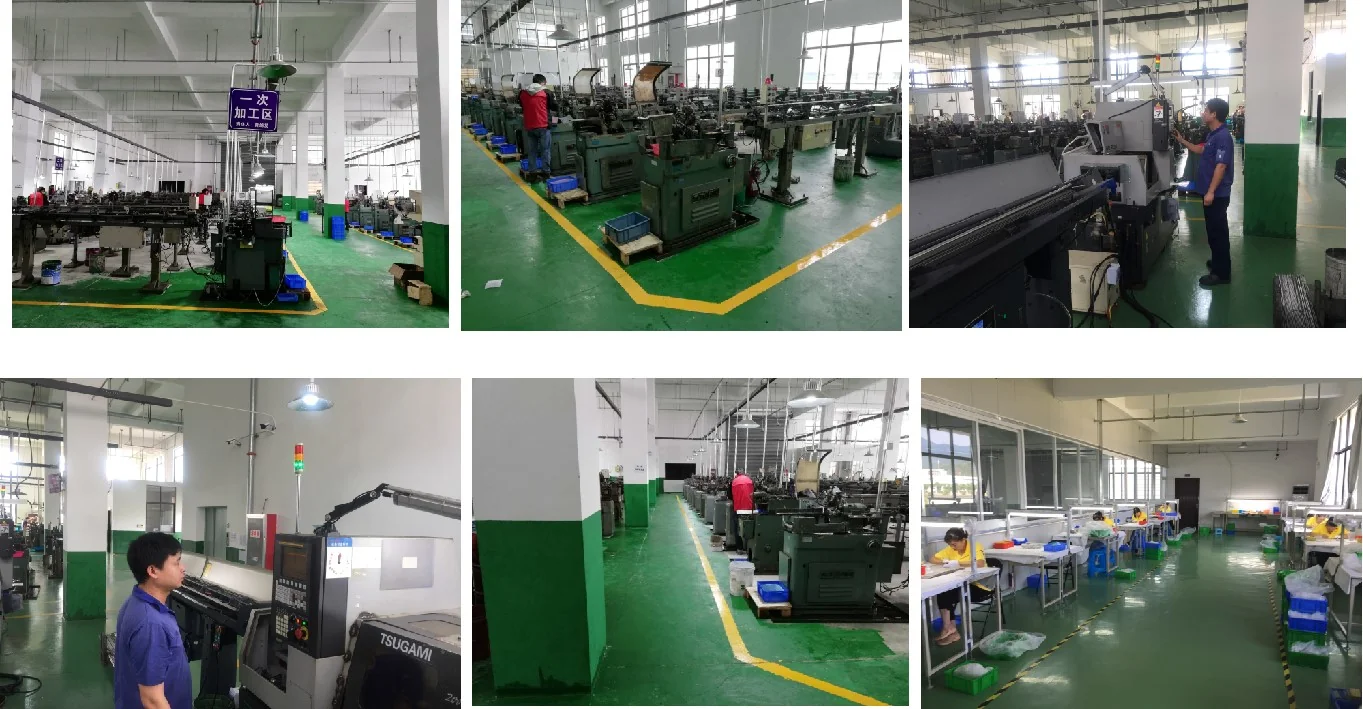
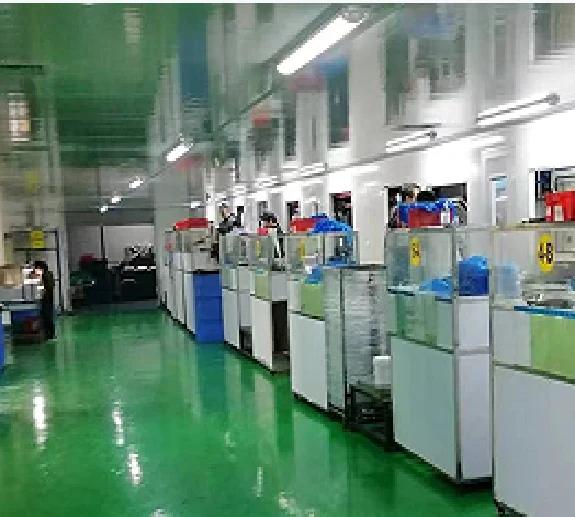
Suzhou Baoshida Trading Co., Ltd. maintains a core engineering capability centered on precision material science and advanced mold design, specifically tailored for high-performance silicone peristaltic pump tubing used in industrial, medical, and analytical applications. Our team comprises five dedicated mold engineers and two specialized rubber formula engineers, enabling a vertically integrated development process that ensures optimal performance, durability, and consistency in every tubing product.
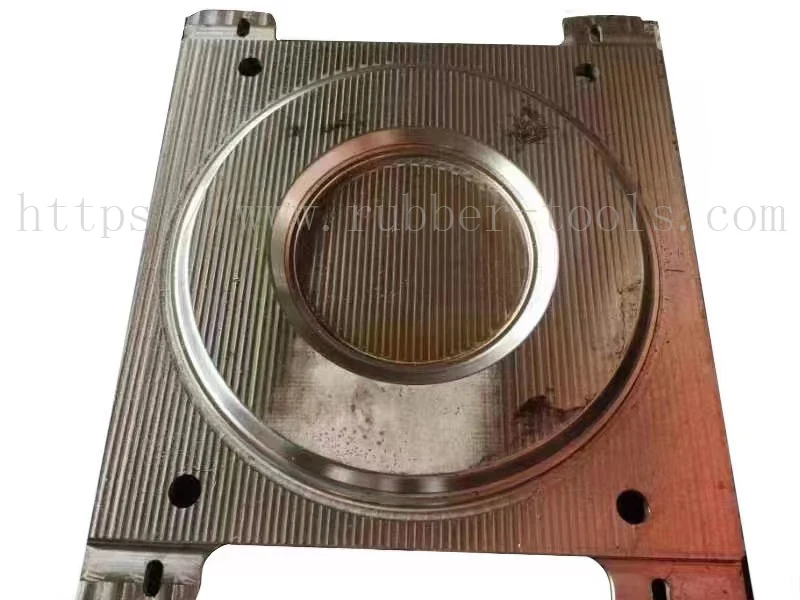
The mold engineering team leverages CAD/CAM/CAE simulation tools to design and validate precision extrusion and curing tooling, ensuring tight dimensional tolerances and uniform wall thickness—critical parameters for consistent fluid delivery in peristaltic pump systems. Each mold is engineered to minimize material shear, reduce dead zones, and support high-cycle fatigue resistance. Our in-house tooling capability allows rapid prototyping, iterative design refinement, and seamless transition from concept to mass production, reducing time-to-market for OEM partners.
Complementing mold design is our proprietary rubber formulation expertise. Our two senior formula engineers specialize in silicone elastomer systems, focusing on optimizing mechanical resilience, compression set resistance, and chemical compatibility. By tailoring the polymer matrix, crosslink density, and filler dispersion, we achieve silicone compounds that deliver extended service life under repeated compression, elevated temperatures, and exposure to aggressive fluids. All formulations are developed and tested under controlled laboratory conditions, with full traceability and compliance documentation.
We support comprehensive OEM collaboration, offering co-engineering services from initial concept to final validation. Clients benefit from custom ID/OD dimensions, durometer adjustments (40–80 Shore A), color coding, and packaging configurations. Our facility supports batch-to-batch consistency through strict process control and real-time quality monitoring, including tensile testing, elongation analysis, and dynamic fatigue evaluation.
The following table outlines key technical specifications for our standard platinum-cured silicone peristaltic pump tubing:
| Parameter | Specification |
|---|---|
| Material Type | High-purity platinum-cured silicone |
| Hardness Range (Shore A) | 40–80 (customizable) |
| Temperature Resistance | -60°C to +200°C (continuous use up to 150°C) |
| Tensile Strength | ≥8.0 MPa |
| Elongation at Break | ≥450% |
| Compression Set (22 hrs, 100°C) | ≤20% |
| Biocompatibility | USP Class VI, FDA 21 CFR 177.2600 compliant |
| Standard ID Range | 0.5 mm – 16 mm |
| Standard OD Range | 1.6 mm – 25 mm |
| Packaging Options | Cut lengths, spools, sterile packaging |
Our engineering synergy between mold design and material formulation ensures that every silicone tubing solution meets the rigorous demands of peristaltic pumping. Suzhou Baoshida Trading Co., Ltd. is positioned as a technical partner for OEMs requiring reliable, scalable, and scientifically validated rubber solutions in demanding fluid handling environments.
Customization Process
Customization Process for Silicone Peristaltic Pump Tubing
At Suzhou Baoshida Trading Co., Ltd., our customization process for silicone peristaltic pump tubing integrates rigorous scientific methodology with industrial precision to ensure optimal performance in demanding OEM applications. This structured workflow guarantees tubing that meets exact fluid dynamics, chemical resistance, and lifespan requirements while adhering to global regulatory standards.
The process initiates with Drawing Analysis, where our engineering team conducts a comprehensive review of client-provided technical drawings and functional specifications. We scrutinize critical parameters including inner/outer diameters, wall thickness uniformity, bend radius, and end-fitting interfaces against ISO 3601 and ASTM D2000 standards. This phase identifies potential design conflicts such as inadequate wall thickness for required occlusion force or material incompatibility with target fluids, preventing costly revisions later. Finite element analysis (FEA) simulations predict stress points under cyclic compression, ensuring the design withstands peristaltic pump roller dynamics.
Subsequent Formulation leverages our proprietary silicone compound library and advanced rheology testing. Based on the application’s chemical exposure (e.g., acids, solvents, biologics), temperature range, and biocompatibility needs (USP Class VI, ISO 10993), we tailor platinum-cured silicone formulations. Key adjustments include optimizing polymer molecular weight for tear strength, filler dispersion for extrusion stability, and additive packages for hydrolysis resistance. Each formulation undergoes Shore A durometer validation (typically 40–70A) and compression set testing per ASTM D395 to guarantee resilience after 10,000+ compression cycles.
Prototyping utilizes precision extrusion lines with laser micrometers for real-time dimensional control. Tubing samples undergo accelerated life testing on simulated peristaltic pumps at 100–600 RPM, measuring critical failure modes:
Flow rate decay due to wall fatigue
Particle shedding via gravimetric analysis
Permeation rates for aggressive media
Client validation occurs within 15 business days, supported by full material traceability documentation.
Upon approval, Mass Production commences under ISO 13485-certified protocols. Our automated extrusion lines maintain ±0.05 mm dimensional tolerances, with inline vision systems inspecting 100% of tubing for bubbles, seams, or diameter deviations. Each batch undergoes third-party biocompatibility retesting and lot-specific certificates of conformance. Final packaging in ISO Class 8 cleanrooms ensures particulate-free delivery, with traceability extending to raw material batch numbers for full supply chain transparency.
Critical silicone tubing specifications validated during this process include:
| Parameter | Standard Range | Test Method |
|---|---|---|
| Inner Diameter Tolerance | ±0.05 mm | ISO 3601-3 |
| Durometer (Shore A) | 40–70 | ASTM D2240 |
| Temp. Range | -60°C to +230°C | ASTM D573 |
| Tensile Strength | ≥8.0 MPa | ASTM D412 |
| Biocompatibility | USP Class VI, ISO 10993 | USP <87>, <88> |
This end-to-end customization framework ensures Suzhou Baoshida delivers peristaltic pump tubing with unparalleled consistency, directly supporting OEMs in medical, biopharma, and industrial fluid handling systems where failure is not an option. Rigorous validation at every phase eliminates performance uncertainty while accelerating time-to-market.
Contact Engineering Team
For industrial manufacturers seeking high-performance silicone peristaltic pump tubing, Suzhou Baoshida Trading Co., Ltd. delivers precision-engineered rubber solutions tailored to demanding fluid handling applications. Our expertise in silicone elastomer formulation ensures consistent performance across a wide range of operational environments, including pharmaceutical processing, chemical dosing, food and beverage production, and laboratory automation. As a trusted OEM partner, we combine material science with rigorous quality control to provide tubing that meets exacting standards for durability, flexibility, and chemical resistance.
Our silicone peristaltic pump tubing is manufactured under ISO-certified processes, ensuring dimensional accuracy, low compression set, and extended service life under continuous flexing. Each batch undergoes dynamic fatigue testing and biocompatibility screening to guarantee reliability in critical applications. Whether you require standard formulations or custom compounds with enhanced thermal stability, UV resistance, or FDA compliance, our R&D team supports tailored development to match your equipment specifications and regulatory requirements.
To ensure seamless integration into your pumping systems, we offer comprehensive technical support including material compatibility assessments, pump head matching analysis, and lifecycle performance modeling. Our global supply chain enables fast turnaround and consistent delivery, supporting both prototyping and high-volume production runs.
For immediate assistance or to request sample materials, contact Mr. Boyce, OEM Manager and Rubber Formula Engineer at Suzhou Baoshida Trading Co., Ltd. Mr. Boyce leads our industrial rubber solutions division with over 12 years of experience in elastomer formulation and fluid handling applications. He is available to discuss your project requirements, provide technical documentation, and support qualification processes with data sheets, test reports, and regulatory compliance files.
Reach out directly via email at [email protected] to initiate a technical consultation. Please include details such as required tubing dimensions, operating temperature range, media type, pump model, and any relevant standards (e.g., USP Class VI, FDA 21 CFR, REACH, RoHS). Our team responds to all inquiries within 12 business hours and can expedite sample shipments upon request.
Below are key technical specifications for our standard platinum-cured silicone peristaltic pump tubing:
| Property | Value | Test Method |
|---|---|---|
| Hardness (Shore A) | 60 ±5 | ASTM D2240 |
| Tensile Strength | ≥10 MPa | ASTM D412 |
| Elongation at Break | ≥400% | ASTM D412 |
| Operating Temperature | -60°C to +200°C | Internal |
| Specific Gravity | 1.12 ±0.02 | ASTM D792 |
| Compression Set (22h, 150°C) | ≤25% | ASTM D395 |
| FDA Compliant | Yes | 21 CFR 177.2600 |
| Biocompatibility | USP Class VI Pass | USP <87>, <88> |
Partner with Suzhou Baoshida for technically superior silicone tubing solutions backed by engineering expertise and responsive OEM service. Contact Mr. Boyce today at [email protected] to optimize your peristaltic pump performance.
⚖️ O-Ring Weight Calculator
Estimate rubber O-ring weight (Approx).