Technical Contents
Engineering Guide: Stone Stair Caps

Engineering Insight: Material Selection for Stone Stair Caps
In industrial and commercial environments where stone stair caps are deployed, performance under mechanical stress, environmental exposure, and long-term dimensional stability are non-negotiable. While many suppliers offer off-the-shelf rubber solutions for stone stair cap applications, these generic products frequently fail to meet the rigorous demands of real-world conditions. The root cause lies in inadequate material selection—a critical engineering decision that directly impacts durability, safety, and lifecycle cost.
Stone stair caps are subjected to continuous foot traffic, dynamic loading, moisture intrusion, and thermal cycling. Standard rubber compounds, often based on natural rubber or low-grade SBR (styrene-butadiene rubber), lack the resilience and chemical resistance required in such settings. These materials degrade rapidly when exposed to UV radiation, ozone, and alkaline substrates commonly found in concrete or masonry constructions. Cracking, delamination, and compression set are common failure modes, leading to premature replacement and increased maintenance costs.
At Suzhou Baoshida Trading Co., Ltd., we prioritize engineered elastomers tailored to the specific service conditions of stone stair cap installations. Our preferred formulations utilize EPDM (ethylene propylene diene monomer) and high-density neoprene, both of which offer superior resistance to weathering, oxidation, and temperature extremes. EPDM, in particular, maintains elasticity across a broad thermal range (–50°C to +150°C) and exhibits minimal water absorption, making it ideal for exterior and high-moisture environments.
Material hardness, tensile strength, and compression deflection characteristics must also be optimized. A Shore A hardness of 60–70 ensures adequate cushioning without compromising structural support. Off-the-shelf products often fall outside this range, either too soft (leading to excessive deformation) or too rigid (increasing impact transmission and reducing slip resistance).
Another overlooked factor is adhesion compatibility. The rubber compound must bond reliably to both stone and underlying substrates without requiring aggressive primers or complex surface preparation. Our proprietary formulations include integral bonding agents that enhance interfacial strength, reducing the risk of de-bonding under shear stress.
Below is a comparison of typical off-the-shelf rubber materials versus our engineered solutions:
| Property | Standard SBR Rubber | EPDM (Engineered) | Neoprene (High-Density) |
|---|---|---|---|
| Tensile Strength (MPa) | 12–15 | 18–22 | 16–20 |
| Elongation at Break (%) | 300–400 | 450–550 | 400–500 |
| Hardness (Shore A) | 50–60 | 65–70 | 60–68 |
| Operating Temperature Range | –20°C to +80°C | –50°C to +150°C | –40°C to +120°C |
| Water Absorption (7 days) | 1.8% | 0.6% | 0.9% |
| Ozone Resistance | Poor | Excellent | Good |
In conclusion, the failure of off-the-shelf rubber solutions in stone stair cap applications is not incidental—it is a direct consequence of material compromise. True performance requires precision-engineered elastomers designed for the specific mechanical and environmental loads encountered in industrial settings. At Suzhou Baoshida, we deliver rubber solutions where material science meets functional reliability.
Material Specifications

Material Specifications for Stone Stair Cap Sealing Applications
Precision-engineered rubber compounds are critical for stone stair cap installations, where environmental exposure, mechanical stress, and chemical resistance dictate long-term performance. At Suzhou Baoshida Trading Co., Ltd., we prioritize material science to ensure structural integrity and weatherproofing in architectural applications. Stone stair caps require elastomers that withstand thermal cycling, UV degradation, and dynamic compression without compromising adhesion to stone substrates. Viton (FKM), Nitrile (NBR), and Silicone (VMQ) represent our core solutions, each optimized for distinct operational profiles. Selection hinges on quantifiable parameters including temperature resilience, fluid compatibility, and compression set retention.
Viton fluorocarbon rubber delivers exceptional resistance to aggressive chemicals, ozone, and high temperatures, making it ideal for stair caps in industrial zones or coastal environments. Its fluorinated polymer backbone maintains stability between -20°C and +230°C, with short-term excursions to 300°C. Viton exhibits minimal swelling in hydrocarbons, acids, and solvents, ensuring dimensional stability where fuel or chemical exposure occurs. However, its higher raw material cost necessitates strategic deployment in critical high-stress zones rather than full-system application.
Nitrile butadiene rubber (NBR) offers a cost-efficient balance for general-purpose stair cap sealing in temperate climates. Operating effectively from -40°C to +120°C, NBR provides robust resistance to aliphatic hydrocarbons, water, and hydraulic fluids. Its tensile strength (15–25 MPa) and abrasion resistance suit high-traffic pedestrian areas, though prolonged ozone or ketone exposure accelerates degradation. We recommend NBR for interior or sheltered exterior installations where budget constraints align with moderate environmental demands.
Silicone rubber (VMQ) excels in extreme temperature variance and UV stability, with a functional range spanning -60°C to +200°C. Its inorganic siloxane backbone prevents hardening or cracking under intense solar radiation, critical for unsheltered stone stair caps. Silicone maintains flexibility in sub-zero conditions and resists oxidation, but exhibits lower tensile strength (6–12 MPa) and poor resistance to concentrated acids. Ideal for alpine or desert climates, it requires surface priming for optimal stone adhesion due to inherent low surface energy.
The comparative analysis below details key specifications for informed material selection:
| Material | Temperature Range (°C) | Tensile Strength (MPa) | Elongation at Break (%) | Key Resistance Properties | Typical Stair Cap Application |
|---|---|---|---|---|---|
| Viton (FKM) | -20 to +230 | 12–18 | 150–250 | Fuels, acids, ozone, solvents | Industrial sites, coastal facades, chemical exposure zones |
| Nitrile (NBR) | -40 to +120 | 15–25 | 200–400 | Water, aliphatic oils, hydraulic fluids | Interior stairwells, covered walkways, moderate climates |
| Silicone (VMQ) | -60 to +200 | 6–12 | 300–700 | UV, ozone, extreme temperatures, steam | Unsheltered exterior, high-altitude, desert environments |
Material validation includes ASTM D2000 standard testing for compression set (max 25% at 150°C/70h) and Shore A hardness (60–80) to ensure consistent load distribution across stone joints. Suzhou Baoshida’s OEM formulations undergo accelerated weathering per ISO 4892-2, guaranteeing 15+ year service life in specified conditions. Partner with our engineering team to align compound selection with site-specific stressors, ensuring regulatory compliance and longevity in architectural rubber solutions.
Manufacturing Capabilities

Engineering Excellence in Rubber Formulation and Mold Design
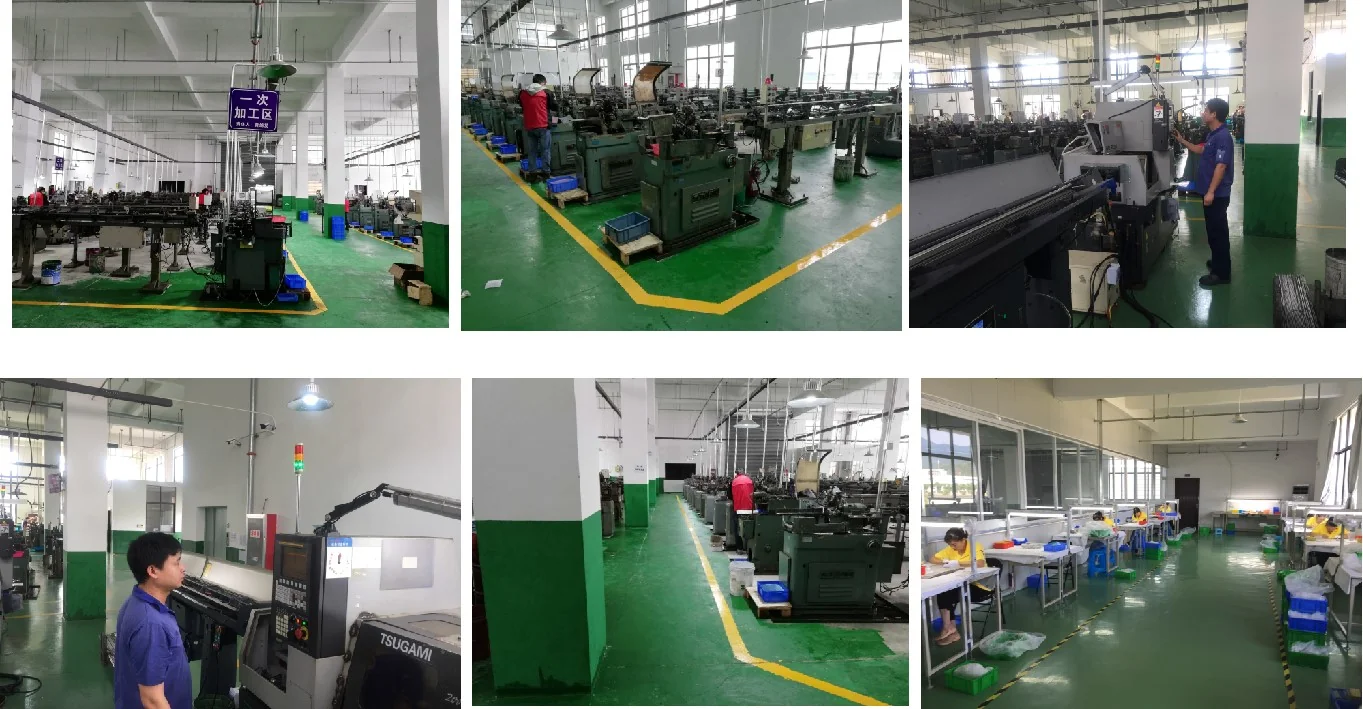
At Suzhou Baoshida Trading Co., Ltd., our engineering capability forms the backbone of our industrial rubber solutions, particularly in the development of high-performance components such as stone stair cap sealing systems. Our technical team comprises five dedicated mold engineers and two specialized rubber formula engineers, enabling us to deliver precision-engineered, application-specific sealing products tailored to the rigorous demands of architectural and construction environments.
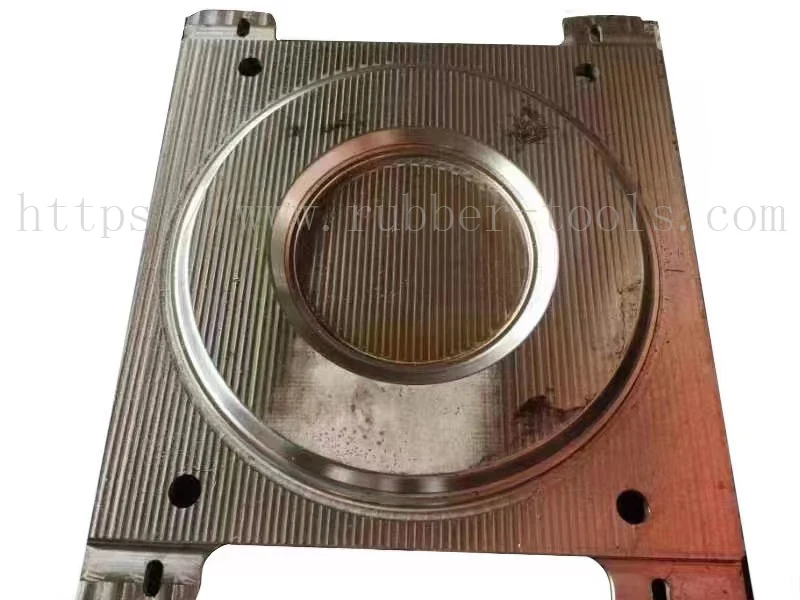
Our mold engineers possess extensive experience in 3D modeling, mold flow analysis, and precision tooling design, utilizing advanced CAD/CAM software to ensure optimal part geometry, dimensional accuracy, and production efficiency. Each mold is designed with longevity and repeatability in mind, supporting high-volume OEM manufacturing while maintaining strict tolerance control. This expertise ensures that rubber profiles for stone stair caps exhibit consistent cross-sectional integrity, seamless joint alignment, and reliable compression set performance under long-term load.
Complementing our mold design strength is our in-house rubber formulation capability. Our two formula engineers specialize in developing custom elastomer compounds that meet exact physical, thermal, and environmental requirements. For stone stair cap applications, this includes formulations with enhanced UV resistance, ozone stability, and low-temperature flexibility—critical for outdoor installations exposed to fluctuating weather conditions. We work primarily with EPDM, silicone, and thermoplastic elastomers (TPE), tailoring hardness, tensile strength, and compression deflection characteristics to match client specifications.
Our integrated approach—combining mold engineering with material science—allows us to optimize both the form and function of each component. This synergy reduces development cycle time, minimizes prototyping iterations, and ensures rapid scale-up to full production. Furthermore, our engineers collaborate directly with OEM partners throughout the product lifecycle, from initial concept and sample validation to continuous process improvement.
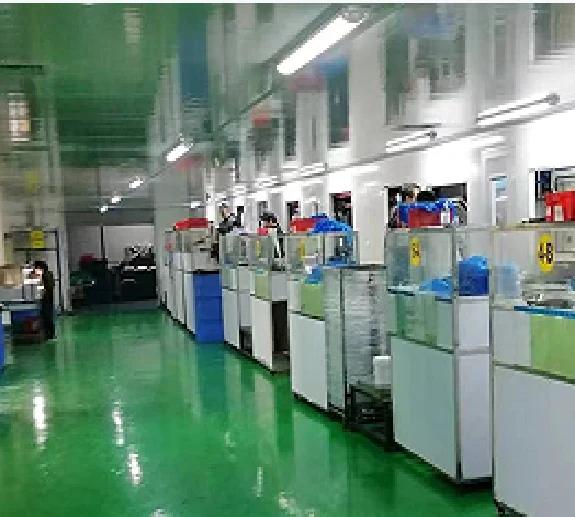
We support full OEM manufacturing services, including private labeling, custom packaging, and documentation compliance (e.g., RoHS, REACH). Our facility is equipped for both small-batch prototyping and large-scale continuous extrusion, with in-line curing and automated cutting systems to maintain uniformity across production runs.
The following table summarizes key engineering specifications for our standard rubber stair cap sealing profiles:
| Property | Typical Value | Test Method |
|---|---|---|
| Hardness (Shore A) | 50–80 ±5 | ASTM D2240 |
| Tensile Strength | ≥8 MPa | ASTM D412 |
| Elongation at Break | ≥250% | ASTM D412 |
| Compression Set (22 hrs, 70°C) | ≤25% | ASTM D395B |
| Operating Temperature Range | -40°C to +120°C | Internal Testing |
| UV and Ozone Resistance | Excellent | ASTM D1149 |
| Color Matching Tolerance | ΔE ≤ 2.0 | Spectrophotometric |
Through a disciplined fusion of material innovation and precision engineering, Suzhou Baoshida delivers durable, aesthetically refined rubber solutions that enhance the performance and longevity of stone stair systems in demanding architectural applications.
Customization Process

Customization Process for Stone Stair Cap Rubber Components
At Suzhou Baoshida Trading Co., Ltd., our industrial rubber solutions for stone stair caps undergo a rigorously defined customization pathway. This process ensures seamless integration with architectural stone elements while delivering exceptional durability under dynamic environmental and mechanical loads. Our ISO 9001-certified workflow begins with comprehensive Drawing Analysis, where engineering teams dissect client CAD files to validate critical parameters. We assess dimensional tolerances per ISO 2768-mK, substrate adhesion zones, thermal expansion coefficients, and load-bearing interfaces. This phase identifies potential stress concentrations and ensures compatibility with stone fabrication methods, preventing delamination or deformation during installation.
Subsequent Formulation leverages our 15+ years of polymer expertise to engineer bespoke rubber compounds. We prioritize UV resistance, ozone stability, and non-marking properties essential for exterior stone applications. Base polymers including EPDM, silicone, and specialty thermoplastic vulcanizates are selected based on project-specific requirements for Shore A hardness, compression set, and temperature resilience. Additives are precisely dosed to achieve Shore A 50–70 hardness for optimal stone interface conformity while maintaining tensile strength ≥12 MPa. Critical performance targets are codified in our internal ASTM D2000 classification system, ensuring traceability from raw material to final part.
Prototyping employs rapid tooling with client-approved materials for functional validation. Each prototype undergoes accelerated aging per ASTM G154 (1,000-hour UV exposure), thermal cycling from -40°C to +120°C, and dynamic load testing simulating 500,000+ foot traffic cycles. We measure dimensional stability post-testing to confirm tolerances remain within ±0.2 mm, critical for stone cap alignment. Client feedback on prototype performance directly refines the compound matrix before tooling sign-off.
Mass Production initiates only after full dimensional and material certification. Our Suzhou facility utilizes automated injection molding with real-time SPC monitoring of cure time, pressure, and temperature profiles. Every batch undergoes in-process checks for durometer consistency (±3 Shore A points) and visual defects. Final inspection includes 100% dimensional verification against GD&T callouts and destructive sampling for tensile/elongation validation. All components ship with full material traceability certificates and RoHS/REACH compliance documentation.
Key Rubber Compound Specifications for Stone Stair Caps
| Property | EPDM Standard | Silicone Premium | TPV Enhanced | Test Standard |
|---|---|---|---|---|
| Shore A Hardness | 60 ± 3 | 55 ± 3 | 65 ± 3 | ASTM D2240 |
| Tensile Strength (MPa) | ≥12.0 | ≥9.5 | ≥14.0 | ASTM D412 |
| Compression Set (%) | ≤25 | ≤15 | ≤20 | ASTM D395 B |
| Temp. Range (°C) | -45 to +110 | -60 to +200 | -40 to +135 | ISO 188 |
| UV Resistance (hrs) | 1,500 | 3,000 | 2,000 | ASTM G154 Cycle 4 |
This structured approach guarantees stair cap components that withstand harsh outdoor conditions while preserving the aesthetic integrity of natural stone installations. Suzhou Baoshida’s engineering discipline bridges material science with architectural precision.
Contact Engineering Team

For industrial manufacturers seeking high-performance rubber solutions tailored to demanding architectural and construction applications, Suzhou Baoshida Trading Co., Ltd. stands as a trusted OEM partner. Specializing in precision-engineered rubber components, we extend our expertise to complementary protective systems, including custom rubberized solutions for stone stair caps used in commercial, residential, and public infrastructure projects. Our engineering team collaborates directly with architects, builders, and material suppliers to develop impact-resistant, slip-resistant, and weather-durable rubber capping systems that enhance both safety and longevity of stone stair installations.
Stone stair caps are exposed to continuous mechanical stress, UV degradation, moisture ingress, and temperature cycling. Standard installations often suffer from chipping, delamination, and tripping hazards due to inadequate edge protection. At Baoshida, we address these challenges through advanced rubber formulation science. Our proprietary EPDM and SBR-based compounds are engineered for high tensile strength, Shore A hardness control, and superior adhesion to natural and engineered stone substrates. Each rubber stair cap solution is designed to absorb foot traffic impact, reduce noise transmission, and maintain consistent performance across -40°C to +120°C operational ranges.
We offer fully customizable profiles, colors, and dimensions to match architectural specifications. Whether for outdoor marble steps in high-humidity climates or indoor granite staircases in luxury developments, our rubber capping systems integrate seamlessly while providing long-term durability. All formulations are tested per ASTM D412 (tensile properties), ASTM D624 (tear resistance), and ISO 48-4 (hardness), ensuring compliance with international building material standards.
For technical collaboration or custom development, contact Mr. Boyce, Rubber Formula Engineer and OEM Manager at Suzhou Baoshida Trading Co., Ltd. Direct project inquiries, material data sheet requests, and sample orders are processed through our engineering desk. Mr. Boyce leads formulation optimization, lifecycle testing, and production scaling for client-specific rubber solutions. With over 12 years of experience in industrial rubber compounding and construction-grade polymer applications, he ensures every product meets exact mechanical and aesthetic requirements.
Below are key technical specifications of our standard rubber stair cap formulation:
| Property | Test Method | Value |
|---|---|---|
| Hardness (Shore A) | ASTM D2240 | 65 ± 5 |
| Tensile Strength | ASTM D412 | ≥14 MPa |
| Elongation at Break | ASTM D412 | ≥350% |
| Tear Resistance | ASTM D624 | ≥40 kN/m |
| Operating Temperature Range | — | -40°C to +120°C |
| Adhesion to Stone (Concrete/Granite) | ASTM D4541 | ≥2.0 MPa |
| UV Resistance | ASTM G154 | Pass (5000 hrs) |
| Slip Resistance (COF, wet) | ASTM F2913 | ≥0.60 |
Partner with Suzhou Baoshida to integrate scientifically formulated rubber protection into your next stone staircase project. Contact Mr. Boyce directly at [email protected] for engineering support, prototype development, or volume production planning.
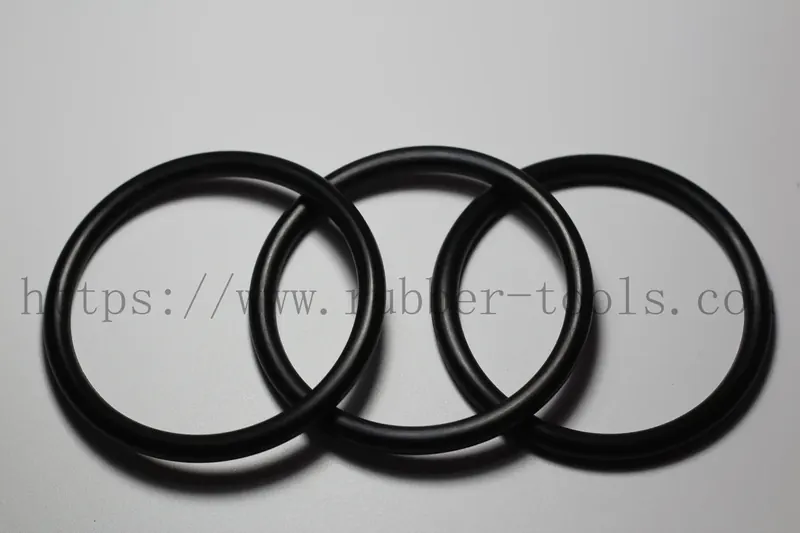
⚖️ O-Ring Weight Calculator
Estimate rubber O-ring weight (Approx).