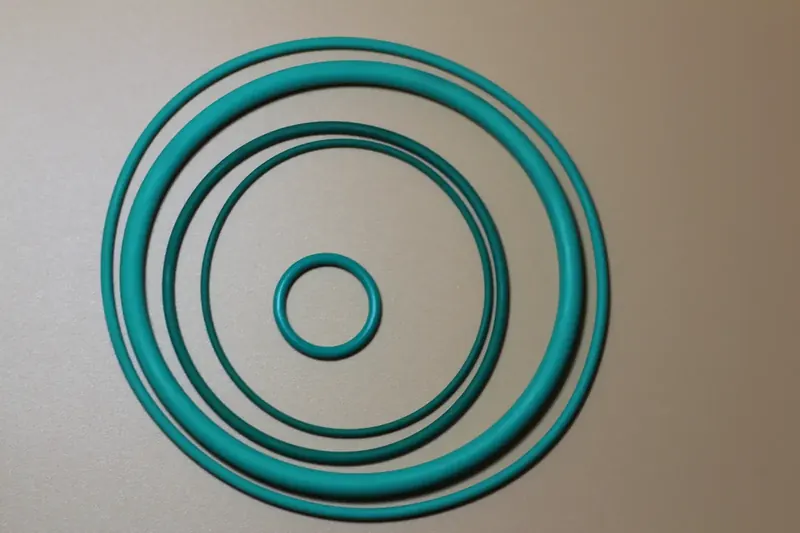
Eps Panel Manufacturer | Engineering Guide

Engineering Guide: Eps Panel

Engineering Insight: Material Selection in EPS Panel Applications

Expanded Polystyrene (EPS) panels are widely used in construction, insulation, and industrial packaging due to their lightweight nature, thermal resistance, and cost-effectiveness. However, when integrated into engineered systems—particularly those involving dynamic sealing, vibration damping, or mechanical support—the surrounding material interfaces become critical. At Suzhou Baoshida Trading Co., Ltd., we emphasize that the failure of EPS panel systems is rarely due to the EPS core itself, but rather the inappropriate selection of associated rubber or elastomeric components.

Off-the-shelf rubber solutions are often marketed as universal fit materials, yet they fail to account for the specific chemical, thermal, and mechanical environments encountered in industrial EPS applications. For instance, standard EPDM or natural rubber gaskets may compress adequately during initial installation but degrade prematurely under prolonged UV exposure, temperature cycling, or contact with adhesives and binders used in panel lamination. This degradation leads to loss of compression set resistance, reduced sealing performance, and ultimately system failure.

The compatibility between rubber components and EPS must be evaluated at the polymer level. Certain plasticizers in low-grade rubber formulations can migrate into the EPS matrix, causing dimensional instability, surface cracking, or delamination. Additionally, mismatched coefficients of thermal expansion between rubber and polystyrene can induce stress fractures during temperature fluctuations. These issues are amplified in outdoor or high-cycle industrial environments where long-term reliability is non-negotiable.

Precision-engineered rubber solutions require a tailored approach. At Baoshida, we conduct material compatibility testing, accelerated aging studies, and finite element analysis to predict real-world behavior. Our formulations prioritize low migration, high compression recovery, and adhesion stability—ensuring the rubber component supports, rather than compromises, the EPS panel’s integrity.

Below is a comparison of standard versus engineered rubber materials used in EPS panel systems:

Property Standard Off-the-Shelf Rubber Baoshida Engineered Rubber
Compression Set (70°C, 22h) 25–35% ≤15%
Tensile Strength 8–10 MPa 12–16 MPa
Elongation at Break 250–300% 350–450%
Hardness (Shore A) 55–65 60–70 (adjustable)
Temperature Range -20°C to +100°C -40°C to +130°C
Plasticizer Migration Moderate to High Ultra-Low
UV Resistance Fair Excellent
Adhesion to EPS Binders Variable Optimized via surface treatment

Material selection is not a secondary consideration—it is a foundational engineering decision. Generic rubber components may reduce upfront costs, but they increase lifecycle risk and total cost of ownership. In contrast, purpose-built elastomers ensure dimensional stability, environmental resilience, and long-term performance.

For OEMs and industrial integrators, partnering with a material specialist like Suzhou Baoshida Trading Co., Ltd. ensures that every EPS panel system is supported by scientifically validated rubber solutions—engineered for precision, durability, and compatibility.


Material Specifications

eps panel manufacturing

Material Specifications for EPS Panel Sealing Applications

Selecting appropriate elastomeric materials for Expanded Polystyrene (EPS) panel manufacturing is critical for ensuring long-term structural integrity, thermal performance, and environmental resistance. At Suzhou Baoshida Trading Co., Ltd., we prioritize precision-engineered rubber compounds that withstand rigorous industrial demands while optimizing cost-efficiency. This section details three primary materials—Viton, Nitrile, and Silicone—validated for EPS panel gasketing, edge sealing, and joint applications. Each formulation undergoes stringent ASTM D2000 and ISO 37 testing to guarantee compliance with global OEM standards.

Viton (FKM) excels in extreme chemical and thermal environments. With a continuous service temperature range of -20°C to 230°C, it resists oils, acids, fuels, and ozone degradation far beyond standard elastomers. Its low gas permeability makes it ideal for panels exposed to aggressive solvents or high-heat processes like autoclave curing. Typical hardness ranges from 60 to 90 Shore A, though formulations can be adjusted for specific compression set requirements. While premium-priced, Viton’s longevity in chemical plants or aerospace-grade EPS assemblies justifies its use where failure risks are unacceptable.

Nitrile (NBR) offers the optimal balance of cost and performance for general-purpose EPS applications. Operating effectively between -30°C and 120°C, it provides exceptional resistance to petroleum-based oils, hydraulic fluids, and aliphatic hydrocarbons. Standard hardness spans 50–90 Shore A, with custom variants available for enhanced abrasion resistance. Nitrile is the industry standard for automotive and construction EPS panels due to its reliable sealing under dynamic stress and affordability. However, it exhibits moderate ozone sensitivity and limited high-temperature stability beyond 125°C.

Silicone (VMQ) delivers unmatched flexibility across extreme temperatures (-60°C to 200°C) and superior resistance to weathering, UV radiation, and steam. Its inert composition meets FDA 21 CFR 177.2600 for food-safe EPS insulation panels. Typical hardness ranges from 30 to 80 Shore A, enabling tight sealing on irregular surfaces. While excellent for static seals in architectural or refrigeration panels, silicone’s lower tensile strength and susceptibility to tear under mechanical stress necessitate careful design validation. It also absorbs moisture, potentially affecting dimensional stability in humid environments.

Material selection must align with specific operational parameters including chemical exposure, thermal cycling, and mechanical load. Below is a comparative overview of critical properties:

Property Viton (FKM) Nitrile (NBR) Silicone (VMQ)
Temperature Range (°C) -20 to 230 -30 to 120 -60 to 200
Tensile Strength (MPa) 10–20 15–30 5–12
Hardness Range (Shore A) 60–90 50–90 30–80
Compression Set (%) ≤20 (200°C/70h) ≤30 (100°C/22h) ≤25 (200°C/22h)
Key Resistance Acids, Fuels, Ozone Oils, Hydraulic Fluids UV, Weathering, Steam
Limitations Cost, Low-T Flex Ozone, Polar Solvents Tear Strength, Moisture Absorption

Suzhou Baoshida Trading Co., Ltd. provides OEM-tailored compounds with certified lot traceability. We recommend Viton for chemical-intensive applications, Nitrile for cost-driven automotive projects, and Silicone for extreme-temperature static seals. Consult our engineering team to validate material suitability against your EPS panel’s operational profile.


Manufacturing Capabilities

eps panel manufacturing

Engineering Capability: Precision-Driven Rubber Solutions for Industrial EPS Panels

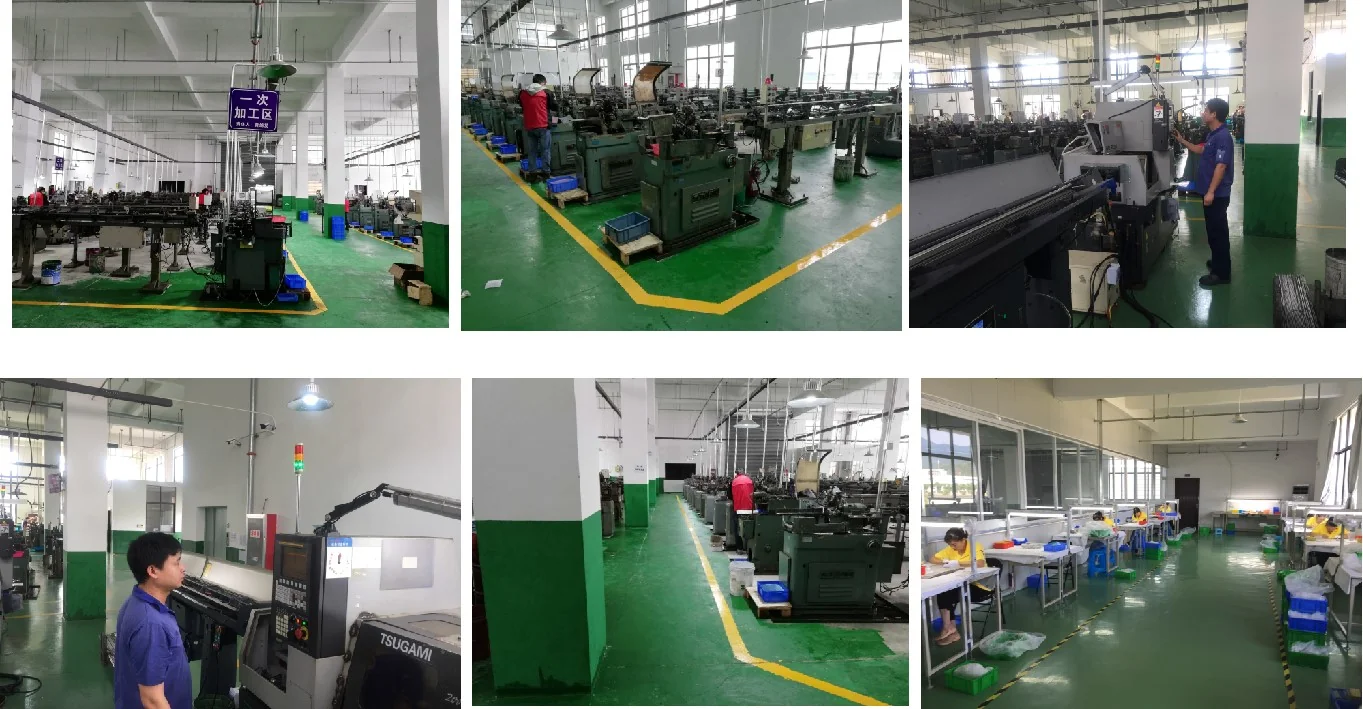
At Suzhou Baoshida Trading Co., Ltd., our engineering capability forms the backbone of our industrial rubber solutions, particularly in the development and production of specialized rubber components for EPS (Expanded Polystyrene) panel manufacturing systems. Our technical team comprises five dedicated mould engineers and two advanced formula engineers, each bringing over a decade of experience in polymer science, elastomer formulation, and precision tooling design. This integrated expertise enables us to deliver fully optimized rubber parts that meet stringent performance, durability, and dimensional accuracy requirements essential in high-cycle EPS panel molding environments.

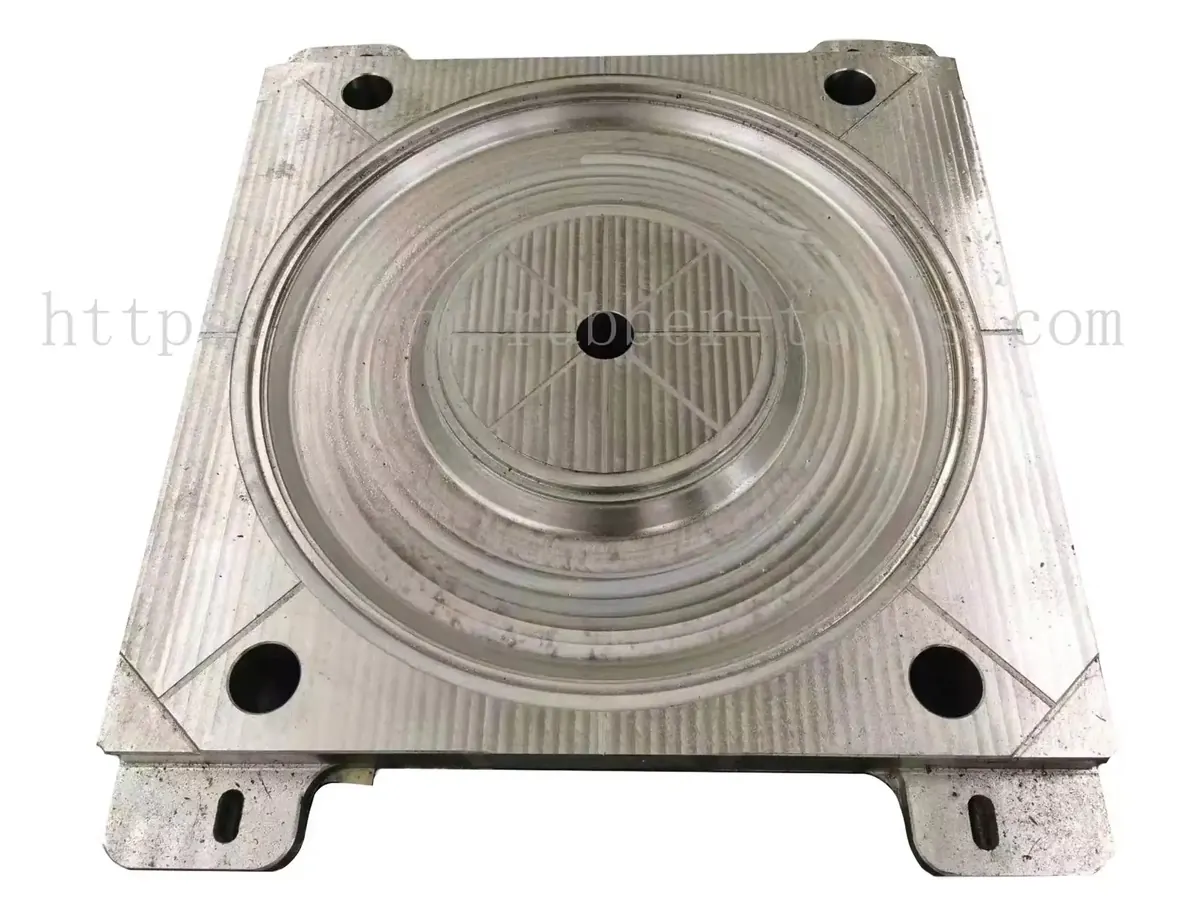
Our mould engineers specialize in designing and refining rubber compression and transfer moulds used in EPS panel machinery. These engineers utilize advanced CAD/CAM software and finite element analysis (FEA) to simulate mold flow, thermal distribution, and stress points, ensuring optimal curing conditions and extended tool life. With a focus on minimizing flash, reducing cycle time, and enhancing part consistency, our designs are tailored to the unique operational parameters of each client’s production line. We support full OEM integration, reverse engineering of legacy components, and rapid prototyping using CNC-machined steel or aluminum tooling.

Complementing our mould engineering strength are our two in-house formula engineers, who focus exclusively on custom elastomer development. They formulate rubber compounds to meet specific mechanical, thermal, and chemical resistance demands encountered in EPS processing environments—where repeated exposure to steam, pressure, and mechanical fatigue can compromise standard materials. Our proprietary rubber formulations are engineered to deliver superior resilience, compression set resistance, and long-term sealing performance. By controlling the entire formulation process—from raw material selection to vulcanization profiling—we ensure batch-to-batch consistency and full traceability.

Our OEM capabilities are built on a foundation of technical collaboration. We work directly with machinery manufacturers and panel producers to co-develop rubber components that enhance system efficiency and reduce downtime. Whether replicating obsolete seals, improving existing designs, or developing new solutions for next-generation EPS lines, our engineering team provides end-to-end support from concept to mass production.

Below is a summary of our core engineering specifications and capabilities:

Parameter Specification
Mould Design Software SolidWorks, AutoCAD, Moldflow
Tooling Materials H13, P20, 420 Stainless Steel, Aluminum
Rubber Formulation Range Nitrile (NBR), EPDM, Silicone, FKM, Custom Blends
Hardness Range (Shore A) 40–90 ±5
Temperature Resistance -40°C to +250°C (depending on compound)
Tolerance Control ±0.1 mm (critical dimensions)
Lead Time (Prototype) 15–20 days
OEM Documentation Full 2D/3D drawings, material certs, test reports

With a disciplined, science-based approach to rubber engineering, Suzhou Baoshida Trading Co., Ltd. ensures that every component we produce contributes to the reliability and efficiency of EPS panel manufacturing systems worldwide.


Customization Process

EPS Panel Customization Process: Precision Engineering for Industrial Applications

Suzhou Baoshida Trading Co., Ltd. executes a rigorous, phase-gated customization protocol for Expanded Polystyrene (EPS) panels, ensuring optimal performance for demanding industrial environments. This structured methodology transforms client specifications into validated, high-yield production outcomes, minimizing risk and maximizing functional reliability. Our process integrates deep material science expertise with advanced manufacturing controls, specifically tailored for rubber-enhanced EPS composite systems where required.

The Drawing Analysis Phase initiates every project. Our engineering team conducts a comprehensive geometric dimensioning and tolerancing (GD&T) review against ASTM D642 and ISO 1926 standards. Critical parameters including load-bearing geometry, thermal expansion allowances, and interface tolerances undergo computational fluid dynamics (CFD) simulation to predict material flow during molding. This phase identifies potential stress concentrations or molding defects early, preventing costly iterations. Client drawings are cross-referenced with application environment data—such as expected compressive loads, temperature ranges, and chemical exposure—to define the material formulation boundary conditions.

Formulation development leverages Suzhou Baoshida’s proprietary rubber compounding database. Based on the drawing analysis, our Rubber Formula Engineers select base polymers (e.g., modified polystyrene blends with EPDM or SBR additives for impact resistance), nucleating agents, and flame retardants. Key variables like cross-link density, cell structure uniformity, and thermal conductivity are precisely modeled. Each compound undergoes simulated aging tests to predict long-term dimensional stability under specified UV, moisture, and thermal cycling conditions. Material Safety Data Sheets (MSDS) and RoHS/REACH compliance are validated before prototyping.

Prototyping employs CNC-machined molds replicating production tooling. Three prototype batches undergo destructive and non-destructive testing per ASTM C578 and EN 13163 protocols. Critical validations include compressive strength at 10% deformation, thermal conductivity (λ-value) at 10°C mean temperature, water absorption rate, and dimensional stability after 48 hours at 70°C. Client feedback on prototype performance triggers micro-adjustments to the rubber additive ratios or molding parameters before final sign-off.

Mass Production implementation utilizes Statistical Process Control (SPC) with real-time monitoring of density, cell size distribution, and surface integrity. Each production run includes in-line thermal imaging to verify uniform curing and automated dimensional checks via coordinate measuring machines (CMM). Batch traceability is maintained through serialized lot codes, enabling full material pedigree tracking from resin pellet to finished panel. Yield rates consistently exceed 98.5% due to the preceding validation rigor.

The following table summarizes critical performance specifications achievable through our customization process:

Parameter Standard Range Baoshida Enhanced Range Test Standard
Density (kg/m³) 10 – 30 15 – 35 ASTM D1622
Compressive Strength (kPa) 60 – 250 100 – 400 ASTM D1621
Thermal Conductivity (W/m·K) 0.033 – 0.044 0.030 – 0.038 ASTM C518
Water Absorption (%) ≤ 3.0 ≤ 1.5 ASTM D2842
Dimensional Stability (Δ%) ±1.0 ±0.5 ASTM D2126

This systematic approach ensures Suzhou Baoshida delivers EPS panels that meet exacting industrial requirements, from structural insulation in cold storage facilities to vibration-damping substrates in transportation. Continuous feedback loops between production and R&D guarantee sustained performance optimization throughout the product lifecycle.


Contact Engineering Team

eps panel manufacturing

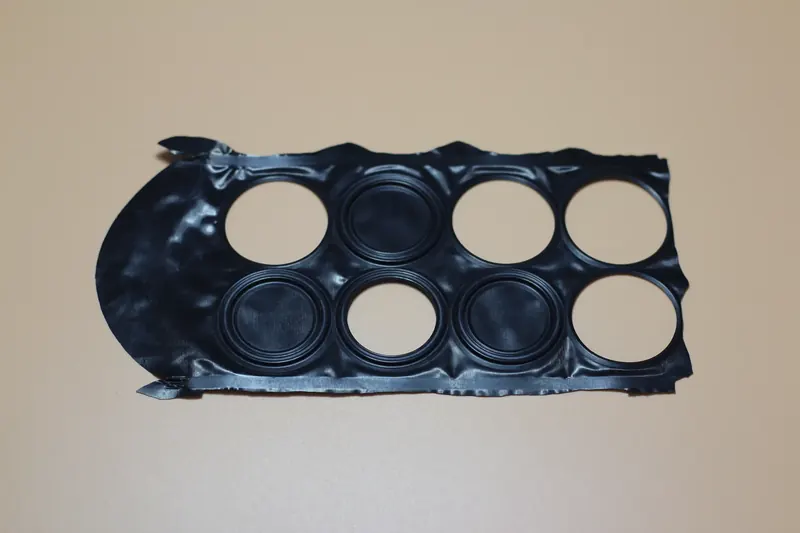
For precision-engineered rubber solutions tailored to the demanding requirements of EPS panel manufacturing, Suzhou Baoshida Trading Co., Ltd. stands as a trusted industrial partner. With extensive expertise in rubber formulation and OEM production, we deliver high-performance components that ensure optimal functionality, durability, and consistency in expanded polystyrene (EPS) molding systems. Our engineered rubber products—including mold seals, stripping pads, and compression gaskets—are specifically developed to withstand repeated thermal cycling, mechanical stress, and chemical exposure inherent in EPS panel production environments.

Our technical team employs advanced elastomer science to customize rubber compounds that meet exact operational parameters. Whether your application demands high-temperature resistance, low compression set, or exceptional resilience under dynamic loads, we formulate materials using EPDM, silicone, fluorocarbon (FKM), or specialty blends engineered for longevity and performance stability. Each component is manufactured under strict quality controls, ensuring dimensional accuracy and repeatability across large production runs.

To support seamless integration into existing EPS molding equipment, we offer full technical consultation—from material selection and design validation to prototyping and lifecycle testing. Our engineering support extends beyond product supply; we collaborate closely with OEMs and system integrators to optimize sealing efficiency, reduce downtime, and enhance overall production throughput.

Below are representative specifications for our standard rubber components used in EPS panel machinery:

Property Test Method Value
Hardness (Shore A) ASTM D2240 50–80 ±5
Tensile Strength ASTM D412 ≥8 MPa
Elongation at Break ASTM D412 ≥250%
Compression Set (22 hrs, 70°C) ASTM D395 ≤20%
Operating Temperature Range -40°C to +200°C (material dependent)
Volume Change in Water (70°C, 72 hrs) ASTM D471 ≤5%
Resistance to Steam and Thermal Cycling Excellent
Custom Color and Shape Availability Yes

All materials are compliant with international industrial standards and can be customized to meet specific client drawings or performance benchmarks. We support both batch production and just-in-time delivery models to align with your manufacturing schedule.

For technical inquiries, material samples, or direct project consultation, contact Mr. Boyce, Rubber Formula Engineer and OEM Manager at Suzhou Baoshida Trading Co., Ltd. Mr. Boyce leads our technical client engagement and is available to discuss formulation strategies, performance optimization, and custom development for EPS panel applications. Reach him directly via email at [email protected]. Include your technical specifications, application conditions, and project scope to receive a targeted response with recommended materials and sample timelines.

Partner with Suzhou Baoshida for engineered rubber solutions that enhance the reliability and efficiency of your EPS panel production systems. Our commitment to material science excellence and customer-specific innovation ensures you receive components designed to perform—precisely.


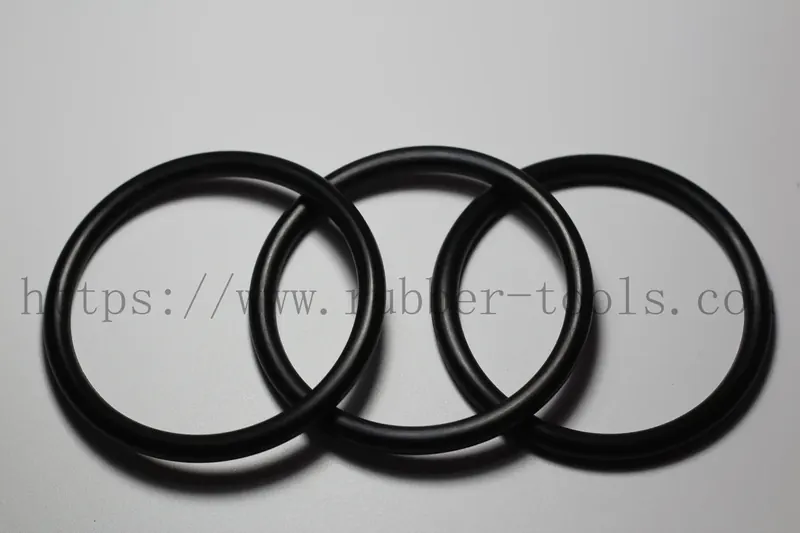
⚖️ O-Ring Weight Calculator

Estimate rubber O-ring weight (Approx).


Eps Panel Manufacturer | Engineering Guide

Contents of Table

Contact [email protected] Whatsapp 86 15951276160