Silicone Sponge Manufacturer | Engineering Guide

Engineering Guide: Silicone Sponge

silicone sponge manufacturing

Engineering Insight Silicone Sponge Material Selection Is Not Optional

Silicone sponge performance in demanding industrial applications hinges entirely on precise material formulation. Generic off-the-shelf silicone sponge compounds frequently fail under real-world operational stresses, leading to premature seal degradation, system leaks, and costly downtime. This failure stems from a fundamental mismatch: standard formulations prioritize broad market appeal and low cost over the specific physical, thermal, and chemical requirements of critical engineering environments. Industrial gaskets, vibration dampeners, and thermal barriers demand tailored polymer architecture and crosslink density, which commodity products inherently lack. Relying on non-engineered solutions ignores the complex interplay between base polymer viscosity, filler type/loading, catalyst systems, and blowing agent chemistry – each parameter directly dictating compression set resistance, resilience, and long-term stability.

The core deficiency of off-the-shelf silicone sponge lies in inadequate compression set performance. Standard grades often exhibit >35% compression set after 22 hours at 177°C (ASTM D395 Method B), rendering them useless for static sealing applications requiring sustained force. Simultaneously, insufficient tear strength (<15 kN/m) leads to catastrophic failure during installation or under dynamic load. Thermal stability is another critical vulnerability; generic compounds degrade rapidly above 200°C, losing elasticity and outgassing volatiles that contaminate sensitive processes. Crucially, these materials rarely undergo rigorous validation against specific fluid exposures – hydraulic oils, fuels, or cleaning agents common in industrial settings – resulting in unpredictable swelling or embrittlement. The economic impact of such failures far outweighs the initial savings from selecting a non-engineered product, encompassing unplanned maintenance, production halts, and potential liability.

Material selection must be treated as a core engineering discipline, not a procurement checkbox. The following table contrasts critical performance parameters between engineered custom silicone sponge formulations and typical off-the-shelf alternatives:

Parameter Custom Engineered Silicone Sponge Off-the-Shelf Silicone Sponge Failure Consequence in Industrial Application
Compression Set (22h/177°C) ≤15% ≥35% Seal relaxation, loss of sealing force, leakage
Tear Strength (kN/m) ≥25 ≤15 Gasket tearing during installation or operation
Continuous Use Temp (°C) -60 to +250 -50 to +200 Thermal degradation, hardening, loss of resilience
Fluid Resistance (ISO 1817) Custom validated per fluid Not validated Swelling >20%, loss of mechanical properties
Compression Deflection (10%) Precisely controlled curve Highly variable Insufficient sealing force or excessive load
Outgassing (ASTM E595) Low TML (<1.0%), CVCM (<0.10%) High, uncontrolled Contamination of vacuum/optical systems

Suzhou Baoshida Trading Co., Ltd. emphasizes that successful silicone sponge integration requires deep collaboration between OEM design engineers and material scientists. We reject the notion of a universal sponge solution. Our OEM management process begins with rigorous application analysis – defining exact temperature profiles, fluid exposures, compression dynamics, and lifecycle expectations. This data directly informs proprietary formulation adjustments to the base polymer, reinforcing fillers, and curing system, ensuring the final compound meets the precise mechanical and environmental demands. Material selection is the foundational engineering decision; investing in purpose-built silicone sponge is not an added cost, but a strategic mitigation of systemic operational risk and a guarantee of sustained performance integrity.


Material Specifications

silicone sponge manufacturing

Silicone sponge is a specialized elastomeric material engineered for high-performance sealing, gasketing, and insulation applications across aerospace, automotive, medical, and industrial sectors. At Suzhou Baoshida Trading Co., Ltd., we supply precision-formulated silicone sponge products tailored to stringent OEM requirements. Our formulations emphasize consistent cell structure, compressibility, resilience, and thermal stability. When selecting an elastomeric sponge material, performance under operational stress—such as temperature extremes, chemical exposure, compression set, and environmental aging—must be evaluated rigorously. Among the most widely used materials in industrial sponge applications are silicone, Viton (FKM), and nitrile (NBR), each offering distinct advantages based on application parameters.

Silicone sponge demonstrates exceptional thermal resistance, operating reliably from -60°C to +230°C, making it ideal for environments subject to extreme temperature cycling. It exhibits excellent UV and ozone resistance, ensuring long-term durability in outdoor applications. Additionally, silicone sponge maintains flexibility and sealing integrity over time, with low compression set and good dielectric properties. It is commonly used in medical devices, food-grade enclosures, and electronic housings due to its compliance with FDA, RoHS, and REACH standards.

Viton sponge, a fluorocarbon-based elastomer, delivers superior resistance to oils, fuels, and aggressive chemicals, including aromatic hydrocarbons and chlorinated solvents. With a temperature range of -20°C to +200°C (intermittent peaks up to +250°C), Viton is preferred in high-reliability aerospace and automotive fuel systems. While more expensive than silicone or nitrile, its chemical inertness and low gas permeability justify its use in mission-critical sealing applications.

Nitrile sponge offers cost-effective performance in oil and fuel resistance, with a service temperature range of -30°C to +100°C (up to +120°C intermittently). It is widely used in automotive gaskets, HVAC seals, and industrial machinery where exposure to petroleum-based fluids is common. While nitrile exhibits good abrasion resistance, it has limited ozone and UV stability, making it less suitable for outdoor exposure without protective coatings.

The following table summarizes key physical and chemical properties of these materials in sponge form:

Property Silicone Sponge Viton Sponge Nitrile Sponge
Base Polymer Polydimethylsiloxane (PDMS) Fluorocarbon (FKM) Nitrile Butadiene Rubber (NBR)
Temperature Range (°C) -60 to +230 -20 to +200 (+250 intermittent) -30 to +100 (+120 intermittent)
Density (kg/m³) 300–600 400–700 350–650
Hardness (Shore A) 20–60 40–80 30–70
Tensile Strength (MPa) 0.8–1.8 1.2–2.5 1.0–2.0
Elongation at Break (%) 100–200 150–250 120–220
Compression Set (22h, 150°C) 15–30% 10–25% 25–40%
Fluid Resistance Excellent water, ozone, UV; poor in oils Excellent in oils, fuels, acids Good in oils, fuels; poor in ozone, UV
Typical Applications Medical seals, electronics, outdoor gaskets Aerospace seals, fuel systems, chemical processing Automotive gaskets, HVAC, industrial machinery

At Suzhou Baoshida, we ensure all sponge materials meet international quality standards and can be customized in durometer, density, and size to meet OEM design specifications.


Manufacturing Capabilities

silicone sponge manufacturing

Engineering Excellence in Silicone Sponge Manufacturing

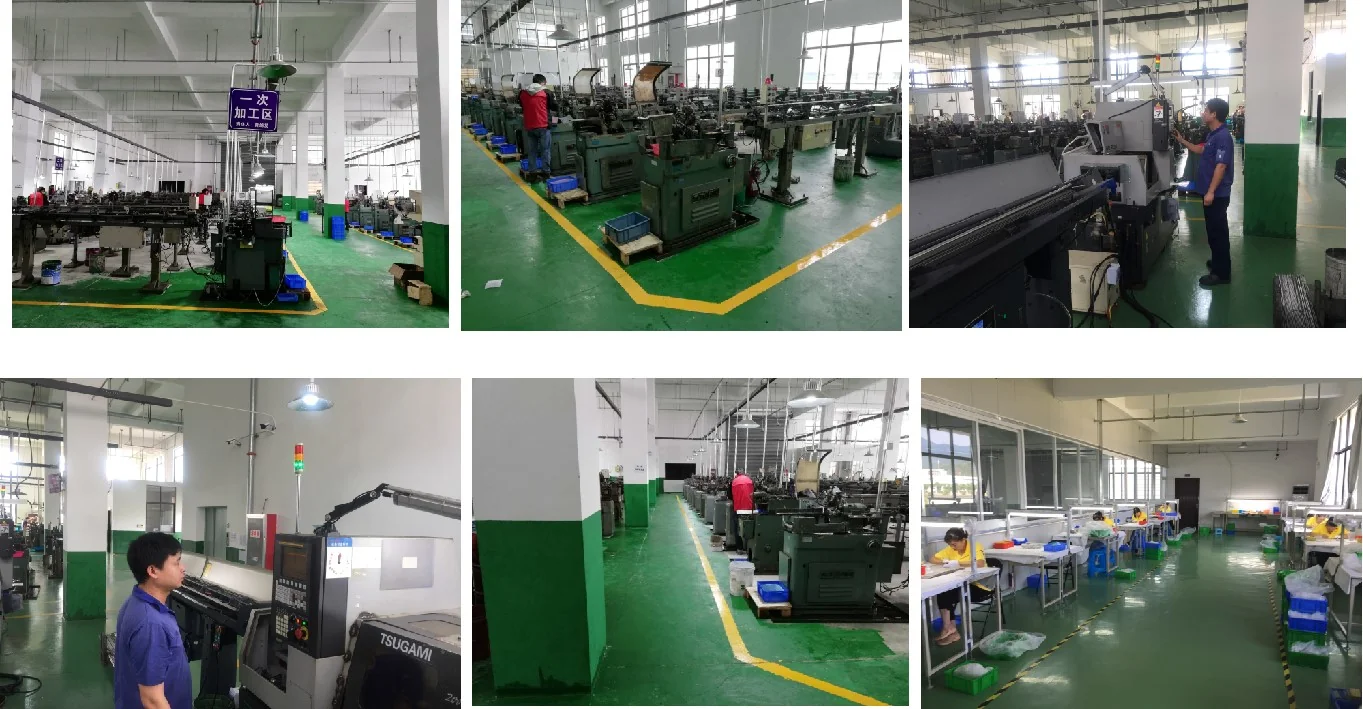
Suzhou Baoshida Trading Co., Ltd. integrates deep material science expertise with precision manufacturing to deliver engineered silicone sponge solutions for demanding industrial applications. Our core strength lies in the synergy between dedicated 5 Mold Engineers and 2 Formula Engineers, operating as a unified technical team to solve complex material and production challenges. This structure ensures seamless translation of client specifications into optimized formulations and tooling designs, eliminating the traditional disconnect between material development and manufacturing execution. Unlike conventional trading partners, we own the technical workflow from polymer chemistry to finished part validation, providing OEM clients with end-to-end engineering accountability.

Our Formula Engineers specialize in tailoring silicone sponge chemistry to achieve precise cellular structure, compression set resistance, and thermal stability. By manipulating platinum-catalyzed curing systems, controlled blowing agents, and high-purity fillers, we engineer formulations that balance density, resilience, and environmental resistance. Critical parameters such as cell uniformity, rebound resilience, and outgassing behavior are systematically optimized through iterative lab-scale compounding and rheological analysis. For instance, aerospace-grade formulations achieve ≤15% compression set (ASTM D395 Method B) at 200°C after 72 hours, while maintaining closed-cell integrity for fluid barrier applications.

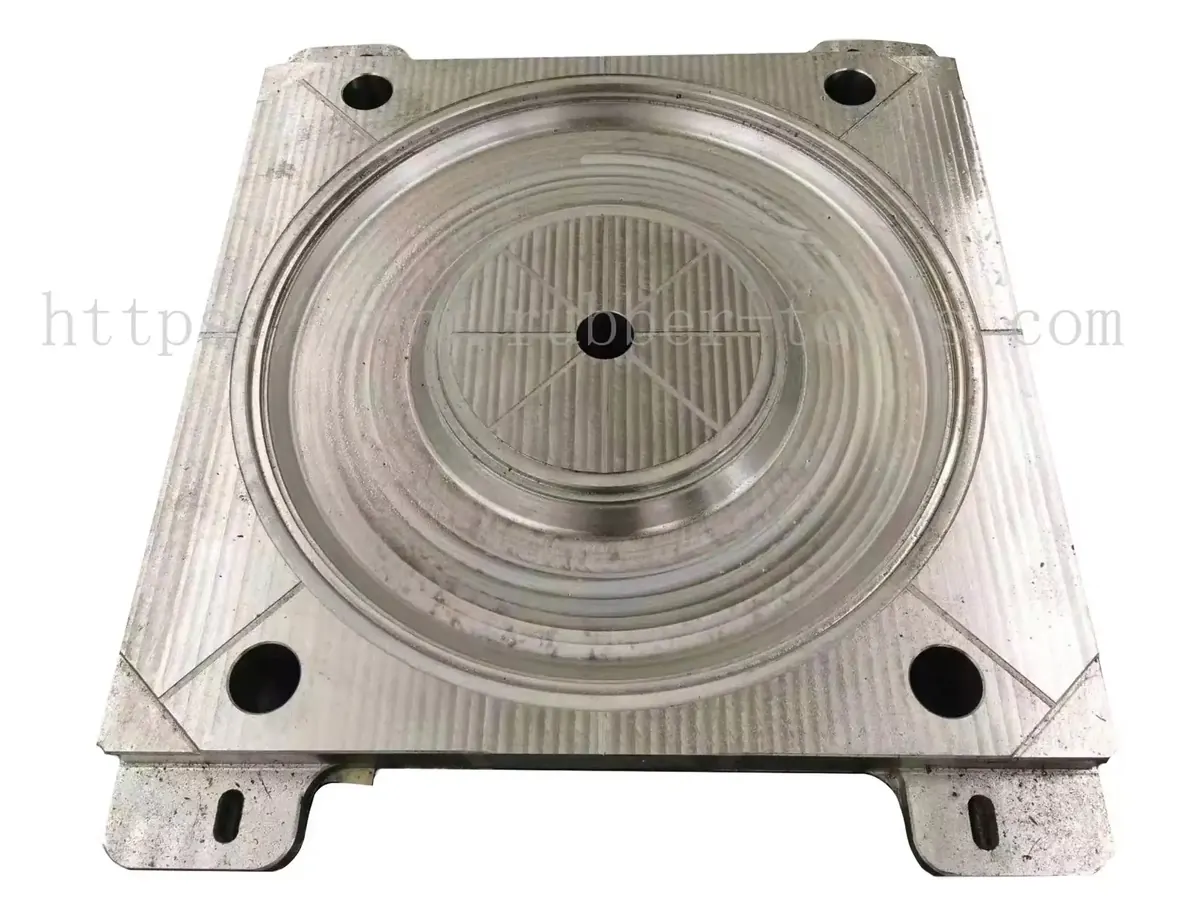
Complementing this, our Mold Engineering team designs tooling that actively compensates for silicone sponge’s unique expansion dynamics during vulcanization. We utilize 3D flow simulation to predict material behavior under heat and pressure, preventing defects like shrinkage, surface porosity, or inconsistent density gradients. Precision-machined molds with integrated venting systems ensure uniform cell structure across complex geometries, including multi-cavity production for high-volume OEM programs. This proactive approach reduces scrap rates by up to 30% compared to standard mold practices and accelerates time-to-qualification for safety-critical components.

The following table summarizes key silicone sponge specifications achievable through our engineered process:

Property Standard Range Custom Capability Test Standard
Density 0.25–0.65 g/cm³ 0.18–0.80 g/cm³ ASTM D3574
Hardness (Shore A) 10–40 A 5–60 A ASTM D2240
Tensile Strength ≥0.8 MPa ≥1.5 MPa ASTM D412
Compression Set (22h/70°C) ≤25% ≤15% ASTM D395
Operating Temperature -60°C to +230°C -75°C to +260°C ASTM D2240/D573

As an OEM partner, we provide full technical stewardship from concept to量产. Our engineers collaborate directly with client R&D teams to refine material specifications, conduct DFM analysis, and establish robust process windows validated through SPC-controlled production. All formulations are developed with supply chain continuity in mind, using globally sourced raw materials with dual-sourcing strategies. Intellectual property is protected through strict NDA protocols and segregated production cells. With in-house capabilities spanning material synthesis, mold design, and automated compression molding, Suzhou Baoshida delivers silicone sponge components that meet Tier-1 automotive, medical device, and energy sector requirements—where material performance directly defines product reliability.


Customization Process

silicone sponge manufacturing

Silicone Sponge Customization Process for Industrial Applications

At Suzhou Baoshida Trading Co., Ltd., our silicone sponge customization process is engineered for precision, consistency, and compliance with industrial performance standards. We support OEMs and industrial clients through a structured workflow that ensures every product meets exact functional and environmental requirements. The process begins with drawing analysis and progresses through formulation, prototyping, and mass production, each phase governed by rigorous quality controls.

The first stage, Drawing Analysis, involves a comprehensive technical review of customer-provided specifications, including dimensional tolerances, part geometry, and application environment. Our engineering team evaluates compression set requirements, thermal exposure, chemical resistance needs, and mechanical loading conditions. This phase ensures that design feasibility is confirmed before material development begins, reducing risk and improving time-to-market.

Following drawing validation, our Formulation Development team designs a proprietary silicone sponge compound tailored to the application. This includes selecting base polymer types (e.g., high-consistency rubber or liquid silicone), adjusting cell structure density, and incorporating functional additives for flame retardancy, thermal stability, or low-temperature flexibility. Our formulations are developed in-house using advanced rheometry, TGA, and DSC analysis to optimize cure kinetics and physical properties. All compounds are tested for compliance with international standards such as UL 94, ASTM D2000, and ISO 3386.

Once the formulation is finalized, we proceed to Prototyping. Using precision molding or continuous extrusion methods, we produce sample batches for customer evaluation. Prototypes undergo full physical testing, including compression deflection (ILD), density, tensile strength, and aging performance. Feedback is integrated rapidly, and iterative adjustments are made as needed. This phase ensures functional validation under real-world conditions before scaling to production.

The final stage, Mass Production, leverages our automated manufacturing lines and statistical process control (SPC) systems to maintain batch-to-batch consistency. We support both compression and continuous curing processes, with in-line monitoring of temperature, pressure, and cure time. Final products are subjected to 100% visual inspection and periodic third-party certification testing. Our production capacity allows scalable output from pilot runs to high-volume OEM supply, with traceability maintained via batch coding and material certificates.

Throughout the process, Suzhou Baoshida ensures full transparency, technical documentation, and compliance with ISO 9001 standards. Our silicone sponge solutions are trusted in automotive sealing, electronics insulation, and industrial gasketing applications.

Typical Silicone Sponge Physical Properties

Property Test Method Typical Value Range
Hardness (Shore A) ASTM D2240 15 – 40
Density (g/cm³) ASTM D3574 0.35 – 0.60
Tensile Strength (MPa) ASTM D412 0.8 – 1.8
Elongation at Break (%) ASTM D412 120 – 250
Compression Set (22 hrs, 70°C) ASTM D395 ≤ 20%
Operating Temperature Range -60°C to +200°C
Cell Structure Microscopy Closed-cell, uniform

Contact Engineering Team

silicone sponge manufacturing

Technical Engagement: Partnering on Silicone Sponge Solutions

Silicone sponge represents a critical material class where molecular architecture directly dictates performance in demanding industrial environments. At Suzhou Baoshida Trading Co., Ltd., our engineering team specializes in formulating precision silicone sponge compounds that meet exacting OEM specifications for compression set, thermal stability, and chemical resistance. Generic off-the-shelf materials often fail under cyclic stress or extreme temperatures, leading to premature seal failure and costly system downtime. Our proprietary crosslinking technologies and filler dispersion processes ensure consistent cell structure integrity, translating to superior long-term resiliency in applications ranging from aerospace gaskets to medical device sealing. Material science is not theoretical here; it is the foundation of reliable industrial performance.

Key technical parameters for our standard high-performance silicone sponge grades are rigorously validated per international standards. Below outlines core specifications achievable through our formulation expertise

Property Value Range Test Standard
Density 300 – 600 kg/m³ ASTM D3574
Hardness (Shore A) 20 – 60 ASTM D2240
Operating Temperature -60°C to +250°C ASTM D2240
Compression Set (22h/150°C) ≤ 25% ASTM D395 Method B
Tensile Strength ≥ 0.8 MPa ASTM D412
Flame Resistance UL 94 HB UL 94

Beyond standard formulations, we excel in solving complex material challenges through collaborative engineering. Whether requiring enhanced fluid resistance for automotive under-hood components, biocompatible grades for medical enclosures, or custom color-matched compounds for consumer electronics, our R&D facility in Suzhou operates ISO 9001-certified processes with full batch traceability. We integrate client-specific requirements into every stage—from initial compound design and prototype molding to production-scale manufacturing and QC validation. Our technical team speaks the language of failure mode analysis and material stress testing, ensuring your sponge solution performs predictably across its entire lifecycle.

Initiating a partnership with Suzhou Baoshida begins with a precise technical dialogue. Mr. Boyce, our dedicated OEM Solutions Manager, possesses 12 years of applied rubber chemistry experience and direct oversight of our silicone sponge production lines. He will coordinate a confidential technical assessment of your application requirements, material performance gaps, and volume needs. This is not a generic sales interaction; it is an engineering consultation focused on delivering a validated material solution that meets your functional and regulatory constraints. Provide your target specifications, environmental exposure conditions, and critical failure modes, and we will respond with a data-driven compound proposal within 72 business hours.

Do not compromise on sealing performance due to suboptimal material selection. Contact Mr. Boyce directly at [email protected] to commence a technical evaluation. Include your project timeline, required certifications (e.g., FDA, UL, AMS), and any existing material test reports for accelerated solution development. Suzhou Baoshida commits to engineering transparency, process control, and on-time delivery—ensuring your silicone sponge components become a reliability asset, not a failure point. Your next-generation product demands material science precision; engage our expertise to achieve it.


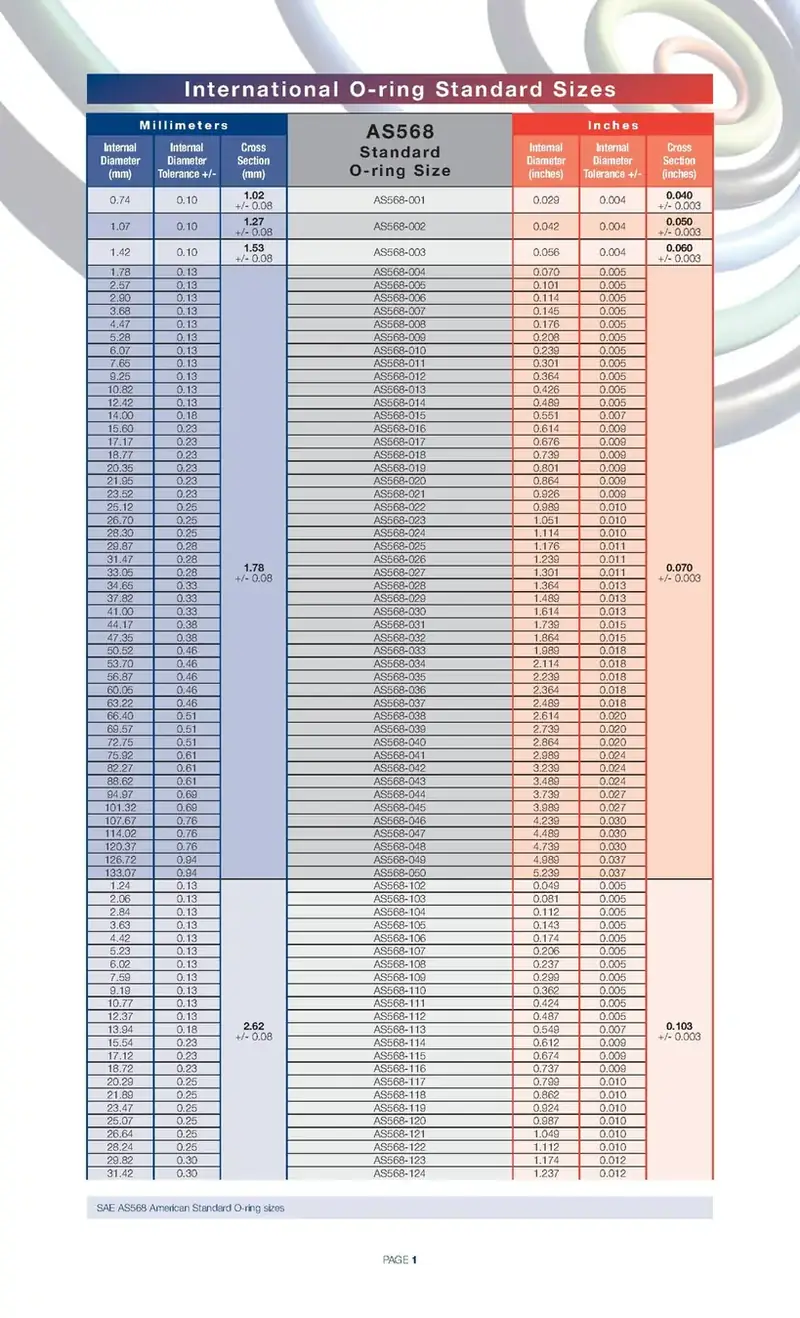
⚖️ O-Ring Weight Calculator

Estimate rubber O-ring weight (Approx).


Silicone Sponge Manufacturer | Engineering Guide

Contents of Table

Contact [email protected] Whatsapp 86 15951276160