3 8 Rubber Fuel Hose Manufacturer | Engineering Guide

Engineering Guide: 3 8 Rubber Fuel Hose

3 8 rubber fuel hose manufacturing

Engineering Insight: The Critical Role of Material Selection in 3/8″ Rubber Fuel Hoses

In the field of industrial fluid transfer, the 3/8″ rubber fuel hose is a seemingly simple component, yet its performance hinges on a complex interplay of material science, environmental exposure, and operational demands. Off-the-shelf fuel hoses often fail prematurely because they are designed for general-purpose applications, not the specific chemical, thermal, and mechanical stresses encountered in real-world fuel delivery systems. At Suzhou Baoshida Trading Co., Ltd., we emphasize engineered material selection as the cornerstone of reliable fuel hose performance.

Standard hoses typically employ low-cost synthetic rubbers such as NBR (nitrile butadiene rubber) with minimal reinforcement. While NBR offers good resistance to aliphatic hydrocarbons, it degrades rapidly when exposed to modern fuel blends containing ethanol, biodiesel, or aromatic hydrocarbons. These additives swell the rubber matrix, leading to loss of tensile strength, increased permeability, and eventual cracking or rupture. Moreover, temperature fluctuations—especially in engine compartments—accelerate aging in substandard materials, further reducing service life.

A high-performance 3/8″ rubber fuel hose must be formulated with a balanced compound that resists both chemical attack and thermal degradation. Our engineered solutions utilize specialized elastomers such as fluorocarbon rubber (FKM) or chlorinated polyethylene (CM), which provide superior resistance to a broader range of fuels and additives. These materials maintain integrity under continuous exposure to ethanol concentrations up to 25% and aromatic content exceeding industry norms. Additionally, the inclusion of anti-oxidants and anti-ozonants in the rubber matrix enhances long-term durability in outdoor or high-UV environments.

Reinforcement is equally critical. A single braid of polyester or aramid fiber is insufficient for high-pressure or pulsating flow conditions. We integrate dual-wire helix braiding with high-tensile synthetic yarns to ensure dimensional stability and burst resistance. This structural design prevents kinking and maintains flow efficiency, even under dynamic flexing.

The following table outlines key performance specifications of our engineered 3/8″ rubber fuel hose compared to typical off-the-shelf alternatives:

Parameter Engineered Fuel Hose (Baoshida) Standard Off-the-Shelf Hose
Inner Material FKM/CM Composite NBR
Reinforcement Layer Dual-wire helix + aramid braid Single polyester braid
Temperature Range -40°C to +150°C -20°C to +100°C
Ethanol Resistance Up to 25% Up to 10%
Aromatic Hydrocarbon Tolerance High Low
Burst Pressure (min) 2,500 psi 1,200 psi
Permeation Rate (g/m²/day) ≤ 15 ≥ 45
Service Life (est. hours) 15,000 5,000

The data clearly demonstrates that material selection directly impacts safety, efficiency, and lifecycle cost. Generic hoses may offer short-term savings, but their susceptibility to failure increases downtime, maintenance costs, and risk of fuel leakage. For OEMs and industrial operators, investing in purpose-built 3/8″ rubber fuel hoses is not a cost—it is a strategic measure to ensure system integrity and operational continuity.


Material Specifications

3 8 rubber fuel hose manufacturing

Material Specifications for 3/8 Inch Rubber Fuel Hose

Suzhou Baoshida Trading Co., Ltd. specifies 3/8 inch inner diameter (ID) rubber fuel hose for critical automotive and industrial fluid transfer applications requiring precise dimensional conformity to SAE J30 R6/R9/R12 standards. This nominal size denotes an internal bore of 9.5 mm, engineered for optimal flow dynamics and compatibility with standard fuel system fittings. Material selection is paramount, directly influencing hose longevity, safety, and regulatory compliance under aggressive fuel compositions, temperature extremes, and pressure cycles. Our formulations prioritize resistance to modern biofuels (E10, E85, B7), aromatic hydrocarbons, and oxidation while maintaining structural integrity.

Viton (Fluoroelastomer, FKM) represents the premium solution for high-temperature and aggressive chemical exposure. Its carbon-fluorine backbone provides exceptional resistance to gasoline, diesel, biodiesel, and ethanol blends up to 100% concentration. Viton hoses operate reliably within -20°C to +200°C continuous service range, with short-term peaks to 230°C. This material exhibits minimal swelling in oxygenated fuels and superior resistance to engine oils and transmission fluids, making it ideal for under-hood applications near exhaust manifolds or turbochargers. Compression set resistance ensures long-term sealing performance in crimped assemblies.

Nitrile Rubber (NBR) remains the industry-standard balance of performance and cost-effectiveness for conventional fuel systems. Optimized acrylonitrile content (typically 34-40%) delivers robust resistance to petroleum-based fuels, aliphatic hydrocarbons, and hydraulic fluids. NBR hoses function effectively from -40°C to +120°C, with specialized high-acrylonitrile grades extending low-temperature flexibility. While susceptible to significant swelling in high-ethanol blends (E15+), standard NBR formulations are validated for E10 compliance per ISO 1817 testing protocols. Its abrasion resistance and low gas permeability support cost-sensitive OEM applications where extreme thermal demands are absent.

Silicone Rubber (VMQ) excels in flexibility and wide-temperature stability (-60°C to +180°C) but requires careful application assessment for fuel service. Standard silicone exhibits poor resistance to hydrocarbon fuels, resulting in high swell and permeation rates. Baoshida utilizes fluorosilicone (FVMQ) variants for fuel compatibility, offering moderate resistance to gasoline and alcohols with acceptable swell (<30% in E10). FVMQ is primarily selected for low-pressure vapor recovery lines or coolant systems adjacent to fuel paths, not primary fuel delivery, due to lower tensile strength versus FKM or NBR.

Material Performance Comparison for 3/8″ Fuel Hose

Material Temperature Range (°C) Fuel Resistance (E10/E85) Pressure Rating (MPa) Ozone/Weather Resistance
Viton (FKM) -20 to +200 Excellent / Excellent 2.5 – 3.5 Exceptional
Nitrile (NBR) -40 to +120 Good / Poor 1.8 – 2.8 Moderate
Fluorosilicone (FVMQ) -60 to +180 Moderate / Poor 1.0 – 1.5 Excellent

Material choice must align with fluid chemistry, operating environment, and lifecycle cost analysis. Viton is mandated for E85 flex-fuel vehicles and high-temperature zones per OEM specifications. NBR suffices for E10 systems in cost-driven passenger vehicles. Silicone variants are restricted to non-primary fuel circuits. Suzhou Baoshida Trading Co., Ltd. rigorously tests all compounds per ASTM D2000 line callouts and provides OEM-specific formulation adjustments to meet dynamic pressure pulsation and permeation limits. Consult our engineering team for application-specific validation data and regulatory certification support.


Manufacturing Capabilities

3 8 rubber fuel hose manufacturing

Engineering Capability

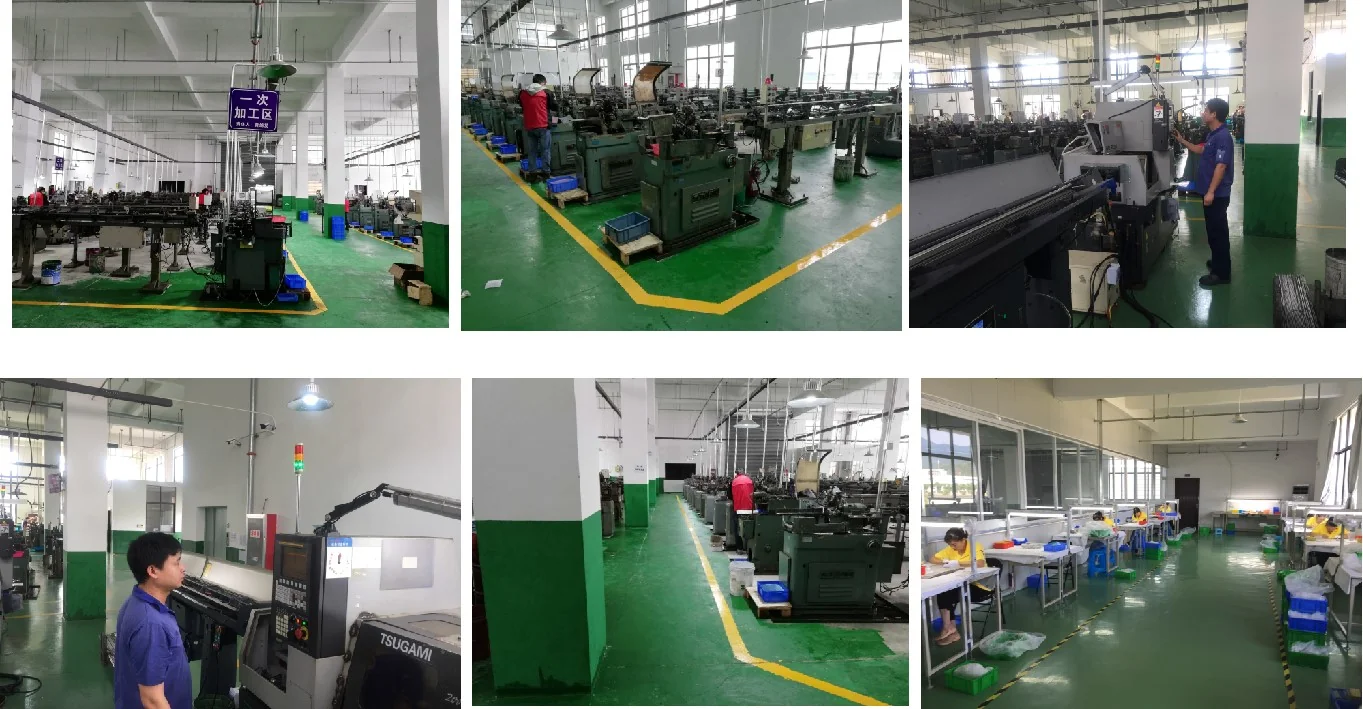
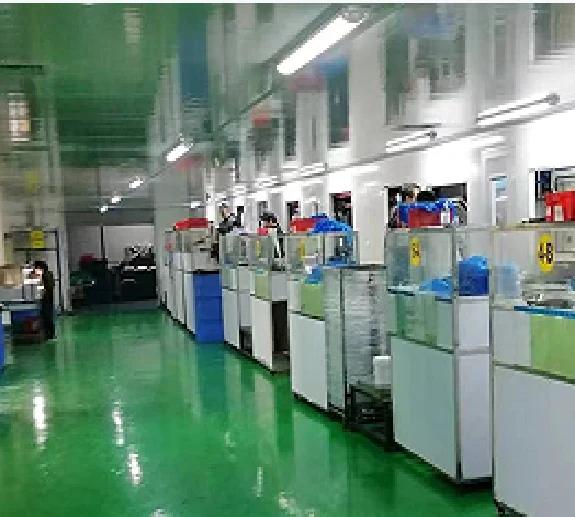
At Suzhou Baoshida Trading Co., Ltd., our engineering capability in the development and production of industrial rubber solutions is anchored in deep technical expertise and a commitment to precision manufacturing. With a dedicated team of five mold engineers and two specialized rubber formula engineers, we maintain full in-house control over the design, material formulation, and production processes for critical components such as the 3 8 rubber fuel hose. This integrated approach ensures optimal performance, reliability, and compliance with stringent industry standards.

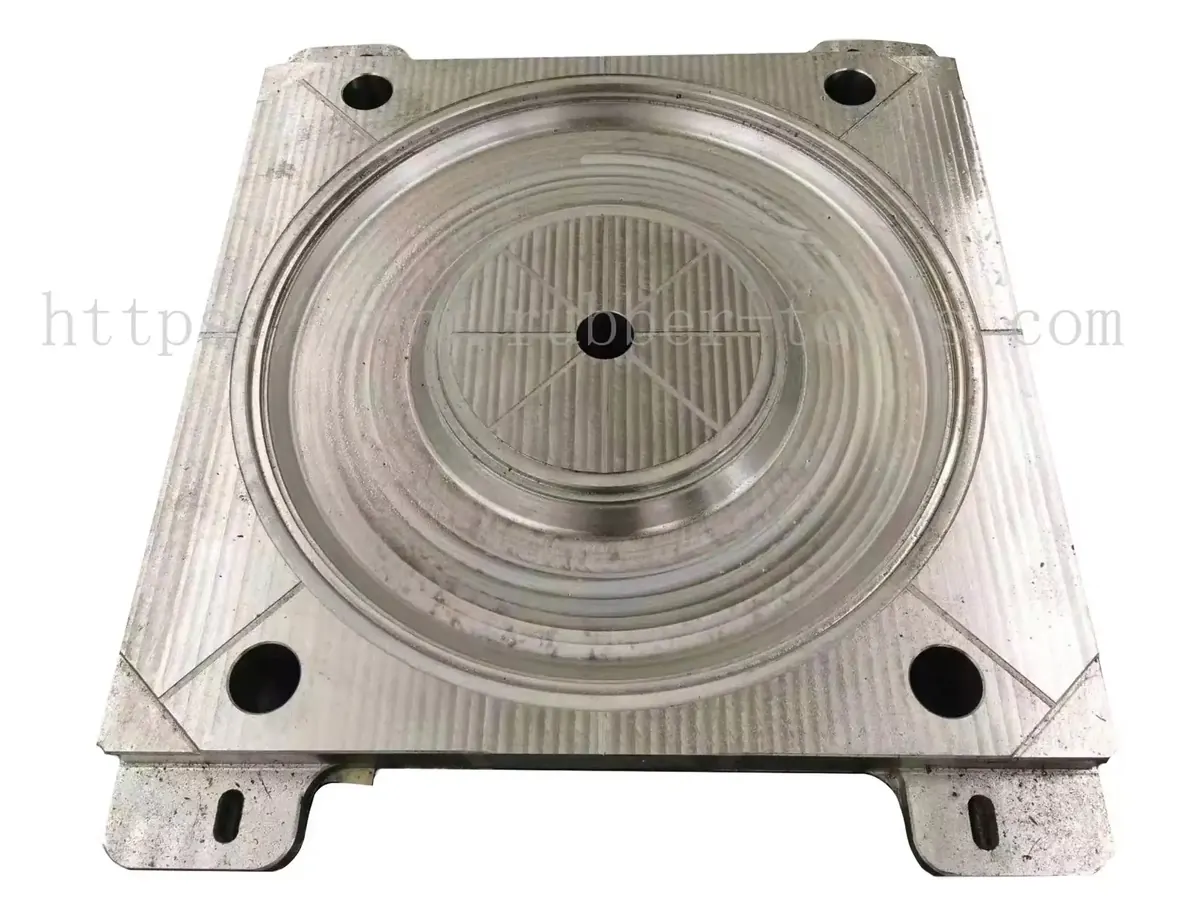
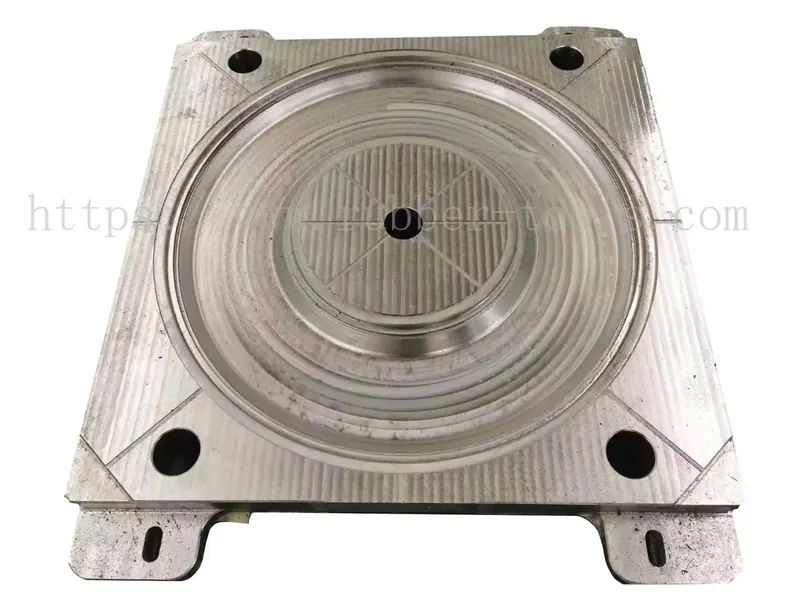
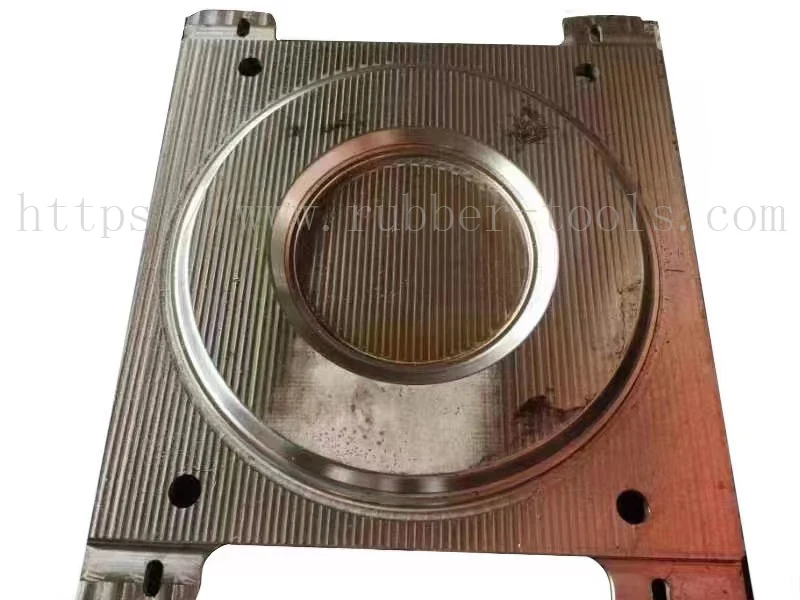
Our mold engineering team leverages advanced CAD/CAM software and precision CNC machining to develop high-tolerance molds that support consistent extrusion and vulcanization of rubber hose profiles. Each mold is designed for durability, dimensional accuracy, and compatibility with continuous production runs, minimizing downtime and ensuring batch-to-batch uniformity. The engineers conduct thermal and stress simulations to optimize mold geometry, ensuring uniform material flow and reduced internal defects in the final product.

Complementing this capability, our two rubber formula engineers bring over 20 years of combined experience in elastomer science and fuel-resistant compound development. They formulate custom rubber blends using NBR (nitrile butadiene rubber) and specialty hydrogenated NBR (HNBR), tailored to meet the aggressive chemical environments typical of fuel delivery systems. These formulations are engineered to resist swelling, degradation, and permeation when exposed to gasoline, diesel, ethanol blends (up to E20), and biodiesel. The compounds are further enhanced with anti-aging agents, ozone-resistant additives, and reinforcing fillers to extend service life under dynamic pressure and temperature fluctuations.

Our OEM capabilities allow us to support clients from concept to mass production. We offer full technical collaboration, including material data sheets, DFMEA reviews, and prototype validation under simulated operating conditions. Clients benefit from rapid iteration cycles, IP-protected designs, and scalable production planning. All formulations and mold designs are documented and archived for traceability, supporting long-term supply continuity and compliance with ISO 9001 and IATF 16949 standards.

The following table outlines the key technical specifications of our standard 3 8 rubber fuel hose, engineered to meet or exceed international performance benchmarks:

Parameter Specification
Inner Diameter 9.5 mm (3/8 inch)
Outer Diameter 14.2 mm ± 0.5 mm
Material (Tube) NBR/HNBR blend
Material (Cover) Chloroprene (CR) or NBR/PVC blend
Working Temperature -40°C to +125°C (intermittent up to +150°C)
Maximum Working Pressure 35 bar
Burst Pressure ≥ 140 bar
Fuel Resistance Compliant with ISO 1817 (gasoline, diesel, E20)
Ozone Resistance Passed 100 pphm, 40°C, 96 hours (IEC 60068-2-17)
Bend Radius 60 mm minimum
Standards Compliance SAE J30, DIN 73378, GB/T 16868

This combination of formulation science, precision tooling, and OEM agility positions Suzhou Baoshida as a trusted engineering partner in the industrial rubber supply chain.


Customization Process

3 8 rubber fuel hose manufacturing

Customization Process for SAE J30R9 3/8″ Rubber Fuel Hose

Suzhou Baoshida Trading Co., Ltd. implements a rigorously defined engineering pathway for customizing SAE J30R9 compliant 3/8″ inner diameter rubber fuel hoses. This structured methodology ensures absolute adherence to OEM performance requirements and regulatory mandates throughout development and production. The process initiates with comprehensive Drawing Analysis. Our engineering team meticulously reviews client-provided technical schematics, focusing on critical dimensions including inner diameter tolerance (±0.3mm), outer diameter constraints, braid coverage density, and specific end-fitting interface geometries. Concurrently, we validate all referenced industry standards, primarily SAE J30R9, alongside any supplementary OEM-specific protocols governing fuel resistance, permeation rates, and pressure cycling. Material compatibility with specified fuel blends (e.g., E10, E85, bio-diesel variants) and operational temperature ranges (-40°C to +105°C continuous) is a primary analytical focus at this stage.

Following drawing validation, the Formulation phase commences. Our rubber compounding scientists develop a proprietary elastomer matrix optimized for the 3/8″ hose application. This involves precise selection and proportioning of base polymers (typically NBR/PVC blends or specialty HNBR), reinforcing fillers, plasticizers, and critical additive packages. The formulation is engineered to achieve specific mechanical and chemical resistance properties while ensuring processability. Key target properties are non-negotiable and strictly controlled, as detailed in the specification table below. Accelerated aging protocols simulate long-term fuel exposure and thermal degradation to verify compound stability before prototyping.

Property Test Method Target Value Acceptance Criteria
Tensile Strength ASTM D412 ≥ 14 MPa Min. 12 MPa after aging
Elongation at Break ASTM D412 ≥ 250% Min. 200% after aging
Fuel Resistance (B) ASTM D471 Volume Swell ≤ 25% Weight Change ≤ +15%
Ozone Resistance ASTM D1149 No Cracking (50 pphm) Pass 70 hrs @ 40°C
Minimum Burst Pressure SAE J30R9 ≥ 20.7 MPa (3000 psi) Absolute Minimum

Prototyping utilizes the finalized compound in controlled pilot production runs. Hoses are manufactured on precision braiding and vulcanization lines mirroring mass production tooling. Each prototype undergoes stringent first-article inspection against the approved drawing, including dimensional checks via calibrated optical comparators and pressure testing to 1.5x working pressure. Functional validation includes permeation testing per SAE J266, pulse fatigue testing, and compatibility trials with client-specified fuels under elevated temperatures. Data from these tests is analyzed; any deviation triggers immediate compound or process parameter refinement.

Upon successful prototype validation and client sign-off, transition to Mass Production occurs under Suzhou Baoshida’s certified quality management system (ISO 9001). Full-scale manufacturing employs statistical process control (SPC) on critical parameters: extrusion dimensions, braid tension, and vulcanization temperature profiles. Every production batch undergoes 100% visual inspection and抽样 testing per AQL 1.0 for dimensional conformance, pressure integrity, and surface quality. Comprehensive material traceability, from raw polymer lot to finished hose reel, is maintained. Final shipment includes certified test reports validating compliance with all SAE J30R9 requirements and the client’s original customization specifications, ensuring consistent, reliable performance in demanding fuel delivery systems.


Contact Engineering Team

3 8 rubber fuel hose manufacturing

For industrial manufacturers and OEMs requiring high-performance fluid transfer solutions, the 3 8 rubber fuel hose represents a critical component in fuel delivery systems across automotive, marine, agricultural, and industrial machinery applications. At Suzhou Baoshida Trading Co., Ltd., we specialize in precision-engineered rubber hoses that meet stringent international standards for durability, chemical resistance, and operational safety. Our 3 8 rubber fuel hose is designed to withstand continuous exposure to gasoline, diesel, biodiesel blends, and other hydrocarbon-based fuels while maintaining structural integrity under variable pressure and temperature conditions.

Engineered with a seamless synthetic rubber inner tube—typically nitrile (NBR) or chloroprene (CR)—this hose formulation ensures excellent resistance to fuel permeation and degradation. The reinforcement layer consists of high-tensile braided polyester or textile yarn, providing burst pressure resistance up to 30 bar depending on construction, while the outer cover is formulated for ozone, weathering, and abrasion resistance. This multi-layer architecture ensures long service life even in harsh operating environments.

We manufacture our 3 8 rubber fuel hoses under ISO 9001-certified quality management protocols, with full traceability and batch testing for dimensional accuracy, adhesion strength, and volumetric expansion under load. Each hose is subjected to rigorous hydrostatic and impulse testing to validate performance against SAE J30, DIN 73378, and ISO 7840 specifications, ensuring compatibility with global OEM requirements.

Specification Value
Inner Diameter 9.5 mm (3/8 inch)
Outer Diameter 14.2 – 15.0 mm (varies by reinforcement)
Material (Inner Tube) Nitrile Rubber (NBR) or Chloroprene (CR)
Reinforcement Braided Polyester or Textile Cord
Cover Material Weather- and Abrasion-Resistant Synthetic Rubber
Temperature Range -40°C to +105°C (intermittent up to +125°C)
Pressure Rating (Working) 12–18 bar
Burst Pressure ≥ 30 bar
Fuel Resistance Gasoline, Diesel, Biodiesel (B10–B20), Ethanol Blends (up to E15)
Standards Compliance SAE J30, DIN 73378, ISO 7840

All products are available in standard coil lengths of 10 m, 25 m, and 50 m, with custom cutting, end-fitting attachment, and packaging options available upon request. We support bulk OEM orders with just-in-time delivery logistics and technical documentation packages including material certifications, RoHS compliance, and test reports.

To integrate our 3 8 rubber fuel hose into your production line or replacement parts supply chain, contact Mr. Boyce, OEM Account Manager at Suzhou Baoshida Trading Co., Ltd. With over 15 years of experience in industrial rubber solutions, Mr. Boyce provides technical consultation, sample coordination, and customized formulation services to meet specific performance criteria. For product inquiries, quotations, or material compatibility assessments, reach out directly via email at [email protected]. Our team responds to all technical inquiries within 6 business hours and can provide sample shipments within 3–5 working days upon request. Partner with Suzhou Baoshida for reliable, high-precision rubber components engineered for real-world industrial demands.


⚖️ O-Ring Weight Calculator

Estimate rubber O-ring weight (Approx).


3 8 Rubber Fuel Hose Manufacturer | Engineering Guide

Contents of Table

Contact [email protected] Whatsapp 86 15951276160