Rubber Injection Molding Equipment Manufacturer | Engineering Guide

Engineering Guide: Rubber Injection Molding Equipment

rubber injection molding equipment manufacturing

Engineering Insight: Material Selection in Rubber Injection Molding Equipment

Material selection fundamentally dictates the success or failure of rubber injection molding operations. Unlike thermoplastics, rubber is a thermoset polymer requiring precise vulcanization kinetics during processing. Off-the-shelf injection molding equipment—often designed for generic thermoplastic applications—lacks the nuanced control necessary for rubber’s unique behavior. This mismatch leads to catastrophic part defects, accelerated tool wear, and unsustainable scrap rates. Rubber compounds exhibit highly variable viscosity profiles, cure sensitivity, and thermal degradation thresholds. Standard equipment fails to accommodate these variables, resulting in incomplete cures, scorching, or inconsistent flow.

The core issue lies in thermoset processing physics. Rubber must undergo crosslinking under exact temperature and pressure conditions within a narrow time window. Off-the-shelf machines typically feature inadequate temperature stability in barrels and nozzles, leading to ±5°C fluctuations. Such variance disrupts vulcanization kinetics, causing under-cured parts with poor mechanical properties or over-cured, brittle components. Additionally, standard clamp force systems lack the fine-tuned response required for rubber’s low-viscosity pre-cure state, generating excessive flash that contaminates molds and increases secondary operations. Material degradation further compounds these issues; rubber compounds like FKM or ACM demand strict oxygen exclusion during heating, yet generic machines lack nitrogen-purged feed zones, accelerating premature curing.

The following table contrasts critical parameters between standard equipment and engineered rubber-specific solutions:

Critical Parameter Off-the-Shelf Deficiency Engineered Rubber Solution
Temperature Control ±5°C fluctuation in barrel zones ±0.5°C closed-loop PID with redundant sensors
Clamp Force Response Fixed tonnage; slow hydraulic response Proportional valves; 50ms reaction time
Material Feed System Standard screw; no isolation from ambient oxygen Nitrogen-purged hopper; cold-runner design
Curing Monitoring No real-time cure state feedback In-mold dielectric sensors; RPA integration

Consequences of mismatched equipment manifest immediately in production. A silicone compound requiring 170°C ±2°C for optimal tear strength may scorch at 175°C in a standard machine, generating surface porosity and adhesion failures. Similarly, EPDM formulations with slow cure kinetics suffer from short shots when injection speeds exceed material flow limits—a flaw absent in purpose-built systems with variable-speed injection profiling. Scrap rates exceeding 15% are common with off-the-shelf units, directly eroding OEM margins.

Suzhou Baoshida Trading Co., Ltd. addresses these challenges through collaborative material-machine co-engineering. We analyze compound rheology, cure curves, and end-use requirements to specify equipment with tailored screw geometries, precision heating bands, and adaptive control algorithms. This approach ensures vulcanization occurs within the compound’s kinetic sweet spot, achieving >99% first-pass yield. For custom molded rubber parts demanding aerospace or medical compliance, generic solutions are not merely inefficient—they are technically nonviable. Partner with specialists who treat rubber as a science, not a commodity process.


Material Specifications

rubber injection molding equipment manufacturing

Rubber injection molding equipment must be precisely calibrated to accommodate the unique thermal, mechanical, and chemical properties of elastomeric materials. At Suzhou Baoshida Trading Co., Ltd., we specialize in custom molded rubber parts engineered for performance in demanding industrial environments. The selection of base polymer is critical to part functionality, longevity, and process efficiency. Among the most widely specified materials in precision applications are Viton, Nitrile (NBR), and Silicone, each offering distinct advantages depending on operational requirements.

Viton, a fluorocarbon-based elastomer (FKM), is renowned for its exceptional resistance to high temperatures, aggressive chemicals, and hydrocarbons. It maintains structural integrity in continuous service up to 230°C (446°F), making it ideal for aerospace, automotive, and chemical processing applications. Viton exhibits low gas permeability and outstanding resistance to aging, ozone, and weathering. However, its higher raw material cost and slower cure kinetics necessitate precise control over injection parameters, including barrel temperature and mold dwell time.

Nitrile rubber (NBR) remains one of the most cost-effective solutions for oil and fuel resistance. With a continuous operating temperature range of -30°C to 100°C (-22°F to 212°F), NBR performs reliably in hydraulic systems, fuel lines, and seals exposed to petroleum-based media. Its compatibility with standard rubber injection molding equipment and rapid cure profile enhance production throughput. While NBR lacks the thermal stability of Viton or Silicone, its mechanical strength and abrasion resistance make it a preferred choice for dynamic sealing applications under moderate thermal load.

Silicone rubber (VMQ) excels in extreme temperature environments, functioning effectively from -60°C to 200°C (-76°F to 392°F), with certain grades tolerating brief excursions beyond. It offers excellent electrical insulation properties, UV resistance, and biocompatibility, supporting use in medical devices, food processing, and outdoor electronics. Silicone’s high compressibility and low compression set are advantageous in gasketing and sealing. However, its low tensile strength and tacky surface require specialized mold release and handling protocols during injection molding.

Material selection directly influences equipment configuration, cycle time, and final part performance. The following table summarizes key physical and chemical properties to guide specification decisions.

Property Viton (FKM) Nitrile (NBR) Silicone (VMQ)
Temperature Range (°C) -20 to 230 -30 to 100 -60 to 200
Tensile Strength (MPa) 15–25 10–20 5–10
Elongation at Break (%) 150–300 200–500 400–800
Hardness Range (Shore A) 50–90 40–90 30–80
Fluid Resistance Excellent (oils, fuels, acids) Excellent (petroleum oils, fuels) Poor to fair (swells in hydrocarbons)
Compression Set Very Good Good Excellent
Electrical Insulation Good Fair Excellent
FDA Compliance Select grades available Limited Widely available

Understanding these material characteristics enables optimal pairing of polymer with application demands and processing capabilities. At Suzhou Baoshida, we support clients in selecting the appropriate elastomer and configuring injection molding systems for maximum repeatability and part integrity.


Manufacturing Capabilities

rubber injection molding equipment manufacturing

Engineering Capability: Precision-Driven Rubber Injection Molding

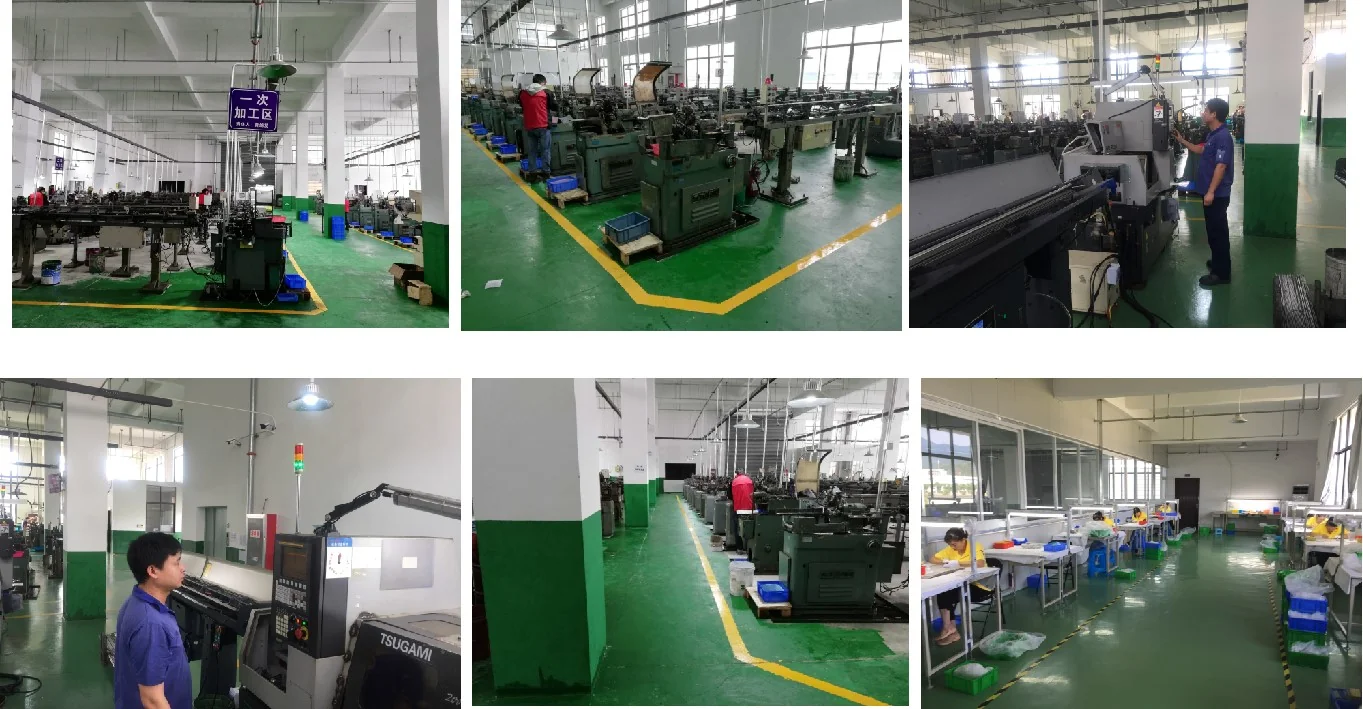
Suzhou Baoshida Trading Co., Ltd. delivers exceptional value in custom rubber part manufacturing through a foundation of deep engineering expertise, specifically tailored for demanding rubber injection molding applications. Our core strength resides in the dedicated integration of specialized engineering disciplines: five experienced Mould Engineers and two advanced Formula Engineers. This structure ensures comprehensive control over both the physical tooling and the critical material science underpinning every component we produce, directly addressing the complex interplay between mold design, material behavior, and final part performance.

Our Mould Engineering team possesses extensive proficiency in designing and optimizing precision injection molds for elastomeric materials. They meticulously analyze part geometry, material flow characteristics, and curing dynamics to develop molds that guarantee dimensional stability, minimize flash, ensure uniform cavity filling, and maximize tool longevity under high-temperature, high-pressure conditions. This expertise translates directly into reduced cycle times, lower scrap rates, and consistent part conformity to stringent OEM specifications, even for intricate geometries and tight tolerance requirements inherent in automotive, medical, and industrial applications.

Complementing this tooling mastery, our Formula Engineering team applies rigorous scientific methodology to polymer chemistry and compound development. Leveraging advanced testing protocols and deep knowledge of elastomer systems (including NBR, EPDM, SIL, FKM, and custom blends), they formulate and validate rubber compounds optimized for specific performance criteria: temperature resistance, chemical compatibility, mechanical strength, compression set, and dynamic sealing properties. This capability eliminates reliance on generic material datasheets; instead, we engineer compounds precisely matched to the functional demands of the end-use environment and the processing parameters of the injection molding cycle, ensuring optimal part performance and lifecycle reliability.

This integrated engineering approach is fundamental to our OEM partnership model. We function as a true extension of our clients’ R&D and manufacturing teams, providing complete technical ownership from initial concept through量产. Our engineers collaborate closely during the Design for Manufacturability (DFM) phase, identifying potential issues early and proposing solutions that enhance producibility without compromising function. We manage the entire technical process – mold design and fabrication oversight, compound formulation and validation, process parameter optimization, and rigorous quality assurance – significantly reducing client non-recurring engineering (NRE) burden and accelerating time-to-market. Suzhou Baoshida provides not just parts, but engineered solutions backed by verifiable material science and precision tooling expertise.

The following table outlines key technical specifications reflecting our injection molding equipment capabilities, engineered to support the stringent demands of custom rubber part production:

Parameter Specification Range Precision/Control Feature
Clamping Force 50 – 2000 Tons Hydraulic/Pneumatic Toggle, Closed-Loop
Shot Weight Capacity 10g – 3000g Servo-Driven Injection Unit
Barrel Temperature Control Ambient to 300°C ±1.0°C Accuracy, Multi-Zone PID
Nozzle Temperature Control Ambient to 300°C ±0.5°C Accuracy, Dedicated Zone
Injection Pressure Up to 2500 Bar Real-Time Monitoring & Adjustment
Curing Time Control Programmable (0.1s increments) Integrated Mold Temperature Control System
Material Drying Capacity Integrated Hopper Dryers Dew Point Monitoring, -40°C Typical
Process Data Logging Full Cycle Parameters Ethernet/IP, OPC UA Compatible, SPC Capable

Customization Process

rubber injection molding equipment manufacturing

Drawing Analysis

The customization process for rubber injection molding equipment begins with a comprehensive drawing analysis, serving as the technical foundation for all subsequent development stages. At Suzhou Baoshida Trading Co., Ltd., our engineering team evaluates customer-provided CAD models and 2D technical drawings to assess dimensional accuracy, tolerance requirements, part geometry complexity, and gate location feasibility. We verify compliance with standard molding practices, identifying potential issues such as thin wall sections, undercuts, or insufficient draft angles that could impact moldability. This phase also includes material cavity layout planning and parting line optimization to ensure uniform filling and minimal flash formation. Close collaboration with the client ensures alignment on design intent and performance expectations before moving forward.

Formulation Development

Following design validation, our rubber formula engineers initiate material formulation tailored to the application’s environmental and mechanical demands. Utilizing our in-house compounding laboratory, we develop custom elastomer recipes based on base polymers such as NBR, EPDM, silicone, FKM, or CR, selecting additives for enhanced properties including heat resistance, compression set, oil resistance, or low-temperature flexibility. Each formulation is rigorously tested for cure characteristics using Moving Die Rheometry (MDR), ensuring optimal scorch time and cure rate compatibility with injection molding cycles. Hardness (Shore A), tensile strength, elongation, and volume swell are validated against international standards (ASTM D2000, ISO 3302). This scientific approach guarantees that the final compound meets both functional requirements and processing efficiency.

Prototyping and Validation

Once the formulation is finalized, we proceed to prototype production using precision aluminum or soft steel molds. These short-run molds allow for rapid iteration and functional testing under real-world conditions. Parts are molded on our automated rubber injection machines, replicating production parameters such as temperature, pressure, and cure time. Prototypes undergo dimensional inspection via CMM (Coordinate Measuring Machine) and are subjected to application-specific performance tests—sealing pressure, dynamic compression, fluid exposure, or thermal aging. Feedback from this stage informs any necessary design or material adjustments, ensuring robustness prior to full-scale manufacturing.

Mass Production Readiness

After client approval of prototypes, we transition to mass production using hardened steel molds built for high-cycle durability and consistent part quality. Our fully automated rubber injection lines operate under strict process control, monitored by real-time data acquisition systems to maintain repeatability. In-process quality checks, first-article inspections, and batch traceability ensure compliance with ISO 9001 standards. With scalable capacity and advanced molding technology, Suzhou Baoshida delivers custom rubber components with precision, consistency, and on-time delivery.

Specification Value/Range
Material Types NBR, EPDM, FKM, Silicone, CR, NR, IIR
Hardness Range 30–90 Shore A
Weight Capacity 1–500 g per shot
Tolerance (Linear) ±0.1 mm (standard), ±0.05 mm (precision)
Mold Temperature Range 150–200°C
Injection Pressure Up to 150 MPa
Production Cycle Time 30–180 seconds (part-dependent)

Contact Engineering Team

rubber injection molding equipment manufacturing

Precision Engineering Partnership for Critical Rubber Components

Suzhou Baoshida Trading Co., Ltd. operates at the convergence of advanced polymer science and industrial manufacturing excellence. Our specialization in custom molded rubber parts for demanding sectors—including automotive sealing systems, medical device components, and aerospace fluid handling—demands uncompromising precision in material formulation and process control. Our rubber injection molding equipment portfolio is engineered to deliver sub-micron tolerances, repeatable material dispersion, and thermal stability essential for mission-critical applications. We do not merely supply machinery; we integrate material science expertise with process optimization to eliminate variables that compromise part integrity.

As your OEM partner, we implement rigorous empirical validation protocols across the production lifecycle. Each molding system undergoes ISO 17497-compliant vibration analysis and ASTM D2240 durometer consistency testing under simulated operational loads. Our engineering team collaborates directly with clients to calibrate equipment parameters to your specific elastomer compounds—whether peroxide-cured silicone for biocompatibility or HNBR for extreme oil resistance—ensuring zero deviation from material rheology specifications. This granular control mitigates flash formation, cure inhibition, and dimensional drift that plague conventional setups.

The following technical specifications define our standard high-precision injection molding platforms. These parameters reflect baseline capabilities; all systems are configurable to exceed industry benchmarks for your application:

Parameter Standard Range Precision Tolerance Measurement Standard
Clamping Force 50–2000 Tons ±0.5% ISO 10079
Shot Size 10–5000 cm³ ±0.15% ASTM D3839
Platen Parallelism 0.02–0.08 mm/m ±0.005 mm JIS B 6403
Temperature Control Ambient to 350°C ±0.3°C IEC 60519-1
Energy Consumption 0.8–2.2 kWh/cycle ±3% ISO 50001

These metrics are not theoretical maximums but empirically verified operational boundaries under continuous 24/7 production. Our systems incorporate closed-loop feedback from in-mold pressure transducers and real-time rheometer data streams to maintain process stability across 500,000+ cycles. This level of control is non-negotiable for components requiring FDA 21 CFR Part 820 compliance or AS9100 aerospace traceability.

Initiate your technical collaboration with Suzhou Baoshida by contacting Mr. Boyce directly at [email protected]. Specify your material compound, dimensional criticality requirements, and production volume in your inquiry. Mr. Boyce will coordinate our polymer engineering team to conduct a feasibility assessment within 72 hours, providing a validated process window analysis—not generic sales literature. Our engineers will diagnose material-flow interactions in your specific geometry, recommend optimal nozzle thermocouple placement, and project cycle time reductions based on your elastomer’s scorch characteristics. Do not compromise on the foundational equipment governing your rubber part’s performance envelope. Contact Mr. Boyce to receive actionable engineering data for your next high-integrity molding project. Precision begins at the molecular level—and we control it.


⚖️ O-Ring Weight Calculator

Estimate rubber O-ring weight (Approx).


Rubber Injection Molding Equipment Manufacturer | Engineering Guide

Contents of Table

Contact [email protected] Whatsapp 86 15951276160