Technical Contents
Engineering Guide: Flame Retardant Plastic

Engineering Insight: Flame Retardant Plastics – The Critical Role of Material Selection
In industrial applications where fire safety is non-negotiable, flame retardant plastics are not merely a compliance checkbox—they are a foundational engineering decision. At Suzhou Baoshida Trading Co., Ltd., our expertise in industrial rubber solutions extends into the precise integration of polymer systems where thermal stability, mechanical integrity, and flame resistance must coexist under real-world stress. Off-the-shelf flame retardant plastics often fail because they are engineered for generalized performance, not the specific thermal, chemical, and mechanical environments encountered in demanding sectors such as electrical enclosures, transportation components, and industrial automation systems.
Standard commercial-grade flame retardant polymers typically rely on halogenated additives—such as brominated or chlorinated compounds—to achieve initial ignition resistance. While these materials may pass basic flammability tests like UL94 V-2, they frequently degrade under prolonged thermal exposure, releasing corrosive gases and losing structural integrity. In high-heat environments, such as near motors or power distribution units, this degradation can lead to catastrophic component failure, even in the absence of open flame.
More critically, many off-the-shelf solutions neglect the interaction between flame retardancy and other performance metrics. For instance, adding high loadings of flame retardant additives can severely reduce impact strength, elongation at break, and long-term UV resistance. This trade-off becomes unacceptable in applications requiring both durability and safety. Additionally, processing conditions—such as injection molding temperatures and shear rates—can decompose sensitive flame retardant chemistries, leading to inconsistent part quality and compromised performance.
The solution lies in engineered material systems tailored to application-specific requirements. At Baoshida, we prioritize formulations based on inherently stable polymer matrices—such as polyphenylene ether (PPE), polyamide (PA6/66), or thermoplastic polyurethane (TPU)—combined with synergistic flame retardant packages. These include metal hydroxides (e.g., aluminum trihydrate), phosphorus-based systems, or nitrogen-enhanced intumescents, which offer lower smoke density and reduced toxicity compared to halogenated alternatives. Such systems maintain mechanical properties while providing superior performance in glow wire ignition tests (GWIT) and comparative tracking index (CTI) evaluations.
Below is a comparison of common flame retardant plastic systems relevant to industrial applications:
| Material System | UL94 Rating | GWIT (°C) | Tensile Strength (MPa) | Limiting Oxygen Index (LOI %) | Key Application |
|---|---|---|---|---|---|
| Standard ABS + Brominated FR | V-2 | 600 | 35 | 22 | Consumer Electronics Housings |
| PA6 + Melamine Polyphosphate | V-0 | 750 | 55 | 30 | Electrical Connectors |
| PPE/HIPS + Phosphorus FR | V-0 | 850 | 42 | 32 | Power Tool Housings |
| TPU + ATH | V-0 | 700 | 40 | 34 | Industrial Cable Sheathing |
Material selection is not a secondary consideration—it is the core of reliable, safe, and durable component design. Generic solutions may appear cost-effective initially, but they often result in field failures, regulatory non-compliance, and increased lifecycle costs. At Suzhou Baoshida Trading Co., Ltd., we collaborate with OEMs to develop purpose-built flame retardant systems that meet exact performance, safety, and processing demands.
Material Specifications

Material Specifications for Flame Retardant Elastomeric Seals
Suzhou Baoshida Trading Co., Ltd. provides precision-engineered flame retardant elastomers for critical industrial sealing applications. While flame retardancy is often associated with plastics, elastomeric solutions require specialized polymer chemistry to balance fire resistance with mechanical integrity under operational stress. Our formulations prioritize UL94 compliance, thermal stability, and chemical resistance without compromising sealing performance. Viton, Nitrile, and Silicone remain optimal for demanding environments where ignition resistance is non-negotiable, such as automotive powertrains, aerospace fluid systems, and electrical enclosures. Each material undergoes rigorous ASTM D2671 vertical burn testing and LOI (Limiting Oxygen Index) validation to ensure adherence to IEC 60695 standards.
Viton fluorocarbon rubber delivers the highest flame retardant efficacy among elastomers, achieving UL94 V-0 ratings at thicknesses ≥1.5mm. Its perfluorinated backbone inherently resists ignition up to 200°C continuous service temperature, with minimal after-flame time (<2 seconds) and zero melt dripping. Nitrile butadiene rubber (NBR) requires additive-based flame retardants (e.g., ATH or phosphates) to attain UL94 HB ratings, limiting its use to lower-risk applications below 120°C. Silicone elastomers achieve UL94 V-0 through platinum-catalyzed formulations but exhibit reduced tensile strength versus Viton, necessitating careful design validation for dynamic seals. All materials are compounded to meet OEM-specific halogen-free requirements per RoHS 3.0, with trace metal content controlled to <100ppm.
The comparative performance characteristics below reflect standard commercial grades processed under ISO 9001-certified conditions. Custom formulations adjust tensile properties and flame spread indices for client-specific ASTM F2976 or FMVSS 302 compliance.
| Property | Viton (FKM) FR Grade | Nitrile (NBR) FR Grade | Silicone (VMQ) FR Grade |
|---|---|---|---|
| UL94 Rating (1.5mm) | V-0 | HB | V-0 |
| Continuous Use Temp (°C) | -25 to +200 | -30 to +120 | -60 to +180 |
| Tensile Strength (MPa) | 12–15 | 10–14 | 6–9 |
| Elongation at Break (%) | 150–250 | 200–350 | 250–400 |
| LOI (%) | ≥45 | 22–26 | ≥32 |
| Density (g/cm³) | 1.85–1.95 | 1.40–1.50 | 1.15–1.25 |
| Key Additives | None (inherent) | ATH, Red Phosphorus | Platinum Catalysts |
OEM integration demands precise consideration of compression set at elevated temperatures—Viton maintains <20% at 150°C after 70 hours, while FR NBR exceeds 35% under identical conditions. Silicone’s low surface energy enhances flame resistance but increases permeability to non-polar fluids, requiring barrier layer design in fuel systems. Suzhou Baoshida supplies full material traceability documentation, including batch-specific UL E475976 certificates and flammability test reports. For mission-critical applications, we recommend Viton FR where thermal-oxidative stability and chemical resistance are paramount; NBR FR serves cost-sensitive static seals; Silicone FR excels in high-purity environments requiring biocompatibility. All materials undergo third-party verification per ISO/IEC 17025 protocols prior to shipment.
Manufacturing Capabilities

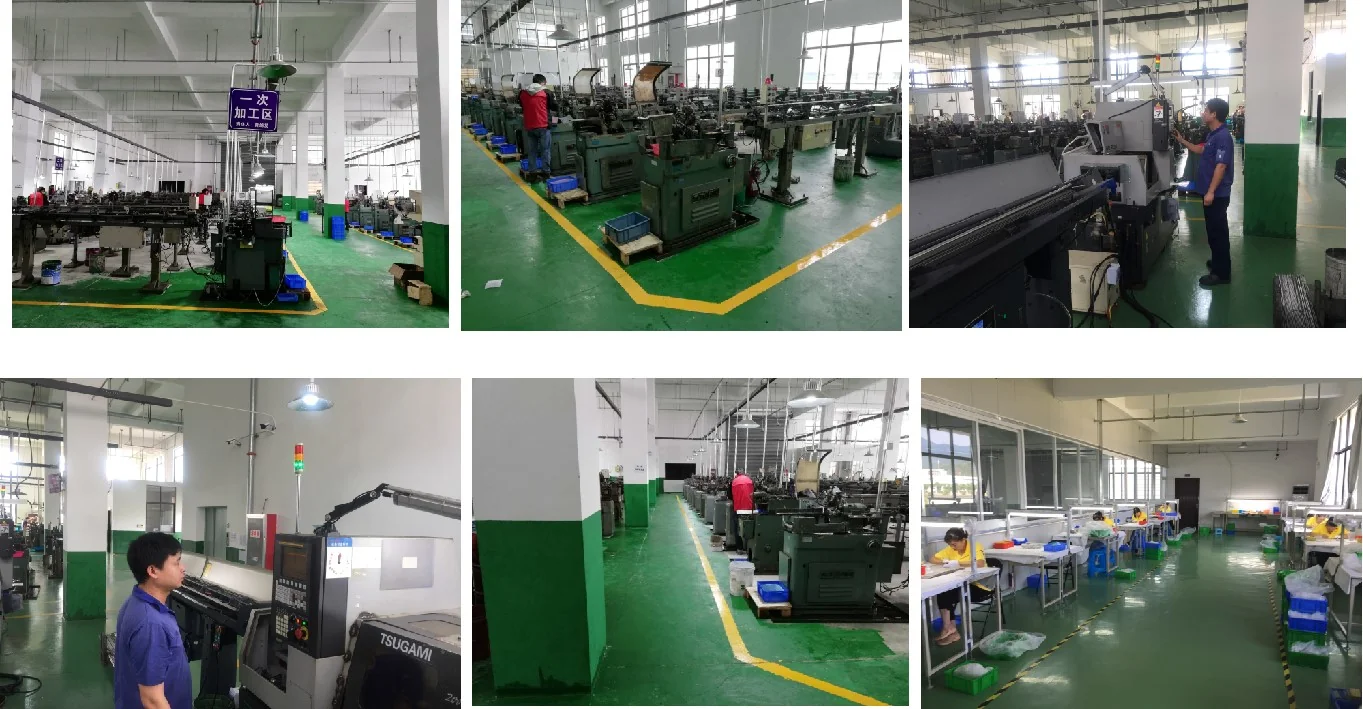
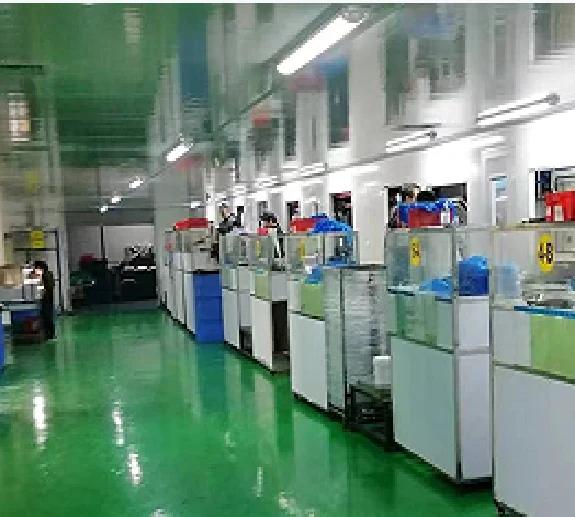
Suzhou Baoshida Trading Co., Ltd. operates at the forefront of industrial rubber solutions, with a specialized engineering division dedicated to the development and manufacturing of high-performance flame retardant plastic compounds tailored for demanding industrial environments. Our Engineering Capability is anchored by a team of highly skilled professionals, including five dedicated mould engineers and two advanced formula engineers. This integrated team structure enables seamless collaboration between material science and precision tooling, ensuring optimal performance, reliability, and compliance in every product we deliver.
Our formula engineers possess deep expertise in polymer chemistry, with a focused specialization in flame retardant systems. They are responsible for designing and validating proprietary rubber and plastic formulations that meet stringent international safety standards, including UL94, IEC 60695, and GB/T 2408. By leveraging advanced compounding techniques and flame retardant additives such as aluminum trihydrate (ATH), magnesium hydroxide, and halogen-free flame retardants (HFFR), our team ensures that each formulation achieves the desired balance of fire resistance, mechanical strength, thermal stability, and processability. These formulations are rigorously tested under real-world conditions to confirm performance across a wide temperature range and in high-risk electrical and automotive applications.
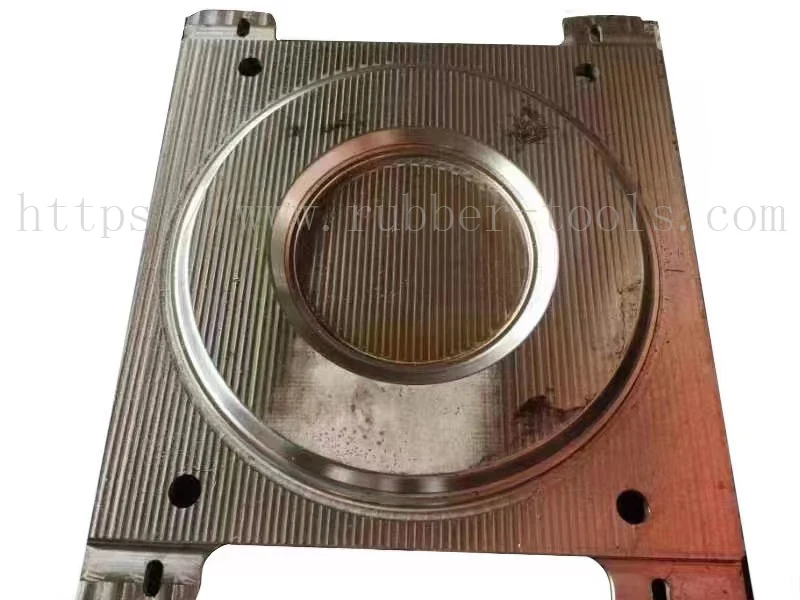
Complementing our material development is a team of five experienced mould engineers who specialize in precision tool design and injection moulding optimization. Their expertise ensures that complex geometries and tight tolerances are consistently achieved, even with challenging flame retardant compounds that may exhibit higher melt viscosities or abrasive characteristics. Utilizing advanced CAD/CAM software and mold-flow simulation tools, our engineers optimize gate design, cooling channels, and ejection systems to minimize cycle times, reduce defects, and enhance part consistency. This synergy between formulation and mould design allows us to deliver components that meet exacting OEM specifications.
We offer full OEM manufacturing services, enabling clients to outsource end-to-end production from concept to finished product. Our capabilities include custom compounding, rapid prototyping, tooling fabrication, and high-volume injection moulding—all conducted in-house under strict quality control protocols. This vertical integration ensures faster time-to-market, improved cost efficiency, and complete traceability.
The following table outlines key technical specifications achievable with our flame retardant plastic compounds:
| Property | Test Standard | Typical Value |
|---|---|---|
| UL94 Rating | UL94 | V-0 (0.8 mm) |
| Limiting Oxygen Index (LOI) | ASTM D2863 | ≥28% |
| Tensile Strength | ASTM D412 | 12–16 MPa |
| Elongation at Break | ASTM D412 | 150–250% |
| Heat Deflection Temperature (HDT) | ASTM D648 | 110–130°C @ 0.45 MPa |
| Volume Resistivity | ASTM D257 | >1×10¹⁴ Ω·cm |
| Operating Temperature Range | Internal Test | -40°C to +130°C |
At Suzhou Baoshida, our engineering capabilities are built on precision, innovation, and deep technical knowledge. We are committed to delivering flame retardant plastic solutions that meet the evolving needs of global OEMs in the automotive, electrical, and industrial equipment sectors.
Customization Process

Customization Process for Flame Retardant Plastic Components
At Suzhou Baoshida Trading Co., Ltd., our flame retardant plastic customization follows a rigorously defined engineering workflow to ensure compliance, performance, and scalability for industrial applications. The process initiates with Drawing Analysis, where our technical team conducts a comprehensive review of client-provided CAD models and specifications. We assess critical factors including wall thickness uniformity, gate locations, draft angles, and potential stress concentration points. This phase identifies manufacturability risks early, such as inadequate venting for volatile flame retardant additives or insufficient cooling channels that could compromise thermal stability during molding. Dimensional tolerance validation against ISO 20457 standards is performed, alongside material suitability screening based on end-use environmental exposure like continuous operating temperature and chemical resistance requirements.
Formulation Development is the core scientific phase, leveraging our proprietary additive masterbatch systems. We select base polymers—typically engineering thermoplastics like PBT, PA6, or PC/ABS—paired with synergistic flame retardant chemistries (e.g., brominated/antimony trioxide systems, phosphinates, or mineral fillers like ATH). Each formulation is engineered to meet precise flammability benchmarks while maintaining mechanical integrity. Key parameters optimized include limiting oxygen index (LOI), UL94 rating, glow-wire ignition temperature (GWIT), and smoke density. Below outlines typical specification targets for automotive and electrical applications.
| Property | Test Standard | Target Value Range | Critical for Application |
|---|---|---|---|
| UL94 Rating | UL 94 | V-0 (0.8–3.0 mm) | Enclosures, connectors |
| LOI | ASTM D2863 | ≥ 28% | Reduced flame spread risk |
| GWIT (750°C) | IEC 60695-2-13 | Pass ≤ 30s | Proximity to live electrical parts |
| Tensile Strength | ISO 527 | ≥ 50 MPa | Structural integrity |
| Heat Deflection Temp | ISO 75 | ≥ 200°C @ 1.8 MPa | High-temp operational stability |
Prototyping & Validation utilizes in-house injection molding with production-intent tooling to produce functional samples. Each prototype undergoes accelerated aging tests (85°C/85% RH per IEC 60068-2-67), flammability retesting per original specifications, and mechanical property verification. Dimensional inspection via CMM ensures geometric conformity, while FTIR spectroscopy confirms additive dispersion homogeneity. Client feedback on assembly fit and functional performance is integrated into final formulation adjustments, typically requiring 2–3 iterative cycles.
Mass Production Transition commences only after formal client sign-off on all validation reports. We implement strict process control protocols: real-time melt viscosity monitoring, automated additive dosing with ±0.5% precision, and batch traceability via blockchain-secured LIMS. Every production lot undergoes 100% visual inspection and statistical mechanical/flame testing per AQL 1.0. Our Suzhou facility’s ISO 13485-certified cleanrooms ensure particulate control for sensitive applications, while dual-sourcing of critical FR additives guarantees supply chain resilience. This end-to-end discipline enables consistent delivery of flame retardant plastic components meeting global safety mandates without compromising on-cycle time efficiency.
Contact Engineering Team

For industrial manufacturers seeking high-performance flame retardant plastic materials integrated with advanced rubber solutions, Suzhou Baoshida Trading Co., Ltd. stands as a trusted OEM partner in the global supply chain. With a specialized focus on engineered polymer and elastomer systems, we deliver materials that meet rigorous safety, durability, and compliance standards required in electronics, transportation, construction, and industrial equipment sectors. Our flame retardant plastic formulations are designed to suppress combustion, minimize smoke emission, and maintain structural integrity under extreme thermal conditions—critical attributes for components operating in high-risk environments.
At Suzhou Baoshida, we understand that material performance directly impacts product reliability and regulatory compliance. Our flame retardant compounds are developed using halogen-free and halogenated technologies, tailored to meet UL94 V-0, V-1, and HB ratings, as well as IEC 60695 and GB/T 2408 standards. These materials are compatible with injection molding, extrusion, and overmolding processes, enabling seamless integration into complex part designs. Whether you require thermoplastic elastomers (TPE), polyamide (PA6/PA66), polycarbonate (PC), or polybutylene terephthalate (PBT) with flame retardant properties, our R&D team works closely with clients to customize formulations that balance processability, mechanical strength, and fire resistance.
Our commitment extends beyond material supply. As an OEM solutions provider, we offer full technical support, batch consistency monitoring, and regulatory documentation, including RoHS, REACH, and UL yellow card certification. We partner with manufacturers to optimize material selection, reduce production waste, and accelerate time-to-market for safety-critical components.
For detailed technical specifications and sample requests, refer to the table below outlining key properties of our standard flame retardant plastic offerings:
| Material Type | UL94 Rating | Tensile Strength (MPa) | Limiting Oxygen Index (%) | Heat Deflection Temp (°C) | Specific Gravity | Applications |
|---|---|---|---|---|---|---|
| FR-PBT | V-0 | 50 | 28 | 210 | 1.45 | Connectors, relays, motor housings |
| FR-PC | V-2 | 62 | 25 | 135 | 1.20 | Enclosures, lighting components |
| FR-TPE | V-0 | 18 | 30 | 100 | 1.10 | Cable jackets, seals, gaskets |
| FR-PA66 | V-0 | 75 | 32 | 240 | 1.14 | Automotive sensors, electrical clips |
To initiate a technical consultation or request material data sheets, contact Mr. Boyce, OEM Manager at Suzhou Baoshida Trading Co., Ltd. Mr. Boyce specializes in industrial rubber and polymer integration, providing engineering-grade solutions aligned with client-specific performance and compliance demands. He is available to discuss formulation customization, volume pricing, and global logistics support for long-term supply agreements.
Reach out via email at [email protected] to schedule a direct technical review. Our team responds within 24 business hours to all qualified inquiries. For fastest service, include your application requirements, target specifications, and annual usage volume. Suzhou Baoshida ensures confidentiality and precision in every client engagement, reinforcing our role as a strategic materials partner in advanced manufacturing.
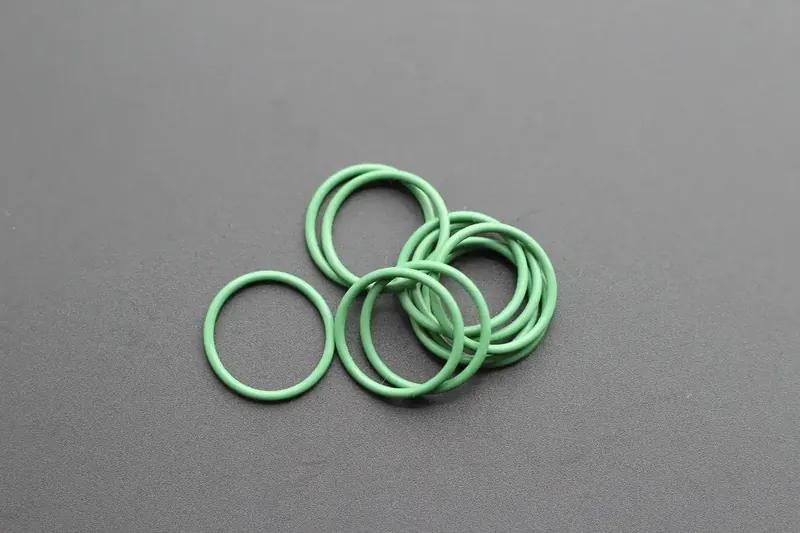
⚖️ O-Ring Weight Calculator
Estimate rubber O-ring weight (Approx).