Technical Contents
Engineering Guide: Fitting Steel Pipe

Engineering Insight: Material Selection for Steel Pipe Fittings
The interface between rubber components and steel pipes represents a critical failure point in industrial fluid systems. Off-the-shelf elastomeric fittings frequently underperform due to inadequate material compatibility with steel substrates, leading to premature seal degradation, leakage, and system downtime. Field observations confirm that generic solutions ignore three fundamental mismatch factors: thermal expansion differentials, chemical exposure profiles, and mechanical stress concentrations at the steel-rubber boundary. Steel pipes exhibit a linear thermal expansion coefficient of 11–13 × 10⁻⁶/°C, while standard rubber compounds expand at 150–200 × 10⁻⁶/°C. This 15x disparity generates cyclic shear stresses during temperature fluctuations, causing delamination or compression set failure in non-engineered seals.
Chemical incompatibility further accelerates degradation. Residual mill scale, cutting oils, or pipeline cleaning agents on steel surfaces interact aggressively with conventional elastomers. For instance, chlorinated solvents in pipe preparation fluids swell nitrile rubber (NBR) by 30–40%, compromising tensile strength. Simultaneously, pressure-induced extrusion occurs when system pressures exceed the rubber’s hardness threshold, forcing material into microscopic steel surface imperfections. ASTM F1387 testing reveals that 70 Shore A EPDM fittings extrude at 15 MPa in grooved pipe joints, whereas steel pipe operating pressures often reach 25–35 MPa in hydraulic applications.
The table below quantifies performance gaps between standard and engineered compounds under steel pipe service conditions:
| Property | Standard EPDM (Off-the-Shelf) | Baoshida Engineered Compound | Test Standard |
|---|---|---|---|
| Thermal Expansion (×10⁻⁶/°C) | 180 | 85 | ASTM D696 |
| Swell in Hydraulic Oil (%) | 28 | <8 | ASTM D471 |
| Extrusion Resistance (MPa) | 15 | 32 | ASTM F1387 |
| Adhesion to Steel (kN/m) | 1.2 | 4.7 | ISO 813 |
| Compression Set (%) | 35 | 12 | ASTM D395 |
These discrepancies stem from unaddressed steel-specific variables in generic formulations. Mill scale on black steel pipes creates acidic microenvironments (pH 4–5) that hydrolyze ester-based polyurethanes, while stainless steel’s passive oxide layer requires adhesion promoters absent in commodity rubbers. Crucially, off-the-shelf fittings lack tailored durometer gradients—surface-hardened layers (85–90 Shore A) prevent extrusion while a softer core (65–70 Shore A) accommodates pipe misalignment.
Baoshida’s engineered approach integrates steel substrate analysis into compound design. We modify polymer backbone saturation for hydrolytic stability, incorporate nano-silica reinforcement to reduce thermal expansion, and apply co-curing adhesion systems that bond covalently to iron oxide layers. This eliminates the 30–60 day failure window typical of generic fittings in steel pipe networks. Material selection is not a commodity decision; it is a precision science where steel’s metallurgical properties dictate elastomer architecture. Partnering with a specialist who correlates pipe metallurgy with polymer chemistry ensures system integrity under operational extremes.
Material Specifications

Material selection is a critical factor in the performance and longevity of rubber components used in steel pipe fittings within industrial applications. At Suzhou Baoshida Trading Co., Ltd., we specialize in high-performance rubber sealing solutions engineered to meet the rigorous demands of hydraulic, pneumatic, and fluid transfer systems. Our expertise in industrial rubber solutions ensures compatibility, durability, and safety under extreme operational conditions. The three primary elastomers we recommend for steel pipe fittings are Viton, Nitrile (NBR), and Silicone, each offering distinct advantages depending on the application environment.
Viton, a fluorocarbon-based rubber, is renowned for its exceptional resistance to high temperatures, oils, fuels, and a broad range of chemicals. It performs reliably in continuous service temperatures up to 200°C and can withstand short-term exposure to even higher thermal loads. This makes Viton ideal for use in oil and gas, automotive, and chemical processing industries where aggressive media and elevated temperatures are common. Its low gas permeability and excellent aging characteristics further enhance its suitability for critical sealing applications in steel pipe systems.
Nitrile rubber, or Buna-N, is one of the most widely used elastomers due to its excellent resistance to petroleum-based oils, hydraulic fluids, and greases. With a typical operating temperature range of -30°C to 100°C, Nitrile offers a balanced combination of mechanical strength, abrasion resistance, and cost-efficiency. It is particularly effective in hydraulic and pneumatic systems involving steel pipe fittings exposed to mineral oils and aliphatic hydrocarbons. While it lacks the chemical and thermal resilience of Viton, Nitrile remains a preferred choice for general industrial applications where cost-performance balance is essential.
Silicone rubber excels in extreme temperature environments, offering stable performance from -60°C to 200°C. It demonstrates excellent resistance to ozone, UV radiation, and weathering, making it suitable for outdoor and high-temperature air systems. However, silicone has limited resistance to petroleum-based fluids and lower tensile strength compared to Viton and Nitrile. Its primary applications in steel pipe fittings include non-oil-based fluid systems, food and beverage processing, and medical or cleanroom environments where purity and thermal stability are paramount.
The following table summarizes the key physical and chemical properties of these materials to assist in informed selection for steel pipe fitting applications.
| Property | Viton (FKM) | Nitrile (NBR) | Silicone (VMQ) |
|---|---|---|---|
| Temperature Range (°C) | -20 to 200 | -30 to 100 | -60 to 200 |
| Tensile Strength (MPa) | 15–20 | 10–25 | 5–8 |
| Elongation at Break (%) | 200–300 | 200–500 | 200–600 |
| Hardness (Shore A) | 60–90 | 50–90 | 30–80 |
| Resistance to Oils & Fuels | Excellent | Excellent | Poor |
| Resistance to Ozone/UV | Excellent | Good | Excellent |
| Resistance to Water/Steam | Good | Fair | Good |
| Chemical Resistance | Excellent | Moderate | Poor |
| Compression Set Resistance | Excellent | Good | Good |
Selecting the appropriate rubber material for steel pipe fittings requires a comprehensive understanding of the operational environment, including media type, temperature fluctuations, pressure conditions, and regulatory requirements. At Suzhou Baoshida Trading Co., Ltd., we provide tailored rubber solutions backed by rigorous quality control and technical expertise to ensure optimal system performance and reliability.
Manufacturing Capabilities

Engineering Capability: Precision Rubber Solutions for Steel Pipe Fittings
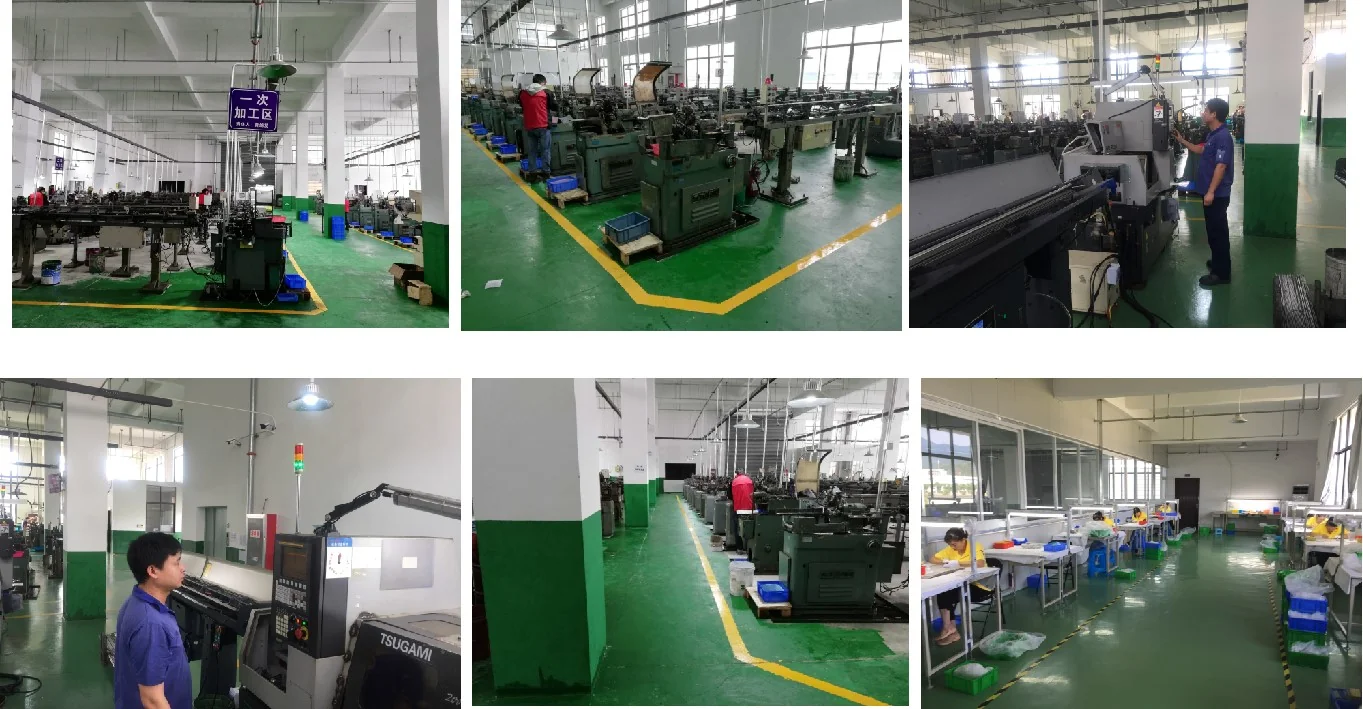
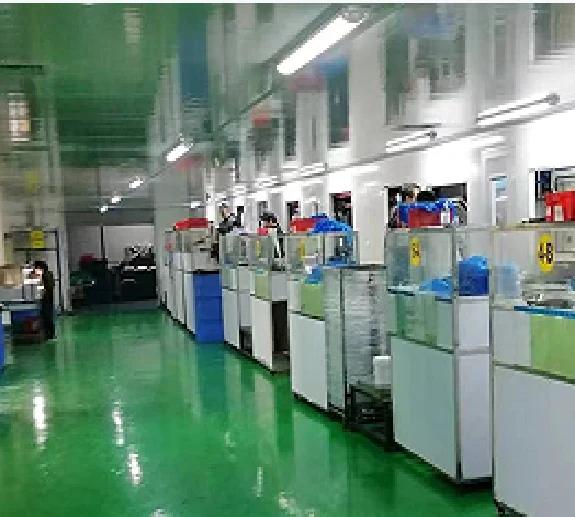
Suzhou Baoshida Trading Co., Ltd. leverages deep engineering expertise to deliver mission-critical rubber components for steel pipe systems. Our core strength resides in the integrated capabilities of our dedicated engineering team: five specialized Mould Engineers and two advanced Rubber Formula Engineers. This structure ensures seamless translation of client specifications into high-performance, leak-proof sealing solutions under demanding industrial conditions. We transcend standard manufacturing by embedding material science and precision tooling from the initial design phase.
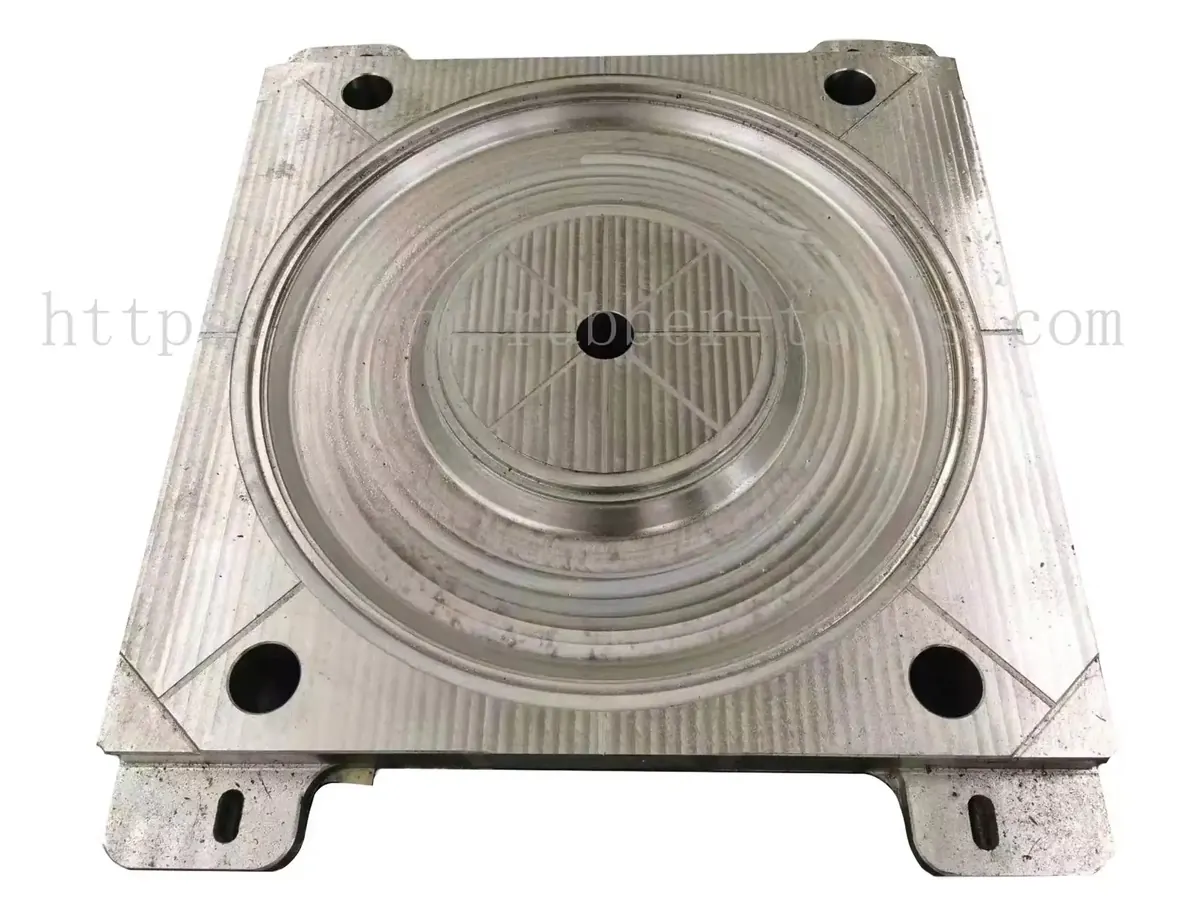
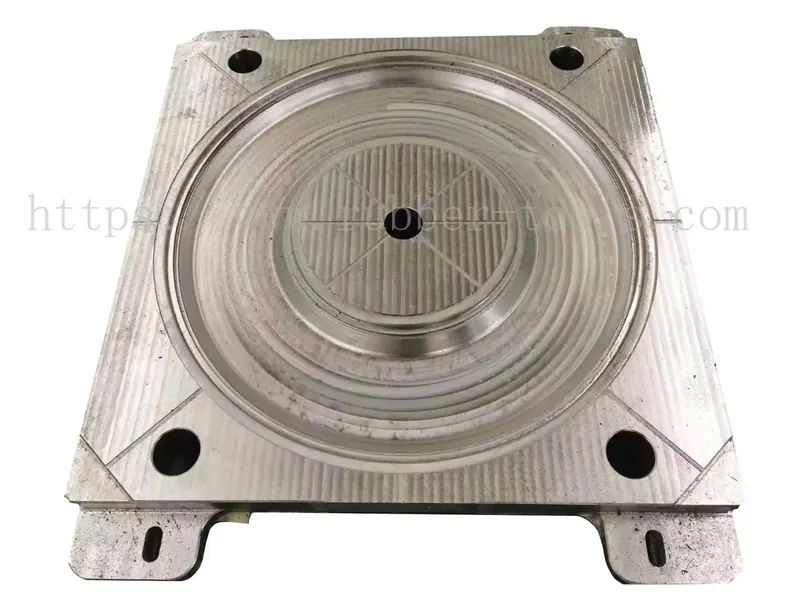
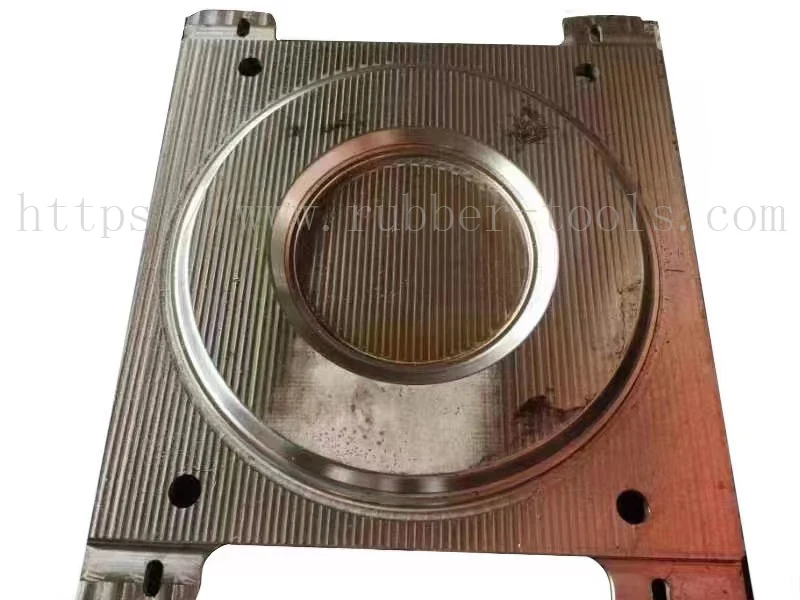
Our Mould Engineering team utilizes advanced CAD/CAM software and finite element analysis (FEA) to optimize cavity design, runner systems, and cooling channels. This rigorous approach guarantees dimensional stability, consistent part geometry, and minimized flash critical for achieving zero-leakage performance in pipe flange joints and couplings. Each mould undergoes empirical validation through iterative prototyping and cavity pressure monitoring, ensuring repeatability across high-volume production runs essential for OEM supply chains. Complex geometries required for grooved-end fittings, flange gaskets, and expansion joints are mastered through this systematic process.
Complementing mould precision is our proprietary rubber compounding capability. The Formula Engineering team develops and validates custom elastomer formulations targeting specific operational challenges encountered in steel pipe applications. We systematically adjust polymer base selection, filler systems, curatives, and additives to achieve the precise balance of compression set resistance, fluid compatibility, temperature resilience, and mechanical strength required. This scientific approach ensures long-term sealing integrity against diverse media including water, steam, oils, chemicals, and gases across fluctuating pressure and thermal cycles. Material performance is validated through accelerated aging tests and application-specific simulation.
The following table summarizes key material properties achievable for standard steel pipe fitting applications:
| Material Type | Temperature Range (°C) | Pressure Rating (Bar) | Key Applications |
|---|---|---|---|
| EPDM | -50 to +150 | Up to 40 | Water, Steam, Alkalis, Ozone Exposure |
| NBR | -30 to +120 | Up to 35 | Hydraulic Oils, Fuels, Aliphatic Hydrocarbons |
| FKM (Viton®) | -20 to +230 | Up to 50 | Aggressive Chemicals, High-Temperature Oils |
| Silicone | -60 to +200 | Up to 25 | High-Purity Fluids, Extreme Temperature Swings |
Our OEM capability is fundamentally engineered, not merely outsourced. We partner with clients from the earliest conceptual stages, providing full technical consultation on material selection, design for manufacturability (DFM), and regulatory compliance (e.g., NSF, FDA, PED). This collaborative engineering process includes comprehensive failure mode analysis, tolerance stack-up studies, and development of robust process control plans. We maintain strict confidentiality while delivering traceable, auditable production adhering to ISO 9001 standards. Suzhou Baoshida functions as an extension of your engineering department, applying our dual expertise in rubber science and precision moulding to solve complex sealing challenges within steel pipe infrastructure, ensuring reliability, safety, and extended service life for your end products. This integrated engineering foundation is the cornerstone of our value proposition.
Customization Process

Customization Process for Fitting Steel Pipe in Industrial Rubber Applications
At Suzhou Baoshida Trading Co., Ltd., our approach to customizing rubber solutions for fitting steel pipe applications follows a rigorous, science-driven methodology. Each phase is engineered to ensure compatibility, durability, and performance under industrial operating conditions. Our process begins with Drawing Analysis, where technical specifications from client-provided blueprints are meticulously evaluated. This includes dimensional tolerances, sealing surface geometry, flange configurations, and environmental exposure parameters such as temperature, pressure, and chemical contact. Accurate interpretation at this stage ensures that downstream development aligns precisely with application demands.
Following drawing validation, we proceed to Formulation Design. This phase leverages our expertise in polymer chemistry to select the optimal rubber compound based on service conditions. For steel pipe systems exposed to hydraulic fluids, elevated temperatures, or corrosive media, materials such as NBR (Nitrile Butadiene Rubber), EPDM (Ethylene Propylene Diene Monomer), or FKM (Fluoroelastomer) are evaluated. Key performance indicators include compression set resistance, tensile strength, elongation at break, and fluid compatibility. Our in-house laboratory conducts accelerated aging tests and dynamic mechanical analysis (DMA) to predict long-term behavior. The finalized compound is documented with full traceability, including batch-specific cure kinetics and filler composition.
Prototyping is the next critical stage. Using precision molding techniques—such as compression, transfer, or injection molding—we produce a limited run of samples for functional testing. These prototypes are subjected to simulated service conditions, including pressure cycling, thermal shock, and exposure to designated media. Dimensional inspection is performed using coordinate measuring machines (CMM) to verify conformity to the original drawings. Any deviations trigger iterative refinement of both mold design and material formulation until performance targets are consistently met.
Upon client approval, we transition to Mass Production. Our manufacturing lines operate under ISO 9001-certified quality management protocols, ensuring batch-to-batch consistency. Automated mixing systems, closed-mold curing, and inline inspection technologies minimize variability. Each production lot undergoes final quality verification, including hardness testing, visual inspection, and抽样 (sampling) physical testing per ASTM standards.
The table below summarizes typical material options and performance characteristics for rubber components used in steel pipe fittings:
| Material | Temperature Range (°C) | Hardness Range (Shore A) | Key Resistance Properties |
|---|---|---|---|
| NBR | -30 to +125 | 50–90 | Oil, fuel, hydraulic fluids |
| EPDM | -50 to +150 | 50–80 | Steam, water, ozone, weathering |
| FKM | -20 to +200 | 60–90 | High-temperature oils, acids, solvents |
| Silicone | -60 to +180 | 40–80 | Extreme temperatures, UV, biocompatibility |
Our structured customization pathway ensures that every rubber component for fitting steel pipe is engineered for reliability, longevity, and seamless integration into industrial systems.
Contact Engineering Team
Optimizing Steel Pipe System Integrity Through Precision Rubber Sealing Solutions
Industrial steel pipe systems operating under extreme pressure, thermal cycling, and chemical exposure demand sealing components that exceed baseline industry specifications. At Suzhou Baoshida Trading Co., Ltd., we engineer proprietary rubber compounds specifically formulated to address the critical failure points in steel pipe flange joints, threaded connections, and expansion couplings. Our solutions mitigate leakage risks associated with vibration-induced seal displacement, thermal contraction gaps, and chemical degradation of standard elastomers. By integrating advanced polymer science with rigorous OEM validation protocols, we deliver sealing performance that directly enhances system uptime and reduces total cost of ownership for pipeline infrastructure, petrochemical plants, and hydraulic machinery.
The core differentiator lies in our compound customization capability. Unlike generic rubber gaskets, our formulations undergo dynamic stress testing under simulated field conditions—replicating 15,000+ PSI cyclic pressure loads, -55°C to +230°C thermal swings, and exposure to aggressive media like sour gas, biodiesel, and hydraulic fluids. This data-driven approach ensures dimensional stability and compression set resistance below 15% after 1,000 hours at maximum operating temperature. Below are critical performance benchmarks for our flagship steel pipe sealing compounds:
| Material Grade | Temperature Range (°C) | Max Pressure (PSI) | Compression Set (ASTM D395) | Key Media Resistance |
|---|---|---|---|---|
| BD-NBR-80 | -40 to +135 | 12,500 | ≤18% @ 70h/100°C | Hydraulic Oils, Water, Aliphatic Hydrocarbons |
| BD-FKM-75 | -25 to +230 | 18,000 | ≤12% @ 70h/200°C | Aromatics, Acids, Jet Fuels, Steam |
| BD-EPDM-85 | -55 to +150 | 9,000 | ≤20% @ 70h/125°C | Glycol Coolants, Ozone, Hot Water |
These compounds are manufactured under ISO 9001-certified processes with traceable lot control, ensuring batch-to-batch consistency essential for high-integrity pipeline applications. Our technical team collaborates directly with OEM design engineers to validate seal geometry, surface finish requirements, and installation torque protocols—eliminating field failures caused by incompatible material selection or improper assembly. This proactive engineering partnership reduces prototype iterations by up to 40% while accelerating time-to-market for new pipeline systems.
Suzhou Baoshida operates as a strategic extension of your R&D and procurement functions. We maintain dedicated production lines for custom durometer adjustments (50–90 Shore A), FDA/EC1935 compliance for potable water systems, and rapid prototyping of complex sealing profiles using 3D-printed tooling. Our global logistics network guarantees 98.5% on-time delivery for JIT manufacturing schedules across Asia, Europe, and North America.
Initiate a technical consultation with our OEM Management team to resolve persistent leakage challenges in your steel pipe assemblies. Mr. Boyce, our OEM Manager with 14 years of industrial sealing expertise, will coordinate material selection, performance validation testing, and volume production planning tailored to your operational parameters. Contact him directly to receive a compound performance dossier and engineering support package:
Mr. Boyce
OEM Manager, Industrial Rubber Solutions
Suzhou Baoshida Trading Co., Ltd.
Email: [email protected]
Provide your system specifications, failure history, and target delivery timeline for a customized technical proposal within 72 business hours.
⚖️ O-Ring Weight Calculator
Estimate rubber O-ring weight (Approx).