Technical Contents
Engineering Guide: Silicone Rubber Gasket Sheet
Engineering Insight: Material Selection Imperatives for Silicone Rubber Gasket Sheets
The failure of silicone rubber gasket sheets in critical sealing applications often originates not from design flaws, but from inadequate material selection. Off-the-shelf silicone sheets, while readily available and seemingly cost-effective, frequently lack the precise formulation required to withstand the specific thermomechanical and chemical stresses encountered in industrial environments. Generic silicone compounds prioritize broad compatibility over targeted performance, leading to premature degradation, seal leakage, and costly system downtime. Understanding the nuanced interplay between polymer architecture, filler systems, and end-use conditions is paramount for ensuring long-term gasket integrity.
Standard silicone sheets typically utilize high-consistency rubber (HCR) formulations with generic fillers and cure systems. These materials often exhibit insufficient resistance to compression set at elevated temperatures, critical for maintaining sealing force under continuous load. They may also lack tailored resistance to specific aggressive media such as concentrated acids, certain solvents, or biodiesel blends common in modern fuel systems. Furthermore, variations in thermal conductivity or electrical properties can render standard sheets unsuitable for applications requiring precise heat dissipation or electrical insulation. The inherent variability in unoptimized polymer molecular weight distribution and crosslink density directly impacts resilience and recovery, factors rarely addressed in commodity products. Selecting a material based solely on nominal durometer or basic temperature range ignores these deeper material science principles, setting the stage for field failures.
The consequences of mismatched material selection are severe. A gasket exhibiting high compression set loses its ability to maintain contact stress, allowing fluid or gas migration. Inadequate chemical resistance leads to swelling, hardening, or dissolution, compromising the seal barrier. Thermal instability can cause outgassing in vacuum systems or embrittlement in cryogenic applications. These failures result in unplanned maintenance, product recalls, and reputational damage far exceeding the initial savings from a generic sheet. True cost efficiency is achieved through upfront engineering of the elastomer compound to the exact operational profile.
Suzhou Baoshida Trading Co., Ltd. addresses this critical gap through precision material engineering. We move beyond catalog specifications to develop silicone formulations where key properties are optimized for the specific application demands. The following table illustrates the performance divergence between standard and engineered silicone gasket materials:
| Property | Standard Silicone Sheet | Engineered Silicone Sheet | Common Failure Consequence |
|---|---|---|---|
| Compression Set (22h, 150°C) | 35-45% | ≤15% | Loss of sealing force, leakage |
| Continuous Temp Range | -55°C to +200°C | -65°C to +230°C+ | Thermal degradation, hardening |
| Resistance to Biodiesel (B100) | Moderate to Poor | Excellent | Swelling, seal extrusion |
| Tensile Strength (MPa) | 6.0 – 8.0 | 9.0 – 12.0 | Reduced tear resistance |
| Volume Resistivity (Ω·cm) | 1.0 x 10¹⁴ | >1.0 x 10¹⁶ | Electrical tracking risk |
Achieving this level of performance requires rigorous analysis of the operating environment – including dynamic stress profiles, media exposure sequences, and lifecycle expectations. Suzhou Baoshida leverages advanced compounding expertise, utilizing specialized fillers, tailored siloxane backbones, and optimized cure chemistries to produce gasket sheets that deliver reliable, long-term sealing performance where off-the-shelf solutions consistently fall short. Material selection is not a commodity decision; it is the foundational engineering step for seal reliability.
Material Specifications
Material Specifications for Silicone Rubber Gasket Sheets
Silicone rubber gasket sheets are critical components in precision sealing applications across industrial, automotive, aerospace, and medical sectors. At Suzhou Baoshida Trading Co., Ltd., we engineer high-performance gasket materials to meet stringent environmental and mechanical demands. Our core offerings include silicone, nitrile (NBR), and Viton (FKM) rubber sheets, each selected for distinct operational advantages. Understanding the material specifications is essential for optimal application performance, longevity, and safety.
Silicone rubber is renowned for its thermal stability and flexibility across extreme temperatures, ranging from -60°C to +230°C. It exhibits excellent resistance to ozone, UV radiation, and weathering, making it ideal for outdoor and high-temperature environments. Silicone also maintains consistent electrical insulation properties and is biocompatible, supporting use in food-grade and medical applications. However, it has lower tensile strength and abrasion resistance compared to nitrile and Viton, and it is not recommended for dynamic sealing under high mechanical stress.
Nitrile rubber, or acrylonitrile butadiene rubber (NBR), is engineered for superior resistance to oils, fuels, and aliphatic hydrocarbons. It operates effectively in the temperature range of -30°C to +100°C, with short-term peaks up to +120°C. Nitrile offers excellent mechanical strength, abrasion resistance, and compression set performance, making it a preferred choice for automotive seals, hydraulic systems, and industrial machinery. However, it exhibits poor resistance to ozone, UV light, and polar solvents, limiting its use in outdoor or chemical-exposure environments.
Viton (fluoroelastomer, FKM) delivers the highest chemical and thermal resistance among the three materials. It functions reliably from -20°C to +200°C, with intermittent exposure to temperatures up to +250°C. Viton demonstrates exceptional resistance to aromatic and chlorinated hydrocarbons, acids, fuels, and steam. Its low gas permeability and outstanding aging characteristics make it suitable for aerospace, chemical processing, and semiconductor manufacturing. While Viton offers superior performance, it is more expensive and less flexible at low temperatures compared to silicone and nitrile.
Selection of the appropriate gasket material must balance temperature range, chemical exposure, mechanical load, and regulatory compliance. At Suzhou Baoshida, we support OEMs with material testing, custom formulation, and technical validation to ensure optimal sealing performance.
| Property | Silicone (VMQ) | Nitrile (NBR) | Viton (FKM) |
|---|---|---|---|
| Temperature Range (°C) | -60 to +230 | -30 to +100 | -20 to +200 |
| Tensile Strength (MPa) | 6–8 | 15–20 | 12–18 |
| Elongation at Break (%) | 250–400 | 200–400 | 150–300 |
| Hardness (Shore A) | 40–80 | 50–90 | 60–90 |
| Compression Set (22 hrs, 150°C) | 15–25% | 10–20% | 10–18% |
| Resistance to Oils/Fuels | Fair | Excellent | Excellent |
| Resistance to Ozone/UV | Excellent | Poor | Excellent |
| Resistance to Acids/Bases | Good | Fair | Excellent |
| Electrical Insulation | Excellent | Good | Good |
| Biocompatibility | Yes (FDA compliant) | No | Limited |
Manufacturing Capabilities
Engineering Capability: Precision Silicone Gasket Sheet Development
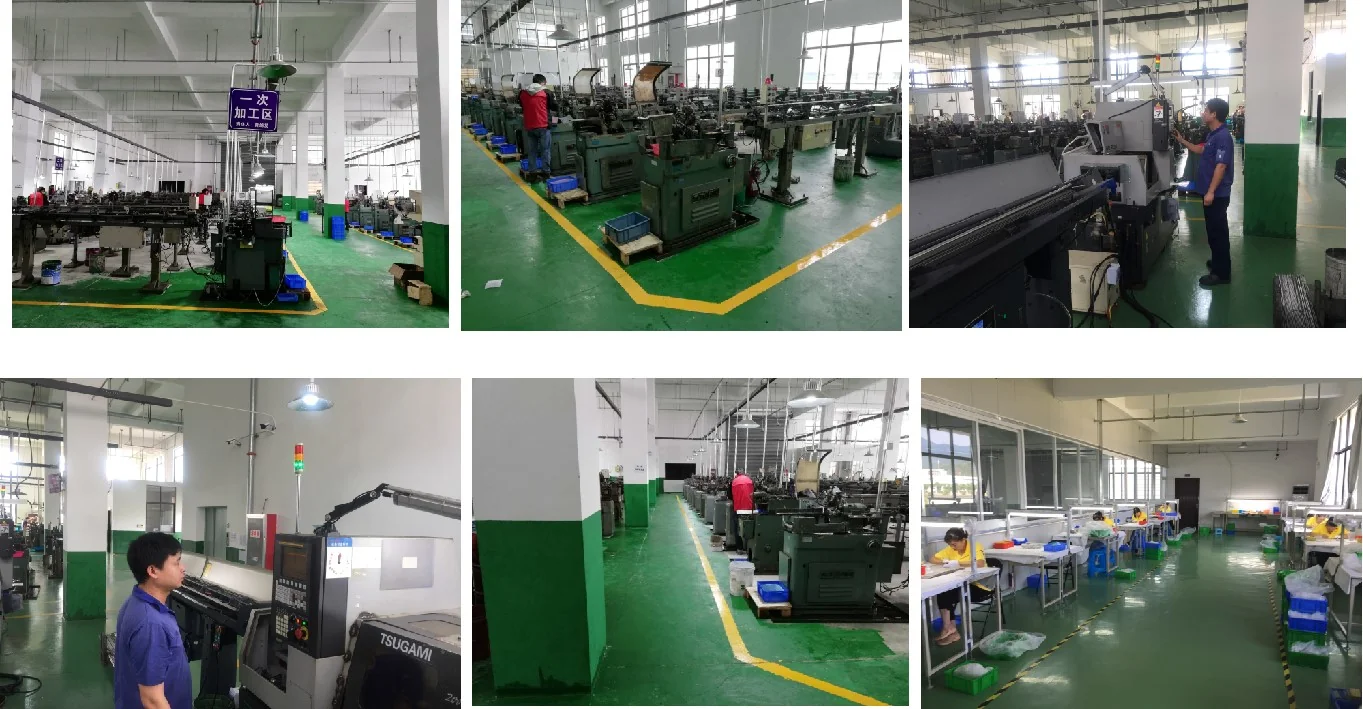
Suzhou Baoshida Trading Co., Ltd. operates at the intersection of advanced polymer science and precision manufacturing for critical sealing applications. Our core strength lies in an integrated engineering team uniquely structured to solve complex gasket challenges. We deploy five dedicated Mold Engineers and two specialized Formula Engineers who collaborate from initial design through final validation, ensuring every silicone rubber gasket sheet meets exacting OEM specifications. This dual-discipline approach eliminates siloed development, directly addressing material-mold interactions that cause premature seal failure in demanding environments.
Our Formula Engineers optimize silicone compound formulations at the molecular level, tailoring base polymers, fillers, and cure systems to achieve target properties such as compression set resistance, thermal stability, and chemical compatibility. Concurrently, Mold Engineers leverage CAD/CAM simulation tools to refine cavity geometry, gating, and venting—preventing defects like flash, voids, or incomplete cures. This synergy ensures dimensional stability within ±0.05mm tolerances and consistent Shore A hardness across production batches. For OEM partners, this translates to reduced prototyping cycles and accelerated time-to-market without compromising reliability.
We excel in custom OEM solutions where standard materials fall short. When a medical device manufacturer required a gasket resistant to aggressive disinfectants at 150°C, our team reformulated a platinum-cured silicone with enhanced phenyl groups while optimizing mold surface finishes to prevent micro-tearing during demolding. Similarly, for automotive fuel system seals, we developed a fluorosilicone variant with 50% lower swell in biofuels, validated through ASTM D471 testing. Every formulation undergoes rigorous in-house aging, compression set, and tensile testing before client approval.
Below are critical performance parameters achievable with our engineered silicone gasket sheets:
| Property | Test Standard | Typical Range | Significance for Gasket Performance |
|---|---|---|---|
| Hardness (Shore A) | ASTM D2240 | 30–80 | Balances sealing force and compression recovery |
| Temperature Resistance | ASTM D2000 | -60°C to +230°C continuous | Ensures function in extreme thermal cycles |
| Compression Set (22h/150°C) | ASTM D395 | ≤20% | Critical for long-term sealing integrity |
| Tensile Strength | ASTM D412 | 6.0–9.0 MPa | Resists tearing during installation/use |
| Fluid Resistance (IRM 903) | ASTM D471 | Volume swell ≤15% | Maintains seal integrity in chemical exposure |
Our OEM capability extends beyond manufacturing to co-engineering. Clients provide functional requirements—not just drawings—and our team delivers validated material-process packages. From initial CAD validation to PPAP documentation, we own the technical risk, ensuring gaskets perform identically across global production sites. With ISO 9001-certified processes and traceability to raw material lot numbers, Suzhou Baoshida guarantees that every silicone rubber gasket sheet is an engineered component, not a commodity part. Contact our engineering team directly to solve your most demanding sealing challenges.
Customization Process
Drawing Analysis
The customization process for silicone rubber gasket sheets begins with rigorous drawing analysis. At Suzhou Baoshida Trading Co., Ltd., every technical drawing is evaluated by our engineering team to verify dimensional accuracy, tolerance specifications, and functional requirements. We assess critical features such as thickness, groove fit, sealing surface area, and installation clearances. Our engineers cross-reference the design with application conditions including temperature range, media exposure, compression set, and mechanical stress. Any discrepancies or potential failure points are flagged early, and we engage the client in a technical dialogue to resolve ambiguities. This phase ensures that the final product will perform reliably under real-world operating conditions and aligns precisely with OEM integration standards.
Formulation Development
Once the design parameters are confirmed, we proceed to formulation development. Silicone rubber is selected for its exceptional thermal stability, chemical inertness, and long-term resilience. However, not all silicone compounds are equal. We customize the base polymer chemistry by adjusting vinyl content, molecular weight, and filler type to meet specific performance targets. Additives such as platinum catalysts, heat stabilizers, and reinforcing silica are precisely metered to enhance mechanical strength, elongation at break, or compression set resistance. For specialized applications, we incorporate flame retardants (UL94 V-0), conductive fillers, or FDA-compliant ingredients. Each formulation is documented under controlled batch records, ensuring full traceability and compliance with ISO 9001 and IATF 16949 standards. Material data sheets and RoHS/REACH compliance reports are generated for client review prior to prototyping.
Prototyping and Validation
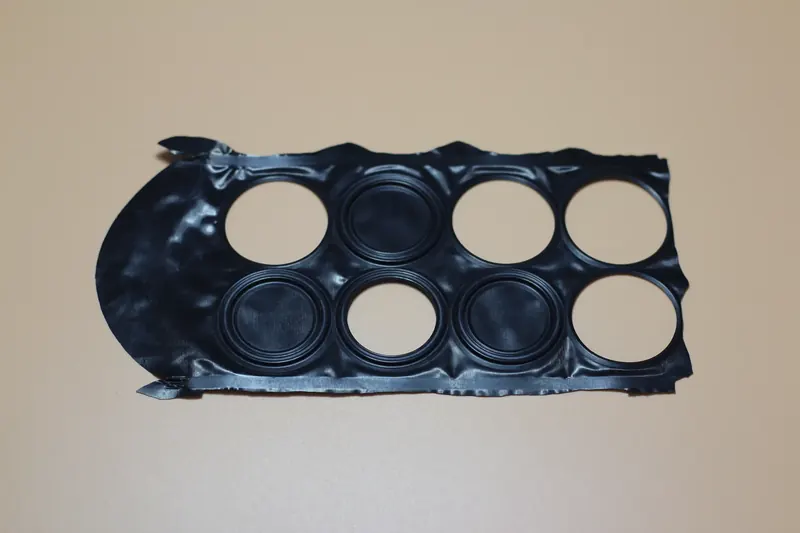
A functional prototype is manufactured using precision die-cutting, waterjet cutting, or compression molding, depending on the geometry and volume requirements. Prototypes undergo a battery of tests including hardness measurement (Shore A), tensile strength, compression deflection (CR), and environmental aging per ASTM and ISO protocols. We simulate installation forces and sealing pressure to validate performance. Dimensional reports are generated using coordinate measuring machines (CMM) to confirm conformance to print. Clients receive sample kits with test data for field evaluation. Feedback is incorporated into final design or material adjustments, ensuring optimal function before scale-up.
Mass Production and Quality Assurance
Upon approval, we transition to mass production with strict process controls. Silicone sheets are cured under calibrated temperature and pressure profiles, then inspected for surface defects, thickness uniformity, and dimensional consistency. Automated cutting systems ensure repeatability across large batches. Final products are packaged per client specifications, with lot numbering and QC documentation.
Typical silicone rubber gasket sheet specifications are as follows:
| Property | Value | Test Standard |
|---|---|---|
| Hardness (Shore A) | 40–80 | ASTM D2240 |
| Tensile Strength | ≥8 MPa | ASTM D412 |
| Elongation at Break | ≥250% | ASTM D412 |
| Operating Temperature | -60°C to +230°C | ASTM D573 |
| Compression Set (22 hrs, 150°C) | ≤20% | ASTM D395 |
| Specific Gravity | 1.15–1.25 | ASTM D792 |
| Dielectric Strength | ≥5 kV/mm | ASTM D149 |
All stages are managed in-house, ensuring speed, confidentiality, and technical continuity from concept to volume supply.
Contact Engineering Team
Contact Suzhou Baoshida for Precision Silicone Rubber Gasket Sheet Solutions
Suzhou Baoshida Trading Co., Ltd. operates at the forefront of engineered elastomer solutions, specializing in high-integrity silicone rubber gasket sheets for critical industrial applications. Our manufacturing ecosystem integrates advanced compounding science with ISO 9001-certified production protocols, ensuring every sheet meets stringent dimensional tolerances and performance benchmarks. For OEMs and Tier-1 suppliers demanding zero-failure sealing in aerospace, medical devices, or EV powertrain systems, our technical team delivers validated material formulations optimized for your operational envelope. We do not offer generic off-the-shelf products; instead, we co-engineer solutions addressing specific compression set resistance, fluid compatibility, and thermal stability requirements through iterative material science collaboration.
The following table summarizes our core silicone gasket sheet specifications, reflecting ASTM D2000-21 and ISO 3601 compliance standards. These parameters represent baseline capabilities; all formulations undergo client-specific validation testing per project-defined SAE or MIL-SPEC criteria.
| Property | Test Method | Standard Range | High-Performance Option |
|---|---|---|---|
| Hardness (Shore A) | ASTM D2240 | 30–80 ±5 | 20–90 ±3 |
| Tensile Strength (MPa) | ASTM D412 | ≥6.0 | ≥10.0 |
| Elongation at Break (%) | ASTM D412 | ≥200 | ≥350 |
| Temperature Range (°C) | ASTM D1229 | -60 to +230 | -75 to +260 |
| Compression Set (22h/150°C) | ASTM D395 | ≤25% | ≤15% |
| Specific Gravity | ASTM D297 | 1.15–1.25 | Custom |
Initiating engagement with Suzhou Baoshida begins with a precise technical dialogue. Forward your application requirements—including fluid exposure profiles, dynamic/static load conditions, and regulatory mandates—to Mr. Boyce, our dedicated OEM Technical Manager. His engineering background in polymer chemistry enables rapid assessment of material suitability against your failure modes. Provide dimensional drawings, environmental stress factors, and target cost-per-part metrics to trigger our 72-hour preliminary feasibility analysis. We prioritize data-driven collaboration: share your FEA simulation outputs or failure analysis reports to accelerate co-development cycles.
Mr. Boyce coordinates direct access to our Suzhou-based R&D lab, where we execute accelerated aging tests, permeation studies, and custom durometer profiling. Unlike commodity suppliers, we enforce traceability from raw silica batch codes to final sheet lot certification, with full material disclosure reports compliant with REACH and RoHS 3.0. For urgent prototyping needs, our CNC waterjet cutting facility achieves ±0.1mm tolerances on gasket blanks within 5 business days.
Contact Mr. Boyce directly at [email protected] with subject line “Silicone Gasket Sheet Technical Inquiry – [Your Company Name]”. Include project timelines, annual volume estimates, and critical performance thresholds. Expect a detailed technical response within 24 business hours, containing preliminary compound recommendations and DFM feedback. Suzhou Baoshida transforms sealing challenges into engineered advantages—partner with us to eliminate leakage risks at the molecular level. Your next-generation gasket solution starts with precise data exchange, not generic quotations.
⚖️ O-Ring Weight Calculator
Estimate rubber O-ring weight (Approx).