Technical Contents
Engineering Guide: Corrugated Nylon Fabric

Engineering Insight: Corrugated Nylon Fabric – The Critical Role of Material Selection
In industrial applications involving dynamic flexing, expansion, and contraction—such as in rubber expansion joints, hose reinforcements, and flexible connectors—corrugated nylon fabric plays a pivotal structural role. While often overlooked, the selection of this reinforcing material directly influences the service life, pressure resistance, and environmental durability of the final rubber composite. Off-the-shelf nylon fabrics, though cost-attractive, frequently fail under real-world operational stresses due to inadequate customization for specific mechanical and chemical environments.
Standard nylon fabrics are typically engineered for textile or general-purpose use, not for integration into high-performance rubber systems. These generic materials often lack the precise denier, weave tightness, and thermal stability required for effective adhesion to rubber matrices under repeated flexing. When subjected to cyclic loading, such as in HVAC expansion joints or industrial piping systems, off-the-shelf nylon may delaminate, fray, or lose tensile integrity, leading to premature joint failure. Furthermore, unmodified nylon exhibits poor resistance to hydrolysis and elevated temperatures—common conditions in industrial settings—which accelerates degradation when not properly treated or selected.
At Suzhou Baoshida Trading Co., Ltd., we emphasize engineered material alignment. Our corrugated nylon fabrics are selected based on application-specific parameters including operating temperature, media exposure, pressure cycles, and dimensional stability requirements. We utilize high-tenacity nylon 6 or nylon 6,6 filaments with controlled elongation properties, ensuring compatibility with the elastic behavior of the rubber compound. Pre-treatment with adhesion-promoting resins such as RFL (resorcinol-formaldehyde-latex) enhances bonding to EPDM, NBR, or CR rubber layers, minimizing interfacial slippage and improving fatigue resistance.
Another critical factor is weave architecture. A balanced plain weave provides optimal stability for corrugated profiles, maintaining structural integrity across peaks and troughs during compression and extension. Custom calendaring and heat-setting processes further stabilize the fabric geometry, preventing skew or shrinkage during vulcanization.
The table below outlines key specifications for engineered corrugated nylon fabric used in industrial rubber solutions:
| Parameter | Typical Value | Test Standard |
|---|---|---|
| Denier per Filament | 1000–1500 D | ISO 2061 |
| Weave Type | Plain, Balanced | Visual/ASTM D3776 |
| Tensile Strength (Warp) | ≥ 280 N/25mm | ISO 13934-1 |
| Elongation at Break | 25–32% | ISO 13934-1 |
| Adhesion Strength to Rubber | ≥ 80 N/cm | ASTM D413 |
| Heat Shrinkage (150°C, 30min) | ≤ 2.5% | ISO 2231 |
| Hydrolysis Resistance | Enhanced via coating | ISO 1431 |
Using standardized fabrics without accounting for these parameters risks system failure, unplanned downtime, and increased total cost of ownership. True performance is achieved not through material substitution, but through precision engineering. At Baoshida, we collaborate with OEMs to match nylon fabric properties precisely to operational demands—ensuring reliability, longevity, and optimal performance in every reinforced rubber component.
Material Specifications

Material Specifications for Corrugated Nylon Fabric Reinforced Rubber Components
Corrugated nylon fabric serves as a critical reinforcement substrate in industrial rubber products, particularly within hydraulic hoses, expansion joints, and conveyor systems requiring flexible yet high-tensile structural integrity. At Suzhou Baoshida Trading Co., Ltd., we integrate precision-engineered nylon 66 or nylon 6 fabric with specialized rubber compounds to achieve optimal adhesion, fatigue resistance, and dimensional stability under dynamic stress. The nylon substrate—typically woven in plain or twill patterns with denier counts ranging from 210D to 1260D—provides exceptional tear strength (≥180 N/mm) and elongation control (15–25%), while its corrugated profile enhances conformability during vulcanization and end-use flexing. Critical to performance is the rubber-to-nylon adhesion system, which must withstand ISO 813 peel forces exceeding 6.0 kN/m after aging per ASTM D573. Below we detail the primary elastomer coatings formulated for compatibility with nylon reinforcement, emphasizing thermal, chemical, and mechanical boundaries essential for OEM validation.
Viton® fluorocarbon rubber (FKM) delivers superior resistance to aggressive fluids including jet fuels, aromatic hydrocarbons, and concentrated acids. Its operational range spans -20°C to 250°C, with short-term excursions to 300°C. Viton-coated nylon excels in aerospace and chemical processing hoses where ozone and plasma resistance are non-negotiable, though its higher cost necessitates justification for extreme environments. Nitrile butadiene rubber (NBR) remains the industry standard for oil and fuel-handling applications due to cost efficiency and robust resistance to aliphatic hydrocarbons. With a service range of -40°C to 120°C (extended to 150°C for HNBR variants), it offers excellent abrasion resistance but limited resilience against polar solvents, ozone, or phosphate esters. Silicone rubber (VMQ) provides unmatched low-temperature flexibility down to -60°C and high-temperature stability up to 230°C, making it ideal for food-grade and medical corrugated tubing. However, its inferior tensile strength and susceptibility to撕裂 (tear) require careful design validation for high-pressure systems.
The comparative performance parameters below guide material selection based on application-critical factors:
| Material Type | Key Properties | Temperature Range (°C) | Chemical Resistance Highlights | Typical Applications |
|---|---|---|---|---|
| Viton® (FKM) | High fluid resistance, excellent ozone/UV stability | -20 to 250 (300 intermittent) | Jet fuels, acids, aromatics, hydraulic fluids | Aerospace fuel lines, chemical transfer hoses |
| Nitrile (NBR) | Good oil resistance, high abrasion strength | -40 to 120 (150 for HNBR) | Aliphatic hydrocarbons, vegetable oils, water-based fluids | Automotive hydraulic lines, industrial suction hoses |
| Silicone (VMQ) | Exceptional flexibility, biocompatible | -60 to 230 | Water, alcohols, weak acids/bases, steam | Food processing tubing, medical bellows, thermal expansion joints |
OEMs must validate material pairings against specific fluid exposure per ASTM D471 and dynamic flex life per ISO 6945. Suzhou Baoshida Trading Co., Ltd. conducts rigorous adhesion testing at 150°C for 72 hours to ensure nylon-rubber interface integrity under thermal cycling. Final selection hinges on balancing chemical compatibility, temperature extremes, and lifecycle cost—where Viton dominates extreme environments, NBR optimizes cost-performance for petroleum systems, and silicone enables critical low-temperature flexibility. All formulations comply with REACH and FDA 21 CFR 177.2600 for regulated industries.
Manufacturing Capabilities
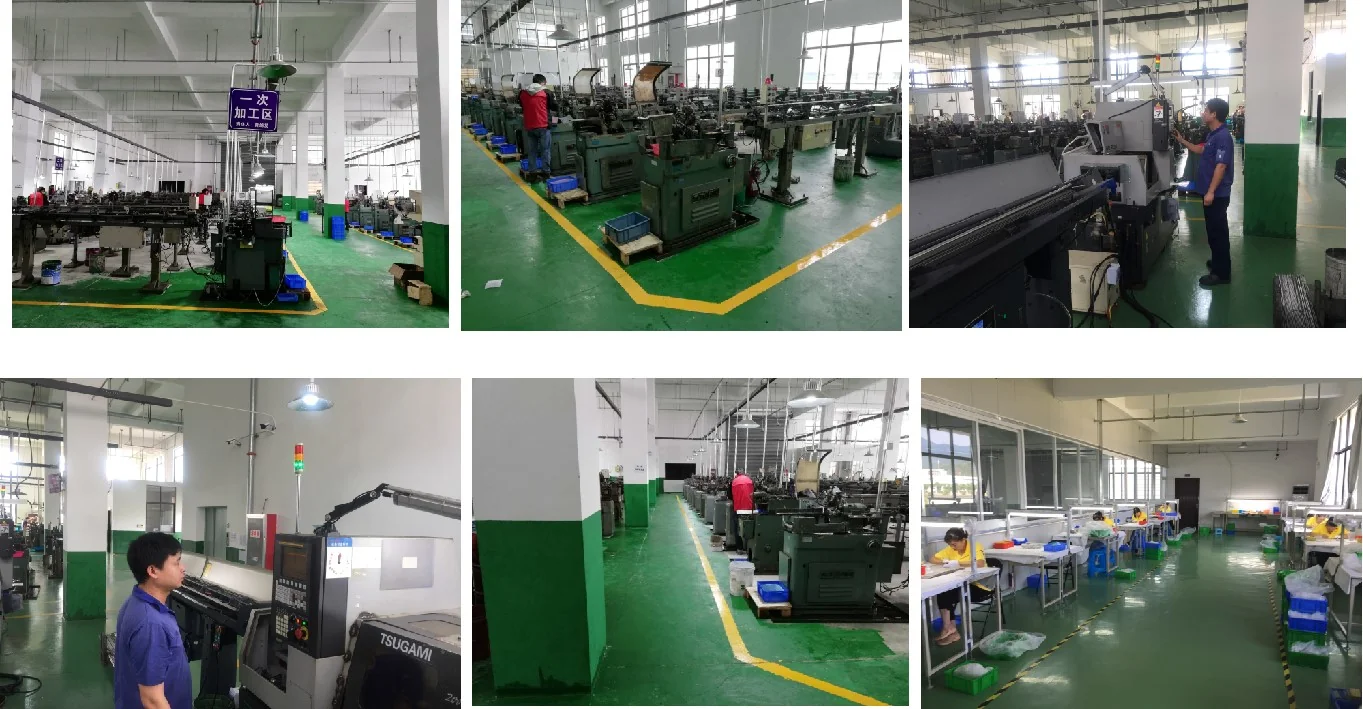
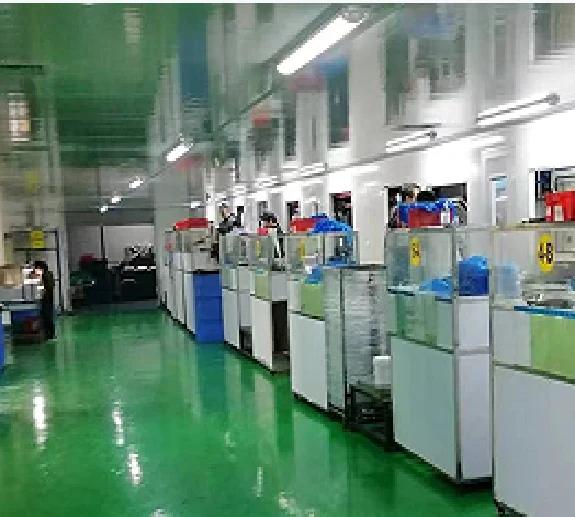
Suzhou Baoshida Trading Co., Ltd. operates at the forefront of industrial rubber solutions, integrating advanced material science with precision manufacturing to deliver high-performance corrugated nylon fabric for demanding engineering applications. Our engineering capability is anchored by a dedicated team of seven core specialists: five mould engineers and two rubber formula engineers. This multidisciplinary team ensures that every product is optimized at both the structural and material levels, enabling seamless integration into complex industrial systems.
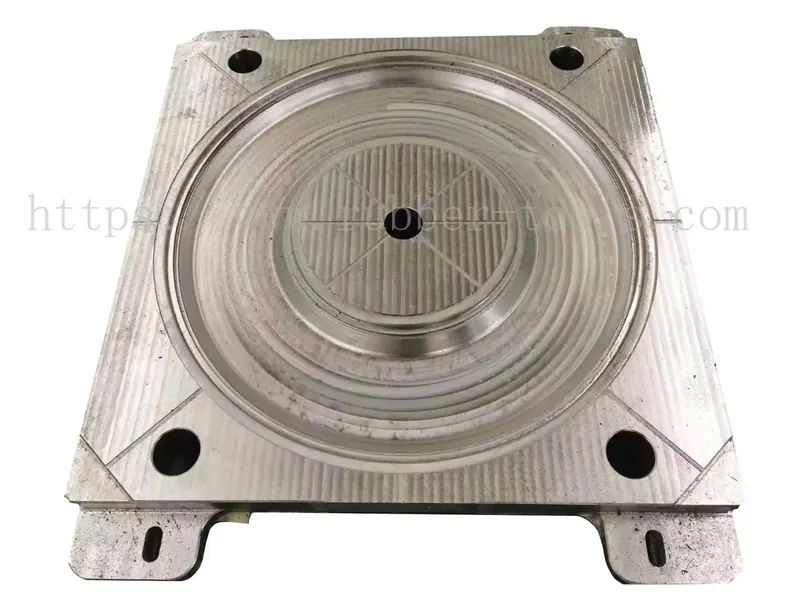
Our mould engineers possess extensive experience in the design, simulation, and validation of precision tooling tailored for corrugated nylon fabric production. They utilize advanced CAD/CAM software and finite element analysis (FEA) to simulate deformation, stress distribution, and thermal behavior during the molding process. This enables the development of robust, dimensionally stable corrugated profiles with consistent wall thickness and uniform flexibility. Their expertise ensures rapid prototyping, reduced cycle times, and long-term tool durability, directly contributing to cost efficiency and product reliability.
Complementing this is our team of rubber formula engineers, who specialize in compounding elastomers for optimal adhesion, abrasion resistance, and thermal stability when bonded to nylon substrates. These engineers formulate custom rubber blends—typically based on NBR, EPDM, or HNBR—engineered to withstand extreme temperatures, oils, ozone, and mechanical fatigue. Through rigorous laboratory testing and real-world validation, our formulations ensure consistent bonding performance between rubber and nylon, a critical factor in the longevity of corrugated fabric used in dynamic sealing, expansion joints, and flexible ducting.
As an OEM partner, Suzhou Baoshida offers full design-for-manufacturability (DFM) support, from concept validation to mass production. We collaborate directly with clients to customize corrugation pitch, wall geometry, rubber thickness, and fabric reinforcement, ensuring compatibility with specific installation environments and operational stresses. Our in-house tooling and formulation control eliminate third-party dependencies, enabling faster iteration and tighter quality control.
The following table outlines key technical specifications achievable with our engineered corrugated nylon fabric:
| Parameter | Standard Range | Custom Capability |
|---|---|---|
| Corrugation Pitch | 3 mm – 25 mm | Up to 30 mm |
| Wall Thickness | 0.8 mm – 3.0 mm | Up to 4.5 mm |
| Operating Temperature | -40°C to +150°C (NBR) | Up to +180°C (HNBR/EPDM) |
| Tensile Strength (fabric) | ≥ 180 N/mm² | ≥ 220 N/mm² (reinforced weave) |
| Elongation at Break | 25% – 40% | Up to 50% (flexibility tuning) |
| Adhesion Strength (rubber-nylon) | ≥ 8 N/mm | ≥ 10 N/mm (enhanced bonding) |
| Hardness (Shore A) | 60 – 80 | 50 – 90 (formulation adjustable) |
This integrated engineering approach—combining advanced mould design with proprietary rubber formulation—positions Suzhou Baoshida as a trusted OEM partner for mission-critical industrial components. We deliver not just products, but engineered solutions designed for performance, durability, and seamless integration.
Customization Process

Customization Process for Corrugated Nylon Fabric
At Suzhou Baoshida Trading Co., Ltd., our customization process for corrugated nylon fabric integrates rigorous engineering protocols to ensure seamless alignment with OEM specifications. This four-stage workflow guarantees material performance under demanding industrial conditions while maintaining cost efficiency.
Drawing Analysis
Initial engagement begins with comprehensive review of client technical drawings. We validate geometric tolerances per ASME Y14.5 standards, focusing on corrugation pitch, wall thickness consistency, and critical sealing surfaces. Material callouts are cross-referenced against environmental factors including fluid compatibility, temperature exposure, and dynamic stress cycles. Any ambiguities in dimensional annotations or surface finish requirements trigger immediate clarification to prevent downstream deviations. This phase establishes the foundational blueprint for all subsequent development.
Formulation Engineering
Our rubber formula engineers develop proprietary compound formulations using nylon 6/6 or nylon 6 base resins, reinforced with thermoplastic polyurethane elastomers for enhanced flex fatigue resistance. Key parameters optimized include melt flow index (15–35 g/10 min), Shore A hardness (70–90), and thermal stability up to 140°C. Additives such as hydrolysis stabilizers and UV inhibitors are precisely dosed to meet fluid resistance requirements per ASTM D471. Each formulation undergoes computational modeling to predict compression set behavior and tensile recovery under cyclic loading.
Prototyping & Validation
Low-volume prototypes are produced using client-specified tooling or our rapid injection molding systems. Physical testing validates critical performance metrics against the agreed specification sheet. Dimensional accuracy is verified via CMM scanning, while mechanical properties undergo third-party certification. Clients receive detailed test reports including stress-strain curves and thermal aging data. Iterative refinements occur within 72 hours of feedback, ensuring zero tolerance drift before production sign-off.
Mass Production Execution
Full-scale manufacturing leverages automated injection molding lines with real-time SPC monitoring. Every batch undergoes 100% visual inspection for surface defects and automated dimensional checks at 5% intervals. Traceability is maintained through laser-etched batch codes linked to raw material certificates and process parameters. Our ISO 9001-certified facility guarantees ±0.1 mm dimensional repeatability and consistent Shore hardness within ±3 points. Final shipment includes full material test reports and PPAP documentation for seamless OEM integration.
Critical Performance Specifications
| Parameter | Standard Value | Customizable Range | Test Standard |
|————————–|—————-|——————–|——————|
| Tensile Strength (MPa) | 25 | 20–35 | ASTM D638 |
| Elongation at Break (%) | 300 | 250–400 | ASTM D412 |
| Compression Set (24h/70°C)| 18% | 15–25% | ASTM D395 |
| Operating Temp Range (°C)| -40 to +140 | -50 to +150 | ISO 188 |
| Fluid Resistance (Oil) | Excellent | Custom grades | SAE J200 |
This structured approach minimizes time-to-market while ensuring corrugated nylon components deliver uncompromised reliability in hydraulic systems, automotive seals, and industrial machinery applications. All stages adhere to Suzhou Baoshida’s zero-defect manufacturing philosophy.
Contact Engineering Team

Contact Suzhou Baoshida for Premium Corrugated Nylon Fabric Solutions
At Suzhou Baoshida Trading Co., Ltd., we specialize in industrial rubber solutions engineered for performance, durability, and precision. As a trusted OEM manager and rubber formula engineer, we understand that corrugated nylon fabric is not just a material—it is a critical component in high-stress applications such as expansion joints, industrial hoses, conveyor belts, and protective covers. Whether you are developing fluid transfer systems, exhaust ducting, or flexible connectors, the mechanical integrity and thermal resistance of your fabric directly influence system reliability.
Our corrugated nylon fabric is manufactured using advanced calendaring and texturing techniques that ensure consistent thickness, uniform corrugation depth, and high tensile strength. We offer customized formulations tailored to meet specific environmental challenges, including resistance to ozone, UV exposure, hydrolysis, and elevated operating temperatures. Our engineering team works closely with clients to optimize fabric-rubber adhesion, ensuring long-term bonding stability under dynamic flexing and thermal cycling conditions.
We invite technical buyers, product engineers, and procurement managers to contact Mr. Boyce, our dedicated OEM Manager and Rubber Formula Engineer, for direct technical consultation and sample coordination. Mr. Boyce brings over 15 years of experience in polymer compounding and industrial textile integration. He leads our client-focused engineering response team and ensures every inquiry receives a detailed, application-specific solution within 24 hours.
Partnering with Suzhou Baoshida means access to ISO-certified manufacturing processes, in-house R&D capabilities, and rigorous quality control protocols. Our facility in Suzhou integrates German-engineered production lines with real-time monitoring systems to maintain dimensional accuracy and material consistency across large-volume orders. We support both standard and custom-width fabrics, with options for silicone, neoprene, or EPDM rubber coating based on your operational requirements.
Below are the standard technical specifications for our most widely used corrugated nylon fabric grade:
| Property | Specification |
|---|---|
| Base Fabric | High-tenacity nylon 6,6 |
| Fabric Weight | 280 g/m² ± 5% |
| Corrugation Pitch | 4.2 mm |
| Corrugation Height | 1.8 mm |
| Tensile Strength (Warp) | ≥ 220 N/5cm |
| Tensile Strength (Weft) | ≥ 180 N/5cm |
| Elongation at Break | ≤ 28% (Warp), ≤ 32% (Weft) |
| Operating Temperature Range | -40°C to +150°C |
| Coating Compatibility | EPDM, Neoprene, Silicone |
| Adhesion Strength to Rubber | ≥ 8 N/mm (peel strength) |
For technical data sheets, custom formulation guidance, or sample requests, please contact Mr. Boyce directly at [email protected]. We respond to all inquiries with full engineering documentation, including adhesion test reports, aging profiles, and compatibility matrices. Suzhou Baoshida is committed to accelerating your product development with precision-engineered corrugated nylon fabric—delivered on time, every time.
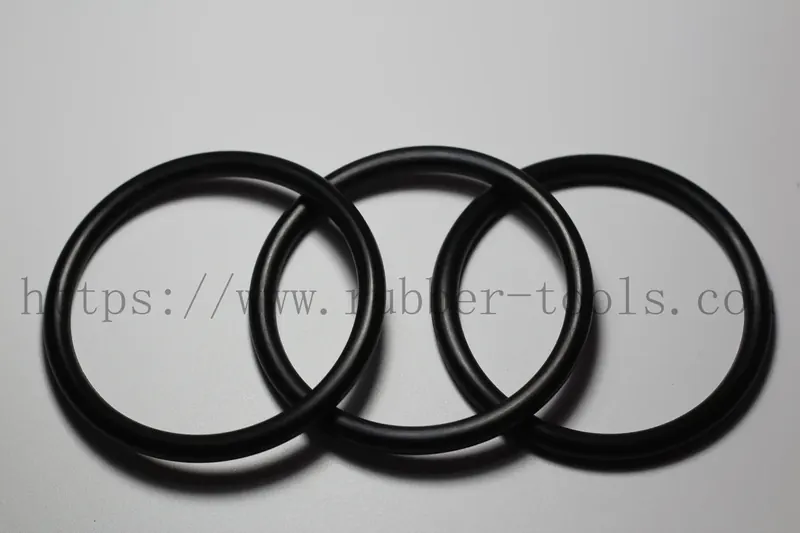
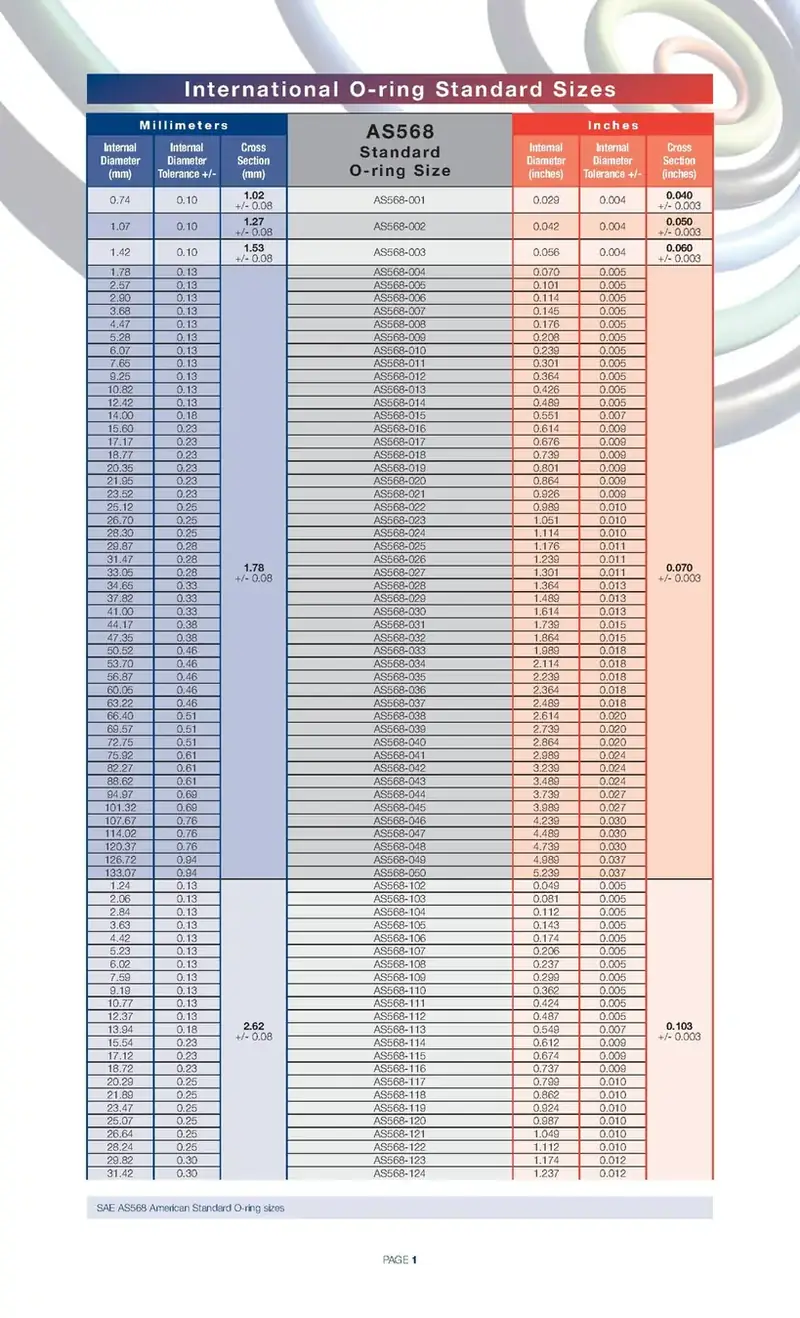
⚖️ O-Ring Weight Calculator
Estimate rubber O-ring weight (Approx).