Egg Crate Foam Sound Manufacturer | Engineering Guide

Engineering Guide: Egg Crate Foam Sound

egg crate foam sound manufacturing

Engineering Insight: Egg Crate Foam Sound Attenuation Fundamentals

Material selection constitutes the absolute cornerstone of effective egg crate foam sound management in industrial applications. Generic off-the-shelf foams frequently fail to meet rigorous OEM acoustic and durability requirements due to fundamental compromises in polymer chemistry and cellular structure. These compromises manifest as inadequate noise reduction coefficients (NRC), premature compression set, and catastrophic resonance within specific frequency bands critical to machinery operation. Understanding the precise viscoelastic damping mechanisms required for targeted sound absorption is non-negotiable; it is not merely a matter of shape replication. The egg crate profile amplifies the consequences of poor base material properties, as inconsistent cell walls cannot uniformly dissipate vibrational energy, leading to localized hot spots and ineffective broadband attenuation.

Off-the-shelf solutions typically prioritize cost and ease of fabrication over acoustic engineering. They utilize low-cost, unmodified polymers with insufficient molecular weight distribution and lack critical additives for UV resistance, flame retardancy, or thermal stability demanded in industrial environments. Crucially, the cell structure in these generic foams exhibits high variability in size, wall thickness, and interconnectivity. This inconsistency disrupts the predictable airflow resistance and frictional energy conversion essential for converting sound waves into negligible heat. Consequently, these foams often perform adequately only in narrow, unrepresentative laboratory tests but fail under real-world dynamic loads, temperature fluctuations, and prolonged compression encountered in machinery housings, control panels, or transportation compartments. The resulting acoustic leakage necessitates costly redesigns, production delays, and potential warranty claims – expenses far exceeding the initial savings from generic materials.

Suzhou Baoshida Trading Co., Ltd. engineers egg crate foam solutions specifically for industrial sound control by controlling the polymer formulation at the molecular level. We utilize high-purity, cross-linkable elastomers blended with proprietary additives to achieve precise density gradients and optimize cell nucleation during curing. This engineered approach ensures consistent, closed-cell structures with controlled wall thickness and uniform aperture sizes across the entire profile. The result is predictable airflow resistance and superior energy dissipation across the target frequency spectrum, validated through rigorous ASTM and ISO testing protocols.

Critical material properties directly impacting acoustic performance are summarized below:

Property Generic Off-the-Shelf Foam Suzhou Baoshida Engineered Foam Test Standard
Density (kg/m³) 25 – 35 (High Variance) 38 ± 2 (Tight Control) ASTM D3574
Cell Structure Uniformity < 60% > 92% Microscopy Analysis
Compression Set (% after 22h @ 50% def) 45 – 65% < 18% ASTM D3574
Noise Reduction Coefficient (NRC) 0.35 – 0.45 0.65 – 0.75 ASTM C423

The data unequivocally demonstrates why material science cannot be an afterthought. Suzhou Baoshida’s OEM-focused process integrates acoustic target definition with polymer formulation from the outset. We collaborate with clients to define specific frequency attenuation requirements, environmental exposures, and mechanical load profiles, then engineer the rubber compound and manufacturing parameters to deliver consistent, validated performance. This precision engineering eliminates the guesswork and risk inherent in generic solutions, ensuring your sound management system functions as an integral, reliable component of the final industrial product. Partner with us for material validation and specification development to avoid the hidden costs of acoustic failure.


Material Specifications

egg crate foam sound manufacturing

Egg crate foam sound insulation materials are widely used in industrial applications requiring noise dampening, vibration control, and acoustic separation. At Suzhou Baoshida Trading Co., Ltd., our engineered rubber solutions integrate high-performance elastomers such as Viton, Nitrile, and Silicone to meet the rigorous demands of automotive, aerospace, and industrial equipment sectors. Each material offers distinct physical and chemical properties that influence sound absorption efficiency, thermal stability, and environmental resistance. Understanding these characteristics is critical when selecting the appropriate compound for egg crate foam applications under specific operational conditions.

Viton rubber, a fluorocarbon-based synthetic elastomer, delivers exceptional resistance to high temperatures, oils, fuels, and aggressive chemicals. With a continuous service temperature range up to 230°C, Viton is ideal for engine compartments and industrial environments where exposure to hydrocarbons and extreme heat is common. Its dense cellular structure, when engineered into egg crate foam profiles, provides moderate sound attenuation while maintaining structural integrity under thermal cycling. However, due to its higher material cost and reduced flexibility at low temperatures, Viton is typically reserved for mission-critical applications where reliability outweighs cost considerations.

Nitrile rubber, also known as Buna-N, is a copolymer of acrylonitrile and butadiene, offering excellent resistance to petroleum-based fluids and moderate mechanical strength. It performs reliably in temperature ranges from -30°C to 120°C, making it suitable for under-hood automotive components and hydraulic systems. In egg crate foam configurations, Nitrile provides good sound absorption in mid-frequency ranges and maintains compression set resistance over time. Its cost-effective formulation makes it a preferred choice for high-volume production where fluid resistance and acoustic performance are balanced.

Silicone rubber stands out for its outstanding thermal stability, operating effectively from -60°C to 200°C, and exceptional flexibility across a wide temperature spectrum. While less resistant to oils and fuels than Viton or Nitrile, silicone excels in environments requiring UV, ozone, and weather resistance. When manufactured into egg crate foam, silicone delivers superior acoustic damping in high-frequency noise ranges and retains resilience after prolonged compression. This makes it ideal for electronic enclosures, cleanroom equipment, and outdoor applications where environmental aging is a concern.

The selection of the appropriate elastomer depends on the operational environment, acoustic requirements, and cost targets. Below is a comparative summary of key material properties relevant to egg crate foam sound insulation applications.

Property Viton Nitrile (Buna-N) Silicone
Temperature Range (°C) -20 to 230 -30 to 120 -60 to 200
Oil/Fuel Resistance Excellent Good to Excellent Poor
Compression Set Resistance Excellent Good Good
Acoustic Damping (High Freq) Moderate Moderate Excellent
Acoustic Damping (Mid Freq) Good Good Moderate
Weather/Ozone Resistance Excellent Fair Excellent
Cost Level High Low to Medium Medium to High
Typical Applications Aerospace, High-temp seals Automotive, Hydraulics Electronics, Outdoor

Manufacturing Capabilities

Engineering Capabilities for Precision Egg Crate Foam Sound Solutions

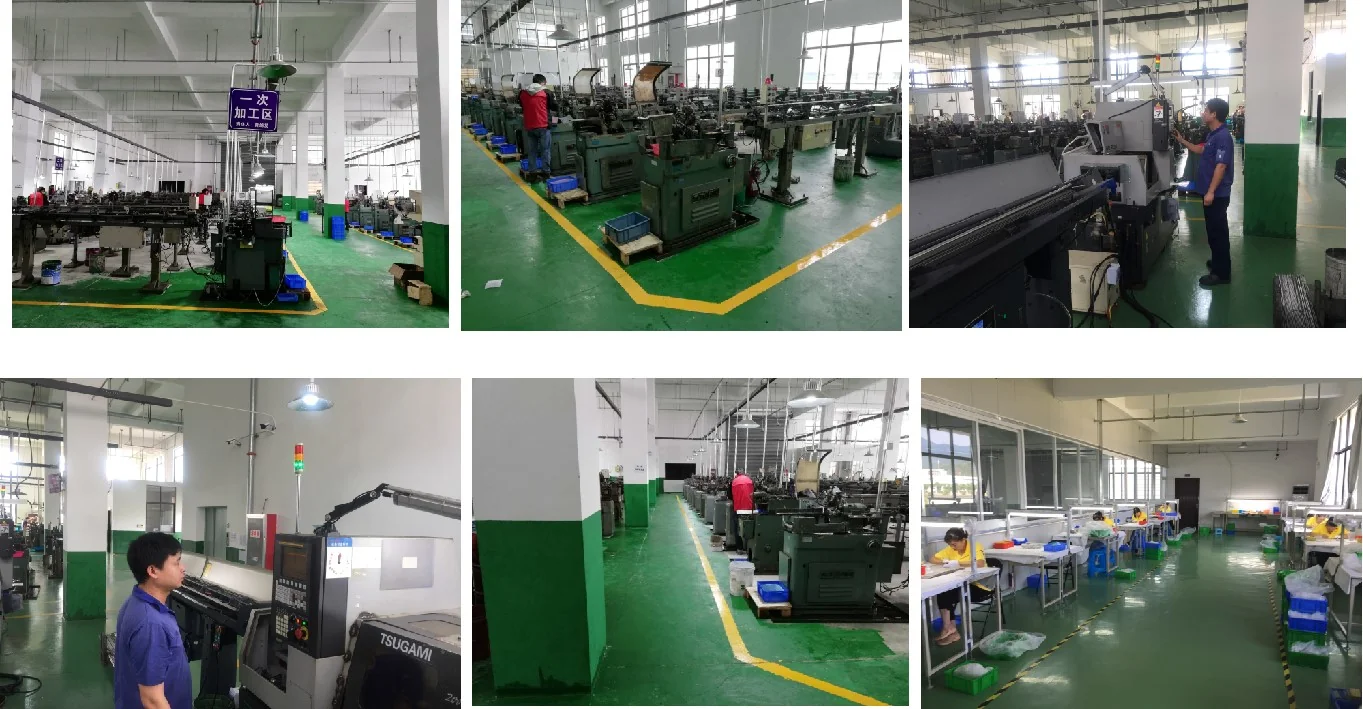
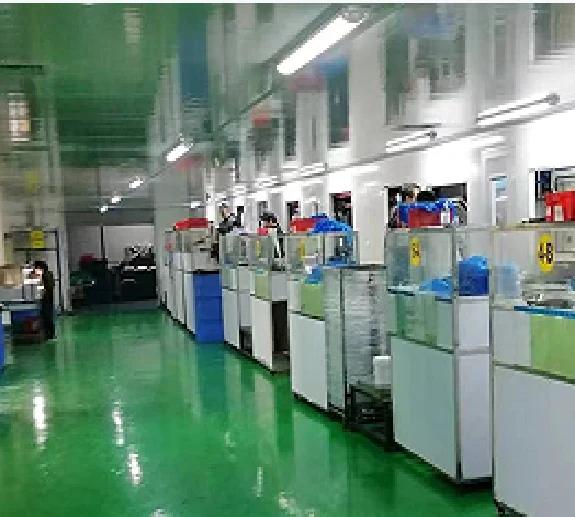
Suzhou Baoshida Trading Co., Ltd. leverages integrated engineering expertise to deliver high-performance egg crate foam sound absorption products for industrial and commercial applications. Our dedicated team comprises five specialized mould engineers and two advanced formula engineers, ensuring end-to-end control from material science to precision manufacturing. This synergy enables us to optimize acoustic performance, dimensional accuracy, and durability while meeting stringent OEM requirements.

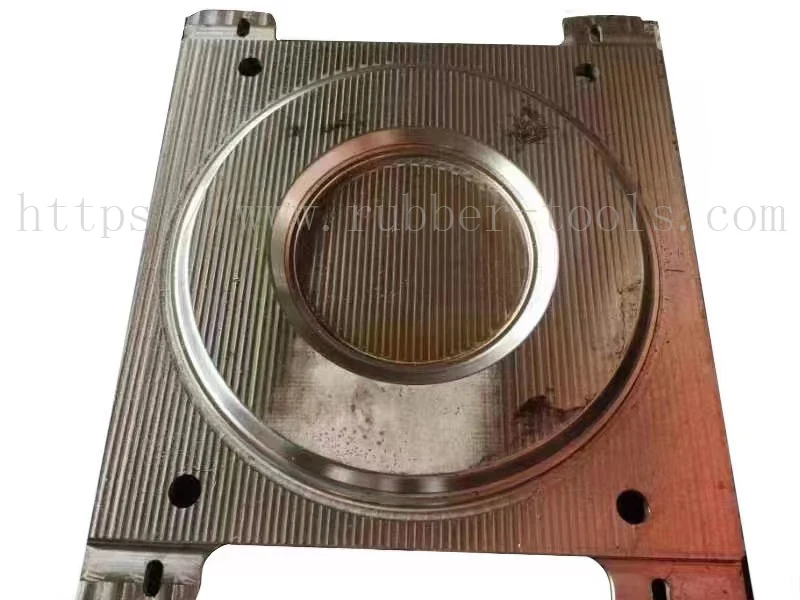
Our mould engineering division focuses on tooling precision critical for consistent sound diffusion. Engineers utilize 3D CAD/CAM simulations to refine cavity geometry, ensuring uniform cell structure and surface texture essential for targeted frequency attenuation. Tolerances are maintained within ±0.5 mm across complex geometries, directly influencing sound wave scattering efficiency. This precision minimizes production variability, guaranteeing batch-to-batch repeatability in acoustic output—a non-negotiable standard for OEM partnerships.

Formula engineering drives material performance at the molecular level. Our specialists develop proprietary rubber-modified polymer composites tailored to specific acoustic and environmental demands. By adjusting elastomer blends, crosslink density, and additive packages, we achieve precise control over density, resilience, and damping characteristics. This capability allows customization for frequency ranges from 500 Hz to 5,000 Hz, critical for applications in HVAC systems, automotive cabins, and industrial enclosures. All formulations undergo rigorous validation for thermal stability (–40°C to +120°C), flame resistance (UL 94 HF-1), and long-term compression set performance.

As an OEM solutions provider, we offer full turnkey development—from acoustic modeling and material selection to prototyping and volume production. Our ISO 9001-certified facility supports low-volume pilot runs and high-volume manufacturing with dedicated production cells. Clients benefit from IP-protected formulations, DFMEA-driven risk mitigation, and real-time SPC data sharing. We collaborate closely with engineering teams to align foam specifications with end-product integration requirements, including adhesion compatibility, weight constraints, and regulatory compliance (e.g., REACH, RoHS).

Key technical specifications for our standard egg crate foam solutions are summarized below:

Parameter Typical Value Test Standard Tolerance Application Impact
Density 25–40 kg/m³ ASTM D3574 ±2 kg/m³ Sound absorption coefficient
Thickness 10–50 mm ISO 1923 ±0.5 mm Frequency range targeting
Shore A Hardness 15–35 ASTM D2240 ±3 points Compression recovery
NRC Rating 0.45–0.75 ASTM C423 ±0.05 Overall noise reduction
Flammability UL 94 HF-1 UL 94 Pass/Fail Safety compliance
Compression Set (22h) ≤15% ASTM D3574 ±2% Long-term acoustic performance

This engineering-led approach ensures Suzhou Baoshida delivers not just components, but validated acoustic solutions that solve real-world noise challenges. Our commitment to material science rigor and manufacturing excellence positions us as a strategic OEM partner for demanding industrial sound management applications.


Customization Process

egg crate foam sound manufacturing

Customization Process for Egg Crate Foam Sound Absorption Solutions

At Suzhou Baoshida Trading Co., Ltd., our approach to delivering high-performance egg crate foam sound absorption products is rooted in precision engineering and industrial-grade material science. Our four-stage customization process ensures that each solution meets exact acoustic, mechanical, and environmental requirements for industrial and commercial applications.

The process begins with Drawing Analysis, where our engineering team evaluates the client’s technical specifications, dimensional tolerances, and application environment. This includes assessing the intended installation space, exposure to temperature extremes, humidity levels, and required fire resistance ratings (e.g., UL94 HF-1 or FMVSS 302 compliance). Using CAD-based modeling tools, we validate foam geometry, wall thickness, and peak-to-valley depth to optimize sound diffusion and absorption efficiency across targeted frequency ranges (typically 500 Hz to 4000 Hz). This stage also includes material compatibility reviews for adjacent components, ensuring long-term stability in operational conditions.

Following drawing validation, our Rubber Formula Engineers initiate Formulation Development. Based on acoustic performance goals and environmental demands, we select the base polymer—commonly EVA, PE, or NBR/PVC blends—and incorporate additives for flame retardancy, UV resistance, or anti-static properties. Closed-cell structures are tailored to balance compressibility and resilience, while open-cell variants are engineered for enhanced low-frequency absorption. The formulation is adjusted to achieve specific density, tensile strength, and compression set values, ensuring durability under repeated mechanical stress.

Once the compound is finalized, we proceed to Prototyping. Using precision die-cutting or molded foaming techniques, small-batch samples are produced under controlled conditions that mirror mass production parameters. Each prototype undergoes rigorous testing, including NRC (Noise Reduction Coefficient) measurement, thermal aging (per ASTM D573), and flammability verification. Acoustic impedance testing is conducted in reverberation chambers to validate performance against the client’s noise control targets. Feedback from this phase informs final adjustments in cell structure distribution or surface profile geometry.

Upon client approval, we transition to Mass Production, leveraging automated foaming lines and in-line quality monitoring systems. Continuous extrusion or batch molding ensures uniform cell structure and dimensional consistency across large volumes. Every production lot is subjected to statistical process control (SPC), with real-time checks on density, thickness, and flame spread index.

The following table outlines key customizable parameters and typical performance ranges:

Parameter Typical Range Test Standard
Density 25–120 kg/m³ ASTM D3574
Thickness 10–50 mm ISO 1923
NRC Value 0.45–0.85 ASTM C423
Compression Deflection 15–60 kPa @ 25% compression ASTM D575
Flame Resistance UL94 HF-1, MVSS302, or OEM-specific UL 94, FMVSS 302
Operating Temperature -40°C to +100°C ASTM D1349

Our end-to-end customization ensures that every egg crate foam solution is acoustically effective, mechanically robust, and fully compliant with industry standards.


Contact Engineering Team

egg crate foam sound manufacturing

Precision Engineered Egg Crate Foam Solutions for Industrial Acoustic Applications

Suzhou Baoshida Trading Co., Ltd. operates at the forefront of polymer science and industrial rubber compounding, delivering mission-critical egg crate foam solutions tailored to demanding acoustic environments. Our engineered foams transcend generic alternatives through rigorous molecular architecture design, ensuring consistent cell structure uniformity, optimal sound diffusion, and long-term environmental resilience. Unlike commodity foams prone to cell collapse or inconsistent absorption profiles, our proprietary formulations leverage high-purity nitrile butadiene rubber (NBR) and ethylene propylene diene monomer (EPDM) bases, compounded with precision additives to achieve targeted acoustic impedance and mechanical stability. This scientific approach guarantees predictable performance across vibration damping, echo suppression, and noise barrier applications in automotive, aerospace, and industrial machinery sectors.

Material science precision directly dictates acoustic efficacy. Our egg crate foam profiles undergo stringent in-house validation for cell density distribution, compression set resistance, and thermal stability—factors often overlooked by standard suppliers. Below are critical performance specifications defining our industrial-grade solutions:

Parameter Specification Range Test Standard
Density 45–120 kg/m³ ASTM D3574
Frequency Absorption 500 Hz – 5000 Hz ASTM C423
Temperature Resistance -40°C to +120°C ISO 188
Compression Set (22h) ≤ 15% @ 70°C ASTM D395
Tensile Strength 0.8–2.5 MPa ASTM D412

These metrics reflect our commitment to dimensional stability and acoustic predictability under operational stress. For instance, our low compression set values ensure sustained contact pressure in gasketing applications, while controlled cell anisotropy optimizes sound wave scattering across critical frequency bands. Each batch undergoes Fourier-transform infrared spectroscopy (FTIR) verification to confirm polymer matrix integrity and additive dispersion—eliminating batch-to-batch variability that compromises acoustic performance.

Partnering with Suzhou Baoshida means engaging a technical OEM manager with direct oversight of your formulation pipeline. Mr. Boyce, our dedicated OEM Manager, possesses 14 years of experience in rubber compounding for acoustic systems and will collaborate with your engineering team to address specific challenges: material compatibility with harsh fluids, weight constraints in mobile platforms, or custom profile geometries requiring tooling optimization. He facilitates seamless transitions from prototype validation to high-volume production, leveraging our ISO 9001-certified manufacturing ecosystem with 45-day lead times for qualified projects.

Do not compromise acoustic performance with off-the-shelf foams exhibiting inconsistent cell morphology or inadequate aging resistance. Contact Mr. Boyce directly at [email protected] to initiate a technical consultation. Provide your target insertion loss requirements, environmental exposure conditions, and dimensional tolerances—he will respond within 4 business hours with a tailored compound recommendation, material safety data, and production timeline. Suzhou Baoshida delivers not merely foam, but engineered sound management systems where precision, repeatability, and scientific validation are non-negotiable. Your acoustic challenge demands a polymer specialist; we provide the formula and the partnership to solve it.


⚖️ O-Ring Weight Calculator

Estimate rubber O-ring weight (Approx).


Egg Crate Foam Sound Manufacturer | Engineering Guide

Contents of Table

Contact [email protected] Whatsapp 86 15951276160