Technical Contents
Engineering Guide: Ptfe Strip

Engineering Insight: The Critical Role of Material Selection in PTFE Strip Applications
In industrial environments where reliability, chemical resistance, and thermal stability are non-negotiable, PTFE (polytetrafluoroethylene) strips are frequently specified for sealing, insulating, and lining applications. However, despite the inherent advantages of PTFE, off-the-shelf solutions often underperform or fail prematurely. The root cause lies not in the material itself, but in the misalignment between standardized product offerings and the precise engineering demands of real-world operating conditions.
PTFE is renowned for its exceptional dielectric strength, low coefficient of friction, and resistance to nearly all industrial chemicals. These properties make it ideal for use in semiconductor processing, pharmaceutical manufacturing, and high-temperature fluid systems. Yet, when engineers select generic PTFE strips without considering application-specific variables—such as dynamic load, compression set, permeation rates, or surface finish—performance degradation becomes inevitable. Standard formulations may lack the necessary filler reinforcement, dimensional tolerances, or purity levels required in critical sealing interfaces.
One common failure mode occurs in high-compression environments where unfilled PTFE strips exhibit cold flow or creep relaxation over time. Without proper reinforcement—such as glass fiber, carbon, or graphite fillers—the material cannot maintain sealing force, leading to leaks or contamination. Similarly, in applications involving repeated mechanical cycling, the absence of wear-resistant additives can accelerate abrasion, particularly in dynamic seals or sliding components.
Another overlooked factor is material purity. In ultra-clean environments like biopharmaceutical or semiconductor fabrication, even trace contaminants in off-the-shelf PTFE can compromise product integrity. Virgin PTFE, manufactured under controlled conditions with stringent quality oversight, is often required to meet ASTM D4894 or ISO 13000 standards. Generic strips may be regrind blends or contain processing aids that outgas under vacuum or elevated temperatures, leading to system contamination.
At Suzhou Baoshida Trading Co., Ltd., we emphasize engineered material selection over commodity sourcing. Our PTFE strips are formulated with application-specific performance in mind, ensuring compatibility with temperature extremes, aggressive media, and mechanical stress profiles. Custom compounding, precision skiving, and batch traceability are integral to our manufacturing process, allowing us to deliver solutions that outperform generic alternatives.
The following table outlines key performance specifications across different PTFE strip formulations:
| Property | Unfilled PTFE | Glass-Filled PTFE | Carbon-Filled PTFE | Conductive Graphite PTFE |
|---|---|---|---|---|
| Tensile Strength (MPa) | 20–35 | 25–40 | 30–45 | 28–42 |
| Max Continuous Use Temp (°C) | 260 | 260 | 280 | 260 |
| Compressive Strength (MPa) | 10–15 | 18–25 | 20–30 | 19–28 |
| Coefficient of Friction | 0.05–0.10 | 0.10–0.15 | 0.12–0.18 | 0.10–0.16 |
| Electrical Resistivity (Ω·cm) | >10¹⁸ | >10¹⁶ | 10²–10⁴ | 10⁻¹–10¹ |
Material selection is not a one-size-fits-all decision. In demanding industrial applications, the cost of failure far exceeds the premium for engineered PTFE solutions. By aligning material composition with operational requirements, manufacturers can ensure long-term reliability, reduce downtime, and maintain compliance with industry standards.
Material Specifications

Material Specifications for PTFE Strip in Industrial Sealing Applications
PTFE strip, a critical component in demanding industrial sealing systems, requires precise material selection to ensure operational integrity under extreme conditions. At Suzhou Baoshida Trading Co., Ltd., we engineer PTFE-based solutions with stringent adherence to ASTM D3295 and ISO 3601 standards, prioritizing thermal stability, chemical inertness, and mechanical resilience. While pure PTFE forms the base polymer, complementary elastomeric materials such as Viton, Nitrile, and Silicone are often integrated into hybrid sealing profiles or used in adjacent components. Understanding their distinct properties is essential for optimal system design. Key selection criteria include continuous service temperature, resistance to specific media (e.g., oils, acids, steam), compression set, and tensile strength. Below is a comparative analysis of these elastomers relative to PTFE’s inherent characteristics, providing quantifiable performance metrics for informed engineering decisions.
| Property | Viton (FKM) | Nitrile (NBR) | Silicone (VMQ) | PTFE Base Reference |
|---|---|---|---|---|
| Continuous Temp Range (°C) | -20 to +230 | -30 to +120 | -60 to +200 | -200 to +260 |
| Tensile Strength (MPa) | 15-20 | 10-20 | 5-8 | 20-35 |
| Elongation at Break (%) | 150-300 | 150-400 | 200-800 | 200-400 |
| Compression Set (ASTM D395, 22h/150°C) | ≤25% | ≤30% | ≤25% | N/A (Non-elastomeric) |
| Key Chemical Resistance | Fuels, oils, acids, ozone | Aliphatic hydrocarbons, water, hydraulic fluids | Ozone, weathering, oxygen | Universal inertness (all solvents, acids, bases) |
| Primary Industrial Use Cases | Aerospace fuel systems, chemical processing | Automotive transmissions, hydraulic seals | Medical devices, extreme cold environments | High-purity valves, aggressive chemical seals |
PTFE itself remains unmatched for chemical resistance and thermal range, but its limited elasticity necessitates strategic pairing with elastomers in dynamic sealing applications. Viton excels where exposure to aromatic hydrocarbons and high-temperature fuels occurs, though its cost is elevated. Nitrile offers optimal cost-performance balance for general-purpose oil and water sealing but degrades rapidly in ozone or brake fluids. Silicone provides unparalleled flexibility at cryogenic temperatures and biocompatibility but exhibits poor tear strength and limited hydrocarbon resistance. Crucially, compression set values directly impact long-term sealing force retention; Viton and Silicone typically outperform Nitrile in sustained high-heat scenarios. For PTFE strip integration, Viton is preferred in oil/gas critical joints requiring >150°C stability, while Silicone suits low-temperature flexing demands. Nitrile remains viable for cost-sensitive, moderate-temperature hydraulic interfaces where chemical exposure is controlled.
Suzhou Baoshida Trading Co., Ltd. emphasizes application-specific material validation through accelerated aging and media immersion testing per ISO 1817. Our OEM partnerships leverage this data to eliminate field failures, ensuring PTFE strip assemblies meet exacting lifecycle requirements. Consult our engineering team for media compatibility matrices and custom compound formulation support.
Manufacturing Capabilities

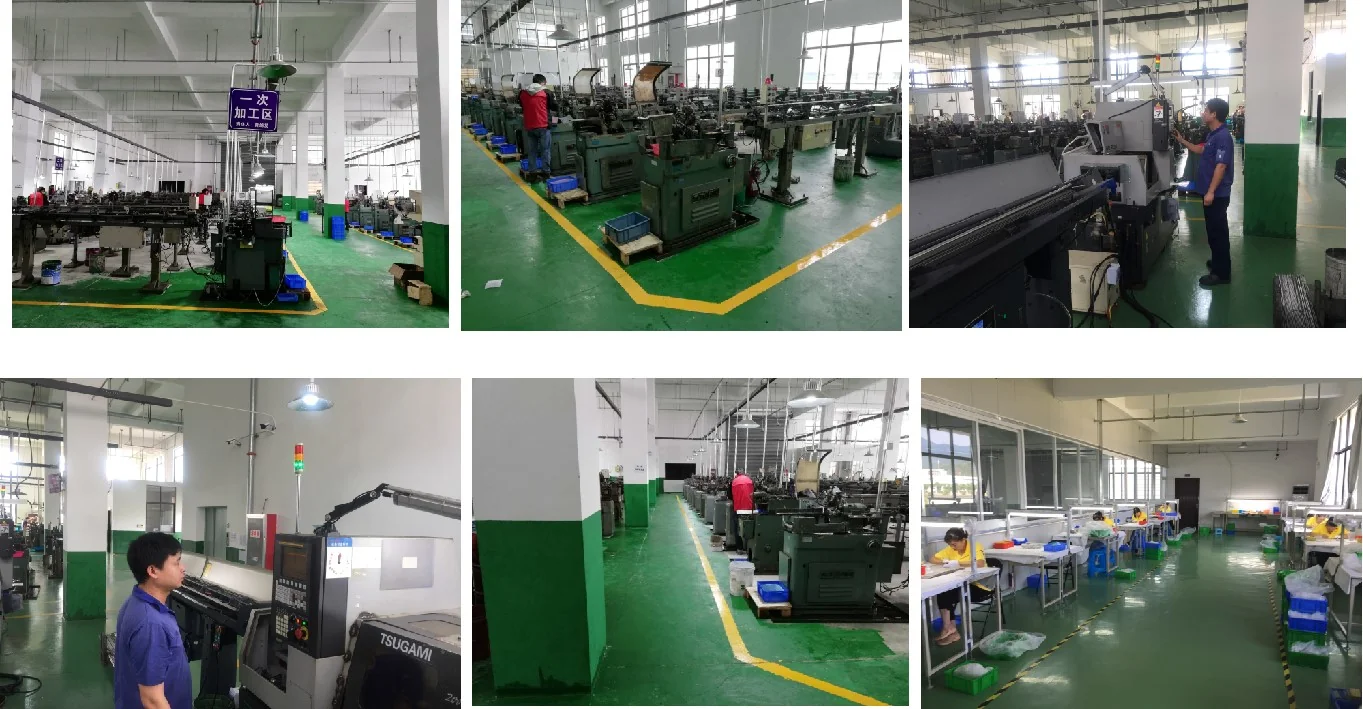
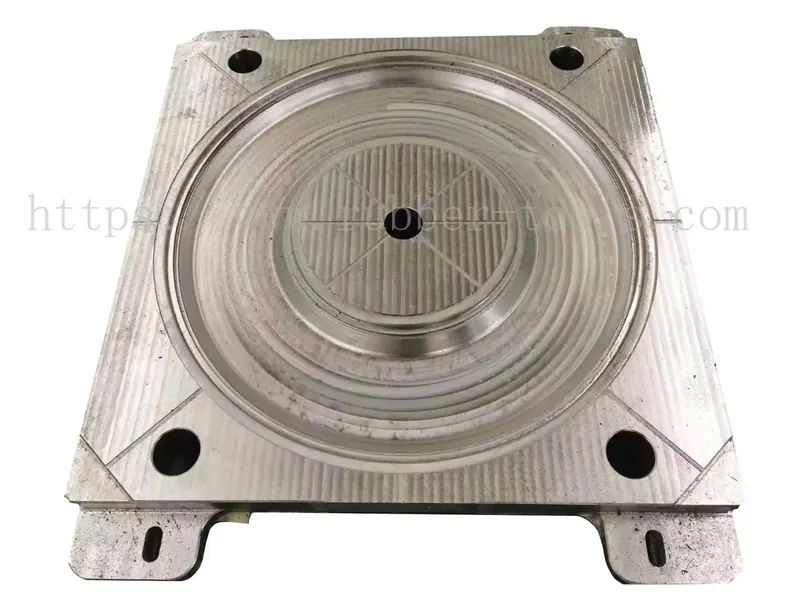
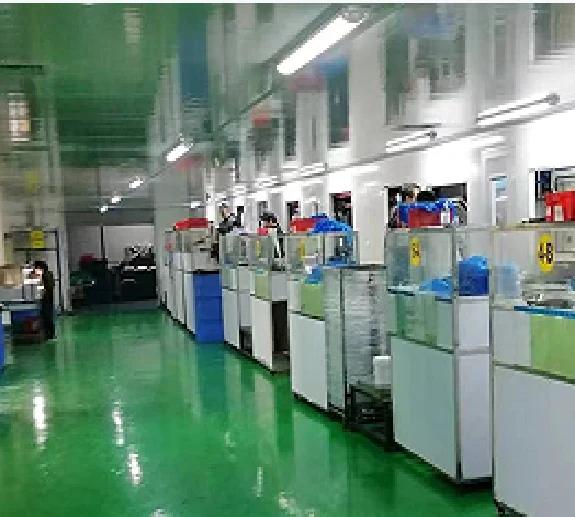
Suzhou Baoshida Trading Co., Ltd. maintains a core engineering capability centered on precision material science and advanced mold design, specifically tailored for industrial sealing and gasketing applications involving PTFE strip production. Our technical team integrates deep expertise in polymer formulation and precision tooling to deliver high-performance, OEM-specific solutions. The backbone of this capability consists of five dedicated mold engineers and two specialized rubber formula engineers, operating in a tightly coordinated development workflow.
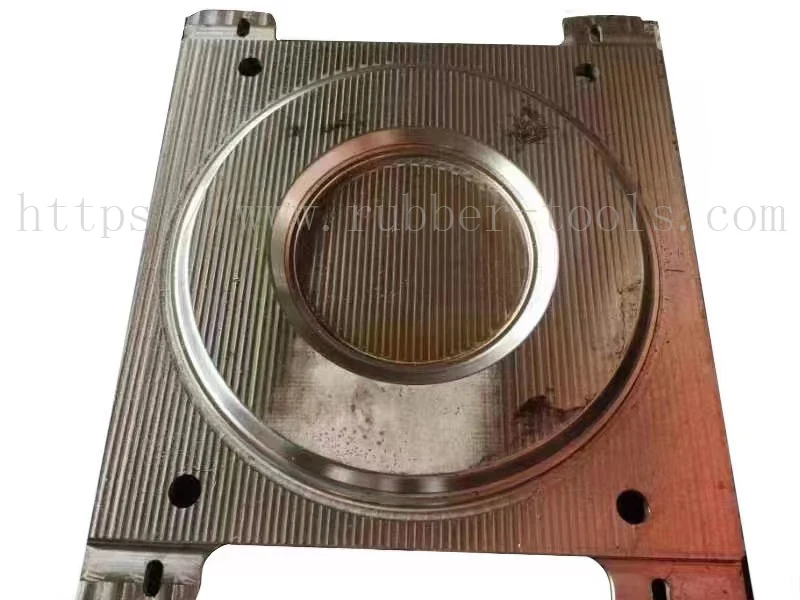
Our mold engineering team specializes in the design, simulation, and validation of tooling systems for continuous PTFE strip extrusion and precision cutting. Each engineer brings extensive experience in CAD/CAM software, finite element analysis (FEA), and tolerance optimization for high-volume manufacturing. This ensures that every mold system achieves dimensional stability, surface finish consistency, and long service life under industrial operating conditions. Emphasis is placed on modular design principles, enabling rapid changeovers and adaptation to custom widths, thicknesses, and edge profiles.
Complementing the mold team, our two rubber formula engineers focus on material performance optimization. While PTFE is inherently chemically inert and thermally stable, real-world applications often demand modifications in filler composition, density, and mechanical resilience. Our formula engineers develop compounded PTFE blends using fillers such as glass fiber, carbon, graphite, and bronze to enhance wear resistance, compressive strength, or thermal conductivity—tailored to the operational demands of chemical processing, semiconductor manufacturing, or high-vacuum environments. These formulations are rigorously tested for compression set, creep resistance, and long-term sealing integrity.
OEM collaboration is embedded in our engineering process. Clients provide application parameters—including temperature range, media exposure, flange type, and pressure cycles—and our team responds with engineered drawings, material certifications, and prototype samples within compressed timelines. We support full traceability, batch consistency, and compliance with international standards such as ASTM D3308 and ISO 3601.
The integration of mold and material engineering enables Suzhou Baoshida to deliver PTFE strip solutions that exceed standard off-the-shelf performance. Whether the requirement is for virgin PTFE in ultra-pure environments or reinforced grades for dynamic sealing, our technical team ensures optimal balance between manufacturability and functional reliability.
Typical PTFE Strip Technical Specifications
| Parameter | Standard Virgin PTFE | Glass-Filled PTFE (25%) | Carbon-Filled PTFE (15%) |
|---|---|---|---|
| Density (g/cm³) | 2.15 – 2.20 | 2.20 – 2.25 | 2.18 – 2.23 |
| Tensile Strength (MPa) | ≥20 | ≥25 | ≥23 |
| Elongation at Break (%) | ≥300 | ≥150 | ≥180 |
| Compressive Strength (MPa) | 10 – 14 | 14 – 18 | 16 – 20 |
| Operating Temperature Range | -200°C to +260°C | -200°C to +260°C | -200°C to +280°C |
| Hardness (Shore D) | 50 – 60 | 65 – 75 | 70 – 80 |
| Linear Expansion Coefficient | 1.3 x 10⁻⁴ /°C | 1.1 x 10⁻⁴ /°C | 1.0 x 10⁻⁴ /°C |
This technical foundation positions Suzhou Baoshida as a strategic partner for OEMs requiring engineered PTFE strip solutions with guaranteed performance, repeatability, and supply chain reliability.
Customization Process

PTFE Strip Customization Process: Precision Engineering Pathway
At Suzhou Baoshida Trading Co., Ltd., our PTFE strip customization follows a rigorously defined sequence to ensure dimensional accuracy, material integrity, and functional reliability for industrial applications. This four-phase methodology eliminates ambiguity between design intent and manufactured output, critical for sealing, insulation, and low-friction components in aerospace, semiconductor, and chemical processing systems.
Drawing Analysis initiates the process. Our engineering team conducts a comprehensive review of client-provided technical drawings against ISO 1123-1 and ASME Y14.5 standards. Key parameters scrutinized include geometric dimensioning and tolerancing (GD&T), surface finish requirements (Ra ≤ 0.8 μm for critical sealing faces), and cross-sectional profiles. We identify potential manufacturability conflicts early, such as wall thickness below 0.5 mm or angular tolerances exceeding ±0.5°, proposing data-driven solutions before material commitment.
Formulation Engineering leverages proprietary compound design based on the validated drawing. Virgin PTFE homopolymer serves as the baseline, with fillers like glass fiber (15–25% by weight), carbon, or graphite added to enhance thermal stability, creep resistance, or electrical conductivity per application demands. Each formulation undergoes computational fluid dynamics (CFD) simulation to predict flow behavior during extrusion, ensuring uniform density and eliminating voids. Critical properties such as melt viscosity (typically 10⁶–10⁷ Pa·s at 380°C) and crystallinity (≥92%) are precisely controlled through sintering profile optimization.
Prototyping & Validation employs short-run production under full process conditions. Three prototype strips undergo destructive and non-destructive testing per ASTM D4894 and D1457. Dimensional verification uses coordinate measuring machines (CMM) with ±0.01 mm accuracy. Performance metrics include tensile strength (minimum 20 MPa), elongation at break (≥300%), and compression set (≤20% at 200°C for 24 hours). Client approval requires documented conformance to all specified parameters before progression.
Mass Production implements the validated process under IATF 16949-certified controls. Real-time monitoring of extrusion pressure (15–30 MPa), sintering temperature gradients (±5°C), and line speed ensures batch consistency. Every 500-meter reel undergoes in-line thickness scanning and final inspection against the original drawing. Traceability is maintained via laser-etched batch codes linked to raw material certificates and process logs.
The following table summarizes critical PTFE strip specifications achievable through our customization pipeline:
| Property | Standard Range | Test Method | Customization Capability |
|---|---|---|---|
| Density | 2.14–2.20 g/cm³ | ASTM D792 | ±0.02 g/cm³ tolerance |
| Tensile Strength | 20–35 MPa | ASTM D638 | Up to 45 MPa with fillers |
| Elongation at Break | 250–400% | ASTM D638 | Adjustable via molecular weight |
| Continuous Use Temperature | -200°C to +260°C | ASTM D149 | Stable to 300°C short-term |
| Coefficient of Friction | 0.05–0.10 (vs. steel) | ASTM D3702 | Tunable with filler systems |
This systematic approach guarantees PTFE strips meeting exact operational demands while minimizing time-to-market. Suzhou Baoshida’s integration of material science, precision manufacturing, and validation protocols delivers mission-critical components with zero compromise on performance.
Contact Engineering Team

For industrial manufacturers seeking high-performance sealing, insulation, and wear-resistant components, PTFE strip materials represent a critical element in ensuring operational reliability across extreme environments. At Suzhou Baoshida Trading Co., Ltd., we specialize in precision-engineered PTFE (polytetrafluoroethylene) strip solutions tailored to meet the stringent demands of automotive, aerospace, chemical processing, semiconductor, and heavy machinery industries. Our engineered fluoropolymer products are manufactured under strict quality control protocols to deliver consistent dimensional accuracy, chemical inertness, thermal stability, and low coefficient of friction.
PTFE strip materials from Suzhou Baoshida are available in a range of grades, densities, and dimensions to accommodate diverse industrial applications. Whether you require virgin PTFE for ultra-pure environments or filled compounds enhanced with glass, carbon, or graphite for improved mechanical strength and wear resistance, our product portfolio is designed to exceed performance expectations. Each strip is produced using advanced extrusion and sintering techniques to ensure uniform molecular structure and optimal physical properties.
We understand that industrial procurement requires not only material excellence but also technical support, supply chain consistency, and responsive service. Our engineering team works directly with OEMs and Tier-1 suppliers to provide material selection guidance, custom fabrication options, and rapid prototyping support. With our strategic location in the Yangtze River Delta and established logistics network, we ensure on-time delivery to domestic and international markets without compromising quality.
To support your technical evaluation, the following table outlines key specifications of our standard PTFE strip offerings:
| Property | Virgin PTFE Strip | Glass-Filled PTFE Strip | Carbon-Filled PTFE Strip | Graphite-Filled PTFE Strip |
|---|---|---|---|---|
| Density (g/cm³) | 2.10 – 2.20 | 2.20 – 2.30 | 2.15 – 2.25 | 2.15 – 2.25 |
| Tensile Strength (MPa) | ≥25 | ≥28 | ≥30 | ≥29 |
| Elongation at Break (%) | ≥250 | ≥150 | ≥100 | ≥120 |
| Operating Temperature Range (°C) | -200 to +260 | -200 to +260 | -200 to +280 | -200 to +300 |
| Coefficient of Friction | 0.05 – 0.10 | 0.08 – 0.12 | 0.10 – 0.15 | 0.08 – 0.13 |
| Electrical Resistivity (Ω·cm) | >10¹⁸ | >10¹⁷ | >10¹⁶ | >10¹⁶ |
| Chemical Resistance | Excellent | Excellent | Very Good | Very Good |
All materials comply with international standards including ASTM D1710 and ISO 13000 for PTFE-based strip forms. Custom widths, thicknesses, spool lengths, and packaging configurations are available upon request.
For technical consultation, sample requests, or volume procurement discussions, contact Mr. Boyce, OEM Manager at Suzhou Baoshida Trading Co., Ltd. Direct your inquiries to [email protected]. Our team is prepared to support your engineering and supply chain objectives with data-driven solutions and responsive service. Partner with a trusted source in industrial rubber and fluoropolymer technology—reach out today to optimize your PTFE strip integration.
⚖️ O-Ring Weight Calculator
Estimate rubber O-ring weight (Approx).