Technical Contents
Engineering Guide: Rubber Moldedparts

Engineering Insight: Material Selection in Rubber Molded Parts
Material selection constitutes the foundational determinant of performance and longevity in custom rubber molded parts. Off-the-shelf solutions frequently fail because they prioritize generalized cost efficiency over application-specific physics. Generic compounds lack the tailored molecular architecture required to withstand unique operational stressors such as dynamic compression, chemical exposure, or thermal cycling. When material properties misalign with environmental demands, premature failure occurs through mechanisms like compression set, chemical swelling, or accelerated aging. For instance, a standard NBR seal in biodiesel fuel systems may exhibit 30% volume swell within 500 hours, whereas a custom FKM formulation limits swell to under 5% under identical conditions.
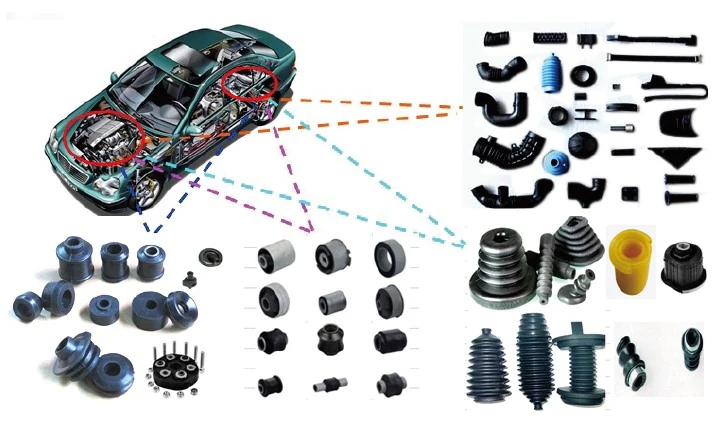
The criticality of precise material engineering cannot be overstated. Rubber compounds are not commodities; they are engineered systems where polymer backbone chemistry, filler dispersion, and crosslink density dictate functional boundaries. A universal compound inevitably compromises key parameters. Consider automotive suspension bushings: off-the-shelf EPDM may satisfy static load requirements but fracture under harmonic vibrations due to inadequate tear strength. Conversely, a custom HNBR compound with optimized sulfur cure systems achieves 40% higher fatigue resistance while maintaining ozone resistance. This precision prevents cascading system failures—such as chassis misalignment from bushing degradation—that incur exponentially higher warranty costs than the initial material premium.
Suzhou Baoshida Trading Co., Ltd. addresses this through application-driven compound development. We analyze fluid compatibility, temperature extremes, mechanical loads, and regulatory constraints before formulating. Our process begins with ASTM D2000 classification but extends to proprietary additive packages that enhance specific attributes without sacrificing baseline performance. The table below illustrates why generic solutions fail in demanding applications:
| Property | Generic EPDM Seal (Off-the-Shelf) | Custom Baoshida EPDM Compound | Failure Consequence in Industrial Hydraulics |
|---|---|---|---|
| Tensile Strength (MPa) | 10.5 | 18.2 | Extrusion under 25 MPa pressure |
| Heat Aging (150°C, 72h) | ΔTensile: -45% | ΔTensile: -12% | Seal hardening and leakage after 6 months |
| Glycol Resistance | 25% Volume Swell | 7% Volume Swell | Loss of sealing force in brake systems |
| Compression Set (B) | 38% | 19% | Permanent deformation at 10,000 cycles |
These discrepancies arise because off-the-shelf materials target broad market acceptance, not mission-critical reliability. They omit advanced stabilizers for thermal-oxidative resistance or fail to optimize polymer-filler interactions for dynamic fatigue. At Baoshida, we treat material selection as a failure-prevention strategy. Our OEM partnerships begin with stress-strain mapping of the operational environment, followed by iterative compound validation via accelerated life testing. This methodology ensures molded parts perform at the edge of physical limits—not just within them. Material selection is not a cost line item; it is the primary safeguard against field failure. Partner with engineering rigor, not catalog convenience.
Material Specifications

Material selection is a critical factor in the performance and longevity of custom molded rubber parts, particularly in demanding industrial environments. At Suzhou Baoshida Trading Co., Ltd., we specialize in precision-engineered rubber components tailored to meet specific operational requirements. Our expertise spans a range of elastomers, with Viton, Nitrile (NBR), and Silicone being among the most widely used due to their distinct chemical, thermal, and mechanical properties.
Viton, a fluorocarbon-based rubber (FKM), is renowned for its exceptional resistance to high temperatures, oils, fuels, and a broad spectrum of chemicals. It performs reliably in continuous service temperatures up to 200°C (392°F) and can withstand short-term exposure to even higher temperatures. This makes Viton ideal for applications in the automotive, aerospace, and chemical processing industries where exposure to aggressive media is common. Its low gas permeability and excellent aging characteristics further enhance its suitability for dynamic sealing applications under harsh conditions.
Nitrile rubber, or Buna-N, is a cost-effective solution for applications involving petroleum-based oils and fuels. It offers good mechanical strength and abrasion resistance, with continuous operating temperatures typically ranging from -30°C to 120°C (-22°F to 248°F). While its chemical resistance is not as broad as Viton, Nitrile remains a preferred choice for hydraulic systems, fuel hoses, gaskets, and O-rings in industrial and automotive settings. The material can be compounded to adjust hardness and oil resistance, allowing customization for specific performance needs.
Silicone rubber (VMQ) stands out for its outstanding thermal stability and flexibility across a wide temperature range, from -60°C to 230°C (-76°F to 446°F). It exhibits excellent resistance to ozone, UV radiation, and weathering, making it suitable for outdoor and high-purity applications such as medical devices, food processing, and electrical insulation. While silicone has relatively low tensile strength and poor resistance to petroleum-based fluids, its inertness, transparency, and biocompatibility are unmatched among standard elastomers.
The following table summarizes key physical and chemical properties of these materials to assist in selection:
| Property | Viton (FKM) | Nitrile (NBR) | Silicone (VMQ) |
|---|---|---|---|
| Temperature Range (°C) | -20 to 200 | -30 to 120 | -60 to 230 |
| Temperature Range (°F) | -4 to 392 | -22 to 248 | -76 to 446 |
| Tensile Strength (MPa) | 15–20 | 10–25 | 5–8 |
| Elongation at Break (%) | 150–300 | 200–500 | 200–600 |
| Hardness Range (Shore A) | 50–90 | 40–90 | 30–80 |
| Resistance to Oils/Fuels | Excellent | Good to Excellent | Poor |
| Resistance to Ozone/UV | Excellent | Good | Excellent |
| Compression Set Resistance | Excellent | Good | Good |
| Electrical Insulation | Good | Fair | Excellent |
| Common Applications | Aerospace seals, chemical gaskets | O-rings, fuel hoses, hydraulic seals | Medical devices, food-grade seals, insulation |
Selecting the appropriate material requires a comprehensive understanding of the operating environment, including temperature extremes, fluid exposure, mechanical stress, and regulatory requirements. At Suzhou Baoshida Trading Co., Ltd., we support OEMs and industrial clients with material consultation, prototyping, and full-scale production to ensure optimal performance and reliability in every molded rubber component.
Manufacturing Capabilities

Engineering Capabilities for Precision Rubber Molded Parts
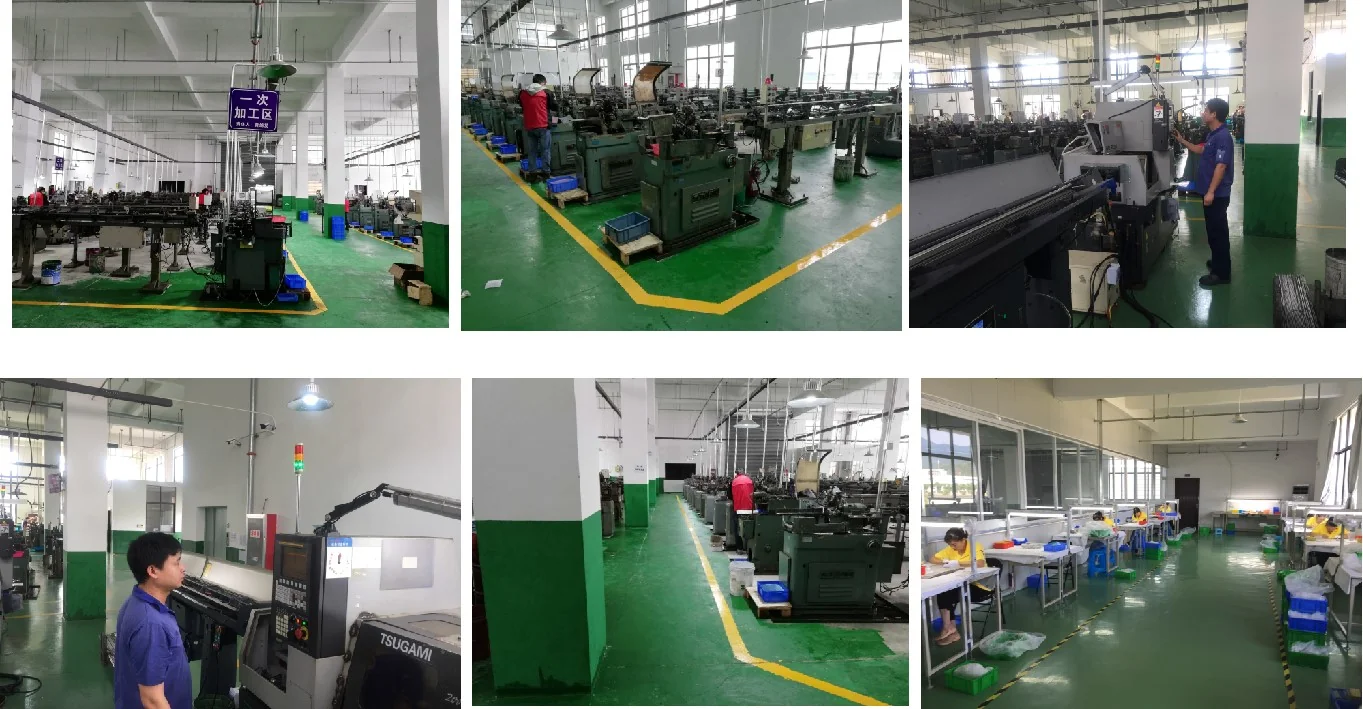
Suzhou Baoshida Trading Co., Ltd. integrates advanced material science with precision tooling expertise to deliver custom rubber molded parts meeting stringent OEM specifications. Our dedicated engineering team comprises five specialized mold designers and two certified rubber formula engineers, ensuring end-to-end control from compound development to final part validation. This synergy enables us to solve complex sealing, damping, and structural challenges across automotive, aerospace, and industrial machinery sectors.
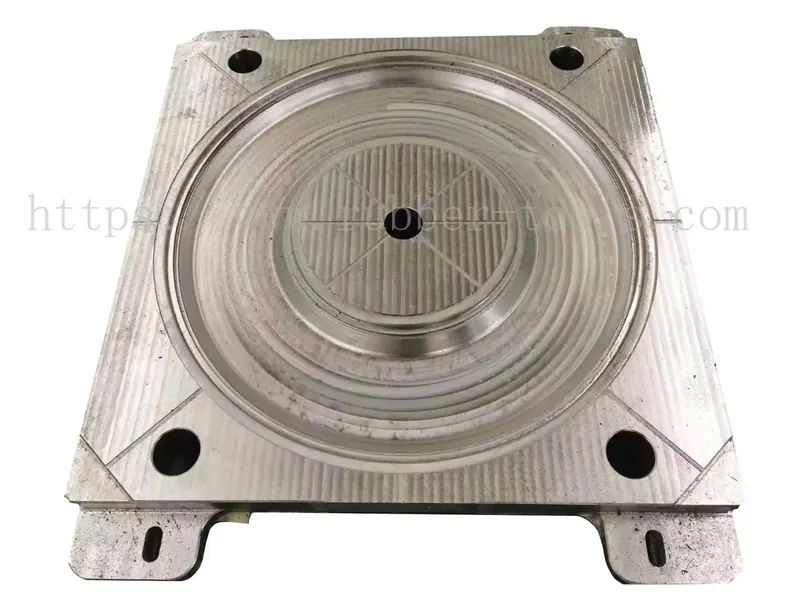
Our mold engineering division utilizes 3D CAD/CAM systems (SolidWorks, UG NX) to optimize cavity design, runner systems, and venting for zero-defect production. Finite element analysis (FEA) predicts material flow and shrinkage, minimizing trial iterations. Each mold undergoes rigorous metrology validation against ISO 2768-mK tolerances, with hardened tool steel (HRC 50+) ensuring 500,000+ cycles for high-volume OEM programs. Critical for dimensional stability, our engineers implement thermal management strategies to counteract polymer crystallization kinetics during vulcanization.
The formula engineering team develops proprietary elastomer compounds addressing extreme operational demands. By manipulating polymer backbone chemistry, filler dispersion, and crosslink density, we achieve precise balances of tensile strength, compression set, and fluid resistance. All formulations undergo accelerated aging per ASTM D573 and fluid immersion testing to validate 15-year service life predictions. This scientific approach eliminates reliance on generic material datasheets, tailoring performance to client-specific failure modes.
OEM integration is streamlined through our digital workflow platform. Customers receive real-time access to design for manufacturability (DFM) reports, mold flow simulations, and compound certification dossiers. Traceable documentation includes FDA 21 CFR 177.2600 compliance, REACH/ROHS declarations, and full batch-level material traceability. For mission-critical applications, we co-develop PPAP Level 3 packages with statistical process control (SPC) data from in-house tensile testers and durometers.
Material performance is systematically quantified across our core elastomer families:
| Material Type | Hardness Range (Shore A) | Temp Range (°C) | Key Performance Attributes |
|---|---|---|---|
| Hydrogenated NBR | 50–90 | -40 to +150 | Low compression set, fuel/oil resistance |
| Perfluoroelastomer | 60–80 | -20 to +327 | Chemical inertness, plasma resistance |
| Silicone | 30–80 | -60 to +250 | Biocompatibility, electrical insulation |
| EPDM | 40–90 | -60 to +150 | Weather/ozone resistance, steam compatibility |
| Neoprene | 50–85 | -40 to +120 | Flame resistance, moderate oil tolerance |
This engineering framework ensures every molded part meets the dual imperatives of functional reliability and manufacturing repeatability. By embedding material science into the core of our OEM process, Suzhou Baoshida transforms technical specifications into defect-free production outcomes, reducing time-to-market by up to 30% versus conventional supplier models. Our validated capabilities in compound customization and mold precision establish a foundation for long-term partnerships where performance predictability is non-negotiable.
Customization Process

Customization Process for Rubber Molded Parts at Suzhou Baoshida Trading Co., Ltd.
At Suzhou Baoshida Trading Co., Ltd., we specialize in delivering high-performance custom molded rubber parts tailored to the exact functional and environmental demands of our industrial clients. Our structured customization process ensures precision, repeatability, and compliance with international quality standards. This process is divided into four critical stages: Drawing Analysis, Formulation, Prototyping, and Mass Production.
The first step, Drawing Analysis, involves a comprehensive technical review of the customer-provided engineering drawings or 3D models. Our engineering team evaluates critical dimensions, tolerances, surface finish requirements, and part geometry to assess moldability and performance under expected operating conditions. We verify compliance with ISO 3302 and ISO 2768 standards for rubber part tolerances and identify potential design risks such as undercuts, thin sections, or venting challenges. Any discrepancies or optimization opportunities are communicated to the client for approval prior to proceeding.
Following drawing validation, we initiate the Formulation phase. This stage determines the optimal rubber compound based on application-specific requirements such as temperature resistance, chemical exposure, compression set, and mechanical strength. Our material portfolio includes NBR, EPDM, silicone, FKM, CR, and NR, each customizable with additives for enhanced UV resistance, flame retardancy, or conductivity. Our in-house laboratory conducts Durometer testing (Shore A), tensile strength analysis, and aging tests to ensure the selected formulation meets the environmental and performance criteria defined by the client.
Once the material is finalized, we proceed to Prototyping. Using precision CNC-machined or cast molds, we produce small-batch samples for functional testing and design verification. These prototypes are subjected to dimensional inspection via coordinate measuring machines (CMM) and real-world condition simulations, including thermal cycling and fluid immersion. Client feedback is integrated at this stage to refine geometry or material selection, ensuring optimal performance before full-scale production.
The final stage is Mass Production, where validated molds are deployed in high-pressure compression, transfer, or injection molding systems. Our automated production lines support batch sizes from 1,000 to over 500,000 units with consistent quality control through statistical process control (SPC) and 100% visual inspection. All finished parts undergo final testing per ASTM D2000 or client-specific specifications.
The following table summarizes key technical capabilities across our production workflow:
| Parameter | Specification Range |
|---|---|
| Material Types | NBR, EPDM, FKM, Silicone, CR, NR, HNBR |
| Hardness Range (Shore A) | 30 to 90 ±5 |
| Tolerance Class | ISO 3302 Class M2 to M3 |
| Temperature Resistance | -60°C to +300°C (depending on compound) |
| Sample Lead Time | 10–15 working days |
| Mass Production Lead Time | 25–35 days (varies with order volume) |
| Standard Compliance | ASTM, ISO, ROHS, FDA (on request) |
Through this disciplined, science-driven approach, Suzhou Baoshida ensures every custom rubber molded part meets the highest benchmarks in durability, consistency, and application-specific performance.
Contact Engineering Team

Initiate Your Precision Rubber Component Project with Suzhou Baoshida
Selecting the optimal manufacturing partner for critical custom molded rubber parts demands more than standard procurement protocols. It requires a deep integration of material science expertise, precision engineering, and rigorous quality control systems capable of meeting the exacting demands of industrial applications. Suzhou Baoshida Trading Co., Ltd. operates at this intersection of advanced polymer technology and high-precision manufacturing, providing OEMs and Tier suppliers with engineered elastomeric solutions that perform reliably under extreme operational stresses. Our facility in Suzhou leverages state-of-the-art compounding laboratories, multi-cavity molding presses, and comprehensive in-house testing to transform complex specifications into flawless components. We understand that dimensional accuracy, material consistency, and long-term environmental resistance are non-negotiable parameters in sectors ranging from automotive sealing systems to medical device components and industrial machinery.
The inherent challenges of rubber formulation—balancing durometer, compression set, chemical resistance, and thermal stability—necessitate a partner with proven technical acumen. Our engineering team possesses extensive experience in optimizing compounds for specific performance criteria, whether requiring FDA-compliant silicones for biocompatibility, oil-resistant NBR blends for hydraulic systems, or extreme-temperature fluorocarbon formulations. This material science foundation, combined with our ISO 9001-certified production processes and statistical process control methodologies, ensures repeatability and adherence to the tightest tolerances. Below outlines our core technical capabilities for critical molded part specifications.
| Parameter | Capability Range | Testing Standard Compliance |
|---|---|---|
| Material Types | NBR, EPDM, Silicone, FKM, CR, ACM, HNBR, Custom Blends | ASTM D2000, ISO 37, ISO 188 |
| Hardness Range | 30 Shore A to 90 Shore A | ASTM D2240 |
| Tolerance Capability | ±0.05 mm (critical dimensions) | ISO 3301, ISO 2768-mK |
| Volume Production | 1,000 to 1,000,000+ pieces | PPAP Level 3, IMDS Reporting |
| Environmental Testing | Fluid immersion, thermal aging, ozone | ASTM D471, ASTM D573, ISO 188 |
Initiating collaboration with Suzhou Baoshida begins with a technical dialogue focused squarely on your application’s functional requirements. Submit your detailed specifications, including 2D/3D drawings, material performance requirements, environmental exposure conditions, and volume projections. Our engineering team will conduct a thorough manufacturability analysis and propose optimized material formulations and process parameters to ensure component integrity throughout its operational lifecycle. We prioritize clear communication channels and technical transparency from initial inquiry through final validation.
To secure the engineering partnership required for mission-critical rubber components, contact Mr. Boyce directly. As your dedicated OEM Manager and Rubber Formula Engineer, Mr. Boyce possesses the technical authority to evaluate your project’s complexities, allocate necessary R&D resources, and establish a precise development timeline. Do not submit generic inquiries; provide specific performance criteria and dimensional constraints to enable an immediate technical assessment. Email Mr. Boyce at [email protected] with the subject line Technical Inquiry: [Your Company Name] – [Part Application]. Include all relevant specifications and target delivery requirements. Suzhou Baoshida commits to responding within 24 business hours with a preliminary technical feasibility statement and next-step engineering protocol. Elevate your supply chain reliability by engaging a partner whose precision molding expertise is validated by decades of solving the most demanding elastomeric challenges in global industrial manufacturing. Your component’s performance begins with the right technical conversation.
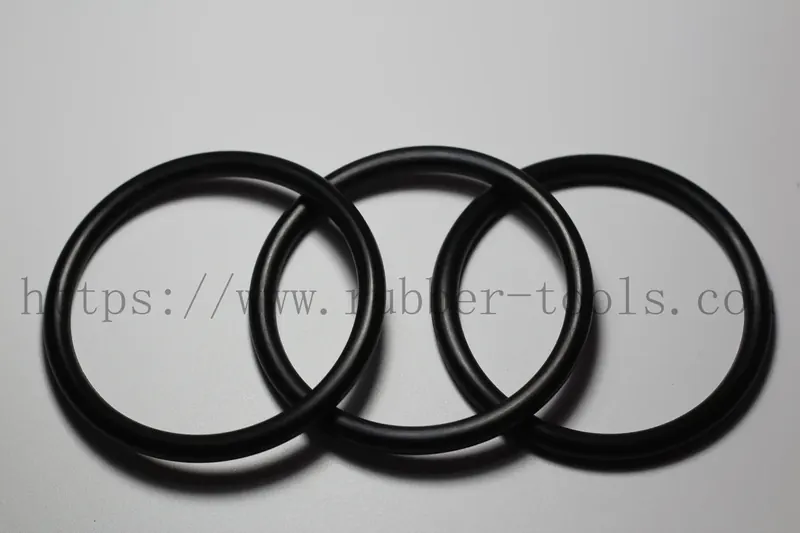
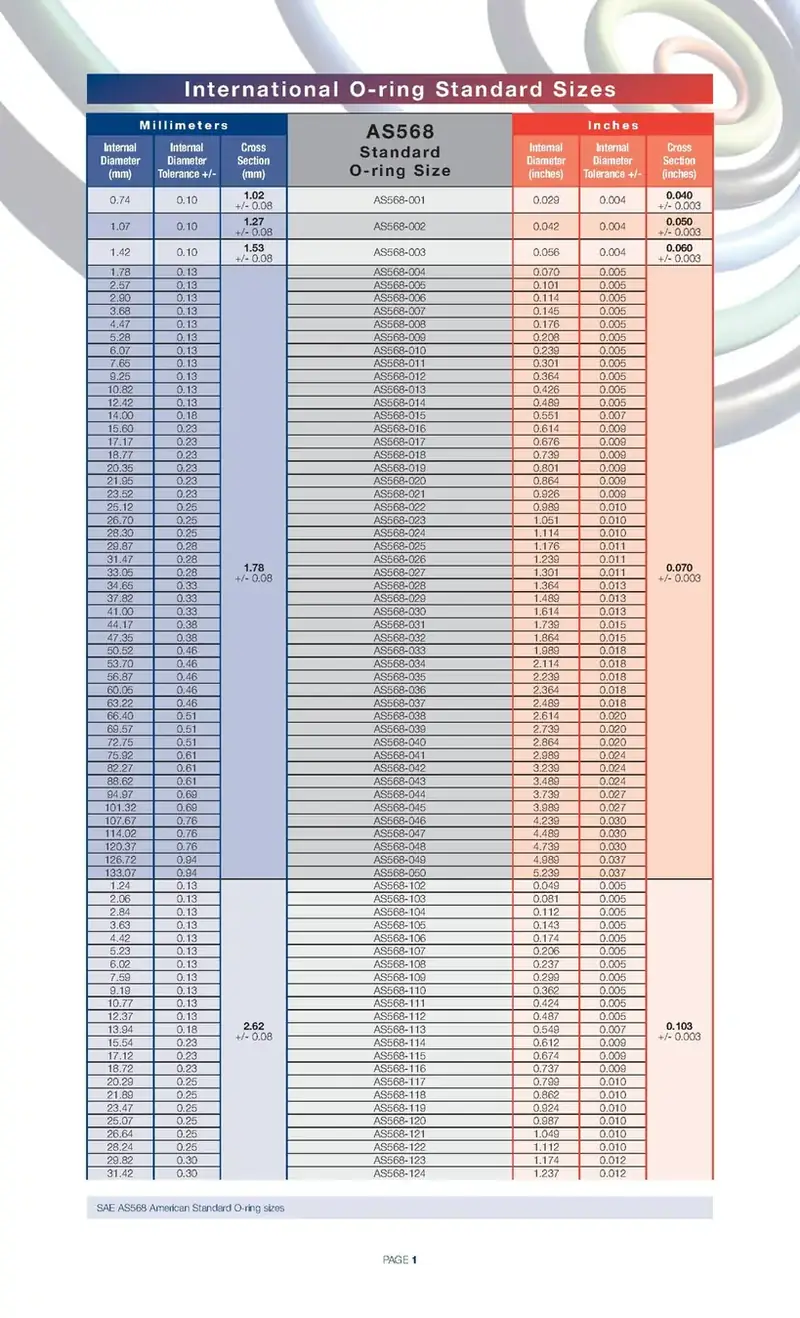
⚖️ O-Ring Weight Calculator
Estimate rubber O-ring weight (Approx).