Technical Contents
Engineering Guide: Clear Perspex Rod

Engineering Insight: Clear Perspex Rod – Material Selection as a Determinant of Performance
In industrial applications involving transparent structural components, the selection of clear perspex rod—also known as polymethyl methacrylate (PMMA) rod—is often approached with an assumption of functional equivalence across commercial grades. This assumption, however, leads to premature failure, reduced service life, and compromised system integrity. At Suzhou Baoshida Trading Co., Ltd., we emphasize that material selection is not a commodity decision but a precision engineering requirement. Off-the-shelf clear perspex rods frequently fail under operational stress due to inconsistencies in molecular weight, residual stress from extrusion processes, and inadequate UV or thermal stabilization.
Standard-grade PMMA rods available through general suppliers are typically optimized for optical clarity and low cost, not mechanical resilience. These rods often exhibit high internal stress due to rapid cooling during extrusion, resulting in microcracking under minimal load or thermal cycling. In environments involving vibration, cyclic loading, or exposure to elevated temperatures—common in industrial automation, optical sensing, or food-grade machinery—such flaws propagate rapidly. Furthermore, many commercial rods lack co-polymerization with impact modifiers, rendering them brittle compared to engineered formulations designed for durability.
Another critical factor is environmental resistance. Standard PMMA degrades under prolonged UV exposure, leading to yellowing and embrittlement. In outdoor or high-irradiance settings, this degradation compromises both aesthetics and structural function. Additionally, while PMMA exhibits excellent resistance to dilute acids and alcohols, it is susceptible to hydrolysis and stress cracking when exposed to esters, ketones, or chlorinated solvents—chemicals commonly present in industrial cleaning protocols. Without proper material certification and compatibility data, off-the-shelf rods introduce unquantified risk.
At Suzhou Baoshida, we supply clear perspex rods formulated to meet ISO 7823 and ASTM D4802 standards, with controlled molecular weight distribution, annealed stress-relief processing, and optional UV-blocking additives. Our engineering-grade rods undergo batch testing for tensile strength, light transmission, and thermal deflection temperature to ensure consistency. This level of control is absent in mass-market alternatives, where dimensional tolerances and material homogeneity are secondary to production throughput.
The following table outlines key performance specifications of our engineered clear perspex rod compared to standard commercial equivalents:
| Property | Engineered Grade (Baoshida) | Standard Commercial Grade |
|---|---|---|
| Tensile Strength | 75 MPa | 60–65 MPa |
| Elongation at Break | 4.5% | 2.8% |
| Thermal Deflection Temperature (1.8 MPa) | 98°C | 85–90°C |
| Light Transmission (3mm) | 92% | 91–92% |
| UV Stabilization | Optional (Grade UVX) | None |
| Dimensional Tolerance | ±0.1 mm | ±0.3 mm |
| Internal Stress (after annealing) | Low (optically verified) | High (unannealed) |
Material selection directly influences system reliability. The use of non-engineered clear perspex rods may appear cost-effective initially, but lifecycle costs increase due to maintenance, replacement, and downtime. For mission-critical applications, precision-sourced, fully characterized PMMA rod is not an upgrade—it is a necessity.
Material Specifications

Material Specifications: Industrial Rubber Extrusion Rods
Suzhou Baoshida Trading Co., Ltd. provides precision-engineered rubber extrusion rods for critical OEM applications requiring chemical resistance, thermal stability, and mechanical integrity. While “clear perspex rod” (acrylic/PMMA) falls outside our core rubber portfolio, we specialize in high-performance elastomeric compounds where transparency is non-essential but functional reliability is paramount. Our Viton, Nitrile, and Silicone rods undergo stringent QC protocols per ASTM D2000 and ISO 37 standards, ensuring dimensional accuracy (±0.1 mm tolerance) and homogeneity for sealing, damping, and fluid-handling systems. Key parameters include durometer range (50–90 Shore A), extrusion consistency, and batch traceability to raw material lot codes. All compounds are optimized for extrusion processes, minimizing die swell and surface defects while meeting OEM-specified compression set, tensile strength, and elongation requirements.
Material selection hinges on operational environment. Viton excels in aerospace and chemical processing due to exceptional resistance to fuels, oils, and temperatures up to 250°C. Nitrile offers cost-effective durability for hydraulic and automotive applications with moderate heat exposure (max 120°C). Silicone delivers biocompatibility and extreme-temperature resilience (-60°C to 230°C), ideal for medical and food-grade systems. Crucially, none of these rubber compounds achieve optical clarity comparable to acrylic; inherent filler content and curing chemistry yield translucent to opaque finishes. Transparency in elastomers compromises mechanical properties and is industrially impractical for load-bearing components.
The following table details critical specifications for our standard rubber rod formulations. All values represent minimum guaranteed performance after 72 hours of post-cure conditioning at 23°C/50% RH.
| Property | Viton (FKM) | Nitrile (NBR) | Silicone (VMQ) | Test Standard |
|---|---|---|---|---|
| Durometer Range (Shore A) | 60–90 | 50–80 | 40–80 | ASTM D2240 |
| Tensile Strength (MPa) | ≥12.0 | ≥10.0 | ≥6.0 | ASTM D412 |
| Elongation at Break (%) | ≥150 | ≥250 | ≥300 | ASTM D412 |
| Compression Set (22h, 150°C) (%) | ≤25 | ≤35 | ≤20 | ASTM D395 |
| Temperature Range (°C) | -20 to +250 | -30 to +120 | -60 to +230 | ISO 188 |
| Fluid Resistance (IRM 901, 70°C) | Volume Swell ≤15% | Volume Swell ≤25% | Volume Swell ≤50% | ASTM D471 |
| FDA Compliance | Optional | Not Applicable | Standard | 21 CFR 177.2600 |
OEMs must validate material suitability against specific fluid exposure, dynamic stress, and regulatory frameworks. For instance, Viton’s low permeability suits high-pressure fuel injectors, while Silicone’s low compression set ensures long-term seal integrity in diaphragm valves. Nitrile remains the default for cost-sensitive gear pump shaft seals. Suzhou Baoshida’s engineering team collaborates with clients to refine compound formulations—adjusting filler loading, cure systems, or additive packages—to meet exacting application demands. All rods are supplied in cut lengths (1m–3m) with certified material test reports, including MFR analysis and volatile content verification. Contact our technical division for custom durometer profiles or accelerated aging data per ISO 188.
Manufacturing Capabilities

Engineering Capability: Precision-Driven Development for Industrial Applications
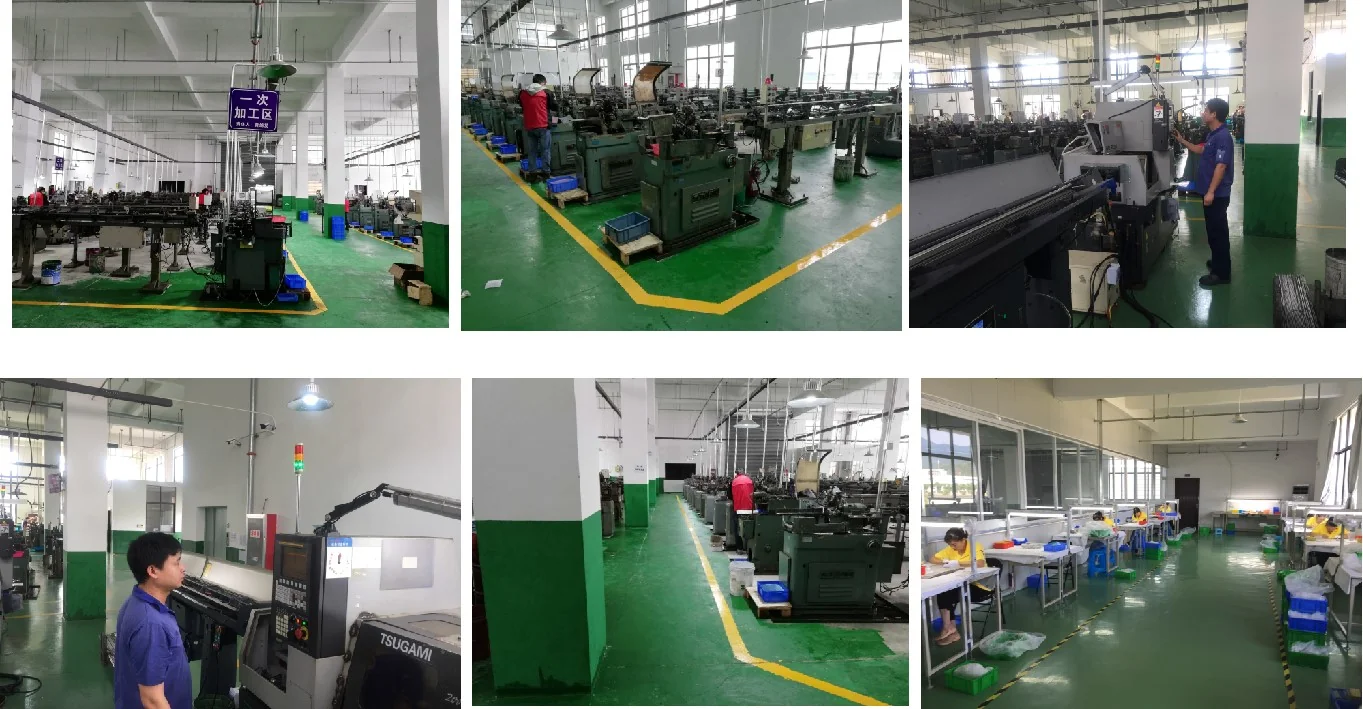
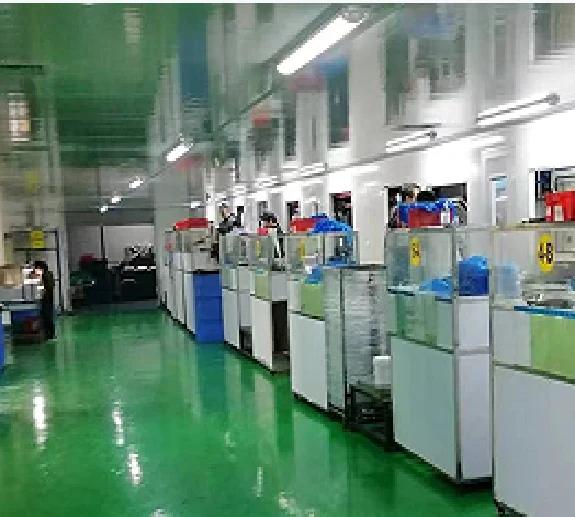
At Suzhou Baoshida Trading Co., Ltd., our engineering capability is anchored in a multidisciplinary team of technical specialists dedicated to delivering high-performance rubber solutions tailored to demanding industrial environments. Our core strength lies in the integration of material science and precision tooling expertise, supported by a dedicated team of five mould engineers and two specialized rubber formula engineers. This technical foundation enables us to design, develop, and manufacture custom rubber components that meet exacting OEM specifications—particularly in applications involving sealing, damping, and mechanical resilience where compatibility with materials such as clear perspex rods is critical.
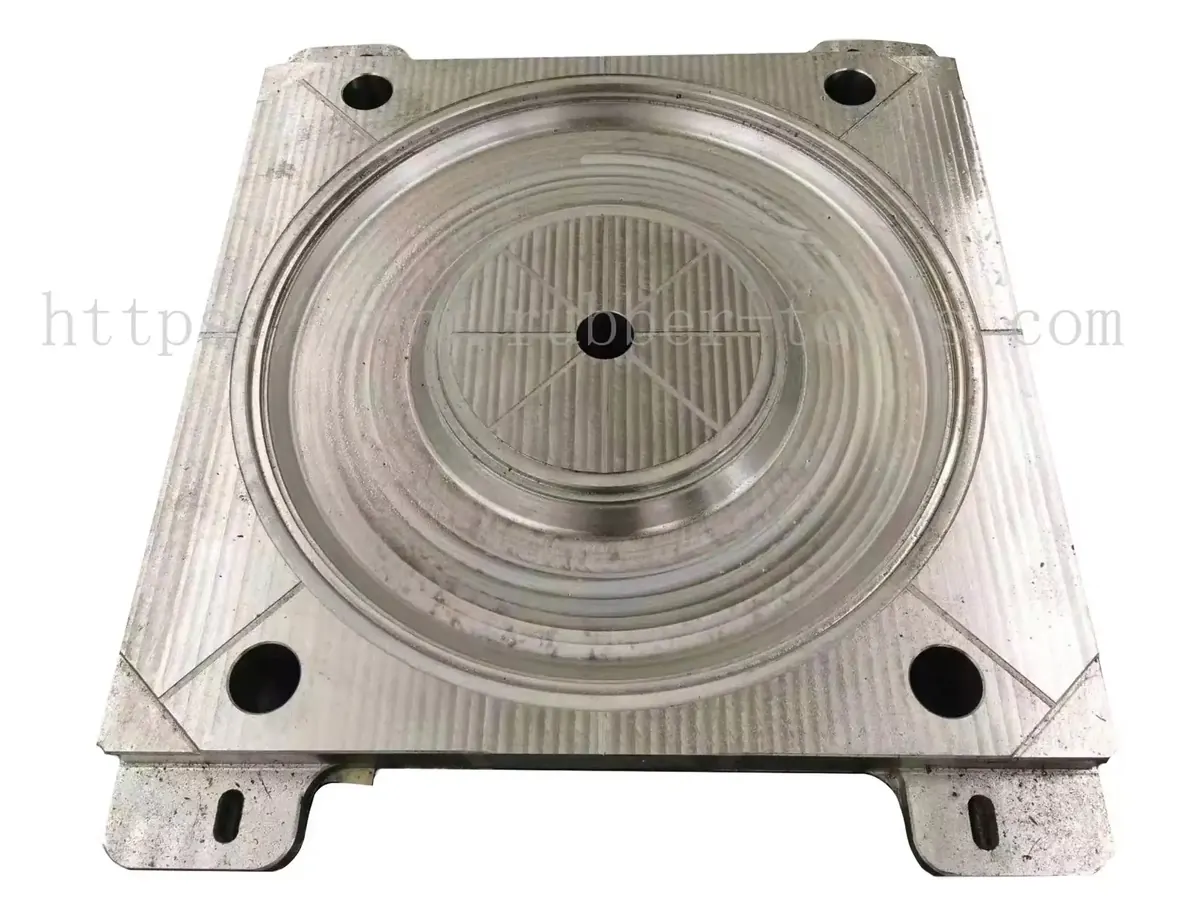
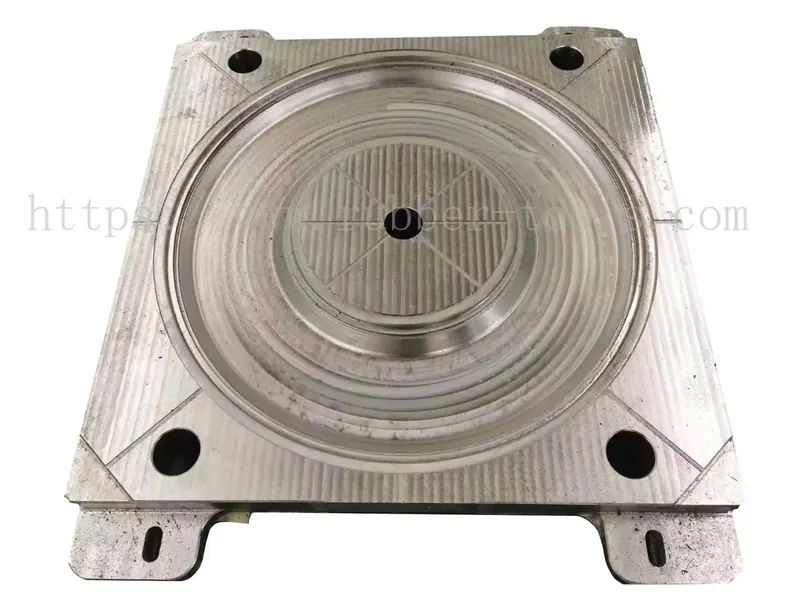
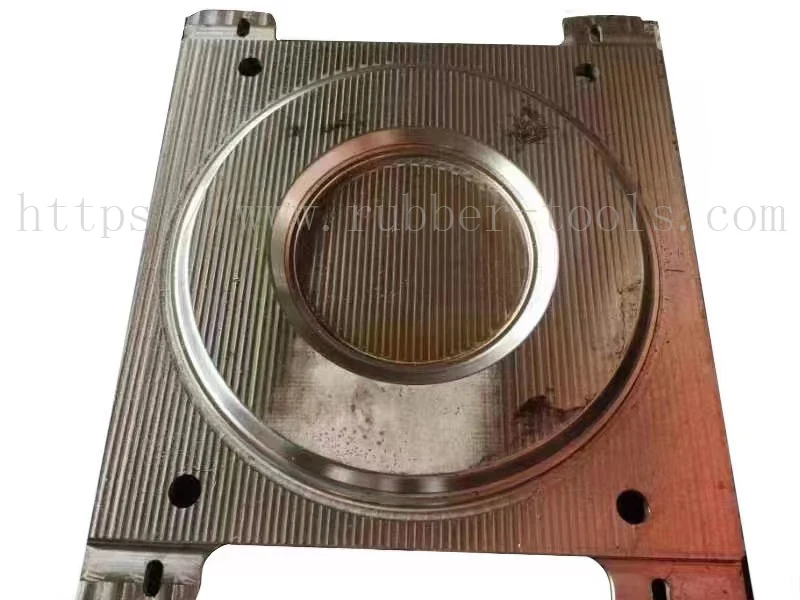
Our mould engineers utilize advanced CAD/CAM software and finite element analysis (FEA) to optimize tool design for dimensional accuracy, cycle efficiency, and long-term durability. Each mould is engineered with tight tolerance control, ensuring consistent replication of complex geometries required in precision assemblies. Whether integrating rubber seals around transparent acrylic (PMMA) rods or developing over-moulded components for optical or structural clarity applications, our team ensures seamless material interface and long-term adhesion performance.
Complementing our tooling expertise, our two in-house rubber formula engineers specialize in custom elastomer development. They formulate compounds based on silicone, EPDM, NBR, and other specialty rubbers, tailored to meet specific requirements such as UV resistance, optical clarity compatibility, thermal stability, and low compression set. This capability is particularly vital when rubber components interface with clear perspex rods in applications exposed to outdoor elements, high humidity, or repeated mechanical stress. Our formulation process includes rigorous testing for coefficient of thermal expansion matching, adhesion promotion, and long-term aging to prevent yellowing, cracking, or delamination at the rubber-perspex boundary.
As an OEM partner, Suzhou Baoshida offers full vertical control—from concept and material selection to prototyping, tooling, and serial production. We support low-volume custom runs and high-volume manufacturing with consistent quality assurance through ISO-compliant processes. Our collaborative engineering approach ensures rapid iteration, DFM optimization, and seamless scale-up from prototype to mass production.
The following table outlines typical technical specifications achievable through our engineering and manufacturing platform:
| Parameter | Capability Range |
|---|---|
| Rubber Hardness (Shore A) | 30–90 |
| Mould Tolerance | ±0.05 mm (depending on part size) |
| Operating Temperature Range | -60°C to +250°C (material-dependent) |
| Adhesion Strength (to PMMA) | Up to 8 N/mm (peel test, ASTM D6862) |
| Compression Set (70 hrs, 70°C) | <15% (optimized formulations) |
| Lead Time (Prototype Mould) | 15–25 days |
| Production Volume Capacity | 10,000–500,000 units/month (per mould) |
With deep expertise in both material formulation and precision moulding, Suzhou Baoshida provides OEMs with a reliable, technically advanced partner for integrating rubber components with clear perspex rods in high-performance industrial systems.
Customization Process

Customization Process for Acrylic (PMMA) Rod Integration with Rubber Components
Suzhou Baoshida Trading Co., Ltd. specializes in industrial rubber solutions, including engineered interfaces for acrylic (PMMA) systems such as clear perspex rods. While perspex itself is a thermoplastic polymer distinct from elastomers, our expertise ensures seamless integration of rubber seals, gaskets, or mounting components within acrylic-based assemblies. The customization process follows stringent industrial protocols to guarantee dimensional precision, chemical compatibility, and operational reliability.
Drawing Analysis
Initial assessment begins with a detailed review of client-provided CAD drawings or technical schematics. We verify critical parameters including rod diameter tolerances (±0.05 mm standard), interface geometries, and environmental exposure conditions. Cross-referencing against ISO 2768-mK for general tolerances and ASTM D5947 for plastic rod testing standards, we identify potential stress points where rubber-acrylic interactions may occur. This phase includes material compatibility screening to prevent degradation from oils, solvents, or UV exposure.
Formulation Development
Based on the analysis, our rubber formulation team designs bespoke elastomer compounds. For perspex rod applications, we prioritize low-compression-set silicones (VMQ) or peroxide-cured EPDM for thermal stability up to 150°C, ensuring no plasticizer migration that could cloud acrylic surfaces. Shore A hardness is calibrated between 50–80 to balance sealing force and rod alignment. All formulations undergo accelerated aging tests per ASTM D573 and chemical resistance validation against client-specified media.
Prototyping
Precision-molded rubber prototypes are produced using CNC-machined tooling. Each prototype undergoes:
Dimensional validation via CMM inspection against drawing callouts.
Functional testing under simulated operational loads and temperatures.
Adhesion/cohesion trials at the rubber-acrylic interface using lap-shear methods (ASTM D3163).
Client feedback is incorporated iteratively, with material adjustments completed within 10–15 business days.
Mass Production
Upon prototype approval, production commences under ISO 9001-certified workflows. Rubber components are manufactured via injection molding with real-time process monitoring (pressure, temperature, cure time). Every batch undergoes:
100% visual inspection for surface defects.
Statistical sampling for tensile strength (ASTM D412) and hardness (ASTM D2240).
Compatibility rechecks with acrylic rods under accelerated environmental cycling.
Final packaging includes anti-static shielding for acrylic-sensitive applications.
Critical Material Compatibility Specifications
| Parameter | Acrylic (PMMA) Rod | Silicone (VMQ) Rubber | EPDM Rubber |
|---|---|---|---|
| Max Continuous Temp (°C) | 85 | 200 | 150 |
| Tensile Strength (MPa) | 50–75 | 6–10 | 15–25 |
| Chemical Resistance | Excellent vs. alcohols; Poor vs. ketones | Excellent vs. oils; Poor vs. fuels | Excellent vs. water/glycols; Poor vs. hydrocarbons |
| Coefficient of Thermal Expansion (10⁻⁶/K) | 70–90 | 200–300 | 150–200 |
| Shore Hardness Range | 90–100 (D-scale) | 30–80 (A-scale) | 30–90 (A-scale) |
This systematic approach ensures rubber components maintain structural integrity and functional synergy with clear perspex rods across hydraulic, optical, and industrial assembly applications. All deliverables include full material traceability documentation and compliance certificates per EU REACH and RoHS directives.
Contact Engineering Team

For industrial manufacturers and engineering firms seeking high-performance polymer components, Suzhou Baoshida Trading Co., Ltd. stands as a trusted partner in advanced material solutions. While our core expertise lies in industrial rubber formulations and elastomeric systems, we also provide precision-engineered thermoplastic products, including clear Perspex (PMMA) rods, tailored for applications requiring optical clarity, structural integrity, and environmental resistance. Our integrated supply chain ensures consistent quality, tight dimensional tolerances, and rapid turnaround for both standard and custom specifications.
Clear Perspex rods are widely utilized across industries such as automation, optical instrumentation, medical device manufacturing, and protective shielding systems. These rods offer superior transparency, UV resistance, and surface hardness compared to standard acrylics, making them ideal for environments where visual monitoring, chemical exposure, or mechanical durability are critical. At Suzhou Baoshida, we source only from ISO-certified extrusion facilities, ensuring every rod meets stringent optical and mechanical benchmarks. Our technical team collaborates directly with clients to verify material grade compatibility, thermal stability requirements, and application-specific performance criteria before fulfillment.
We understand that precision in material selection directly impacts system reliability and product longevity. That is why we emphasize a consultative approach—providing not just materials, but engineered solutions. Whether you require rods in specific diameters, lengths, or custom finishes (polished, flame-treated, or anti-static coated), our manufacturing partners can accommodate exacting tolerances down to ±0.05 mm. Additionally, all clear Perspex rods undergo rigorous batch testing for haze, refractive index, and tensile strength to ensure compliance with international standards.
To support seamless integration into your production workflows, we offer comprehensive technical documentation, including material safety data sheets (MSDS), certification of conformance (CoC), and optical transmission profiles upon request. Our logistics network enables efficient delivery across Asia, Europe, and North America, with options for just-in-time inventory support for high-volume OEMs.
For immediate assistance or to request a sample batch for evaluation, contact Mr. Boyce, OEM Account Manager at Suzhou Baoshida Trading Co., Ltd. He specializes in industrial polymer solutions and is available to discuss your project requirements, technical specifications, and volume procurement strategies. Reach out via email at [email protected] to initiate a technical consultation or request a formal quotation.
Below are the standard technical specifications for our clear Perspex (PMMA) rod offerings:
| Property | Value | Test Method |
|---|---|---|
| Material | Polymethyl Methacrylate (PMMA), Virgin Grade | ISO 11925 |
| Transparency | ≥ 92% Light Transmission (at 3mm thickness) | ISO 13468 |
| Refractive Index | 1.49 (at 589 nm) | ISO 489 |
| Tensile Strength | 70 MPa (minimum) | ISO 527 |
| Flexural Strength | 105 MPa | ISO 178 |
| Heat Deflection Temperature | 98°C (at 1.8 MPa) | ISO 75 |
| Density | 1.18 g/cm³ | ISO 1183 |
| Available Diameters | 3 mm – 200 mm | Custom Tolerances ±0.05 mm |
| Standard Lengths | 1 m, 2 m, 3 m | Cut-to-Length Available |
| Surface Finish | Smooth, Polished Ends (Custom Options on Request) | Visual & Micrometer Inspection |
Partner with Suzhou Baoshida for technically validated Perspex rod solutions backed by industrial-grade quality assurance. Contact Mr. Boyce today to align your material specifications with optimal performance outcomes.
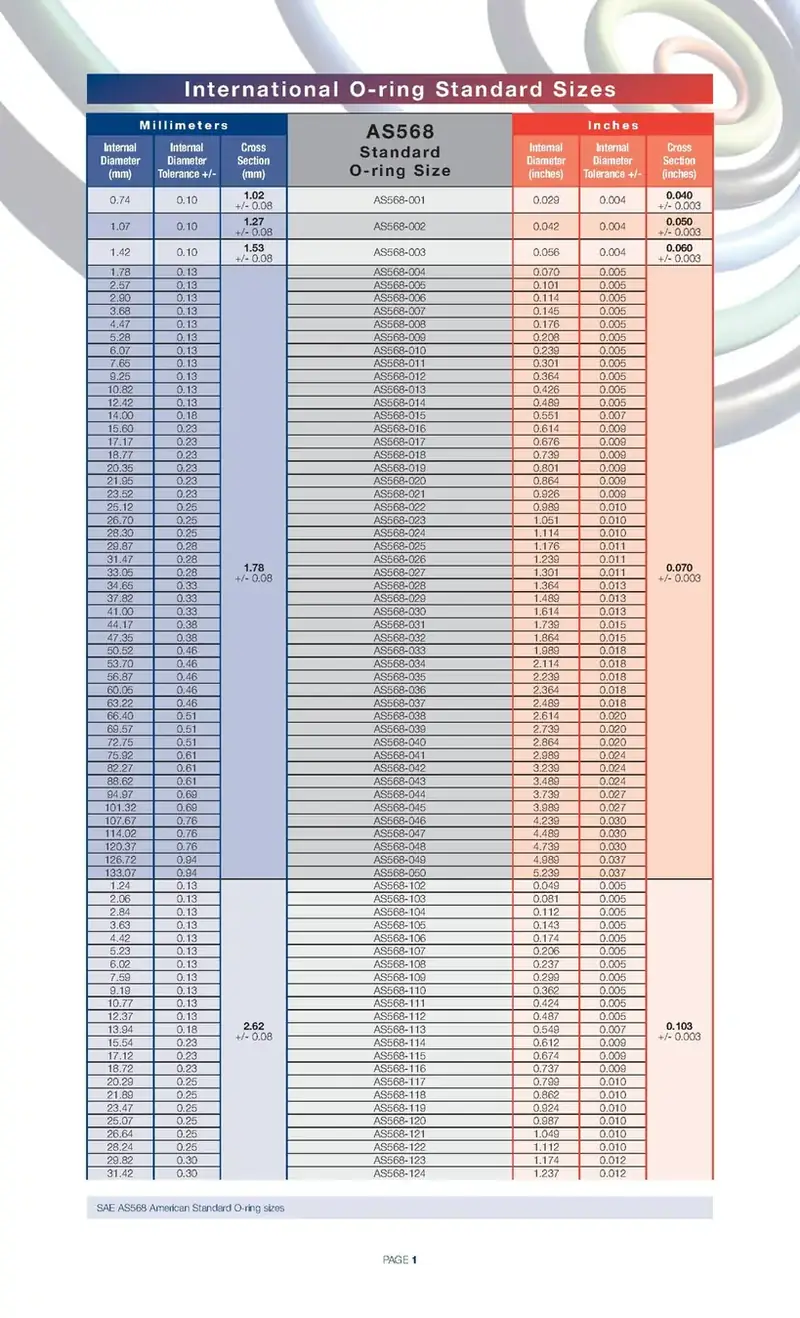
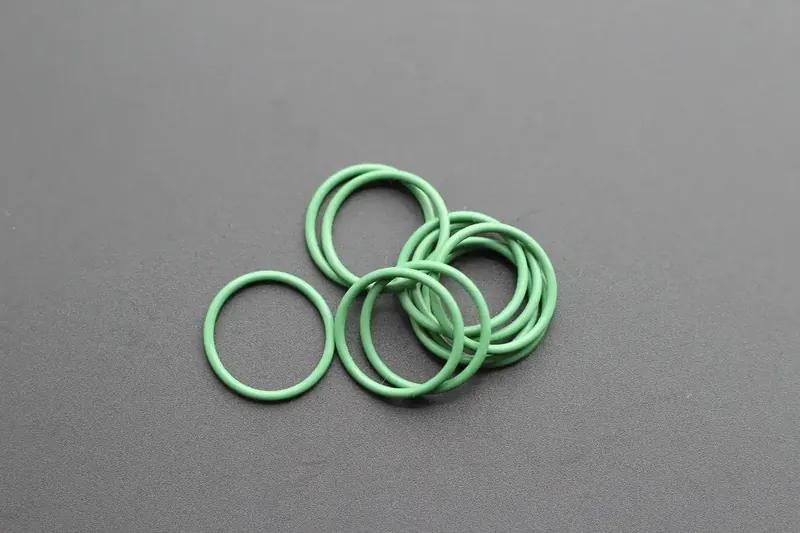
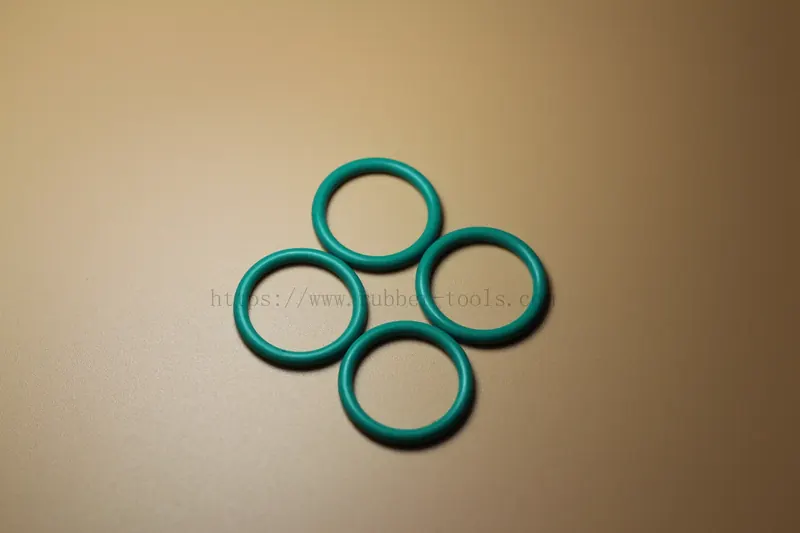
⚖️ O-Ring Weight Calculator
Estimate rubber O-ring weight (Approx).