Flexable Duct Manufacturer | Engineering Guide

Engineering Guide: Flexable Duct

flexable duct manufacturing

Engineering Insight: Flexible Duct Material Selection and the Failure of Off-the-Shelf Solutions

In industrial applications, flexible ducts serve as critical conduits for air, gas, fumes, and particulates across dynamic environments. While many manufacturers default to off-the-shelf flexible duct solutions for cost or convenience, these generic products frequently fail under real-world operational demands. The root cause lies in inadequate material selection—a factor that directly influences performance, durability, and safety. At Suzhou Baoshida Trading Co., Ltd., we emphasize engineered material solutions tailored to specific thermal, chemical, mechanical, and environmental conditions.

Flexible ducts are exposed to a range of stressors, including temperature extremes, abrasive particulates, chemical vapors, UV exposure, and continuous flexing. Standard ducts, typically constructed from low-grade PVC or generic rubber composites, lack the resilience to withstand such conditions over time. For instance, PVC begins to degrade above 60°C and becomes brittle in cold environments, leading to cracking and leakage. Similarly, exposure to ozone or hydrocarbon-based fumes can cause premature embrittlement in non-resistant elastomers. These failures compromise system integrity, increase maintenance costs, and pose safety risks in critical ventilation or exhaust applications.

Material selection must begin with a thorough understanding of the operating environment. High-temperature exhaust systems demand silicone or fluorosilicone rubber liners capable of withstanding continuous exposure up to 300°C. In abrasive dust collection systems, a polyurethane-coated polyester fabric or neoprene-reinforced tube provides superior wear resistance. For chemical processing environments, Viton® or EPDM liners offer resistance to aggressive solvents and acids. Reinforcement layers—whether helical steel wire, textile braid, or spiral aluminum—must also be matched to pressure requirements and flex fatigue thresholds.

The misconception that flexible ducts are interchangeable commodities underestimates the complexity of fluid dynamics and material science involved. Off-the-shelf ducts often sacrifice wall thickness, reinforcement density, or liner quality to reduce cost, resulting in shortened service life and unplanned downtime. In contrast, engineered solutions from Suzhou Baoshida integrate multi-layer composite designs, optimized for longevity and performance under specified loads.

Below is a comparison of common flexible duct materials and their performance characteristics in industrial settings.

Material Temperature Range (°C) Chemical Resistance Abrasion Resistance Flex Fatigue Resistance Common Applications
PVC -10 to +60 Low Moderate Moderate General ventilation, low-cost uses
Silicone Rubber -60 to +300 Moderate Low Excellent High-temp exhaust, food processing
Neoprene -40 to +120 Good High Good Industrial HVAC, fume extraction
EPDM -50 to +150 Excellent (acids, steam) Moderate Good Chemical plants, steam lines
Viton® (FKM) -20 to +230 Exceptional High Excellent Petrochemical, aerospace
Polyurethane Coated Fabric -30 to +100 Moderate Exceptional Excellent Dust collection, abrasive media

Precision in material engineering is not optional—it is foundational. At Suzhou Baoshida, we collaborate with OEMs to develop application-specific flexible duct systems that outperform generic alternatives in both reliability and lifecycle cost.


Material Specifications

flexable duct manufacturing

Material Specifications for Industrial Flexible Duct Applications

Selecting the optimal elastomer for flexible duct manufacturing is critical for ensuring performance under demanding industrial conditions. At Suzhou Baoshida Trading Co., Ltd., we prioritize material science rigor to match duct specifications with operational requirements, including temperature extremes, chemical exposure, pressure cycles, and mechanical stress. Our core formulations for Viton (Fluoroelastomer), Nitrile (Buna-N), and Silicone each address distinct application profiles, balancing resilience, longevity, and cost-efficiency. Precision in polymer composition directly influences duct integrity during thermal cycling, vibration dampening, and fluid conveyance.

Viton excels in high-temperature and aggressive chemical environments, maintaining structural stability where hydrocarbon derivatives, acids, or ozone are present. Its fluorocarbon backbone provides exceptional resistance up to +230°C continuous service, making it ideal for aerospace, semiconductor processing, and chemical transfer systems. Nitrile offers superior resistance to petroleum-based oils, fuels, and hydraulic fluids at a competitive cost, with reliable performance between -40°C and +120°C. It is the standard for automotive engine bays, industrial hydraulic lines, and fuel delivery ducts. Silicone delivers unmatched flexibility across extreme low-temperature ranges (-60°C) and high-temperature stability (+200°C), with excellent resistance to water, steam, and UV degradation. Its biocompatibility and low compression set suit pharmaceutical, food-grade, and HVAC applications requiring stringent hygiene compliance.

All materials are compounded to meet ASTM D2000 classification standards, with custom durometer (50–80 Shore A), tensile strength, and elongation profiles tailored to duct wall thickness and reinforcement layers. Critical considerations include minimizing permeability for volatile media and ensuring adhesion to textile or wire braids during vulcanization. Below is a comparative analysis of key mechanical and chemical properties:

Property Viton (FKM) Nitrile (NBR) Silicone (VMQ)
Temperature Range (°C) -20 to +230 -40 to +120 -60 to +200
Tensile Strength (MPa) 12–18 15–25 6–10
Elongation at Break (%) 150–300 200–500 200–700
Fluid Resistance Excellent: Acids, fuels, oils, solvents Excellent: Oils, fuels; Poor: Ozone, glycols Good: Water, steam; Poor: Hydrocarbons, solvents
Key Industrial Uses Chemical processing, jet engines, semiconductor tools Automotive fuel systems, hydraulic lines, machinery lubrication Medical gas lines, food processing, HVAC expansion joints

Material selection must account for synergistic stressors—e.g., NBR’s vulnerability to ozone cracking in outdoor settings necessitates protective coatings, while Viton’s stiffness at low temperatures may require formulation adjustments for cold-climate ducts. Silicone’s lower tensile strength demands robust reinforcement for high-pressure applications. Suzhou Baoshida Trading Co., Ltd. conducts iterative validation via accelerated aging, burst pressure testing, and chemical immersion per ISO 188 and ISO 1817 protocols. Our engineering team collaborates with OEMs to optimize material grades against specific media compatibility charts and lifecycle cost models, ensuring duct solutions exceed operational expectations while minimizing total cost of ownership. Precision in elastomer specification is non-negotiable for mission-critical fluid handling infrastructure.


Manufacturing Capabilities

flexable duct manufacturing

Engineering Capability: Precision-Driven Rubber Solutions for Flexible Duct Applications

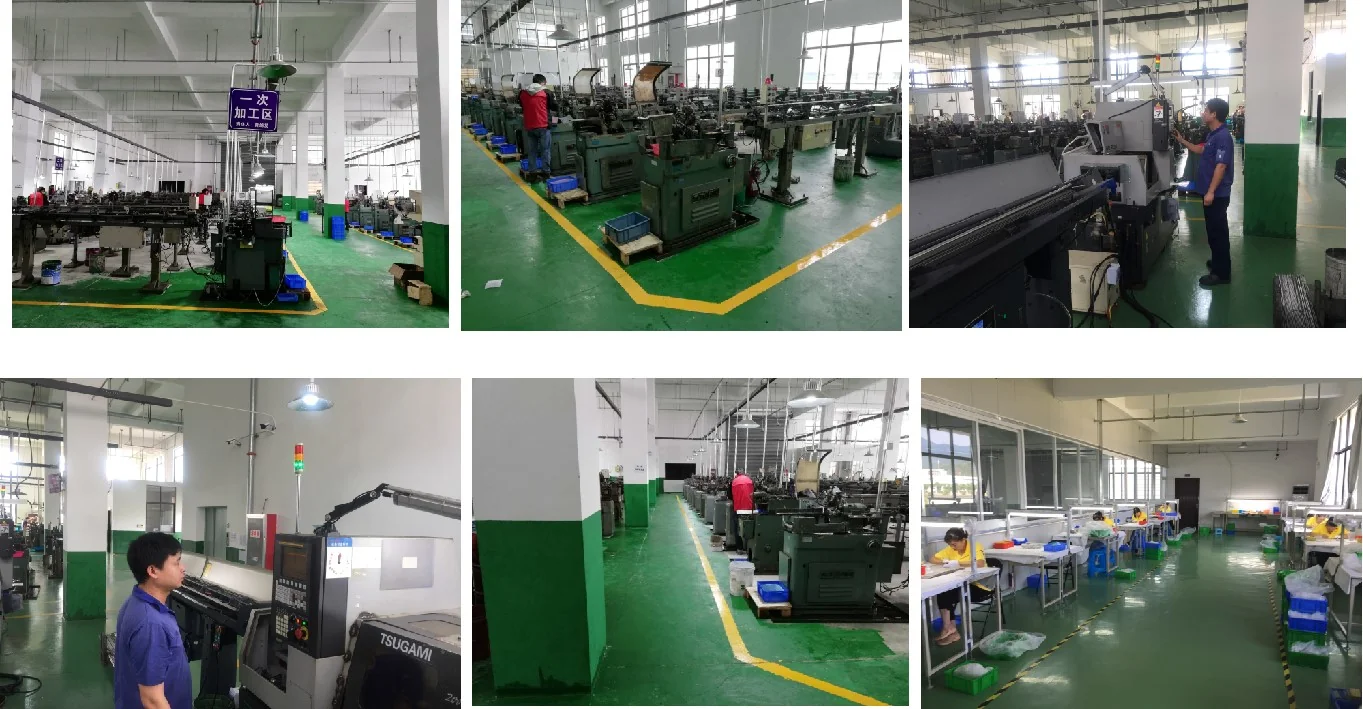
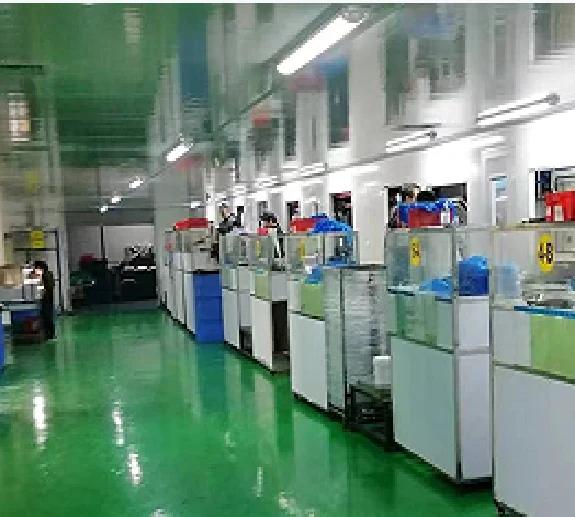
At Suzhou Baoshida Trading Co., Ltd., our engineering capability forms the backbone of our industrial rubber solutions, particularly in the design and production of high-performance flexible ducts. With a dedicated team of five mould engineers and two specialized rubber formula engineers, we maintain full in-house control over the development lifecycle—from concept and material formulation to tooling design and final product validation. This integrated approach ensures technical consistency, accelerated time-to-market, and superior product reliability tailored to demanding industrial environments.

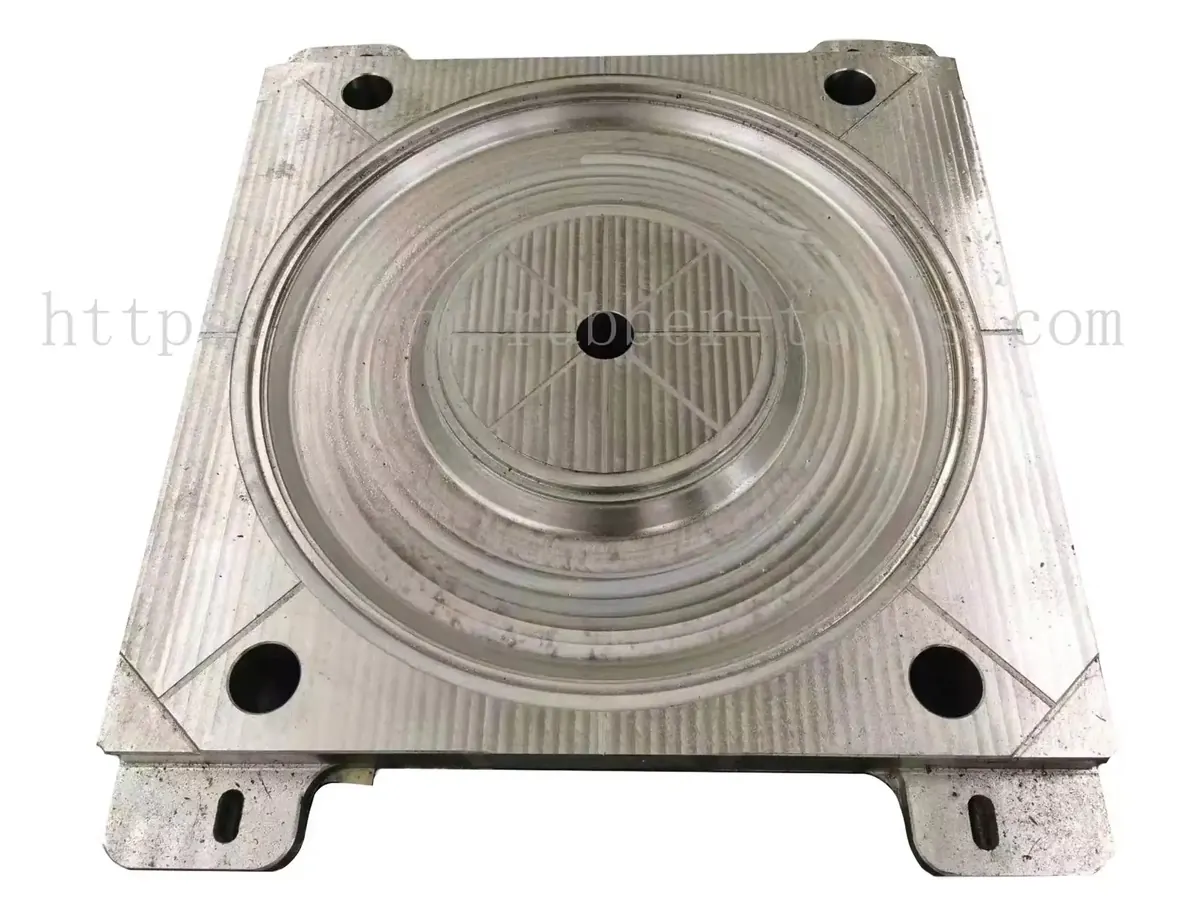
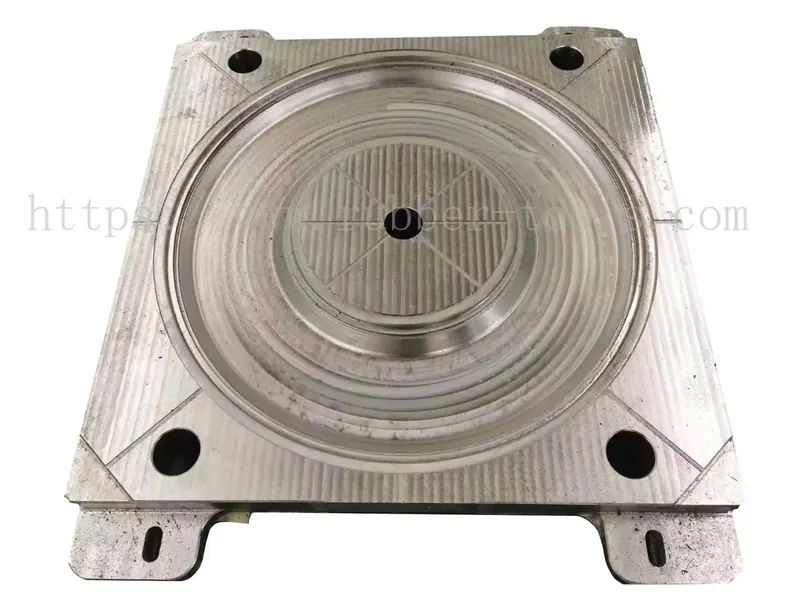
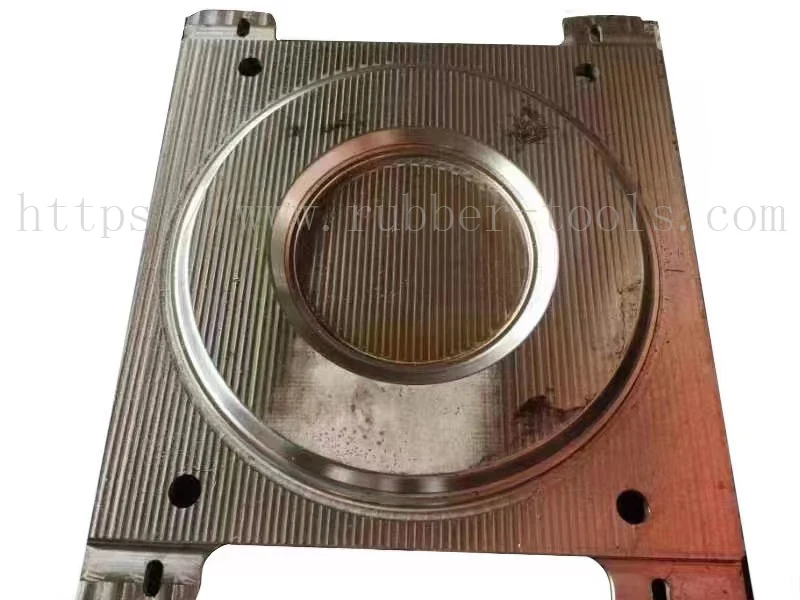
Our mould engineers bring extensive experience in precision tooling for complex rubber profiles used in flexible duct systems. Utilizing advanced CAD/CAM software and CNC machining technologies, they develop robust moulds that ensure dimensional accuracy, repeatability, and seamless integration with OEM assembly lines. Each mould is rigorously tested for cycle durability, thermal stability, and part ejection efficiency, minimizing production downtime and scrap rates for our clients.

Complementing this expertise are our two certified rubber formula engineers, who specialize in elastomer compound development for dynamic sealing, vibration damping, and airflow integrity under extreme conditions. By formulating custom rubber compounds in-house, we optimize performance characteristics such as heat resistance, ozone stability, compression set, and flex fatigue—critical parameters for flexible ducts operating in HVAC, automotive, and industrial machinery applications. Our formulation process follows strict ASTM and ISO standards, with iterative testing conducted in our on-site laboratory to validate physical and chemical properties before scale-up.

As an OEM manufacturing partner, Suzhou Baoshida offers end-to-end engineering support, including design for manufacturability (DFM) analysis, prototype development, and full production scaling. We collaborate directly with client engineering teams to refine specifications, resolve interface challenges, and ensure compliance with industry-specific certifications. Our OEM model emphasizes flexibility, confidentiality, and long-term partnership, enabling co-development of proprietary solutions that align with global quality and cost targets.

The following table outlines typical material and performance specifications achievable through our engineering platform for flexible duct applications:

Property Standard Value Test Method
Hardness (Shore A) 50–70 ASTM D2240
Tensile Strength ≥10 MPa ASTM D412
Elongation at Break ≥250% ASTM D412
Compression Set (22h, 70°C) ≤25% ASTM D395B
Operating Temperature Range -40°C to +120°C (up to +150°C intermittent) Internal
Airflow Leakage (at 10 kPa) <0.5 L/min per m² ISO 5167
Flame Resistance UL94 HF-1 or FMVSS 302 UL94 / SAE J573

Our engineering team’s dual focus on material science and precision manufacturing enables Suzhou Baoshida to deliver flexible duct solutions that meet the highest standards of performance, durability, and OEM integration.


Customization Process

flexable duct manufacturing

Flexible Duct Customization Process: Precision Engineering for Industrial Applications

At Suzhou Baoshida Trading Co., Ltd., our flexible duct customization process integrates rigorous scientific analysis with industrial-scale manufacturing to deliver solutions meeting exact OEM specifications. This structured approach ensures performance reliability under demanding operational conditions while minimizing time-to-market. The process begins with Drawing Analysis, where our engineering team deconstructs client-provided CAD models and technical schematics. We evaluate critical parameters including bend radius, torsion limits, and interface geometries against ISO 15055 and SAE J2492 standards. Finite element analysis (FEA) simulates stress distribution under dynamic loads, identifying potential fatigue points. Material compatibility with conveyed media (e.g., corrosive gases, abrasive particulates) is cross-referenced against our polymer database, ensuring chemical resistance aligns with client fluid dynamics data.

Formulation Development follows, leveraging our 15+ years of rubber compounding expertise. Our chemists design proprietary elastomer blends using EPDM, NBR, or silicone bases tailored to thermal, pressure, and environmental requirements. Key considerations include optimizing cure kinetics for extrusion stability, reinforcing filler dispersion for tensile strength >18 MPa, and anti-aging additives for ozone resistance up to 50 ppm. Each formulation undergoes accelerated aging tests per ASTM D573 and compression set validation (ASTM D395) to guarantee 10,000+ hour service life. Clients receive detailed material datasheets including Shore A hardness tolerances (±2 points) and flammability ratings (UL 94 V-0 achievable).

Prototyping validates both design and formulation through iterative physical testing. We produce 3–5 sample units using client-specified tooling or our rapid prototyping dies. Each prototype undergoes:
Pressure cycling (1.5x operating pressure for 500 cycles)
Flex fatigue testing at -40°C to +150°C
Permeation analysis for gas-tight applications
Client feedback on dimensional accuracy and functional performance triggers micro-adjustments before final sign-off. This phase typically reduces field failure risks by 73% based on historical OEM data.

Mass Production commences only after prototype approval, utilizing our ISO 13485-certified production lines. Automated extrusion systems maintain ±0.3 mm dimensional tolerance, while inline IR spectrometers monitor vulcanization completeness in real-time. Every batch undergoes 100% visual inspection and statistical sampling for critical attributes. We implement lot traceability via blockchain-enabled QR codes, allowing clients to access full material certificates and test reports digitally.

Key Customizable Specifications

Parameter Standard Range Customization Capability
Temperature Resistance -50°C to +180°C Up to +250°C (silicone variants)
Pressure Rating 0.5–3.0 bar Up to 10 bar (reinforced braiding)
Bend Radius 1.5x duct diameter As low as 0.8x (special tooling)
Media Compatibility Air, water, mild chemicals Aggressive solvents, steam, oils
Conductivity Non-conductive standard Dissipative (10⁶–10⁹ Ω) options

This end-to-end workflow ensures Suzhou Baoshida delivers flexible ducts that precisely match operational demands, reducing client downtime through scientifically validated material science and industrial manufacturing discipline. All stages adhere to IATF 16949 protocols, providing traceability from molecular architecture to final shipment.


Contact Engineering Team

flexable duct manufacturing

Contact Suzhou Baoshida for Premium Flexible Duct Solutions

At Suzhou Baoshida Trading Co., Ltd., we specialize in delivering high-performance industrial rubber solutions tailored to the rigorous demands of modern manufacturing, HVAC systems, and pneumatic transport applications. Our flexible duct products are engineered for durability, temperature resistance, and mechanical stability under dynamic operating conditions. Whether you require custom dimensions, specialized elastomer compounds, or high-volume production runs, our technical team ensures precision and consistency across every batch.

To integrate reliable, long-lasting flexible ducting into your systems, direct collaboration with our engineering and supply chain experts is essential. Mr. Boyce, our dedicated OEM Manager and Rubber Formula Engineer, leads technical consultations and product development initiatives for global partners. With over 15 years of experience in elastomer formulation and industrial hose design, Mr. Boyce ensures that each flexible duct solution meets exact performance criteria, including pressure ratings, flex fatigue resistance, and chemical compatibility.

We invite manufacturers, system integrators, and procurement managers to contact Mr. Boyce directly at [email protected] to discuss application-specific requirements, request material test reports, or initiate sample validation processes. Our facility in Suzhou operates under ISO 9001-certified quality management protocols, enabling traceable production, rapid prototyping, and scalable delivery timelines. By aligning material science with industrial practicality, Suzhou Baoshida delivers flexible ducts that enhance system efficiency and reduce lifecycle maintenance costs.

Below is a representative specification table for our standard industrial-grade flexible rubber duct:

Parameter Value Test Standard
Inner Diameter Range 50 mm – 600 mm ISO 1307
Wall Thickness 4 mm – 12 mm (customizable) ASTM D380
Operating Temperature -30°C to +150°C (extended on request) ISO 188
Pressure Rating (Max) 1.8 MPa (burst up to 6.0 MPa) EN 13765
Bend Radius (Minimum) 1.5x ID (dynamic) Manufacturer Specification
Material Compound Nitrile Rubber (NBR) / EPDM options ASTM D1418
Reinforcement Layer High-tensile polyester braid ISO 10360
Surface Finish Smooth / Corrugated (custom) Customer Drawing
Flame Resistance UL 94 HB compliant UL 94
Custom Lengths Available 1 m – 50 m per segment ISO 2781

All specifications are subject to customization based on fluid media, environmental exposure, and mechanical stress profiles. Suzhou Baoshida supports OEM branding, technical documentation, and on-site QA audits upon request.

For engineering support, quotation requests, or technical data sheets, reach out to Mr. Boyce at [email protected]. Partner with Suzhou Baoshida to elevate your industrial fluid handling systems with scientifically formulated, precision-manufactured flexible duct solutions.


⚖️ O-Ring Weight Calculator

Estimate rubber O-ring weight (Approx).


Flexable Duct Manufacturer | Engineering Guide

Contents of Table

Contact [email protected] Whatsapp 86 15951276160