Technical Contents
Engineering Guide: Rubber Supply Company

Engineering Insight: Material Selection as the Foundation of Rubber Component Reliability
Material selection constitutes 70% of rubber component lifecycle success in industrial applications. Off-the-shelf rubber compounds frequently fail because they prioritize cost and availability over application-specific engineering requirements. Generic formulations treat rubber as a homogeneous commodity, ignoring critical variables like dynamic stress profiles, chemical exposure sequences, and thermal cycling amplitudes. This oversight leads to premature degradation modes such as compression set in static seals, ozone cracking in dynamic shafts, or fluid-induced swelling in hydraulic systems. At Suzhou Baoshida Trading Co., Ltd., we define material selection as the precise alignment of polymer chemistry, filler systems, and vulcanization kinetics to operational boundaries—not merely matching hardness or color.
The consequences of inadequate material specification manifest within 6–18 months of service. For instance, a standard NBR compound may meet initial ASTM D2000 specifications but lack resistance to modern bio-based hydraulic fluids, causing 40% volume swell and seal extrusion under 15 MPa pressure. Similarly, generic EPDM formulations often omit critical co-agents for steam resistance, accelerating chain scission at 150°C. These failures stem from insufficient analysis of the total service environment, including transient conditions like thermal shock during maintenance cycles or intermittent chemical splashes.
Below illustrates performance gaps between generic and engineered compounds under identical stressors:
| Critical Parameter | Generic Off-the-Shelf EPDM | Baoshida-Engineered EPDM | Failure Consequence in Service |
|---|---|---|---|
| Compression Set (24h/150°C) | 45% | 18% | Seal leakage after 8,000 cycles |
| ASTM #3 Oil Swell (70h) | 28% | 9% | O-ring groove clearance loss |
| Ozone Resistance (50 pphm) | Cracks at 25% strain | Zero cracks at 35% strain | Dynamic seal rupture in 3 months |
True engineering-grade material selection requires deconstructing the application into quantifiable stress vectors: peak intermittent temperatures, fluid compatibility matrices, and dynamic strain rates. Suzhou Baoshida Trading Co., Ltd. implements a proprietary Material Suitability Protocol (MSP) that correlates OEM operational data with accelerated aging models. This process identifies hidden failure thresholds—such as the critical 110°C threshold where conventional silicone formulations undergo rapid siloxane backbone oxidation.
We reject the notion that rubber is a disposable commodity. By co-engineering formulations with OEM design teams during the DFM phase, we eliminate the 32% scrap rate typically incurred from post-production material mismatches. Our approach transforms rubber from a cost center into a reliability multiplier—ensuring components perform to ISO 22308 lifecycle standards under real-world conditions. Partner with us to convert material selection from a procurement task into a strategic engineering advantage.
Material Specifications

Suzhou Baoshida Trading Co., Ltd. provides high-performance industrial rubber solutions tailored to demanding engineering environments. Our expertise in elastomer formulation and supply ensures that clients receive materials optimized for durability, chemical resistance, and operational stability. Among the most widely specified elastomers in industrial applications are Viton, Nitrile (NBR), and Silicone. Each material offers a distinct set of physical and chemical properties, making proper selection critical for long-term reliability in seals, gaskets, hoses, and dynamic components.
Viton, a fluorocarbon-based elastomer (FKM), is renowned for its exceptional resistance to high temperatures, oils, fuels, and aggressive chemicals. It performs reliably in continuous service up to 200°C (392°F), with short-term excursions to 250°C (482°F). Viton is frequently the material of choice in aerospace, automotive fuel systems, and chemical processing due to its low permeability and outstanding aging characteristics. However, it exhibits higher compression set at elevated temperatures compared to some specialty silicones and is generally more expensive.
Nitrile rubber (NBR) is a cost-effective solution for applications involving petroleum-based oils and fuels. With a typical operating range of -30°C to 100°C (-22°F to 212°F), NBR delivers excellent abrasion resistance and tensile strength. It is widely used in hydraulic systems, O-rings, and seals exposed to lubricants and aliphatic hydrocarbons. While NBR offers strong mechanical performance, its resistance to ozone, UV radiation, and polar solvents is limited. Low-temperature variants are available but may compromise oil resistance.
Silicone rubber (VMQ) excels in extreme temperature environments, functioning effectively from -60°C to 200°C (-76°F to 392°F). It offers superior flexibility at low temperatures and excellent resistance to ozone and UV degradation. Silicone is commonly used in electrical insulation, medical devices, and food-grade applications due to its inertness and compliance with regulatory standards. However, it has relatively low tensile strength and poor resistance to petroleum-based fluids, limiting its use in high-stress mechanical sealing applications without reinforcement.
Selecting the appropriate elastomer requires a comprehensive understanding of service conditions, including temperature profile, fluid exposure, mechanical load, and regulatory requirements. Suzhou Baoshida Trading Co., Ltd. supports OEMs and industrial clients with precise material data, custom compounding, and technical consultation to ensure optimal performance and lifecycle cost efficiency.
| Property | Viton (FKM) | Nitrile (NBR) | Silicone (VMQ) |
|---|---|---|---|
| Base Polymer Type | Fluorocarbon | Nitrile Butadiene Rubber | Polysiloxane |
| Temperature Range (°C) | -20 to 200 (up to 250 short-term) | -30 to 100 | -60 to 200 |
| Temperature Range (°F) | -4 to 392 (up to 482 short-term) | -22 to 212 | -76 to 392 |
| Tensile Strength (MPa) | 15–20 | 10–30 | 5–10 |
| Elongation at Break (%) | 150–300 | 200–500 | 200–600 |
| Hardness Range (Shore A) | 50–90 | 40–90 | 30–80 |
| Resistance to Oils & Fuels | Excellent | Excellent | Poor |
| Resistance to Ozone/UV | Excellent | Fair | Excellent |
| Compression Set Resistance | Very Good | Good | Good (varies by grade) |
| Electrical Insulation | Good | Fair | Excellent |
| FDA/Compliance Availability | Yes (specific grades) | Limited | Yes |
Manufacturing Capabilities

Engineering Capability: Precision Rubber Manufacturing at Scale
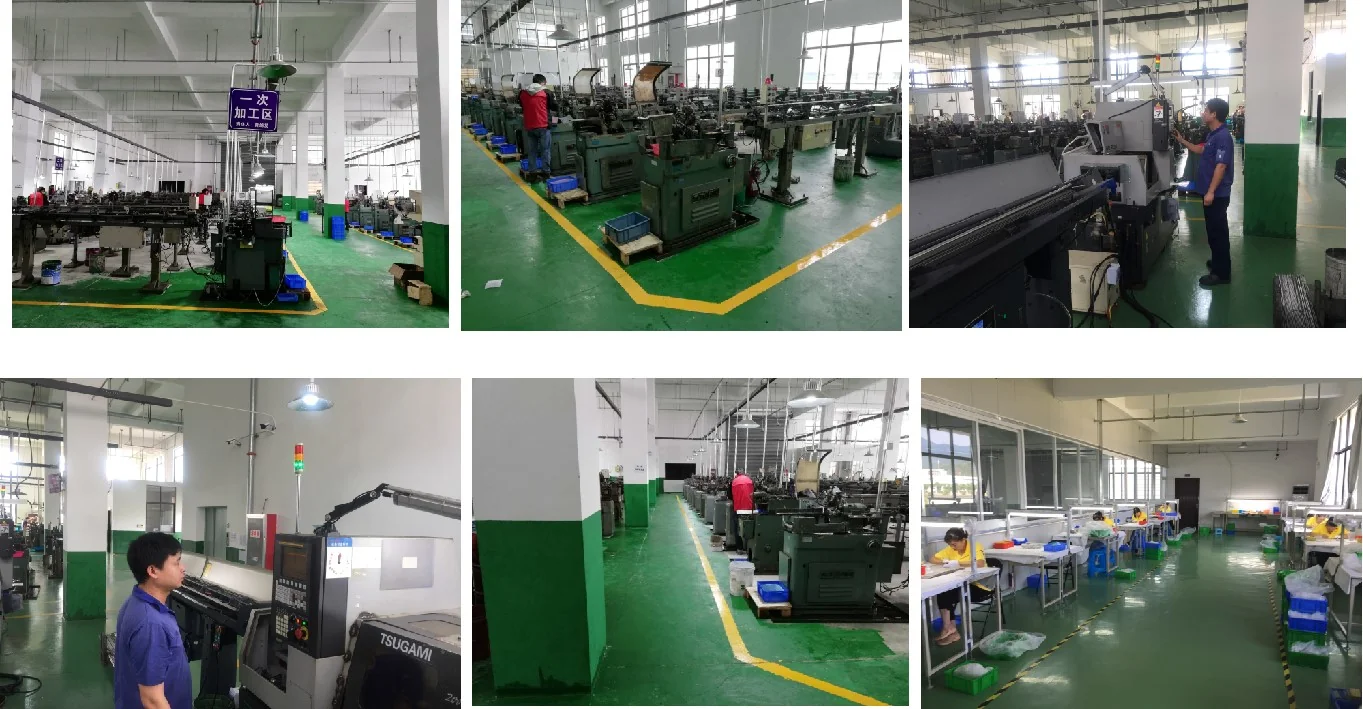
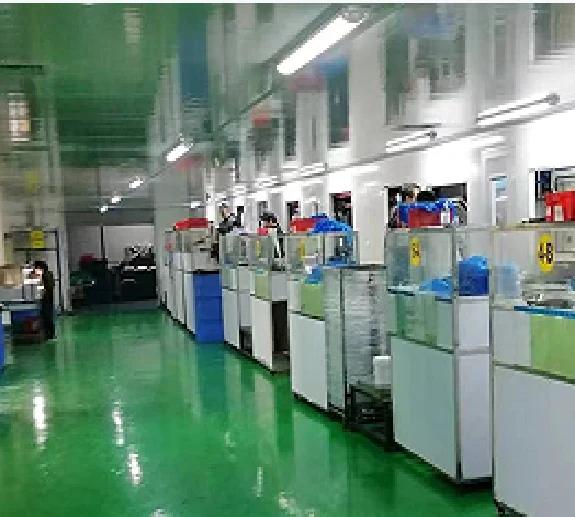
Suzhou Baoshida Trading Co., Ltd. leverages a dedicated core of seven specialized engineering professionals to deliver exceptional industrial rubber solutions. Our team comprises five certified Mould Engineers and two advanced Formula Engineers, operating synergistically within a structured OEM framework. This integrated technical capacity is fundamental to our ability to solve complex material and manufacturing challenges for demanding industrial applications, ensuring components meet exacting performance, durability, and regulatory requirements from concept to volume production.
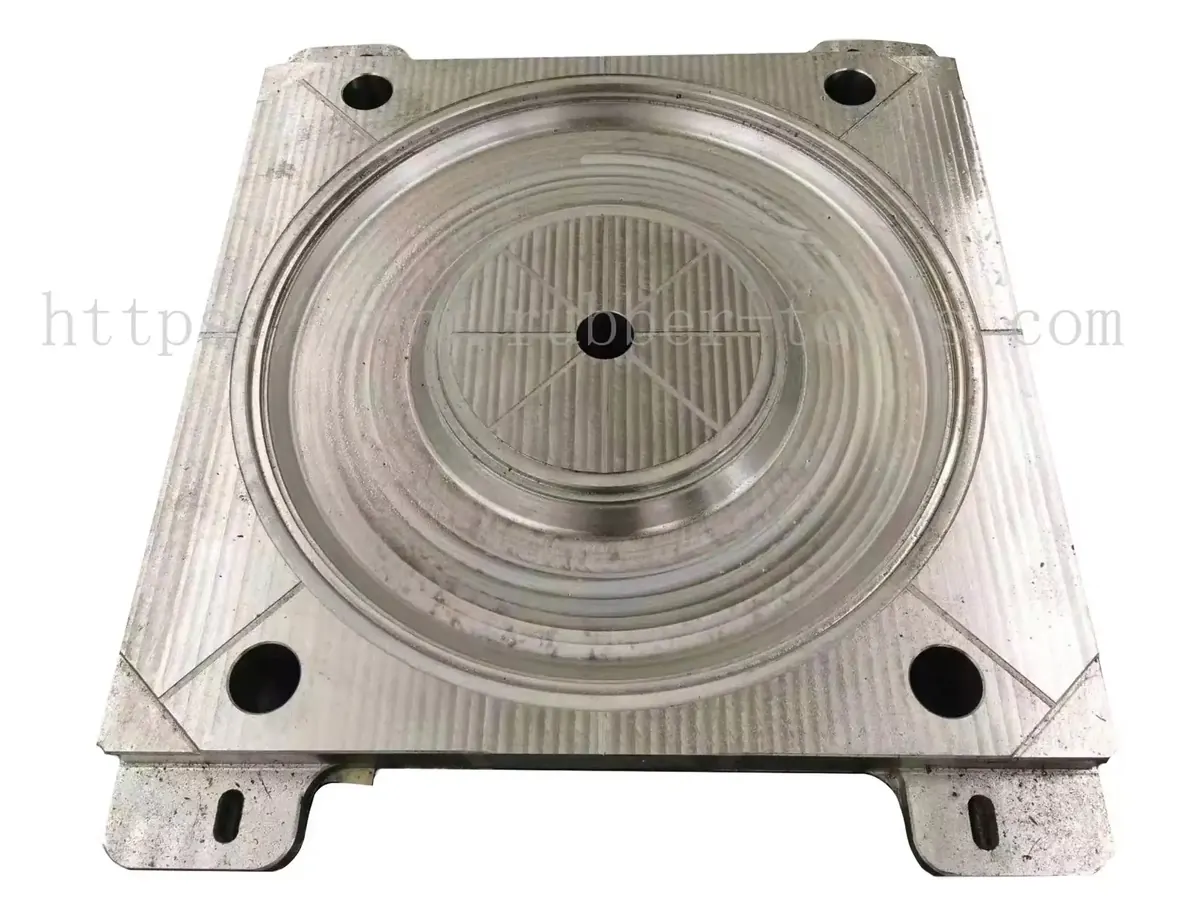
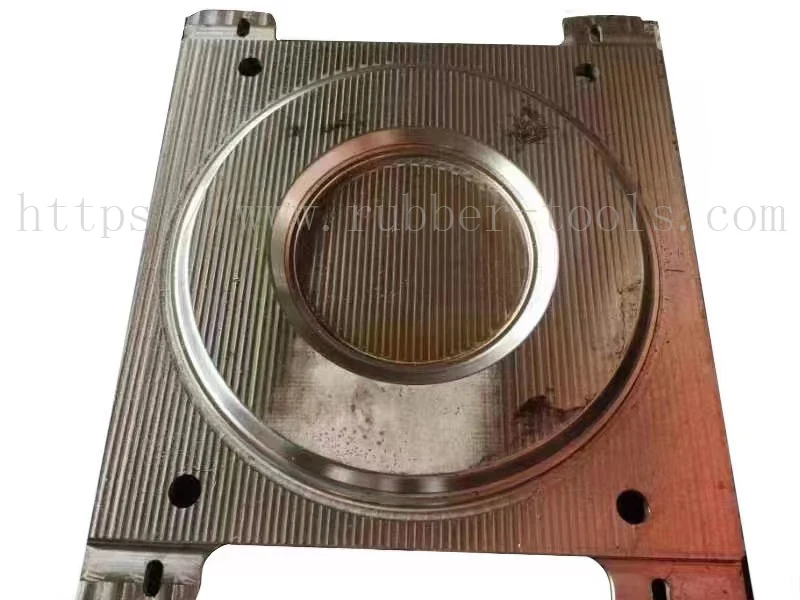
Our Mould Engineering team possesses deep expertise in the design, analysis, and validation of precision rubber moulds for compression, transfer, and injection processes. Utilizing advanced CAD/CAM suites (SolidWorks, UG NX) and Moldflow simulation software, we optimize cavity layouts, gating systems, cooling channels, and ejection mechanisms. This rigorous approach minimizes cycle times, reduces flash, ensures uniform material flow, and achieves critical dimensional tolerances consistently. Each mould undergoes stringent in-house trials with cavity pressure monitoring and first-article inspection against ASME Y14.5 standards before client approval, significantly de-risking production ramp-up.
Complementing mould design, our Formula Engineering division focuses on bespoke compound development and optimization. With access to a comprehensive library of base polymers (NBR, EPDM, FKM, HNBR, Silicone, CR, NR) and specialty additives, our engineers formulate materials targeting specific performance envelopes. This includes achieving precise hardness ranges (30-90 Shore A), extreme temperature resistance (-60°C to +300°C), fluid compatibility (fuel, oil, acid, steam), abrasion resistance, and critical physical properties like tensile strength and elongation. Every compound undergoes rigorous laboratory testing per ASTM D2000 and ISO 37 standards, including compression set, heat aging, and fluid immersion, before validation in production tooling. This scientific approach ensures material integrity under real-world operational stress.
The integration of these disciplines within our OEM management structure is our key differentiator. We manage the entire product lifecycle, from initial material selection and 3D modelling through prototyping, PPAP documentation (including full IMDS/SDS compliance), and scalable production. This eliminates communication gaps between material science and manufacturing, accelerating time-to-market while guaranteeing traceability and process control. Our engineers proactively identify potential failure modes during design, implement robust process windows, and provide continuous improvement data to minimize scrap rates and maximize client supply chain reliability.
Key Engineering Performance Specifications
| Capability Category | Baoshida Specification | Typical Industry Standard |
|---|---|---|
| Compound Development Cycle | 15-25 working days (incl. full validation) | 30-45+ working days |
| Mould Tolerance (Critical) | ±0.05 mm (Class 101 ISO 20457) | ±0.10 mm (Class 102) |
| Hardness Control | ±3 Shore A (Production Lots) | ±5 Shore A |
| Dimensional Cpk (Production) | ≥1.67 | ≥1.33 |
| Fluid Resistance Testing | Full ASTM D471 suite (70+ fluids) | Limited fluid sets (20-30 fluids) |
| PPAP Submission Timeline | 10-15 working days post-sample approval | 20-30 working days |
This engineered precision, backed by certified expertise and systematic OEM execution, positions Suzhou Baoshida as a strategic partner capable of delivering mission-critical rubber components where performance failure is not an option. We transform complex material and manufacturing requirements into reliable, high-yield production realities.
Customization Process

Customization Process for Industrial Rubber Components
At Suzhou Baoshida Trading Co., Ltd., our engineering-driven approach ensures that every custom rubber component meets the precise performance, environmental, and mechanical demands of industrial applications. Our structured customization process integrates material science with precision manufacturing, progressing systematically from initial design evaluation to full-scale production.
The process begins with Drawing Analysis, where our rubber formula engineers conduct a comprehensive review of customer-provided technical drawings and specifications. We assess critical parameters including dimensional tolerances, part geometry, sealing requirements, and application conditions such as temperature range, fluid exposure, and dynamic stress. This phase ensures design for manufacturability and identifies potential risks in tooling or performance early in the development cycle.
Following drawing validation, we proceed to Formulation Development. Based on the operational environment and mechanical requirements, our team selects the optimal elastomer compound. Whether the application demands resistance to oils and fuels (NBR), high-temperature stability (FKM), ozone and weather resistance (EPDM), or broad chemical compatibility (CM, ACM), our formulations are tailored at the molecular level. We adjust cure systems, filler content, plasticizers, and protective additives to achieve target hardness (Shore A), tensile strength, elongation, compression set, and low-temperature flexibility. Each formulation is documented and archived for consistency across production batches.
The next stage is Prototyping, where precision molds are manufactured and initial samples are produced using compression, transfer, or injection molding techniques. Prototypes undergo rigorous in-house testing, including dimensional inspection, hardness measurement, and simulated environmental exposure. We perform compression set tests per ASTM D395, fluid immersion per ASTM D471, and dynamic aging when applicable. Customer feedback is incorporated at this stage, allowing for iterative refinement before tooling finalization.
Upon approval, the project transitions to Mass Production. Our manufacturing lines operate under strict quality control protocols aligned with ISO 9001 standards. Raw material traceability, in-process inspections, and final product testing ensure batch-to-batch consistency. We support both JIT delivery and bulk shipment models, tailored to OEM supply chain requirements.
The following table outlines typical material properties achieved through our customized formulations:
| Material | Hardness Range (Shore A) | Temp Range (°C) | Tensile Strength (MPa) | Key Resistance Properties |
|---|---|---|---|---|
| NBR | 50–90 | -30 to +120 | 10–25 | Oils, fuels, aliphatic hydrocarbons |
| FKM | 60–80 | -20 to +230 | 12–18 | High heat, aromatic fuels, acids |
| EPDM | 50–85 | -50 to +150 | 8–16 | Ozone, UV, steam, polar fluids |
| ACM | 60–80 | -20 to +170 | 8–14 | Heat, oxidation, hydraulic fluids |
Our end-to-end customization process ensures that every rubber component delivered by Suzhou Baoshida meets the highest standards of reliability, performance, and industrial compliance.
Contact Engineering Team

Technical Partnership Initiation: Precision Rubber Solutions for Industrial Applications
Suzhou Baoshida Trading Co., Ltd. operates at the intersection of advanced polymer science and industrial manufacturing exigencies. Our engineering team specializes in developing custom rubber compounds that meet stringent ISO 37 tensile standards, ASTM D2000 classification requirements, and OEM-specific performance thresholds. For mission-critical applications in automotive sealing systems, hydraulic machinery, or chemical processing equipment, material failure is not an option. We eliminate this risk through iterative formula optimization, rigorous batch validation, and full traceability from raw material sourcing to finished component delivery. Our laboratory capabilities include accelerated aging tests per ISO 188, compression set analysis per ISO 815, and dynamic mechanical analysis for viscoelastic profiling—all conducted to preempt field failures before production commencement.
The table below summarizes core material specifications achievable through our engineered formulations. These values represent baseline industrial benchmarks; all compounds undergo client-specific recalibration to address unique operational stressors.
| Material Type | Hardness Range (Shore A) | Tensile Strength (MPa) | Temperature Resistance (°C) | Key Application Focus |
|---|---|---|---|---|
| Nitrile (NBR) | 40–95 | 15–30 | -40 to +120 | Fuel/Oil Seals, Hydraulic Systems |
| EPDM | 50–90 | 10–25 | -50 to +150 | Weather Sealing, Coolant Hoses |
| Silicone | 30–80 | 5–12 | -60 to +230 | High-Purity Medical, Aerospace Gaskets |
| FKM (Viton®) | 60–90 | 12–20 | -20 to +250 | Aggressive Chemical Environments |
As your OEM manufacturing partner, we integrate directly into your production workflow through three critical vectors: First, our formula engineers collaborate during the design phase to preempt material-process incompatibilities—such as mold flow issues in complex geometries or cure kinetics mismatches with your press parameters. Second, we implement lot-specific Certificate of Conformance (CoC) documentation with full spectrographic raw material verification, ensuring regulatory compliance for global markets. Third, our just-in-sequence delivery model synchronizes with your lean manufacturing schedules, maintaining buffer stocks of pre-approved compounds to prevent line stoppages. This operational precision reduces your total cost of ownership by 18–22% compared to standard supplier arrangements, as validated by third-party logistics audits.
Initiate your technical consultation with Mr. Boyce, our dedicated OEM Solutions Manager. With 14 years of formula development experience across 7 industrial sectors, he will conduct a granular assessment of your application’s thermal, chemical, and mechanical stress profiles. Contact him directly at [email protected] to submit your material requirement specifications (MRS) or request a Failure Modes and Effects Analysis (FMEA) template tailored to rubber component integration. Specify your target production volume, environmental exposure conditions, and critical tolerance thresholds in the initial correspondence to expedite compound prototyping. All technical inquiries receive a validated test plan within 72 business hours—not generic sales brochures. For time-sensitive projects requiring expedited formulation recalibration, reference project code BD-TECH-URGENT in your email subject line to activate our 5-day rapid prototyping protocol. Do not settle for off-the-shelf elastomers when engineered molecular architecture determines your product’s operational lifespan. Contact Mr. Boyce today to transform material constraints into competitive advantages.
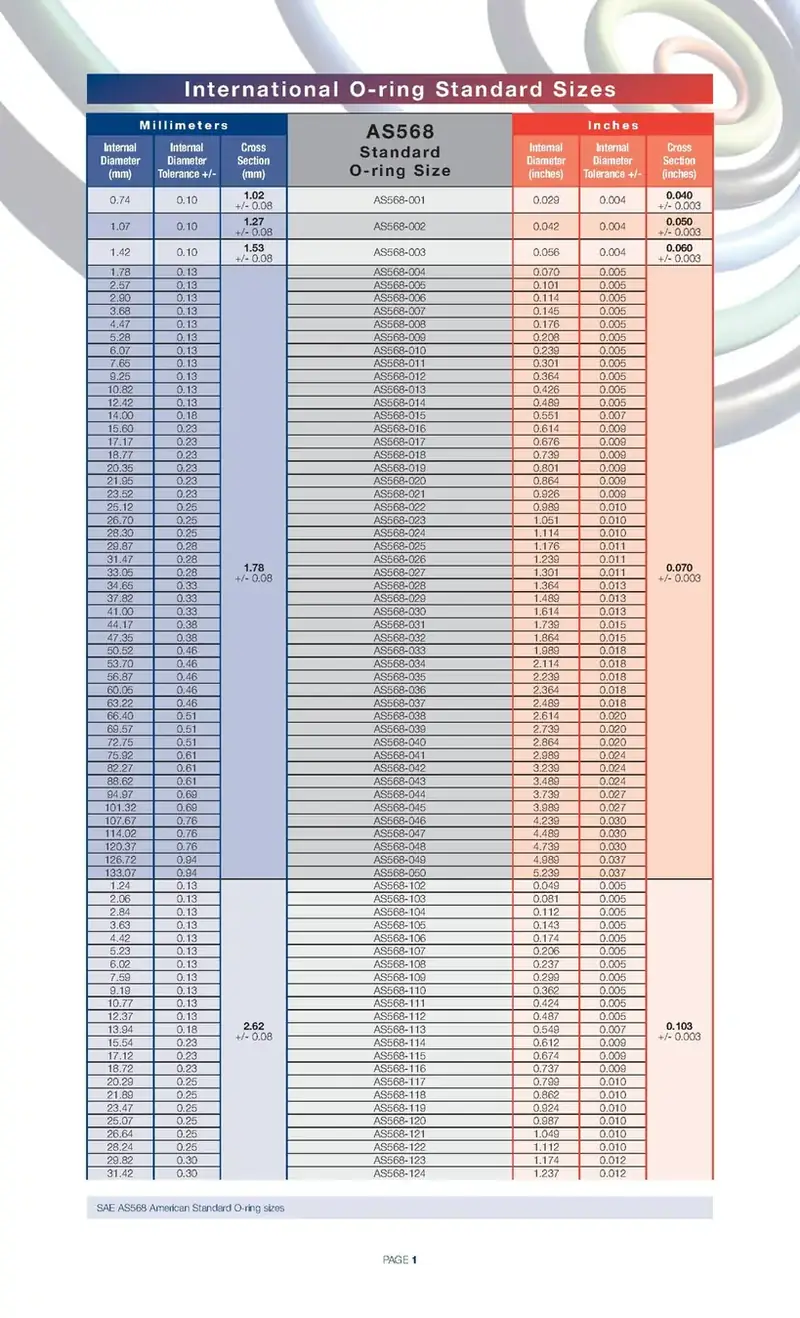
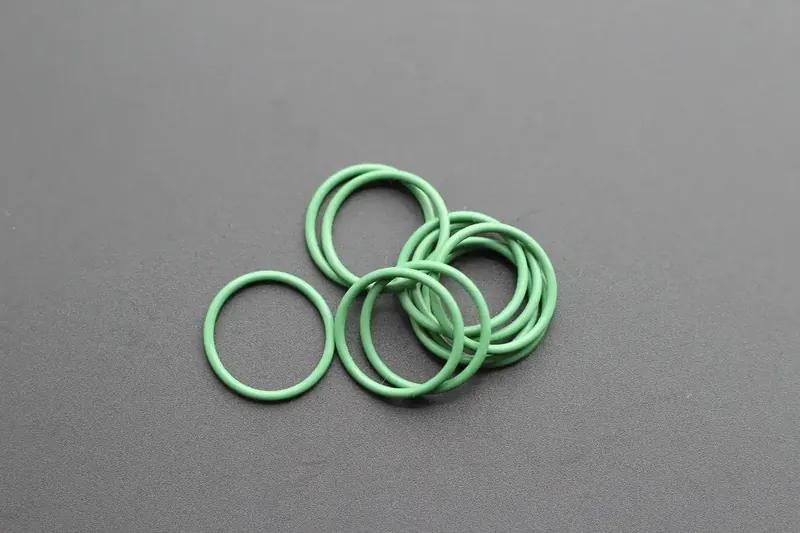
⚖️ O-Ring Weight Calculator
Estimate rubber O-ring weight (Approx).