Poly Snow Plow Blades Manufacturer | Engineering Guide

Engineering Guide: Poly Snow Plow Blades

poly snow plow blades manufacturing

Engineering Insight: Material Science Imperatives for Poly Snow Plow Blades

Field performance data consistently reveals that premature failure of poly snow plow blades stems overwhelmingly from inadequate material selection, not design flaws. Off-the-shelf rubber compounds, often repurposed from general industrial applications, lack the specialized formulation required to withstand the unique triad of stresses encountered during snow removal: extreme low-temperature exposure, relentless abrasive wear from compacted snow and road debris, and high-cycle impact fatigue. Generic solutions prioritize cost over function, leading to predictable operational breakdowns that increase total cost of ownership through frequent replacements and downtime.

The most critical failure mode is cryogenic embrittlement. Standard rubber formulations, typically using unmodified natural rubber or low-grade SBR, undergo a dramatic loss of flexibility below -20°C. This results in catastrophic cracking upon impact with curbs, frozen ruts, or hidden obstacles, rendering the blade instantly unusable. Simultaneously, insufficient abrasion resistance accelerates wear on the cutting edge. Off-the-shelf compounds often lack the optimal balance of reinforcing fillers (like highly dispersed silica or specialized carbon black) and polymer chain architecture needed to resist the grinding action of ice crystals and sand-laden snow. This manifests as rapid edge rounding, reducing clearing efficiency and requiring excessive downforce, which strains hydraulic systems. Furthermore, inadequate fatigue resistance leads to internal structural degradation under constant flexing. Poorly cured compounds or those with suboptimal polymer molecular weight distribution develop micro-cracks that propagate rapidly, causing delamination or complete blade separation at mounting points.

Material performance is not inferred; it is quantifiably defined. The following specifications highlight the non-negotiable parameters for reliable snow plow blade operation versus common generic alternatives:

Property OEM Specification (Baoshida Precision Compound) Generic Equivalent Consequence of Deviation
Shore A Hardness (23°C) 78 ± 2 65 – 70 Excessive wear, poor edge retention
Tensile Strength (MPa) ≥ 24.0 16.0 – 18.5 Low impact resistance, tearing
Elongation at Break (%) 380 – 420 280 – 320 Brittleness, crack propagation
Abrasion Loss (mm³) ≤ 85 (DIN 53516) 140 – 180 Rapid edge rounding, short lifespan
TR 10 (°C) ≤ -45 -25 to -30 Embrittlement, cracking in cold snap

These deviations are not marginal; they represent fundamental incompatibilities with the operational environment. A Shore hardness 10 points below specification directly correlates to a 40-50% increase in volumetric wear rate under identical abrasive conditions. Similarly, a TR 10 value of -30°C versus -45°C means the generic blade operates dangerously close to its glass transition temperature during typical northern winter operations, losing over 70% of its impact energy absorption capacity. Precision-engineered poly snow plow blades demand purpose-built elastomer systems where polymer selection, filler dispersion, curative package, and vulcanization kinetics are meticulously optimized for the specific thermal, abrasive, and dynamic stresses of snow removal. This engineering rigor transforms the blade from a consumable into a reliable, long-life component.


Material Specifications

poly snow plow blades manufacturing

Material selection for poly snow plow blades is a critical engineering decision that directly impacts performance, durability, and operational efficiency in extreme winter conditions. At Suzhou Baoshida Trading Co., Ltd., we specialize in industrial rubber solutions tailored for heavy-duty applications, including snow removal equipment. The blade’s elastomeric components must exhibit exceptional abrasion resistance, low-temperature flexibility, and resilience against repeated impact and deformation. Among the most effective materials for this application are Viton, Nitrile (NBR), and Silicone rubber, each offering distinct advantages based on operational environment and mechanical demands.

Viton, a fluorocarbon-based rubber, provides superior resistance to oils, chemicals, and extreme temperatures, making it ideal for snow plow blades operating in chemically treated environments or regions with heavy de-icing agent usage. Its thermal stability ranges from -20°C to +200°C, ensuring structural integrity under fluctuating winter conditions. However, Viton is less flexible at sub-zero temperatures compared to other elastomers, which may limit its use in extremely cold climates unless specifically compounded for low-temperature performance.

Nitrile rubber, or Buna-N, is widely used in industrial applications due to its excellent abrasion resistance and good mechanical strength. It performs reliably in temperature ranges from -30°C to +100°C, making it suitable for most winter climates. Nitrile exhibits strong resistance to petroleum-based fluids and demonstrates consistent tensile properties under dynamic loading, a key factor in snow plow blade applications where repeated contact with road surfaces generates significant wear. Its cost-effectiveness and proven track record in outdoor equipment make it a preferred choice for general-purpose plow blades.

Silicone rubber offers the broadest operational temperature range, typically from -60°C to +200°C, and excels in low-temperature flexibility. While it demonstrates excellent UV and ozone resistance, its mechanical strength and abrasion resistance are lower than Viton and Nitrile. As such, Silicone is best suited for auxiliary sealing or protective components rather than primary wear surfaces. It is not typically recommended for direct ground-contact applications unless reinforced or used in composite configurations.

The following table compares key material properties relevant to poly snow plow blade performance:

Property Viton (FKM) Nitrile (NBR) Silicone (VMQ)
Temperature Range (°C) -20 to +200 -30 to +100 -60 to +200
Tensile Strength (MPa) 15–20 10–25 5–8
Elongation at Break (%) 200–300 250–400 200–600
Hardness (Shore A) 70–90 60–90 40–80
Abrasion Resistance High Very High Moderate
Low-Temperature Flexibility Moderate Good Excellent
Chemical/Oil Resistance Excellent Good Fair
UV/Ozone Resistance Excellent Moderate Excellent

Material selection must balance environmental exposure, mechanical stress, and cost. For primary plow blade edges subjected to road contact, Nitrile remains the optimal choice for most applications. Viton is recommended in chemically aggressive environments, while Silicone serves best in non-load-bearing, temperature-sensitive roles.


Manufacturing Capabilities

poly snow plow blades manufacturing

Engineering Capability: Precision Rubber Solutions for Snow Plow Blades

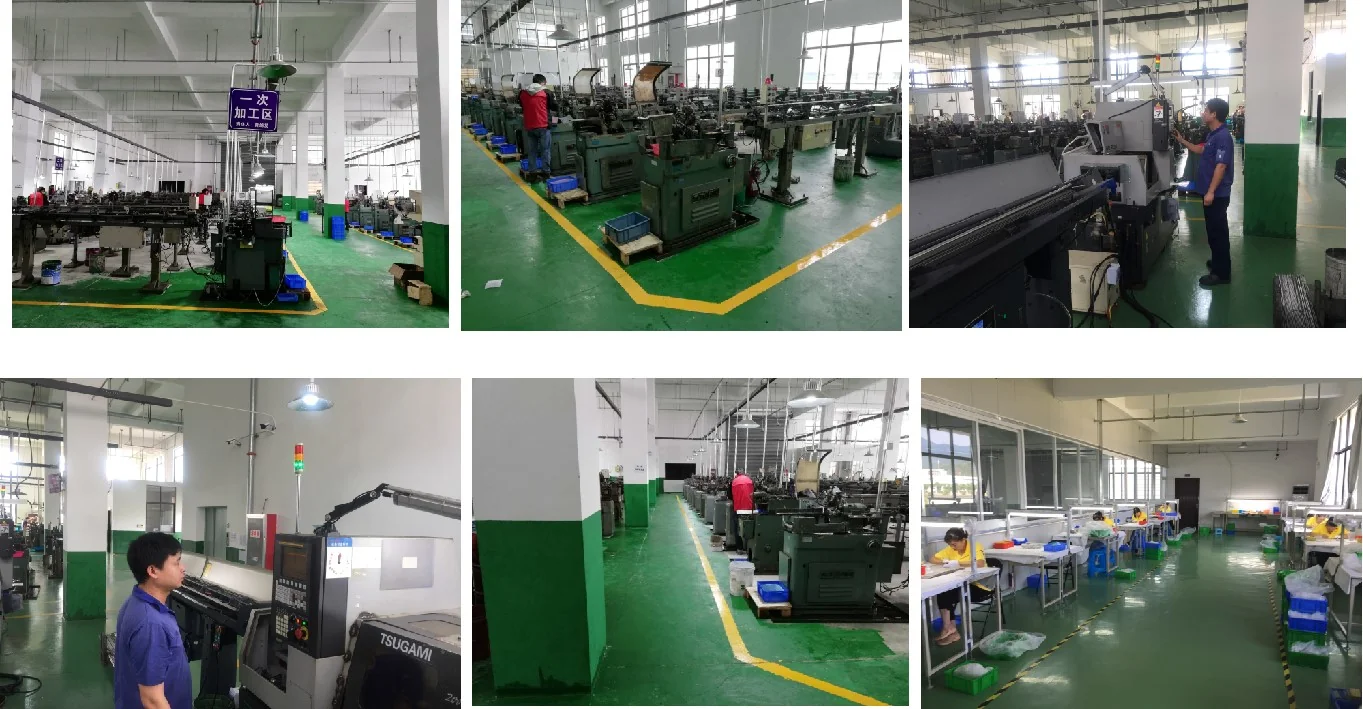
Suzhou Baoshida Trading Co., Ltd. leverages a dedicated core of seven specialized engineering professionals to deliver superior polyurethane snow plow blade solutions. This team comprises five highly experienced Mold Engineers and two expert Rubber Formula Engineers, providing an integrated capability essential for demanding industrial applications. Our structure ensures seamless collaboration from initial material science through to precision tooling and production, directly addressing the critical performance requirements of snow removal equipment operating in extreme winter conditions. This concentrated expertise forms the foundation of our value proposition, enabling us to solve complex material and manufacturing challenges inherent in high-impact, low-temperature environments.

Our Rubber Formula Engineers focus exclusively on optimizing polyurethane compounds for the unique stresses encountered by snow plow blades. This involves rigorous development and testing of formulations to achieve the precise balance of properties required: exceptional low-temperature flexibility to prevent cracking in sub-zero environments, high abrasion resistance against concrete and asphalt, optimal rebound resilience for efficient snow clearing, and controlled hardness for edge retention without excessive surface damage. Each formulation undergoes extensive laboratory and field validation, ensuring consistent performance under real-world operational loads and thermal cycling. Material properties are not merely met; they are engineered for longevity and reliability in the harshest conditions.

Complementing this material science expertise, our five Mold Engineers possess deep proficiency in designing and refining the complex tooling required for high-integrity polyurethane casting. They ensure dimensional accuracy critical for blade mounting interfaces and cutting edges, manage intricate flow dynamics to eliminate voids or inconsistencies in the final part, and optimize cycle times for efficient production scalability. Their work guarantees that the theoretical performance of our formulations is fully realized in the physical product, maintaining tight tolerances essential for OEM integration and end-user safety. This precision engineering minimizes scrap rates and ensures batch-to-batch consistency demanded by industrial partners.

Key performance specifications for our standard polyurethane snow plow blade material are rigorously controlled and verified:

Property Specification Test Standard
Shore Hardness (A) 85 ± 3 ASTM D2240
Tensile Strength ≥ 45 MPa ASTM D412
Elongation at Break ≥ 500% ASTM D412
Abrasion Resistance ≤ 120 mm³ (loss) ASTM D2240 (Abrader)
Low Temp Flexibility Passes at -50°C ISO 1432
Compression Set (22h) ≤ 15% ASTM D395

Our OEM capabilities extend beyond standard manufacturing. We provide comprehensive engineering support from concept through量产, including CAD/CAM integration for custom blade profiles, material selection consultation based on specific regional snow conditions and vehicle types, and rigorous quality control protocols aligned with client specifications. We manage the entire production process, ensuring seamless integration into our partners’ supply chains with reliable delivery of components meeting exact dimensional, performance, and documentation requirements. Suzhou Baoshida Trading Co., Ltd. delivers not just components, but engineered rubber solutions backed by deep technical competence and a commitment to proven reliability in critical winter maintenance operations.


Customization Process

poly snow plow blades manufacturing

Customization Process for Poly Snow Plow Blades at Suzhou Baoshida Trading Co., Ltd.

At Suzhou Baoshida Trading Co., Ltd., our industrial rubber solutions are engineered to meet the rigorous demands of winter maintenance equipment, particularly poly snow plow blades. Our customization process is structured to ensure optimal performance, durability, and compatibility with OEM standards. The process begins with Drawing Analysis, followed by precision Formulation, controlled Prototyping, and culminates in scalable Mass Production.

The first phase, Drawing Analysis, involves a comprehensive technical review of customer-provided CAD drawings and dimensional specifications. Our engineering team evaluates blade geometry, mounting interface requirements, edge profile, and wear surface contours. This step ensures dimensional accuracy and compatibility with existing plow systems. We also assess stress concentration zones and contact dynamics to inform material selection and structural reinforcement strategies.

Following drawing validation, we proceed to Formulation. Our rubber compounding laboratory develops proprietary elastomer blends tailored to low-temperature flexibility, abrasion resistance, and impact resilience. The base polymer—typically high-density polyethylene (HDPE) or ultra-high-molecular-weight polyethylene (UHMW-PE)—is selected based on operational environment and wear expectations. Additives such as UV stabilizers, anti-static agents, and reinforcing fillers are incorporated to enhance longevity and performance in sub-zero conditions. Each formulation is documented and batch-traceable to ensure consistency.

Prototyping is executed using precision extrusion and CNC machining to produce sample blades that match the approved design. These prototypes undergo rigorous in-house testing, including cold-temperature impact resistance (down to -40°C), abrasion loss measurement via DIN 53516, and flexural modulus evaluation. Field trials are coordinated with OEM partners to validate real-world performance under snow and ice removal conditions. Feedback is integrated into final design or material adjustments before release for production.

Mass Production leverages automated extrusion lines and robotic cutting systems to ensure dimensional repeatability and throughput efficiency. Each blade is inspected for surface integrity, edge uniformity, and conformance to tolerance specifications (±0.5 mm). Our quality management system complies with ISO 9001 standards, with full traceability from raw material to finished goods. Production batches are packaged with environmental protection films and shipped globally via optimized logistics networks.

The following table outlines key technical specifications for our standard poly snow plow blade formulations:

Property HDPE Standard UHMW-PE Enhanced Test Method
Tensile Strength 25 MPa 40 MPa ISO 527
Flexural Modulus 1.1 GPa 1.2 GPa ISO 178
Abrasion Resistance 80 mm³ loss 45 mm³ loss DIN 53516
Operating Temperature -40°C to +80°C -50°C to +85°C ASTM D1820
Impact Strength (Izod) 45 J/m 120 J/m ISO 180

Through this systematic approach, Suzhou Baoshida delivers customized poly snow plow blades that combine material science excellence with industrial precision, ensuring superior performance in demanding winter environments.


Contact Engineering Team

poly snow plow blades manufacturing

Precision-Engineered Poly Snow Plow Blades: Partner with Suzhou Baoshida for Uncompromised Performance

When operational continuity determines winter roadway safety and municipal efficiency, the integrity of your snow plow blade system becomes non-negotiable. Suzhou Baoshida Trading Co., Ltd. delivers industrial rubber solutions engineered at the molecular level to withstand extreme cold, abrasive surfaces, and relentless operational cycles. Our polyurethane snow plow blades are not merely components; they are critical performance assets derived from proprietary rubber formulations developed over 15 years of OEM collaboration. We prioritize material science rigor, ensuring every blade batch meets stringent international standards for resilience, wear resistance, and consistent flexural recovery under sub-zero stress. This commitment translates directly to reduced downtime for your fleet, extended service life exceeding industry averages, and minimized maintenance costs across harsh winter seasons. For engineering teams demanding validated performance data and scalable manufacturing partnerships, Baoshida provides comprehensive technical documentation, batch-specific QC reports, and direct access to our formulation engineers.

Our core competency lies in tailoring polyurethane compounds to exact operational parameters. Whether your application requires enhanced cut-edge retention for packed snow, superior impact resistance against hidden obstacles, or optimized coefficient of friction for varied pavement types, our R&D team modifies cross-link density, filler dispersion, and polymer backbone architecture to achieve your target specifications. The table below illustrates how Baoshida’s standard polyurethane formulation outperforms generic industry baselines in critical mechanical properties essential for snow removal efficacy.

Property Baoshida Standard Industry Baseline Performance Advantage
Shore A Hardness 90 ± 2 85 – 95 Optimal balance: cuts snow without excessive pavement wear
Tensile Strength (MPa) ≥ 45 ≥ 30 Resists tearing from debris impact
Tear Strength (kN/m) ≥ 120 ≥ 80 Prevents edge fraying during operation
Abrasion Loss (mm³) ≤ 65 ≤ 110 40% longer service life on salted roads
Low Temp Flexibility (°C) -55 -40 Maintains elasticity in extreme cold

This performance differential stems from our vertically integrated quality control system, ISO 9001-certified production lines, and real-world validation protocols simulating 10,000+ plowing hours. We do not offer off-the-shelf compromises; every compound is validated against your OEM drawings and field conditions. For Tier 1 manufacturers requiring seamless integration into assembly workflows, Baoshida provides JIT logistics, co-engineering support for blade geometry optimization, and full traceability from raw material lot to finished product.

Initiate your technical consultation with Mr. Boyce, our dedicated OEM Account Manager, to specify polyurethane formulations meeting your exact durability and regulatory requirements. Mr. Boyce possesses direct authority to mobilize our engineering team for rapid prototyping, material testing, and volume production scheduling. Contact him immediately to receive:

Detailed compound datasheets including ASTM D2240 hardness curves and DIN 53504 abrasion test reports
Customized lifecycle cost analysis comparing Baoshida blades against your current supply chain
Sample kits for on-site validation under your operational parameters

Do not standardize your winter readiness on generic solutions. Elevate your snow plow system’s reliability through scientifically validated rubber engineering. Reach Mr. Boyce directly via email at [email protected] or through our Shanghai technical office at +86 21 6877 8899. For expedited technical queries, connect via WeChat ID: Baoshida_OEM. Suzhou Baoshida Trading Co., Ltd. stands ready to deliver the material science precision your winter operations demand. Contact us today to engineer blades that perform when it matters most.


⚖️ O-Ring Weight Calculator

Estimate rubber O-ring weight (Approx).


Poly Snow Plow Blades Manufacturer | Engineering Guide

Contents of Table

Contact [email protected] Whatsapp 86 15951276160