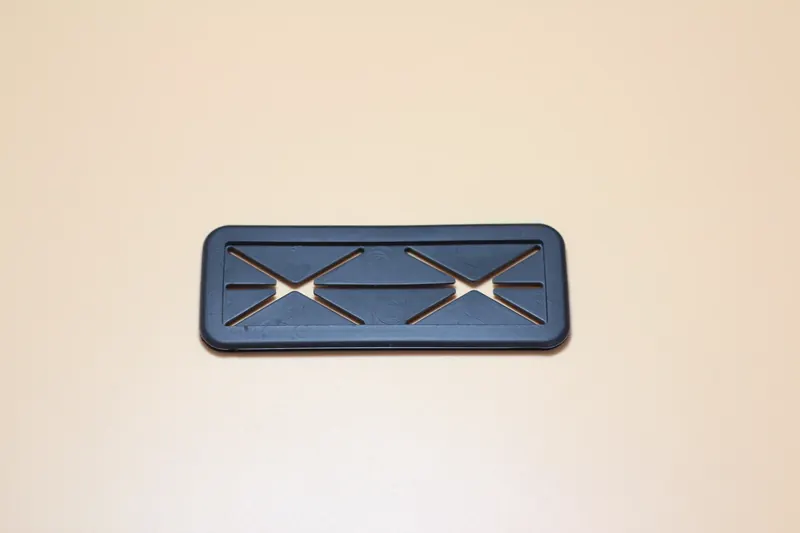
Auto Door Seals Manufacturer | Engineering Guide

Engineering Guide: Auto Door Seals

auto door seals manufacturing

Engineering Insight: The Critical Role of Material Selection in Auto Door Seals

In the precision-driven domain of automotive sealing systems, material selection is not a secondary consideration—it is the foundation of performance, durability, and long-term reliability. Auto door seals operate under extreme and variable conditions, including exposure to UV radiation, ozone, wide temperature fluctuations, chemical contaminants, and mechanical compression cycles. The failure to account for these factors during material selection leads directly to premature degradation, loss of sealing integrity, and increased warranty claims—issues commonly observed with off-the-shelf rubber solutions.

Generic rubber profiles are typically formulated for cost efficiency and broad applicability, sacrificing the tailored performance required in automotive environments. These materials often lack the compound-specific resistance needed to withstand prolonged exposure to engine oils, road salts, and cleaning agents. Additionally, they exhibit poor compression set resistance, leading to permanent deformation and loss of sealing force after repeated door closures. This results in air and water leakage, increased cabin noise, and diminished customer satisfaction.

At Suzhou Baoshida Trading Co., Ltd., we emphasize engineered elastomer solutions designed for the exact operational demands of each application. Our approach begins with a thorough analysis of the environmental and mechanical parameters, followed by the selection of high-performance rubber compounds such as EPDM, silicone (VMQ), or thermoplastic vulcanizates (TPV), each offering distinct advantages depending on the use case.

EPDM, for instance, provides excellent resistance to weathering and ozone, making it ideal for exterior door seals exposed to sunlight and precipitation. Silicone offers superior thermal stability across a broad range (-60°C to +200°C) and is often selected for high-end or electric vehicles with stringent thermal management requirements. TPVs bridge the gap between rubber and plastic, offering good elasticity with processability and recyclability, suitable for complex multi-material sealing profiles.

The table below outlines key material properties relevant to auto door seal applications:

Material Temperature Range (°C) Compression Set Resistance UV/Ozone Resistance Fluid Resistance Typical Application
EPDM -50 to +150 Excellent Excellent Moderate Exterior door seals
Silicone (VMQ) -60 to +200 Good Excellent Poor High-temp zones, EVs
TPV -40 to +135 Good Good Moderate Multi-extrusion seals

Material selection must be guided by application-specific engineering data, not assumptions or cost-driven compromises. Off-the-shelf seals may offer short-term savings, but they invariably increase lifecycle costs due to reduced service life and higher failure rates. At Baoshida, we collaborate with OEMs to co-develop customized rubber formulations that meet exact performance thresholds—ensuring optimal sealing performance, compliance with automotive standards (e.g., ISO 1817, ASTM D2000), and long-term reliability in real-world conditions.


Material Specifications

auto door seals manufacturing

Material Specifications for Automotive Door Seals

Material selection critically determines the performance longevity and sealing integrity of automotive door seals under dynamic operational conditions. At Suzhou Baoshida Trading Co., Ltd., we engineer compounds to meet stringent OEM durability and environmental resistance requirements. Viton, Nitrile (NBR), and Silicone represent three core elastomer families, each optimized for specific thermal, chemical, and mechanical demands. Precision in formulation ensures compliance with ASTM D2000 classification standards while addressing automotive assembly tolerances and lifecycle expectations.

Viton fluoroelastomers deliver superior resistance to high temperatures, aggressive automotive fluids (including fuels, oils, and brake fluids), and ozone degradation. With a continuous service range of -20°C to 230°C, Viton maintains structural integrity in under-hood proximity applications or regions with extreme climate exposure. Its high fluorine content minimizes swelling in hydrocarbon environments, though formulation adjustments are necessary to balance cost and low-temperature flexibility. Viton seals excel in premium vehicle segments where thermal stability outweighs initial material cost considerations.

Nitrile rubber remains the industry benchmark for cost-effective fuel and oil resistance in standard passenger vehicles. Optimized acrylonitrile content (typically 33-36%) provides robust performance against gasoline, transmission fluids, and greases within -30°C to 120°C operational limits. NBR formulations achieve Shore A hardness values of 70-90, ensuring adequate compression load distribution for consistent door closure force. However, NBR exhibits vulnerability to ozone cracking and limited high-temperature resilience beyond 125°C, necessitating protective additives for extended outdoor exposure.

Silicone elastomers dominate applications requiring extreme low- and high-temperature flexibility (-60°C to 200°C continuous). Its inert, platinum-cured structure offers exceptional UV and ozone resistance with minimal compression set, critical for maintaining seal force over 100,000+ door cycles. While silicone demonstrates poor resistance to petroleum-based fluids, it is ideal for non-fuel-contact zones like glass run channels or decorative trim where aesthetic stability and wide-temperature elasticity are paramount.

The comparative analysis below details key physical and chemical properties per ASTM test protocols:

Property Viton (FKM) Nitrile (NBR) Silicone (VMQ)
Temperature Range (°C) -20 to 230 -30 to 120 -60 to 200
Tensile Strength (MPa) 12-18 15-25 5-10
Elongation at Break (%) 150-300 200-500 200-800
Typical Hardness (Shore A) 70-85 70-90 50-80
Compression Set (70°C/22h) 15-25% 20-40% 10-20%
Fuel Resistance (BIR) Excellent Good to Excellent Poor
Ozone Resistance Excellent Poor Excellent

Material selection requires empirical validation against vehicle-specific environmental stressors and regulatory frameworks. Suzhou Baoshida Trading Co., Ltd. provides OEM-tailored compound data sheets and accelerated aging test reports to ensure seamless integration into global automotive production lines. Our technical team collaborates directly with engineering departments to optimize material performance within exacting dimensional and functional parameters.


Manufacturing Capabilities

auto door seals manufacturing

Engineering Capability: Precision-Driven Development for Auto Door Seals

At Suzhou Baoshida Trading Co., Ltd., our engineering capability forms the cornerstone of our reputation in the precision rubber seals industry. Specializing in automotive door sealing systems, we deploy a dedicated team of five certified mould engineers and two advanced rubber formulation engineers to deliver technically robust, OEM-compliant solutions. This integrated engineering approach ensures that every seal we produce meets stringent performance criteria for durability, compression set resistance, weatherability, and dimensional accuracy.

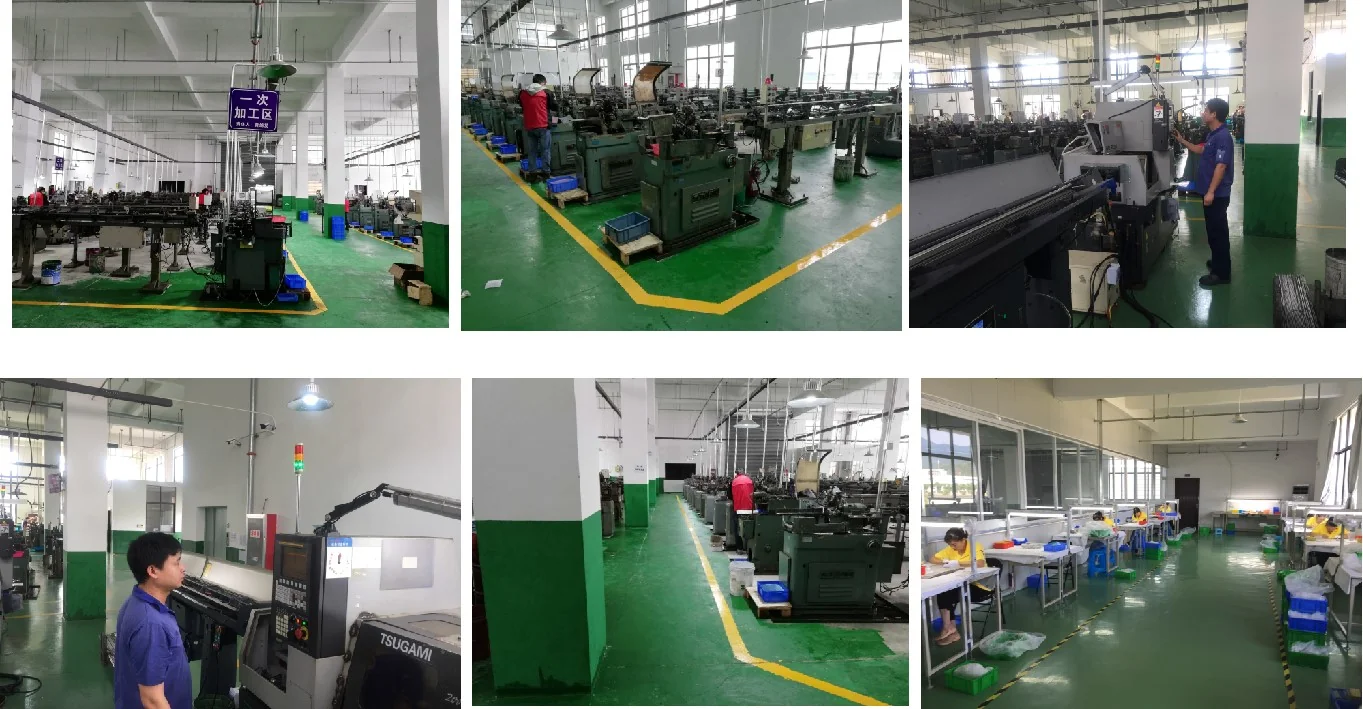
Our mould engineering team leverages state-of-the-art CAD/CAM software, including SolidWorks and AutoCAD, to design high-precision multi-cavity and family moulds tailored to complex door seal profiles. Each design undergoes rigorous simulation using Moldflow analysis to predict material flow, cooling efficiency, and potential defect zones, minimizing trial iterations and accelerating time-to-market. With over 15 years of collective experience in rubber compression, transfer, and injection moulding, our engineers optimize gating, venting, and parting line configurations to ensure consistent part quality across high-volume production runs.

Complementing our mould expertise is our in-house rubber formulation capability. Our two senior formula engineers specialize in developing custom EPDM, silicone, and TPE compounds engineered for specific automotive environments. Whether the requirement is enhanced UV resistance for sun-exposed door perimeters or low-temperature flexibility for cold-climate operation, our formulations are tuned at the molecular level. We conduct full material characterization in our on-site laboratory, including tensile strength, hardness (Shore A), compression set (per ASTM D395), and accelerated aging tests (per ISO 188), ensuring long-term reliability.

We operate as a full-service OEM partner, supporting clients from concept through to serial production. Our engineering team collaborates directly with automotive OEMs and Tier-1 suppliers to interpret GD&T drawings, perform Design for Manufacturability (DFM) reviews, and support PPAP documentation. We maintain full traceability and adhere to IATF 16949 quality standards across all development phases.

The integration of mould design and material science allows us to solve complex sealing challenges—such as multi-durometer profiles, insert overmoulding, and co-extruded sealing lips—while maintaining cost efficiency and repeatability. Our vertical control over both tooling and compound development eliminates third-party dependencies, enhancing IP protection and responsiveness.

Below is a summary of our core technical specifications and capabilities:

Parameter Specification
Mould Design Software SolidWorks, AutoCAD, Moldflow
Rubber Compounding Expertise EPDM, Silicone, TPE, CR
Hardness Range (Shore A) 40–90 ±5
Temperature Resistance -50°C to +150°C (depending on compound)
Tensile Strength Up to 18 MPa (EPDM)
Compression Set (70h @ 100°C) ≤25% (EPDM)
Tooling Lead Time 30–45 days (average)
OEM Development Support DFM, PPAP, IMDS, GD&T Compliance
Production Mould Lifespan 500,000+ cycles (standard)

This engineering synergy positions Suzhou Baoshida as a trusted technical partner in the global automotive supply chain, delivering precision door seals that meet the highest functional and regulatory standards.


Customization Process

auto door seals manufacturing

Customization Process for Precision Automotive Door Seals

At Suzhou Baoshida Trading Co., Ltd., our engineering-driven customization process ensures automotive door seals meet stringent OEM performance and durability standards. We execute a four-phase methodology grounded in material science and manufacturing precision, eliminating design-to-production risks through rigorous technical validation.

Drawing Analysis
Our engineering team initiates with comprehensive CAD drawing evaluation, cross-referencing client specifications against ISO 11826 and SAE J1062 standards. We verify dimensional tolerances, surface finish requirements, and assembly interfaces using GD&T principles. Critical attention is paid to compression geometry, gap-spanning capabilities, and stress concentration points. This phase identifies manufacturability constraints early, such as undercuts or wall thickness variations below 1.5mm, which could compromise extrusion stability or sealing integrity. Material compatibility with adjacent components (e.g., paint systems, adhesives) is concurrently assessed to prevent chemical degradation.

Formulation Development
Based on thermal, chemical, and mechanical requirements, our rubber chemists design proprietary compounds. For door seals, EPDM remains dominant due to its ozone resistance and thermal stability, though TPE formulations are deployed for complex multi-durometer profiles. Key parameters optimized include: cure kinetics for extrusion line speed synchronization, filler dispersion for abrasion resistance, and plasticizer selection to prevent migration in painted environments. Shore A hardness is precisely tuned between 60–70 to balance sealing force and ease of door closure. All formulations undergo accelerated aging per ASTM D2240 and ISO 188 to validate 15-year service life under UV exposure and temperature cycling.

Prototyping & Validation
Prototypes are produced via precision extrusion and splicing on dedicated pilot lines mirroring mass production tooling. We conduct SAE J2236-compliant tests: compression load-deflection profiling, water ingress simulation at 150 kPa pressure, and 10,000-cycle durability trials. Critical metrics include recovery rate after 24-hour compression (target: >90%) and adhesion strength to metal substrates (minimum 6 kN/m). Clients receive detailed validation reports with FEA correlation data for stress distribution. Iterations are completed within 15 days using our in-house tooling modifications capability.

Mass Production Transition
Upon prototype approval, we implement statistical process control across all production stages. Extrusion lines operate under real-time rheometer monitoring to maintain Mooney viscosity within ±3 MU variance. Each batch undergoes IR spectroscopy for compound consistency and X-ray fluorescence for zinc/lead content compliance. Final inspection employs automated vision systems checking critical dimensions to ±0.1mm tolerance. Our traceability system logs material lot numbers, cure parameters, and operator IDs for full recall readiness, supporting IATF 16949 compliance.

Key Performance Specifications for Automotive Door Seals

Property Test Standard Target Value Significance
Shore A Hardness ASTM D2240 65 ± 5 Optimizes sealing force vs. door effort
Compression Set (22h/70°C) ISO 815-1 ≤ 25% Ensures long-term recovery capability
Temperature Range ISO 188 -40°C to +120°C Prevents hardening/softening in extremes
Tensile Strength ISO 37 ≥ 10 MPa Resists tearing during installation
Specific Gravity ISO 2781 1.25 ± 0.05 Controls material cost per meter

This integrated approach minimizes time-to-market while guaranteeing seals withstand automotive environmental stressors. Suzhou Baoshida’s vertical integration—from raw material sourcing to final validation—ensures zero compromise between design intent and production reality.


Contact Engineering Team

auto door seals manufacturing

For precision-critical components such as automotive door seals, partnering with a technically proficient and responsive supplier is essential. At Suzhou Baoshida Trading Co., Ltd., we specialize in engineered rubber sealing solutions tailored to meet the exacting demands of automotive OEMs and Tier-1 suppliers. Our expertise spans material formulation, mold design, and high-volume production of EPDM, TPE, and silicone-based door seals that ensure optimal weather resistance, acoustic performance, and long-term compression set stability.

Our rubber formulation laboratory is equipped to develop custom compounds that comply with global standards including ISO 1817, ASTM D2000, and OEM-specific material specifications. Whether you require low-temperature flexibility down to -40°C, enhanced UV and ozone resistance, or low-emission profiles for interior applications, our team ensures every seal performs reliably across its operational lifecycle. We utilize advanced extrusion and splicing technologies to produce seamless, dimensionally stable profiles with tight tolerances, critical for achieving consistent door closure feel and water intrusion protection.

To support global supply chains, Suzhou Baoshida maintains robust quality management systems aligned with IATF 16949 standards. Each production batch undergoes rigorous in-line and final inspection, including hardness testing, tensile strength verification, and dimensional metrology via CMM. Our traceability protocols ensure full batch tracking from raw material to finished goods, providing peace of mind for automotive compliance and recall preparedness.

Below are key technical specifications for our standard automotive door seal offerings:

Property Test Method Typical Value
Material Type EPDM, TPE, Silicone
Hardness (Shore A) ASTM D2240 55–75 ±5
Tensile Strength ASTM D412 ≥8 MPa
Elongation at Break ASTM D412 ≥250%
Compression Set (22 hrs, 70°C) ASTM D395 ≤25%
Operating Temperature Range -40°C to +130°C
Weathering Resistance ASTM G154 Pass (1500 hrs UV exposure)
Specific Gravity ASTM D792 1.25–1.35
Color Options Black, Gray, Custom (RAL/Pantone)

Collaboration begins with a technical dialogue. To discuss your next door seal project, material requirements, or validation testing protocol, contact Mr. Boyce directly at [email protected]. With over 15 years of experience in rubber formulation and automotive sealing applications, Mr. Boyce provides expert guidance from concept to量产 (mass production). We respond to all technical inquiries within 12 business hours and offer sample development within 10–15 working days upon receipt of specifications.

Suzhou Baoshida Trading Co., Ltd. is committed to engineering precision, supply chain agility, and long-term partnership growth. Initiate your next seal development cycle with a team that speaks the language of rubber and understands the rigor of automotive manufacturing. Reach out today.


⚖️ O-Ring Weight Calculator

Estimate rubber O-ring weight (Approx).


Auto Door Seals Manufacturer | Engineering Guide

Contents of Table

Contact [email protected] Whatsapp 86 15951276160